
The deepening trade and supply chain cooperation between China and the Republic of Korea (ROK) is set to foster sustainable growth and innovation across the Asia-Pacific region, according to business leaders and experts. The recent visit of Chinese President Xi Jinping to the ROK, his first in 11 years, has been hailed as a pivotal moment for expanding bilateral business ties. President Xi attended the 32nd APEC Economic Leaders’ Meeting in Gyeongju and conducted a state visit from October 30 to November 1, 2025. Gao Chen, chairman of the China Chamber of Commerce in the ROK, emphasized that this cooperation will strengthen supply chain resilience, accelerate the Free Trade Area of the Asia-Pacific, and promote innovation-driven growth. By leveraging technologies like 5G and blockchain, the two nations aim to build a robust digital supply chain system. The synergy between the ROK’s semiconductor expertise and China’s manufacturing prowess is expected to create a resilient regional industrial network. Furthermore, the China-ROK Free Trade Agreement, in effect since 2015, is set to advance with accelerated negotiations on its second phase. Both countries, along with Japan, are advocating for a trilateral free trade agreement to deepen regional economic integration. Gao highlighted the role of frameworks like APEC and the Regional Comprehensive Economic Partnership (RCEP) in promoting China-ROK business collaboration. Choi Pil-soo, a professor at Sejong University, underscored the potential of China’s expanding consumer market to drive economic integration in East Asia. He also pointed to promising opportunities for technological cooperation in robotics, batteries, and quantum science. The growing presence of Chinese brands in the ROK market reflects the complementary nature of their industrial chains and evolving consumer trends. Liu Weiwei, vice-president of Winner Medical, expressed confidence in the region’s business prospects, urging companies to embrace win-win cooperation. Chinese Ambassador to the ROK Dai Bing called for joint efforts to oppose unilateralism and protectionism, safeguarding the international free trade system. As China prepares to host the APEC Economic Leaders’ Meeting in 2026, Dai emphasized the importance of sending a strong message of openness and inclusiveness.
标签: Asia
亚洲
-

US students get hands-on with Chinese culture at “Touch of China” event in DC
High school students from Leonardtown High School in Maryland recently participated in the ‘Touch of China in Chinatown’ event at the Chinatown Community Cultural Center in Washington DC. The event, held on November 6, provided students enrolled in the school’s Chinese language program with a unique opportunity to engage in traditional Chinese arts and crafts, including clay panda making, calligraphy, and knot-tying. The lively atmosphere was enhanced by panda mascots and a China-themed trivia quiz, which offered small prizes to participants. Kinsey Albin, a senior in her fourth year of Chinese studies, expressed her enthusiasm for combining language learning with cultural immersion, stating that studying Chinese has broadened her perspective and fostered a sense of international connection. The event, organized by Hope Chinese School, American Chinese School, and Howard Chinese School, in collaboration with the Chinatown Community Cultural Center, aimed to deepen students’ understanding of Chinese culture and strengthen cross-cultural friendships. Artist and instructor Zhang Longze emphasized the program’s goal of helping teenagers better understand China and fostering future cultural exchanges. Students like Drake Hozier and Evan Dearden, who have been studying Chinese for about a year and a half, found the language and culture both challenging and rewarding, expressing a desire to visit China in the future. Lily Jiang, who has studied Chinese for nine years and traveled to China with her family, shared her appreciation for the culture and people, highlighting the enriching experience of practicing the language in Chinese markets. Leonardtown’s lead Chinese teacher, Chen Si, expressed her delight in seeing students actively engage with Chinese culture and emphasized the importance of cultural exchanges and study trips in providing students with an authentic understanding of China. The event underscored the value of cultural immersion in fostering global awareness and appreciation for diverse traditions.
-
Women make inroads in Pakistan as they become firefighters and barriers slowly fall
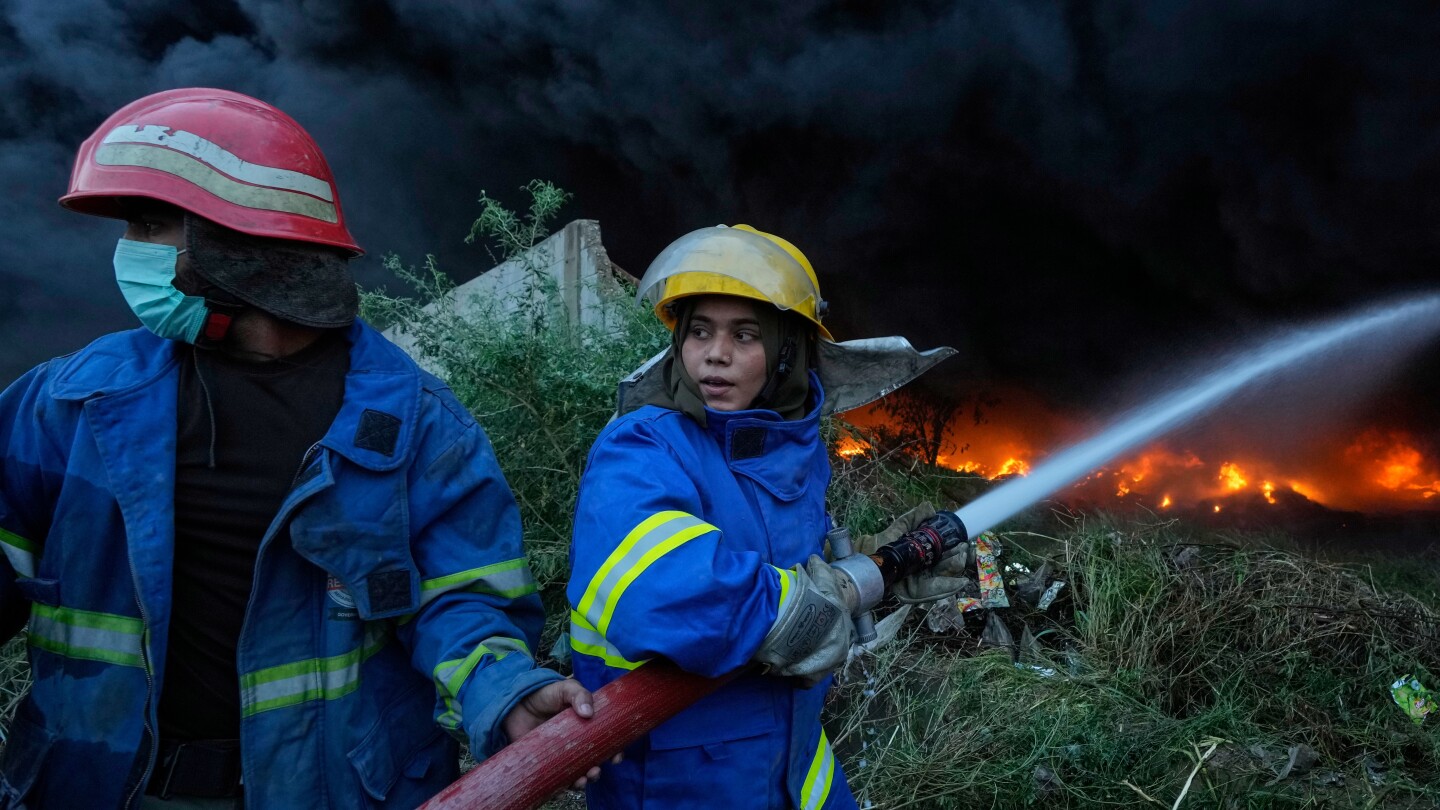
In a groundbreaking shift for Pakistan’s deeply patriarchal society, women are increasingly stepping into roles traditionally dominated by men, particularly in emergency services. Last week, 23-year-old firefighter Syeda Masooma Zaidi led her team in combating a massive blaze at a tire storage facility in Karachi, Pakistan’s largest city. The fire, which sent thick black smoke billowing into the sky, threatened nearby factories but was eventually contained without loss of life, though it caused significant financial damage. Zaidi’s bravery and skill highlighted the growing presence of women in Pakistan’s firefighting units, a field where they were virtually unheard of until recently. Her journey began at the Punjab Rescue Service Academy, where she trained in high-angle rescues and various emergency scenarios. Despite facing skepticism from onlookers who question her ability, Zaidi and her female colleagues continue to prove their mettle. Areeba Taj, another 23-year-old firefighter, and their supervisor, Ayesha Farooq, emphasize the unique strengths women bring to rescue operations, especially in situations involving women and children. Dr. Abid Jalaluddin Shaikh, chief of the Sindh Emergency Service, noted that Zaidi is one of 50 women firefighters in the province, with 180 more in training for various emergency roles. This gradual shift reflects a broader societal change, as more women in Pakistan challenge traditional norms and pursue careers in fields like firefighting, earning respect and paving the way for future generations. Zaidi’s story is not just about courage and duty but also about breaking gender barriers and inspiring others to follow suit.
-

James Watson, Nobel prize-winning DNA pioneer, dead at 97
James Watson, the renowned scientist who co-discovered the double-helix structure of DNA, has died at the age of 97. His passing was confirmed by the Cold Spring Harbor Laboratory, where he spent a significant portion of his career. Watson died on Thursday while in hospice care on Long Island, New York. Watson’s groundbreaking work alongside Francis Crick in 1953 revolutionized the field of molecular biology, earning them the Nobel Prize in Physiology or Medicine in 1962. Their discovery laid the foundation for modern genetics and biotechnology, cementing Watson’s legacy as one of the most influential scientists of the 20th century. However, Watson’s later years were marred by controversy due to his repeated racist remarks, which led to widespread criticism and the revocation of several honors. Despite this, his contributions to science remain monumental. The Cold Spring Harbor Laboratory acknowledged his scientific achievements while distancing itself from his personal views, stating that his work ‘transformed our understanding of life itself.’ Watson’s death marks the end of an era for the scientific community, as the world reflects on his complex legacy of groundbreaking discovery and personal controversy.
-
UAE sends relief aid to Afghanistan after deadly earthquake
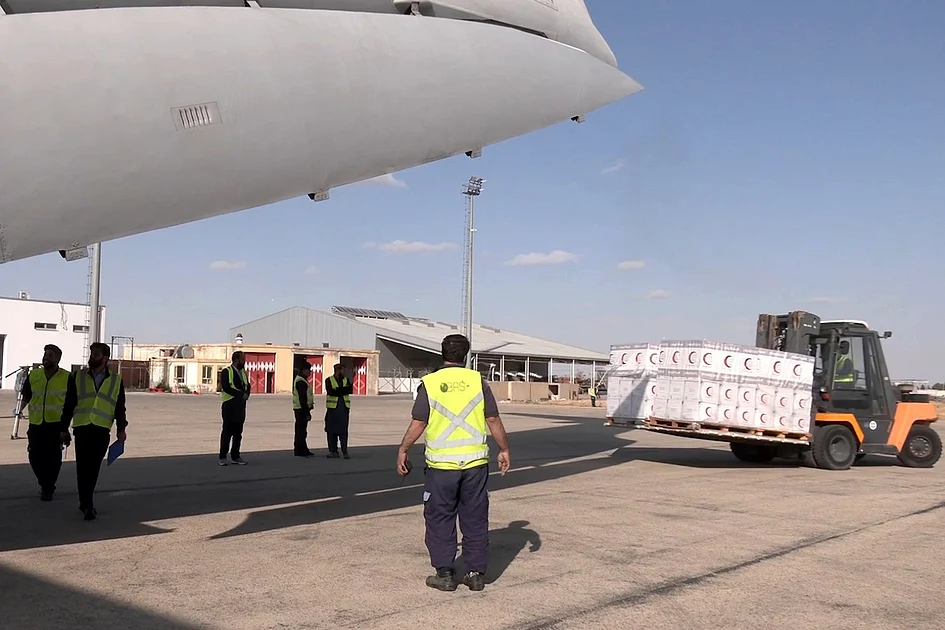
In a swift response to the catastrophic earthquake that struck northern Afghanistan, the United Arab Emirates (UAE) has mobilized a comprehensive humanitarian aid mission. The initiative, spearheaded by a collaborative effort involving the Joint Operations Command, the UAE Aid Agency, and the Emirates Red Crescent, underscores the UAE’s commitment to global solidarity in times of crisis. The mission aims to provide immediate relief to the affected communities, ensuring they receive essential supplies and medical assistance.
-
Turkey issues genocide arrest warrant against Israel PM Netanyahu
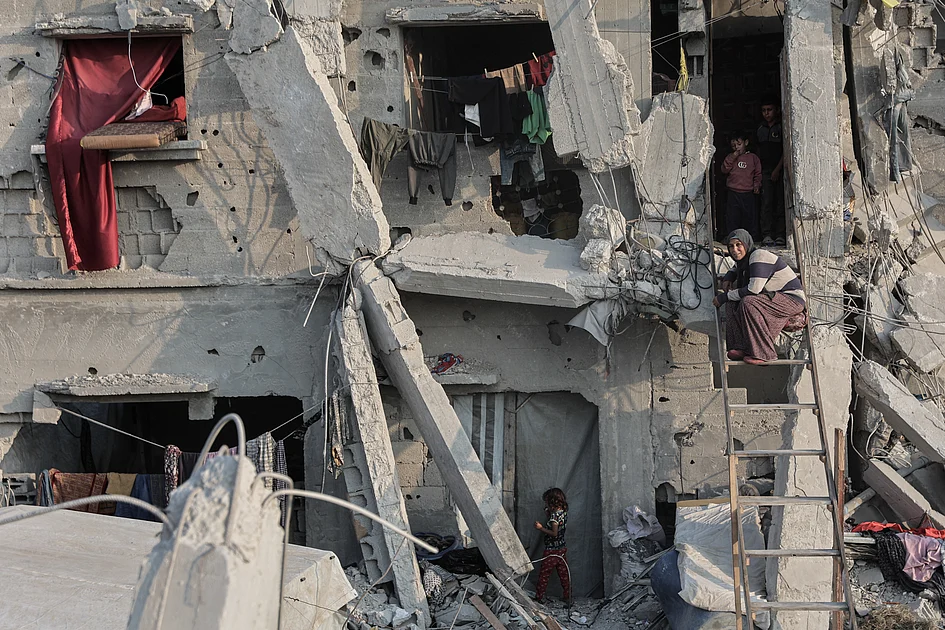
In a significant escalation of diplomatic tensions, Turkey has issued arrest warrants for Israeli Prime Minister Benjamin Netanyahu and several senior officials, accusing them of genocide and crimes against humanity. The warrants, announced by the Istanbul prosecutor’s office on Friday, target 37 individuals, including Israeli Defence Minister Israel Katz, National Security Minister Itamar Ben Gvir, and army chief Lieutenant General Eyal Zamir. The move underscores Turkey’s ongoing criticism of Israel’s actions in Gaza, which it claims constitute systematic violations of international law. The prosecutor’s statement specifically referenced the destruction of the ‘Turkish-Palestinian Friendship Hospital’ in Gaza, a facility built by Turkey and bombed by Israel in March. This development follows Turkey’s decision last year to join South Africa’s case against Israel at the International Court of Justice (ICJ), accusing the nation of genocide. Meanwhile, a fragile ceasefire brokered as part of US President Donald Trump’s regional peace plan has been in effect in Gaza since October 10, offering a temporary respite in the conflict.
-
Sudan urges Trump to designate RSF a terrorist entity as it rules out UAE-linked peace proposals
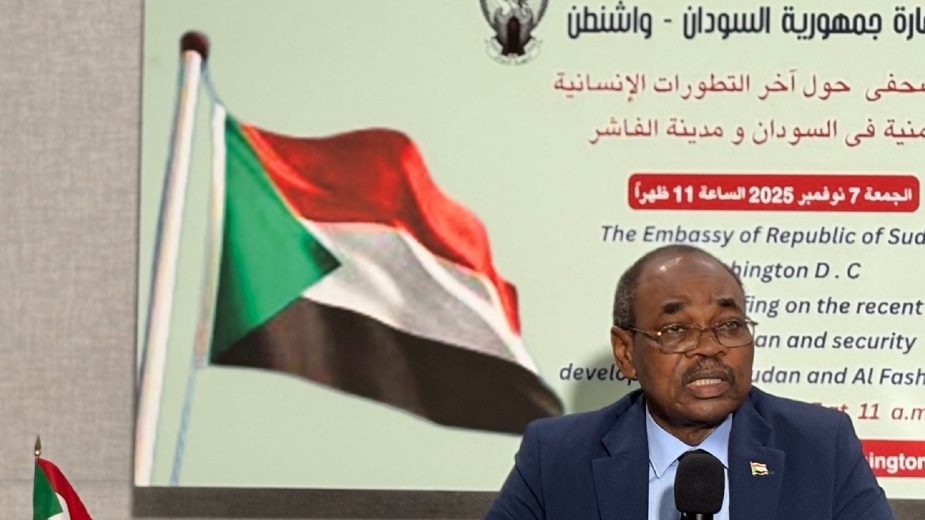
Sudan’s ambassador to the United States, Mohamed Abdalla Idris, has called on the Trump administration to classify the Rapid Support Forces (RSF) as a terrorist organization. Speaking at a press briefing in Washington on Friday, Idris emphasized Sudan’s rejection of a UAE-backed peace proposal to end the ongoing civil war, now in its third year. He criticized Abu Dhabi’s support for the RSF as “destructive” and stated that Sudan cannot accept a peace deal involving the UAE as a mediator, given its role in the conflict. Despite the UAE’s membership in the “Quad”—a coalition including the US, Saudi Arabia, and Egypt—Idris argued that the UAE cannot simultaneously be a party to the conflict and a mediator. The Quad recently unveiled a coordinated roadmap to resolve Sudan’s war, which Idris acknowledged as a positive step but reiterated Sudan’s opposition to UAE involvement. He also urged US President Donald Trump to take a more active role in pressuring the UAE to cease its support for the RSF, which has roots in the Janjaweed militia responsible for the Darfur genocide. The ambassador highlighted bipartisan efforts in the US Senate to designate the RSF as a terrorist organization, citing its ongoing atrocities in El-Fasher. He also called for independent investigations into war crimes committed by both the RSF and the Sudanese Armed Forces. The conflict has resulted in over 150,000 deaths and displaced 12 million people, with 17 countries allegedly involved in the crisis. Sudan has raised these concerns with the Arab League and the African Union, though its AU membership remains suspended.
-
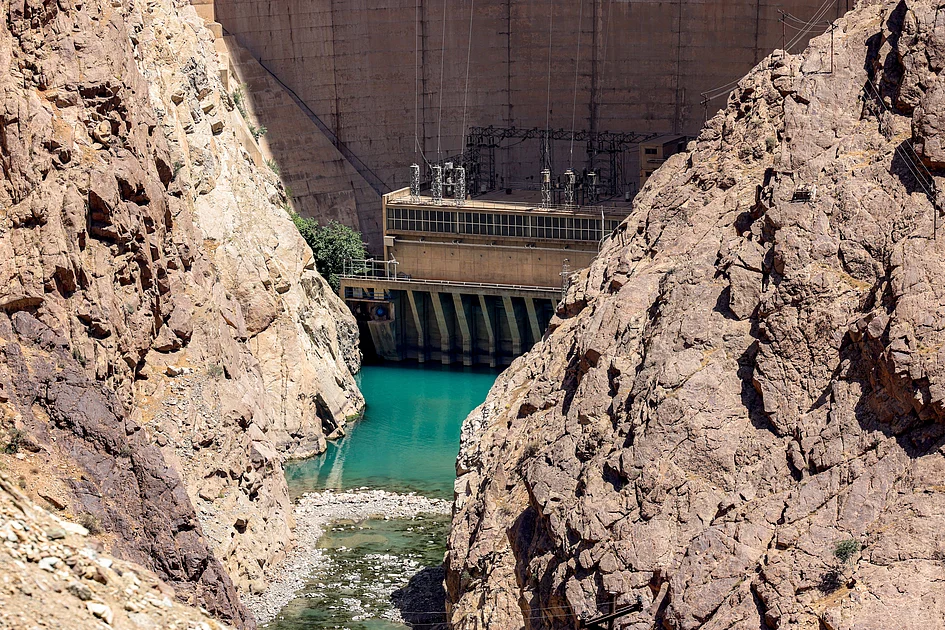
Iran president warns Tehran may face evacuation due to drought
Iranian President Masoud Pezeshkian issued a stark warning on Friday, stating that the capital city of Tehran may face evacuation due to an escalating water shortage crisis. In a televised address, Pezeshkian emphasized that if significant rainfall does not occur by the end of the year, the city will be forced to implement water rationing measures. He further cautioned that continued drought conditions could lead to the complete depletion of water reserves, necessitating the evacuation of Tehran’s 10 million residents. The announcement comes as Iran grapples with one of its most severe droughts in decades, exacerbated by a 40% decline in precipitation compared to the 57-year average. Tehran, a sprawling megacity, is particularly vulnerable, with its main reservoir reportedly holding only two weeks’ worth of water. Recent conservation efforts, including water supply cuts in several neighborhoods and public holidays declared to save water and energy, have failed to mitigate the crisis. Authorities have urged citizens to reduce water consumption by 20% to stabilize the situation until the anticipated winter rains. The dire circumstances underscore the urgent need for long-term solutions to address Iran’s water scarcity challenges.
-
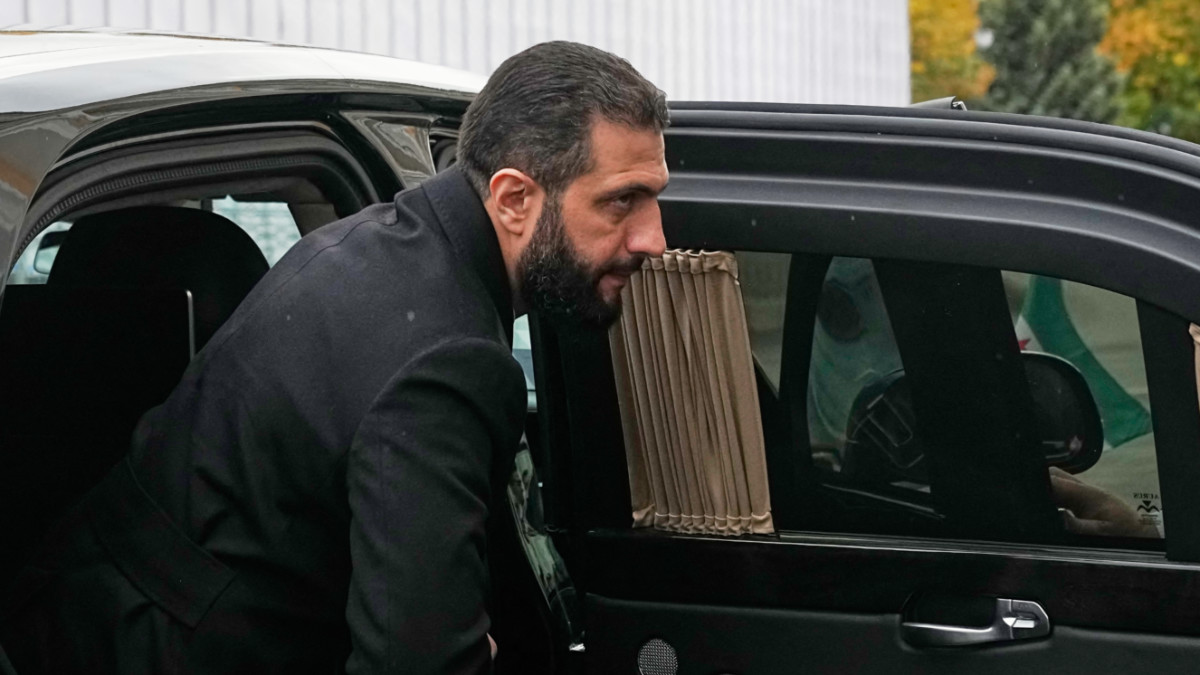
‘Meeting is the message’: On US visit, Syria’s Sharaa eyes boost against Israel, SDF and sanctions
In a historic turn of events, Syrian President Ahmed al-Sharaa, once labeled a terrorist by the United States, is set to visit the White House. This visit underscores a significant realignment in U.S.-Syria relations, as Sharaa prepares to join a U.S.-led coalition against the Islamic State (IS). The move comes amid Syria’s complex challenges, including Israeli occupation in the south, tensions with Kurdish factions in the north, and a struggling economy under sanctions. While these issues are unlikely to be resolved during the visit, the symbolic image of Sharaa in the Oval Office carries profound implications. Former U.S. Ambassador to Syria Robert Ford noted the unprecedented nature of the meeting, likening it to past visits by leaders such as Nelson Mandela and Yasser Arafat. Sharaa’s ability to navigate international skepticism about his past has been a key achievement, even as Syria grapples with internal corruption and sectarian violence. Ahead of the visit, the Trump administration lifted sanctions on Sharaa and his interior minister, signaling a thaw in relations. Sharaa’s government is also strengthening ties with NATO-member Turkey and seeking financial support from Gulf states like Qatar and Saudi Arabia. However, Israel remains a significant threat, with its occupation of southern Syria and strategic moves on Mount Hermon. Experts suggest that while a security agreement between Syria and Israel is possible, a broader peace deal remains unlikely. The visit also highlights the U.S.’s shifting role in the Middle East, as it seeks to reduce its military footprint while deepening security cooperation with Syria. Sharaa’s alignment with the U.S. could marginalize the Kurdish-led Syrian Democratic Forces (SDF), long a U.S. ally in the fight against IS. As Sharaa’s visit unfolds, it is being closely watched by Syrians seeking reintegration into the region and by international stakeholders wary of the geopolitical shifts it may trigger.
-
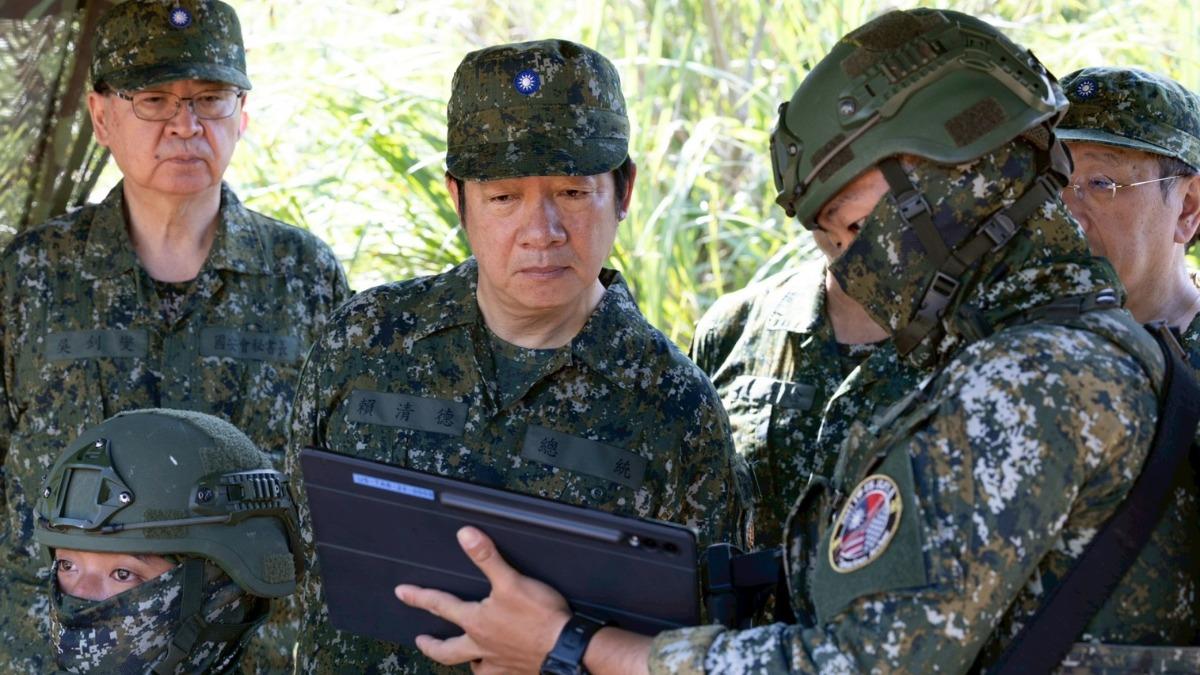
The case for abandoning Taiwan is still weak
The escalating military pressure from China on Taiwan has reignited debates within the United States about whether to intervene militarily if China decides to attack the island. Analysts have long argued that the US should distance itself from Taiwan to preserve its relationship with China. This argument has gained traction as China’s strength and assertiveness grow, raising the potential costs of continued US support for Taipei. Lyle Goldstein, Director of the Asia Program at Defense Priorities, recently highlighted these concerns in an article published in Time magazine, warning of the risks posed by Taiwan’s current president, Lai Ching-te, whom he labels as ‘reckless.’ Goldstein argues that Lai’s rhetoric and actions could inadvertently drag the US into a conflict with China. However, critics note that Lai’s policies largely mirror those of his predecessor, Tsai Ing-wen, and that his statements on Taiwanese sovereignty are consistent with the Democratic Progressive Party’s long-standing position. China’s aggressive posture toward Taiwan is driven not solely by Lai’s leadership but also by its growing military capabilities and the perception of a wavering US commitment to Taiwan’s defense. While some argue that defending Taiwan is not in America’s vital interest, others emphasize Taiwan’s strategic and economic importance, particularly as a global hub for semiconductor manufacturing and a key player in the First Island Chain. The debate underscores the complex dynamics of US-China-Taiwan relations and the high stakes involved in any potential conflict.