
The Philippines is preparing for the imminent arrival of Super Typhoon Fung-wong, locally known as Uwan, just days after Typhoon Kalmaegi wreaked havoc across the nation, claiming at least 200 lives and causing widespread destruction. Fung-wong is forecast to intensify with sustained winds exceeding 185 km/h (115 mph) before making landfall on Luzon, the country’s largest island, as early as Sunday evening. The Philippine Atmospheric, Geophysical, and Astronomical Services Administration (Pagasa) has warned of life-threatening storm surges and torrential rains accompanying the typhoon.
标签: Asia
亚洲
-

UAE: Travelling for Umrah? How to get mandatory vaccine; health tips to stay safe
As millions of Muslims prepare for the spiritual journey of Umrah, Saudi Arabian authorities have introduced stringent health measures to ensure the safety of pilgrims. These measures include mandatory vaccinations and health advisories to prevent the spread of infectious diseases in crowded areas. The UAE has also emphasized the importance of vaccinations for its residents traveling to Saudi Arabia for Umrah. The seasonal influenza vaccine is mandatory for all UAE residents planning to undertake the pilgrimage. It is recommended that travelers receive this vaccination at least 10 days before departure to ensure adequate immunity. The vaccine is available at Emirates Health Services (EHS) general health centers for Dh50, with an additional Dh20 fee for a vaccination card required at travel hubs. Certain groups, including UAE citizens, individuals over 50, people of determination, children under 5, pregnant women, students, and healthcare workers, are exempt from the vaccination fee. Previously, the meningococcal vaccine was mandatory for all Umrah travelers aged 1 and above, but Saudi Arabia recently announced that this is no longer a requirement. However, those who still wish to receive the vaccine must book a doctor’s consultation, which costs Dh150 unless they possess an EHS health card. The Saudi Ministry of Health also recommends the SARS-COV-2 (Covid-19) vaccine for travelers to Umrah areas, which include Makkah, Madinah, Jeddah, and Taif. Pilgrims with chronic conditions are advised to carry detailed medical documentation and sufficient medication in its original packaging. In addition to vaccinations, travelers are encouraged to follow general health tips, such as frequent handwashing, using face masks in crowded areas, maintaining food hygiene, staying hydrated, and protecting against mosquito bites. These precautions are essential for ensuring a safe and healthy pilgrimage experience.
-

Make November one to remember with Big Ticket’s race and luxury yacht experience
As November unfolds, Big Ticket is set to make this month unforgettable with its exclusive Race and Luxury Yacht Experience. This unique promotion offers 30 lucky winners and their guests an all-expenses-paid weekend in Abu Dhabi, featuring a stay at a 5-star hotel, access to the Yas Marina race weekend, and a luxury yacht experience. The winners, selected through an E-draw for tickets purchased between November 1 and 21, will also receive Dh10,000 in cash. Additionally, during the yacht event, participants have the chance to win a special Dh250,000 cash prize. The winners’ names will be announced on December 1, and they will also be entered into the December 3 live draw for the Dh25 million grand prize. For those purchasing tickets between November 1 and 30, the excitement continues with the chance to win Dh100,000 each in consolation prizes. Big Ticket’s Dream Car Series also returns, offering a Maserati Grecale in December and a BMW 430i in January. Special ticket bundle promotions, including buy 2 and get 2 free offers, add even more opportunities to win. Whether it’s the thrill of the race, the luxury of a yacht, or the dream of winning millions, Big Ticket ensures November is a month to remember. Tickets are available online at www.bigticket.ae or at counters in Zayed International Airport and Al Ain Airport.
-

Dubai: Meet the expat combating the silent crisis of ‘male loneliness’ epidemic
In the bustling city of Dubai, one man is tackling a silent crisis that affects millions globally: male loneliness. Steve Ashby, a 71-year-old expatriate and cancer survivor, has founded One Connection Away (OCA), a groundbreaking initiative aimed at helping men rebuild meaningful connections and improve their mental health. Operating from his modest home office in Barsha Heights, Steve’s journey began with his own battle against isolation, exacerbated by his aggressive stage 4 prostate cancer and brain seizures. Realizing the lack of accessible, practical support for men, he created OCA—a neuroscience-based micro-course designed to guide men back into visibility, community, and emotional vitality. Male loneliness, often hidden behind careers and productivity, has profound societal and economic impacts. Steve’s approach focuses on disrupting the ‘Loneliness Spiral,’ a six-stage descent into emotional numbness, through seven pillars: Stretch, Posture, Exercise, Connection, Reflection, Nutrition, and Sleep. OCA’s innovative tools, such as the ‘Opening Gambit’ and ‘Connection Hubs,’ encourage men to take small, sustainable steps toward reconnection. The initiative is gaining traction globally, with partnerships in the UAE and beyond, as businesses recognize the cost of employee disengagement. Steve’s vision extends to creating a global ecosystem, including the VITAL MEN’S ROOM, an online community supporting offline transformation, and a sister program focused on men’s health and longevity. His mantra, ‘You’re not alone. You’re just disconnected,’ resonates with men worldwide, offering hope and practical solutions to combat loneliness.
-

AI transformation UAE: Trust, safety, and sovereignty in technology
The UAE is charting a unique path in the global AI landscape, emphasizing trust, safety, and sovereign control over technology. At GITEX 2025, held at the Dubai World Trade Centre, the focus shifted from theoretical discussions to tangible systems already in motion. The nation has emerged as a hub for responsible innovation, blending ambition with accountability through clear governance and collaborative efforts. This approach is shaping a future where AI-driven progress prioritizes human welfare and data sovereignty. Tareq Masoud, Country Manager UAE at Snowflake, highlighted the transition from AI adoption to practical implementation, with organizations seeking unified platforms that ensure governance, performance, and interoperability. The demand for locally compliant systems has surged, reflecting a regional emphasis on data security and privacy. Snowflake has expanded its regional presence, partnering with Microsoft Azure, Google Cloud, and AWS to offer enterprises compliant and secure solutions. Similarly, Salesforce showcased its Agentforce 360 platform, enabling businesses to deploy AI agents across various functions while maintaining data security. Mohammed Alkhotani, Salesforce’s Senior Vice President for the Middle East, emphasized the region’s role in shaping global AI conversations, moving from exploration to real-world deployment. Both executives underscored the importance of collaboration, with GITEX serving as a catalyst for public-private partnerships. The UAE’s National AI Strategy 2031 and Saudi Vision 2030 further highlight governance and partnership as cornerstones of innovation. Snowflake’s Cortex AISQL and OpenFlow platforms drew significant interest for their ability to integrate generative AI and unify data sources, addressing regional challenges like data fragmentation. Alkhotani envisions the rise of agentic cities, where AI enhances public services and sustainable growth. The UAE’s focus on secure infrastructure and ethical AI deployment positions it as a leader in the global AI economy, with AI expected to contribute $150 billion to the region’s GDP by 2030. The nation’s commitment to responsible innovation, combining smarter systems, safer practices, and sovereign control, is defining its technological identity and setting a benchmark for intelligent transformation worldwide.
-

Amazon Bazaar expands to 14 new markets, including Philippines, Taiwan, Hong Kong
Amazon.com has announced the expansion of its low-cost e-commerce platform, Amazon Bazaar, to 14 additional markets, including the Philippines, Taiwan, and Hong Kong. This move intensifies its competition with Chinese rivals Shein and Temu in the global race to dominate the ultra-cheap goods market, offering products like $10 dresses and $5 accessories. The standalone Amazon Bazaar app, which mirrors the budget-friendly Amazon Haul section, will deliver a majority of products priced under $10, with some items as low as $2, to these new markets. Since its launch in Mexico last year, Amazon Bazaar has expanded to Saudi Arabia and the United Arab Emirates. Analysts view this expansion as a strategic step in Amazon’s international growth, aiming to scale up profitability while delighting consumers. Despite the challenges posed by U.S. import tariffs under the Trump administration, Amazon reported a 10% increase in third-quarter international revenue, reaching $40.9 billion. The company’s global fulfillment centers and service partners ensure efficient delivery of Amazon Bazaar products. Meanwhile, Shein and Temu continue their aggressive global expansion, operating in over 160 and 70 countries, respectively, despite setbacks from U.S. trade policies.
-
China injects strong impetus to global climate governance: white paper
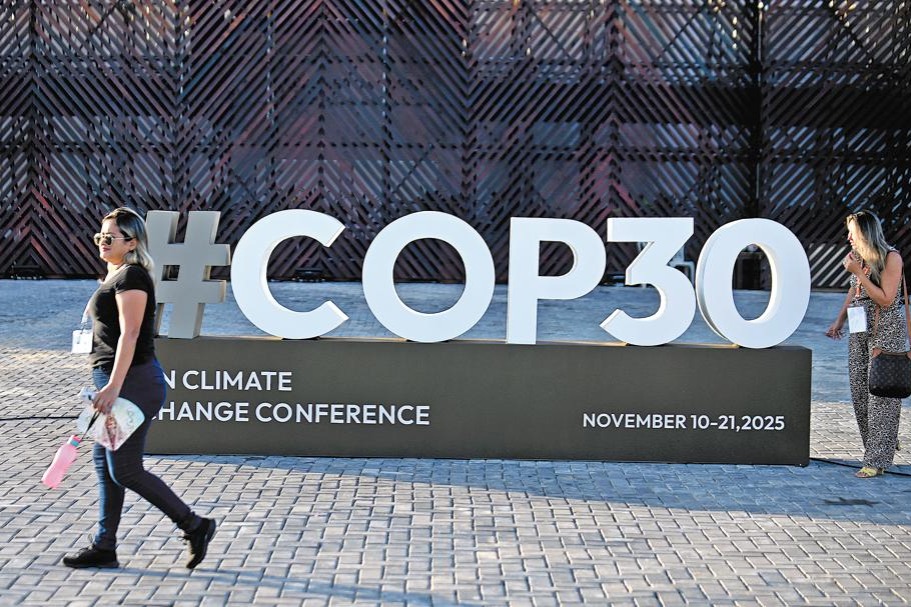
China is playing a pivotal role in advancing global climate governance, as highlighted in a recent white paper titled ‘Carbon Peaking and Carbon Neutrality: China’s Plans and Solutions.’ Released by the State Council Information Office, the document underscores China’s commitment to multilateralism and international cooperation in addressing climate change. The white paper outlines China’s active engagement in global climate governance, its leadership in promoting green development under the Belt and Road Initiative (BRI), and its efforts to foster international collaboration on green and low-carbon development. China has demonstrated its ambition through substantial Nationally Determined Contributions, aligning with the Paris Agreement’s objectives. The country has expanded green infrastructure, energy, and transport cooperation with BRI partner nations, establishing energy partnerships with 34 countries and collaborating on green energy projects with over 100 countries and regions. Adhering to the principle of common but differentiated responsibilities, China has provided financial, technological, and capacity-building support to developing nations. By October 2025, China had signed 55 memoranda of understanding on South-South climate cooperation with 43 developing countries and conducted over 300 capacity-building sessions. Looking ahead, China is committed to working with the international community to promote ecological conservation, green development, and the protection of the planet, aiming for a cleaner and more sustainable world.
-
Pakistan–Afghanistan peace talks in Istanbul fail amid rising border tensions
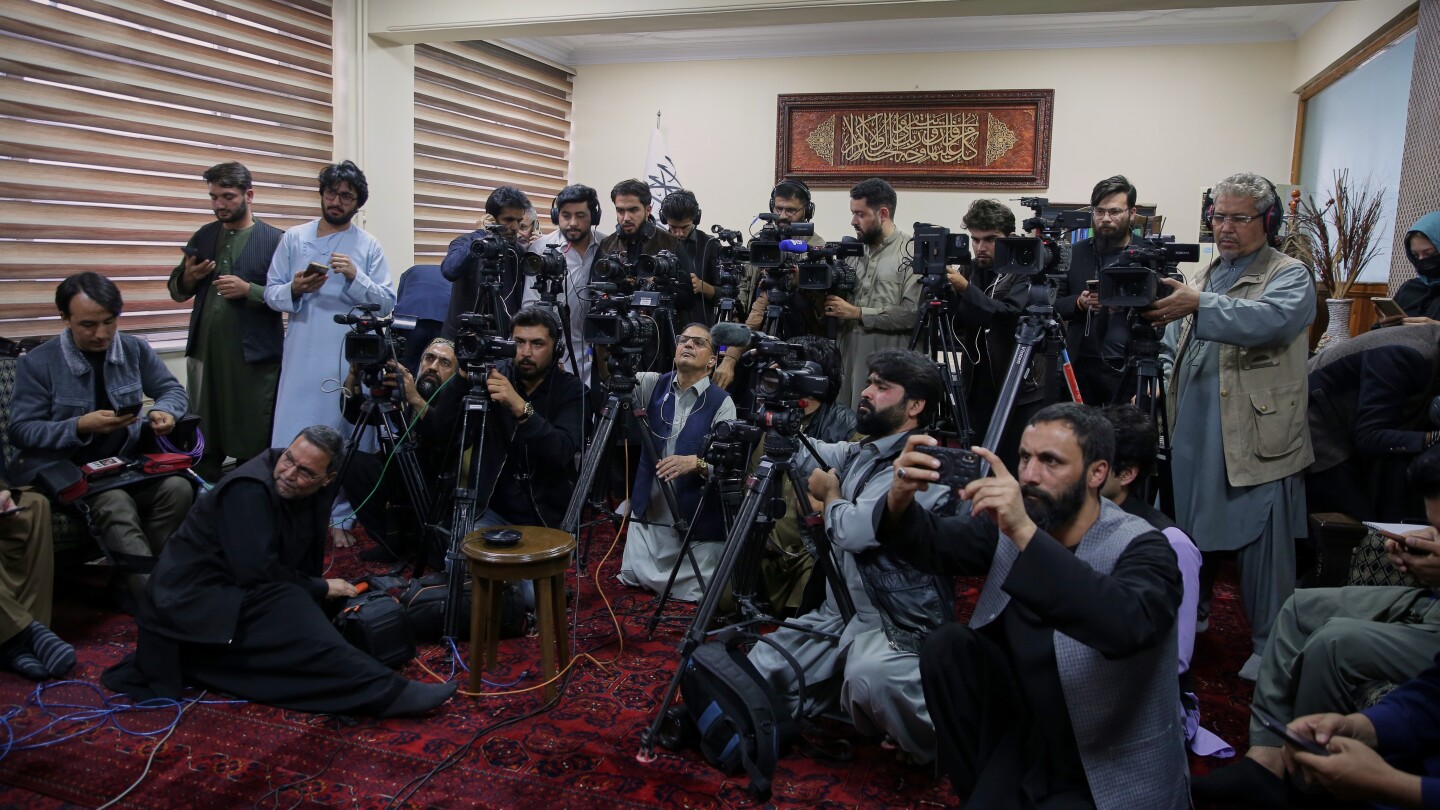
The latest round of peace talks between Pakistan and Afghanistan, held in Istanbul under the mediation of Turkey and Qatar, concluded without an agreement, as both sides exchanged accusations over the breakdown. The negotiations, aimed at easing border tensions and maintaining a fragile ceasefire, marked the third diplomatic effort since the Taliban’s 2021 takeover of Afghanistan. Despite intense back-channel diplomacy, the discussions stalled late Friday, with no tangible progress reported.
-

Australia wins toss, sends India in to bat in T20 series decider
In a high-stakes showdown at Brisbane’s Gabba, Australia’s captain Mitch Marsh won the toss and elected to field first, setting the stage for a thrilling series-deciding Twenty20 international against India. With overcast skies and the threat of rain looming, the match could be shortened, adding urgency to India’s batting strategy. The visitors, leading the series 2-1, aim to secure victory after their dominant 48-run win on the Gold Coast, where Washington Sundar’s three-wicket burst dismantled Australia’s chase. Australia, meanwhile, seeks redemption after collapsing in their previous match, losing seven wickets for just 28 runs. Both teams made minimal changes to their lineups, with India introducing Rinku Singh in place of Tilak Varma. This match marks Australia’s final T20 outing before the highly anticipated Ashes series against England begins on November 21 in Perth.
-
Xi attends carrier’s commissioning
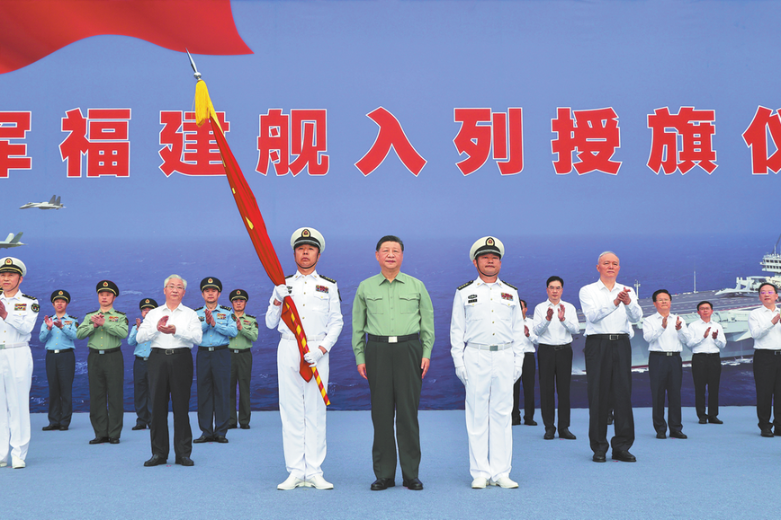
President Xi Jinping presided over the commissioning ceremony of the CNS Fujian, China’s first aircraft carrier equipped with electromagnetic catapults, at a naval base in Sanya, Hainan Province. The event marked a significant milestone in China’s naval capabilities, showcasing the nation’s advancements in military technology and maritime defense. President Xi, who also serves as the General Secretary of the Communist Party of China Central Committee and Chairman of the Central Military Commission, personally presented the People’s Liberation Army (PLA) flag to the carrier’s captain and political commissar. The ceremony was attended by 2,000 personnel, including Navy officers and defense contractors involved in the ship’s design and construction. Following the ceremony, President Xi inspected the Fujian, observing its flight deck, which featured advanced aircraft such as the J-35 stealth fighter jet and KJ-600 early-warning and control planes. He also engaged with pilots and crew, witnessing a demonstration of the electromagnetic catapult system, which he had personally approved for installation. The CNS Fujian, with a hull designation of 18, displaces over 80,000 metric tons, making it the largest warship ever built outside the United States. Designed by China State Shipbuilding Corp and constructed at the Jiangnan Shipyard in Shanghai, the Fujian underwent nine sea trials before its commissioning. Military experts highlighted the carrier’s strategic importance, emphasizing its enhanced capabilities in safeguarding national interests and its potential to operate longer and further than its predecessors. However, they also noted that continuous training and exercises would be essential to fully realize its combat potential.