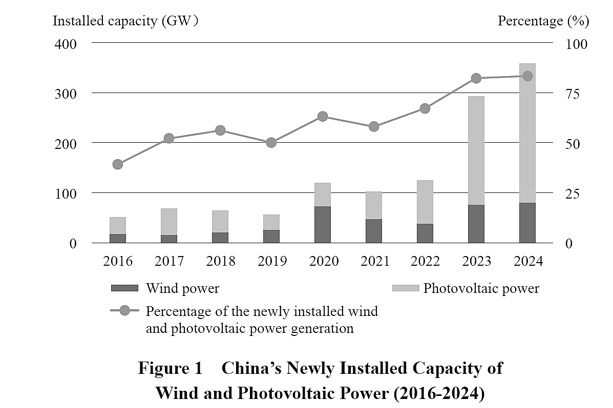
China has solidified its commitment to achieving carbon peaking by 2030 and carbon neutrality by 2060, positioning itself as a global leader in climate action. The country has implemented a robust ‘1+N’ policy framework, which includes a top-level design and sector-specific action plans to guide its green transition. This framework emphasizes the development of renewable energy, energy efficiency, and low-carbon technologies, while also addressing key sectors such as industry, transport, and urban development. China has made significant strides in renewable energy, boasting the world’s largest installed capacity of wind and solar power, and leading in the adoption of new energy vehicles. The nation has also prioritized international cooperation, actively participating in global climate governance and supporting the Paris Agreement. Through these efforts, China aims to not only reduce its carbon footprint but also contribute to global sustainability and the fight against climate change.
标签: Asia
亚洲
-
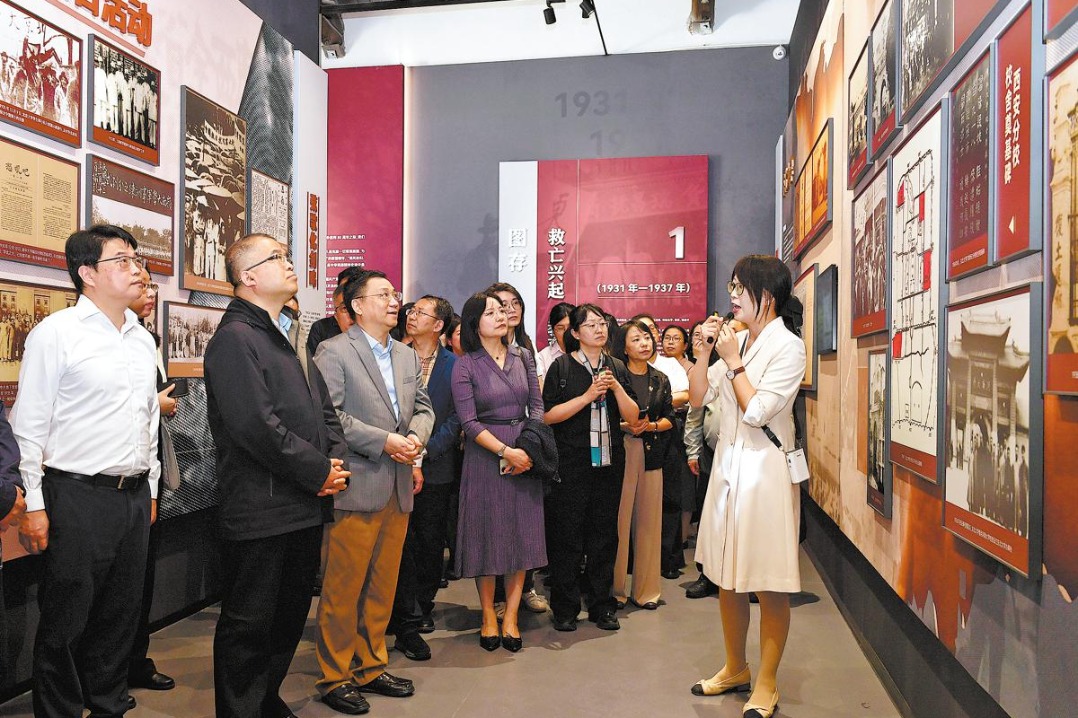
Colleges’ wartime resilience exhibited
A comprehensive exhibition commemorating the relocation of Chinese universities during the War of Resistance Against Japanese Aggression (1931-45) was inaugurated at Sanming University in Fujian province. The event, organized in collaboration with over 40 universities nationwide, marks the 80th anniversary of the victory in the Chinese People’s War of Resistance Against Japanese Aggression and the World Anti-Fascist War. The exhibition vividly portrays the challenging journey of more than 150 universities that were compelled to move to safer regions, including the southwestern, northwestern, central-southern, and eastern mountainous areas, to preserve the essence of education during the war. Tang Tao, an expert from East China Normal University, emphasized the significance of this relocation in China’s educational history and the importance of educating students about this pivotal period. The exhibition also sheds light on the wartime efforts of over 20 universities established by the Communist Party of China, filling a crucial gap in historical records. It narrates the story of a military and political academy in Yan’an, Shaanxi province, which trained over 100,000 cadres amidst relentless warfare. Additionally, the exhibition explores the wartime relocation and postwar development of higher education institutions in Fujian and Taiwan, highlighting the shared destiny and blood ties between compatriots in Taiwan and the mainland. Chen Lieping, Party chief of Sanming University, stated that the exhibition hall serves as a lasting repository of wartime memory and an immersive platform for ideological and political education, ensuring the flame of civilization and the power of education are passed down through generations.
-
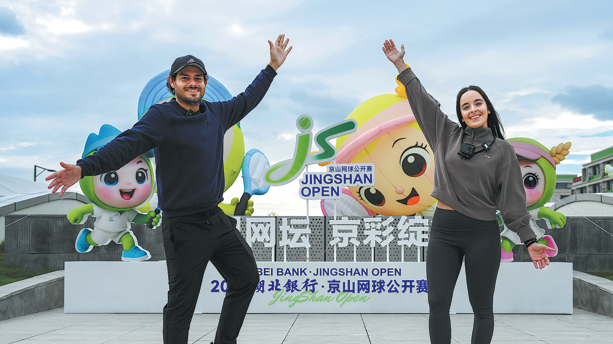
Foreign coaches help ‘Tennis City of China’ dream big
Jingshan, a county-level city in Hubei province, is making strides toward its vision of becoming the ‘Tennis City of China’ with the help of international expertise. Mexican coaches Fabricio and Grecia Gonzalez have brought their global experience to the Hubei Tennis School, enhancing the training and development of local talent. The city, already renowned for hosting prestigious tournaments like the WTA 125 and ATP 100, has embraced the couple’s contributions to its tennis ecosystem. Fabricio, a seasoned coach with experience in Mexico, the US, and Spain, focuses on technical training and strategic development, while Grecia, a respiratory therapist, introduces innovative breathing techniques to young players. Their arrival in August 2025 marked a significant step in Jingshan’s tennis journey. The city boasts over 300 high-standard courts and a thriving tennis culture, with more than 100,000 enthusiasts among its 600,000 residents. The Gonzalez duo, supported by the local government with accommodation and training facilities, has already made an impact. Fabricio’s tailored coaching methods have improved players’ skills and motivation, while Grecia’s breathing courses have enhanced physical performance. Despite initial challenges, including language barriers, the couple has adapted and is optimistic about the potential of their trainees. They aim to nurture a new generation of athletes capable of competing on the global stage, potentially reaching ATP or WTA tours. Jingshan’s commitment to tennis, combined with international expertise, positions it as a rising star in the world of sports.
-
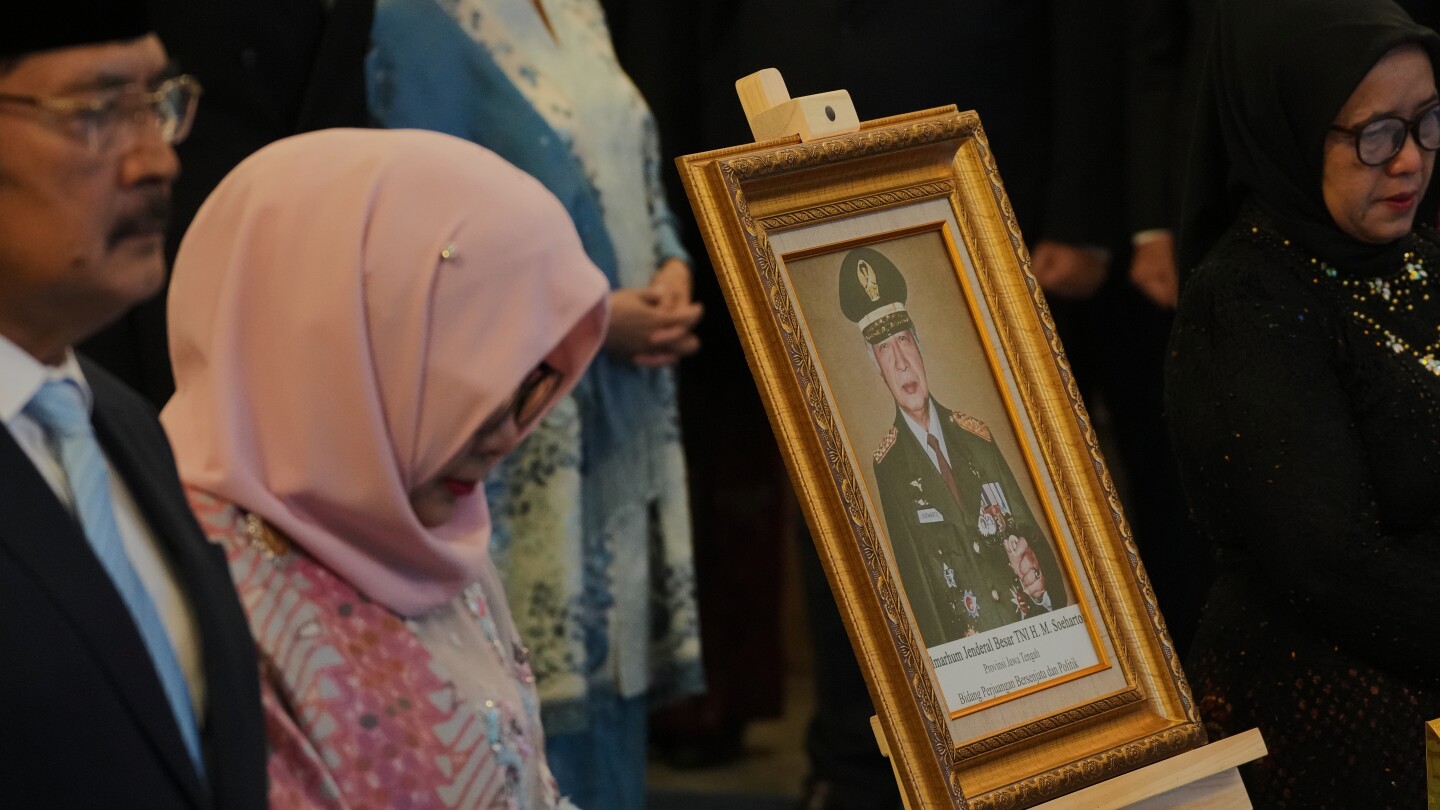
Indonesia declares late dictator Suharto a national hero, despite outrage from rights groups
Indonesia’s recent declaration of former dictator Suharto as a national hero has ignited widespread controversy and condemnation. The decision, announced by President Prabowo Subianto during a televised ceremony on National Hero Day, has been criticized by human rights groups as an attempt to whitewash the severe abuses and corruption that marked Suharto’s 32-year authoritarian rule. Suharto, a Cold War ally of the U.S., was ousted in 1998 following mass protests amid the Asian financial crisis. His regime is accused of orchestrating the deaths of up to a million political opponents, including the mass killings of alleged communists in 1965-1966 and atrocities in regions like East Timor, Aceh, and Papua. Minister of Culture Fadli Zon defended the honor, citing Suharto’s role in Indonesia’s independence struggle and his economic achievements, while dismissing allegations of human rights violations as unproven. Survivors of Suharto’s regime, such as Bedjo Untung, who endured imprisonment and torture, expressed outrage, calling the decision deeply unjust. Critics argue that the move undermines Indonesia’s commitment to transitional justice and the 1998 reform movement. The debate highlights the nation’s struggle to reconcile its past with its aspirations for justice and democracy.
-
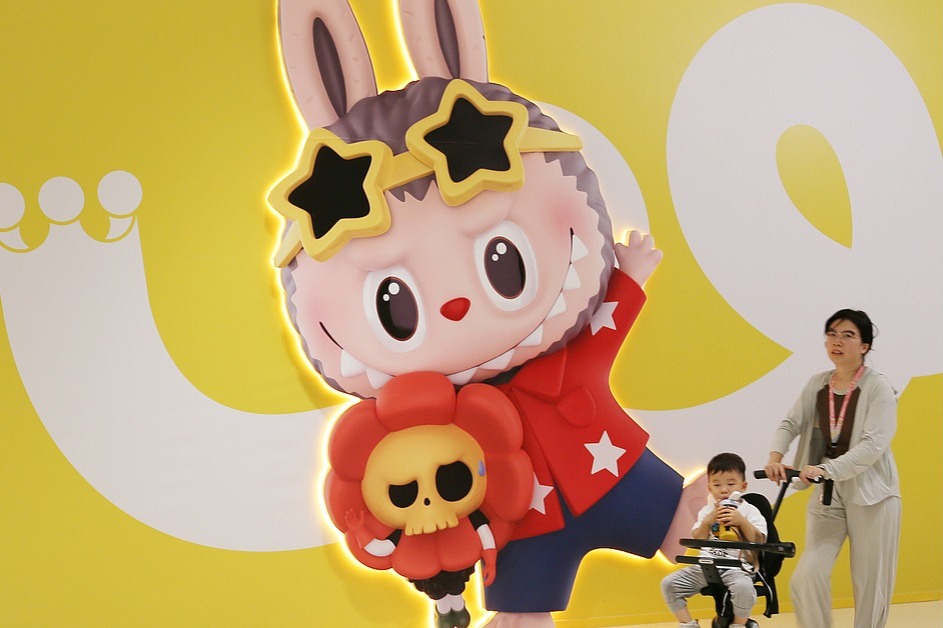
China’s Labubu ‘la-wins’ another global accolade
Labubu, the whimsical forest monster toy from Chinese toy maker Pop Mart, has been crowned China’s most recognizable and influential pop culture intellectual property (IP) in a newly released report. The accolade was announced at the World Internet Conference Wuzhen Summit in Zhejiang province, where the Academy of Contemporary China and World Studies unveiled its annual assessment of Chinese cultural IPs’ global impact. Labubu outperformed blockbuster films like *Dead To Rights* and *Ne Zha 2*, which secured second and third places, respectively. The report, which analyzed data from over 4,000 global media outlets, social platforms, and AI models like DeepSeek and ChatGPT, highlighted the growing resonance of Chinese cultural symbols worldwide. Li Yafang, head of the academy, emphasized that these IPs no longer aim to ‘preach’ but instead use high-quality products and compelling narratives to foster global understanding of China. Experts attribute Labubu’s success to its ‘cute, odd yet healing’ design and the thrill of blind-box purchases, which resonate deeply with young audiences. Meanwhile, films like *Ne Zha 2* and *Dead To Rights* have captivated international audiences by blending universal themes with Chinese cultural roots. The report also identified Chengdu’s World Games, Chongqing’s ‘cyber city’ image, and the Shanghai Cooperation Organization Summit in Tianjin as top local-culture hotspots with international influence. These findings underscore China’s evolving cultural footprint on the global stage.
-
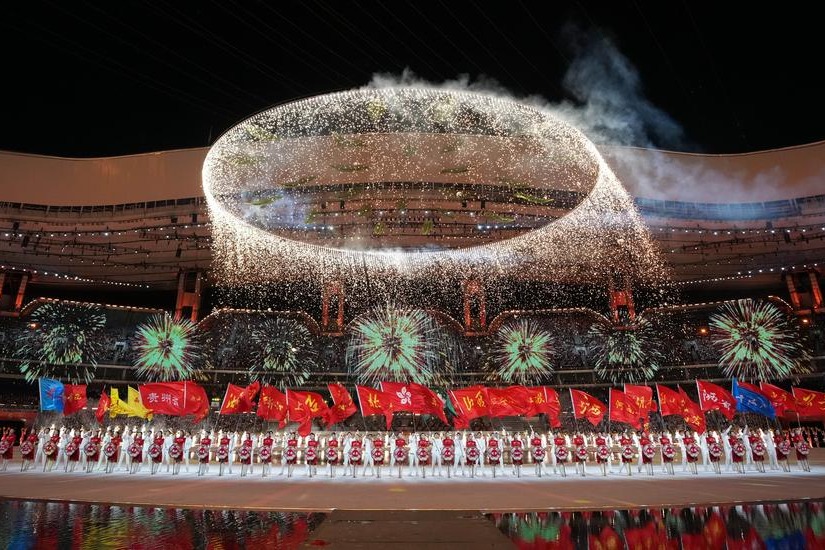
Xi Focus: Xi leads China’s drive for building sports powerhouse
In a resounding declaration at the opening ceremony of China’s 15th National Games in Guangzhou, President Xi Jinping underscored his unwavering commitment to transforming China into a global sports powerhouse. This marked his fourth consecutive appearance at the nation’s premier multi-sport event, reflecting his deep personal and national dedication to sports and public fitness. Xi, a sports enthusiast himself, emphasized the symbiotic relationship between sports and national prosperity, stating, ‘When sports thrive, China grows stronger; when the nation prospers, sports flourish in return.’ His vision extends beyond elite competition, advocating for mass participation in sports to enhance public health and well-being. Xi’s leadership has been instrumental in China’s successful hosting of major international events, including the 2008 Beijing Olympics, the 2022 Beijing Winter Olympics, and the Nanjing Youth Olympics. These events have showcased China’s modernization and openness to the world. Under Xi’s guidance, China has also made significant strides in competitive sports, consistently ranking among the top nations in Olympic medal tables. His focus on youth fitness and public sports infrastructure has led to the establishment of comprehensive policies aimed at fostering a healthier, more active population. Xi’s sports diplomacy has further strengthened China’s global ties, using sports as a bridge to foster international goodwill and cooperation. As China continues to rise as a sports powerhouse, Xi’s vision remains clear: to build a healthier, stronger nation and to promote unity and peace through the universal language of sports.
-
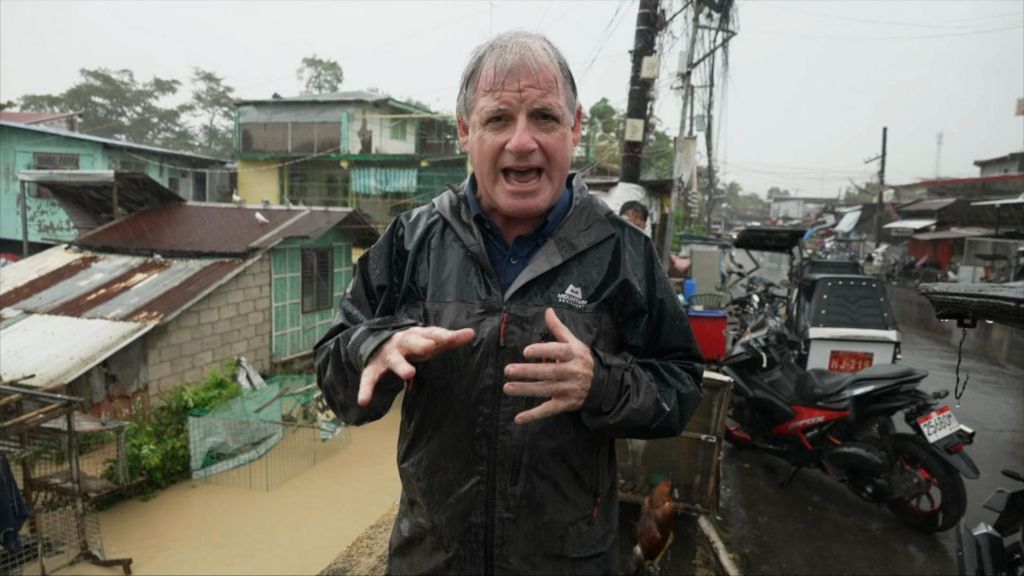
Philippines typhoon aftermath: ‘Water levels are rising fast’
As Typhoon Fung-wong moves across the South China Sea, its impact continues to be felt in the Philippines, where the storm has already claimed two lives. The typhoon, though weakened, has caused significant flooding, with water levels rising rapidly in affected areas. Local authorities are on high alert, urging residents to remain cautious and prepare for potential further damage. Emergency response teams are working tirelessly to provide aid and assess the extent of the devastation. The storm’s trajectory suggests it may still pose risks to coastal regions, even as it loses strength. The aftermath of Fung-wong highlights the ongoing challenges faced by the Philippines in coping with frequent and severe weather events, exacerbated by climate change.
-
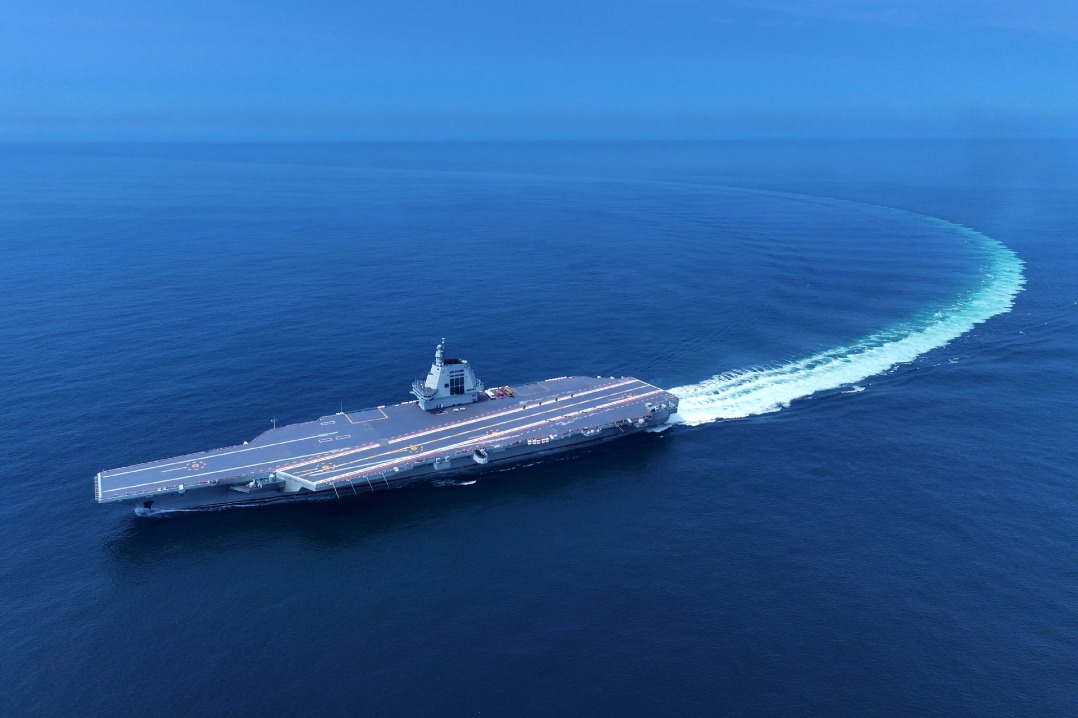
Supercarrier to be put through paces
The CNS Fujian, China’s third aircraft carrier and the world’s largest conventionally powered warship, has commenced rigorous equipment testing and trial runs under the leadership of Senior Captain Chen Zhiguo. Chen emphasized the crew’s commitment to ensuring the vessel’s readiness for full-scale deployment of aircraft squadrons and enhancing joint combat capabilities within the carrier strike group. The Fujian, commissioned on November 8, 2025, at a naval base in Sanya, Hainan province, is the first in the People’s Liberation Army Navy to feature an advanced electromagnetic catapult system. With a displacement exceeding 80,000 metric tons, it represents a significant milestone in naval engineering in the Eastern Hemisphere. Senior Captain Leng Guowei, a Navy spokesperson, highlighted that Sanya will serve as the Fujian’s home base due to strategic and logistical advantages. He also reiterated that China’s military advancements are defensive in nature, aimed at safeguarding national sovereignty and security. An industry expert noted that the Fujian’s commissioning marks China’s entry into the ‘three-carrier club,’ significantly boosting the Navy’s long-range operational capabilities.
-
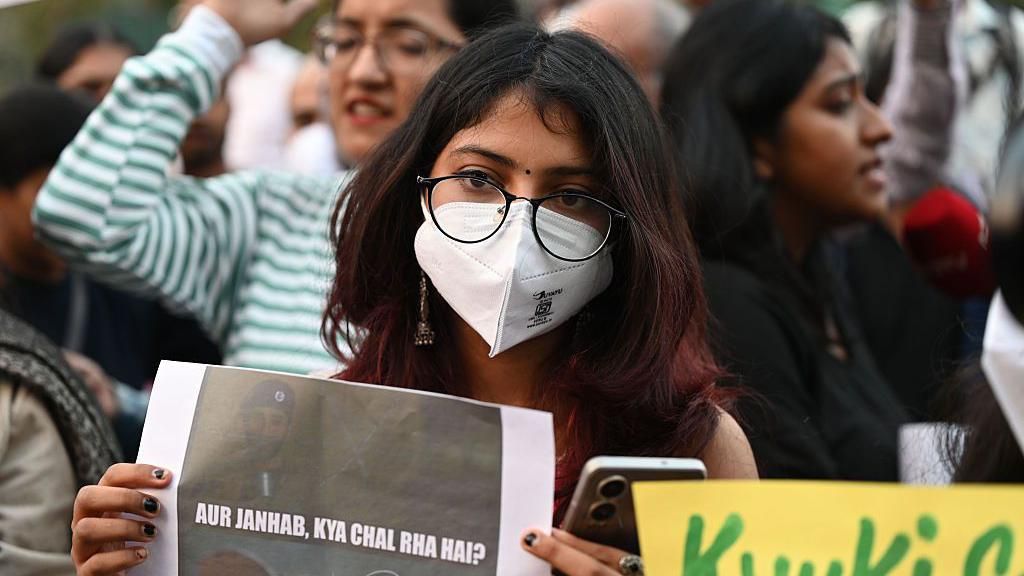
Hundreds turn out for anti-pollution protest in Delhi
Hundreds of Delhi residents took to the streets on Sunday to protest the worsening air quality in India’s capital and its surrounding areas. The demonstration, which saw participants of all ages, including children, was marked by banners and slogans urging the government to declare a health emergency and implement effective measures to curb pollution. The protest, held near the iconic India Gate, resulted in the brief detention of around 80 individuals by the police, who cited the lack of permission for the gathering. This was the first major protest on air pollution in Delhi in recent times, highlighting the severity of the issue. Air quality in Delhi has been consistently poor, with the Air Quality Index (AQI) hovering between 300 and 400 over the past three weeks, nearly 20-30 times the acceptable limit set by the World Health Organization. The situation is exacerbated in winter due to crop stubble burning in neighboring states and low wind speeds that trap pollutants close to the ground. Protesters, including environmental activists, opposition leaders, and university students, criticized the government’s inadequate response, particularly the delayed implementation of the third level of the Graded Response Action Plan (GRAP), which would impose stricter measures to combat pollution. Delhi’s environment minister, Manjinder Singh Sirsa, defended the government’s efforts, citing measures such as the installation of anti-smog guns, dust mitigation through water sprinklers, and the increase in electric vehicles in the public bus fleet. However, protesters remain unconvinced, calling for more serious and immediate action to address the crisis.
-
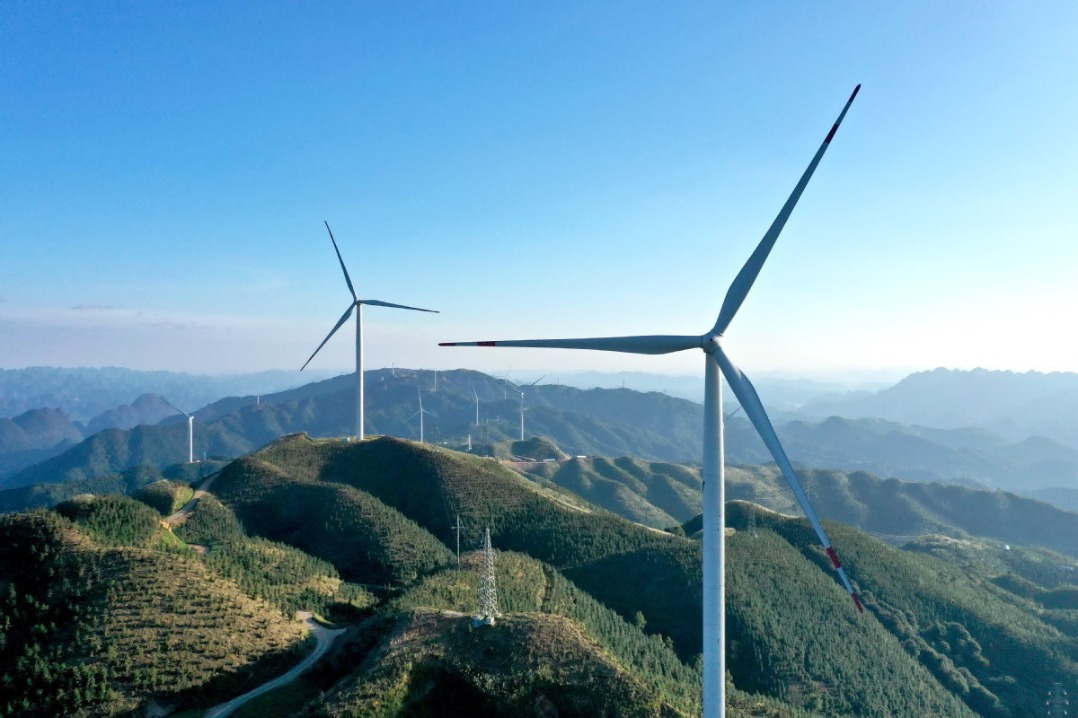
Nation drives global energy transition through green innovation, cooperation
China is playing a pivotal role in driving the global energy transition by fostering green innovation and deepening international cooperation, as outlined in a recently published white paper. Titled ‘Carbon Peaking and Carbon Neutrality: China’s Plans and Solutions,’ the document, released by the State Council Information Office, underscores China’s unwavering commitment to climate multilateralism and its proactive engagement in global climate governance. The white paper highlights China’s efforts to promote green development under the Belt and Road Initiative (BRI) and its advancements in international cooperation on green and low-carbon development. Aligning with the Paris Agreement, China has demonstrated exceptional ambition in its Nationally Determined Contributions (NDCs), taking substantial actions to reduce emissions and adapt to climate impacts. The paper also emphasizes China’s expanding cooperation with BRI partner countries in green infrastructure, energy, and transportation. To date, China has established energy partnerships with 34 BRI countries and collaborated with over 100 nations on green energy projects. Adhering to the principle of ‘common but differentiated responsibilities,’ China has provided financial, technological, and capacity-building support to developing countries. As of October, China has signed 55 memorandums of understanding on South-South climate cooperation with 43 developing nations and conducted over 300 capacity-building sessions. Looking ahead, China is committed to working with the international community to address global climate challenges and promote sustainable development. Lyu Wenbin, director of the Academy of Macroeconomic Research’s Energy Research Institute, emphasized China’s significant contributions to wind and solar energy development, noting that the country supplies over 80% of the world’s photovoltaic modules and approximately 70% of wind power equipment. Over the past decade, China’s efforts have significantly reduced the global levelized cost of electricity for wind and solar power. With a robust clean energy production capacity and a complete new energy industry chain, China is well-positioned to provide high-quality clean energy products and services globally, fostering a secure, stable, and clean energy industry chain.