
A chaotic scene unfolded in Bucheon, South Korea, on Thursday morning when a light truck careened into a bustling market, injuring 20 people, two of whom remain unconscious. The vehicle reportedly sped out of control for approximately 150 meters (164 yards) before coming to a halt. The incident occurred in a market located about 20 kilometers (12 miles) west of Seoul, according to emergency officials. Authorities confirmed that the driver, who was not critically injured, was tested for alcohol intoxication at the scene, with results showing no signs of impairment. Police have since taken custody of the vehicle for further investigation to determine the cause of the crash. The event has raised concerns about safety measures in densely populated areas, as officials work to prevent similar incidents in the future.
标签: Asia
亚洲
-
DNA test confirms prime suspect in Delhi blast as Dr Umar: Police
In a significant development in the investigation of the recent Delhi car blast near the Red Fort, forensic DNA testing has conclusively identified Dr. Umar Un Nabi as the prime suspect. The blast, which claimed 12 lives, including that of the suspect, occurred in a high-security zone, raising serious concerns about national security. Delhi Police confirmed the identity after matching DNA samples from Dr. Umar’s remains with those of his mother and brother, analyzed at the AIIMS forensic laboratory. Dr. Sudhir Gupta, Head of Forensic Medicine at AIIMS, emphasized the reliability of DNA profiling in establishing biological relationships and identifying individuals in criminal investigations. The forensic team examined 21 biological samples, including those from other victims and traces found on damaged vehicles. Investigators are now focusing on tracing the origin of the explosives, potential handlers, and whether the incident was part of a larger conspiracy. The investigation has also revealed that Dr. Umar stayed at a mosque on Asaf Ali Road before the blast and parked his car in the Sunehri Masjid parking lot. A red Ford EcoSport, registered in his name, has been seized as part of the probe. Delhi Police, along with central agencies, are intensifying efforts to uncover the terror angle behind the incident, with multiple teams deployed across Delhi and neighboring states.
-
Malaysian rapper Namewee released on bail in probe into Taiwanese influencer’s murder
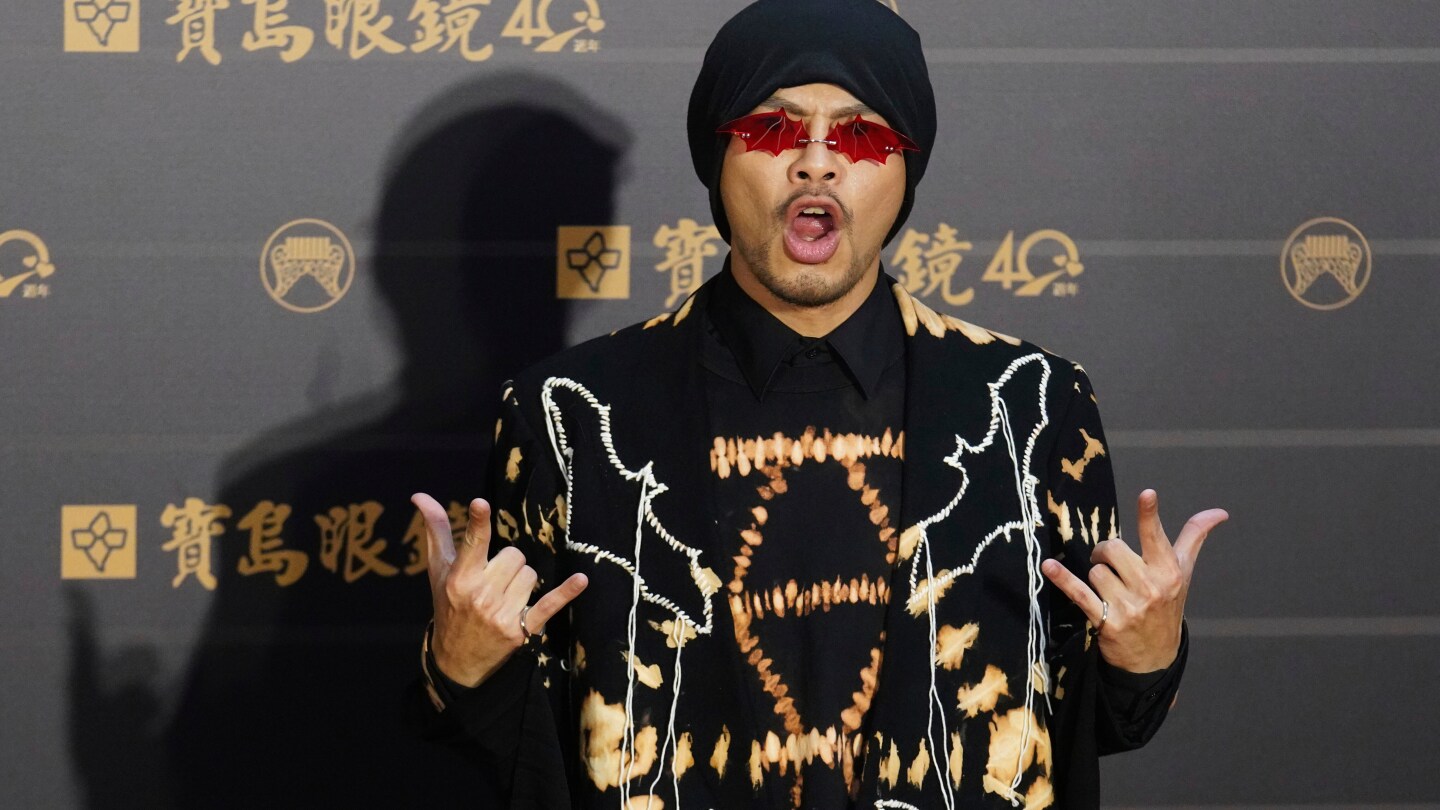
KUALA LUMPUR, Malaysia — Wee Meng Chee, the renowned Chinese Malaysian rapper and filmmaker better known as Namewee, has been released on police bail after a week-long detention to assist in the investigation of the murder of Taiwanese social media influencer Hsieh Yu-hsin. The 42-year-old artist, who surrendered himself to authorities last Wednesday, is required to report back to the police on November 26, according to his lawyer, Joshua Tay. Hsieh, 31, who had amassed half a million followers on Instagram and operated an OnlyFans account, was found dead in a Kuala Lumpur hotel bathtub on October 22. Her death was recently reclassified as murder. Police chief Fadil Marsus stated that Wee was the last person seen with Hsieh, and investigators are awaiting the autopsy report to determine the cause of death. Once completed, the findings will be forwarded to the attorney-general’s chambers for further action. Fadil also hinted at a ‘special relationship’ between Wee and Hsieh, describing them as ‘more than just close friends,’ though he provided no further details. Attorney-General Dusuki Mokhtar clarified that there is currently no evidence linking Wee to Hsieh’s death. Hsieh, a former nurse known as ‘Nurse Goddess’ among her fans, arrived in Malaysia on October 20 for a four-day stay and had previously appeared in one of Wee’s music videos in 2020. Wee, who has faced prior drug possession charges—which he denies—expressed deep sorrow over Hsieh’s death and pledged full cooperation with the investigation. The rapper, famous for his provocative works, first gained national attention in 2007 with a parody of Malaysia’s national anthem, sparking widespread controversy. His bold lyrics and films often challenge societal norms, earning him both acclaim and frequent clashes with authorities.
-
Indian police investigate Kashmir link to Delhi blast
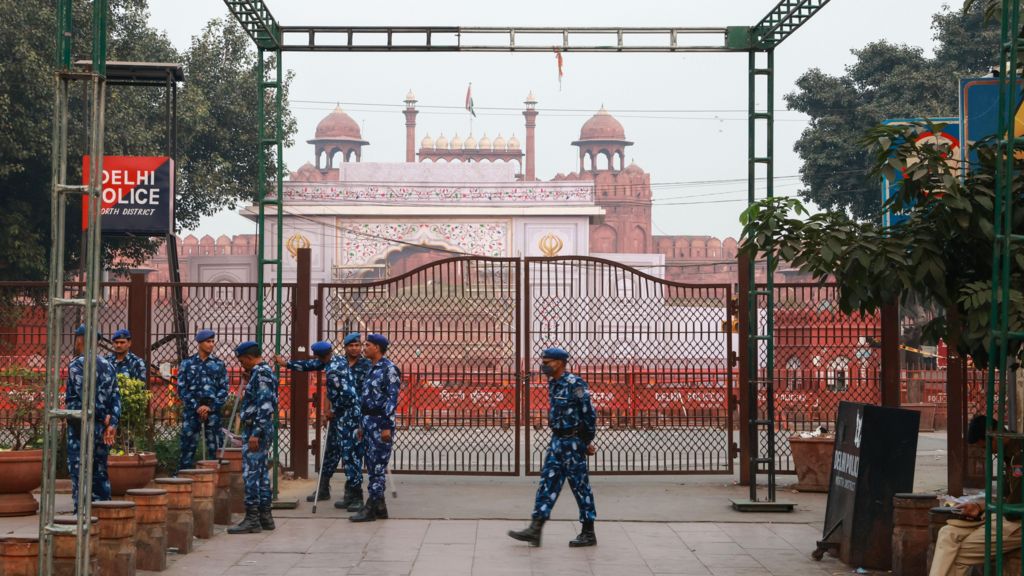
A devastating car explosion near the iconic Red Fort in Delhi has left eight people dead, prompting a high-level investigation into potential terror links. The incident, which occurred on Monday evening at a busy traffic signal, has raised alarms across India’s security apparatus. Authorities are probing connections to the recent arrests of seven men in Indian-administered Kashmir and the seizure of 2,900kg of explosives in Faridabad, a Delhi suburb. Prime Minister Narendra Modi condemned the attack as a “heinous terror incident” orchestrated by “anti-national forces,” vowing to bring all perpetrators to justice. Defense Minister Rajnath Singh and Home Minister Amit Shah echoed these sentiments, with Shah instructing officials to hunt down every individual involved. The case has been transferred to the National Investigation Agency (NIA), India’s counter-terrorism body, which is examining voluminous documents to uncover potential links. Media reports have speculated about a man in a viral photo, allegedly the car’s driver, who reportedly drove around the city for hours before the explosion. However, neither the NIA nor the police have confirmed these details. The blast, which occurred at 18:52 local time, left a trail of destruction, including a charred white Hyundai i20 and several other vehicles. The Red Fort remains closed as the investigation continues, with authorities working to piece together the events leading up to the tragedy.
-
Chinese researchers solve mystery of seismic activities at eastern Himalayas
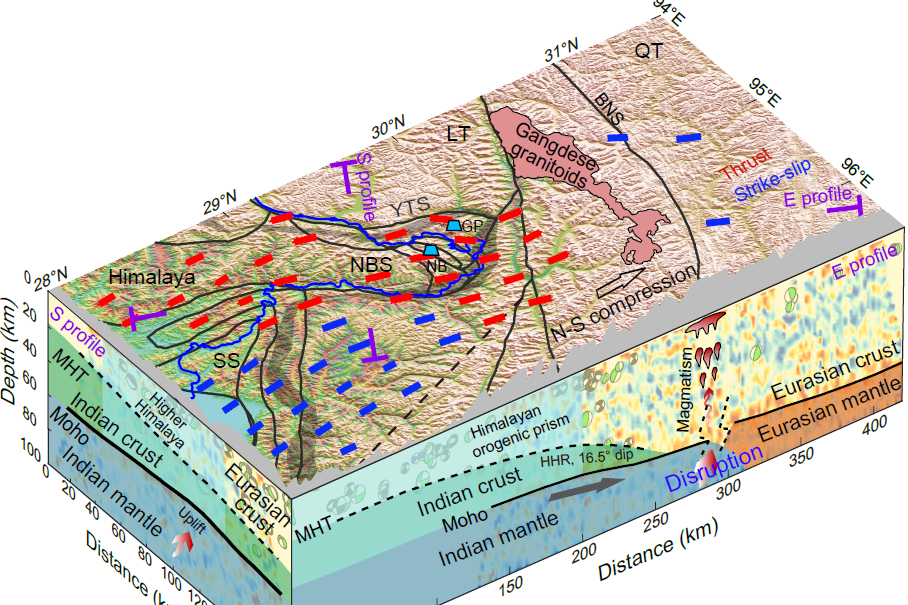
In a groundbreaking study published in the National Science Review, Chinese researchers have decoded the mechanisms driving seismic activities in the eastern Himalayas. This discovery sheds light on the region’s earthquake risks and the geological processes shaping this iconic mountain range. The Himalayas, formed by the collision of the Indian and Eurasian tectonic plates, have long been a focal point for seismic research. While the central section is well understood, the eastern Himalayas’ tectonic complexity has remained a mystery until now. Scientists from the Institute of Tibetan Plateau Research, Chinese Academy of Sciences, employed advanced broadband seismic arrays to analyze the regional stress field and the structural dynamics of the converging plates. Their findings reveal a dominant north-south horizontal compression, coupled with the gentle underthrusting of the Indian plate. This combination explains both the generation of megathrust earthquakes and the uplift of the mountain ranges. Dr. Bai Ling, the study’s lead author, emphasized the next phase of research will explore how continental collision influences seismic activity and plateau evolution. This study not only advances scientific understanding but also enhances earthquake preparedness in the region.
-

Sixth shipment of Emirati relief supplies arrives in Afghanistan to help quake-affected people
In a continued demonstration of solidarity and compassion, the United Arab Emirates (UAE) has dispatched its sixth shipment of humanitarian aid to Afghanistan, aimed at alleviating the suffering of those affected by recent devastating earthquakes. The relief efforts, orchestrated under the directives of the UAE’s leadership, embody the enduring legacy of generosity established by the nation’s late Founding Father, Sheikh Zayed bin Sultan Al Nahyan.
-
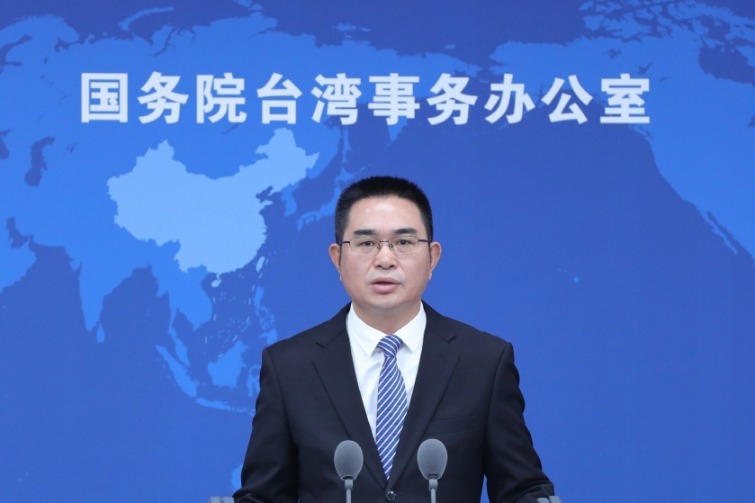
Gathering clues on separatist acts legitimate, necessary: mainland spokesman
In a statement on Thursday, a mainland spokesperson emphasized the legitimacy and necessity of police efforts to gather intelligence on illegal separatist activities. The remarks came in response to a recent bounty notice issued by the Quanzhou police in Fujian Province, targeting two Taiwan-based social media influencers accused of supporting secessionist forces. Chen Binhua, spokesman for the State Council Taiwan Affairs Office, highlighted that the individuals in question have consistently made inflammatory remarks advocating separatism and criticizing mainland policies aimed at benefiting Taiwan and its residents. Chen called on compatriots across the Taiwan Strait to actively report such illegal activities and to steadfastly oppose all forms of ‘Taiwan independence’ separatist actions. The statement underscores the mainland’s firm stance on maintaining national unity and combating activities that threaten territorial integrity.
-
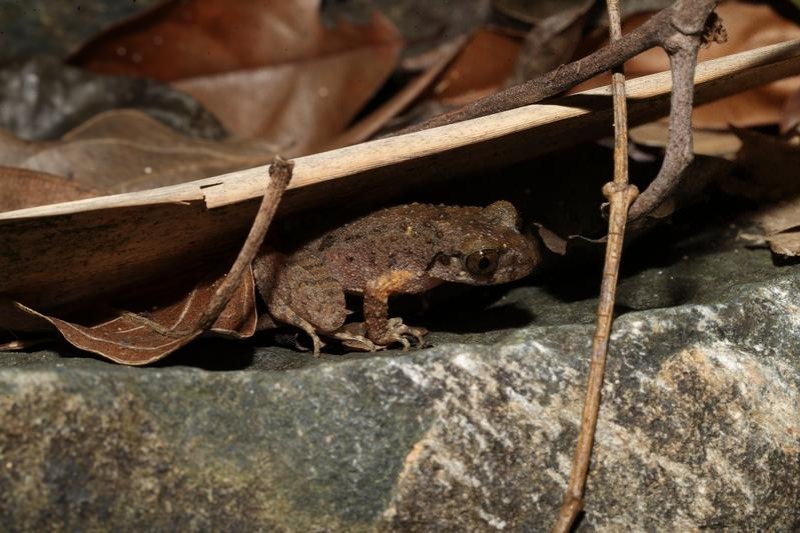
New frog species found in South China’s Guangdong, named after kung fu
A groundbreaking discovery has been made in Foshan, Guangdong province, where researchers have identified a new frog species named Leptobrachella kungfu. This unique name pays homage to Foshan’s rich cultural heritage as a renowned ‘City of Kung Fu.’ The discovery was a collaborative effort by scientists from the Guangdong Polytechnic of Environmental Protection Engineering and the Guangdong Provincial Academy of Environmental Science, with their findings published in the prestigious international journal ZooKeys on November 13, 2025. The new species was identified through detailed morphological and molecular analyses. Characterized by its small size, the adult male specimens measure between 25.7 mm and 28.2 mm in snout-vent length. Distinctive features include a black line behind the eye, slightly webbed toes with wide edges, uninterrupted ridges under the toes, and rough back skin without larger folds. The species primarily inhabits the hilly regions of the western Guangdong-Hong Kong-Macao Greater Bay Area, a densely populated and highly urbanized zone. Lin Shishi, the team leader, emphasized the importance of this discovery, stating that it highlights the critical role of small natural habitats within urban areas as sanctuaries for unique species. This finding also underscores the ongoing advancements in specialized biodiversity surveys in the region. To aid in further species recognition and conservation, the research team has developed an identification guide for the Leptobrachella genus in Guangdong.
-
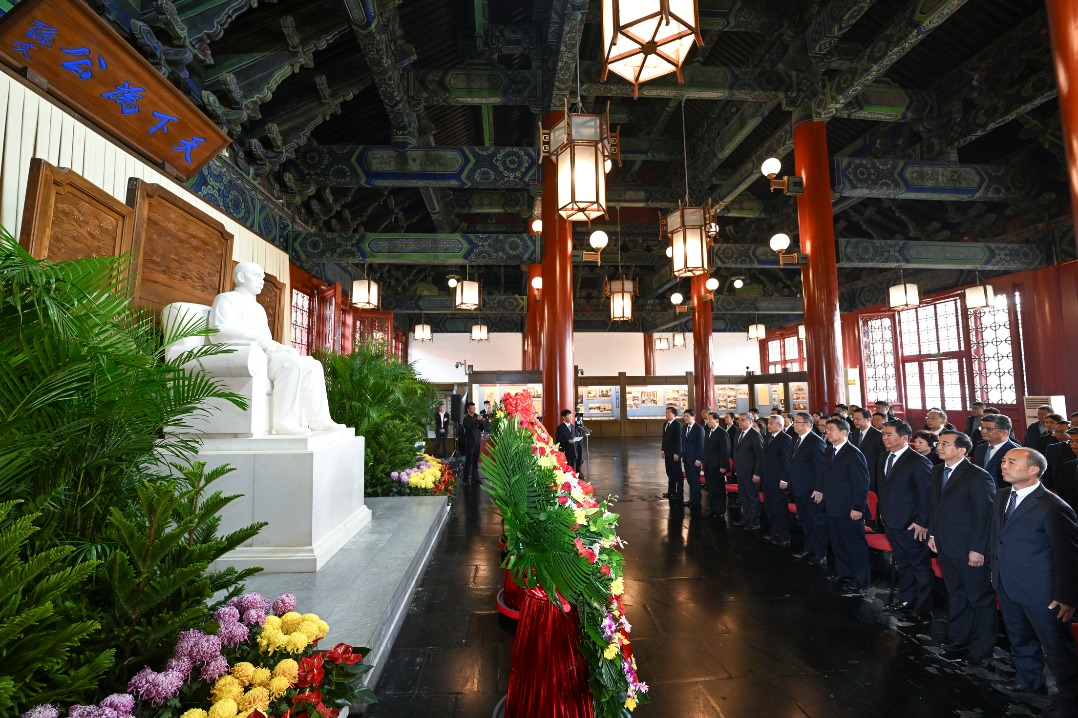
China commemorates 159th birth anniversary of Sun Yat-sen
On November 12, 2025, China commemorated the 159th birth anniversary of Sun Yat-sen, a revered national hero, patriot, and pioneer of China’s democratic revolution. The ceremony, held at Zhongshan Park in central Beijing—a location named in his honor—was organized by the National Committee of the Chinese People’s Political Consultative Conference (CPPCC). Attendees, including senior officials from the CPPCC National Committee, the Central Committee of the Revolutionary Committee of the Chinese Kuomintang, the United Front Work Department of the Communist Party of China Central Committee, and the Beijing municipal government, paid their respects with floral tributes and bows before Sun’s statue. The event also saw participation from representatives of non-Communist parties, prominent non-affiliated figures, Sun’s descendants, and other organizations. Born in 1866 in Guangdong province, Sun Yat-sen was instrumental in the 1911 Revolution, which ended the Qing Dynasty and over two millennia of feudal rule in China, marking a pivotal moment in the nation’s history.
-
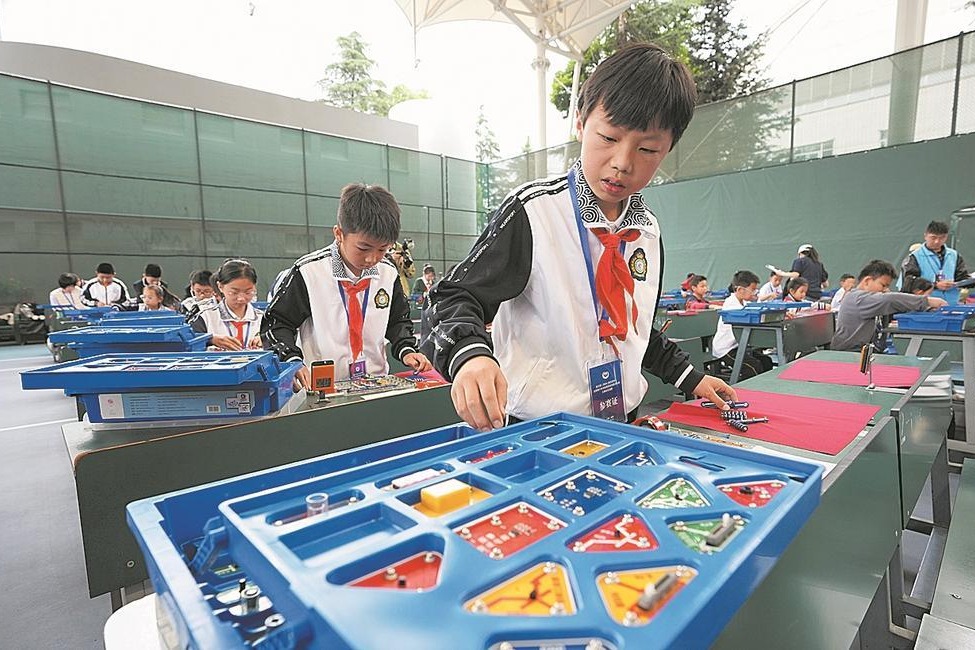
New guideline strengthens tech education
China has introduced a groundbreaking guideline aimed at bolstering science and technology education in primary and secondary schools. The initiative seeks to foster curiosity, creativity, and hands-on learning among students, laying the foundation for a self-reliant nation with a robust talent pool. By 2030, the plan envisions a well-structured system featuring an enhanced curriculum, superior teaching quality, and advanced evaluation methods. The Ministry of Education, along with six other departments, unveiled the guideline during a recent press conference. Tian Zuyin, Director of the Department of Basic Education, emphasized that this move aligns with the principles set forth at the fourth plenary session of the 20th Central Committee of the Communist Party of China, which stressed the importance of a coordinated education and science system. The guideline outlines specific objectives for different educational stages. Lower primary students will engage in playful, life-oriented activities to spark curiosity, while senior primary students will undertake hands-on experiments and project-based tasks. Middle school students will tackle cross-disciplinary projects addressing real-world issues, and high school students will explore cutting-edge scientific advancements and conduct experimental research. The plan also advocates for the integration of scientific and humanistic education, encouraging students to consider the societal, environmental, and ethical implications of technological progress. Assessment methods will be diversified to reduce reliance on examinations, thereby alleviating the burden on teachers and students. The establishment of the UNESCO International Institute for STEM Education in Shanghai underscores international recognition of China’s efforts in this domain. Provinces like Zhejiang, Jiangsu, and Chongqing have already taken proactive steps, incorporating technology into curricula and investing in science labs. With over 1,150 science museums and numerous national science education bases, China is well-positioned to cultivate the next generation of innovators. Xu Xuejun, Vice-President of Tongji University, highlighted the importance of early education in building a strong foundation for long-term scientific and technological advancement.