
The UAE Cybersecurity Council has issued a stark warning to residents about the rising threat of zero-day attacks, emphasizing the need for heightened vigilance in protecting personal data. These attacks exploit undisclosed security vulnerabilities, allowing hackers to infiltrate devices without the user’s knowledge. Alarmingly, the Council highlighted that even a single WhatsApp call could serve as a gateway for cybercriminals to access sensitive information, including photos and messages. This revelation underscores the sophistication of modern cyber threats and the urgency for individuals to adopt robust security measures. To combat these risks, the Council has recommended several protective steps: regularly updating WhatsApp, avoiding suspicious links, enabling two-step verification, and using trusted security apps. Additionally, silencing unknown callers and relying solely on official sources for information can further mitigate risks. The warning follows a recent call by UAE officials at Gitex Global 2025 for residents to take greater responsibility for their online safety. Lt. Colonel Dr. Hamad Khalifa Alnuaimi, Head of Telecommunications at Abu Dhabi Police, stressed that everyone must play an active role in safeguarding themselves against cybercrime. As cyber threats evolve, the UAE continues to lead in raising awareness and promoting proactive cybersecurity practices.
标签: Asia
亚洲
-

Eleven provincial-level regions buck national trend with population growth
Despite a nationwide population decline of 4.32 million over the past three years, eleven provincial-level regions in China have bucked the trend by recording significant population growth, according to the China Statistical Yearbook 2025. These regions include Zhejiang, Guangdong, Hainan, Jiangsu, Anhui, Guizhou, Fujian, Hubei, Ningxia Hui, Xizang, and Xinjiang Uygur, with Zhejiang and Guangdong leading the surge. The growth is attributed to migration patterns favoring the Yangtze River Delta and Pearl River Delta regions, as people from smaller cities and rural areas continue to move toward urban centers. Zhejiang, in particular, saw its population increase by 1.3 million, driven by its thriving private sector and balanced regional development, which minimized urban-rural disparities. Among cities, Hefei, Guiyang, Hangzhou, Changsha, and Zhengzhou experienced the highest population increases, with Hefei reaching a milestone of 10 million residents in 2024. Beyond migration, birth rates and natural population growth remain key factors, with regions in western and southern coastal areas showing higher birth rates. For instance, Guangdong not only attracts migrants but also leads the nation in births, with a rate of 8.89 per thousand.
-

‘The Devil Wears Prada 2’ teaser: Meryl Streep, Anne Hathaway are back together
The highly anticipated teaser for ‘The Devil Wears Prada 2’ has finally been released, sparking excitement among fans. The sequel, set to premiere on May 1, 2026, reunites much of the original cast from the 2006 hit film, including Meryl Streep, Anne Hathaway, and Emily Blunt. The 51-second teaser opens with Streep’s iconic character, Miranda Priestly, striding through the hallways of the fictional ‘Runway’ magazine in her signature red pumps. Hathaway’s Andy Sachs soon joins her in the elevator, showcasing her own style and a knowing smile. The teaser is perfectly synced with Madonna’s ‘Vogue,’ adding a nostalgic touch. According to Variety, the sequel follows Miranda as she navigates her career in a declining print journalism industry, while facing her former junior assistant, Emily Charlton (Blunt), now a high-powered executive. Directed by David Frankel and written by Aline Brosh McKenna, the film also introduces new cast members, including Kenneth Branagh, Justin Theroux, and Lucy Liu. The original film, based on Lauren Weisberger’s 2003 novel, was a cultural phenomenon, and the sequel promises to delve deeper into the chaotic world of fashion and power dynamics.
-
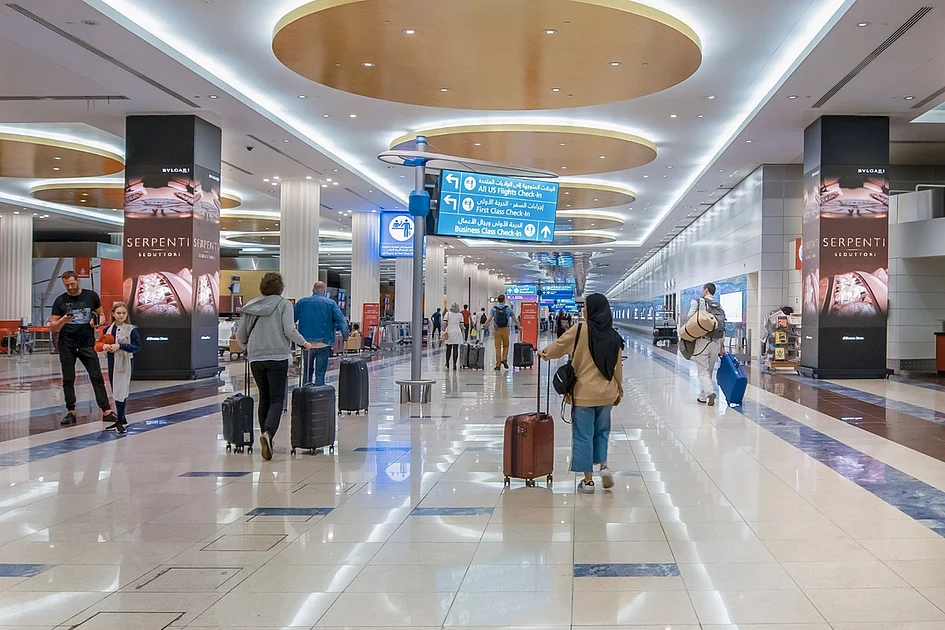
Single checkpoint, 6 countries: ‘One-stop’ GCC air-travel system explained
The Gulf Cooperation Council (GCC) has introduced a groundbreaking ‘one-stop’ air-travel system, set to revolutionize intra-regional travel for Gulf citizens. This innovative initiative, which merges immigration and security checks into a single checkpoint, aims to simplify travel across the six GCC member states: the UAE, Saudi Arabia, Oman, Kuwait, Bahrain, and Qatar. The system will be piloted between the UAE and Bahrain starting December 2025, with plans for full implementation across the region.
The ‘one-stop’ system allows eligible passengers to complete all necessary checks—including immigration, security, and potentially customs—before departure. Upon arrival, travelers can collect their baggage and exit the airport without further formalities, mirroring the experience of domestic flights. This streamlined process is designed to eliminate redundant checks and enhance travel efficiency.
While the initial phase is limited to Gulf nationals, officials have hinted at the possibility of expanding eligibility to resident expatriates in future phases. The system complements the upcoming unified GCC tourist visa, which will enable international visitors to travel freely across all six member states with a single entry permit.
Unlike country-specific e-gates or smart gates, the ‘one-stop’ model represents a collaborative effort among GCC countries to create a seamless travel experience. Operational details, such as dedicated lanes and signage, will be announced closer to the rollout. The pilot phase will focus on international airports in the UAE and Bahrain, with expansion to other GCC states contingent on the success of the initial trial.
This initiative underscores the GCC’s commitment to fostering regional integration and boosting tourism, making travel within the Gulf as effortless as moving between cities in the same country.
-

World University Presidents Forum in Hangzhou discusses AI in education
The 2025 World University Presidents Forum, held in Hangzhou, Zhejiang province, brought together over 170 leaders from academia, government, and industry across 40 countries to explore the transformative role of artificial intelligence (AI) in higher education. Co-hosted by the China Association of Higher Education and Zhejiang University (ZJU), the forum emphasized the need for innovation, ethical considerations, and global collaboration in integrating AI into teaching, learning, and university governance. Vice-Minister of Education Ren Youqun highlighted the importance of risk prevention, expanded data access, and ethical rationality as AI continues to evolve. A key outcome of the forum was the launch of the Global University Collaborative Mechanism for Innovation in AI Education and Teaching, which includes 78 founding member universities from China and abroad. This initiative will publish a white paper on AI literacy, develop global open courses, and introduce ‘AI+X’ micro-programs under the STEP (Start, Train, Explore, Progress) framework. ZJU President Ma Yanming shared insights into the university’s AI STEP Initiative, which aims to foster AI-empowered education and cultivate students as innovators. Concurrently, the 2025 International Forum on Higher Education released the Hangzhou Initiative, advocating for human–machine collaboration in talent cultivation, intelligent research paradigms, AI-enhanced governance, and global innovation in education. Ren Shaobo, Chairman of the ZJU Council, reiterated the university’s commitment to nurturing innovative talent and exploring AI-driven governance models. UNESCO’s Shahbaz Khan underscored the broader societal impact of AI, emphasizing its potential to support equity, sustainability, and peace. The forum marked a significant step toward reshaping global higher education in the AI era.
-
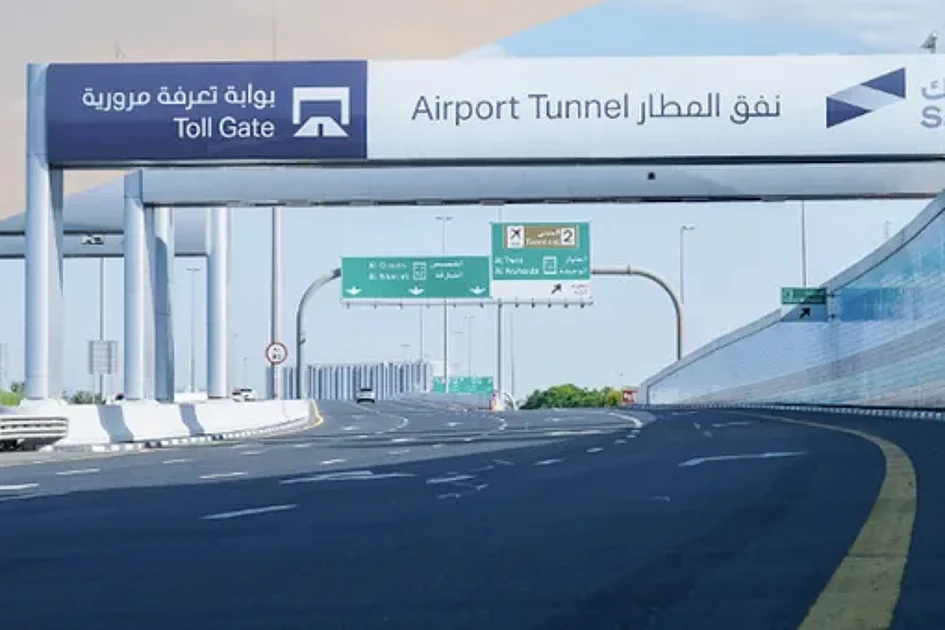
Salik’s net profit jumps 39% due to higher toll usage, fines
Salik Company, Dubai’s exclusive toll gate operator, has announced a significant 39.1% increase in net profit for the first nine months of 2025, reaching Dh1.14 billion. This growth is attributed to higher toll usage fees, increased fines, and new tag activations. Total revenue for the same period rose by 38.6% year-on-year to Dh2.275 billion, with a 36.9% increase in Q3 2025 alone. EBITDA also saw a substantial 42% growth, amounting to Dh1,583.7 billion, resulting in a margin of 69.6%. The company’s core tolling business recorded 470.5 million chargeable trips, with 152.2 million completed in Q3 2025. Toll usage fees surged by 41.5% year-on-year to Dh2.01 billion, driven by the new variable pricing structure introduced in January 2025 and the addition of two new toll gates. Revenue from fines increased by 18.2% year-on-year to Dh206.7 million, with Q3 2025 fines growing by 23.3% to Dh72.4 million. Mattar Al Tayer, Chairman of the Board of Directors, attributed the strong performance to Dubai’s economic growth and the company’s resilient business model. Ibrahim Sultan Al Haddad, CEO, highlighted the success of strategic initiatives and digital partnerships in driving ancillary revenues.
-

Police offer bounty for clues about 2 Taiwan online influencers
Authorities in Quanzhou, Fujian Province, have announced a reward for information leading to the capture of two Taiwanese online influencers accused of promoting national division and separatist activities. The individuals in question, Wen Tzu-yu (known as Pa Chiung) and Chen Po-yuan (known as Minnan Wolf), are alleged to have disseminated rhetoric advocating Taiwan’s independence from mainland China and reliance on the United States. The police have offered rewards ranging from 50,000 to 250,000 yuan ($6,880 to $34,400) for credible information aiding their apprehension. Chen Binhua, spokesperson for the Taiwan Affairs Office of the State Council, emphasized that the duo’s actions have a ‘vile influence,’ targeting mainland policies and individuals supporting peaceful cross-Strait relations. This move follows a similar bounty issued in October by Xiamen police targeting 18 members of Taiwan’s military psychological warfare unit for their involvement in separatist activities. The authorities have called on citizens on both sides of the Strait to oppose ‘Taiwan independence’ and assist in maintaining national unity.
-

Pakistan fined 20% of match fee for slow over-rate against Sri Lanka in 1st ODI
In a dramatic start to their one-day international (ODI) series, Pakistan secured a narrow six-run victory against Sri Lanka but faced a significant penalty for a slow over-rate. The International Cricket Council (ICC) confirmed that Pakistan was fined 20% of their match fees after falling four overs short of the target during Tuesday’s game. Match referee Ali Naqvi imposed the sanction on Thursday, with Pakistan’s captain, Shaheen Shah Afridi, admitting guilt for the offense. The match, held in Rawalpindi, was overshadowed by security concerns following a suicide bombing in Islamabad that claimed 12 lives just hours before the game. Despite initial fears, Sri Lanka Cricket instructed its team to continue the series after receiving assurances from the Pakistan Cricket Board regarding safety measures. The remaining two matches have been rescheduled for Friday and Sunday.
-

Pakistan shifts T20 tri-series matches to Rawalpindi after bombing
In response to a recent suicide bombing in Islamabad, the Pakistan Cricket Board (PCB) has announced the relocation of the upcoming T20 tri-series matches to Rawalpindi. Originally slated to be held in Lahore, the series, featuring Pakistan, Sri Lanka, and Zimbabwe, is now set to commence on November 18. This decision was made in consultation with Sri Lanka Cricket and Zimbabwe Cricket, aiming to address security concerns and operational logistics. The tri-series is a crucial preparatory event for the T20 World Cup scheduled for next year in India and Sri Lanka. The shift follows Pakistan’s ongoing one-day internationals against Sri Lanka, which will also conclude in Rawalpindi. The recent bombing, which claimed 12 lives, prompted several Sri Lankan players to request a return home, but their cricket board insisted they remain. Rawalpindi, located just 20 kilometers from Islamabad, has been deemed a safer venue. Pakistan has faced challenges in hosting international cricket since the 2009 attack on the Sri Lankan team in Lahore, which led to a long hiatus in home matches. While security has improved in recent years, the incident underscores ongoing concerns. Afghanistan’s withdrawal from the tri-series last month, citing the deaths of three cricketers in military strikes, further complicated the tournament’s organization. Zimbabwe stepped in as their replacement. The series will culminate with the final on November 29.
-
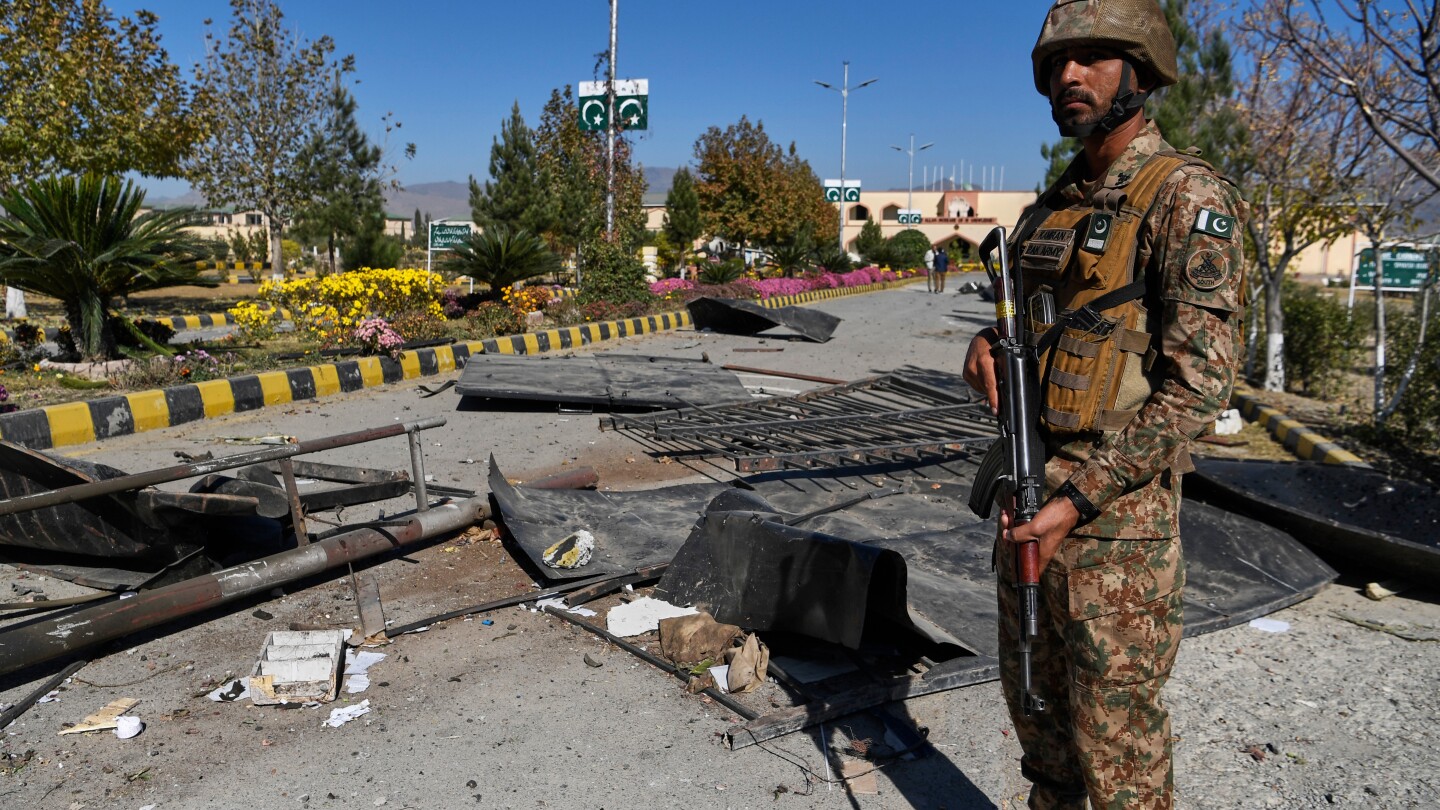
Pakistan says Afghan nationals carried out this week’s suicide attacks
Pakistan’s Interior Minister Mohsin Naqvi revealed on Thursday that Afghan nationals were responsible for two devastating suicide attacks this week. The first targeted a cadet college near the Afghan border, while the second occurred outside a district court in Islamabad. The attacks, which claimed multiple lives and left dozens injured, have heightened concerns over Pakistan’s deteriorating security situation. Naqvi emphasized that Afghan citizens orchestrated both bombings, though Kabul has yet to respond to these allegations. The Islamabad court bombing on Tuesday resulted in 12 fatalities and 27 injuries, while Monday’s assault on Cadet College Wana in Khyber Pakhtunkhwa province killed three soldiers during a fierce gunbattle. These incidents underscore the escalating militancy in Pakistan, strained relations with Afghanistan, and the fragility of the border truce. Prime Minister Shehbaz Sharif extended an olive branch to Afghanistan’s Taliban government on Wednesday, proposing renewed peace talks following the collapse of negotiations in Istanbul last week. However, fears persist that the ceasefire brokered by Qatar and Turkey could unravel, potentially reigniting border clashes. Pakistan has long accused the Afghan Taliban of harboring Tehrik-e-Taliban Pakistan (TTP) leaders, a claim Kabul denies. While a TTP breakaway faction initially claimed responsibility for the Islamabad bombing, it later retracted the statement. Pakistani authorities have arrested suspects linked to the attacks, with investigations pointing to Afghan involvement in planning and executing the assaults. The Pakistan Army escorted journalists to the cadet college, revealing the extent of the damage. Information Minister Attaullah Tarar confirmed that all five attackers were neutralized, and over 600 individuals, including cadets and staff, were safely rescued. The ministry highlighted that the attackers used American-made weapons sourced from Afghanistan, further exacerbating tensions. The situation remains volatile as both nations grapple with the fallout from these attacks and the broader implications for regional stability.