
Belgium’s path to the 2022 World Cup faced a stumbling block as they were held to a 1-1 draw by Kazakhstan on Saturday. Despite dominating possession and creating numerous chances, Rudi Garcia’s squad failed to secure the victory needed to confirm their qualification. The result leaves Belgium with one final opportunity to seal their spot in the tournament when they face Liechtenstein in their last qualifier on Tuesday. Currently leading Group J with a two-point advantage over North Macedonia, Belgium’s top-two finish in the group is already assured. The top 12 group winners from European qualification will automatically advance to the World Cup, while the remaining four spots will be determined through a playoff among the runners-up. Kazakhstan stunned Belgium early in the match, with 17-year-old Dastan Satpayev scoring in the ninth minute. Belgium equalized in the 48th minute through Hans Vanaken, who headed in a cross from Timothy Castagne. Despite playing with a numerical advantage after Islam Chesnokov’s red card in the 79th minute, Belgium couldn’t capitalize on the opportunity to secure a win. This draw comes as a surprise, especially after Belgium’s dominant 6-0 victory over Kazakhstan in September.
标签: Asia
亚洲
-

UAE: Parents can set kids’ spending limit, restrict buying categories via new app
A groundbreaking app in the UAE is transforming how parents teach their children about financial responsibility while also addressing financial exclusion for the unbanked population. Botim Money, a platform already popular for money management, has introduced customizable controls that allow parents to set spending limits, restrict purchase categories, and provide access to prepaid, multi-currency wallets for their children. This innovative feature turns everyday transactions into valuable lessons in financial literacy. Dr. Tariq Bin Hendi, CEO of Astra Tech, Botim’s parent company, emphasized that the app empowers parents to monitor and guide their children’s spending habits, fostering long-term financial discipline. Additionally, the app enables parents to build a credit history for their children, a feature set to roll out in future updates. This is particularly significant as many young adults struggle to access banking services due to a lack of credit history. Beyond family use, Botim is also tackling financial exclusion among the UAE’s blue-collar workforce. By offering virtual IBANs, remittance services, and borrowing options, the app provides millions of unbanked individuals with access to essential financial tools. Dr. Tariq highlighted that over 4 million people in the UAE are unbanked or underbanked, and Botim aims to integrate them into the financial ecosystem. The app’s long-term vision includes embedding AI-powered financial education directly into the platform, offering interactive lessons in multiple languages to enhance users’ understanding of budgeting, savings, and responsible borrowing. Botim is shifting its focus from being a super app to specializing in consumer finance, a strategy that has already tripled user engagement. With plans for international expansion, the company remains committed to making financial access and education more accessible, safer, and smarter for underserved populations.
-

Bollywood couple Rajkummar Rao, Patralekhaa welcome baby girl on 4th wedding anniversary
Bollywood power couple Rajkummar Rao and Patralekhaa have joyfully welcomed their first child, a baby girl, on their fourth wedding anniversary. The couple shared the heartwarming news on Saturday, expressing their gratitude for the divine blessing. ‘The greatest gift God has given us on our 4th wedding anniversary,’ they wrote, marking the special occasion with immense happiness. The announcement was met with an outpouring of love and congratulations from fans and fellow celebrities alike, including Suniel Shetty, Sonam Kapoor, Dia Mirza, and many others. Filmmaker Farah Khan Kunder also extended her warm wishes, sharing glimpses from Patralekhaa’s baby shower. The event, attended by close friends and family, featured the couple dressed in matching yellow outfits, posing with a beautifully decorated cake, balloons, a giant teddy bear, and other festive elements. A group photo from the shower included notable Bollywood figures such as Huma Qureshi, Sonakshi Sinha, and Zaheer Iqbal. Rajkummar and Patralekhaa, who first shared the screen in the 2014 film ‘Citylights’, tied the knot in an intimate ceremony in Chandigarh on November 15, 2021. On the professional front, Rajkummar has recently wrapped up filming for his upcoming movie, ‘Nikam’, adding another milestone to his illustrious career.
-

Watch: Prophet’s mosque in Madinah soaked in rain; Saudi NCM issues red alert
The Prophet’s Mosque in Madinah, one of Islam’s holiest sites, experienced heavy rainfall on November 14, creating a serene atmosphere for worshippers performing the weekly Friday prayer. The Saudi National Centre of Meteorology (NCM) issued a red alert for Madinah on Saturday, warning of severe weather conditions. Similar alerts were issued for Makkah, where high-speed winds, reduced visibility, hail, and flash floods were reported. The Saudi General Directorate of Traffic urged motorists to exercise caution during the adverse weather. Earlier, mosques across Saudi Arabia conducted special rain-seeking prayers following a directive from King Salman bin Abdul Aziz. Similar prayers were held in Kuwait, Qatar, and the UAE, reflecting a regional tradition of seeking divine intervention for rain.
-
Sino-foreign educators expand intl vocational training cooperation
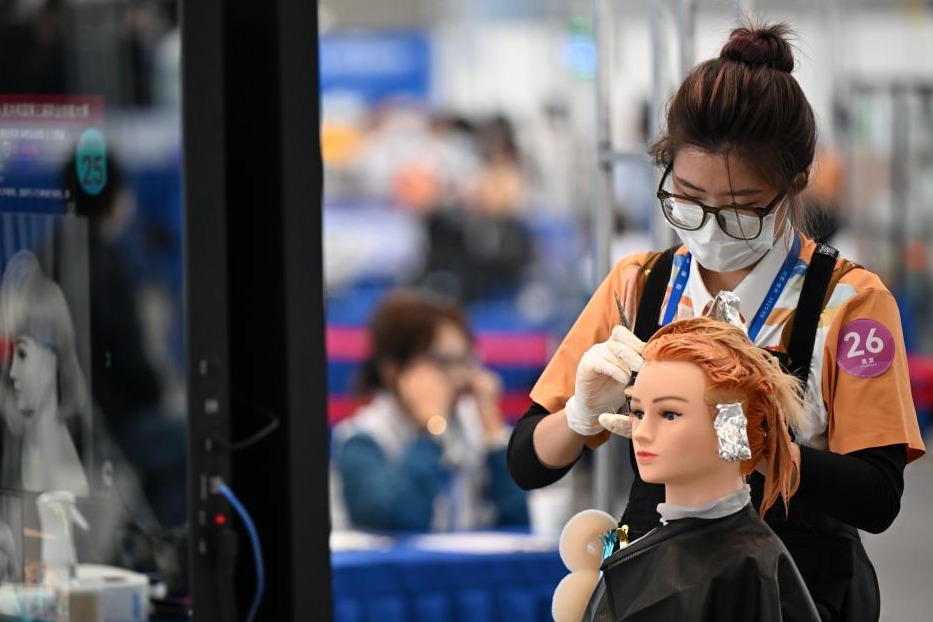
In a significant move to bolster global vocational education, Sino-foreign officials and educators have pledged to deepen exchanges and cooperation. This initiative aims to cultivate interdisciplinary talents that align with the evolving demands of modern education, driven by increasing global collaboration. Fang Shusheng, an inspector at the Guangdong provincial department of education, emphasized the critical role of openness and cooperation in the education sector. He urged universities and colleges worldwide to adopt a broader global perspective to advance the internationalization of vocational education. Fang made these remarks at the Guangdong Province ‘Belt and Road’ Vocational Education Alliance 2025 Annual Activities held in Guangzhou. Ma Renting, president of Guangzhou Polytechnic University, highlighted the university’s extensive cooperative relations with over 20 countries and regions, creating a robust platform that spans major Belt and Road Initiative participants. He stressed the importance of Sino-foreign cooperative education in systematically cultivating professionals proficient in Chinese, familiar with the culture, and skilled in specialized technologies. Sounantha Souvanlasy, dean of the Faculty of Pharmacy at the University of Health Sciences in Laos, noted the in-depth exchanges with Guangdong Food and Drug Vocational College, resulting in a basic cooperation agreement. This collaboration is expected to complement each other’s strengths, pursue common development, and extend educational cooperation in the medical and health field between China and Laos. The event, attended by over 200 representatives from 42 domestic and 15 overseas universities and colleges, along with 20 cooperative enterprises, featured keynote speeches, expert lectures, and round-table meetings. Seven cooperation projects were signed, covering university-university partnerships, university-enterprise collaboration, and international order-based training programs, aligning with the needs of international vocational education cooperation and industrial development directions. These agreements are set to expand the breadth and depth of Guangdong’s international vocational education cooperation.
-
Japanese PM’s erroneous remarks on Taiwan continue to spark domestic outcry, stern Chinese warnings
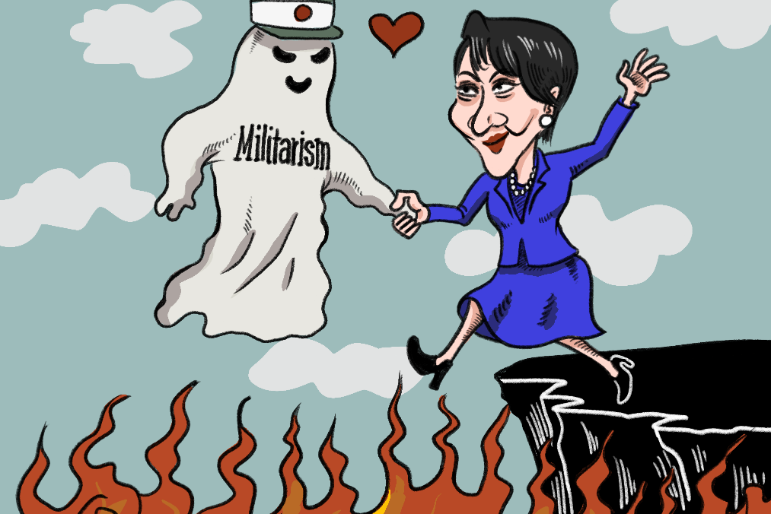
Japanese Prime Minister Sanae Takaichi’s recent comments on Taiwan have ignited a wave of domestic criticism and drawn stern warnings from China. Speaking at a Diet meeting last week, Takaichi suggested that Japan’s Self-Defense Force could exercise the right of collective self-defense if China were to use military force against Taiwan. Despite China’s strong objections and diplomatic protests, Takaichi has refused to retract her remarks, which imply potential armed intervention in the Taiwan Strait. Her statements have been labeled as both erroneous and dangerous by senior political figures and media outlets in Japan. Former Prime Minister Shigeru Ishiba criticized Takaichi’s comments as dangerously close to equating a Taiwan contingency with a Japan contingency, a stance previous governments had carefully avoided. Hiroshi Ogushi of the Constitutional Democratic Party of Japan demanded Takaichi revoke her remarks, emphasizing the gravity of such declarations. Ichiro Ozawa, another CDPJ member, warned that such rhetoric could lead to significant sacrifices for the Japanese people. Former Prime Minister Yukio Hatoyama reiterated that Japan should not interfere in China’s internal affairs. Major Japanese newspapers, including the Nikkei and Yomiuri Shimbun, have also condemned Takaichi’s abandonment of ‘strategic ambiguity’ and her exploitation of security policy for political gain.
-
Japan protests China’s travel advisory over Taiwan remarks
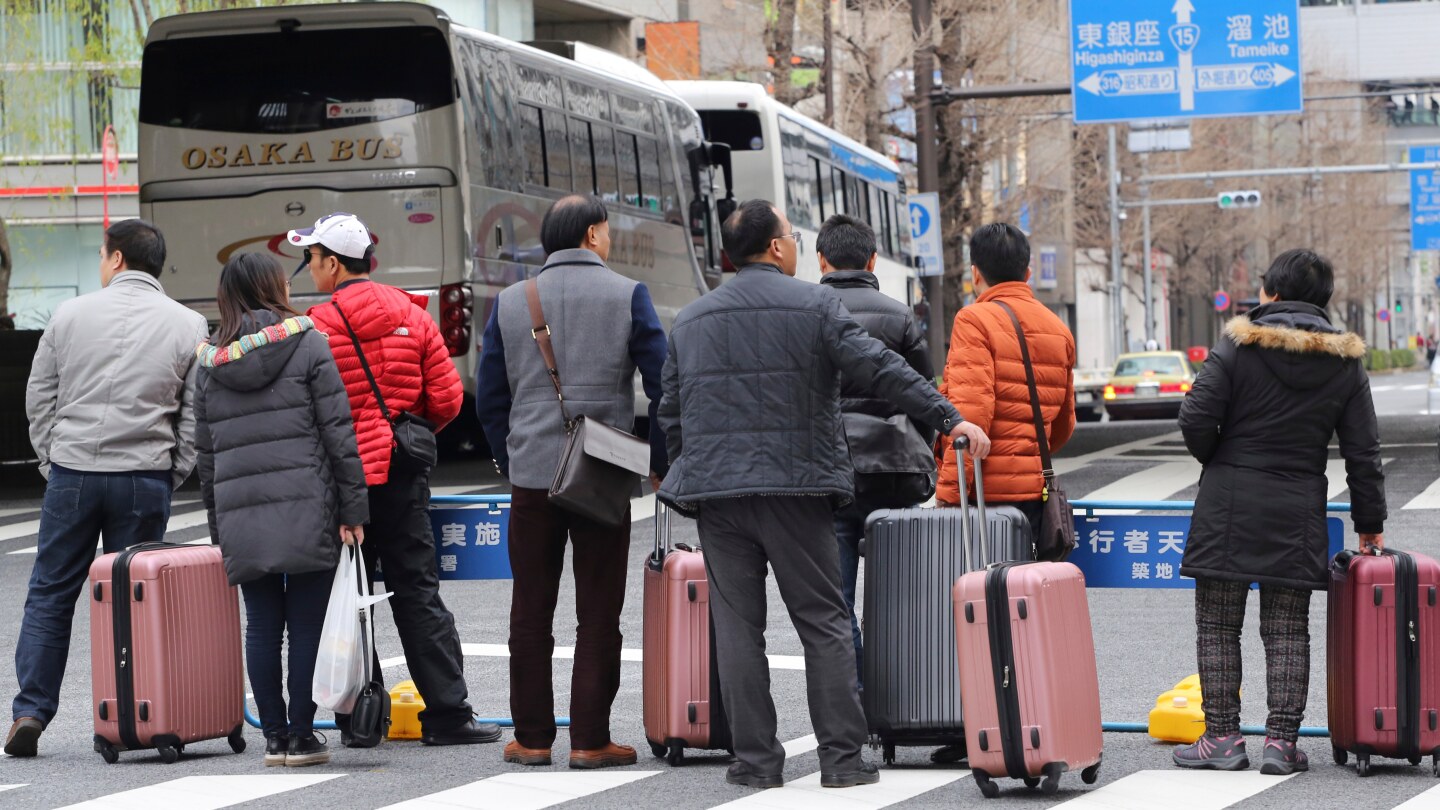
Tensions between China and Japan have intensified following a travel advisory issued by Beijing urging its citizens to avoid visiting Japan. The advisory, announced on Friday, cited concerns over recent attacks against Chinese nationals in Japan and what it described as “erroneous remarks” by Japanese Prime Minister Sanae Takaichi regarding Taiwan. China argued that these comments have undermined the atmosphere for bilateral exchanges between the two nations. In response, Japan lodged a formal protest, with Chief Cabinet Secretary Minoru Kihara urging China to take “appropriate measures” to address the situation. Kihara emphasized the importance of multilayered communication to navigate the differences between the two governments. This latest development comes amid a broader context of strained relations, as Takaichi, who assumed office last month, has advocated for strengthening Japan’s military to counter potential threats from China, particularly in contested waters of the western Pacific. The dispute has further complicated an already fragile relationship, with China asserting its territorial claims over Taiwan and conducting military drills in the region. While neither Japan nor the United States maintains official diplomatic ties with Taiwan, the U.S. remains a key supplier of defense equipment to the island and opposes any forceful resolution to the China-Taiwan issue. The travel advisory, which appears more stringent than previous warnings, has raised questions about its potential impact on Chinese tourism to Japan, a popular destination that significantly contributes to Japan’s economy. Several Chinese airlines have already offered no-penalty refunds for tickets to Japan following the announcement.
-

UAE, 8 countries support US draft UN resolution to endorse Trump’s Gaza plan
In a significant diplomatic move, nine countries, including the United Arab Emirates (UAE), have jointly endorsed a US-drafted United Nations Security Council resolution supporting President Donald Trump’s Comprehensive Plan to End the Gaza Conflict. The resolution, formally circulated last week, proposes a two-year mandate for a transitional governance body and an international stabilization force. The plan, announced on September 29, aims to pave the way for Palestinian self-determination and statehood, according to a joint statement issued by the UAE, US, Qatar, Egypt, Saudi Arabia, Indonesia, Pakistan, Jordan, and Turkey. These nations emphasized the plan as a sincere effort toward achieving peace and stability in the region. The US mission to the UN has urged the Security Council to expedite the resolution’s adoption. Notably, Israel and Hamas agreed to the first phase of Trump’s 20-point plan in October, which includes a hostage release deal and is annexed to the draft resolution. While Trump has ruled out deploying US troops to Gaza, discussions are underway with countries like Indonesia, the UAE, Egypt, Qatar, Turkey, and Azerbaijan to contribute approximately 20,000 troops to the stabilization force.
-

India: At least 9 killed, 29 injured in explosion at police station in Kashmir, NDTV reports
A devastating explosion at a police station in the Indian-administered region of Kashmir has resulted in the deaths of at least nine individuals and left 29 others injured. The incident occurred late on Friday at the Nowgam police station, where a stockpile of confiscated explosives detonated unexpectedly. Among the deceased were several police officers and forensic team members who were in the process of examining the stored materials. The blast’s intensity was so severe that body parts were reportedly found in nearby homes, situated approximately 100 to 200 meters away from the site. Emergency services, including fire tenders, were promptly dispatched to the scene to manage the aftermath. This tragic event follows closely on the heels of a car explosion in New Delhi, which claimed eight lives and was labeled a terrorist act by the Indian government. The ongoing territorial dispute between India and Pakistan over Kashmir, a region both nations claim in its entirety, continues to be a source of tension and conflict. The police chief of Jammu and Kashmir is scheduled to hold a press conference to provide further details on the incident.
-
Experts advocate smart tech to advance inclusive education
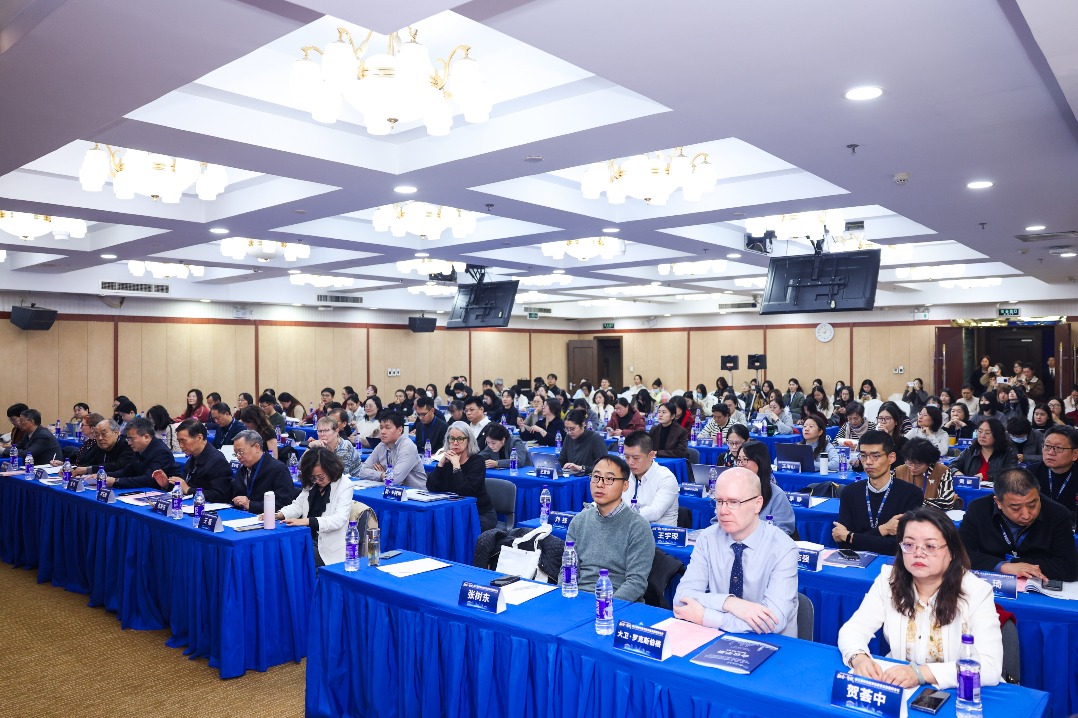
At the Third International Conference on High-Quality Development in Special Education, held in Beijing on November 13, 2025, a distinguished panel of special education experts from China, the United Kingdom, the United States, and Singapore underscored the pivotal role of smart technologies in fostering inclusive classrooms. The conference, themed ‘Inclusion and Intelligence,’ was co-hosted by the special education branches of Beijing Normal University and the University of Strathclyde.
Zhu Xudong, Dean of BNU’s Faculty of Education, highlighted the shifting dynamics in special education, noting the increasing prevalence of autism and the corresponding decline in physical disabilities. He called for enhanced cross-sector collaboration, particularly in the era of AI, to develop innovative inclusive classroom practices.
Deborah Robinson, Head of the University of Strathclyde’s Institute of Education, echoed this sentiment, emphasizing the potential of AI and advocating for deeper international partnerships. Li Tianshun, Vice-President of the Chinese Society of Education, identified intelligent technology as a crucial support for inclusive education, which is now a global mainstream trend. He urged the establishment of a comprehensive, all-age education system built on shared research and international cooperation to drive systemic change.
Huang Wei, Head of Special Education at the Ministry of Education’s Department of Basic Education, pointed out that digital transformation has significantly driven the high-quality development of special education over the past five years. Moving forward, efforts will be intensified to enhance digital infrastructure, develop specialized large-language models tailored for special education, and deepen international collaboration. These measures aim to propel special education into a new phase characterized by precise and personalized services.
Piao Yongxin, a founding figure of modern special education in China, emphasized that while the field must embrace digital transformation, technology should be viewed as a tool rather than an end. He stressed that the essence of special education remains committed to serving the holistic development of individuals and the strategic needs of the nation.
The conference featured in-depth discussions on the training of special educators and the application of AI, with participants from various countries sharing insights and best practices.