
Bangladesh’s capital, Dhaka, was rocked by several crude bomb explosions on Sunday, escalating tensions ahead of a highly anticipated verdict in the case against ousted former Prime Minister Sheikh Hasina. The explosions, which caused no casualties, have further unsettled a city already grappling with political unrest. Hasina, 78, is being tried in absentia for crimes against humanity, accused of ordering a deadly crackdown on student protests in mid-2024. She denies the allegations and has remained in India since fleeing Bangladesh after her ouster in August last year. In response to the escalating violence, Dhaka Metropolitan Police Commissioner has authorized officers to use lethal force against anyone involved in arson or bomb attacks. Security has been significantly tightened across Dhaka, Gopalganj — Hasina’s ancestral home and a stronghold for her party — and two neighboring districts, with Border Guard Bangladesh personnel deployed to assist local authorities. Police and Rapid Action Battalion teams have been stationed around key government buildings and major intersections, resulting in an unusually quiet city. ‘It’s very tense — hardly anyone is coming out,’ said Ramjan Ali, an autorickshaw driver in Dhaka. ‘I’ve been on the road since morning, but I’ve barely earned anything today.’ In the days leading up to the verdict, authorities recorded over 30 crude bomb explosions and reported dozens of buses torched in Dhaka and several other districts. Additionally, dozens of Awami League activists have been arrested for alleged involvement in explosions and acts of sabotage.
标签: Asia
亚洲
-

Hackers steal maternity ward CCTV videos in India cybercrime racket
Indian authorities have uncovered a sprawling cybercrime operation involving the hacking and sale of sensitive CCTV footage from hospitals and other institutions across the country. The breach, which compromised over 50,000 surveillance systems, has raised significant concerns about privacy and cybersecurity in India, where CCTV cameras are ubiquitous. The investigation began after videos from a maternity hospital in Gujarat were discovered on YouTube and Telegram, showing intimate medical procedures involving pregnant women. These videos were linked to Telegram channels where longer clips were sold for 800–2,000 rupees ($9–22). The hospital director claimed the cameras were installed to protect doctors from false allegations, but they have since been removed from sensitive areas. Police have arrested eight individuals connected to the racket, charging them with violations of privacy, voyeurism, and cyber terrorism. Cybersecurity experts warn that poorly secured systems, often using default passwords, are vulnerable to hacking. They recommend robust passwords, regular audits, and manufacturer warnings to improve security. The case highlights the broader issue of inadequate cybersecurity measures in India, where surveillance systems are widely used but often lack proper safeguards.
-
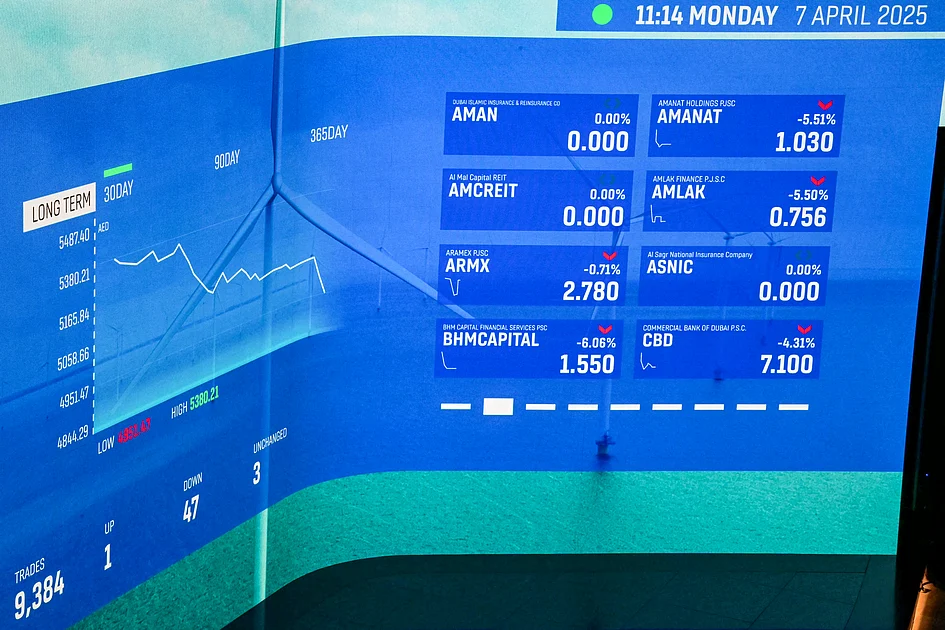
UAE markets face technical weakness amid global headwinds
The equity markets in Dubai and Abu Dhabi experienced a downturn last week, influenced by broader global economic challenges. The Dubai Financial Market (DFM) General Index fell by 1.25%, closing at 5,949, while the Abu Dhabi Securities Exchange (ADX) General Index dropped by 1.56% to 9,917.90, slipping below the significant 10,000 mark. This decline was primarily driven by significant losses in key sectors such as technology, financials, and healthcare, despite some gains in materials and real estate sectors. Analysts attribute this trend to the ongoing global risk-off sentiment, which has overshadowed the strong corporate earnings reported by major companies like Dewa and Salik. Vijay Valecha, Chief Investment Officer at Century Financial, highlighted the cautious outlook, suggesting that the markets may continue to face volatility and limited upside potential in the near term. The technical indicators also support this view, with both indices breaching their 50- and 100-day moving averages and the Relative Strength Index (RSI) indicating weakening momentum. Looking ahead, the market is expected to remain range-bound, with potential short-term rallies likely to encounter resistance unless there is a significant improvement in global risk appetite.
-
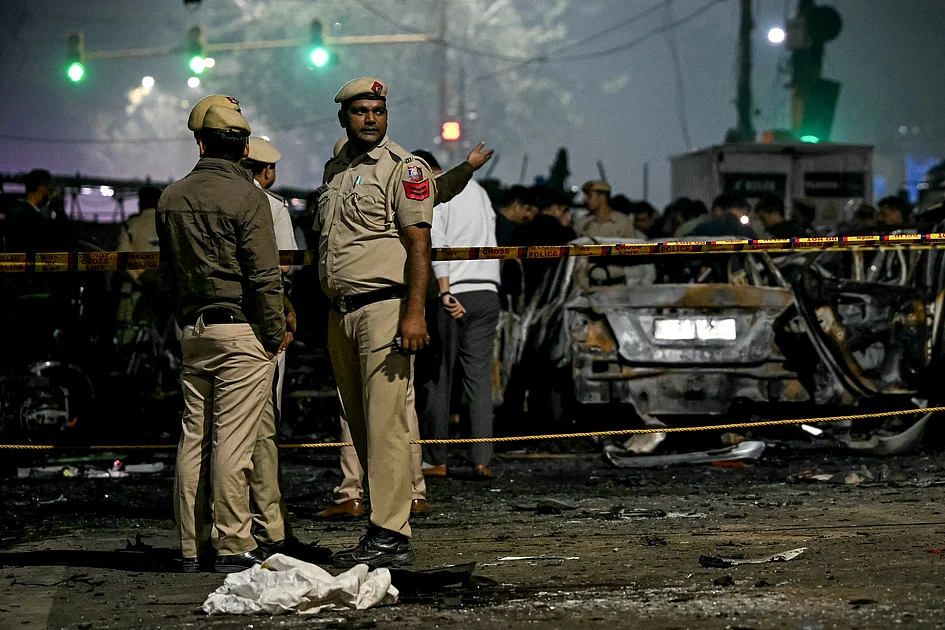
India: Accomplice of deadly Delhi car blast ‘suicide bomber’ arrested
Indian authorities have announced a significant breakthrough in the investigation of a deadly car explosion in New Delhi, labeling the incident as a ‘suicide bombing’ and arresting an accomplice linked to the attack. The National Investigation Agency (NIA), India’s premier counter-terrorism body, revealed that the suspect, Amir Rashid Ali, facilitated the purchase of the vehicle used in the blast. The driver, identified as Umar Un Nabi, an assistant professor from Kashmir, allegedly carried out the attack using a vehicle-borne Improvised Explosive Device (IED). The explosion occurred near a bustling metro station in Old Delhi, close to the historic Red Fort, claiming 10 lives and injuring 32 others. Prime Minister Narendra Modi condemned the attack as a ‘conspiracy’ and vowed to bring all perpetrators, collaborators, and sponsors to justice. This incident marks the most severe security breach since the April 22 attack in Pahalgam, Kashmir, which heightened tensions between India and Pakistan. The Kashmir region, divided between the two nations since 1947, remains a flashpoint in their ongoing conflict.
-
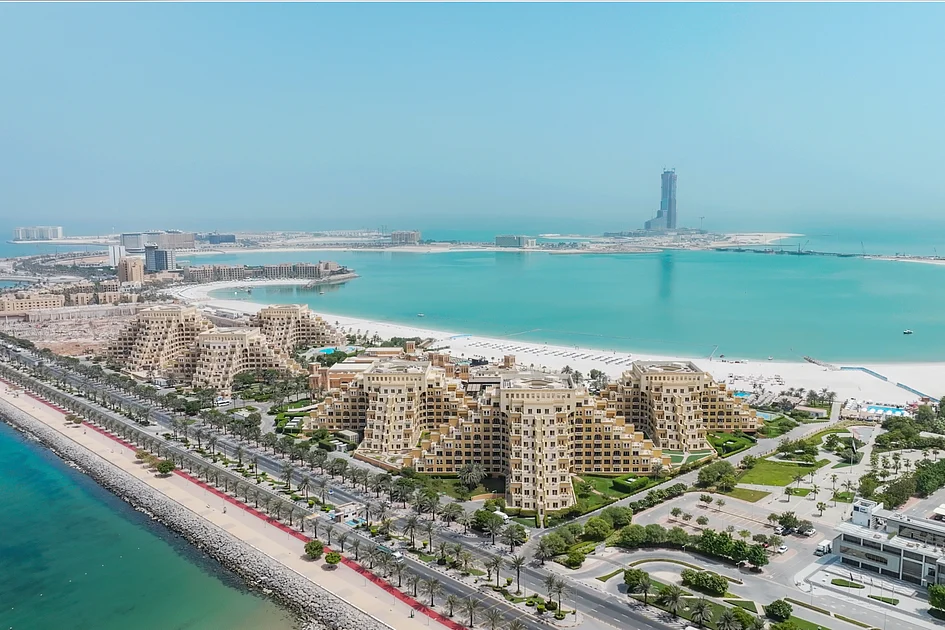
Al Marjan Island leads Ras Al Khaimah’s soaring apartment market in Q3 2025
Ras Al Khaimah’s real estate market witnessed significant growth in the third quarter of 2025, with Al Marjan Island emerging as the standout performer. According to the latest ValuStrat Price Index (VPI), apartment prices on the island surged by 16.8% year-on-year, the highest among all residential areas in the emirate. Additionally, Al Marjan Island recorded a robust 6.3% quarterly increase in capital values, solidifying its appeal among investors and homebuyers.
-
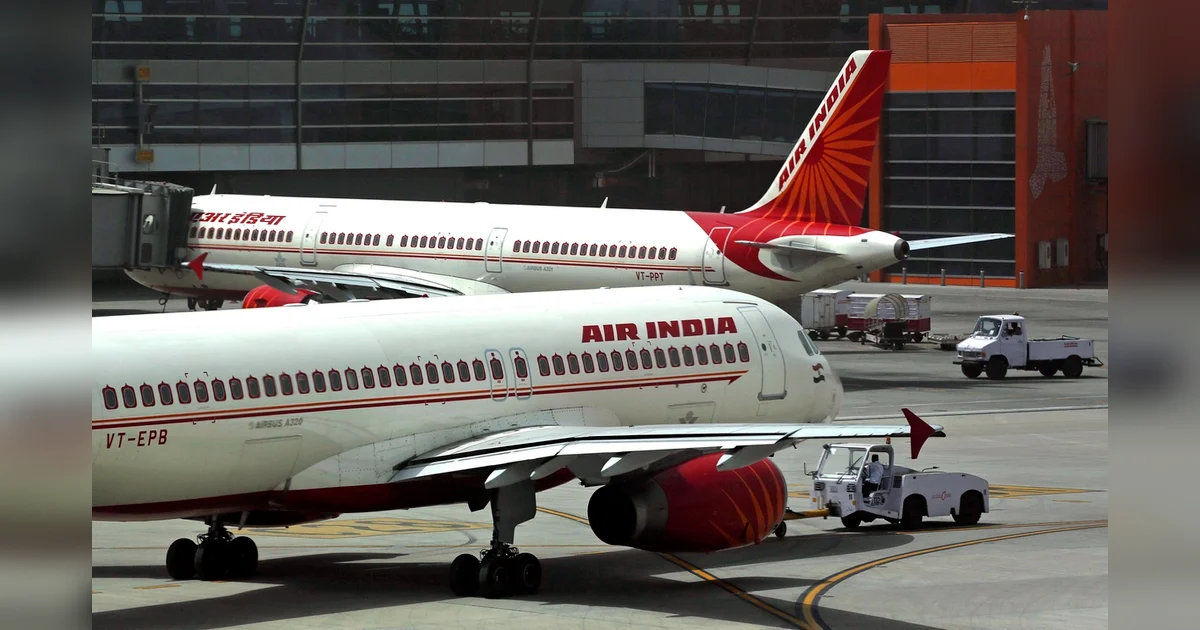
India’s greenfield airports herald a new era in aviation
India’s aviation sector is undergoing a monumental transformation, marked by the development of greenfield airports and a surge in domestic and international connectivity. On a brisk spring morning in May 2025, a calibration flight landed at Noida’s Jewar Airport, symbolizing more than just an infrastructure milestone—it heralded the dawn of a new era in Indian aviation. This event underscores India’s ambition to evolve from a burgeoning market to a global aviation hub.
-

Reportage Properties expect sales exceeding 500 million Saudi riyals by end of 2025
Reportage Properties, a leading real estate developer in Saudi Arabia and Egypt, has projected its sales to surpass 500 million Saudi riyals (SAR) by the end of 2025. This optimistic forecast was shared by CEO Eslam Hammam, who attributed the company’s robust performance to its sustainable development strategy and commitment to delivering high-quality residential projects tailored to the evolving demands of the Saudi market. Hammam highlighted the trust of clients and investors, particularly in Riyadh, as a key driver of this growth. The company’s focus on modern real estate products, grounded in stringent quality and urban planning standards, has further solidified its market position. Looking ahead, Reportage Saudi Arabia is gearing up for a strategic expansion phase in 2026, with two major projects underway in Riyadh and Jeddah. The Riyadh project aligns with the company’s natural expansion in the capital, a city renowned for its population growth and investment appeal. Meanwhile, the Jeddah project marks Reportage’s first significant venture outside Riyadh, aimed at tapping into high-density urban areas with rising demand for contemporary residential solutions. Both projects will feature advanced urban concepts, including integrated communities, service facilities, and extensive green spaces, reflecting the company’s dedication to creating sustainable and high-quality living environments. Currently, Reportage is meticulously studying the technical and regulatory aspects of these projects, including unit types, land use distribution, and implementation methods, to ensure the development of cohesive and sustainable communities. Hammam emphasized that details of these projects will remain confidential until all approvals and planning phases are completed, with an official announcement expected in 2026. In the interim, the company will showcase its Najd 5 project in eastern Riyadh at Cityscape Riyadh 2025. This project, designed with contemporary architecture, expansive gardens, and recreational facilities, aims to cater to families and homeowners seeking quality residences in a strategic location. Hammam also reaffirmed the company’s commitment to timely project delivery, citing the early completion of the Najd 1 project, set for handover in Q1 2026. This adherence to deadlines and quality standards underscores Reportage’s dedication to client satisfaction and its competitive edge in the Saudi real estate market. Aligned with Saudi Vision 2030, the company continues to prioritize sustainable urban development and diverse housing solutions to meet the needs of citizens and residents.
-
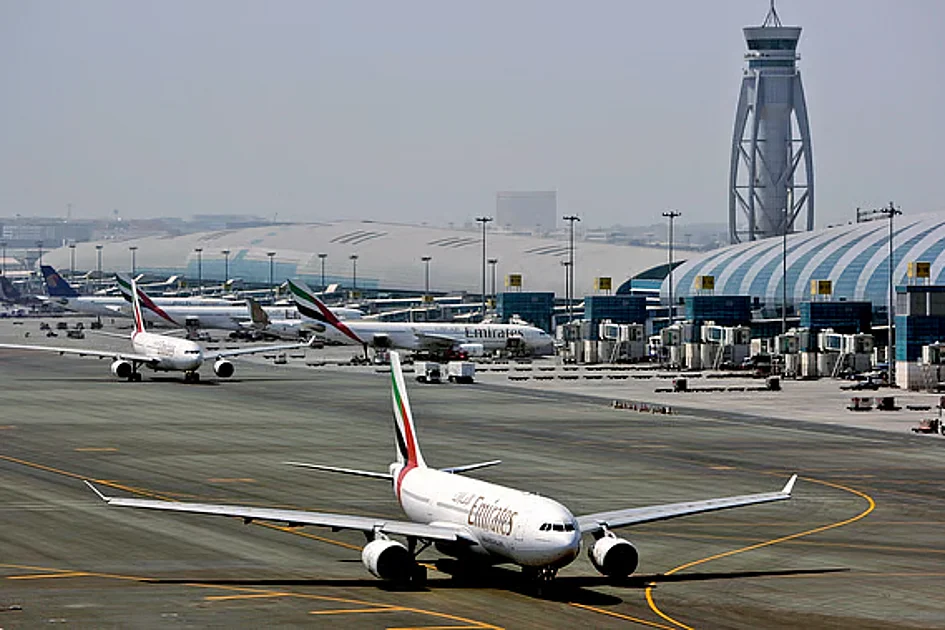
UAE jobs: Over 265,000 openings in Middle East aviation sector over next 20 years
The Middle East’s aviation sector is poised for unprecedented growth, with projections indicating the creation of over 265,000 jobs over the next 20 years. This surge in employment opportunities is driven by substantial investments in new aircraft and airport infrastructure across the UAE and other Gulf countries. According to Airbus, the region will require 69,000 new pilots, 64,000 technicians, and 132,000 cabin crew members to meet the expanding demands of its aviation network. The announcement was made ahead of the Dubai Airshow 2025, a global aviation exhibition expected to attract 150,000 visitors from 115 countries. Dubai is leading the charge with the development of Al Maktoum International Airport, set to become the world’s largest airport upon its completion in the coming years. Airbus also forecasts that the Middle East will need 4,080 new passenger aircraft by 2044, including 2,380 single-aisle and 1,700 widebody jets. Notably, widebody aircraft will account for 42% of total demand, the highest share globally and more than double the world average. This positions the region as a key driver of global aviation growth, leveraging its strategic location as the geographic hub for international air traffic. The UAE’s aviation sector already contributes $92 billion, or 18.2%, to the nation’s GDP. With passenger traffic expected to grow at a compound annual rate of 4.4%, supported by economic development, tourism, and trade, the Middle East is set to transform into a long-haul aviation hub. Gabriel Semelas, Airbus’s president for Africa and the Middle East, emphasized the region’s pivotal role in shaping the future of global aviation.
-
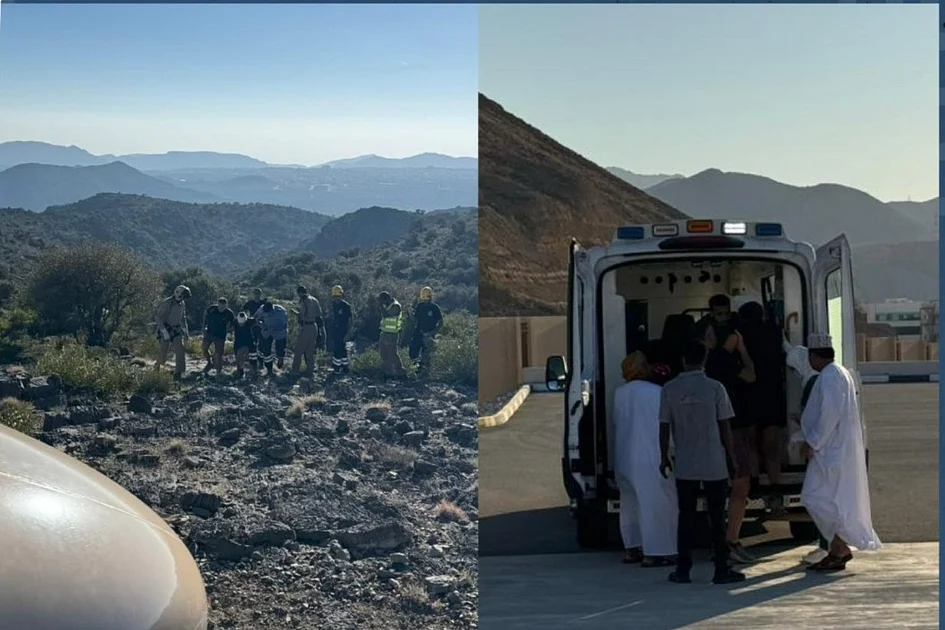
Oman authorities airlift hiker who sustained injury during mountain trek
Omani authorities have recently carried out a series of rescue operations for injured hikers, emphasizing the importance of safety measures during mountain and nature activities. In the latest incident, an Italian woman sustained a head injury while hiking in Al Jabal Al Akhdar, located in the Al Dakhiliyah Governorate. The Royal Oman Police Air Wing swiftly airlifted her to Khoula Hospital for urgent medical care. This follows another rescue on October 17, where a hiker injured his foot in the IMTI area of Al Dakhiliyah and was transported to Nizwa Hospital. Earlier, on July 25, authorities assisted a hiker injured in the rugged terrain of Salalah in Dhofar Governorate, with the Civil Defence and Ambulance Department responding promptly. These incidents highlight the challenges of remote and difficult terrains and the critical need for rapid emergency response. Authorities have urged outdoor enthusiasts to take necessary precautions and ensure safety measures while engaging in such activities.
-

Football fans in Bilbao march in support as Palestine plays first European match
In a historic display of solidarity, the Basque Country football team faced off against the Palestinian national team in a friendly match at Bilbao’s San Mames Stadium. The game, which ended with a 3-0 victory for the Basque side, was more than just a sporting event—it was a powerful statement of unity and support for Palestine amidst ongoing conflict in Gaza. Thousands of spectators filled the stadium, witnessing both teams celebrate side by side, arms interlocked, in a poignant moment of camaraderie. The match also served as a fundraiser for Doctors Without Borders (MSF), an organization providing critical aid in Gaza, where over 71,000 people have been killed and millions displaced. Prior to the game, thousands of demonstrators marched through Bilbao in support of Palestine, underscoring the deep-rooted political sympathies between Basque and Palestinian nationalist movements. Palestinian coach Ehab Abu Jazar, who hails from Gaza, shared his personal struggles, stating, ‘It’s difficult to coach when your mother lives in a makeshift tent. We lost nearly 200 people in my family. My house was destroyed—but representing Palestine is the greatest honor there is.’ The Palestinian team also held a banner reading ‘Stop Genocide’ before the match, highlighting the humanitarian crisis in Gaza. This event marked the first of two matches for the Palestinian team in Spain, with a game against Catalonia’s team scheduled for next week. Spain, along with Ireland and Norway, recognized Palestine as a state in May 2024, and Prime Minister Pedro Sanchez has publicly condemned Israel’s actions in Gaza as genocide. The match not only showcased the resilience of the Palestinian team but also amplified the global call for peace and justice.