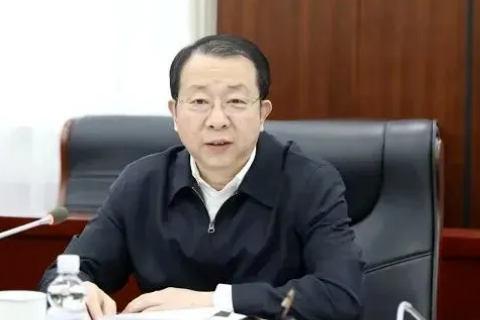
Li Xiangang, a former high-ranking official in Heilongjiang Province, has been sentenced to life imprisonment for bribery and embezzlement, as reported by China Central Television. The court also stripped Li of his political rights for life and confiscated all his personal property. The illicit gains from his crimes were forfeited to the state treasury, and the embezzled funds are to be returned to the affected organizations. From 2006 to 2024, Li exploited his various positions, including mayor and Party secretary of Shuangyashan city, secretary-general of the Heilongjiang Provincial Government, and deputy director of the Standing Committee of the Heilongjiang Provincial People’s Congress, to provide undue advantages to businesses and individuals in exchange for bribes totaling 117 million yuan ($16.46 million). Additionally, in 2009 and 2012, Li embezzled public assets worth over 1.68 million yuan through fraudulent property transactions. The court noted the severity of his crimes and their detrimental impact on public trust. However, due to Li’s confession, remorse, and restitution of illegal gains, he was granted a more lenient sentence. The case was publicly tried on May 22, with prosecutors presenting substantial evidence. Li admitted to his crimes in his final statement.
标签: Asia
亚洲
-

Samsung users report ‘unremovable’ Israeli bloatware AppCloud on devices
Samsung, the South Korean tech giant, is embroiled in a global controversy as users and cybersecurity experts raise alarms over pre-installed bloatware on its devices. The software in question, AppCloud, initially reported in Samsung Galaxy A and M series phones in West Asia and North Africa, has now been found in devices across Europe and South Asia. Users claim the app is unremovable without root access, the highest level of system control, raising significant privacy and ethical concerns.
AppCloud, linked to the Israeli firm ironSource, has been accused of secretly harvesting user data and lacking a transparent privacy policy. IronSource, now owned by American company Unity, has a notorious history of creating invasive programs that bypass user permissions and security checks. Despite being disabled, AppCloud persists on devices, reappears after updates, and can covertly install additional software.
Digital rights organization SMEX has highlighted these issues, noting that Samsung’s terms of service fail to address AppCloud or ironSource explicitly. In May, SMEX sent an open letter to Samsung, but the company has yet to respond. The issue has gained traction online, with users sharing screenshots of AppCloud’s extensive permissions, including full network access and the ability to download files without notification.
Cybersecurity experts warn that while AppCloud’s behavior doesn’t confirm it as classic spyware, its aggressive data collection and unremovable nature blur the line between ad-tech and surveillance. As the controversy grows, Samsung faces mounting pressure to address these privacy concerns and provide users with greater control over their devices.
-
Cash vouchers for newlyweds as China tries to boost marriages
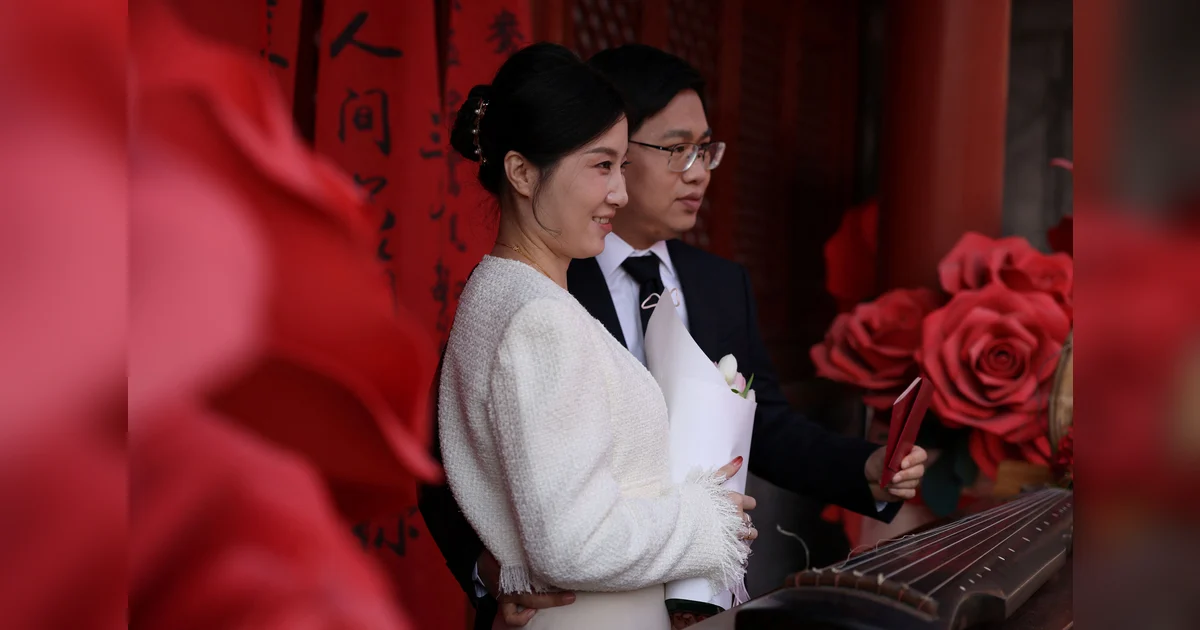
In a bid to reverse the declining trend of marriages, the eastern Chinese city of Ningbo has launched a new initiative offering cash vouchers to newlyweds. Couples who register their marriage between October 28 and December 31, 2025, will receive eight marriage consumption vouchers, totaling 1,000 yuan ($141). These vouchers can be used for wedding-related expenses such as photography, ceremonies, hotel stays, and retail purchases. The initiative, announced by Ningbo’s civil affairs department on its official WeChat account, is part of broader efforts by Chinese authorities to encourage young people to marry and start families. Similar programs have been introduced in other eastern cities like Hangzhou and Pinghu, with vouchers available until the end of the year. China’s marriage rates have plummeted, with only 6.1 million couples registering for marriage last year, a significant drop from 7.68 million the previous year. The decline is attributed to the high costs of childcare and education, as well as shifting societal attitudes. To address the issue, the government has implemented various measures, including promoting ‘love education’ in universities and urging local governments to allocate resources to support marriage and childbearing. With China’s population aging rapidly, boosting marriage and birth rates has become a critical priority for policymakers.
-
Saudi prince, eyeing defence pledge, to meet Trump after long US absence
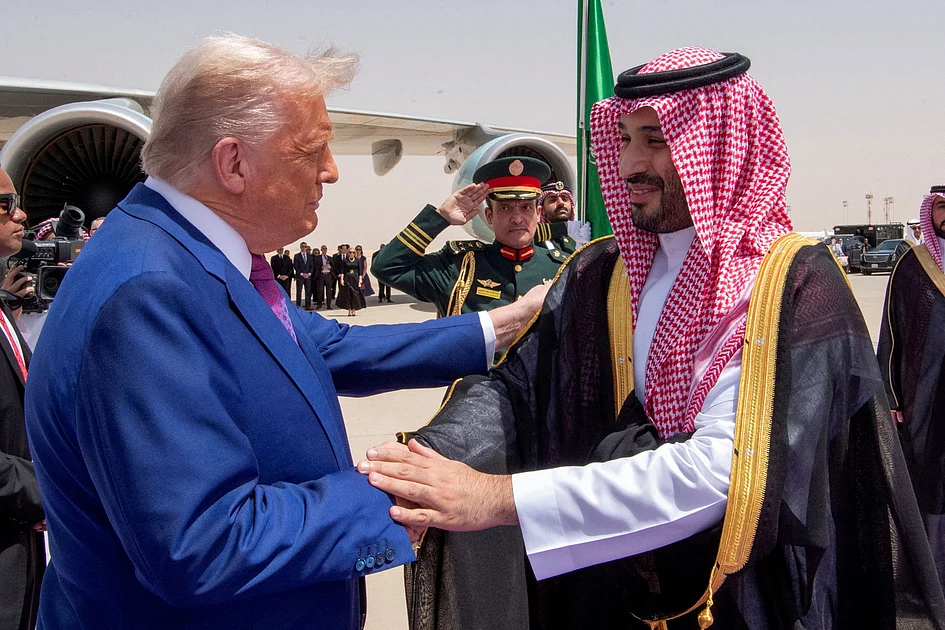
Saudi Crown Prince Mohammed bin Salman is set to meet US President Donald Trump in Washington this week, marking his first visit to the US since 2018. The three-day trip, which began on Monday, will focus on strengthening bilateral ties, with the prince prioritizing enhanced US security guarantees for Saudi Arabia. This comes in the wake of recent Israeli strikes on Qatar, a key US ally, which have heightened regional tensions. While Trump is expected to push for Saudi Arabia to normalize relations with Israel, Riyadh remains reluctant, citing its longstanding condition for the establishment of a Palestinian state as a prerequisite for such a move. The visit also includes a US-Saudi investment forum, highlighting collaboration in energy and artificial intelligence. Additionally, the crown prince is reportedly seeking advanced defense systems, including F-35 fighter jets, and access to high-tech chips to support Saudi Arabia’s AI ambitions. The meeting underscores the complex dynamics of US-Saudi relations, with both nations navigating regional security challenges and economic diversification efforts.
-

Watch: BTS member J-hope touches down in Dubai, sends UAE fans into frenzy
BTS member J-hope, whose real name is Jung Hoseok, has arrived in Dubai, sending fans into a frenzy. The K-pop superstar landed in the early hours of Monday, November 17, 2025, and shared a photo from his Emirates flight on his Instagram Story. Known for his active social media presence, J-hope frequently updates fans on his activities, making this trip no exception. While the purpose of his visit remains unclear, fans speculate he might be attending Dubai Watch Week, which begins on November 19. The event, held at Dubai Mall, features a special exhibition by Audemars Piguet, celebrating its 150th anniversary. Additionally, the presence of J-hope’s dance team members in Dubai has fueled rumors of a potential performance, though no official confirmation has been made. The Dream Concert UAE, scheduled for November 22 in Abu Dhabi, features several K-pop acts but does not list any BTS members. Fans are eagerly anticipating any surprises J-hope might have in store, making this one of the most talked-about topics in the K-pop community.
-

Sinner hails ‘amazing’ ATP Finals triumph over Alcaraz
Jannik Sinner capped off a remarkable season with a thrilling victory over Carlos Alcaraz at the ATP Finals in Turin, securing a straight-sets win of 7-6 (7/4), 7-5. The Italian tennis star, who earlier this year became the first Italian man to win Wimbledon, was cheered on by an enthusiastic crowd as he retained his ATP Finals title. This triumph marked the culmination of a year filled with highs and lows, including a three-month ban due to accidental contamination with a banned substance, which Sinner overcame to reclaim his place at the top of the sport. Reflecting on his season, Sinner expressed pride in his growth as a player, stating, ‘I feel to be a better player than last year… It’s all part of the process.’ The match against Alcaraz was a tightly contested battle, with the Spaniard lamenting missed opportunities, particularly with his backhand volleys. Sinner’s victory not only solidified his status as one of the world’s best but also served as a powerful emotional moment, bringing a challenging yet rewarding season to a close.
-
Israel deports Gaza patients from Jerusalem hospitals back to war-torn strip
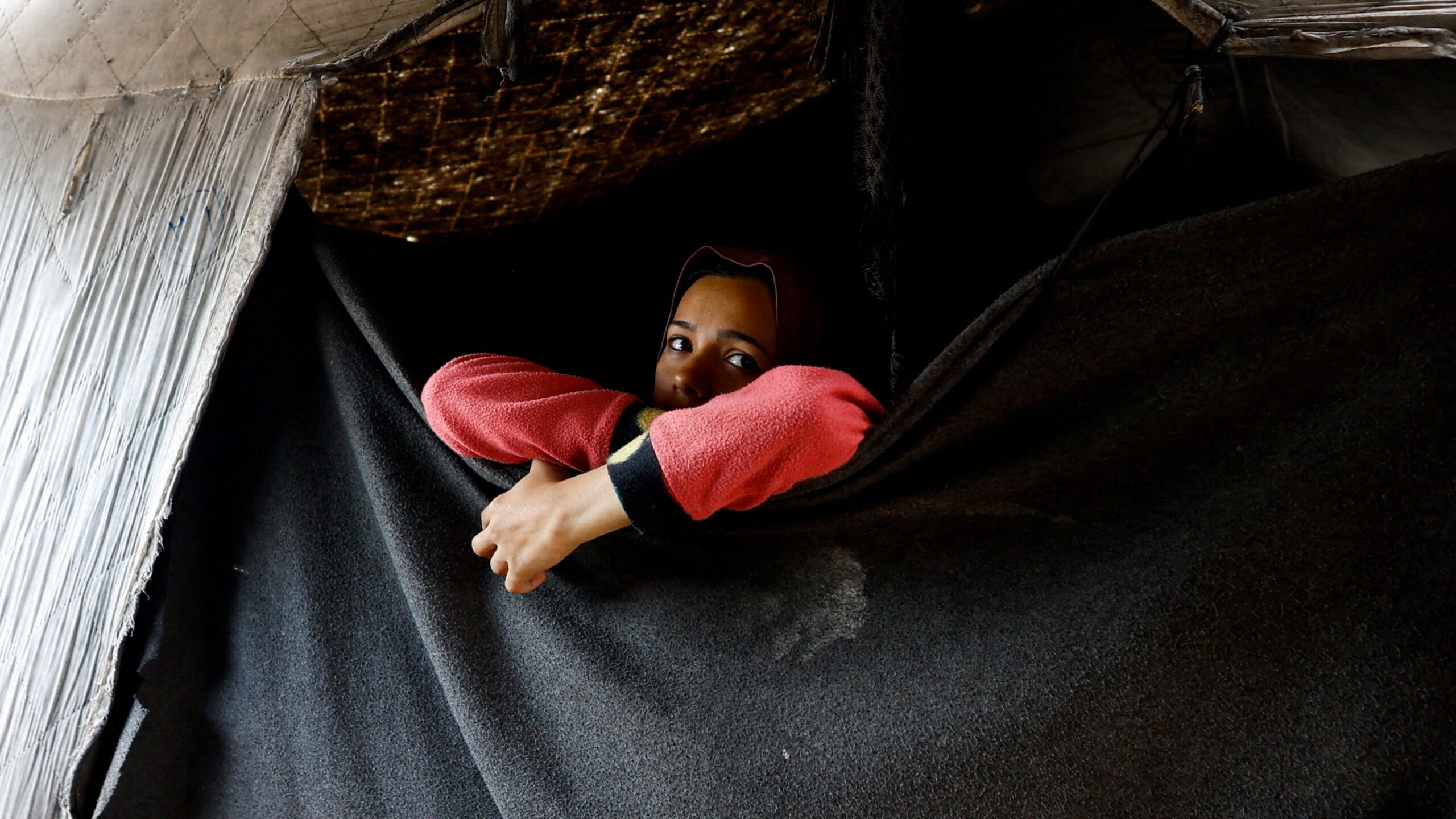
Israeli authorities have reportedly expelled dozens of Palestinian patients from hospitals in Jerusalem, sending them back to the Gaza Strip on Monday. These patients, along with their families, had initially traveled to Jerusalem for medical treatment before the outbreak of the October 2023 conflict and had remained in the city since. While some had completed their treatment and expressed a desire to return home, concerns have been raised that others were forcibly deported. According to local media, two buses carrying patients and their families arrived at the Kerem Abu Salem crossing between Gaza and Israel on Monday morning. At least 89 individuals, including children born in Jerusalem, were set to be deported. Unnamed sources cited by Arab48 expressed serious concerns about the safety and conditions of the transfer, particularly given the dire state of Gaza’s healthcare system. Many of the patients fear returning to Gaza, where the health infrastructure has been devastated by Israel’s ongoing military campaign. Since the war began, over 94 percent of medical facilities in Gaza have been damaged or destroyed, leaving only a handful of health centers partially operational. Hospitals have been bombed, raided, and stripped of essential supplies, while thousands of medical workers have been killed or detained. The relentless bombardment has overwhelmed the remaining healthcare services, resulting in the deaths of over 9,300 wounded and sick Palestinians since October 2023 due to the collapse of medical care and Israel’s ban on medical evacuations. With the Rafah crossing sealed since Israel’s invasion in May 2024, approximately 20,000 injured and ill individuals are now stranded, awaiting an opportunity to seek treatment abroad.
-

Haaland over the moon as Norway end 27-year wait for World Cup berth
In a historic moment for Norwegian football, Erling Haaland led his team to a 4-1 victory over Italy, securing Norway’s first World Cup berth since 1998. Haaland’s brace, along with goals from Antonio Nusa and Jorgen Strand Larsen, sealed the win in Milan, marking an end to a 27-year wait for the global tournament. Meanwhile, Portugal dominated Armenia with a 9-1 triumph, booking their place in the 2026 World Cup, though Cristiano Ronaldo’s participation remains uncertain due to a potential suspension extension. Bruno Fernandes and Joao Neves starred with hat-tricks, while Renato Veiga, Goncalo Ramos, and Francisco Conceicao also contributed to the emphatic victory. Ireland secured a playoff spot with a dramatic 3-2 win over Hungary, thanks to Troy Parrott’s late heroics. France, England, and Ukraine also confirmed their World Cup qualifications, with England completing a flawless qualifying campaign. The 2026 World Cup, co-hosted by the US, Canada, and Mexico, promises to be a thrilling spectacle as teams prepare for the global stage.
-

BBC in Dhaka: ‘The trial may be over… anger very much remains’
In a landmark ruling that has sent shockwaves across Bangladesh, former Prime Minister Sheikh Hasina has been sentenced to death for crimes against humanity. The verdict, delivered in Dhaka, marks a dramatic turn in the nation’s political landscape. While the trial has concluded, the emotional aftermath continues to reverberate, with widespread anger and unrest among her supporters. The case, which has been a focal point of national and international attention, underscores the deep-seated divisions within Bangladeshi society. Critics argue that the trial was politically motivated, while proponents assert that justice has been served. The sentencing has ignited debates about the rule of law, political accountability, and the future of democracy in Bangladesh. As tensions escalate, the international community watches closely, concerned about the potential for further instability in the region.
-
Lanka probes claims of cruelty to elephants gifted by Thailand
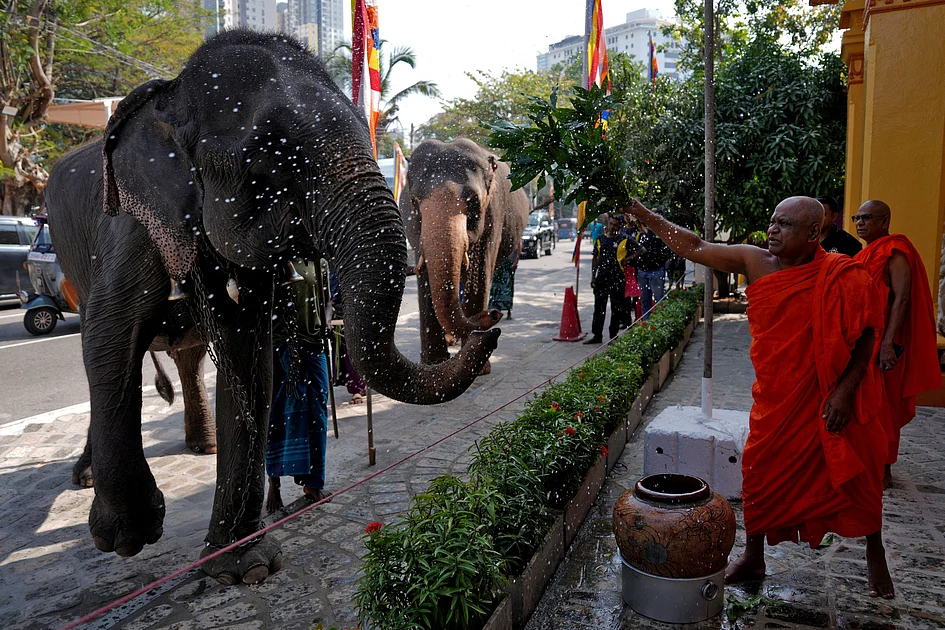
Sri Lanka has launched an official investigation into allegations of mistreatment involving two elephants gifted by Thailand decades ago. The elephants, presented as symbols of diplomatic friendship in 1980 and 2001, are reportedly suffering under the care of Buddhist temples. Environment Minister Dammika Patabendi confirmed that a panel of veterinarians has been appointed to assess the animals’ health and living conditions. The probe follows concerns raised by Thailand, which has reportedly expressed interest in repatriating the elephants. Animal rights activists in Sri Lanka have also been contacted by Thai authorities seeking updates on the elephants’ welfare. Elephants hold a sacred status in Sri Lanka, revered as national treasures and Buddhist symbols. However, reports of cruelty by private owners and monks have tarnished this reputation. In 2023, Sri Lanka repatriated a Thai elephant named Muthu Raja, also known as Sak Surin, after allegations of neglect and abuse surfaced. The illegal trade of elephant calves has further exacerbated conservation challenges, with mothers often killed to capture their young. Human-elephant conflicts have also escalated, resulting in significant losses for both species. Sri Lanka is home to an estimated 7,000 wild elephants, but their survival remains under threat.