
A Philippine court has handed down a life sentence to Alice Guo, a former mayor accused of being a Chinese national, for her involvement in a large-scale human trafficking and online scam operation. The Pasig City Regional Trial Court in metropolitan Manila convicted Guo and seven other Filipino and Chinese co-accused, imposing a fine of 2 million pesos ($34,000) each and ordering compensation for trafficking victims. Guo, who denies all allegations and claims Filipino citizenship, allegedly facilitated the establishment of an illegal online gaming complex in northern Tarlac province, where hundreds of foreign nationals were forced to conduct financial scams. The court revealed that the operation used parcels of land and buildings to house trafficked workers, coercing them into fraudulent activities. This case highlights the growing issue of online scam centers in Southeast Asia, particularly in border areas like Cambodia, Laos, and Myanmar, where hundreds of thousands have been trapped in virtual slavery. Philippine President Ferdinand Marcos Jr. has taken steps to combat these operations, banning hundreds of Chinese-run online gaming businesses linked to crimes such as financial scams, human trafficking, and kidnapping. While many centers have been raided and shut down, officials acknowledge that more remain operational. Senator Risa Hontiveros, who led Senate inquiries into the scam operations, hailed Guo’s conviction as a victory against transnational crimes but emphasized that the fight is far from over. Hontiveros also raised concerns about potential espionage activities linked to Chinese nationals operating these centers, amid escalating territorial conflicts between China and the Philippines in the South China Sea. Guo, dismissed from her mayoral post last year for grave misconduct, fled to Indonesia but was arrested and deported back to the Philippines, where she remains in detention.
标签: Asia
亚洲
-

Australians worry markedly more about US interference: new poll
Australians continue to value their alliance with the United States, but a new poll reveals growing skepticism and critical views toward the relationship. Conducted by the Australia-China Relations Institute at the University of Technology Sydney, the survey of 2,045 respondents highlights a significant shift in public opinion. For the first time in five years, more Australians (57%) believe the US, rather than China (51%), would pressure Australia to take sides in their rivalry. This reflects a broader awareness that pressure can come from allies as well as adversaries. Concerns about US interference in Australia have surged to 54%, a nearly 20-point increase since 2021, narrowing the gap with concerns about interference from China and Russia, which remain steady at 64%. The poll also indicates that nearly two-thirds of Australians fear a second Trump presidency would heighten the likelihood of conflict with China. Economic perceptions have shifted dramatically, with 72% of respondents now viewing the US as using trade for political punishment, compared to 70% for China. Despite these concerns, Australians’ views of China have softened since 2021. While mistrust of the Chinese government persists, it has declined from 76% to 64%, and two-thirds of Australians now see China as a security concern, the lowest level in five years. Regional tensions, particularly in the South China Sea, remain a focal point, with 72% of respondents viewing China’s actions there as a threat to Australia’s interests. Support for defense spending has reached a record high of 72%, though this drops to 55% when trade-offs with health or education are considered. The AUKUS defense pact, which includes plans to acquire nuclear-powered submarines, is supported by half of Australians as a means to enhance national security. On Taiwan, opinions are divided: 37% would support sending troops if China attacked, while most prefer neutrality or non-military engagement. In a hypothetical US-China conflict over Taiwan, 50% of Australians would favor neutrality, and 47% would back supporting the US. The survey also reveals that China policy is increasingly influencing Australian voters, with 37% citing it as a factor in the 2025 federal election, up 10 points from 2022. Overall, Australians are adopting a more nuanced approach to managing their relationships with both China and the US, balancing economic interests with strategic concerns.
-

Hong Kong aims to capitalize on National Games
Hong Kong is positioning itself as a key player in the sports economy by leveraging its role in co-hosting the 15th National Games. Experts believe the city has the potential to extend its influence beyond the sporting arena, shaping long-term strategies and driving momentum for future events. The successful hosting of the Games has showcased Hong Kong’s capabilities in vision, capacity, and connectivity to the broader sports economy, according to Steve Dainton, CEO of World Table Tennis. Dainton emphasized that Hong Kong’s event capability, international appeal, and experience in hosting large-scale events make it an ideal location for major tournaments like the upcoming WTT Finals in December. He stressed the importance of host cities fostering collaboration among stakeholders and focusing on delivering exceptional fan experiences to generate lasting economic and social value. Kenny Shui, vice-president of Our Hong Kong Foundation, highlighted the need for strategic coordination by the SAR government to align sports events with art and MICE (meetings, incentives, conferences, and exhibitions) activities. He suggested transforming the National Games Coordination Office into a permanent entity to manage large-scale multi-sports events and introducing sports-related financial products, such as event rights trading and sports bonds, to attract mainland investors. Shui also proposed leveraging Hong Kong’s status as a financial hub to facilitate international sponsorship agreements and intellectual property licensing, thereby lowering barriers for Chinese brands entering global leagues. Chi Sum Li of KPMG China noted Hong Kong’s unique strengths in ‘soft infrastructure,’ including international standards and IP protection, which can drive the regional sports economy and promote the Greater Bay Area’s sports brand globally. As the Chinese sports industry expands internationally, Hong Kong’s robust IPO market and private equity channels are seen as valuable platforms for raising capital to support overseas acquisitions and marketing efforts. Leading brands like Anta and Li-Ning have already utilized Hong Kong as a springboard for international growth, demonstrating the city’s potential as a gateway for global sports expansion.
-

Woman with pink nail polish versus wild — and both win
In a striking juxtaposition of glamour and grit, Yang Chaoqin, a 29-year-old engineering graduate, recently captivated audiences by participating in the Zhangjiajie Qixing Mountain Wilderness Survival Challenge. Known as ‘Leng Meiren’ (Cold Beauty), Yang arrived at the rugged Qixing Mountain in early October with pink nail polish and full makeup, including false eyelashes. Over the course of 30 days, she transformed into a seasoned survivalist, living in a mountain cave and enduring the harsh autumn chill of the forest. Her journey, marked by moments like eating a locust whole and calmly declaring it a source of protein, has become a sensation on Chinese social media. The challenge, which began on October 9 with 100 contestants, emphasizes harmony with nature, requiring participants to build shelters, make fires, and forage for food. The event has garnered unprecedented attention, with official channels on platforms like Douyin and Kuaishou amassing millions of followers and over 12 billion views by mid-November. Even Bear Grylls, host of the global hit ‘Man vs. Wild,’ praised the challenge on the organizers’ Douyin channel, calling it ‘epic’ and commending the contestants. The Zhangjiajie Qixing Mountain Wilderness Survival Challenge has carved out a unique niche, blending traditional survival skills with a distinctly Chinese cultural perspective.
-
Japanese PM’s remarks seen as bid to court right-wingers
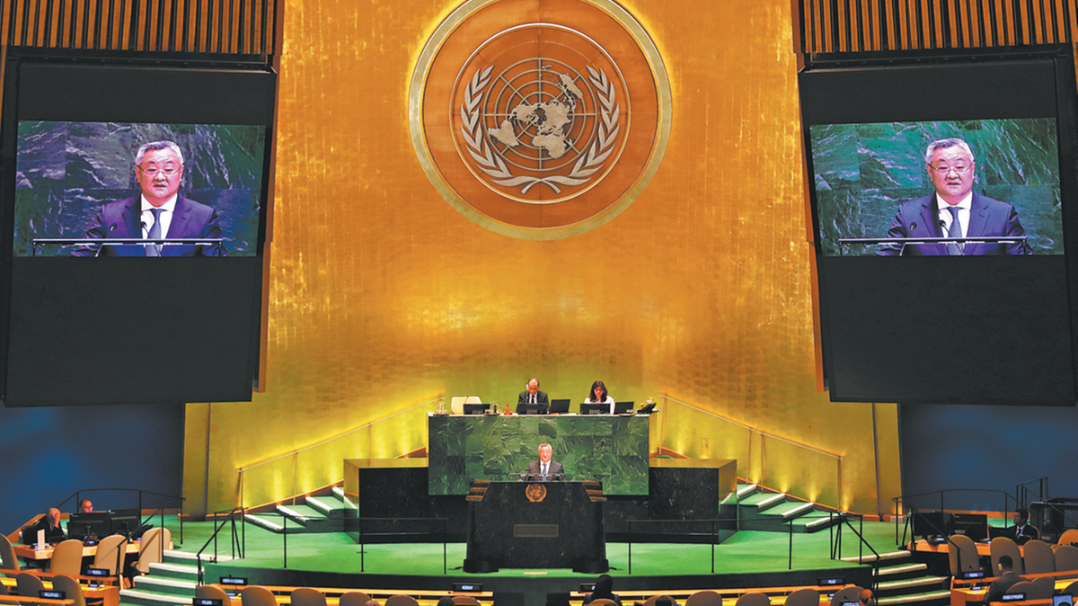
Japanese Prime Minister Sanae Takaichi’s recent comments suggesting potential military intervention in Taiwan have drawn sharp criticism from China and raised concerns about the resurgence of militarism in Japan. Observers argue that Takaichi’s remarks are a calculated move to court right-wing supporters and bolster her Liberal Democratic Party’s (LDP) position after losing its parliamentary majority. Earlier this month, Takaichi became the first sitting Japanese prime minister to publicly discuss military action in Taiwan, framing it as a response to a ‘survival-threatening situation.’ This stance directly contradicts Article 9 of Japan’s pacifist Constitution, which renounces war and the use of force in international disputes. Chinese Foreign Ministry spokeswoman Mao Ning condemned the remarks, likening them to historical justifications used by Japanese militarism, such as the 1931 invasion of Manchuria and the attack on Pearl Harbor. Mao emphasized the need for the international community to remain vigilant against militarism and uphold the postwar international order. At the UN General Assembly, China’s Permanent Representative Fu Cong criticized Takaichi’s comments as a departure from Japan’s commitment to peaceful development and a threat to global stability. Analysts warn that Takaichi’s rhetoric risks inflaming populist sentiments and could lead to significant domestic and international repercussions. Meanwhile, Japan’s refusal to retract the remarks has prompted China to suspend imports of Japanese aquatic products, citing safety concerns and public backlash. Mao reiterated that Japan would bear the consequences of its actions if it persists in its stance.
-

Volcano eruption forces the rescue of more than 170 climbers on Indonesia’s Mount Semeru
Indonesian authorities successfully assisted more than 170 climbers stranded during Mount Semeru’s sudden eruption on Wednesday, as seismic activity suggested the volcanic eruption would persist. The climbers, including tourists, guides, and porters, were ascending the 3,676-meter peak in East Java’s Lumajang district when they became trapped at the Ranu Kumbolo camping area. Priatin Hadi Wijaya, head of the Center for Volcanology and Geological Disaster Mitigation, confirmed their safety during a video news conference. Hetty Triastuty, another official, noted that Ranu Kumbolo lies outside the primary danger zone, though climbers may have been exposed to volcanic ash. The eruption unleashed pyroclastic flows and incandescent avalanches, with hot ash and gas traveling up to 13 kilometers down the slopes. Authorities raised the volcano’s alert to the highest level, warning residents to avoid the Besuk Kobokan River area. Nearly 1,000 villagers were evacuated, and while no casualties were reported, two motorcyclists suffered severe burns from hot ash. Mount Semeru, part of Indonesia’s volatile ‘Ring of Fire,’ has a history of deadly eruptions, including one in December 2021 that claimed 51 lives.
-
Education on legal matters strengthened
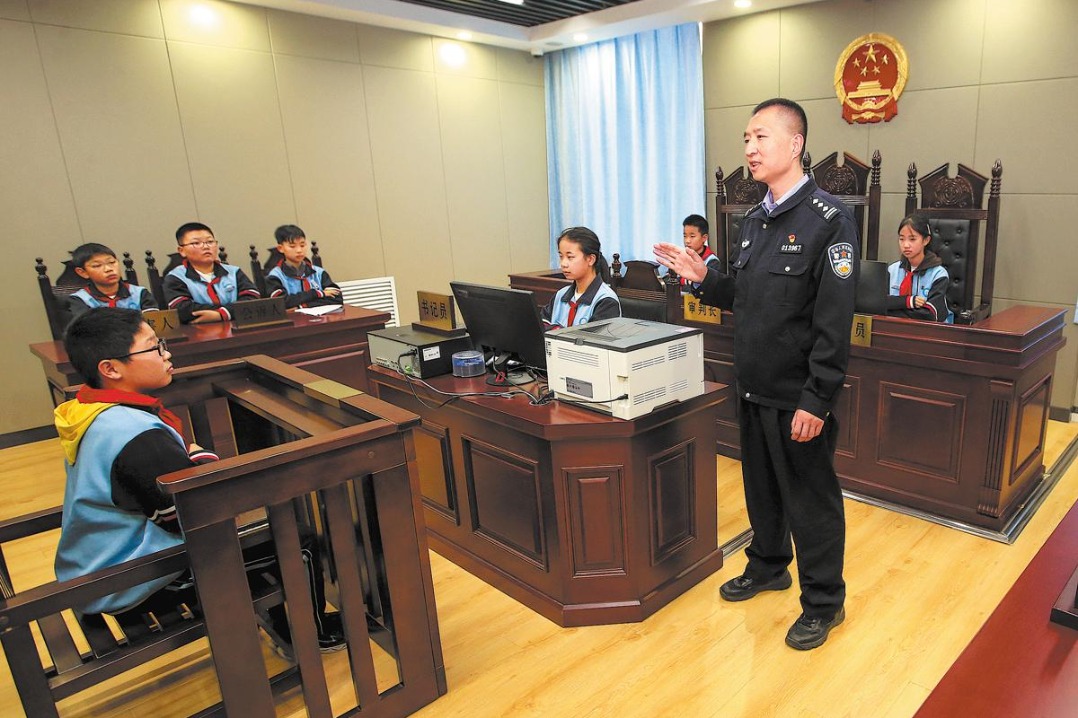
In a bid to make legal education more engaging and accessible, China has introduced innovative programs tailored for young students and the elderly. These initiatives aim to deepen public understanding of the law and foster a culture of legal awareness. One such program, organized by the Haidian District People’s Court in Beijing, recently saw high school students participate in an immersive legal workshop. Students took on roles as plaintiffs, defendants, and judges to navigate a simulated inheritance dispute, learning about the Civil Code and judicial procedures in the process. The workshop, guided by court assistant Sun Jiayun, emphasized the importance of hands-on learning to spark interest in legal concepts. This initiative is part of a broader transformation in China’s legal education system, driven by the implementation of Xi Jinping Thought on the Rule of Law. President Xi Jinping has called for intensified efforts to advance the rule of law across all sectors, emphasizing the need for society-wide observance of the law. The program’s success highlights the potential of interactive methods to make legal education more relatable and effective, particularly for younger audiences.
-

Military surge in Caribbean raises concern
The United States has significantly increased its military presence in the Caribbean Sea under the guise of an anti-drug campaign, raising concerns about its true intentions and the potential destabilization of Latin America. Since September, US forces have adopted a more aggressive stance, conducting attacks on alleged drug-smuggling vessels in international waters, resulting in at least 80 fatalities. Despite Washington’s claims that these actions aim to curb drug flow into the US, no concrete evidence linking the targeted vessels to drug smuggling has been provided.
Venezuela’s Foreign Minister Yvan Gil has condemned these attacks as violations of international law, while experts like Cao Ting, director of the Center for Latin American Studies at Fudan University, argue that counter-narcotics has historically been a pretext for US intervention in the region. Reports from the US Drug Enforcement Administration indicate that Venezuela is not a primary source of drugs entering the US, further questioning the legitimacy of these military operations.
The recent arrival of the Gerald R. Ford aircraft carrier strike group has pushed the total US military personnel in the Caribbean to over 15,000, marking the largest buildup in decades. Zheng Meng, an associate research fellow at the Institute of Latin America Studies, asserts that the scale of this deployment far exceeds what is necessary for drug interdiction, suggesting that the true objective is to strengthen political control and economic exploitation in Latin America.
This military surge has sparked widespread controversy, both domestically and internationally. A Reuters/Ipsos poll revealed that only 29% of Americans support military strikes against suspected drug traffickers without judicial oversight. French Foreign Minister Jean-Noel Barrot criticized the operations as violations of international law, and the UK has suspended intelligence sharing with the US on suspected drug trafficking vessels in the Caribbean.
Experts warn that the US’s unilateral actions and power politics not only violate international law but also undermine regional peace and stability, leading to growing global dissatisfaction. As the US continues to escalate its military operations, Latin America faces an increasingly dangerous and uncertain future, transforming what should be a peaceful region into a volatile one.
-
Modi’s ally returns as chief minister after sweeping Indian state polls
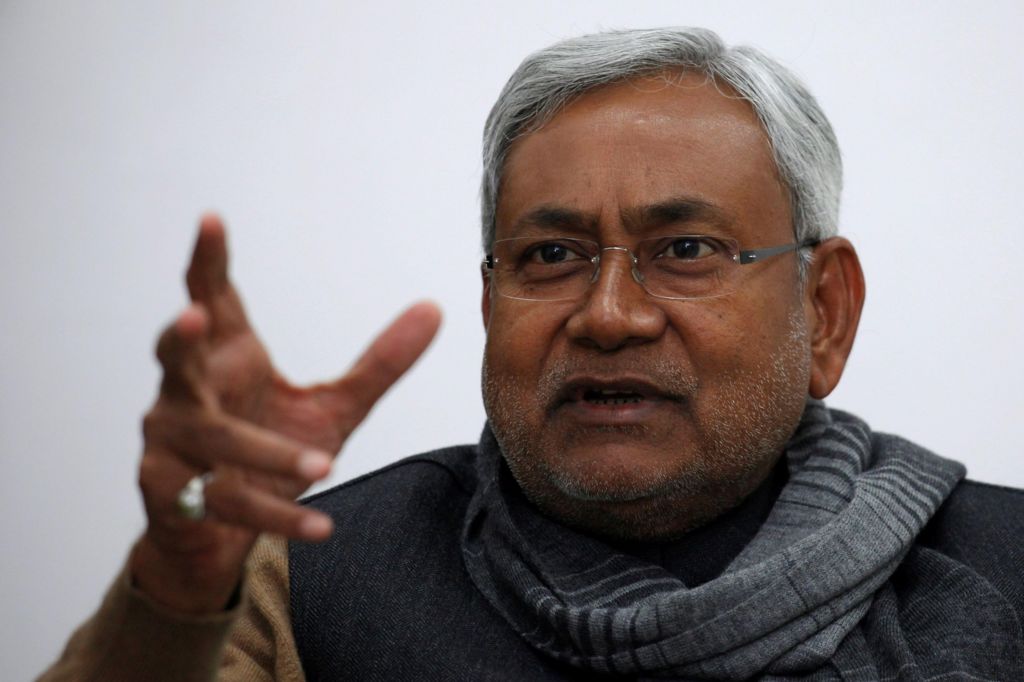
In a historic political milestone, Nitish Kumar, the leader of Janata Dal (United), has been sworn in as the Chief Minister of Bihar for an unprecedented 10th term. This follows a resounding victory in the state’s recent elections, where his party and its allies, including Prime Minister Narendra Modi’s Bharatiya Janata Party (BJP), secured a commanding 202 out of 243 seats. The 74-year-old political stalwart, who has dominated Bihar’s political landscape for most of the past two decades, took the oath of office in Patna before a massive gathering on Thursday. The ceremony came a day after his party’s legislators unanimously elected him as their leader, with the broader alliance endorsing the decision. The election itself was marked by controversy, with opposition parties alleging that a revision of voter lists unfairly favored the BJP—a claim both the party and the Election Commission denied. Bihar, one of India’s poorest states with over 74 million voters, has long been a political battleground. Despite its challenges, the state saw a record voter turnout of 66.91%, the highest since 1951, with women outnumbering men at the polls. The BJP won 89 seats, while Kumar’s party secured 85, with the remaining 28 seats going to other alliance partners. The opposition coalition, led by the Congress party and the Rashtriya Janata Dal (RJD), managed to win only 35 seats. This election is seen as a precursor to crucial state polls next year in West Bengal, Kerala, and Tamil Nadu, where the BJP has struggled to establish a foothold. Prime Minister Modi hailed the Bihar results as ‘a victory for democracy,’ underscoring the significance of the outcome in shaping India’s political future.
-
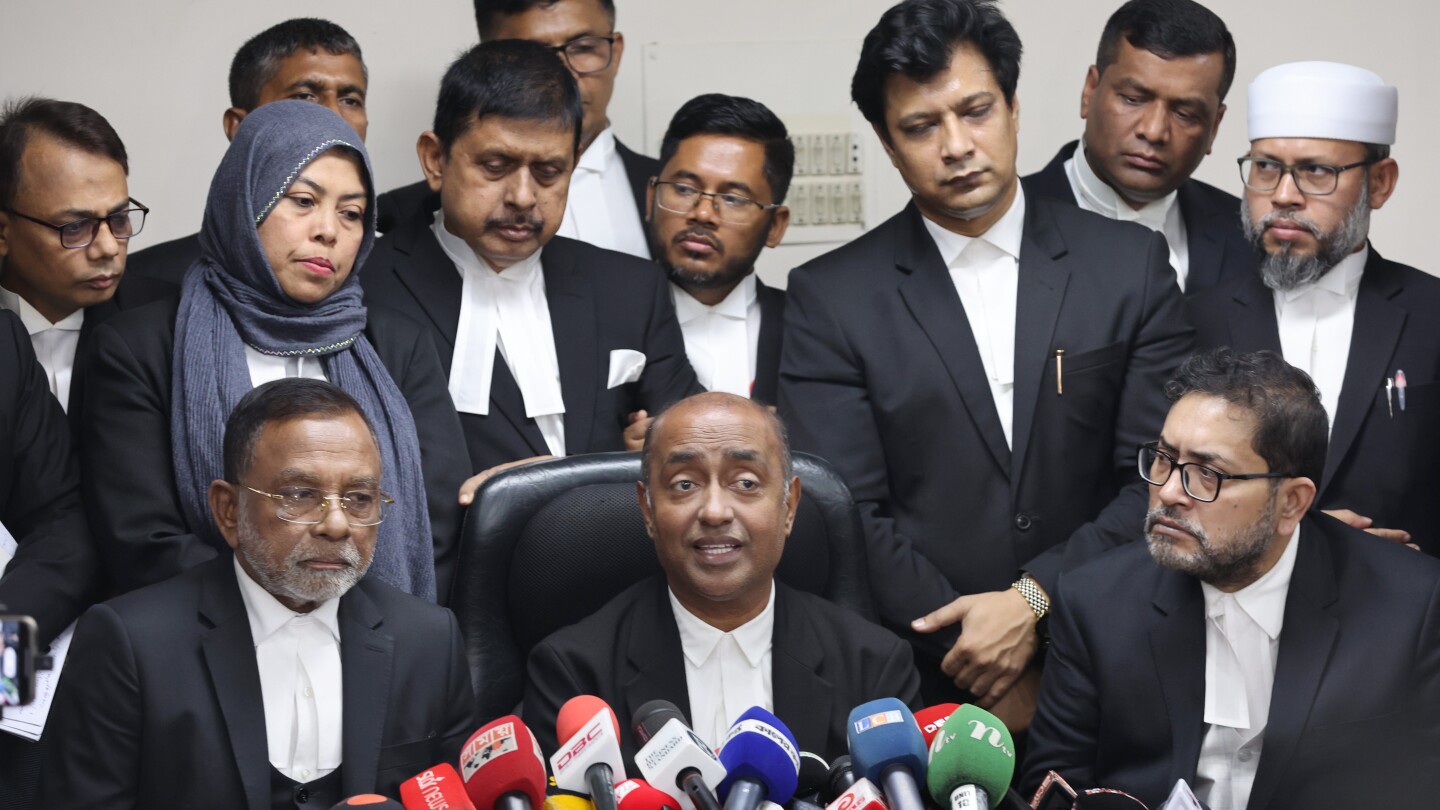
Bangladesh Supreme Court restores nonpartisan caretaker system but not for next elections
In a landmark decision on Thursday, Bangladesh’s Supreme Court reinstated the nonpartisan caretaker government system for national elections, a move hailed as a step toward ensuring electoral fairness. However, the ruling clarified that the system would not apply to the upcoming elections scheduled for early next year. The caretaker system, first introduced in 1996, was widely regarded as a cornerstone of democratic integrity in Bangladesh, a parliamentary democracy of 170 million people. It facilitated two subsequent elections in which retired chief justices led nonpartisan governments, ensuring smooth transitions of power within 90 days. The 2008 elections were also conducted under a former central bank governor. Despite its initial success, the system was abolished in 2011 under then-Prime Minister Sheikh Hasina, following political disputes. Critics accused Hasina of manipulating future elections, a claim underscored by the controversial 2014, 2018, and 2024 elections, which were marred by allegations of credibility issues. The Bangladesh Nationalist Party (BNP), led by Hasina’s rival Khaleda Zia, boycotted the 2014 and 2024 polls, demanding the restoration of the caretaker system. The Supreme Court’s unanimous ruling on Thursday addressed two appeals and four petitions seeking a review of the 2011 verdict. The court stated that the caretaker system would be reinstated for the 14th national election since Bangladesh’s independence in 1971 but would not affect the 13th post-independence vote, which will be overseen by the interim government led by Nobel Peace Prize laureate Muhammad Yunus. Attorney General Mohammed Asaduzzaman praised the decision, calling it a milestone for Bangladesh’s democracy. Meanwhile, the BNP welcomed the ruling, with party leader Amir Khasru Mahmud Chowdhury describing it as the dawn of a new era. The decision comes amid a turbulent political climate, with Hasina in exile in India following her ousting in August 2024 and subsequent death sentence for crimes against humanity. Analysts warn that Bangladesh faces a challenging path ahead as it navigates this critical juncture under Yunus’s leadership.