标签: Asia

亚洲

  • Key takeaways from China’s new 5-year economic blueprint and growth target

    Key takeaways from China’s new 5-year economic blueprint and growth target

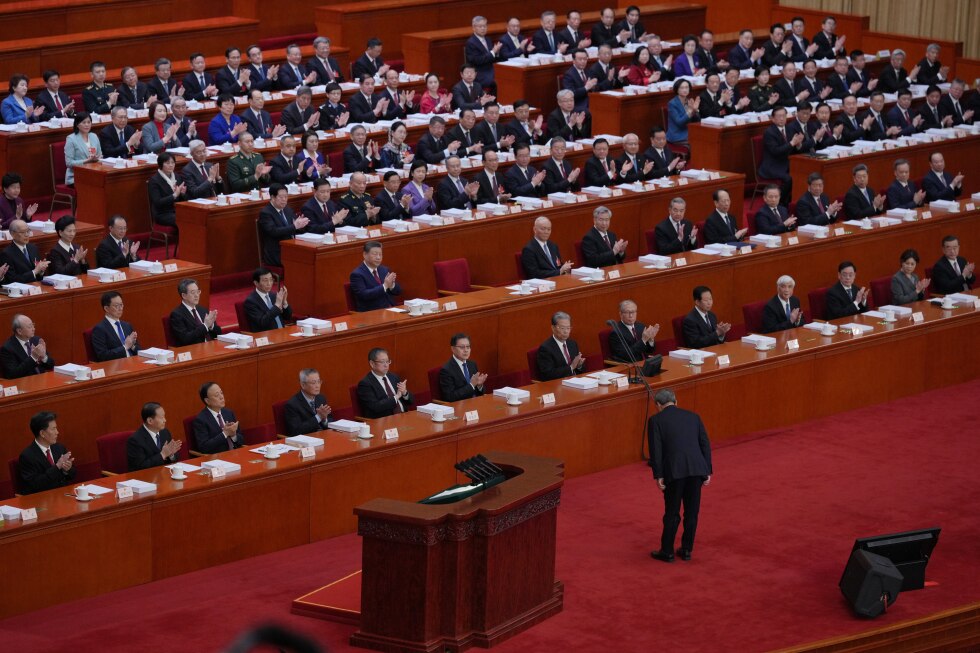
    China has announced its most conservative annual economic growth target in over three decades, setting a benchmark of approximately 5% for 2026 during the opening session of the National People’s Congress. This calibrated approach reflects Beijing’s pragmatic response to persistent domestic challenges including a protracted property sector crisis, weakened consumer confidence, and demographic pressures.

    Premier Li Qiang’s government work report acknowledged the “grave and complex” economic landscape while highlighting China’s achievement of meeting its 2025 growth target of 5%, largely propelled by a record trade surplus nearing $1.2 trillion. The economic strategy now prioritizes technological self-reliance, with substantial investments earmarked for artificial intelligence, robotics, semiconductors, and quantum technologies as part of the newly unveiled five-year plan extending to 2030.

    The comprehensive policy blueprint outlines ambitious research and development objectives, targeting minimum annual growth of 7% in nationwide R&D expenditure. Concurrently, China will maintain robust defense spending with a 7% budget increase to approximately $270 billion, while slightly moderating environmental targets with a 17% reduction in carbon intensity over the next five years.

    Addressing demographic concerns, officials pledged to create a “fertility-friendly society” through enhanced childcare, healthcare, and education support systems as the nation confronts a fourth consecutive year of population decline. The property market stabilization remains a priority, with commitments to regulate supply and reduce inventory amid ongoing housing market adjustments.
  • US, Israel launch fresh strikes on Iran

    US, Israel launch fresh strikes on Iran

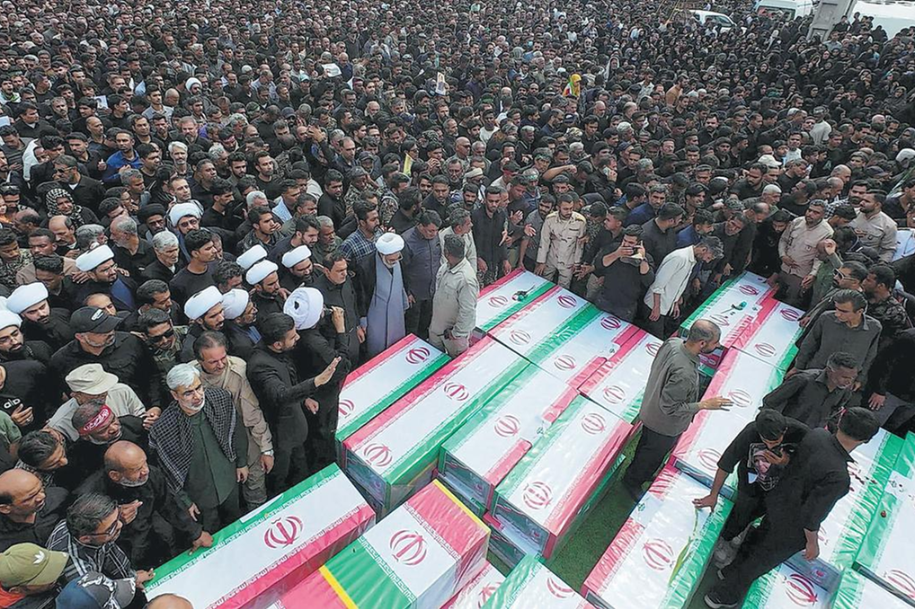
    The Middle East faces a severe escalation of hostilities as combined United States and Israeli military forces executed renewed airstrikes against Iranian targets on Wednesday. Tehran responded with cross-Gulf retaliatory measures targeting American diplomatic installations, marking the sixth consecutive day of intensifying conflict that has critically disrupted regional energy infrastructure and international travel networks.

    US military authorities reported nearly 2,000 targets struck since initiating joint operations with Israel last Saturday—actions that resulted in the death of Iranian Supreme Leader Ali Khamenei. The ongoing confrontation has claimed at least 1,045 Iranian lives, with US officials indicating potential continuation for several weeks.

    Iran’s Assembly of Experts member Ahmad Khatami confirmed via state television that the process of identifying a new supreme leader is nearing conclusion, with candidates already shortlisted though not publicly named.

    Israeli defense forces targeted Iranian ballistic missile production and storage facilities, additionally claiming destruction of a covert underground nuclear command center. Iranian officials countered that uranium enrichment activities had been suspended since June, maintaining their nuclear program serves exclusively peaceful purposes.

    Defense Secretary Pete Hegseth confirmed the sinking of an Iranian warship by US submarine torpedo in the Indian Ocean, while drone attacks near the US Consulate in Dubai demonstrated Iran’s expanded retaliation strategy. Similar assaults targeted American embassies in Saudi Arabia and Kuwait, with Dubai authorities confirming no casualties despite visible explosions and temporary road closures.

    The United Arab Emirates, despite enduring over 1,000 attacks according to its Foreign Ministry, declared no intention of retaliating against Iran. Meanwhile, international governments including the United States and France are organizing emergency evacuations for citizens stranded amid widespread air travel disruptions.

    Iran’s Revolutionary Guards announced control over the Strait of Hormuz, warning vessels of potential attacks while the US Navy prepared escort operations for oil tankers. Regional experts warn of prolonged instability, citing risks of missile attacks, cyber warfare, and maritime security threats that could trigger global economic repercussions.

    Energy markets face immediate volatility as Saudi Arabia closed its largest domestic oil refinery and Qatar suspended liquefied natural gas production. Political analyst Rabi Mohamed projected sharp oil price surges and supply chain disruptions that would elevate global transportation and production costs, creating widespread economic uncertainty.

  • Japan sees stagflation risk rise

    Japan sees stagflation risk rise

    Japan faces mounting economic vulnerability as escalating Middle East tensions trigger serious concerns about potential stagflation. The recent joint military operations by the United States and Israel against Iran have sent shockwaves through global markets, with Japan positioned as particularly susceptible to energy supply disruptions due to its heavy reliance on Middle Eastern oil.

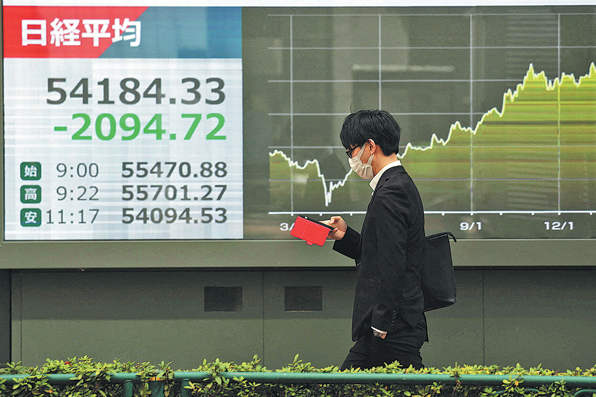
    Financial markets reacted immediately to the geopolitical turmoil, with Tokyo’s benchmark Nikkei 225 index plummeting 3.61 percent on Wednesday amid a worldwide sell-off driven by surging oil prices and heightened uncertainty. The broader TOPIX index followed suit, dropping 138.50 points to close at 3,633.67.

    The Strait of Hormuz, a critical maritime passage for global energy shipments, now represents Japan’s primary economic vulnerability. According to data from Japan’s Agency for Natural Resources and Energy, over 90 percent of the nation’s crude oil imports originate from the Middle East, with most shipments navigating this strategic choke point. Any sustained disruption to traffic through the strait could trigger dramatic increases in global oil prices.

    Despite government assurances regarding strategic petroleum reserves—reportedly sufficient for approximately 254 days of domestic consumption—leading economists warn that prolonged conflict could severely strain Japan’s energy security. Hideo Kumano, chief economist at Dai-ichi Life Research Institute, projected significant oil price surges should tensions continue to escalate, potentially driving up gasoline and electricity costs across the country.

    The stagflation scenario—a dangerous combination of stagnant economic growth and rising inflation—has emerged as a distinct possibility. Takahide Kiuchi, executive economist at Nomura Research Institute, cautioned that extended closure of the Strait of Hormuz by Iran could precipitate precisely this economic crisis.

    The ripple effects would extend throughout Japan’s real economy. Akuta Tomomichi, senior economist at Mitsubishi UFJ Research and Consulting, calculated that every $10 increase in global oil prices would raise Japan’s crude import costs by approximately 1.3 trillion yen, impacting sectors ranging from agriculture to fisheries and food production.

    Meanwhile, the Japanese government’s response to the military strikes has drawn criticism from diplomatic and political circles. Prime Minister Sanae Takaichi urged Iran to pursue diplomatic solutions while refraining from offering definitive legal assessment of the US-Israel bombardment, citing insufficient detailed information.

    Ukeru Magosaki, director of the Tokyo-based East Asian Community Institute and former Japanese ambassador to Iran, characterized the strikes as violations of international law without proper justification. Public dissent has manifested in protests across Japan, including a gathering of approximately 500 demonstrators in Tokyo who called for immediate cessation of attacks against Iran.

    Tomoko Tamura, chair of the Japanese Communist Party, condemned the military actions as violations of the United Nations Charter, suggesting international pressure could become a decisive force in halting the conflict.

  • New momentum, new horizon

    New momentum, new horizon

    China has demonstrated remarkable progress across multiple sectors as it transitions between national development frameworks. The concluding 14th Five-Year Plan has yielded substantial achievements in technological innovation, environmental sustainability, and cultural development, while the newly implemented 15th Five-Year Plan builds upon this foundation with accelerated momentum.

    Evidence of China’s advancement manifests in diverse areas including renewable energy infrastructure with expanded solar panel deployment, space technology through satellite development, culinary diversity reflecting cultural richness, and enhanced transportation systems improving daily mobility. These developments collectively contribute to an elevated quality of life for citizens nationwide.

    Concurrent with these technological and infrastructure improvements, China has maintained strong cultural traditions through vibrant regional celebrations. The recent Lantern Festival witnessed widespread participation across multiple provinces, with Zhengding hosting 30 folk art troupes, Hainan communities organizing parade festivities, and Chongqing’s Lishan Torch Festival attracting over 100,000 visitors. These events blended traditional practices with modern technological elements, particularly evident in Zhangjiajie’s innovative celebrations.

    The international dimension of China’s development was highlighted through cultural exchange initiatives, including the Hongqiao Pearl Market’s Lantern Festival event specifically organized for foreign officials. This diplomatic outreach complements domestic policy developments concerning foreign enterprises and expatriates, reflecting China’s commitment to global engagement.

    Concurrently, China’s political advisory body has commenced its annual session, addressing critical national priorities including juvenile crime prevention, research commercialization, climate governance consistency, and rural revitalization strategies. The publication of educational materials on Xi Jinping Thought on Economy further underscores the philosophical framework guiding China’s development trajectory.

  • Zhou Li’an: Rural vitalization lies in value creation and ‘rural CEOs’

    Zhou Li’an: Rural vitalization lies in value creation and ‘rural CEOs’

    In a groundbreaking exclusive interview with China Daily, Zhou Li’an—esteemed member of the 14th CPPCC National Committee and distinguished professor at Peking University’s Guanghua School of Management—presented a transformative vision for rural e-commerce development. The academic expert proposed a strategic pivot from destructive price wars to sustainable value creation as the cornerstone for rural revitalization.

    Professor Zhou identified product homogeneity as the critical challenge currently plaguing rural e-commerce platforms, creating an environment of intensified competition that undermines long-term viability. He emphasized that breakthrough success requires developing integrated business models that generate distinctive value propositions rather than competing solely on price points.

    The visionary economist introduced the innovative concept of ‘rural CEOs’—professional management experts who would bring sophisticated business acumen to agricultural industries. This paradigm shift would inject fresh vitality into rural economic structures through specialized management mechanisms traditionally reserved for corporate environments.

    Zhou’s analysis suggests that rural communities must embrace professionalization of management practices to unlock their full economic potential. By implementing corporate-style leadership structures, villages could leverage local resources more effectively while creating sustainable market advantages.

    The proposed model represents a significant departure from traditional agricultural management approaches, potentially setting new standards for how rural industries operate within China’s rapidly evolving digital economy. This professionalization initiative could serve as a blueprint for modernizing agricultural business practices nationwide.

  • From silence to song: Iran team’s anthem shift in Australia at soccer’s Women’s Asian Cup

    From silence to song: Iran team’s anthem shift in Australia at soccer’s Women’s Asian Cup

    GOLD COAST, Australia — In a striking reversal from their previous match, the Iranian women’s national football team collectively sang and saluted during their national anthem prior to their Women’s Asian Cup encounter against Australia on Thursday. This display stood in stark contrast to their silent protest during the anthem before Monday’s opening fixture against South Korea.

    The emotional weight surrounding the team became evident when star striker Sara Didar, visibly distressed and fighting back tears, expressed the squad’s profound anxiety for their families’ safety amid escalating Middle Eastern conflicts during a pre-match press conference. The 21-year-old athlete, who began Thursday’s match on the bench, symbolized the personal struggles faced by players competing under extraordinary circumstances.

    Despite the shifted approach to anthem protocol, the competitive outcome remained unchanged as tournament favorite Australia delivered a commanding 4-0 victory over Iran. The match was played under heavy rain on the Gold Coast, where Iran is hosting all its Group A fixtures.

    Team management, including head coach Marziyeh Jafari, has maintained strict focus on athletic objectives, refusing to comment on recent military developments or the death of Supreme Leader Ayatollah Ali Khamenei. Jafari emphasized the priority of qualifying for next year’s Women’s World Cup in Brazil.

    The team’s anthem demonstration echoes the symbolic gestures of Iran’s men’s squad during the 2022 World Cup in Qatar, where players initially remained silent before later matches. That tournament occurred during widespread domestic protests following Mahsa Amini’s death in morality police custody.

    Amid the sporting action, clusters of protesters gathered outside Gold Coast Stadium advocating against Iran’s regime. Iranian-Australian supporter Nasrin Vaziri voiced admiration for the players, telling broadcasters: “They are brilliant despite limited opportunities. They compete under immense pressure, and as a woman, I’m profoundly proud of them.”

    With two decisive losses, Iran now requires an overwhelming victory against the Philippines in their final group match to keep quarterfinal hopes and World Cup qualification possibilities alive.

  • Deputy eyes early intervention to stem juvenile crime

    Deputy eyes early intervention to stem juvenile crime

    China has achieved a notable breakthrough in juvenile justice with the first recorded ‘double reduction’ in youth-related prosecutions, according to recent data from the Supreme People’s Procuratorate. The 2025 figures reveal a 9.8% year-on-year decrease in juvenile crime prosecutions alongside a 2.2% decline in offenses targeting minors, marking a significant turnaround in the nation’s approach to youth delinquency.

    The progress follows comprehensive policy initiatives spearheaded by National People’s Congress deputy Wu Meifang, a professor from Anhui province whose extensive research into juvenile protection has shaped national strategy. Wu’s advocacy emerged from concerning fieldwork observations, including the case of a student left unsupervised by migrant worker parents who subsequently associated with delinquent peers.

    ‘Cases involving inadequate guardianship and negative environmental influences proved disturbingly common,’ Wu noted. ‘These vulnerable minors face dual risks of both engaging in unlawful behavior and becoming victims of exploitation.’

    Her formal recommendation to the legislature catalyzed a multidimensional response framework emphasizing proactive prevention, targeted intervention, and effective rehabilitation. The Supreme People’s Procuratorate implemented these principles through coordinated efforts with police departments, women’s federations, and community organizations.

    Key initiatives include strengthened family education guidance through publicized case studies, enhanced legal education programs in schools with tailored minor-specific curricula, and the establishment of over 2,100 youth legal education centers nationwide. Authorities have additionally intensified oversight of entertainment venues including bars, KTV studios, and gaming hotels while collaborating with internet regulators to create safer digital environments for young users.

    Wu particularly commended the focus on rural areas, vocational schools, and challenged institutions through targeted campaigns addressing bullying, sexual assault, and fraud prevention. ‘While policy formation is encouraging, the tangible impact of these actions represents the true achievement,’ she observed.

    The deputy’s commitment to juvenile protection spans her entire tenure since 2018, during which she has submitted 34 motions and suggestions—six specifically addressing healthy minor development. Her initiatives have covered mental health education, school safety protocols, juvenile court reform, smartphone usage regulation, and enhanced ideological education for educators.

    ‘Service as a deputy means transforming identified issues and public concerns into actionable legislative suggestions,’ Wu stated. ‘I remain dedicated to advocating for effective laws and policies, with particular focus on safeguarding children’s healthy development.’

  • Political adviser seeks to commercialize research

    Political adviser seeks to commercialize research

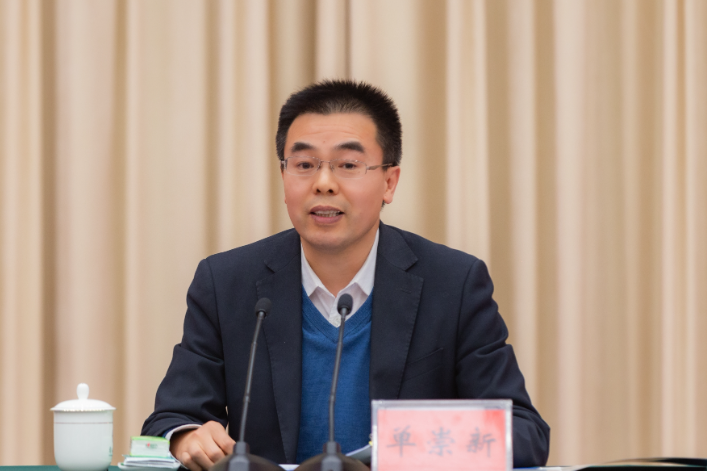
    Shan Chongxin, Vice-President of Zhengzhou University and member of China’s National Committee of the Chinese People’s Political Consultative Conference, has positioned the commercialization of scientific research as a critical national priority during the ongoing Two Sessions political gatherings. The renowned ultra-hard materials expert emphasized that integrating education, technological advancement, and talent development forms the fundamental strategic support for achieving China’s high-level self-reliance in technology.

    With China’s ultra-hard materials industry now leading globally in scale and application breadth, Shan identified persistent challenges preventing true innovation leadership. While acknowledging six decades of significant progress, he noted three critical gaps: insufficient original innovation in material systems, unstable high-end supply chain consistency, and persistent barriers between research, equipment manufacturing, and downstream applications.

    Shan’s proposals focus on creating synergistic ecosystems where education aligns with industry needs, research targets national bottleneck areas, and talent retention receives prioritized attention. He emphasized that core competition in high-end materials ultimately constitutes talent competition, which must be fostered through integrated education-technology partnerships.

    At Zhengzhou University, these principles are being implemented through strategic positioning that aligns with national needs, regional development endowments, and technological frontiers. The institution aims to serve as both an explorer of cutting-edge science and a solver of major technological challenges while cultivating strategic talent.

    Looking toward China’s 2035 education system goals, Shan envisions universities functioning as vital connectors between regional development and the national innovation system, addressing international academic frontiers while simultaneously supporting economic and social development objectives.

  • Appeal trial of Yoon case begins with public access

    Appeal trial of Yoon case begins with public access

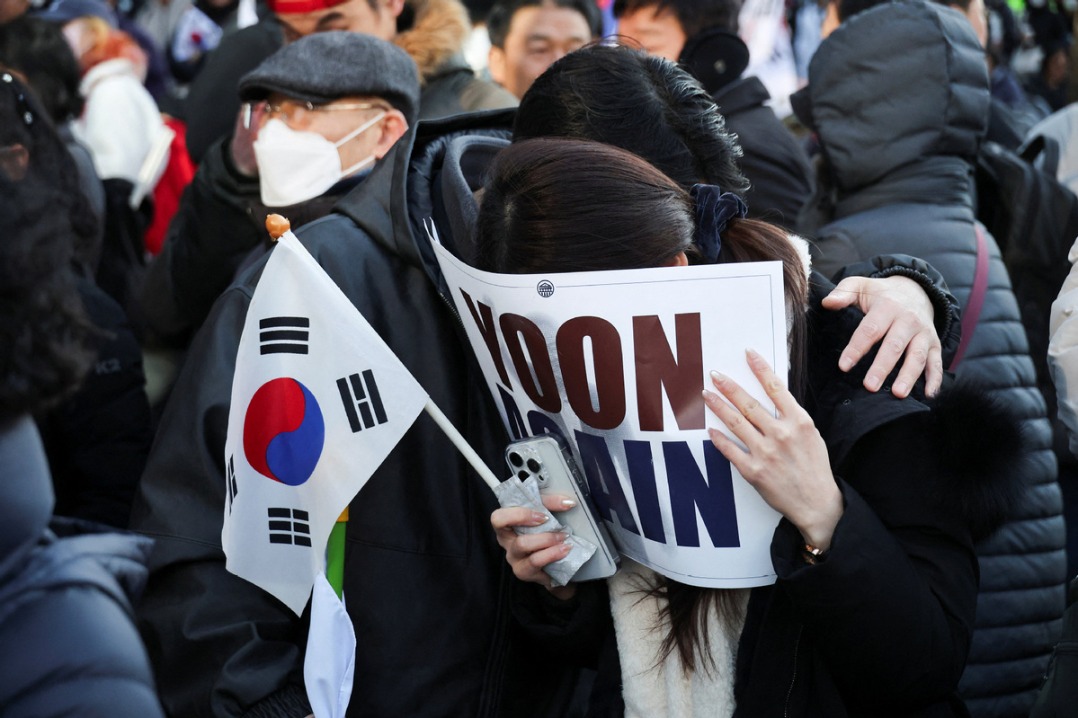
    The Seoul High Court has inaugurated the appeal proceedings for former South Korean President Yoon Suk-yeol, marking a pivotal moment in the nation’s ongoing political and judicial saga. The 65-year-old former leader appeared personally before the appellate court on Wednesday, contesting his five-year imprisonment sentence for obstruction of justice charges stemming from his controversial 2024 martial law declaration.

    Yoon’s legal representatives vehemently disputed the initial verdict, asserting that the sentencing failed to account for his extensive public service career and contributions to state governance. They characterized the five-year term as disproportionately severe given the circumstances. The defense maintains Yoon’s complete innocence regarding all allegations.

    This legal battle originates from December 3, 2024, when Yoon’s unexpected martial law proclamation sent shockwaves through the nation and international community. Within hours, the National Assembly nullified the decree, culminating in his impeachment and official removal from office by the Constitutional Court in April 2025.

    The former president currently faces eight distinct trials connected to the martial law incident. In a particularly severe ruling last February, he received a life sentence for insurrection charges. The special prosecution team has concurrently appealed January’s verdict, arguing that the five-year punishment is “excessively lenient and unjust” considering Yoon’s consistent refusal to apologize and his persistent offering of what they term “incomprehensible excuses.”

    In an unprecedented move toward judicial transparency, the court approved the special counsel’s request to publicly broadcast the appeal process through delayed, anonymized video recordings. David Tizzard, a prominent Korean studies professor at Seoul Women’s University and Hanyang University, interpreted this decision as a sophisticated balancing act between preserving courtroom integrity and addressing overwhelming public demand for accountability.

    Professor Tizzard observed, “Substantial pressures surround this case, with authorities clearly apprehensive about potential influence from online platforms and media channels.” He further noted that South Korea remains trapped in a cycle of political retaliation, suggesting that societal progress hinges on resolving the martial law controversy.

    Echoing calls for transparency, former judge Cha Sung-an, now a professor at the University of Seoul Law School, advocated for complete disclosure of the insurrection ruling, including all identified names, to enable comprehensive public examination and discourse.

  • Veteran Bihar chief minister to step down for move to parliament

    Veteran Bihar chief minister to step down for move to parliament

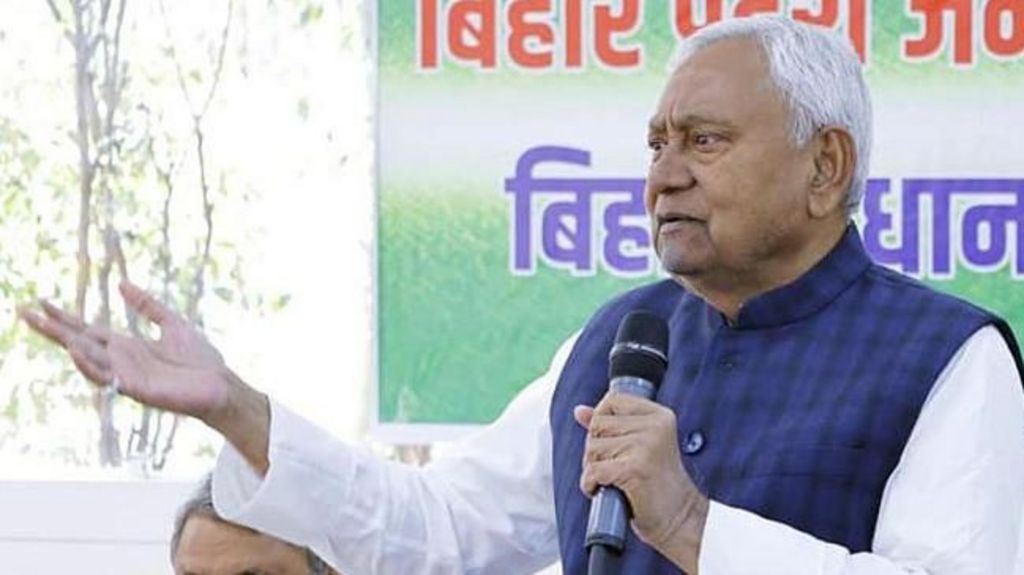
    In a significant political development, Nitish Kumar has announced his resignation as Chief Minister of Bihar, India’s eastern state, marking a pivotal transition in regional governance. The 75-year-old political stalwart revealed his decision through a social media post, confirming his intention to transition to federal parliamentary duties while offering “full cooperation and guidance” to the incoming state administration.

    This strategic move concludes Kumar’s remarkable tenure spanning nearly two decades during which he dominated Bihar’s political scene through nine separate terms as chief minister. His unprecedented tenth oath-taking in November followed a decisive electoral victory where his Janata Dal (United) party and BJP coalition secured 202 of 243 assembly seats.

    Multiple sources within Kumar’s political circle attribute this transition to the leader’s declining health, though the veteran politician framed the decision as a natural evolution in his service to constituents. “The trust and support of voters enabled our government to serve with complete dedication,” Kumar stated in his announcement.

    The resignation timing appears strategically aligned with parliamentary procedures, as five Rajya Sabha positions from Bihar become vacant in April. With the ruling coalition commanding sufficient legislative strength, political analysts anticipate Kumar’s party and BJP allies will comfortably secure four upper house seats.

    This leadership change potentially enables Prime Minister Narendra Modi’s BJP to claim Bihar’s chief ministerial position for the first time in history. BJP national spokesperson RP Singh confirmed to media outlets that “the new chief minister will be from the BJP,” with the party’s parliamentary board determining the specific candidate.

    However, the transition faces internal resistance from JD(U) members who campaigned specifically under Kumar’s leadership. Party colleague Rajeev Ranjan Patel expressed concern: “We sought votes for Nitish Kumar. If he’s no longer chief minister, where will Bihar’s people turn?”

    The leadership succession carries profound implications for Bihar’s 74 million residents in India’s most economically challenged state, where migration for employment remains a persistent challenge. This development represents a fundamental realignment in one of India’s most politically significant regions.