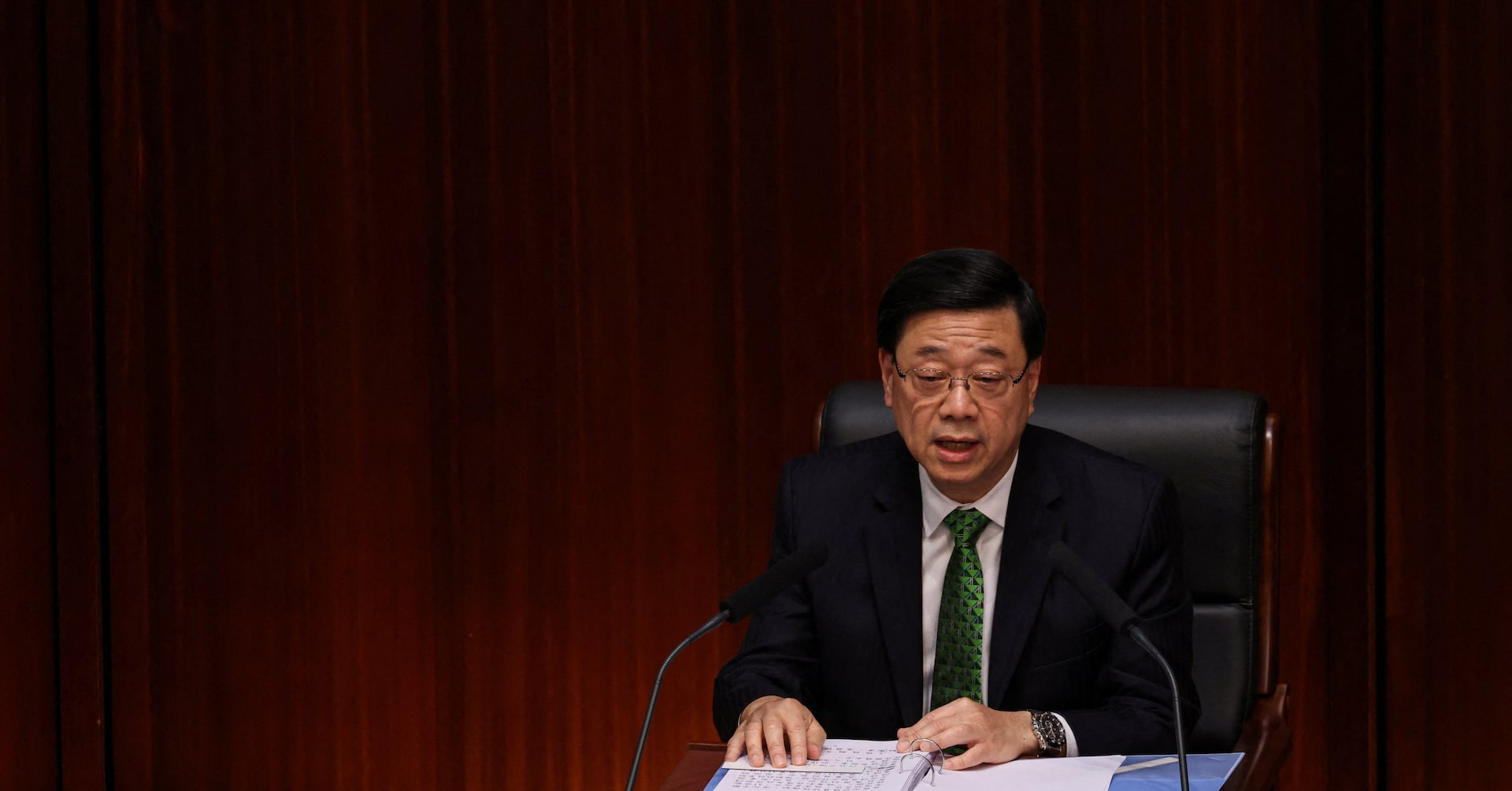
In a comprehensive policy address delivered on September 17, 2025, Hong Kong Chief Executive John Lee outlined a series of measures aimed at revitalizing the city’s economy, enhancing public welfare, and reinforcing its status as a global hub. Speaking at the Legislative Council, Lee emphasized the government’s commitment to accelerating the development of the Northern Metropolis, a strategic area adjacent to Shenzhen, which is poised to become a new business and residential district accommodating approximately 2.5 million people. This initiative aligns with the broader Greater Bay Area project, which seeks to integrate Hong Kong, Macau, and nine Guangdong cities into a cohesive economic powerhouse. Lee also highlighted plans to establish an international gold trading market, expand the fintech sector, and promote green and sustainable finance. Additionally, the government aims to bolster the aviation industry by developing a sustainable fuel supply chain and attracting pharmaceutical companies to conduct clinical trials and advanced medical treatments in Hong Kong. On the social front, Lee pledged to improve housing conditions, increase worker incomes, enhance elderly care, and provide greater opportunities for young people. He also introduced measures to support pet-friendly businesses and incentivize childbirth through tax allowances. Despite the challenges posed by China’s economic slowdown and ongoing trade tensions with the U.S., Lee reaffirmed Hong Kong’s economic growth forecast of 2% to 3% for 2025, underscoring the city’s resilience and potential as a gateway for mainland enterprises seeking global expansion.
标签: Asia
亚洲
-
Nissan seeks to learn from Chinese supplier strategies as part of cost-cutting drive
Nissan Motor Co Ltd is intensifying its efforts to enhance cost efficiency by studying the practices of Chinese suppliers and integrating their methods into its global operations. The Japanese automaker aims to reduce variable costs by 250 billion yen ($1.71 billion) as part of a broader efficiency initiative, according to Tatsuzo Tomita, Nissan’s chief of total delivered cost transformation. Tomita highlighted the effectiveness of Chinese suppliers in utilizing standardized parts and fostering close collaboration with designers, practices that Nissan is now exploring for its current and future vehicle parts. This strategic move is part of Nissan’s ongoing turnaround plan, which includes cutting approximately 20,000 jobs and consolidating seven plants. The company has set an ambitious target of achieving 500 billion yen in cost reductions by March 2027, with half expected to come from fixed costs and the remainder from variable costs. The initiative aims to secure operating profit and positive free cash flow in Nissan’s automotive business by the same deadline. Following the announcement, Nissan’s shares rose by 1.6%, reaching their highest level since late May. Tomita emphasized that the company is not reducing its supplier base but rather strengthening collaboration. He noted that Chinese suppliers are expanding globally, with operations in Hungary, Morocco, and Turkey, and are being considered as potential partners in Nissan’s international strategy. While acknowledging the significant challenge of the 250 billion yen variable cost reduction target, Tomita expressed confidence in achieving it by maintaining the current momentum and sourcing innovative ideas from employees. The impact of these cost-saving measures is expected to become more apparent by the end of this year or next year, varying across different vehicle models.
-
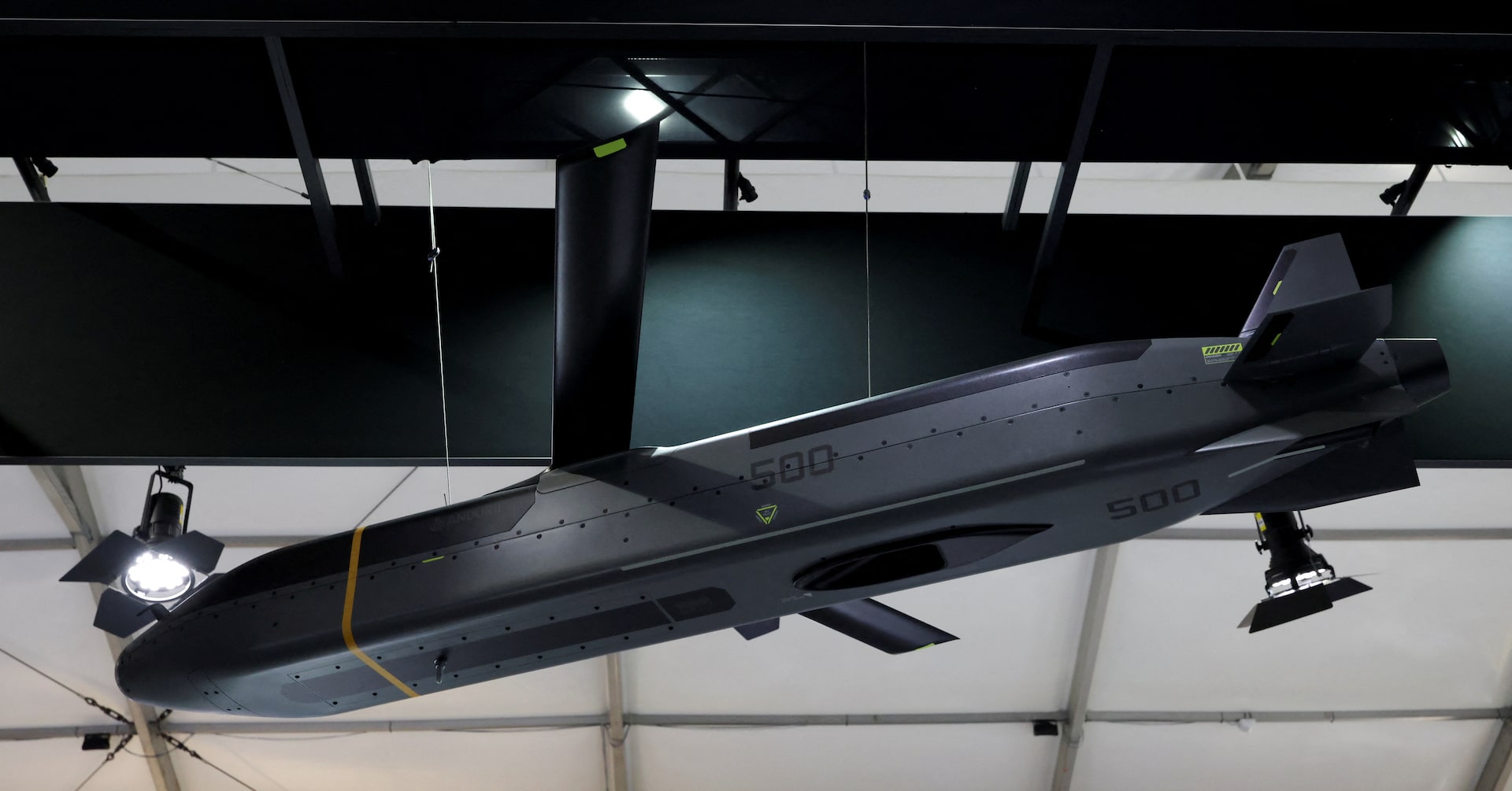
Taiwan shows off first missile to be jointly manufactured with US arms maker
Taiwan has taken a significant step in strengthening its defense capabilities by unveiling its first missile jointly developed with a U.S. company. The Barracuda-500, an autonomous, low-cost cruise missile designed by U.S. defense technology startup Anduril Industries, was showcased at the Taipei Aerospace and Defence Technology Exhibition. This marks a pivotal moment in the growing defense collaboration between Taiwan and the United States, aimed at countering China’s escalating military threats. Taiwan, which China claims as its own territory, has been under increasing pressure from Beijing, including frequent military drills and incursions into its airspace and waters. President Lai Ching-te emphasized the importance of deepening security ties with the U.S., Taiwan’s primary international supporter and arms supplier. The National Chung-Shan Institute of Science and Technology (NCSIST), which displayed the missile, plans to mass-produce it locally through technology transfer. The missile is designed for group attacks on warships, akin to exploding drones. NCSIST President Li Shih-chiang highlighted the goal of building a self-reliant defense system, with production costs kept below T$6.5 million per missile. Li also stressed Taiwan’s unique vulnerability, noting that unlike Ukraine, Taiwan cannot rely on neighboring countries for reinforcements in case of conflict. During the three-day trade show, NCSIST will sign two contracts and six Memorandums of Understanding with U.S. and Canadian companies. Taiwan aims to increase its defense spending to 5% of GDP by 2030, up from 3.3% next year, and seeks broader international support beyond the United States.
-
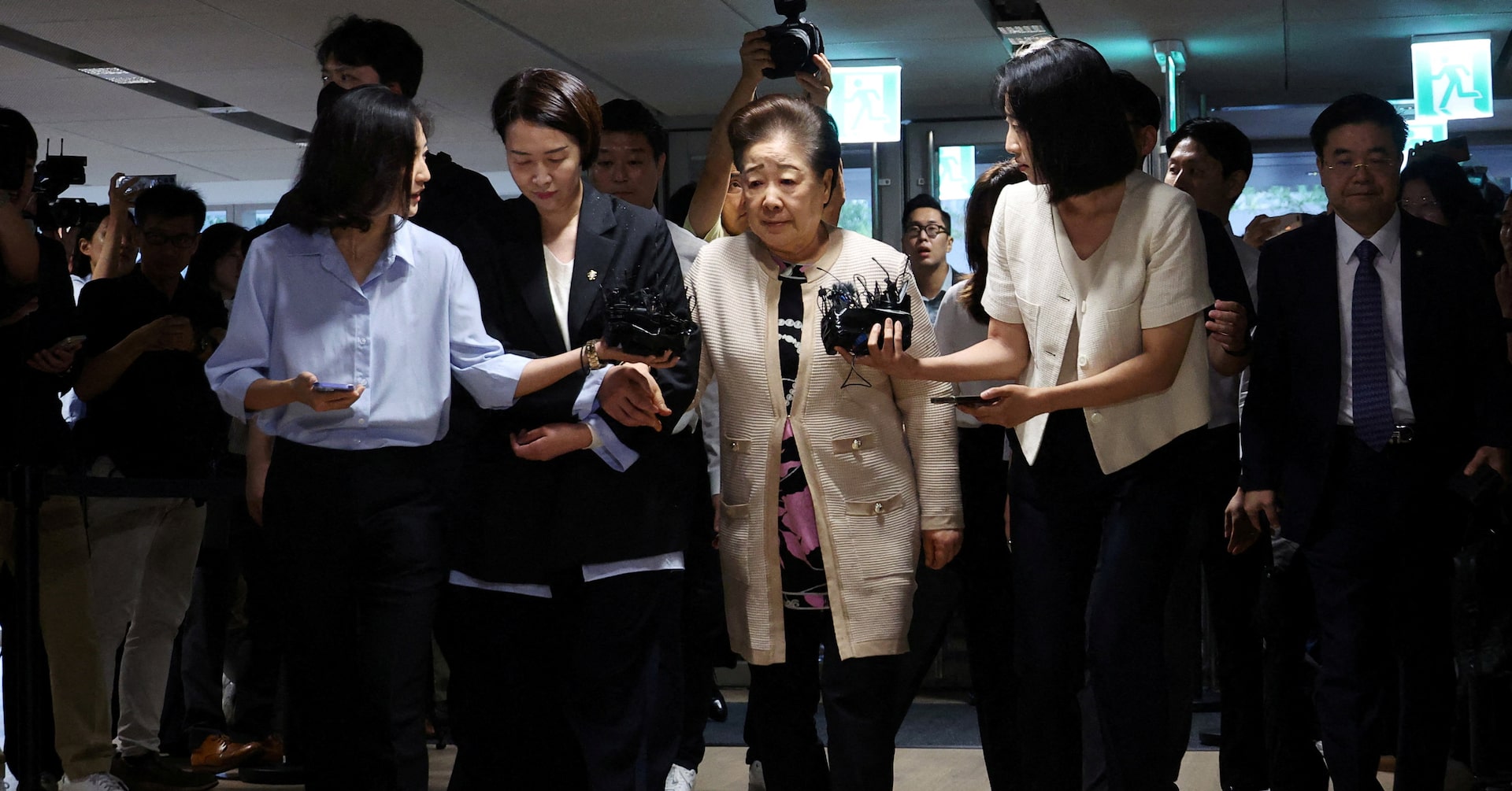
Unification Church leader questioned in ex-South Korea first lady investigation
Han Hak-ja, the leader of the Unification Church, appeared before South Korean prosecutors on September 17, 2025, to face questioning over allegations of orchestrating bribery schemes involving the wife of ousted President Yoon Suk Yeol and a close political ally. The allegations, which Han has vehemently denied, claim she instructed the church to provide bribes to former First Lady Kim Keon Hee and lawmaker Kweon Seong-dong. Han arrived at the special prosecutor’s office in Seoul, where she underwent more than nine hours of interrogation before leaving in a wheelchair, surrounded by media. She firmly responded “No!” when asked if she had ordered the bribes. The Unification Church has also denied any involvement, calling the accusations “false information” and urging its members to pray for Han rather than hold public rallies. The case is part of a broader investigation into corruption during Yoon’s presidency, which has already led to the indictment of Kim Keon Hee and the detention of Kweon Seong-dong, who is accused of attempting to destroy evidence. Prosecutors have not yet considered issuing an arrest warrant for Han, citing her cooperation during questioning. The scandal has drawn significant attention, given the Unification Church’s controversial history and its global influence.
-

Japan’s Kansai Electric to resume surveys for nuclear reactor replacement at Mihama halted by Fukushima disaster
Kansai Electric Power Co Inc (9503.T) is set to resume feasibility surveys at its Mihama nuclear power station in western Japan this November, marking Japan’s first significant move towards constructing a new reactor since the Fukushima disaster. The surveys, initially announced in July, will assess the viability of building a successor unit at the Mihama site, which was previously halted following the 2011 catastrophe. The comprehensive studies, expected to continue until around 2030, will include geological investigations both inside and outside the plant premises to identify suitable locations, followed by detailed assessments of topography and ground conditions. Kansai Electric emphasized that the findings will be evaluated alongside advancements in light-water reactor technology, regulatory policies, and the overall business environment before making a final decision on the new unit. The initial surveys for a replacement reactor at Mihama began in late 2010 but were suspended after the Fukushima incident. The renewed efforts will adhere to stricter safety regulations implemented post-disaster. Currently, only the No. 3 unit at Mihama remains operational, as the No. 1 and No. 2 units are being decommissioned. Since 2022, Kansai Electric has been collaborating with Mitsubishi Heavy Industries (7011.T) and other utilities, including Kyushu Electric Power (9508.T), Shikoku Electric Power (9507.T), and Hokkaido Electric Power (9509.T), to develop a next-generation 1.2-gigawatt advanced light-water reactor, known as ‘SRZ-1200.’ This consortium aims to enhance nuclear technology while ensuring compliance with modern safety standards.
-
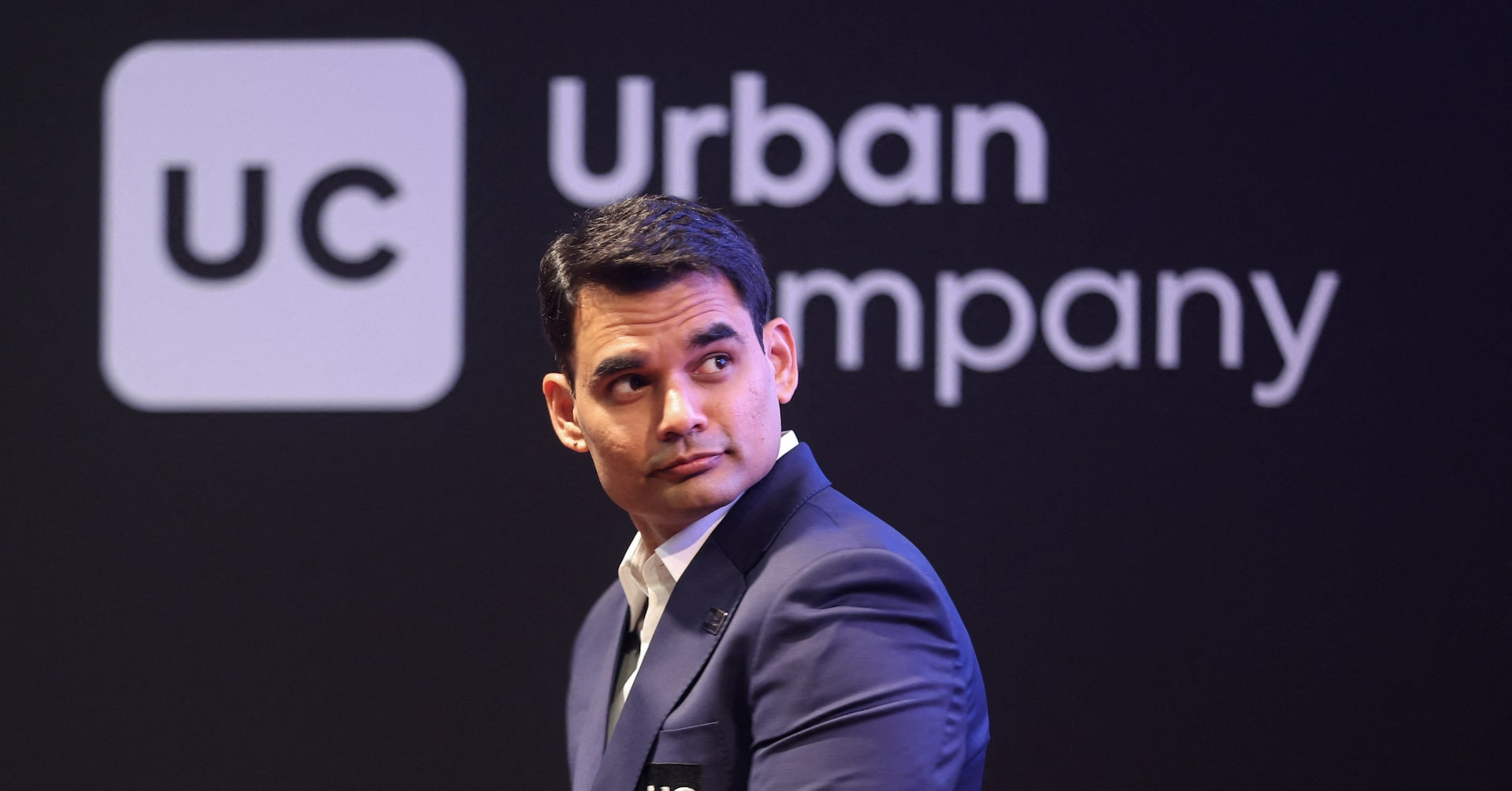
India’s Urban Company soars 74% in trading debut, hits about $3 billion valuation
Urban Company Limited, a leading player in India’s home-services sector, made a spectacular debut on the National Stock Exchange (NSE) on September 17, 2025. The company’s shares surged by 74%, catapulting its valuation to nearly $3 billion. This marked one of the most successful initial public offerings (IPOs) of 2025, with the issue being oversubscribed by a staggering 103.65 times, attracting bids worth approximately $13 billion. Urban Company’s stock opened at a 57.5% premium to its issue price, far exceeding analysts’ predictions of a 40%-51% upside. The shares hit a high of 179 rupees during the trading session and closed at 166.8 rupees, up 62% from the issue price. The IPO’s success underscores investor confidence in Urban Company’s dominance of India’s largely unorganized home-services market, which is projected to grow at a compound annual growth rate of 22.4% from 2023 to 2030, according to Grand View Research. Aishvarya Dadheech, founder of Fident Asset Management, noted that the enthusiasm reflects Urban Company’s position as a long-term play on digital adoption and rising demand for home services. The listing also coincided with a broader uptick in Indian equities, buoyed by optimism surrounding U.S.-India trade talks. The blue-chip Nifty 50 index has risen 7% in 2025 but remains 4% below its record levels from a year ago. Urban Company’s debut is a testament to the resilience and growth potential of India’s IPO market, which has rebounded after a slow start to the year and is on track to set new fundraising records.
-
Exclusive: Japan’s JERA in advanced talks to buy $1.7 billion of US shale gas assets, sources say
Japan’s leading power generator, JERA Co., Inc., is in advanced negotiations to acquire natural gas production assets in the United States for approximately $1.7 billion, according to sources familiar with the matter. This move underscores Japan’s strategic efforts to secure energy resources amid global market volatility and rising demand. The assets in question are owned by GEP Haynesville II, a joint venture between Blackstone-backed GeoSouthern Energy and pipeline operator Williams Companies. JERA has emerged as the top bidder, outpacing several U.S.-based energy firms, though the deal remains subject to finalization. This acquisition would mark JERA’s first venture into shale gas production, granting the world’s largest liquefied natural gas (LNG) buyer greater control over its supply chain. The deal aligns with Japan’s broader strategy to diversify energy sources, particularly in light of Russia’s invasion of Ukraine, which disrupted global energy markets. Additionally, the U.S.-Japan trade agreement, finalized earlier this month, commits Japan to $7 billion in annual energy purchases from the U.S., further bolstering bilateral energy ties. GEP Haynesville II, a major producer in the Haynesville shale basin spanning Texas and Louisiana, is expected to nearly double its output by 2028, according to Rystad Energy. The Haynesville basin’s proximity to LNG export facilities on the U.S. Gulf Coast has made it a highly sought-after asset. While JERA declined to comment, the potential acquisition highlights Japan’s growing reliance on U.S. energy resources to meet its domestic needs and support its technological advancements, including the AI-driven surge in data center power demand.
-
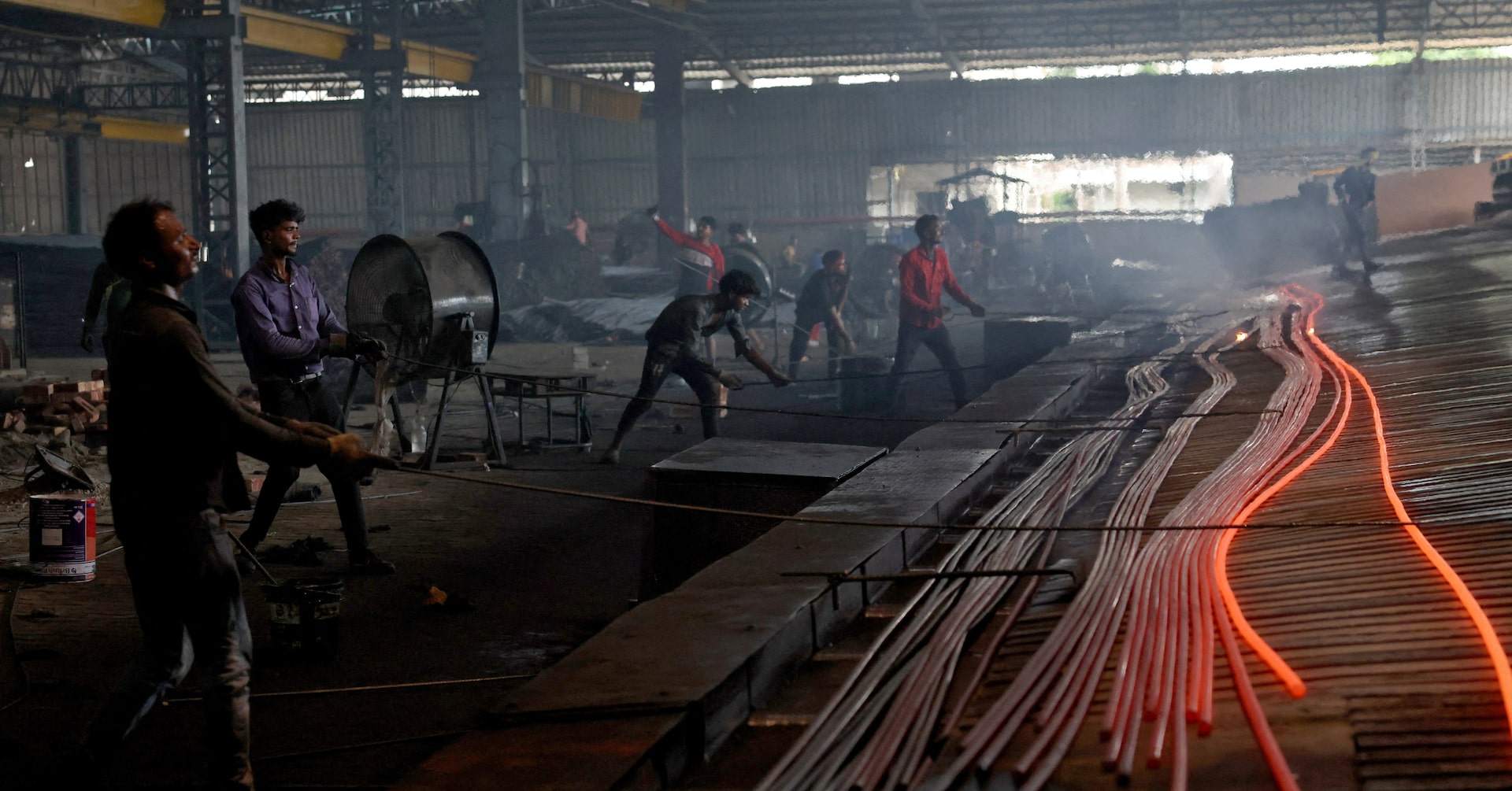
India steel exports face EU carbon tax hit, US tariffs impact minimal, official says
India’s steel sector is bracing for significant challenges from the European Union’s carbon border adjustment mechanism (CBAM), even as it remains largely unaffected by U.S. tariffs, according to Sandeep Poundrik, India’s steel secretary. Speaking at the FT Live Energy Transition Summit India on Wednesday, Poundrik highlighted that approximately two-thirds of India’s steel exports are destined for Europe, making the EU’s carbon tax a critical concern. The CBAM, which imposes higher taxes on high-carbon goods like steel, aluminum, and cement, could severely impact India’s export competitiveness. Poundrik emphasized that Indian steel production, predominantly reliant on blast furnaces with high emissions, faces additional scrutiny as the industry expands its capacity. He also expressed concerns about cheap imports and anticipated government action on import tariffs, known locally as safeguard duty, to protect domestic producers. Last month, India proposed an 11%-12% import tariff on certain steel products to curb shipments from China, the world’s top steel producer. While the U.S. tariffs pose minimal direct impact due to negligible exports, the EU’s carbon tax underscores the urgent need for India to address its carbon-intensive production methods and align with global sustainability standards.
-
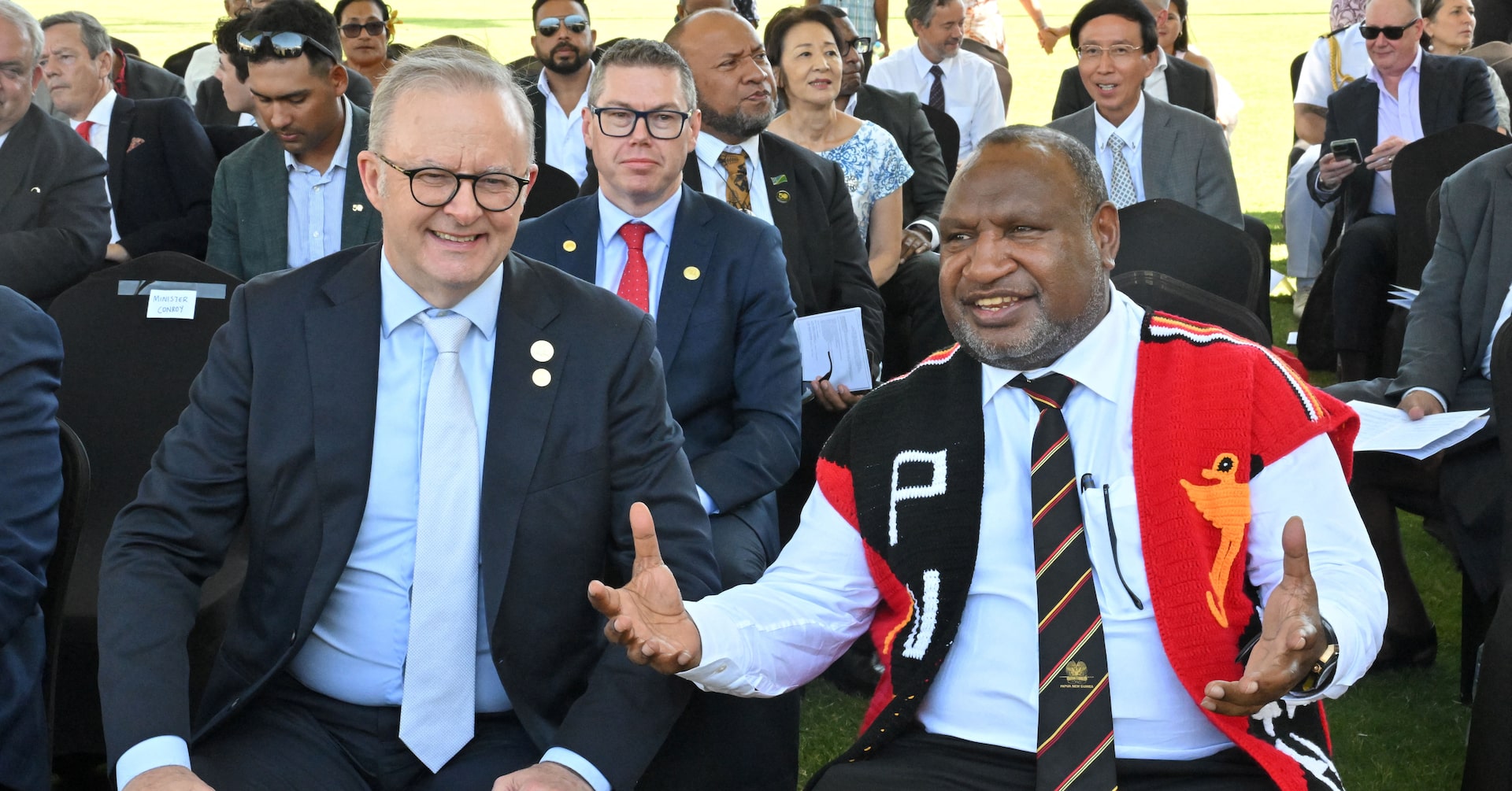
Australia, Papua New Guinea sign communique after mutual defence treaty stalls
In a significant move to bolster regional security, Australian Prime Minister Anthony Albanese and Papua New Guinea (PNG) Prime Minister James Marape convened in Port Moresby on September 16, 2025, to sign a defence communique. This development comes after the postponement of a more comprehensive mutual defence treaty, marking Australia’s second diplomatic challenge in the Pacific region this month. The communique underscores the shared commitment of both nations to enhance defence cooperation, with Marape emphasizing Australia as PNG’s preferred security partner. The treaty, once finalized, will elevate bilateral security ties to a level comparable to Australia’s alliance with the United States, marking the first new defence alliance for Australia in over seven decades. However, the signing of the treaty was delayed due to procedural hurdles within PNG’s cabinet, which failed to reach a quorum for endorsement. This setback follows Australia’s unsuccessful attempt to secure a $500 million security partnership with Vanuatu earlier in September. Amid these developments, Australia is actively countering China’s growing influence in the Pacific, particularly after China’s security pact with the Solomon Islands. Marape reassured that China played no role in delaying the treaty and announced plans for PNG’s Defence Minister to engage with key security partners, including China, the United States, and several Asian nations, to clarify the nature of the agreement. The communique reflects the mutual recognition that an armed attack on either nation would threaten the peace and security of both. Albanese expressed confidence in the treaty’s eventual signing, highlighting its strategic importance for regional stability. Analysts, however, question whether Marape has secured sufficient cabinet support to finalize the deal, adding pressure on both leaders to navigate the complexities of domestic and international politics.
-
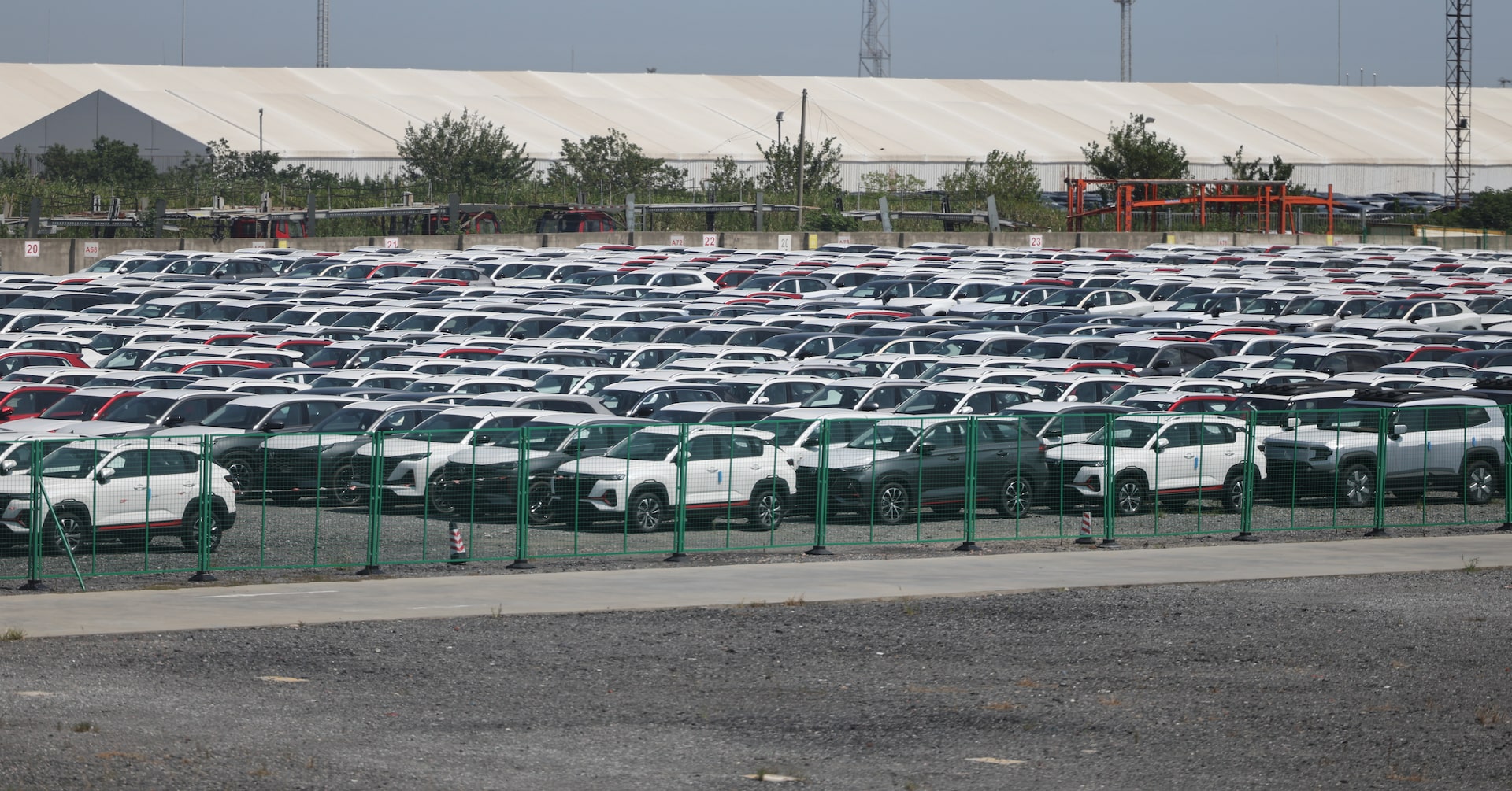
China is sending its world-beating auto industry into a tailspin
In Chengdu, a city of 21 million, a shopping mall showroom offers unprecedented deals on new cars, with discounts as steep as 50%. This is made possible by Zcar, a company that buys vehicles in bulk from automakers and dealerships, capitalizing on China’s oversupplied auto market. The root of this issue lies in years of government subsidies and policies aimed at establishing China as a global automotive leader, particularly in electric vehicles (EVs). While these policies have succeeded in boosting production, they have also led to a glut of vehicles that far exceeds consumer demand.