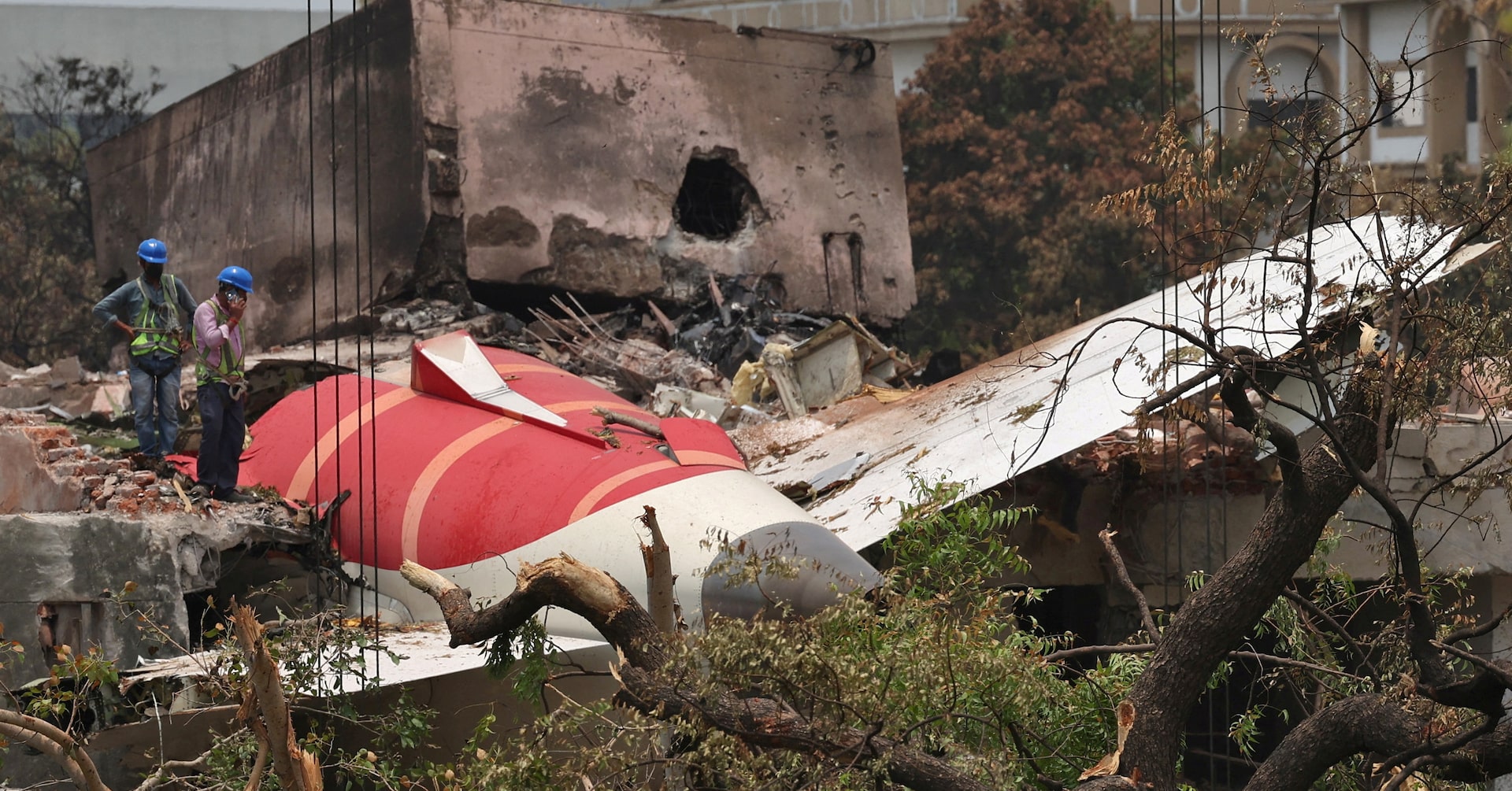
In a tragic incident that shook the aviation world, Air India Flight 171, bound for London’s Gatwick Airport, crashed shortly after takeoff from Ahmedabad, India, on June 12, 2025. The disaster claimed the lives of 260 people, including 229 passengers, 12 crew members, and 19 individuals on the ground. Only one passenger survived. The families of four victims have now filed a lawsuit against Boeing and Honeywell, alleging that faulty fuel cutoff switches were responsible for the crash. The lawsuit, filed in Delaware Superior Court, claims that the switches, manufactured by Honeywell, were defectively designed and positioned in a manner that made them susceptible to accidental activation during normal cockpit operations. The plaintiffs cite a 2018 Federal Aviation Administration (FAA) advisory that recommended inspections of the switches’ locking mechanisms to prevent inadvertent movement. However, Air India reportedly did not conduct these inspections. The preliminary investigation by India’s Aircraft Accident Investigation Bureau (AAIB) found that the throttle control module, which includes the fuel switches, had been replaced in 2019 and 2023 on the ill-fated aircraft. The report also noted that all applicable airworthiness directives and alert service bulletins had been complied with. Despite this, the lawsuit argues that the switches’ design and placement ‘effectively guaranteed that normal cockpit activity could result in inadvertent fuel cutoff.’ Aviation safety experts, however, have expressed skepticism, stating that the switches’ location and design make accidental activation unlikely. Boeing has declined to comment, and Honeywell has not yet responded to requests for comment. The lawsuit seeks unspecified damages for the deaths of Kantaben Dhirubhai Paghadal, Naavya Chirag Paghadal, Kuberbhai Patel, and Babiben Patel. Legal experts suggest that targeting manufacturers like Boeing and Honeywell is a strategic move, as they do not enjoy the same liability limits as airlines. Additionally, U.S. courts are perceived as more favorable to plaintiffs compared to many foreign jurisdictions. This case marks the first lawsuit in the United States related to the Air India Flight 171 crash.
标签: Asia
亚洲
-
Controversial church leader denies bribing ex-South Korea first lady
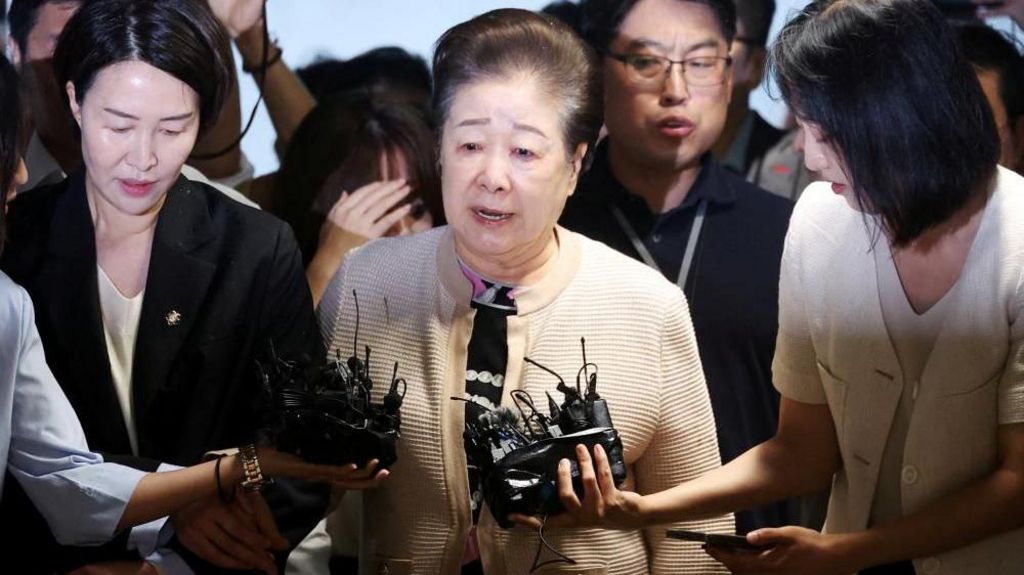
Han Hak-ja, the 82-year-old leader of the controversial Unification Church, has vehemently denied allegations that her organization bribed South Korea’s former first lady, Kim Keon Hee, with luxury gifts in exchange for business favors. The accusations surfaced as Han emerged from a grueling nine-hour interrogation at the prosecutor’s office, where she was questioned about the alleged bribery. Supported by assistants due to her frail health, Han dismissed the claims, stating, ‘No… Why would I do that?’
The former first lady, wife of ousted President Yoon Suk Yeol, is accused of accepting two Chanel bags and a diamond necklace, collectively valued at 80 million won ($57,900), from the church. Kim, who was indicted last month on charges including bribery and stock manipulation, denies all allegations. Her arrest marks a historic moment in South Korea, as it is the first time both a former president and first lady have been jailed.
Yoon, detained in January, faces trial over a failed martial law bid last year that plunged the nation into chaos. Meanwhile, Han shifted blame to a former church official, claiming he acted independently in offering the gifts. The official has since been arrested. Han’s appearance followed her refusal to comply with three prior summonses, citing post-heart surgery pain. An ambulance was reportedly on standby during her interrogation.
In a related development, conservative lawmaker Kweon Seong-dong was arrested on Wednesday for allegedly receiving 100 million won in bribes from the church. Kweon, once a close ally of Yoon, denies the charges.
The Unification Church, formally known as The Family Federation for World Peace and Unification, was founded in the 1950s by Moon Sun-myung, who declared himself the messiah. The church is infamous for its mass weddings, often involving thousands of couples matched by the organization. Critics have labeled it as ‘cult-like,’ with accusations of coercing members, known as ‘Moonies,’ into donating substantial sums.
The church gained international attention following the assassination of Japan’s former Prime Minister Shinzo Abe. The alleged assassin blamed the group for his family’s financial ruin and held a grudge against Abe for allegedly promoting the church. The organization is banned in several countries, including Singapore and, more recently, Japan.
-
Air India crash victims’ families sue aerospace firms Boeing and Honeywell
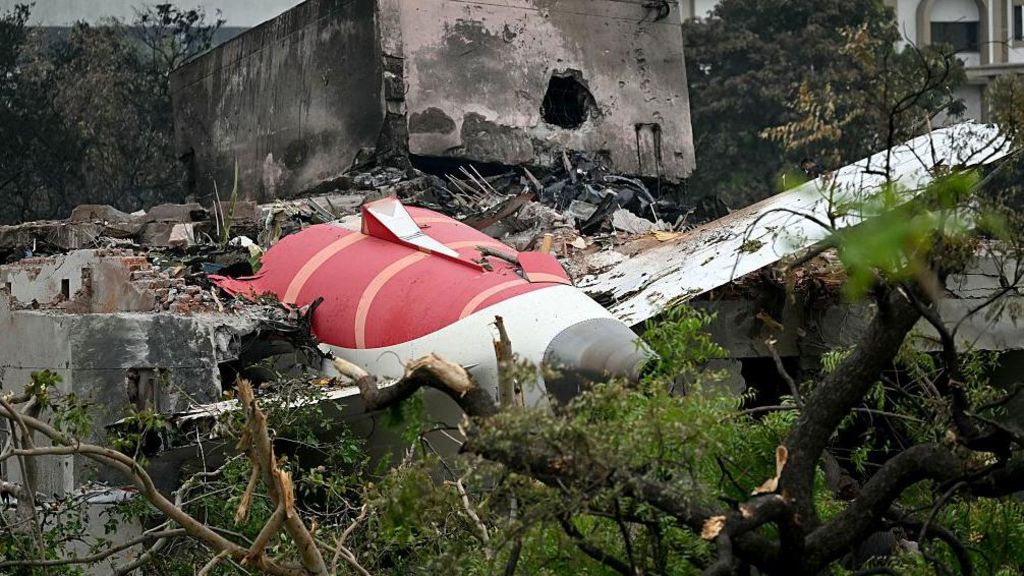
The families of four victims from the tragic Air India Flight 171 crash in June have initiated legal action in the United States against aerospace giants Boeing and Honeywell. The lawsuit, filed on Tuesday, alleges that negligence on the part of these companies led to the catastrophic incident, which claimed the lives of 260 people. The plaintiffs argue that faulty fuel switches, a critical component of the Boeing 787 Dreamliner, were the primary cause of the crash. According to the lawsuit, both Boeing and Honeywell were aware of the design risks but failed to take corrective measures. The preliminary investigation by India’s Aircraft Accident Investigation Bureau (AAIB) revealed that the fuel switch was inadvertently moved from the ‘run’ to the ‘cut-off’ position, resulting in a sudden loss of thrust. The families claim that this design flaw allowed for the accidental cutoff of fuel supply, leading to the disaster. The lawsuit also accuses the companies of not issuing adequate warnings or providing replacement parts to address the issue. Represented by the Texas-based Lanier Law Firm, the families are seeking accountability for what they describe as a preventable tragedy. A more comprehensive report on the crash is expected in 2026.
-
Groups that have bid for TikTok or expressed interest
In a significant development amidst ongoing U.S.-China trade tensions, President Donald Trump announced a landmark agreement on Tuesday that allows TikTok to continue its operations in the United States. This breakthrough comes after months of negotiations aimed at de-escalating a trade war that has rattled global markets. The deal, reminiscent of earlier discussions this year, mandates the transfer of TikTok’s American assets from China’s ByteDance to U.S. owners, potentially concluding a year-long saga.
President Trump highlighted the interest of several major companies in acquiring TikTok, extending the deadline for the sale or shutdown of the app to December 16. TikTok, boasting approximately 170 million American users, has drawn attention from various potential buyers. The new agreement stipulates that ByteDance will retain a 19.9% stake, just below the 20% threshold, while a consortium including current shareholders Susquehanna International Group, General Atlantic, and KKR will hold the remaining 80%. New investors such as Andreessen Horowitz and Oracle are also expected to participate.
Oracle, with a market value exceeding $871 billion, plays a pivotal role in TikTok’s U.S. operations, providing essential cloud computing services and managing servers hosting American user data. Additionally, investment firm Silver Lake is set to invest under the new deal. Meanwhile, tech giant Amazon, valued at over $2.5 trillion, made a last-minute offer to acquire TikTok’s assets outside of China.
Other notable bids include a late-stage proposal from Tim Stokely, founder of OnlyFans, in partnership with the Hbar Foundation, and a $30 billion all-cash offer from a group led by tech entrepreneur Jesse Tinsley, featuring YouTube personality MrBeast. AI-powered search engine startup Perplexity AI has also proposed acquiring TikTok’s U.S. operations, with plans for the U.S. government to own up to 50% of the new entity upon a future IPO.
Entrepreneur Frank McCourt, with the support of Reddit co-founder Alexis Ohanian, has launched ‘The People’s Bid,’ aiming to acquire TikTok’s U.S. operations and run the app on technology that empowers users to control their data. Microsoft, previously a top bidder in 2020, remains a potential contender, with President Trump expressing a desire for a competitive bidding process.
This agreement marks a critical juncture in the U.S.-China trade relationship, addressing national security concerns while ensuring the continuity of a widely-used social media platform in America.
-
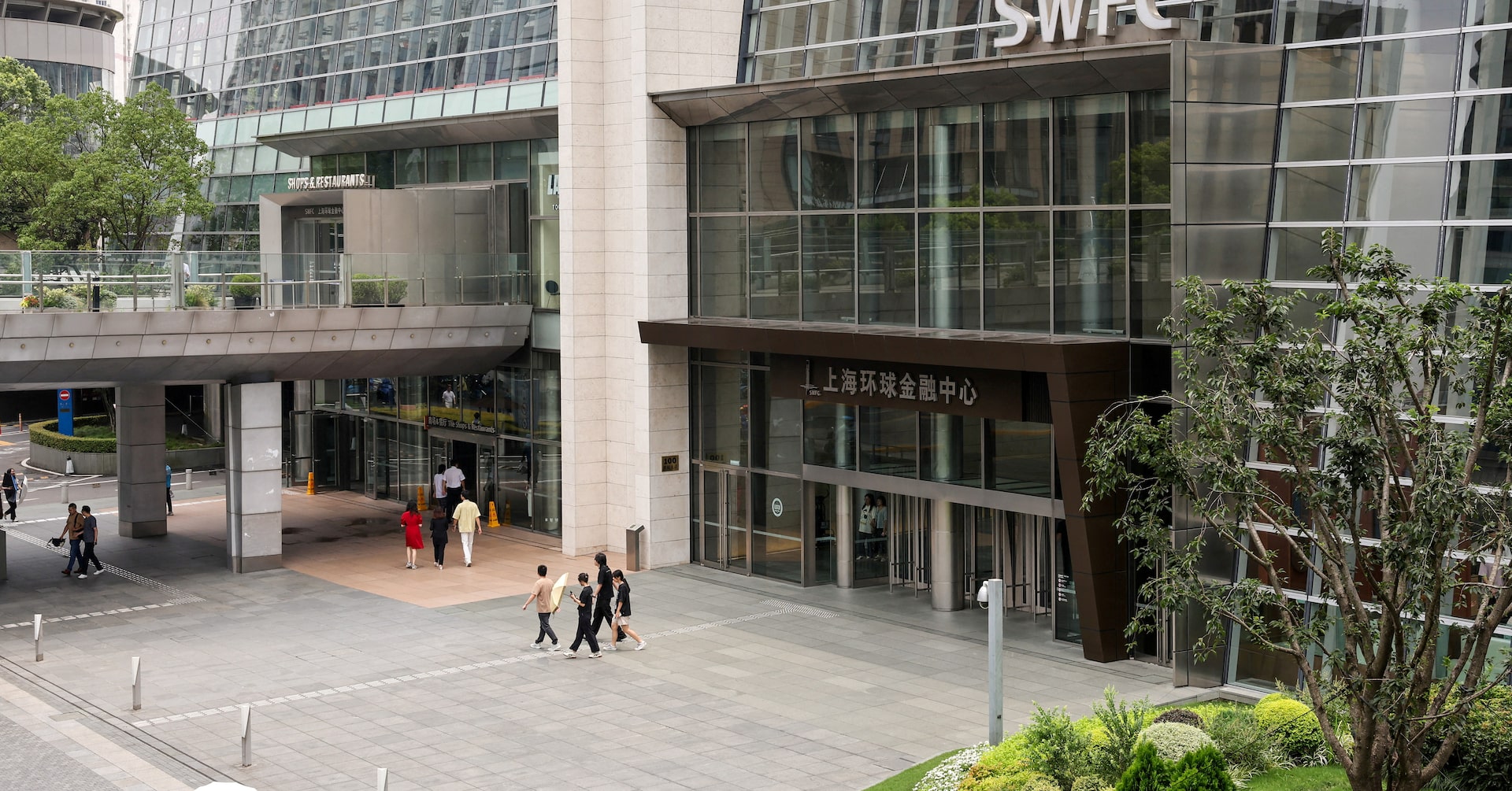
US wins release of Wells Fargo banker barred from leaving China, sources say
Chenyue Mao, a senior executive at Wells Fargo, has been permitted to leave China after months of being barred from exiting the country. The lifting of the exit ban follows high-level negotiations between U.S. and Chinese officials, marking a significant development in the ongoing efforts to ease tensions between the two economic powerhouses. Mao, who leads Wells Fargo’s international factoring and cross-border strategies, has already returned to the United States, according to sources familiar with the matter. The resolution of Mao’s case coincides with a broader agreement reached in Madrid, where the U.S. and China agreed to transfer ownership of TikTok to U.S.-controlled entities, a move aimed at de-escalating the trade war that has rattled global markets. The Chinese Foreign Ministry had previously cited Mao’s involvement in a criminal investigation as the reason for the exit ban, emphasizing that the decision was made in accordance with Chinese law. Wells Fargo, the White House, and the U.S. Embassy in Beijing have not commented on the matter. The U.S. State Department reiterated its commitment to the safety and security of American citizens but provided no further details. Mao’s case has reignited concerns among foreign businesses about the risks of operating in China, where several executives have faced similar restrictions in recent years. Wells Fargo’s presence in China is notably smaller than that of its Wall Street peers, with its Shanghai and Beijing branches employing around 63 staff as of 2024. The bank had suspended all travel to China following Mao’s exit ban, a policy that remains in effect. Other major banks, however, have continued their operations in the country without interruption. The U.S.-China Business Council, representing 270 American companies, recently concluded a visit to Beijing to strengthen bilateral commercial ties, underscoring the complex dynamics of U.S.-China relations.
-

Battling a rare brain-eating disease in an Indian state
On the eve of Onam, Kerala’s most celebrated festival, 45-year-old Sobhana lay unconscious in an ambulance, her life slipping away as her family rushed her to a hospital. Just days earlier, the fruit juice bottler from Malappuram district had complained of dizziness and high blood pressure. Doctors prescribed medication, but her condition deteriorated rapidly, culminating in her death on September 5. The cause? Naegleria fowleri, the brain-eating amoeba, a rare but deadly pathogen that enters the body through the nose during freshwater activities.
This year, Kerala has reported over 70 cases of Naegleria fowleri infections, with 19 fatalities. The victims range from a three-month-old infant to a 92-year-old man. The amoeba, which thrives in warm freshwater, causes primary amoebic meningoencephalitis (PAM), a near-fatal brain infection. Since 2016, Kerala has seen a gradual increase in cases, though global numbers remain low, with only 488 reported since 1962, primarily in the US, Pakistan, and Australia. The disease has a staggering 95% fatality rate.
Despite the grim statistics, Kerala has made strides in combating the infection. Improved detection methods and early diagnosis have reduced the fatality rate from 23% last year to 24.5% this year. ‘Aggressive testing and customised treatment with antimicrobials and steroids have saved lives,’ says Dr. Aravind Reghukumar, head of infectious diseases at Thiruvananthapuram Medical College.
Kerala’s heavy reliance on groundwater and natural water bodies makes it particularly vulnerable. Contaminated ponds and wells have become conduits for the amoeba, with some cases linked to risky practices like vaping boiled cannabis mixed with pond water. Public health campaigns have chlorinated 2.7 million wells and posted warnings around ponds, but enforcing these measures across the state’s 5.5 million wells and 55,000 ponds remains a challenge.
Scientists warn that climate change exacerbates the risk, with warmer waters and rising temperatures creating ideal conditions for the amoeba. ‘Even a 1°C rise can trigger its spread,’ says epidemiologist Prof. Anish TS. Despite Kerala’s progress, the global implications are clear: climate change may be reshaping the map of disease, turning rare pathogens into growing threats.
-

Sabalenka withdraws from China Open due to injury
Belarusian tennis star Aryna Sabalenka has announced her withdrawal from the upcoming China Open, citing an injury sustained during her triumphant run at the U.S. Open. The announcement was made by tournament organizers on Wednesday, September 17, 2025. Sabalenka, who recently claimed her second consecutive U.S. Open title and fourth Grand Slam victory by defeating American Amanda Anisimova, expressed her disappointment in a statement. ‘I am sad to announce my withdrawal from the China Open this year after sustaining a small injury after the U.S. Open,’ Sabalenka said. She added that her focus will now be on recovering fully to ensure she is in peak condition for the remainder of the season. The China Open, set to take place at the National Tennis Centre in Beijing from September 24 to October 5, will now proceed without the reigning U.S. Open champion. American Coco Gauff, the defending champion, will aim to retain her title in Sabalenka’s absence. Sabalenka had reached the quarter-finals of the WTA 1000 event in Beijing last year, showcasing her prowess on the international stage.
-
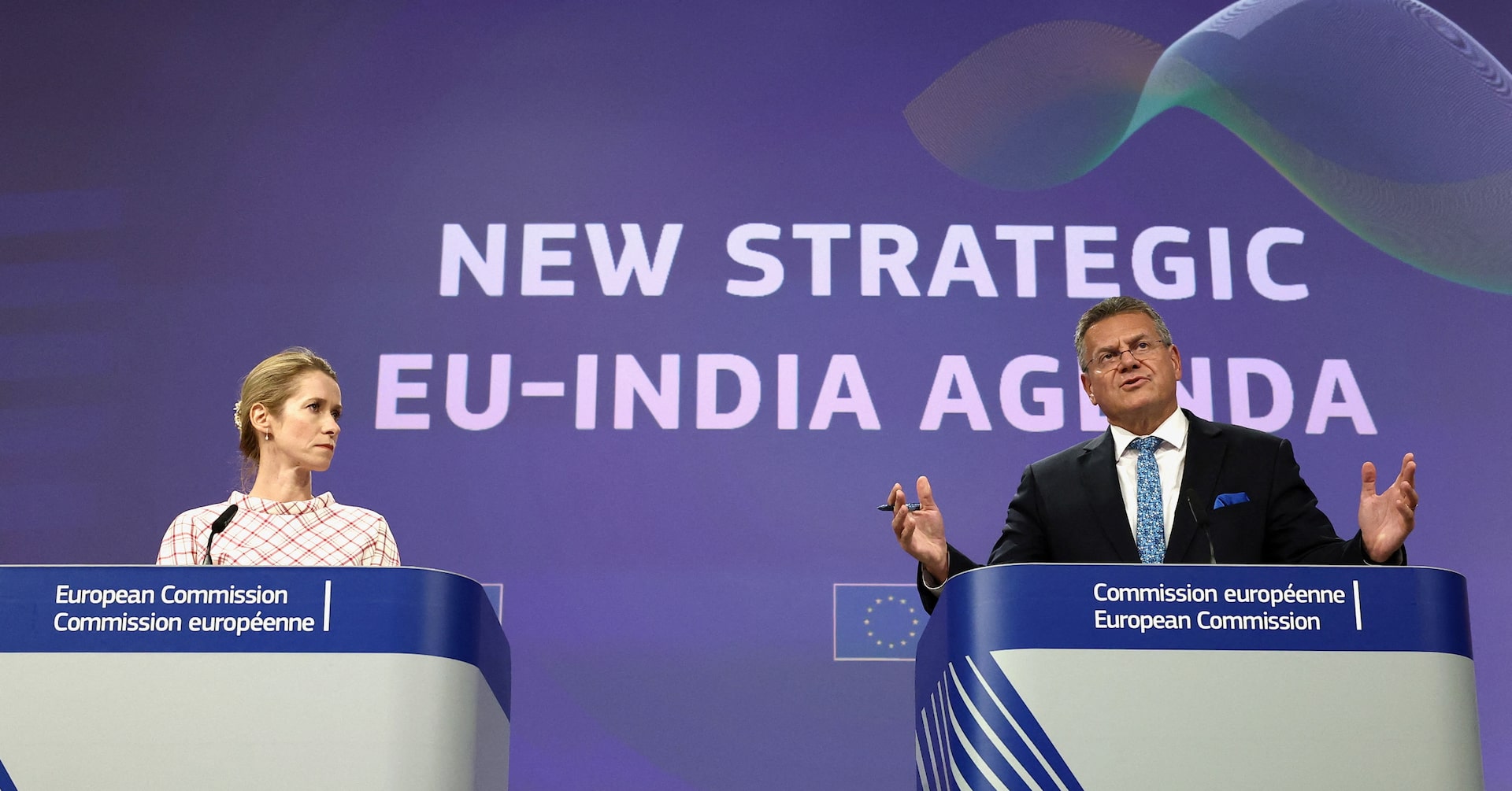
EU eyes deeper India alliance despite concern over Moscow ties
In a significant move to strengthen bilateral ties, the European Commission has outlined ambitious plans to deepen cooperation with India across multiple sectors, including defense, technology, and trade. This initiative comes despite ongoing tensions over India’s close relationship with Russia, particularly in light of increased Russian oil purchases by New Delhi following the 2022 invasion of Ukraine. The European Union and India are now in the final stages of negotiating a free trade agreement, with both parties aiming to conclude the deal by the end of 2025. The negotiations, which were relaunched in 2022, have gained momentum following the re-election of U.S. President Donald Trump, whose tariff policies have prompted both the EU and India to seek new alliances. EU Foreign Policy Chief Kaja Kallas acknowledged the existence of ‘clear areas of disagreement’ but emphasized the bloc’s commitment to avoiding pushing India further into Russia’s sphere of influence. The EU’s vision document released on September 17 highlights plans for collaboration on investment protection, air transport, supply chain security, green hydrogen, decarbonization of heavy industry, and research and innovation. Additionally, the EU envisions a defense and security partnership with India, similar to those already established with Japan and South Korea, and joint projects in third countries, particularly in Africa and South Asia. Despite geopolitical complexities, the EU views India as a key partner in upholding the rules-based multilateral order and anticipates benefiting from India’s projected rise to become the world’s third-largest economy by 2030.
-
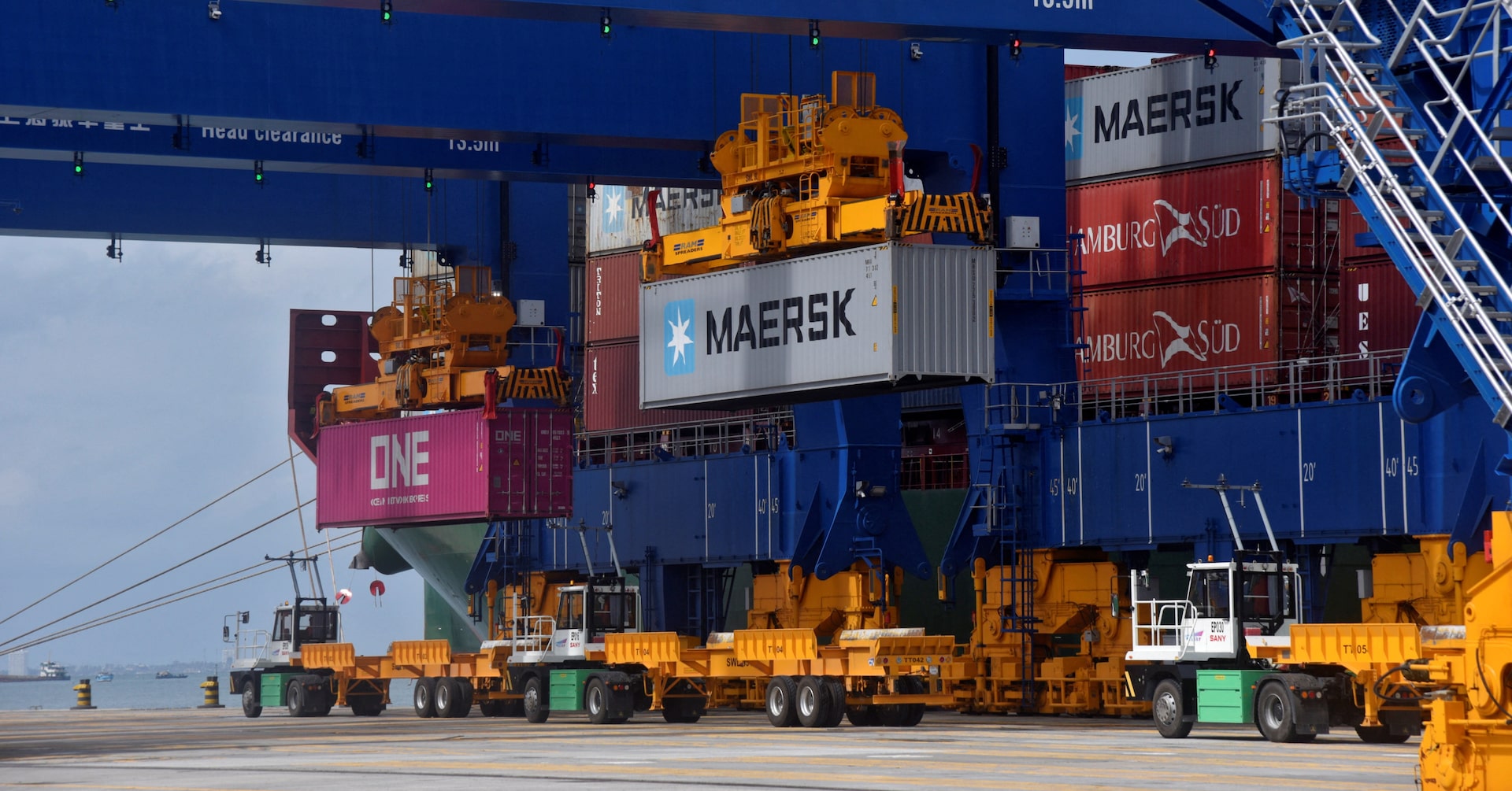
Exclusive: Adani-led Sri Lanka container terminal to double capacity ahead of deadline
The Adani Group, in collaboration with its partners, is advancing the expansion of the $840 million Colombo West International Terminal in Sri Lanka, aiming to double its capacity by late 2026, ahead of the original schedule. This development comes despite the group’s decision to withdraw a $553 million funding request from the U.S. International Development Finance Corp, opting instead to finance the project through internal resources. The terminal, strategically located next to a facility operated by China Merchants Port Holdings, highlights Sri Lanka’s pivotal role in the geopolitical competition for influence in the Indian Ocean between India and China. The first phase of the fully automated terminal became operational in April, with the second phase now underway. Zafir Hashim, head of transportation at John Keells Holdings, a key partner, revealed that the project is progressing three to four months ahead of the February 2027 deadline. Upon completion, the terminal will handle 3.2 million containers annually, significantly boosting Colombo’s port throughput. The majority of the terminal’s business originates from India. Despite controversies, including allegations of bribery against Adani Group Chairman Gautam Adani—which the group has denied—Hashim expressed confidence in the partnership, stating that Adani has been a reliable collaborator. Adani Ports and Special Economic Zone holds a 51% stake in the terminal, with John Keells owning 34% and the Sri Lanka Ports Authority holding the remainder. Sri Lanka is also exploring further renewable energy investments with Adani, despite earlier disagreements over wind power projects. In February, Adani withdrew from two proposed $1 billion wind projects after the Sri Lankan government sought to renegotiate power purchase rates. However, the group later showed renewed interest by purchasing bid documents for smaller wind projects, signaling potential future collaborations.
-
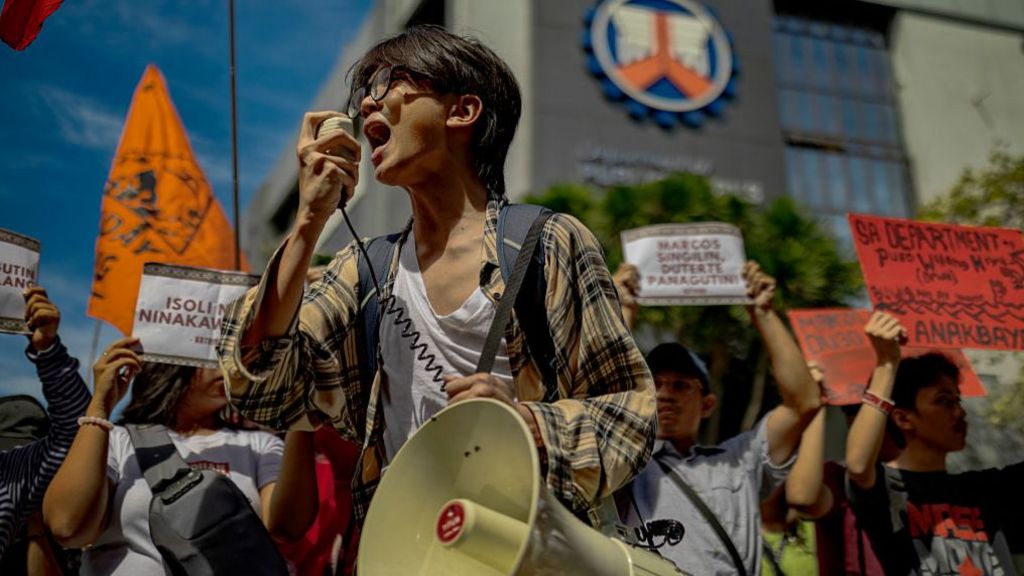
Fury over corruption and ‘nepo babies’ as floods paralyse Philippines
In the Philippines, chronic flooding has become a grim reality for millions, exacerbated by allegations of widespread corruption in flood control projects. Crissa Tolentino, a 36-year-old public school teacher, navigates her daily life in Apalit, a low-lying town near Manila, by paddling through inundated streets. For her, this is not just a commute but a lifeline to her workplace and the clinic where she receives cancer treatment. However, this year, her frustration has reached a boiling point due to an unusually fierce monsoon that has disrupted lives and exposed deep-seated corruption.
Ms. Tolentino’s anger is echoed across the nation, where citizens are questioning the government’s inability to manage floods despite billions of pesos allocated for infrastructure. Allegations of ‘ghost projects’—construction contracts awarded for non-existent initiatives—have fueled public outrage. President Ferdinand ‘Bongbong’ Marcos Jr. has acknowledged the issue, even discovering a flood control dam that was supposed to exist but didn’t. The economic planning minister revealed that 70% of public funds for flood control had been siphoned off by corruption.
The scandal has led to high-profile resignations, including the House Speaker and the Senate leader, both implicated in corruption allegations. Social media has become a battleground for public anger, with Filipinos using AI-generated videos and hashtags like ‘nepo babies’ to criticize the extravagant lifestyles of politicians’ children. A planned anti-corruption protest on September 21, coinciding with the anniversary of martial law, underscores the depth of public discontent.
President Marcos Jr. has announced an inquiry to ‘unmask the swindlers,’ but skepticism remains. The focus has shifted to a family-owned construction firm, the Discayas, whose lavish lifestyle has drawn widespread condemnation. Their admission of paying kickbacks to lawmakers has further inflamed tensions. Meanwhile, Filipinos like Rhens Rafael Galang, who has turned his flood-related struggles into a thriving business, cling to hope for honest, long-term flood control solutions.
As the nation grapples with the dual crises of extreme weather and corruption, the question remains: will the government’s promises translate into tangible change, or will public fury continue to grow?