标签: Asia

亚洲

  • Chaos, defeat and repression: How Afcon drama drowned out Morocco’s Gen Z crackdown

    Chaos, defeat and repression: How Afcon drama drowned out Morocco’s Gen Z crackdown

    While Morocco captivated global attention hosting the African Cup of Nations tournament, a potent protest movement dubbed GenZ 212 highlighted the nation’s stark domestic tensions. The demonstrations, which swept across dozens of cities between September and December 2025, were initially sparked by public outrage over the deaths of eight women from botched caesarean sections at a public hospital in Agadir. This tragedy galvanized a youth-led movement demanding urgent reforms to Morocco’s chronically underfunded healthcare and education systems, alongside calls to address systemic corruption and enhance political rights.

    The government response was severe. Security forces shot and killed at least three protesters, while over 2,400 individuals were arrested during the unrest. Hundreds remain in custody, with many reporting brutal beatings and dire detention conditions. Omar, a relative of one detainee who spoke under pseudonym for security reasons, described overcrowded cells designed for ten people holding forty, where diseases spread rapidly.

    The timing of the protests created a striking contrast with Morocco’s ambitious sporting ambitions. As the government prepared to co-host the 2030 World Cup, investing $1.4 billion in new stadiums including plans for the world’s largest arena in Casablanca, protesters adopted a powerful chant: “The stadiums are here, but where are the hospitals?” This slogan encapsulated their critique of the state’s misplaced priorities.

    During the Afcon tournament, authorities implemented overwhelming security measures. Public spaces felt heavily monitored, gatherings were deemed suspicious by default, and political expression became significantly riskier. International attendees encountered stringent checks, including biometric passport registration on an app developed by a relative of the king’s closest aide.

    According to Jonathan Hill, director of the Institute of Middle Eastern Studies at King’s College London, hosting such mega-events forms part of Morocco’s strategy to gain international recognition and demonstrate economic strength. However, GenZ 212 members describe this as more than mere ‘sportswashing’—characterizing it as comprehensive propaganda masking systemic failures.

    Beneath the spectacle of sporting achievement lies a nation of profound inequality. The World Inequality Database indicates Morocco’s top 1 percent earn a similar proportion of national income as the bottom 50 percent. With hundreds still detained and sentences of up to 15 years being handed down for protest-related charges, analysts predict further social unrest is inevitable given the structural limits of Moroccan democracy.

    The movement maintains significant organizational capacity, with over 180,000 users on its Discord server continuing discussions. As one activist noted, the current calm represents not acceptance but ‘enforced calm through violence’—a temporary condition that cannot permanently suppress an educated, connected generation aware of the system’s repressive nature.

  • Award-winning Colibri Views by Major Developments in RAK nearly sold out in record time

    Award-winning Colibri Views by Major Developments in RAK nearly sold out in record time

    Major Developments’ premier residential project, Colibri Views, has achieved near complete sell-out status at unprecedented velocity within Ras Al Khaimah’s rapidly evolving urban core. The twin-tower development reports 100% absorption of studio and one-bedroom configurations, with only a limited inventory of two-bedroom residences and two exclusive penthouses remaining available at RAK Central.

  • Israeli soldier’s videos show continued demolitions in Gaza after ceasefire

    Israeli soldier’s videos show continued demolitions in Gaza after ceasefire

    New evidence has emerged through social media posts by an Israeli soldier documenting the continued demolition of Palestinian homes in the Gaza Strip, occurring more than 100 days after the implementation of a ceasefire agreement. Middle East Eye has verified and analyzed three separate videos uploaded in late December by a soldier operating under the private Instagram account name Ariel Ashkenazi.

    One video, dated December 25th, was geolocated to the northern Gaza area of Beit Hanoun, showing extensive demolition operations. Subsequent posts on December 26th and 28th featured additional footage of destruction activities. The videos contained concerning captions, with two using the phrase ‘Aliyah Bet’ – a historical reference to illegal Jewish immigration to Palestine between 1921 and 1948. Another video carried the caption ‘the power of the Spartan,’ evoking imagery of brutal strength and enemy elimination.

    This terminology aligns with Israeli Prime Minister Benjamin Netanyahu’s September statement urging Israel to prepare to become a ‘super Sparta,’ referencing ancient Greek warfare tactics against Persia.

    The documented demolitions have occurred on both sides of the so-called ‘yellow line’ established by Israeli forces following the October ceasefire. This ceasefire was intended to conclude over two years of intense conflict in Gaza that resulted in approximately 71,000 Palestinian fatalities and the destruction of nearly 90% of the territory’s infrastructure.

    Despite the ceasefire agreement, reports indicate Israeli forces have killed at least 477 individuals and wounded more than 1,300 others since its implementation. According to Gaza’s Government Media Office, Israeli forces have committed at least 1,300 ceasefire violations, including approximately 200 incidents involving structural demolitions, 430 cases of gunfire directed at civilians, 66 incursions into residential areas, and more than 600 strikes.

    Throughout the Gaza conflict, Israeli soldiers have extensively recorded themselves engaging in activities that international experts suggest may constitute war crimes. Documented footage shows soldiers celebrating while detonating civilian structures including homes, universities, and mosques. Other videos reveal disturbing conduct including soldiers forcing bound and blindfolded prisoners to deliver humiliating messages, looting money from Palestinian homes, destroying humanitarian aid parcels with military bulldozers, and burning educational facilities while singing inflammatory songs. Additional content shows soldiers posing in women’s underwear taken from Palestinian residences.

  • Is China quietly winning the AI race?

    Is China quietly winning the AI race?

    In a significant shift within the artificial intelligence landscape, major U.S. technology firms are increasingly integrating Chinese-developed AI models into their core operations, challenging the long-standing dominance of American AI laboratories. Pinterest, the visual discovery platform with hundreds of millions of monthly users, has emerged as a prominent case study in this technological transformation.

    The San Francisco-based company has been experimenting with Chinese AI architectures, including the DeepSeek R-1 model launched in January 2025, to enhance its recommendation systems and shopping assistant capabilities. According to CEO Bill Ready, this strategic implementation has effectively transformed Pinterest into an AI-powered commerce platform, with the ‘DeepSeek moment’ representing a pivotal breakthrough in open-source AI development.

    Technical leadership at Pinterest reveals compelling advantages driving this adoption. Chief Technology Officer Matt Madrigal reported that open-source techniques employed from Chinese models demonstrate 30% greater accuracy than leading off-the-shelf alternatives while reducing operational costs by up to ninety percent compared to proprietary systems from U.S. developers like OpenAI.

    This trend extends well beyond Pinterest’s operations. Across the Fortune 500 landscape, Chinese AI models are gaining substantial traction. Airbnb has incorporated Alibaba’s Qwen model extensively to power its AI customer service infrastructure, with CEO Brian Chesky citing superior performance, speed, and cost-effectiveness as decisive factors.

    Hugging Face, the premier platform for AI model distribution, provides further evidence of this market shift. Product lead Jeff Boudier noted that Chinese models consistently dominate the platform’s trending rankings, with some weeks featuring four out of the top five training models originating from Chinese laboratories. In September, Alibaba’s Qwen surpassed Meta’s Llama to become the most downloaded large language model family on the platform.

    The competitive landscape has evolved rapidly since Meta’s release of its open-source Llama models in 2023, which initially established industry standards for bespoke applications. However, the underwhelming reception of Llama 4 and Meta’s subsequent collaboration with Alibaba, Google, and OpenAI for training new models signals a fundamental restructuring of AI development alliances.

    According to a recent Stanford University analysis, Chinese AI models have not only caught up but potentially surpassed their global counterparts in both capability metrics and user adoption rates. This development coincides with increased pressure on U.S. firms like OpenAI to prioritize revenue generation and profitability, potentially creating strategic openings for Chinese technological advancement in the open-source domain.

    Former UK deputy prime minister Sir Nick Clegg observed the paradoxical nature of this competition, noting that China appears to be democratizing AI technology more effectively than Western democracies despite their different governance models. The Stanford report further suggests that substantial government support has contributed significantly to China’s open-source AI achievements, while U.S. companies face increasing commercial pressures that may influence their development priorities.

  • Spain refuses to join Trump’s Gaza ‘Board of Peace’ over breach of international law

    Spain refuses to join Trump’s Gaza ‘Board of Peace’ over breach of international law

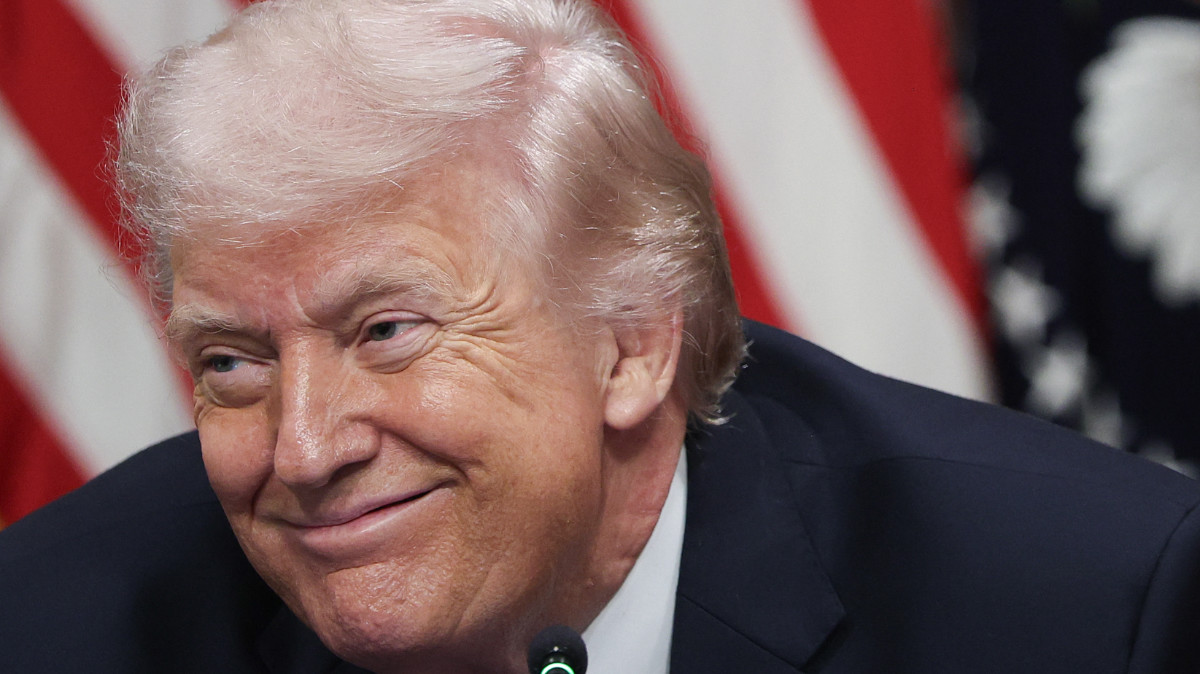
    In a significant diplomatic development, Spanish Prime Minister Pedro Sánchez has formally declined an invitation for his country to participate in former U.S. President Donald Trump’s proposed ‘Board of Peace’ initiative. The decision, announced during a speech at EU headquarters in Brussels, reflects growing international concern about the board’s structure and objectives.

    Prime Minister Sánchez emphasized that Palestinian representation remains fundamental to any legitimate peace process, stating unequivocally that ‘The future of Palestine as a whole should be settled by Palestinians.’ This position aligns Spain with several key U.S. allies including the United Kingdom and France, all of which have expressed reservations about joining the controversial board in its current form.

    The initiative faced additional turbulence as Trump unexpectedly rescinded Canada’s invitation through a Truth Social post directed at Prime Minister Mark Carney. The public disinvitation came shortly after Carney delivered critical remarks about U.S. policy and hegemony at the World Economic Forum in Davos, though the Trump administration provided no explicit justification for the reversal.

    Conceived as an international organization aiming to ‘promote stability, restore dependable and lawful governance, and secure enduring peace in conflict-affected regions,’ the Board of Peace has drawn scrutiny for its vague mandate and potential to undermine existing international institutions. Critics argue the board’s composition—which includes Trump’s son-in-law Jared Kushner, former UK Prime Minister Tony Blair, and U.S. Secretary of State Marco Rubio—lacks appropriate Palestinian representation despite its stated focus on Gaza reconstruction.

    Notably, while the board proposes appointing a 15-member Palestinian technocratic committee to oversee Gaza’s transition, no Palestinians currently sit on its executive board. This omission has raised questions about the initiative’s commitment to genuine Palestinian self-determination.

    Despite European hesitancy, several Middle Eastern nations including Saudi Arabia, the United Arab Emirates, Qatar, Egypt, Turkey, and Jordan have reportedly agreed to participate alongside Israel. The development unfolds against the tragic backdrop of more than 71,500 Palestinian casualties in Gaza since October 2023, highlighting the urgent need for credible peace mechanisms that command broad international legitimacy.

  • Xinjiang reports highest foreign trade growth in China

    Xinjiang reports highest foreign trade growth in China

    China’s Xinjiang Uygur Autonomous Region has emerged as the nation’s top-performing foreign trade hub, achieving unprecedented growth of 19.9% year-on-year in 2025. According to official data released by Urumqi Customs District, the region’s total import-export volume reached a historic 520.4 billion yuan ($74.7 billion), marking the highest growth rate among all Chinese provinces and autonomous regions.

    The export sector demonstrated particularly robust performance, surging 25% to 460.7 billion yuan, while imports experienced a moderate decline of 8.9% to 59.6 billion yuan. Over the comprehensive Five-Year Plan period from 2021 to 2025, Xinjiang’s cumulative foreign trade exceeded 1.71 trillion yuan, representing a remarkable 144.3% increase compared to the previous five-year cycle.

    Customs officials attribute this exceptional performance to strategic policy implementations throughout 2025. Deputy Director Li Qinghua highlighted that targeted measures to enhance port development and advance the China (Xinjiang) Pilot Free Trade Zone significantly optimized foreign trade structures. The region simultaneously accelerated smart port construction initiatives, creating a more efficient trade ecosystem.

    Xinjiang’s international trade network has expanded substantially, maintaining particularly strong economic ties with Belt and Road Initiative partner nations. Trade with these countries reached 458.4 billion yuan, constituting 88.1% of Xinjiang’s total foreign trade volume. Central Asian countries accounted for over half of this trade, while ASEAN markets witnessed explosive 98.3% growth to 67.4 billion yuan—crossing the 10% threshold of Xinjiang’s total trade for the first time.

    The region’s export composition has undergone significant transformation, with high-tech and high-value-added products driving growth. Mechanical and electrical product exports reached 186.5 billion yuan, while automobiles, automotive parts, electrical equipment, and electronic components demonstrated particularly strong performance. Advanced equipment related to new quality productive forces and green technology products including new energy vehicles and lithium batteries grew by approximately 70%.

    Agricultural exports also flourished, increasing 25.4% due to rising international demand for dried and fresh products such as walnuts and grapes.

    Private enterprises played a pivotal role in this success story, contributing 92.8% of Xinjiang’s total foreign trade volume. Their import-export value reached 482.7 billion yuan with 20.1% year-on-year growth. Notably, self-branded goods exports surged 40.3% to 52.11 billion yuan, with proprietary products accounting for significant portions of electrical equipment (33%), lithium batteries (81.1%), and textile machinery (25%) shipments.

    Chief Inspector Huang Qun confirmed that Urumqi Customs District will continue supporting private businesses through enhanced regulatory efficiency, targeted policy guidance, and responsive service improvements to sustain this growth trajectory.

  • Global research project on AI guardrails launched in Beijing

    Global research project on AI guardrails launched in Beijing

    A landmark international research initiative titled “Building Global Consensus on AI Guardrails” was formally inaugurated in Beijing on Friday, bringing together prominent scholars from China, the United States, and other nations. The project addresses the urgent need for coordinated global action to establish safeguards for responsible artificial intelligence development and deployment.

    Professor Jia Qingguo, Director of the Institute for Global Cooperation and Understanding at Peking University, emphasized the critical nature of this endeavor in a video address. “Given our existing understanding of AI risks, the stakes are very high,” he stated. “We must address the challenges and risks AI poses to avoid ending up in a disaster unparalleled in history. Since AI is a global phenomenon, effective risk management presents significant challenges that demand international cooperation.”

    The ambitious project will develop a comprehensive policy and implementation blueprint that maps existing AI governance frameworks worldwide. Its primary objectives include identifying areas of convergence and divergence across different regulatory approaches and proposing concrete mechanisms to build global consensus on implementing responsible AI safeguards.

    Professor Wang Dong, Executive Director of the same institute, highlighted the current fragmentation in global AI governance. He noted persistent divisions among nations regarding risk assessment methodologies, technological boundaries, and governance implementation pathways. This research initiative aims to bridge these gaps through scholarly collaboration and evidence-based policy recommendations, creating a foundation for more harmonized international AI governance standards that balance innovation with ethical considerations and risk mitigation.

  • Magnitude 5.1 earthquake hits southern Iran at 10km depth

    Magnitude 5.1 earthquake hits southern Iran at 10km depth

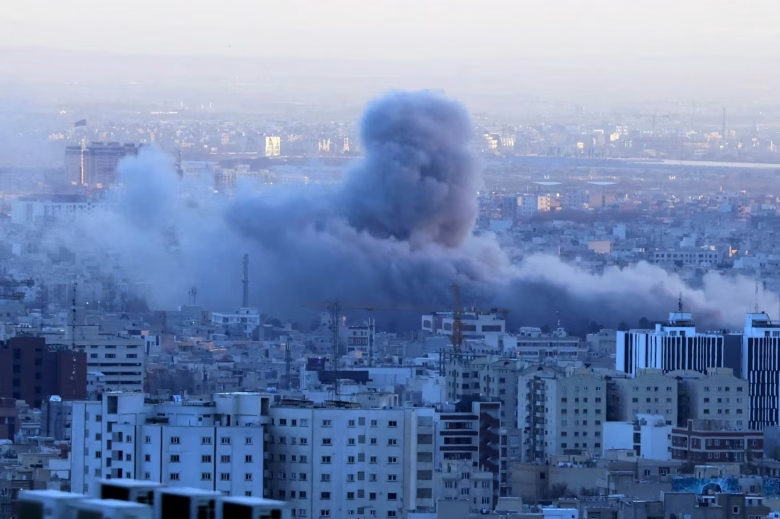
    A moderate earthquake registering 5.1 on the Richter scale struck southern Iran on Friday, January 23rd, 2026, according to seismic monitoring authorities. The seismic event occurred at precisely 3:18 PM UAE time, with the National Seismic Network of the National Centre of Meteorology (NCM) confirming the tremor’s details.

    The United States Geological Survey (USGS), which maintains global seismic monitoring systems, reported the earthquake originated at a shallow depth of approximately 10 kilometers. Shallow-focus earthquakes typically generate more noticeable surface shaking compared to deeper seismic events of similar magnitude.

    The precise epicenter location within southern Iran’s seismically active regions has not been immediately specified in initial reports. The region sits within a complex tectonic zone where the Arabian and Eurasian plates converge, creating frequent seismic activity that periodically results in significant tremors.

    Initial reports indicate no immediate casualties or structural damage, though comprehensive assessment operations are typically conducted following seismic events of this magnitude. Iranian authorities have not issued any tsunami warnings following the tremor, which is standard procedure for inland earthquakes.

    Seismologists note that earthquakes of magnitude 5.0-5.9 are considered moderate and capable of causing damage to poorly constructed buildings, particularly in populated areas near the epicenter. The impact largely depends on numerous factors including local construction standards, population density, and specific geological conditions.

    This event marks the latest in Iran’s long history of seismic activity, as the country experiences frequent earthquakes due to its position along major fault lines. The National Seismic Network continues to monitor aftershocks, which commonly follow moderate seismic events.

  • Partnering with China, embracing opportunities

    Partnering with China, embracing opportunities

    China Daily Information Co. (CDIC) maintains rigorous copyright protection over all content published across its digital platforms. The organization asserts exclusive ownership of all multimedia materials, including textual articles, photographs, and other informational assets. Republication or utilization of any content in any form is expressly prohibited without obtaining prior written authorization from CDIC. The company additionally recommends that visitors utilize browsers with a screen resolution of 1024*768 or higher for an optimal viewing experience. This policy underscores CDIC’s commitment to safeguarding its intellectual property rights in the digital domain. The notice also provides reference to its official publishing license (0108263) and registration number (130349), further establishing its credentialed status as a media entity. The footer of the website directs users to sections including corporate information, advertising opportunities, contact details, and career offerings, highlighting the platform’s operational scope.

  • China’s cyberspace regulators announce measures for protection of minors

    China’s cyberspace regulators announce measures for protection of minors

    Chinese authorities have unveiled comprehensive classification measures for online content potentially affecting minors’ physical and mental health, marking a significant advancement in digital protection frameworks. The Cyberspace Administration of China announced these measures on Friday, developed through interagency collaboration involving cyberspace, publishing, film, education, industrial technology, public security, cultural tourism, and broadcasting authorities.

    The regulatory framework, scheduled for implementation on March 1, establishes four distinct categories of online information based on their potential impact on young users’ wellbeing. This systematic classification approach addresses both established concerns—such as unauthorized use of minors’ images—and emerging technological challenges including algorithmic recommendation systems and generative artificial intelligence applications.

    Under the new provisions, internet platforms and content creators must implement proactive prevention mechanisms and countermeasures against harmful content. The measures align with China’s existing Regulations on the Protection of Minors Online, creating a cohesive legal ecosystem for youth digital safety.

    The Cyberspace Administration emphasized its ongoing commitment to purifying the online environment, stating it will intensify supervision of platform responsibilities and content governance. This initiative aims to foster a cleaner, healthier digital space specifically tailored for young internet users while accommodating rapid technological evolution in the digital landscape.