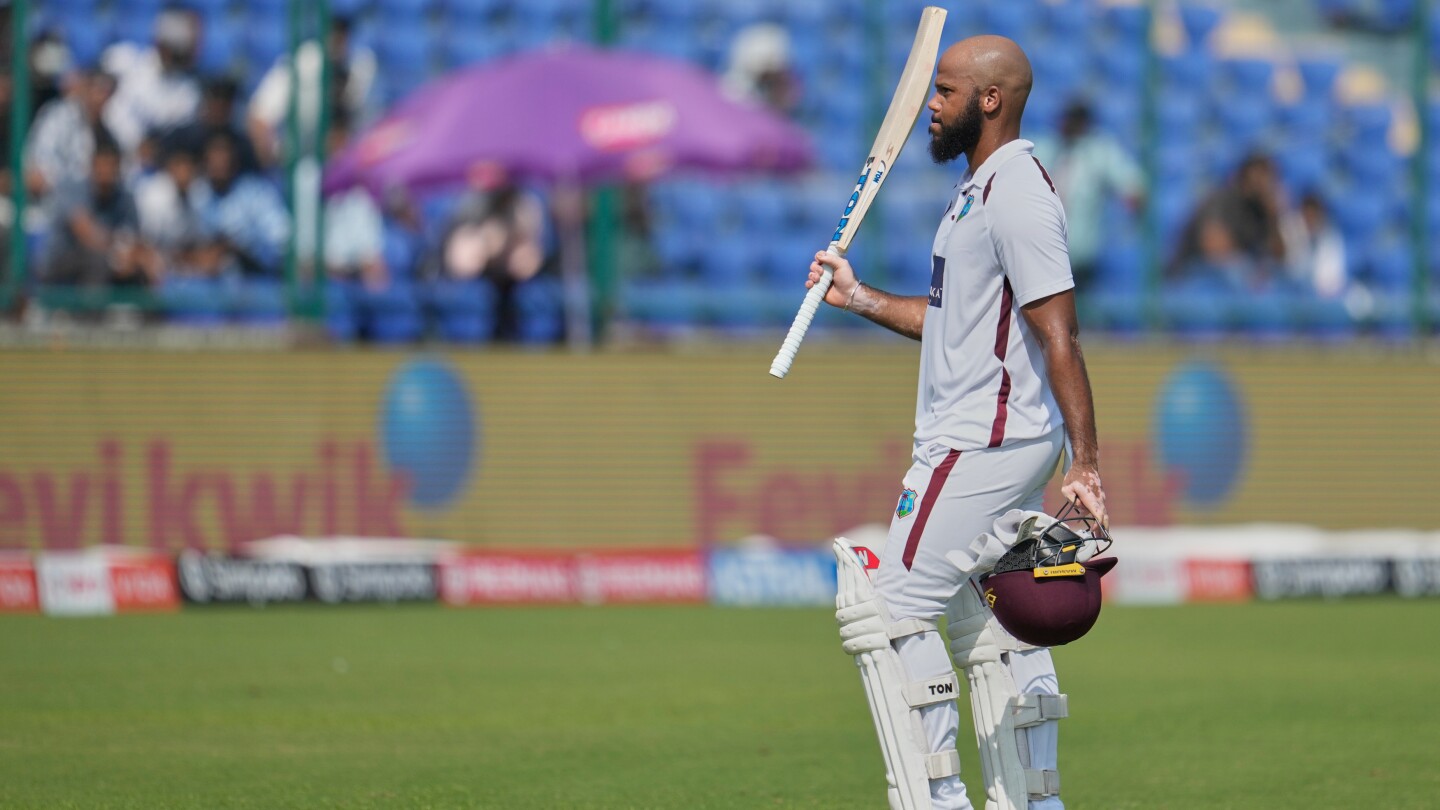
In a remarkable display of resilience, John Campbell notched his first-ever Test century, propelling the West Indies to a strong position in the second cricket Test against India. By lunch on Day 4, the West Indies had reached 252-3 in their second innings, narrowing India’s lead to a mere 18 runs. Campbell’s 115-run innings, crafted from 199 balls, was the cornerstone of a 177-run partnership with Shai Hope, who remained unbeaten on 92, inching closer to his third Test century. Skipper Roston Chase also contributed with a steady 23 not out. The morning session saw only one wicket fall, with Campbell dismissed lbw by Ravindra Jadeja on a sluggish Delhi pitch. Earlier, the West Indies had been bowled out for 248 in their first innings, trailing India’s mammoth 518. Despite being forced to follow on, Campbell’s heroics have kept the visitors in contention, averting the threat of an innings defeat. India, leading the two-match series 1-0 after a commanding victory in the first Test, faces a rejuvenated West Indies side that has shown significant improvement in their batting performance. Campbell’s century, the first for the West Indies in this series, was celebrated with fervor by the team, marking a pivotal moment in their fightback.
标签: Asia
亚洲
-
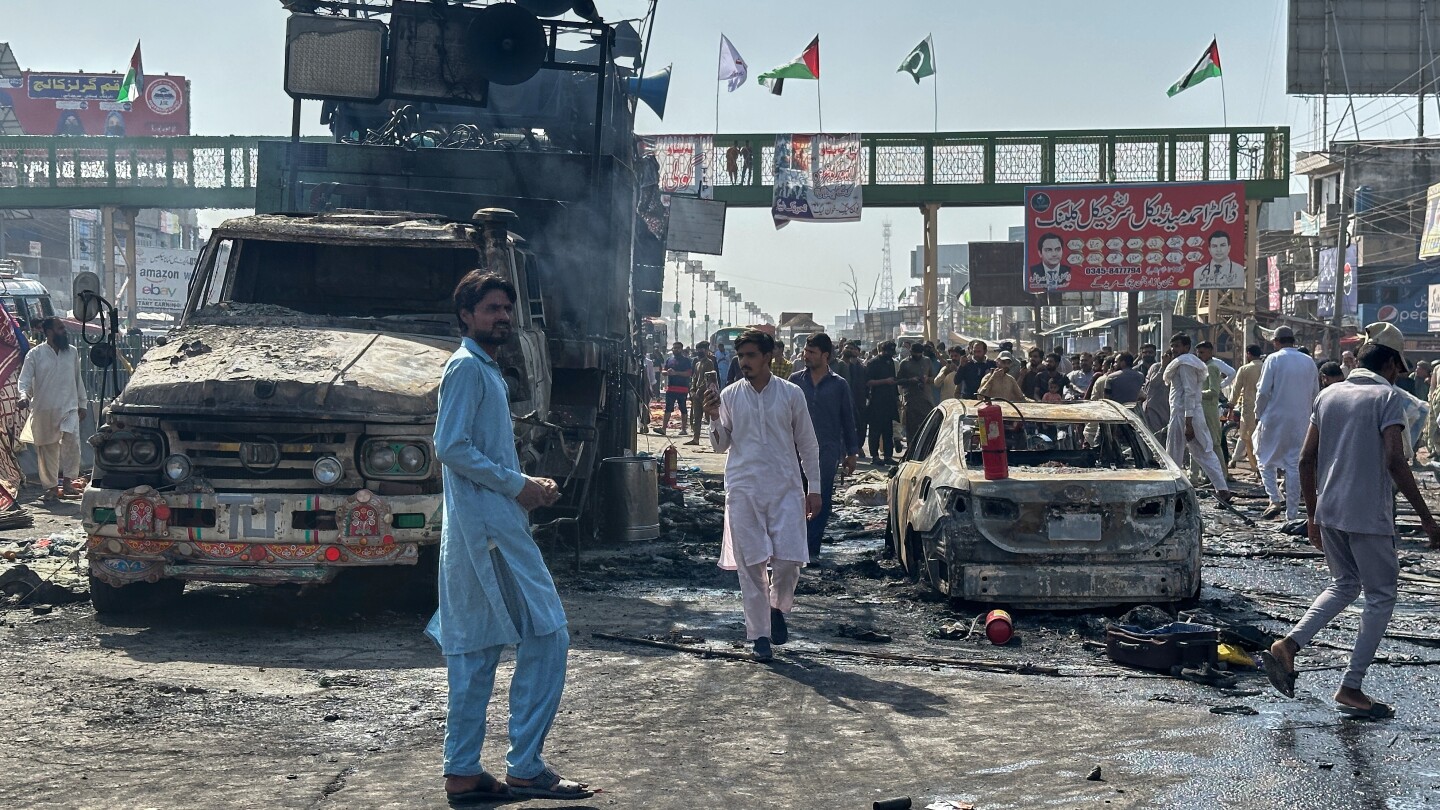
Pakistan police officer killed as authorities attempt to stop pro-Palestinian march
In Lahore, Pakistan, violent confrontations broke out on Monday between police and thousands of demonstrators participating in a pro-Palestinian march, resulting in the death of at least one police officer and injuries to dozens more, according to police and eyewitness accounts. Punjab Police Chief Usman Anwar reported that protesters opened fire on law enforcement, leading to the fatal shooting of an officer and multiple injuries among the police force. While Anwar did not confirm any casualties among the protesters, the political party Tehreek-e-Labbaik Pakistan (TLP) claimed that many of its supporters were also killed or wounded. Videos released by TLP depicted several vehicles ablaze, including a truck transporting party officials leading the ‘long march’ that commenced in eastern Pakistan on Friday, with plans to proceed from Lahore to the capital, Islamabad. The march has been marred by escalating violence, with police arresting over 100 individuals during a protest on Saturday. The latest clashes erupted when protesters attempted to dismantle shipping containers placed by police to obstruct their path. Demonstrators clashed with police in Lahore before camping in the nearby town of Muridke and resuming their march. TLP leader Saad Rizvi, who was among the injured, urged security forces to cease firing in a pre-dawn video, expressing readiness to negotiate. The protesters aimed to stage a rally outside the U.S. Embassy in Islamabad, but police came under fire while attempting to disperse the crowd. The U.S. Embassy had issued a security alert last week, warning of potential disruptions and advising U.S. citizens to exercise caution. The TLP, known for its disruptive and often violent demonstrations, has faced mixed reactions online, with some accusing the Pakistani government of overreacting by blocking major roads preemptively. Pakistan Deputy Interior Minister Talal Chaudhry questioned why TLP resorted to violence instead of advocating for peace in Gaza. The TLP, which gained prominence in Pakistan’s 2018 elections by campaigning on the defense of the country’s blasphemy law, has organized pro-Palestinian rallies in recent years, with this march specifically targeting the U.S. embassy to express solidarity with Palestinians.
-
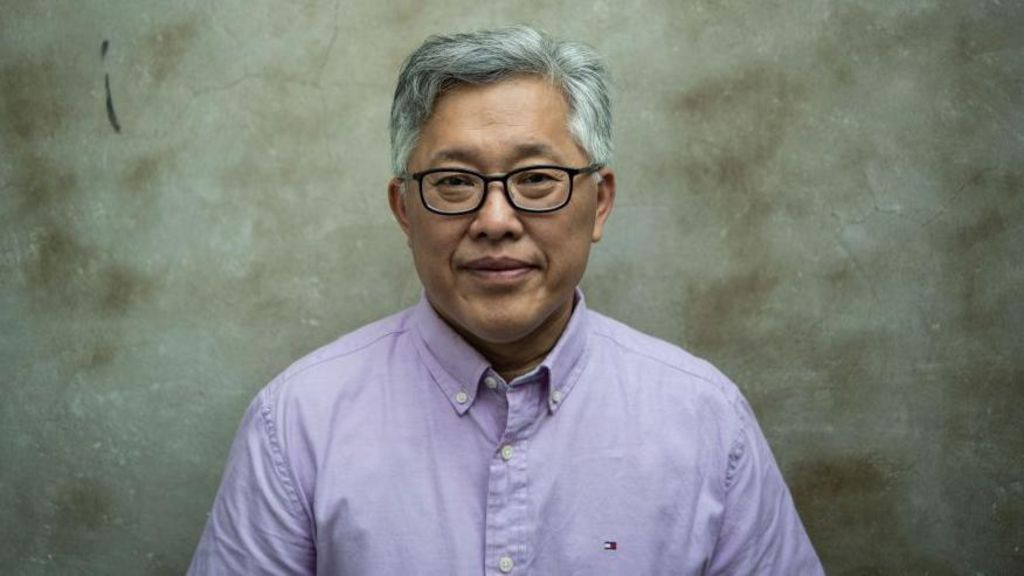
US calls for China to release 30 leaders of influential underground church
The United States has called for the immediate release of 30 leaders from one of China’s largest underground Christian networks, including Zion Church founder Jin Mingri, who were reportedly detained in coordinated raids across multiple cities over the weekend. According to the US-based non-profit organization ChinaAid, Jin Mingri was arrested early Saturday morning after a team of 10 officers searched his home. The Chinese Communist Party, which promotes atheism and maintains strict control over religious practices, has not yet commented on the arrests. This crackdown is being described as the most extensive in decades, with Christians facing pressure to join state-sanctioned churches led by government-approved pastors. US Secretary of State Marco Rubio condemned the arrests, stating that they highlight the CCP’s hostility toward Christians who reject party interference in their faith. This incident adds to the growing tensions between the US and China, already strained by trade disputes and export controls. Under President Xi Jinping, China has intensified its suppression of religious freedom, particularly targeting Christians and Muslims. Despite these challenges, unregistered house churches, including Zion Church, have continued to grow. Founded by Jin Mingri in 2007 with just 20 members, Zion Church now boasts a network of approximately 10,000 followers across 40 cities. The church has faced repeated crackdowns, including a ban in 2018 after resisting government demands to install security cameras. ChinaAid has labeled this latest wave of arrests as unprecedented, likening it to the mass purges of the Cultural Revolution. Jin Mingri’s wife, Liu Chunli, expressed her anguish in a letter, describing her heart as filled with ‘shock, grief, sorrow, worry, and righteous anger.’ Despite the arrests, Jin Mingri remains steadfast, expressing hope for a revival of faith in the face of persecution.
-

Carter Gordon added to Wallabies squad for Japan and Europe tests
In a swift turn of events, Carter Gordon has been reinstated into Australia’s national rugby union team, the Wallabies, just hours after regaining eligibility by departing the National Rugby League (NRL). The 24-year-old flyhalf was added to the squad to fill the void left by Tom Lynagh, who started against the British and Irish Lions, and Noah Lolesio, who has been sidelined since sustaining an injury in the opening match against Fiji. Gordon’s return to rugby union was confirmed on Monday, following his departure from the NRL’s Gold Coast Titans and his subsequent signing with the Queensland Reds and Rugby Australia. Wallabies head coach Joe Schmidt announced a 34-man squad for the upcoming five-test northern tour, which includes matches in Japan and Europe. Schmidt emphasized the importance of integrating Gordon back into the team, while also prioritizing the long-term development of Lynagh, who is recovering from injuries sustained during the Rugby Championship. Gordon, who debuted for the Wallabies in 2023 and played eight tests before his brief stint in rugby league, will now have the opportunity to reestablish himself in the 15-a-side code. The squad also features returning players Dylan Pietsch and Andrew Kellaway, who have recovered from injuries, and includes uncapped players Aidan Ross and Kalani Thomas. The Wallabies’ tour will commence with a match against Japan in Tokyo on October 24, followed by tests against England, Italy, Ireland, and France throughout November.
-
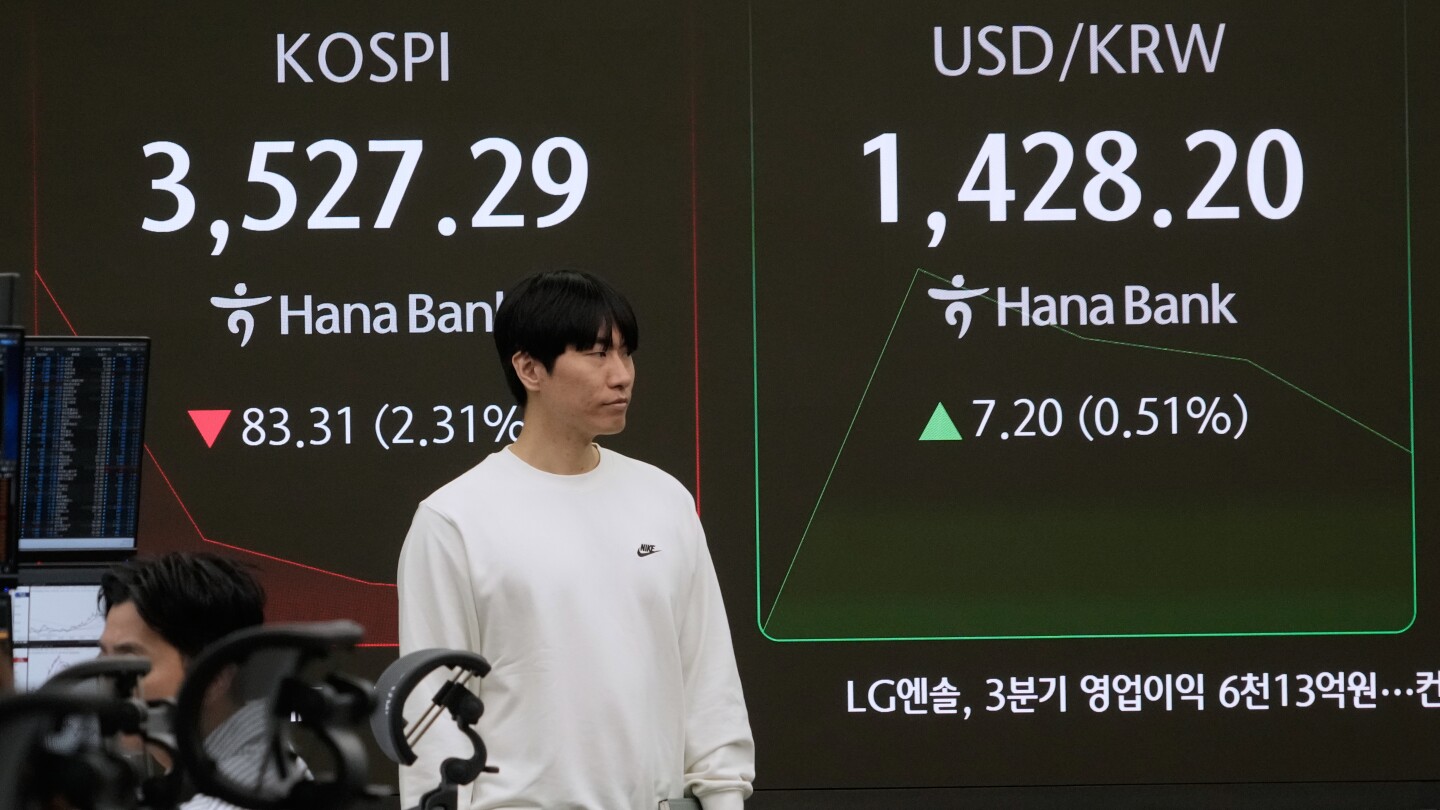
Asian shares skid after Wall Street tumbles to its worst day since April as China trade woes worsen
Asian stock markets experienced a sharp decline on Monday as renewed trade tensions between the United States and China disrupted a period of relative calm on Wall Street. The downturn followed President Donald Trump’s threat to impose higher tariffs on Chinese goods, signaling a potential escalation in the ongoing trade conflict between the world’s two largest economies. This move came in response to Beijing’s restrictions on the export of rare earth materials, which are essential for manufacturing a wide range of products, from consumer electronics to jet engines. Despite the turmoil, U.S. futures showed signs of recovery, with the S&P 500 contract rising 1.2% and the Dow Jones Industrial Average gaining 0.8%. Meanwhile, China reported a 8.3% year-on-year increase in global exports for September, marking the strongest growth in six months. However, exports to the U.S. plummeted by 27%, according to customs data. In Hong Kong, the Hang Seng Index fell 3.5%, while other major regional markets, including the Shanghai Composite and South Korea’s Kospi, also recorded significant losses. The S&P 500 had already suffered its worst day since April, dropping 2.7% on Friday, as investors reacted to the renewed trade hostilities. Trump’s comments on Truth Social further fueled concerns, as he hinted at canceling a planned meeting with Chinese President Xi Jinping during an upcoming trip to South Korea. The market’s decline was widespread, with nearly all sectors, including Big Tech and smaller companies, experiencing losses. Critics have warned that stock prices, particularly in the artificial intelligence sector, may be overvalued, drawing comparisons to the dot-com bubble of 2000. In the oil market, prices initially fell due to a ceasefire between Israel and Hamas but later rebounded. The bond market also saw a drop in yields, reflecting broader economic uncertainty. The dollar weakened slightly against the yen, while the euro gained ground.
-
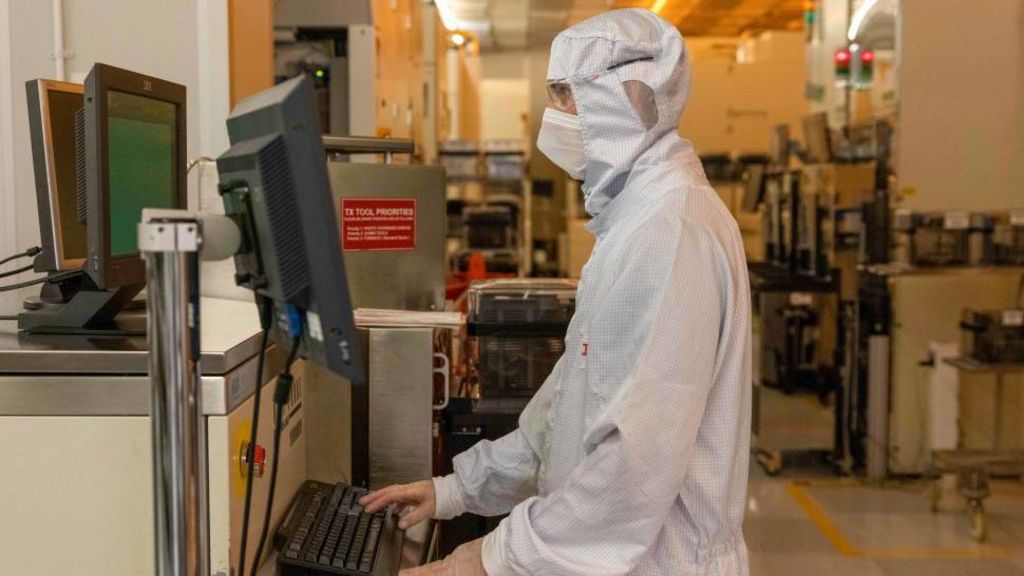
Netherlands cracks down on China-owned chip firm over security risk
The Dutch government has made a rare decision to intervene in the operations of Nexperia, a Chinese-owned semiconductor manufacturer based in the Netherlands, citing potential risks to Dutch and European economic security. The move, announced on Sunday, underscores growing tensions between the European Union and China, particularly in the realm of trade and technology. Nexperia, which produces chips for automobiles and consumer electronics, has faced scrutiny in recent months, including being forced to sell its silicon chip plant in Newport, Wales, due to national security concerns raised by UK officials. The Dutch government invoked its Goods Availability Act, a legal mechanism designed to address serious governance issues and ensure the supply of critical goods. While Nexperia’s production will continue as usual, the intervention aims to safeguard crucial technological knowledge and capabilities in the Netherlands and Europe. The decision has already impacted Nexperia’s parent company, Wingtech, whose Shanghai-listed shares dropped by 10% on Monday. Wingtech, which is on the US ‘entity list,’ faces restrictions on importing American-made goods without special approval. This development highlights the escalating geopolitical tensions surrounding semiconductor supply chains and China’s global tech ambitions.
-
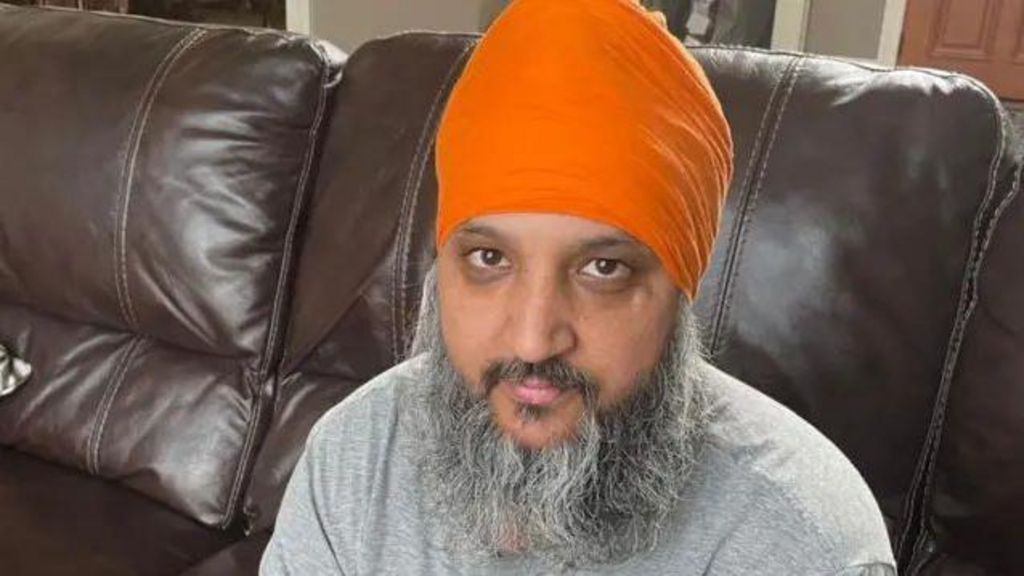
Sikh man with tumour held by US immigration denied medical care – family
Paramjit Singh, a 48-year-old US green card holder and Indian passport holder, has been detained by US immigration authorities for over two months, facing the threat of deportation. Singh, who has lived in the US since 1994 and resides in Indiana with his family, is battling a brain tumor and a heart condition. His wife and two children are US citizens. On July 30, Singh was detained at Chicago O’Hare International Airport upon returning from a trip to India and has since been held in custody. US Immigration and Customs Enforcement (ICE) has cited two decades-old cases as reasons for his detention, but Singh’s family and lawyer argue there are no active cases against him. They accuse immigration authorities of using old cases to delay his release and allege he lacks proper medical care despite his serious health conditions. Singh’s lawyer, Louis Angeles, stated that Singh is not receiving the necessary medical help, only check-ups. Singh’s niece, Kiran Virk, mentioned that he has regularly visited India without immigration issues. This time, his family waited seven hours at Chicago airport for his arrival. Immigration officials told them Singh was detained over a 1999 case involving using a public phone without paying. Court records show he served 10 days in prison and paid a $4,137.50 fine, which has blocked his US citizenship. Virk alleges immigration authorities said at a court hearing that Singh still faced a one-and-a-half-year sentence, with only 10 days dismissed. Authorities also claim Singh was convicted of a forgery offense in Illinois in 2008, but his family contends there are no such charges. A private detective hired by the family found no criminal records for a person named Paramjit Singh in the state, suggesting authorities may have mistaken him for someone else. Singh’s lawyer plans to challenge the detention, calling it ‘unethical’ and taking legal steps to block his deportation. Singh’s family is increasingly worried about his health, as his second brain tumor surgery has been delayed due to detention. His case is set to be heard on October 14. Singh’s detention comes amid a wider crackdown by US President Donald Trump’s administration on immigration, especially illegal immigrants. Critics say immigrants without criminal records who follow due process have also been targeted. In September, Harjit Kaur, a 73-year-old grandmother who spent more than three decades living in the US, was deported to India, sparking anger among the Sikh community.
-
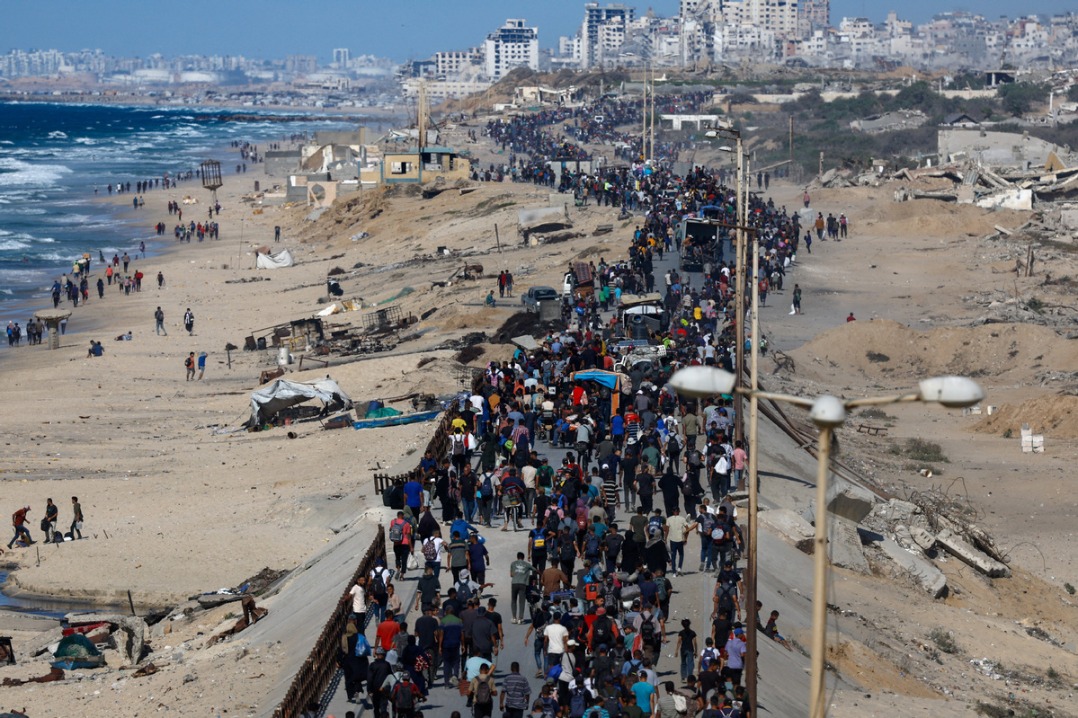
Netanyahu says Israel’s military campaign ‘not over’ despite Gaza ceasefire
Israeli Prime Minister Benjamin Netanyahu emphasized on Sunday that the nation’s military campaign remains ongoing, even as a ceasefire with Hamas takes effect and the release of hostages and detainees is underway. Speaking in a televised address, Netanyahu described the planned release of the 20 remaining living Israeli hostages as a ‘historic event,’ but cautioned that the conflict is far from resolved. ‘Wherever we fought, we won,’ he stated. ‘But the campaign is not over yet.’ Netanyahu highlighted the persistent security challenges facing Israel, warning that some adversaries are attempting to regroup. He vowed to ensure the nation’s safety and stability. Earlier in the day, Israel’s military chief, Eyal Zamir, declared a ‘victory over Hamas,’ attributing the success to sustained military pressure and diplomatic efforts. Zamir also noted that Israel remains engaged in a ‘multi-front war’ and will continue its operations to reshape the Middle East’s security landscape. The ceasefire, which began on Friday, follows over two years of intense Israeli bombardments that have left Gaza in ruins and triggered widespread famine. While the truce has brought temporary relief, Netanyahu’s remarks underscore the fragile nature of the peace and the ongoing tensions in the region.
-
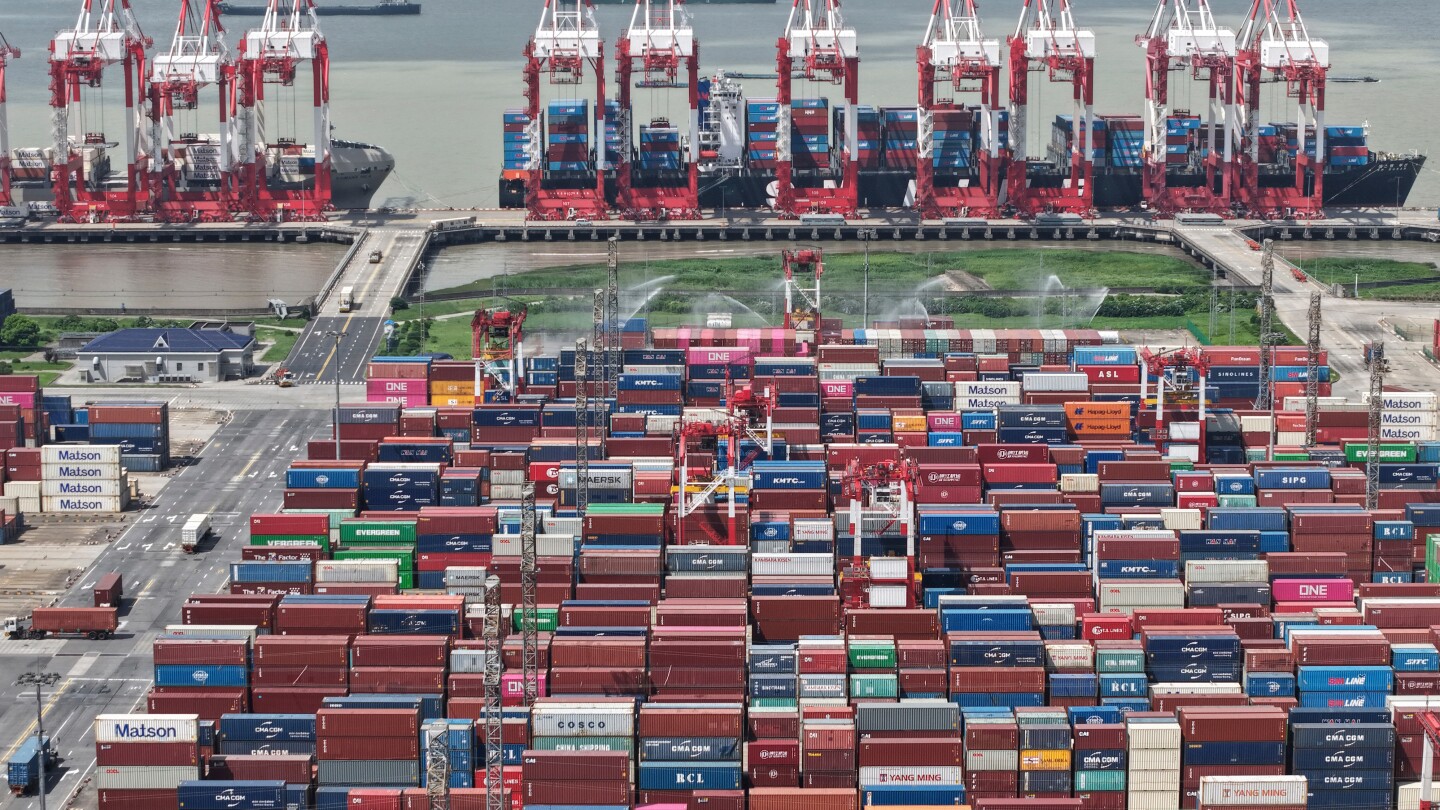
China’s exports to US drop in September, while rise in global shipments hits a 6-month high
China’s trade dynamics in September presented a mixed picture, with global exports surging to a six-month high while exports to the United States continued their downward spiral. According to customs data released on Monday, China’s worldwide exports rose by 8.3% year-on-year, reaching $328.5 billion, significantly exceeding economists’ expectations and marking a notable improvement from August’s 4.4% growth. However, exports to the U.S. plummeted by 27% compared to the previous year, marking the sixth consecutive month of decline and following a 33% drop in August. Imports also showed improvement, growing by 7.4% in September, up from a modest 1.3% increase in August, though domestic economic challenges and a struggling real estate sector continue to dampen demand. The ongoing trade tensions between Beijing and Washington have cast a shadow over the outlook, with both sides imposing new tariffs and retaliatory measures. U.S. President Donald Trump’s policies aimed at reshoring manufacturing have pressured Chinese exports to the U.S., prompting China to diversify its markets. Shipments to Southeast Asia grew by 15.6%, while exports to Latin America and Africa surged by 15% and 56%, respectively. Despite these efforts, the external environment remains fraught with uncertainty, as highlighted by Wang Jun, vice minister of China’s customs agency, who emphasized the need for sustained efforts to stabilize trade in the fourth quarter. Analysts like Gary Ng of Natixis point to the resilience of China’s exports due to low costs and limited global alternatives but warn that escalating export controls could have a more prolonged impact on supply chains. Recent developments, including Trump’s threats of additional tariffs and export controls on critical software, coupled with China’s retaliatory measures such as new port fees and extended export controls on lithium-ion batteries and rare earths, have further strained relations. These tensions could jeopardize a planned meeting between Trump and Chinese President Xi Jinping in late October and underscore the lack of progress in reaching a comprehensive trade agreement.
-

Hamas, Israel in discussions over list of prisoners to be released: Palestinian sources
Indirect negotiations between Hamas and Israel, facilitated by Egyptian, Qatari, and Turkish mediators, have entered their final phase, focusing on the list of prisoners to be exchanged, according to Palestinian sources. The talks, held on Sunday, aim to finalize the details of a recently agreed ceasefire deal. Under the agreement, Hamas will release 20 living hostages and 28 deceased hostages held in Gaza since the Israel-Hamas conflict began on October 7, 2023. In return, Israel will free approximately 2,000 Palestinian detainees. However, disagreements persist over the composition of the prisoner list. Hamas is pushing for the inclusion of prominent figures such as Fatah leader Marwan Barghouti and Popular Front for the Liberation of Palestine leader Ahmed Saadat, while Israel prefers to release women, minors, and prisoners serving medium-term sentences. A senior Hamas official, speaking anonymously, revealed that intensive discussions with mediators have been ongoing to expand the list and prioritize the release of long-term detainees. The official expressed confidence that mediators are working tirelessly to resolve remaining obstacles before the official announcement. Hamas reiterated its commitment to implementing the agreement on schedule, emphasizing its humanitarian framework supervised by international partners. Meanwhile, Israel anticipates the release of all 20 living hostages early Monday morning. An international task force will be established to assist in locating the remains of deceased hostages. Israeli security measures have been heightened in Gaza to ensure the smooth execution of the exchange process.