标签: Asia

亚洲

  • South Africa’s batters restore some pride in 51-run win against India in 2nd T20

    South Africa’s batters restore some pride in 51-run win against India in 2nd T20

    In a remarkable reversal of fortune, South Africa’s cricket team delivered a commanding performance to defeat India by 51 runs in the second T20 international at New Chandigarh on Thursday. The victory levels the five-match series at 1-1, erasing memories of their disastrous opening match collapse.

    After being asked to bat first, the Proteas posted an imposing 213-4, spearheaded by Quinton de Kock’s explosive 90 runs from just 46 deliveries. The opener’s blistering innings featured seven sixes and five boundaries before his dismissal via a precision run-out executed by Indian wicketkeeper Jitesh Sharma.

    The South African innings gained tremendous momentum in the final stages, accumulating 49 runs across the last three overs. Donovan Ferreira’s unbeaten 30 from 16 balls proved particularly damaging, including two massive sixes against Indian pace spearhead Jasprit Bumrah in the final over. David Miller contributed a quickfire 20 not out from 12 deliveries to bolster the total.

    India’s response faltered early, finding themselves at 81-4 after ten overs despite Tilak Varma’s valiant 62 from 34 balls. The bowling attack, led by medium-fast bowler Ottneil Baartman’s career-best 4-24, systematically dismantled the Indian batting lineup, restricting the hosts to 162 all out in 19.1 overs.

    The match represented a stunning turnaround for South Africa, who made three strategic changes following their record-low 74 all out in the series opener. India maintained an unchanged lineup from their 101-run victory in the first match.

    The teams now prepare for Sunday’s crucial third T20 in Dharamsala, with both sides using the series as vital preparation for February’s T20 World Cup in India, where the hosts enter as defending champions after their dramatic final victory over South Africa earlier this year.
  • Heart project launched to save young lives in Laos

    Heart project launched to save young lives in Laos

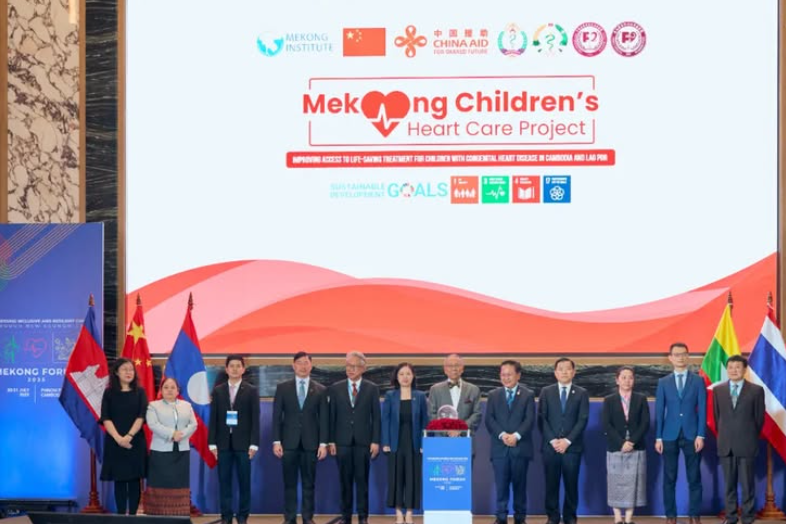
    VIENTIANE, LAOS – A transformative healthcare partnership officially commenced operations on Thursday with the national launch of the Mekong Children’s Heart Care Project (2025-2027). This ambitious tripartite collaboration brings together Laos’ Ministry of Health, the Mekong Institute, and China’s prestigious Fuwai Hospital under the Chinese Academy of Medical Sciences.

    Financed through China’s Global Development and South-South Cooperation Fund, this initiative represents a concrete implementation of the Global Development Initiative. The program specifically targets congenital heart disease, which remains a leading cause of childhood mortality across Laos and Cambodia.

    The comprehensive project framework encompasses multiple strategic components: establishing national-level screening systems, introducing advanced diagnostic and treatment technologies, and substantially enhancing the professional capabilities of healthcare providers in both nations. Over its two-year implementation period, the initiative aims to achieve measurable impact through screening at least 10,000 children nationwide, providing complete treatment cycles for no fewer than 30 diagnosed patients, and training over 110 medical professionals.

    Additional capacity-building measures include specialized fellowship programs at Fuwai Hospital for Lao medical specialists, complemented by the donation of critical medical equipment including ultrasound machines and essential supplies.

    Khampasong Theppanya, Director-General of Laos’ Department of Health and Rehabilitation, emphasized the project’s dual significance: “This initiative delivers urgent care to children with congenital heart conditions, particularly those in remote regions, while simultaneously strengthening our national healthcare infrastructure through professional development and evidence-based policy formation.”

    The director-general further acknowledged China’s substantial support, noting that it “reflects China’s profound commitment to our enduring bilateral friendship and its sustained dedication to advancing Laos’ healthcare sector.”

    Suriyan Vichitlekarn, Executive Director of the Mekong Institute, characterized the project as a milestone in regional cooperation that “fortifies Lao PDR’s technical capacity while providing joint support for Cambodia, ultimately benefiting local communities and fostering more equitable healthcare systems throughout the Mekong region.”

    Duo Lin, Fuwai Hospital’s representative and project liaison, confirmed the initiative’s alignment with both China’s Belt and Road Initiative and the United Nations 2030 Agenda for Sustainable Development, particularly objectives targeting reduced mortality among children under five and adolescents.

  • Renji Hospital celebrates two decades of international medical excellence

    Renji Hospital celebrates two decades of international medical excellence

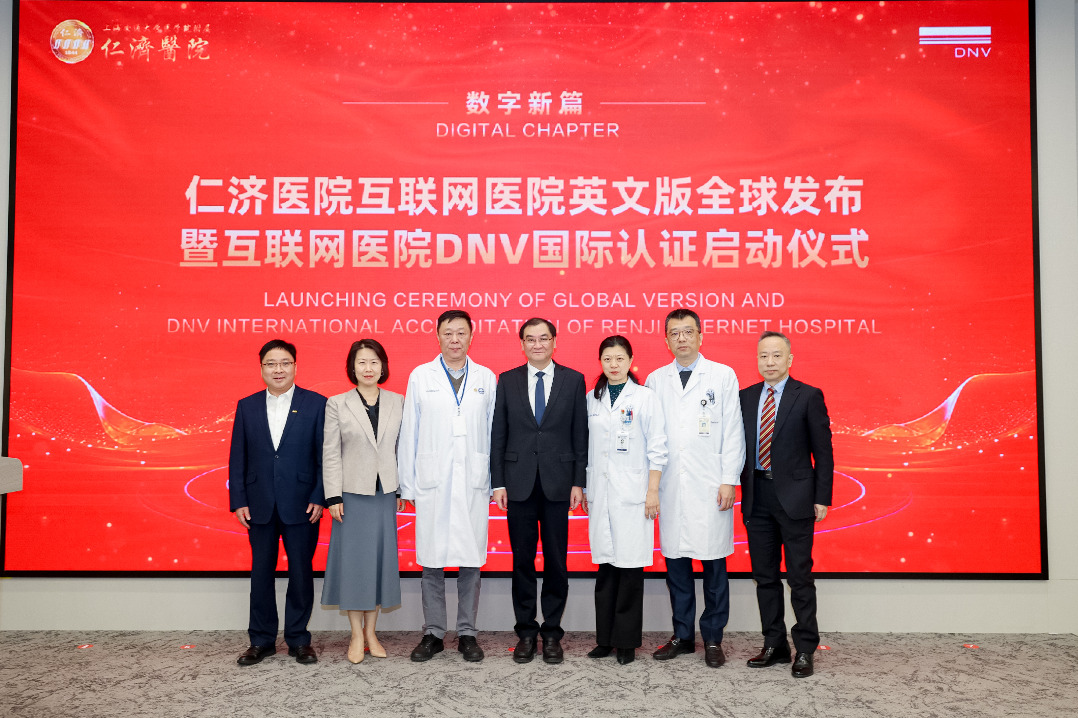
    Shanghai Renji Hospital commemorated two decades of providing world-class international medical services during a special ceremony on December 11, 2025, highlighting its pioneering achievements in pediatric liver transplantation that have transformed lives across borders.

    The celebration featured emotional reunions with former international patients, including a Malaysian woman who received a life-saving liver transplant at the hospital in 2014 when she was just three years old. The patient had been suffering from critical liver cirrhosis caused by biliary atresia, a condition that had exhausted all treatment options in her home country before her family sought help at the Shanghai institution.

    Under the leadership of Dr. Xia Qiang, President of Renji Hospital and esteemed academician of the Chinese Academy of Engineering, the medical team performed a successful living-donor liver transplant that saved the young girl’s life. This breakthrough case marked the beginning of what would become an extensive international pediatric transplant program.

    Over the past two decades, Renji Hospital’s specialized pediatric liver transplant team has treated more than 60 children from multiple countries including Malaysia, the Philippines, and Mongolia. Beyond direct patient care, the hospital has established knowledge transfer partnerships, particularly with Malaysian medical institutions, where Chinese specialists have shared surgical expertise and helped establish local capabilities for performing pediatric living-donor liver transplants.

    The anniversary event not only celebrated past achievements but also launched new initiatives to expand the hospital’s global healthcare mission, reinforcing Shanghai’s growing reputation as a destination for advanced medical treatment and international medical collaboration.

  • Thousands of tundra swans grace Hunan’s Donggu Lake for the winter

    Thousands of tundra swans grace Hunan’s Donggu Lake for the winter

    Donggu Lake in Yueyang, Hunan province has emerged as a premier winter sanctuary for migratory birds, with thousands of tundra swans transforming the wetland into a breathtaking natural spectacle. As temperatures continue to drop across Central China, these elegant birds have settled in the protected waters, creating what conservation experts are calling a ‘five-star hotel’ for avian species.

    The graceful swans, resembling ballet dancers gliding across the water’s surface, have attracted numerous visitors and wildlife photographers hoping to capture the magnificent display. Their presence indicates the continuing ecological significance of Donggu Lake as a critical habitat within migratory bird routes.

    Local environmental authorities note that the consistent appearance of tundra swans demonstrates successful conservation efforts in the region. The wetland’s protected status and carefully maintained ecosystem provide ideal conditions for the birds to rest and feed during their seasonal migration. This annual phenomenon has established Donggu Lake as one of China’s most renowned birdwatching destinations, contributing to both ecological tourism and wildlife preservation awareness.

    The swan migration represents more than just a visual spectacle—it serves as an important indicator of environmental health and successful habitat conservation. As climate patterns shift, maintaining these protected zones becomes increasingly crucial for preserving migratory routes and ensuring the survival of species like the tundra swan.

  • Xinjiang heats up, halts traffic amid strong cold snap

    Xinjiang heats up, halts traffic amid strong cold snap

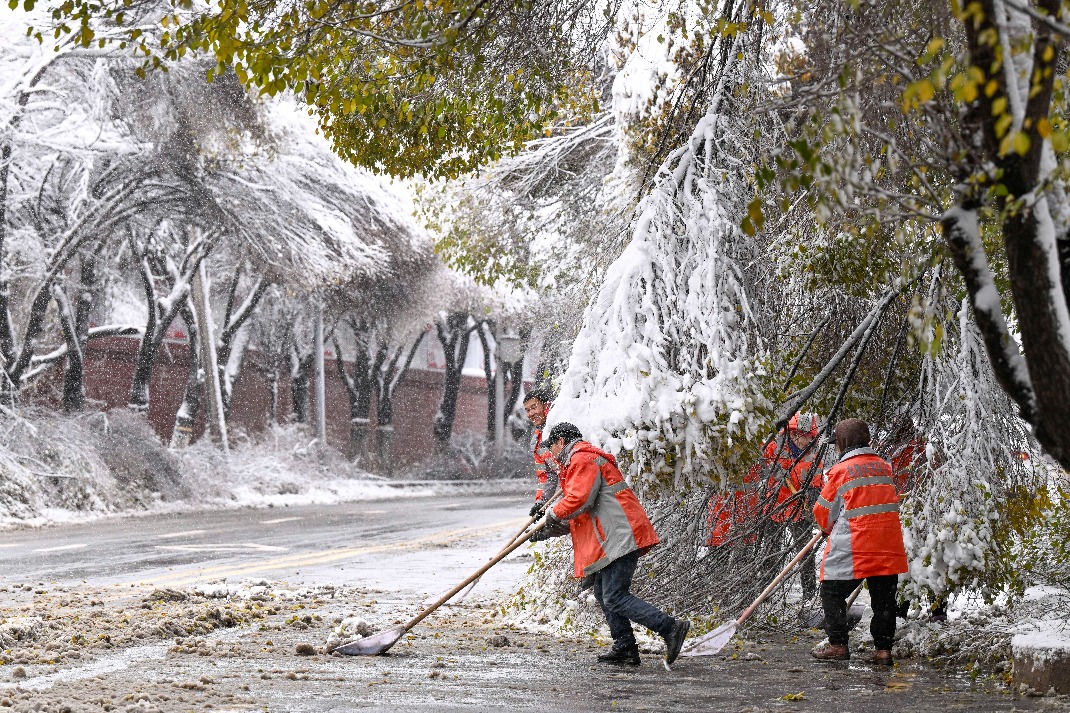
    Northwest China’s Xinjiang Uygur Autonomous Region is confronting an extreme cold wave, triggering the highest-level red alert within China’s meteorological warning system. The regional meteorological authority escalated its alert from orange to red on Wednesday after forecasting precipitous temperature declines of 16-20°C across western and northern territories.

    This severe weather event has produced substantial disruptions, particularly in transportation networks. Regional authorities have suspended service along major railway lines while implementing traffic controls on 84 highway sections. As of Thursday morning, 26 segments had resumed operations amid ongoing clearance efforts.

    The renowned ski destination of Altay Prefecture has experienced moderate to heavy snowfall since Tuesday evening. In the regional capital Urumqi, snowfall accumulation reached 12.1mm between Wednesday evening and Thursday morning. Municipal authorities deployed massive resources to combat the winter onslaught, mobilizing over 16,000 sanitation workers and 1,900 specialized snow-removal vehicles before Thursday’s morning rush hour.

    Critical infrastructure providers have activated emergency protocols to maintain essential services. Heating companies throughout Xinjiang implemented precautionary measures and emergency response initiatives to ensure stable indoor temperatures during the extreme cold. “We maintain 24-hour emergency readiness to promptly address any heating system malfunctions,” stated Ma Lei, representative of Yining City’s primary heating supplier.

    According to the National Meteorological Center (NMC), this cold wave represents China’s first major snowfall event of winter, with Xinjiang serving as the initial impact zone. The system is expected to intensify through Thursday and Friday, bringing heavy snowstorms to numerous regions including Shaanxi, Inner Mongolia, Shanxi, Hebei, and Henan provinces.

    Meteorological experts caution that this extensive weather system may be accompanied by dramatic temperature fluctuations and powerful winds. Authorities nationwide are urging comprehensive preventive measures, advising citizens to prioritize warmth retention and exercise heightened caution regarding transportation safety.

  • Photo of Qinglong Mountain egg fossil featured in top chemistry publication for groundbreaking dating research

    Photo of Qinglong Mountain egg fossil featured in top chemistry publication for groundbreaking dating research

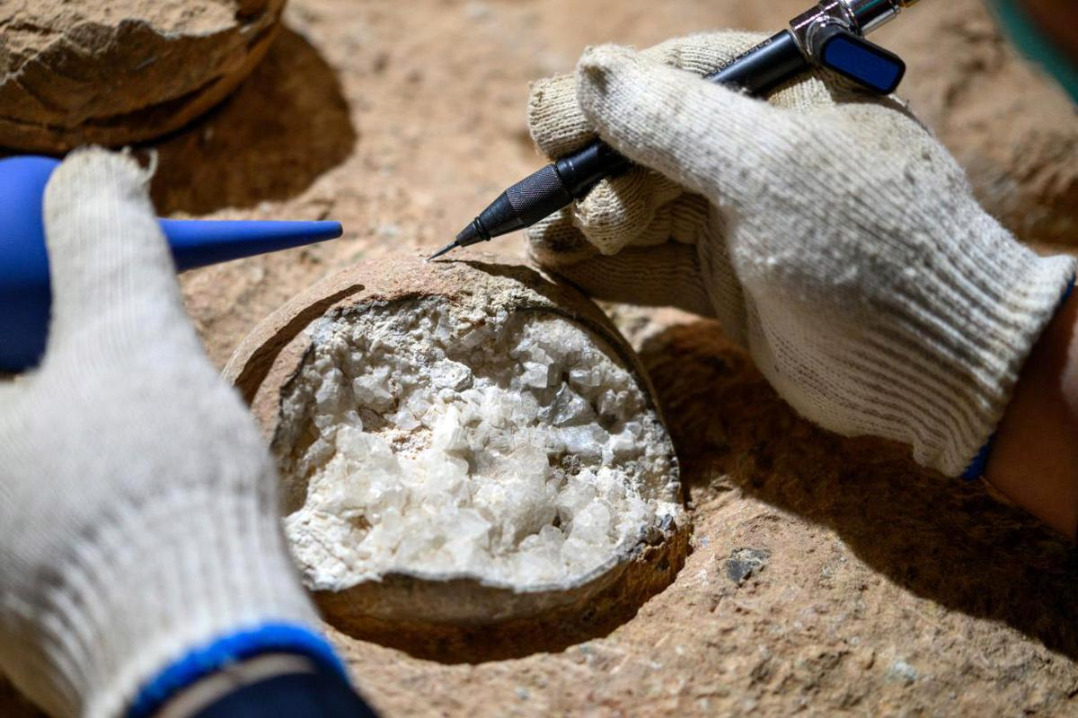
    A groundbreaking scientific achievement from China’s Qinglong Mountain has received international acclaim in the field of chemistry. The prestigious publication Chemical & Engineering News has featured a crystalline dinosaur egg fossil discovery from Shiyan, Hubei province, in its annual “The Year in Chemistry Through Pictures” collection, recognizing it as exemplary of how chemistry enhances our understanding of the natural world.

    The selection, announced on December 2, 2025, highlights the most influential chemical developments globally. The recognition stems from pioneering research led by Zhao Bi, a senior engineer at the Hubei Institute of Geosciences in Wuhan, who emphasized the study’s significant innovation in geochronological methodology.

    This research represents the first successful application of isotopic geochronology to biogenic eggshell minerals, establishing a novel approach for dating dinosaur fossils. The breakthrough provides unprecedented capabilities for refining our understanding of Cretaceous environments and evolutionary timelines. The technique offers new perspectives on dinosaur ecology and extinction causes, potentially revolutionizing paleontological dating methods.

    The fossil’s inclusion among the year’s most notable chemical achievements underscores China’s growing contribution to advanced scientific research and international scientific collaboration, demonstrating how chemical analysis can unlock mysteries of prehistoric life.

  • China sees jump in number of students returning from overseas in 2024

    China sees jump in number of students returning from overseas in 2024

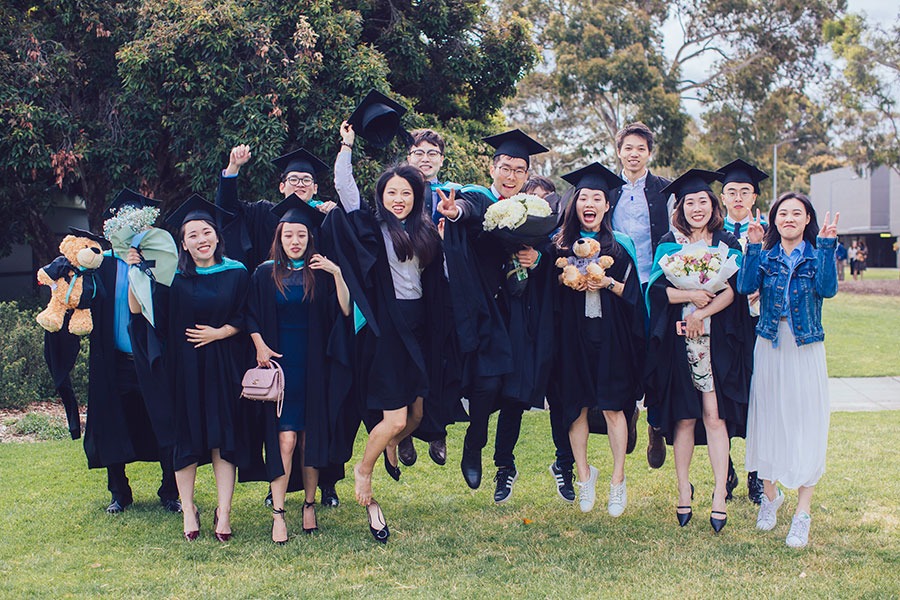
    China is experiencing a significant acceleration in the return of its overseas-educated talent, with official data revealing a substantial surge in students choosing to return home after completing their studies abroad. According to figures released by the Ministry of Education at a Shanghai event on Thursday, December 11th, 2025, the nation welcomed back 495,000 returnees in 2024 alone. This marks a notable increase of 79,400 individuals, representing a year-on-year growth rate of 19.1 percent.

    The data was unveiled during the 30th-anniversary commemoration of the ministry’s ‘Chunhui’ (Spring Light) program. This long-standing initiative is designed to encourage Chinese scholars abroad to contribute their expertise to national development. The statistics further contextualize this trend within China’s broader educational history since its reform and opening-up policy began in 1978. Over this 46-year period, an estimated 8.88 million Chinese citizens pursued education overseas. Of the 7.43 million who have completed their studies, a decisive majority—6.44 million—have chosen to return to China.

    A particularly striking trend emerges from the post-2012 era. The ministry reported that a staggering 5.63 million students have returned to China since 2012, accounting for approximately 87 percent of all returnees since the late 1970s. This indicates not only a recent acceleration in the reversal of the ‘brain drain’ phenomenon but also suggests a powerful and sustained momentum in China’s ability to attract its global talent back home, potentially reshaping its innovation landscape and labor market.

  • China’s Hezhen Yimakan storytelling inscribed on UNESCO Representative List

    China’s Hezhen Yimakan storytelling inscribed on UNESCO Representative List

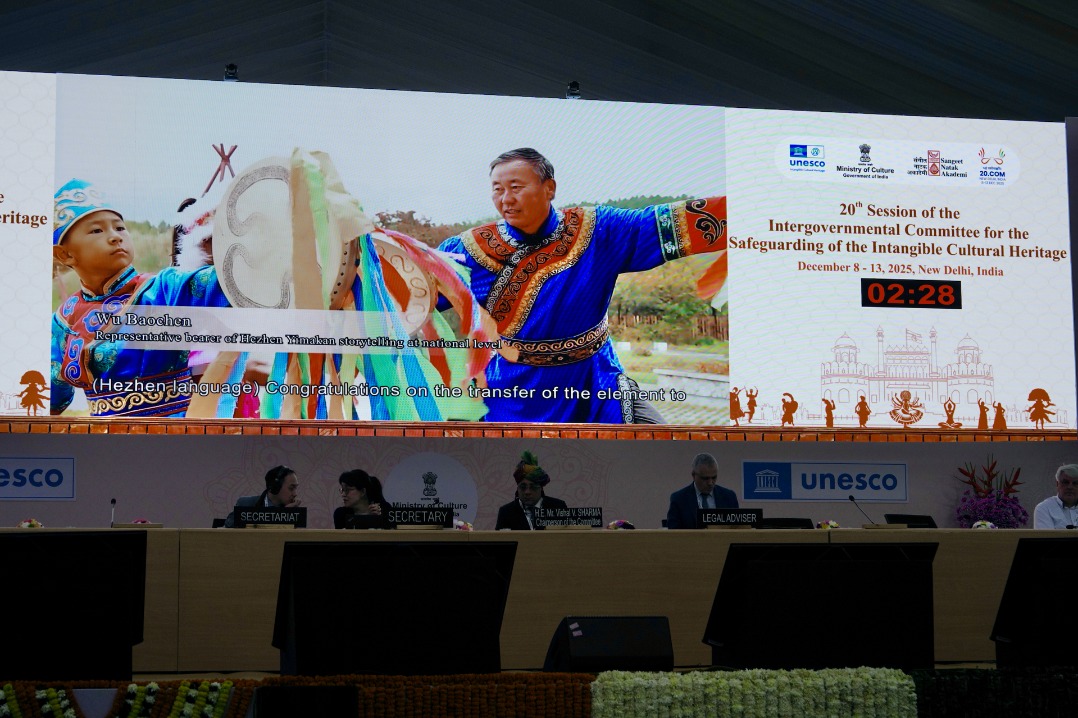
    In a landmark decision at its 20th regular session in New Delhi, UNESCO’s Intergovernmental Committee for the Safeguarding of the Intangible Cultural Heritage has granted dual recognition to China’s Hezhen Yimakan storytelling tradition. The ancient oral practice has been officially transferred from the List of Intangible Cultural Heritage in Need of Urgent Safeguarding to the prestigious Representative List of the Intangible Cultural Heritage of Humanity.

    The committee simultaneously inscribed the safeguarding program for Hezhen Yimakan storytelling into the Register of Good Safeguarding Practices, marking the first time any cultural element has achieved both distinctions concurrently. This unprecedented double recognition follows China’s successful transfer of three cultural elements in 2024, including Li textile techniques.

    Hezhen Yimakan represents the rich cultural tapestry of the Hezhe ethnic group, serving as a living repository of their history, heroic narratives, traditional fishing and hunting practices, ritual ceremonies, and moral codes. This unique art form blends prose and verse delivery in the Hezhe language, fulfilling multiple social functions including historical documentation, intergenerational education, and community entertainment.

    Since its initial inclusion on the Urgent Safeguarding List in 2011, collaborative efforts among tradition bearers, community organizations, research institutions, and government agencies have significantly strengthened the tradition’s viability. China’s community-centered preservation approach has enhanced both intergenerational transmission and global visibility of this cultural treasure.

    The successful transfer follows China’s submission of a comprehensive periodic report to UNESCO in December 2023, which detailed the remarkable recovery of the tradition. The committee’s examination and approval at its 19th session in December 2024 acknowledged China’s effective safeguarding measures while encouraging continued community engagement.

    This achievement brings China’s total representations across UNESCO’s Intangible Cultural Heritage lists to 45, comprising 40 on the Representative List, three on the Urgent Safeguarding List, and two on the Register of Good Safeguarding Practices.

  • Supply and marketing fair held in Lhasa

    Supply and marketing fair held in Lhasa

    Lhasa, the capital of China’s Xizang Autonomous Region, became a vibrant marketplace on December 10, 2025, as it hosted a comprehensive supply and marketing fair at a local park. The event transformed the urban green space into a bustling economic hub, featuring an extensive collection of over 1,000 distinctive agricultural products native to the Tibetan plateau.

    The fair served as a commercial platform highlighting the region’s unique agricultural heritage, with particular emphasis on highland barley derivatives, premium yak meat products, and traditional dairy items. These offerings represent not just commercial goods but centuries-old culinary traditions preserved by local farmers and herdsmen.

    Visitors engaged enthusiastically with vendors, examining and selecting from an array of authentic specialties while learning about their origins and production methods. The event’s design specifically facilitated direct interaction between producers and consumers, eliminating intermediary distribution channels.

    This initiative forms part of broader regional efforts to strengthen rural economies by creating direct market access for agricultural producers. By providing this platform, organizers aimed to boost income generation for farming and herding communities while simultaneously offering urban residents access to genuine regional products.

    The successful execution of this fair demonstrates the growing economic vitality of Xizang’s agricultural sector and its increasing integration with consumer markets. Such events contribute significantly to preserving cultural traditions while adapting them to contemporary economic frameworks, ensuring both economic benefits and cultural preservation.

  • Former CNOOC executive charged in bribery case

    Former CNOOC executive charged in bribery case

    In a significant development in China’s ongoing anti-corruption campaign, Yuan Guangyu, the former deputy general manager of China National Offshore Oil Corporation (CNOOC), has been formally indicted on bribery charges. The Supreme People’s Procuratorate announced on December 11, 2025, that the Xuzhou People’s Procuratorate in Jiangsu Province has filed charges against the 66-year-old former executive.

    The case follows an extensive investigation conducted by the National Supervisory Commission, which concluded its probe and transferred the findings to judicial authorities for prosecution. With jurisdiction designated by the Supreme People’s Procuratorate, Jiangsu Provincial People’s Procuratorate approved Yuan’s arrest on allegations of corruption.

    Prosecutors allege that Yuan exploited his influential positions—including director of CNOOC Bohai Oil Administration Bureau and executive vice-president and president of CNOOC Limited—to provide improper benefits to certain entities and individuals. According to the indictment, he accepted substantial illicit property from others, with the involved amount described as ‘extremely huge’ by judicial authorities.

    During the legal proceedings, judicial officials have followed standard protocol by informing Yuan of his defendant rights, conducting interrogations, and consulting with his defense counsel. The case represents another high-profile prosecution in China’s systematic anti-graft campaign targeting senior corporate executives in state-owned enterprises.

    Yuan, who had spent his entire career within the CNOOC system, was initially placed under investigation in March 2025, marking the beginning of a nine-month process that has now culminated in formal charges.