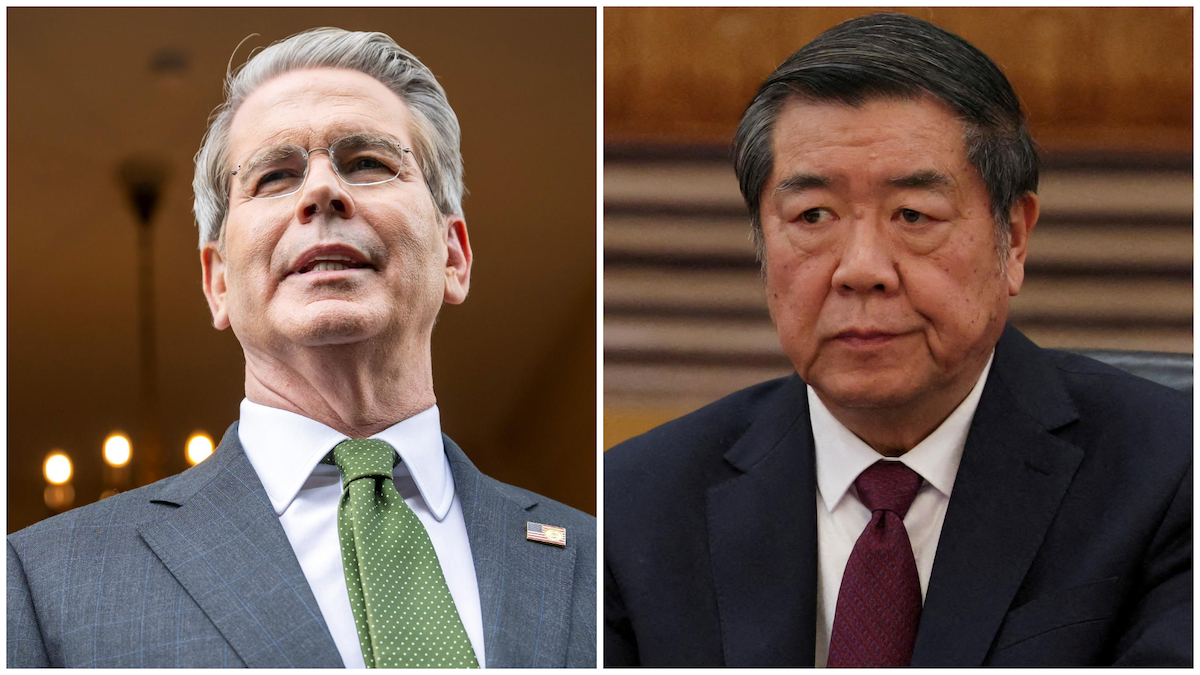
The United States has issued a stern warning to China, urging it to cease its purchases of oil and gas from Russia and threatening to impose secondary sanctions, including potential 100% tariffs. This development follows recent trade agreements between the US, the European Union, and Japan, which set tariffs at 15%. US Treasury Secretary Scott Bessent conveyed Washington’s dissatisfaction during meetings in Stockholm with Chinese Vice Premier He Lifeng, emphasizing concerns over China’s continued acquisition of sanctioned Russian and Iranian oil. Bessent also criticized China’s sale of over $15 billion in dual-use technology to Russia, which reportedly supports Moscow’s military efforts in Ukraine. Chinese officials responded by asserting their sovereignty and internal energy policies, stating that oil purchases are based on national interests. The US-China 90-day tariff truce, set to expire on August 12, remains unresolved, with President Donald Trump poised to decide on its extension or the reimposition of tariffs. Meanwhile, Trump has set a 10-12 day deadline for Russia to end the Ukraine conflict, threatening severe consequences, including tariffs on Russian goods and those from countries purchasing Russian oil. Chinese commentators argue that US pressure will not sever China’s ties with Russia and Iran, emphasizing the strategic importance of these relationships. The global spotlight now focuses on whether China will distance itself from Russia to avoid US tariffs.
标签: Asia
亚洲
-

China’s arrests of boys’ love authors hardly a gay crackdown
Recent reports in Western media have painted a dramatic picture of China’s alleged ‘crackdown’ on the ‘boys’ love’ (BL) genre, a popular form of online fiction. However, a closer examination reveals a more nuanced reality. While Western outlets have framed the issue as a nationwide suppression of ‘gay erotica,’ Chinese media, such as the respected Southern Weekly, have highlighted localized law enforcement actions, particularly in Lanzhou and Jixi county, targeting individuals accused of profiting from obscene material. The narrative of a sweeping crackdown appears exaggerated, as these incidents are not representative of a broader national policy. Instead, they reflect specific legal disputes and jurisdictional challenges. The BL genre, which features romantic or erotic relationships between men, is primarily written by and for heterosexual women, complicating the characterization of it as ‘gay erotica.’ Scholars argue that the genre often presents an idealized version of male homosexuality, distinct from the lived experiences of gay men. In China, the genre’s popularity has inadvertently increased visibility for the LGBTQ+ community, but its conflation with homosexuality has also led to misunderstandings. The arrests of BL writers are more likely tied to China’s strict obscenity laws and its efforts to regulate the lucrative online literature industry, which generates billions in revenue. While Western media often portrays such actions as homophobic, the reality is more complex, involving economic, ideological, and legal factors. The disappearance of high-profile cases from public discourse further underscores the challenges of understanding censorship in China.
-
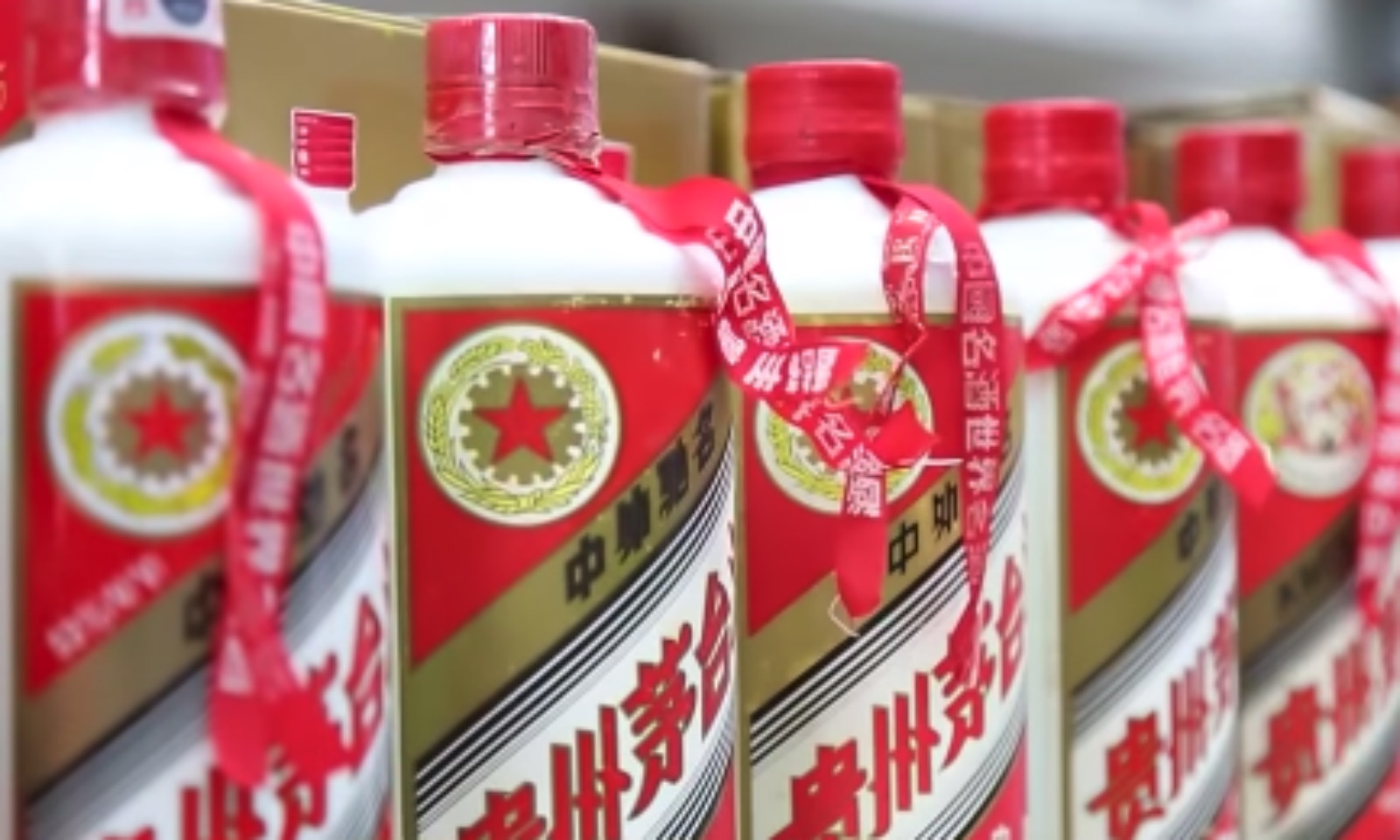
To drink or not to drink – the Party decides in China
China is implementing a dual approach to transform its spirits sector, prohibiting civil servants from drinking at official events while encouraging the public to consume alcohol during family gatherings. This strategy aims to curb corruption and reduce public expenses while fostering a healthier drinking culture among citizens. The central government first introduced the alcohol ban for civil servants in 2012 to improve their public image and limit extravagant spending. However, many officials found loopholes, rescheduling drinking sessions to dinners or private gatherings, often funded by businesspeople offering expensive spirits as gifts. This practice led to corruption and disciplinary issues. A recent incident in Inner Mongolia highlighted the severity of the problem. Wei Shuanshi, a senior official, hosted a dinner where excessive drinking led to the death of a colleague from alcohol poisoning. The incident prompted stricter enforcement of the alcohol ban, with the State Council and the CCP Central Committee announcing new rules prohibiting civil servants from drinking or smoking during work-related events. Officials must now seek approval for meal receptions and avoid unnecessary private gatherings. The new regulations have impacted the spirits market, causing significant stock declines for major brands like Kweichow Moutai and Wuliangye Yibin. However, the rules have also been criticized for their overzealous implementation, with local governments penalizing even harmless social interactions, harming the catering industry. To address this, state media clarified the guidelines, distinguishing between corrupt practices and everyday social drinking. Analysts suggest that while the alcohol ban targets civil servants, younger consumers and the general public can sustain the spirits market. Brands are adapting by launching lower-alcohol products to appeal to younger drinkers. Despite a decline in spirits production, the industry has seen modest revenue growth, indicating resilience amid regulatory changes.
-
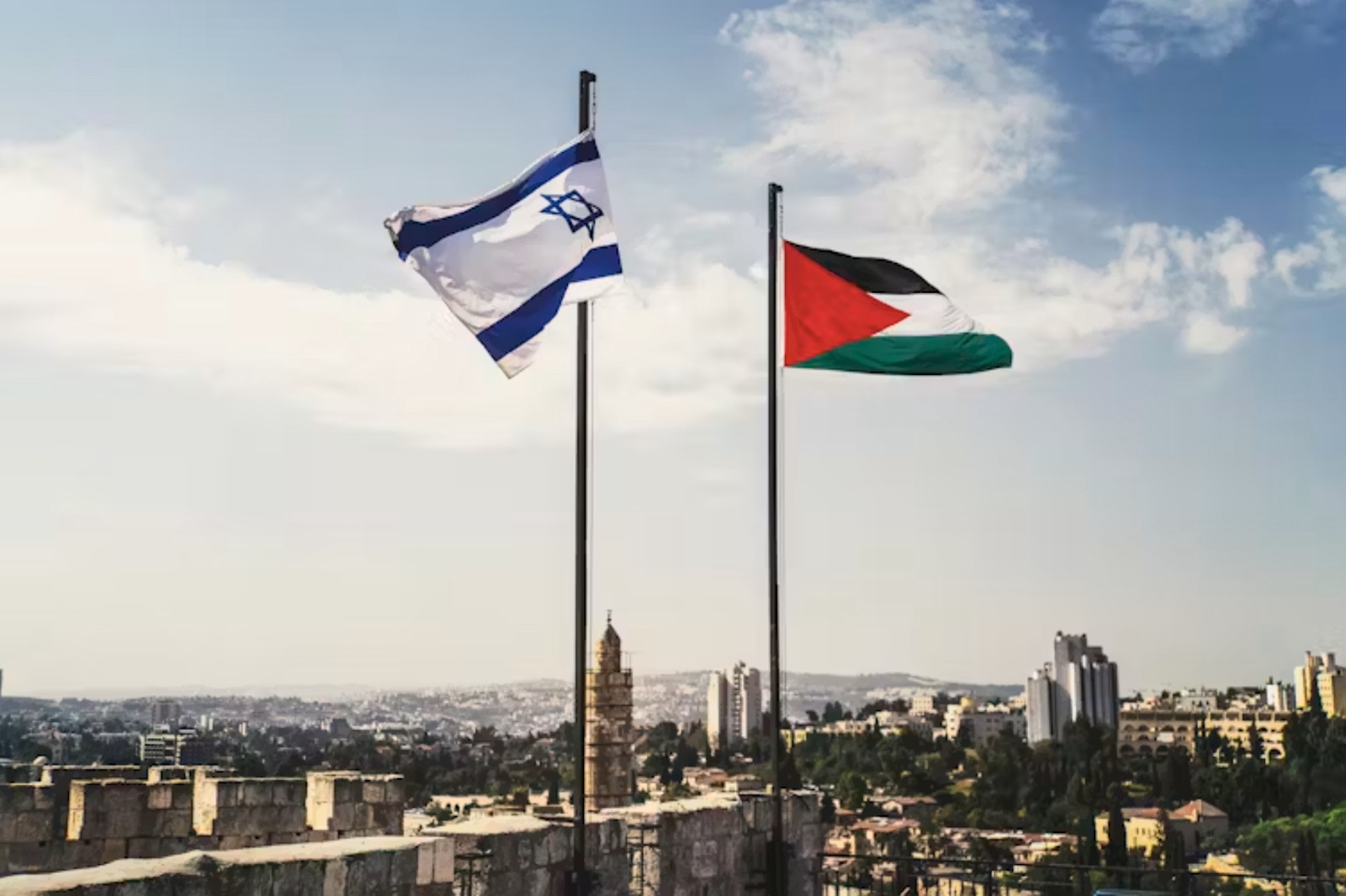
Road to Palestinian state must pass through Saudi Arabia
The ongoing 22-month conflict between Israel and Hamas has left European nations feeling powerless and divided. Despite their vocal support, European efforts have largely been irrelevant in shaping the outcome of the crisis. However, a recent move by French President Emmanuel Macron to join 11 other EU countries in recognizing a Palestinian state has sparked a glimmer of hope. This initiative, though fraught with challenges, aims to leverage partnerships with Arab states, particularly Saudi Arabia, to pressure Israel and the United States into reconsidering their stance on Palestinian statehood. The timing of Macron’s announcement is strategic, coinciding with a UN ministerial conference co-chaired by France and Saudi Arabia in July, followed by a heads-of-state meeting in September. While the odds of success remain slim, the French-led effort seeks to inject diplomatic momentum into a process that has long been stagnant. The key to its potential success lies in convincing Saudi Crown Prince Mohammed bin Salman to take a bold stance in pushing the U.S. to support the two-state solution. However, the deep-rooted divisions over the viability of a Palestinian state, coupled with the lack of serious commitment from major powers, continue to cast a shadow over any prospects for peace. The Arab world’s financial and political intervention will be crucial, but without U.S. backing, diplomatic recognition alone is unlikely to alter the reality on the ground. This high-stakes diplomatic gamble, though uncertain, represents a rare opportunity to reignite the quest for a sustainable resolution to the Israeli-Palestinian conflict.
-
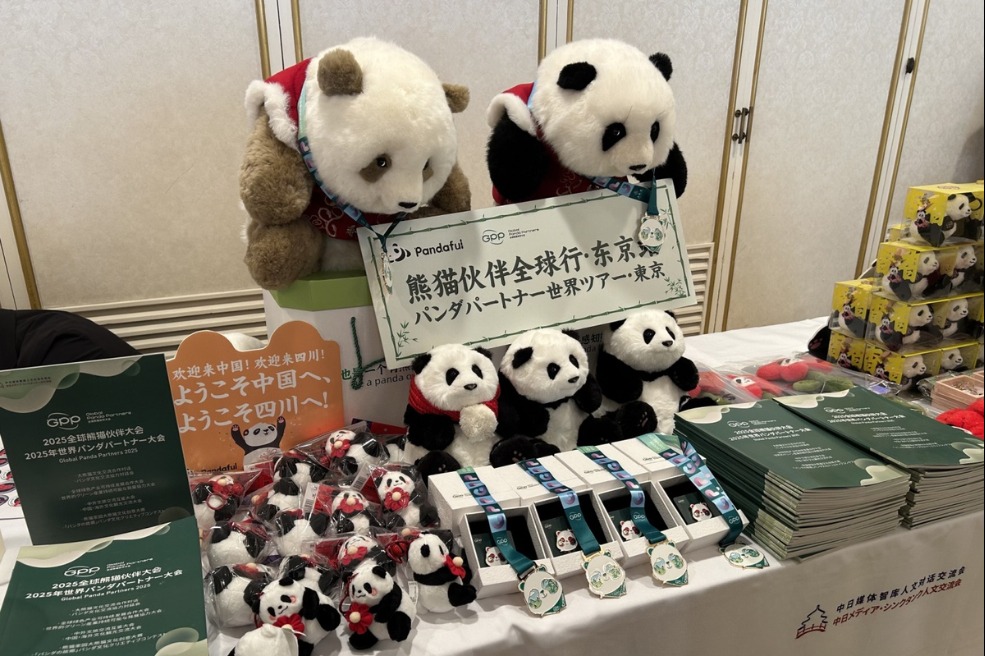
Mutual respect urged for Sino-Japanese ties
In a bid to fortify Sino-Japanese relations, experts have underscored the imperative of mutual respect and robust people-to-people exchanges. This call comes as both nations, pivotal players in the Asia-Pacific region, grapple with escalating global challenges. Xie Fuzhan, President of the China Foundation for Human Rights Development, emphasized the extensive common interests and cooperative potential between China and Japan during the Second Forum on Sino-Japanese Friendship and People-to-People Exchanges in Beijing. He highlighted that the bilateral relationship not only impacts the two nations but also significantly influences regional and global stability. Xie urged both countries to adopt a long-term, strategic perspective, addressing historical issues with prudence and respect to foster a forward-looking relationship. Japanese Ambassador to China Kenji Kanasugi echoed this sentiment, stressing the critical role of candid dialogue in deepening mutual understanding and trust. Yuji Miyamoto, President of the Japan-China Friendship Center, lamented the decline in academic exchanges due to recent political turbulence, advocating for a deeper awareness of each other’s societies and cultures to bridge the understanding gap. Jiang Yuechun, a senior research fellow at the China Institute of International Studies, pointed out the erosion of the rules-based international order by certain countries, leading to global instability. He called for enhanced cooperation through multilateral frameworks like the Regional Comprehensive Economic Partnership and the Comprehensive and Progressive Agreement for Trans-Pacific Partnership to uphold free trade and multilateralism. Despite the shifting public perceptions, both countries share vast potential for cooperation in areas such as climate change, green growth, and digital trade. Ryuji Hattori, a professor at Chuo University in Japan, highlighted the strain on China-Japan relations due to Tokyo’s evolving security policies. He emphasized the necessity of building trust through solid institutional foundations and societal-level mutual understanding. As the 80th anniversary of the Chinese People’s War of Resistance Against Japanese Aggression approaches, Miyamoto urged Japan to reflect on its past militarism and recognize that lasting peace and friendly cooperation are the only viable paths forward.
-
Gaza ceasefire talks collapse as starvation crisis mounts
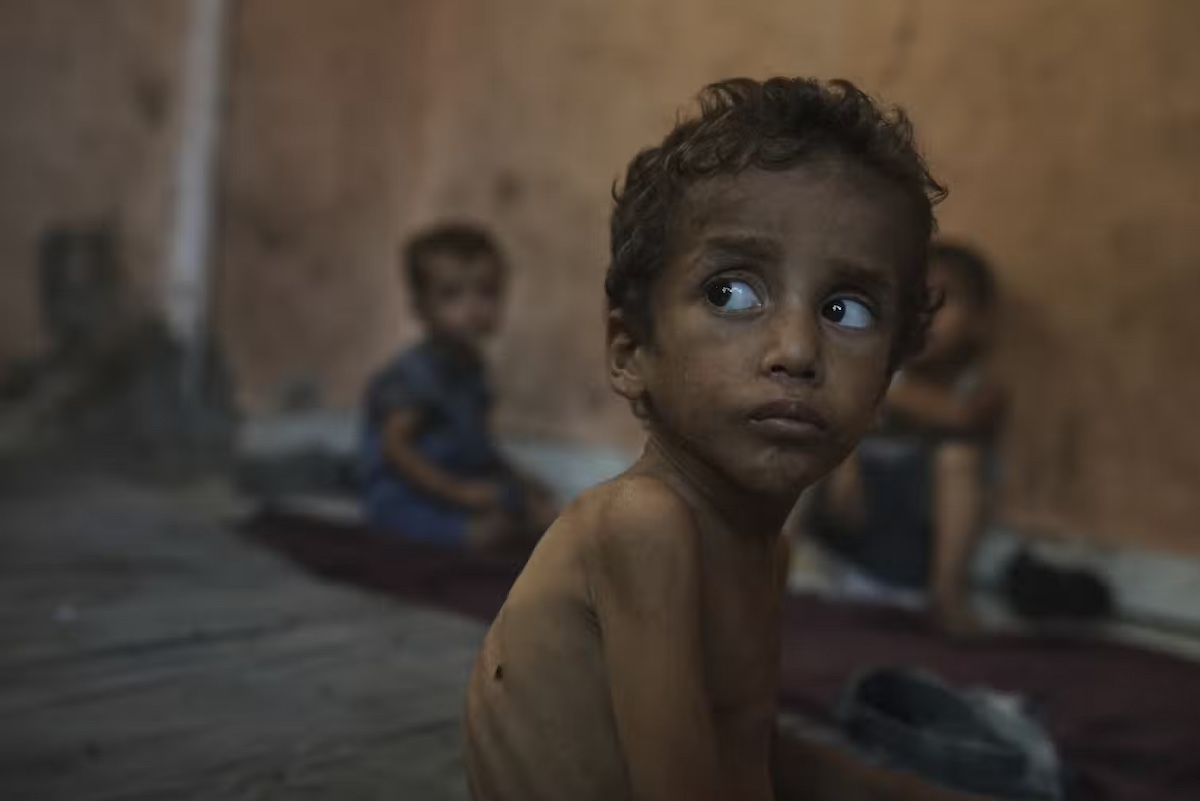
The latest efforts to broker peace in Gaza have hit a significant roadblock as negotiations in Qatar abruptly ended, with both the United States and Israel withdrawing their delegations. The U.S. special envoy, Steve Witkoff, accused Hamas of lacking genuine intent to reach a ceasefire, stating that the group appeared uncoordinated and unwilling to act in good faith. This development has dashed hopes for an immediate resolution to the 21-month-long siege of Gaza, which has left the territory in a state of humanitarian crisis. The collapse of talks coincides with France’s historic decision to formally recognize a Palestinian state, a move French President Emmanuel Macron described as essential for Middle Eastern security. Meanwhile, the humanitarian situation in Gaza continues to deteriorate, with the United Nations and aid agencies warning of widespread famine. UNRWA Commissioner-General Philippe Lazzarini reported that over 100 people, mostly children, have died of hunger, with one in five children in Gaza City malnourished. Despite having 6,000 trucks of emergency supplies ready in Jordan and Egypt, aid remains blocked due to Israel’s ongoing restrictions. The proposed ceasefire deal, which included a 60-day truce and the release of hostages and prisoners, failed to materialize due to disagreements over the terms of a lasting peace. Israel insists on maintaining a military presence in Gaza, while Hamas demands a complete end to hostilities. The lack of mutual trust has further complicated negotiations. France’s recognition of a Palestinian state adds diplomatic pressure on Israel, but Israeli Prime Minister Benjamin Netanyahu condemned the move, claiming it rewards terrorism. With no clear path forward, the prospects for a new ceasefire appear bleak, leaving Gaza’s population in dire straits.
-
Inside the drugs factory: How captagon is fuelling the war in Sudan
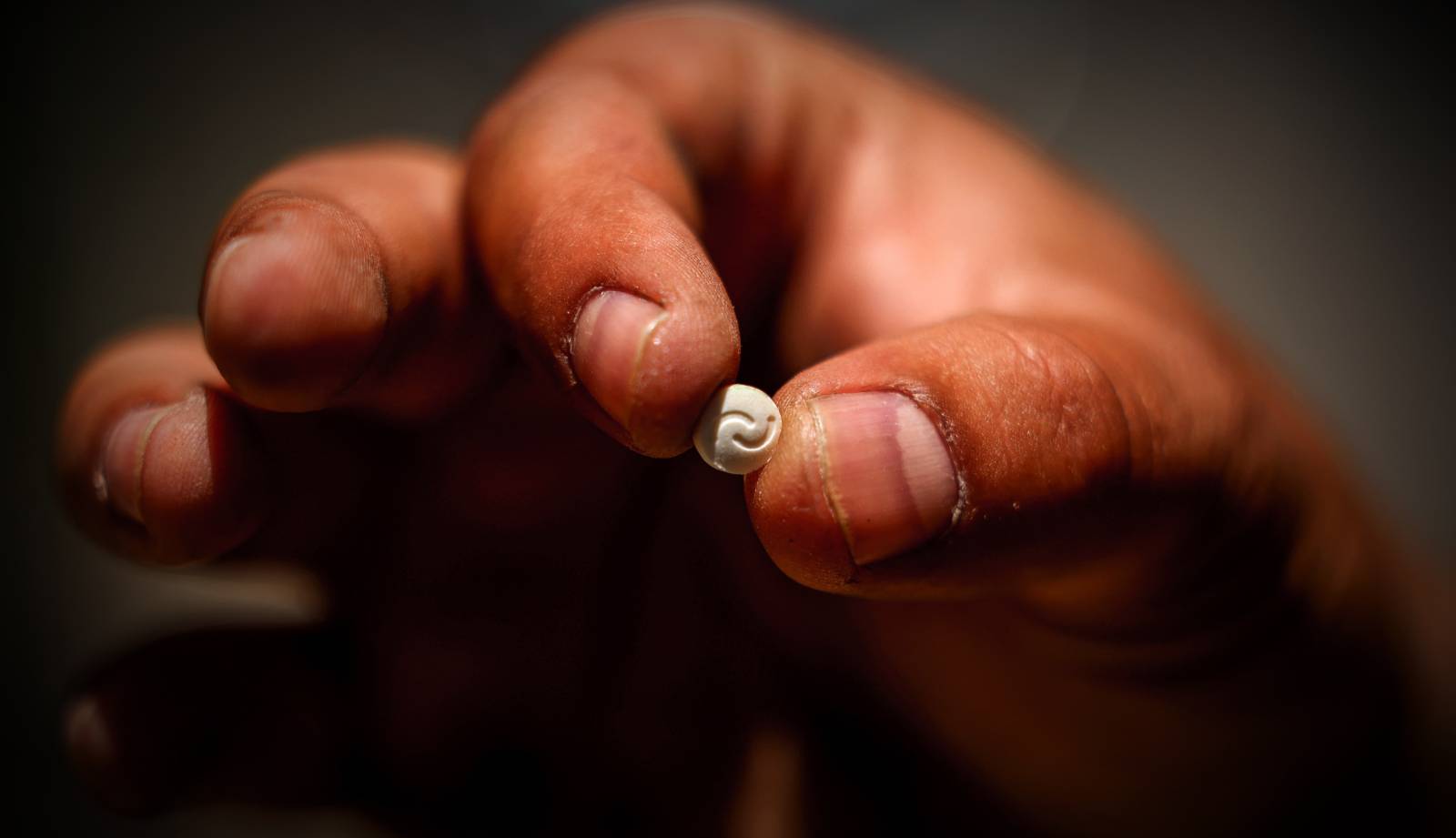
Deep within an industrial wasteland on the eastern bank of the Nile, three inconspicuous, half-finished buildings stand surrounded by a minefield. For months, residents were warned by Rapid Support Forces (RSF) fighters to avoid this walled compound. Inside, authorities discovered machinery and chemical products allegedly used to produce approximately 1,000 captagon pills per hour. This cheap, addictive amphetamine, popular among fighters and partygoers in the Middle East, has become a significant concern for Arab governments. The RSF reportedly distributes the drug to its fighters to enhance alertness and suppress hunger, while also selling it to civilians for profit. Until recently, Syria was the primary hub for captagon production. However, the fall of Bashar al-Assad’s government disrupted the industry, leading to the shutdown of numerous laboratories and smuggling routes. Despite this, Sudan’s ongoing conflict has provided fresh opportunities for captagon production. Earlier this year, the Sudanese Armed Forces (SAF) forced the RSF out of Khartoum and its surrounding areas, uncovering a captagon factory near the al-Jaili oil refinery in February. The facility contained five machines, two of which were operational at the time of discovery. Authorities also found pills bearing the double crescent symbol, a hallmark of illegal captagon production. The other machines were still in their packaging, suggesting the facility was in its early stages of operation. Shipping labels on the equipment indicated it was imported via a Dubai-based company, Amass Middle East Shipping Services, though the company did not respond to inquiries. The UAE has been accused of supplying arms to the RSF, though it denies these allegations. Experts noted the equipment’s similarity to that found in Syrian laboratories, raising concerns about a potential connection between Sudanese and Syrian criminal networks. The compound also contained hundreds of packets of white powder, labeled as veterinary supplements and electrolytes, though their contents remain under investigation. Sudanese police suspect the powder could be precursor materials for captagon production. The discovery of this factory follows earlier findings of captagon labs in Sudan, indicating a growing trend. Authorities are investigating whether the drug was being manufactured for export, given the lucrative Gulf market just across the Red Sea. The collapse of the Syrian captagon market has left a void, and Sudan appears to be filling it. Experts warn that the technical knowledge to produce captagon remains intact and could be redeployed elsewhere, posing a continued threat to regional security.
-
Post-Assad Syria reeling in waves of ethnic violence
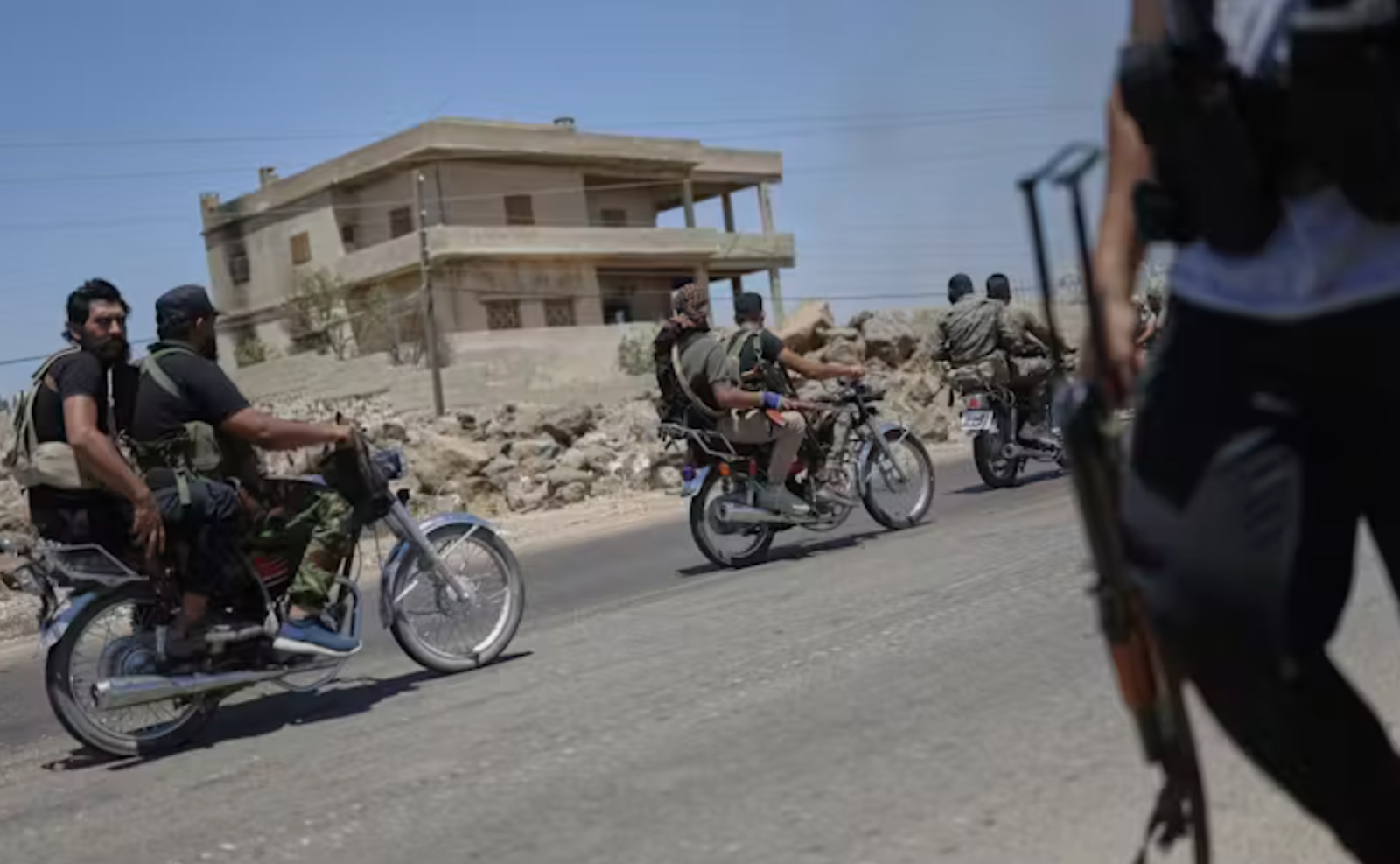
In July 2025, the southern Syrian province of Sweida became the epicenter of a deadly sectarian conflict between the Druze religious minority and Sunni Arabs, backed by government-affiliated forces. The clashes resulted in hundreds of casualties, prompting Israel to launch airstrikes in support of the Druze. This violence echoed the March 2025 massacres, where supporters of the former Assad regime targeted security units, leading to retaliatory killings of Alawites by militias aligned with the new Damascus government. Over 1,300 individuals, predominantly Alawites, were killed, with reports of entire families being executed. Despite government promises of investigations, extrajudicial killings, kidnappings, and home invasions persist, particularly against Alawites. The conflict underscores the deep-seated sectarian divisions in post-Assad Syria, where religious minorities like the Alawites and Druze face systemic marginalization and violence. While the new government seeks to project unity, its fractured control and the historical stigmatization of these groups continue to fuel instability. International efforts, including U.S.-brokered ceasefires and Israeli military support for the Druze, add further complexity to the region’s fragile political landscape.
-

Massive Attack, Kneecap and others form musician alliance against ‘silencing’ by pro-Israel groups
British band Massive Attack has spearheaded a coalition of musicians to combat what they describe as intimidation by pro-Israel groups within the music industry. The alliance, named ‘Ethical Syndicate Palestine,’ includes prominent acts such as Kneecap, Brian Eno, and Garbage. This initiative follows the release of a documentary by campaign group Led By Donkeys, which exposes the activities of UK Lawyers for Israel Ltd (UKLFI), accused of silencing pro-Palestine advocacy. According to Led By Donkeys, UKLFI has publicly rejected international law and targeted artists supporting Palestine. In a statement on Instagram, Massive Attack condemned the intimidation of pro-Palestine artists, emphasizing the need to protect emerging musicians from such pressures. They urged those affected by UKLFI’s actions to join the alliance. The documentary also highlights concerns about the weaponization of antisemitism, arguing that it undermines genuine efforts to combat anti-Jewish racism. Recent months have seen several controversies involving pro-Palestine artists in the UK, including cancellations of performances and legal actions. Kneecap, for instance, faces charges under the Terrorism Act for allegedly displaying a Hezbollah flag during a concert. The band denies the allegations, calling it ‘political policing.’ Meanwhile, artists like Imagine Dragons’ Dan Reynolds have publicly shown support for Palestine, signaling a growing trend of musicians taking a stand against Israeli actions in Gaza.
-
Thucydides trap averted: China speed, dodgy data and the Houthis
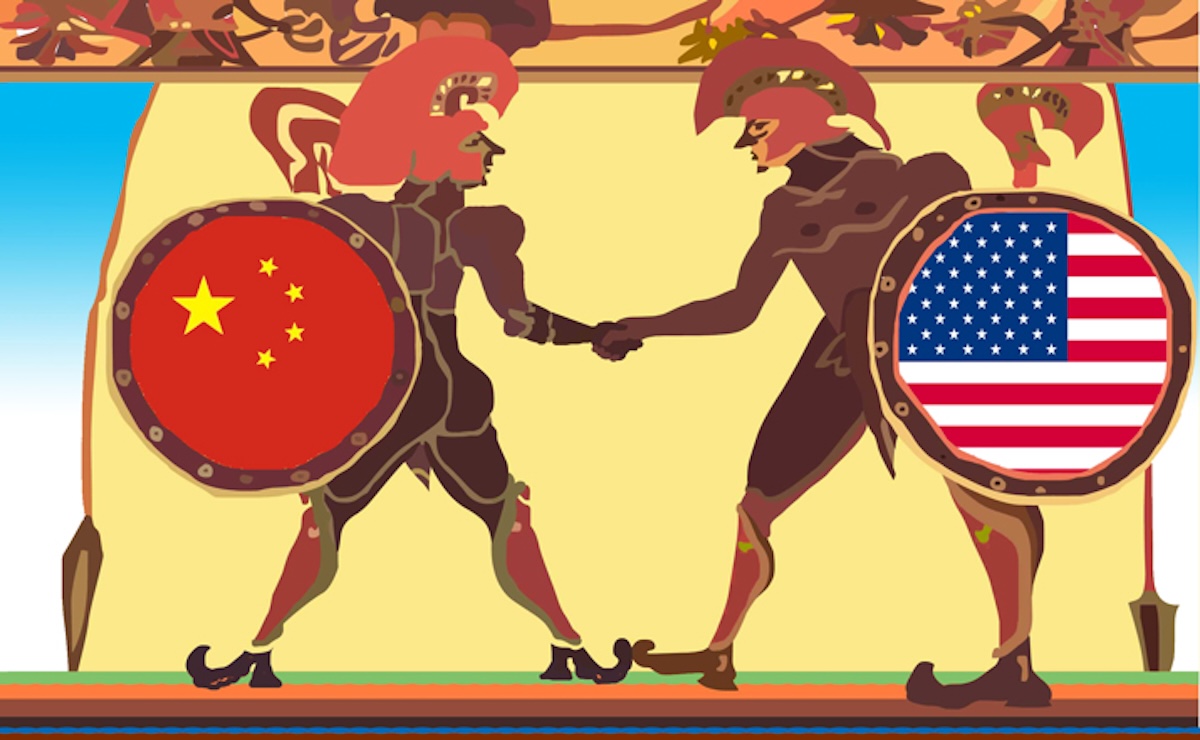
The 21st century has witnessed a seismic shift in global power dynamics, with China’s rapid ascent challenging traditional notions of military and economic dominance. The Thucydides Trap, a theory predicting inevitable conflict between a rising power and an established one, may have been averted due to China’s strategic maneuvers and the obsolescence of expeditionary navies. Recent events in the South China Sea, the Black Sea, and the Red Sea have demonstrated that traditional naval power is no longer the ultimate arbiter of global influence. China’s focus on building airstrips, missile sites, and naval bases in the South China Sea has extended its maritime security perimeter, while its anti-ship ballistic missiles (ASBMs) have rendered US carrier strike groups (CSGs) ineffective. The US Navy’s inability to respond decisively to challenges in the Red Sea and the South China Sea has exposed its limitations, leading to a reevaluation of alliances and strategies. Japan, South Korea, and other nations are increasingly realigning with China, recognizing its economic and technological prowess. China’s manufacturing sector, scientific output, and human capital pipeline have surpassed those of the US, solidifying its position as the established power. As nations adapt to this new reality, the speed of realignment will be astonishing, potentially benefiting all involved and allowing the US to focus on domestic recovery after decades of global hegemony.