标签: Asia

亚洲

  • Dubai’s outer zones: The new frontier of ultra-luxury living

    Dubai’s outer zones: The new frontier of ultra-luxury living

    Dubai’s luxury real estate landscape is undergoing a profound transformation as affluent buyers increasingly prioritize expansive spaces, enhanced privacy, and wellness-focused communities over central urban locations. This paradigm shift has propelled outer-zone developments like Jumeirah Islands 2.0, Dubai South’s villa enclaves, and private-island-style compounds into the forefront of premium residential offerings.

    According to industry experts, today’s high-net-worth individuals—particularly international families establishing long-term residency—are driving demand for properties that function as personal sanctuaries rather than status symbols. Andrew Elliott, Director of Commercial Agency at Chestertons Mena, notes that ‘buyers seek privacy, spacious plots, and lifestyle-led communities that central districts cannot provide.’

    Developers have responded with masterplanned communities that integrate nature, wellness amenities, and strategic connectivity. Rui Liu, Chairman of LEOS Developments, emphasizes that ‘ultra-high-net-worth buyers are no longer willing to trade lifestyle for location,’ highlighting how outer zones now offer ‘land, light, and true breathing space’ unavailable in central districts.

    Dubai South has emerged as a strategically significant residential zone, bolstered by infrastructure developments including the expansion of Al Maktoum International Airport and the evolution of Expo City. Elie Naaman, CEO of Ellington Properties, observes that these districts ‘are maturing into well-designed neighborhoods with the space and serenity today’s homeowners value.’

    The appeal of waterfront living has also expanded beyond traditional hotspots. Blagoje Antic of DHG Holding notes that demand for ultra-luxury waterfront homes is ‘increasingly shifting toward outer zones’ where developers deliver unprecedented exclusivity. Projects like Palm Jebel Ali and Dubai Islands have recorded billions in sales, offering private beachfront plots, lagoon views, and resort-style amenities.

    Connectivity remains a crucial factor in making peripheral living practical. Proximity to major highways and international airports allows residents to enjoy tranquil surroundings while maintaining access to urban centers and global travel networks. This combination of seclusion and accessibility represents Dubai’s new blueprint for luxury living, redefining the very concept of premium real estate in the region.

  • Japanese scholar condemns Japan’s risky defense spending

    Japanese scholar condemns Japan’s risky defense spending

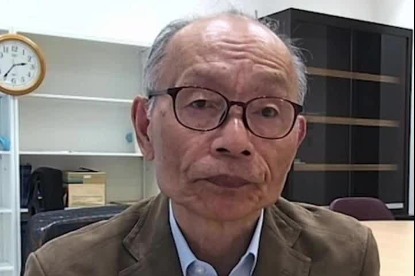
    A prominent Japanese academic has issued a stern warning about his country’s rapidly expanding military ambitions, citing alarming defense expenditure increases and provocative political rhetoric. Professor Emeritus Atsushi Koketsu of Yamaguchi University recently revealed in an exclusive China Daily interview that Japan’s military budget for fiscal year 2025 will surpass 10 trillion yen (approximately $64.14 billion) – a historic threshold that signals a dramatic shift in the nation’s security posture.

    This substantial financial commitment, Koketsu argues, will primarily facilitate the acquisition of advanced offensive weapon systems rather than defensive capabilities. The professor contends that Japan is dangerously reviving pre-war militaristic tendencies by persistently fabricating external threats from neighboring nations. This approach, he warns, demonstrates a concerning disregard for historical lessons and represents a potential return to past errors that previously led to regional conflict.

    The academic’s critique extends to Prime Minister Sanae Takaichi’s recent controversial statements regarding Taiwan, which Koketsu interprets as evidence of Japan’s increasingly confrontational stance toward China. These developments, according to the scholar, collectively pose a genuine threat to stability and security throughout the Asia-Pacific region. The combination of heightened military spending, offensive weapons procurement, and inflammatory political rhetoric creates a volatile mix that could undermine decades of relative peace and cooperation.

    Koketsu’s analysis suggests that Japan is systematically abandoning its post-war pacifist constitution principles in favor of a more assertive military doctrine. This strategic pivot occurs amid ongoing regional tensions and reflects broader geopolitical realignments that could have far-reaching consequences for international relations and security architectures in East Asia.

  • Lionel Messi reaches New Delhi, football icon’s final pit stop in India

    Lionel Messi reaches New Delhi, football icon’s final pit stop in India

    Football icon Lionel Messi arrived in New Delhi on Monday, marking the final destination of his extensively anticipated ‘GOAT India Tour’ 2025. The Argentine World Cup champion’s arrival was managed under stringent security protocols following a series of successful appearances across the country.

    The Delhi leg concludes a multi-city tour that previously visited Kolkata, Hyderabad, and Mumbai. While the Kolkata event encountered organizational challenges, the Hyderabad and Mumbai segments proceeded flawlessly, drawing massive crowds and generating tremendous excitement among Indian football enthusiasts.

    Outside Arun Jaitley Stadium, fervent supporters created an electric atmosphere with continuous chants of ‘Messi, Messi’ while displaying commemorative posters of their sporting hero. Saurab Aggarwal, one dedicated fan, revealed to ANI that he had been anticipating this moment for nearly a decade since Messi’s previous visit in 2011: ‘We were planning this day for the last 3-4 months. We’ve been waiting for this day for a decade and are incredibly excited to be here.’ Another admirer expressed even stronger emotions, stating: ‘It feels like we are about to see God.’

    The tour’s previous stop in Mumbai featured spectacular events at Wankhede Stadium where Messi appeared alongside fellow football stars Luis Suarez and Rodrigo De Paul. The evening commenced with dynamic performances by renowned Indian DJ Chetas, who energized the crowd with popular music selections complemented by vibrant cultural dance presentations.

    A highlight included an exhibition match between Indian Stars (featuring actor Tiger Shroff and Jim Sarbh alongside player Bala Devi) and Mitra Stars, captained by Indian football legend Sunil Chhetri with his Bengaluru FC teammates. Messi created unforgettable moments by kicking footballs into spectator areas and presenting Chhetri with a personally signed Argentina jersey.

    The Mumbai event concluded with significant ceremonial exchanges as Maharashtra Chief Minister Devendra Fadnavis honored Messi with a commemorative gift. In a historic cross-sports moment, cricket icon Sachin Tendulkar presented Messi with an official Team India jersey, symbolizing the mutual respect between two sporting legends from different disciplines.

  • A date with Shandong: Symphony of life in Yellow River Delta

    A date with Shandong: Symphony of life in Yellow River Delta

    The Yellow River Delta in Dongying, Shandong province, reveals itself as a breathtaking ecological marvel where vast reed marshes, glistening wetlands, and spectacular migratory bird formations create a vibrant tapestry of life. This region represents one of China’s most significant natural habitats, where the delicate balance between river ecosystems and biodiversity flourishes.

    Through the perspective of Joe Burns, a foreign expert with China Daily Website, readers experience an intimate journey along the Yellow River’s meandering pathways. His observations capture the mesmerizing spectacle of avian migrations against expansive skies, highlighting the area’s critical role as a sanctuary for numerous bird species. The narrative transforms from mere geographical description to a profound meditation on nature’s harmonious rhythms.

    This immersive account transcends conventional travel writing by framing the delta as a living symphony—where wingbeats compose melodic patterns, waterways provide rhythmic foundation, and the sheer wonder of undisturbed nature creates emotional crescendos. The coverage emphasizes conservation achievements while illustrating how protected wetlands serve as vital waystations for international migratory routes, positioning Shandong’s wilderness as both regional treasure and global ecological asset.

  • Sudan witnesses burial of 15,000 bodies across Khartoum state

    Sudan witnesses burial of 15,000 bodies across Khartoum state

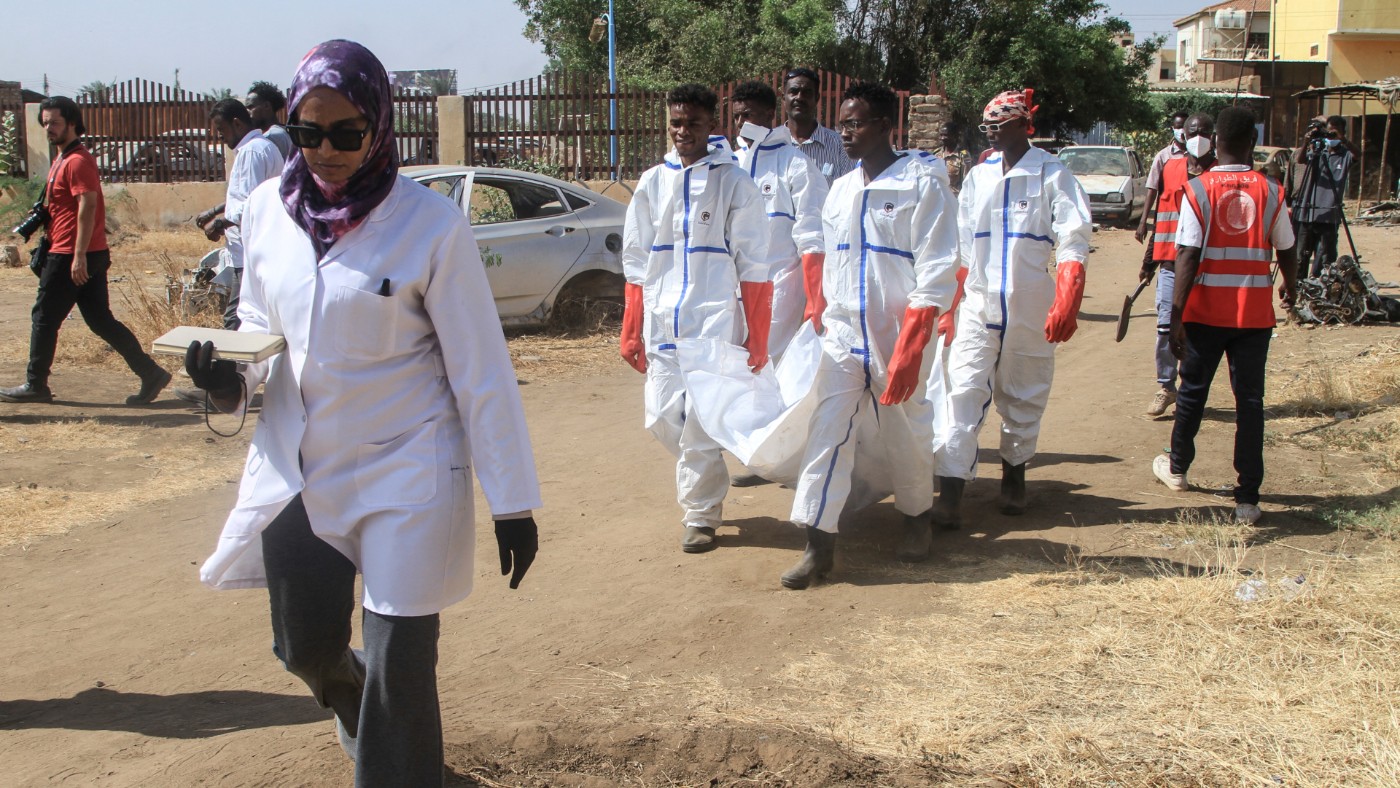
    In a solemn and extensive operation, Sudan’s Forensic Medicine Authority has managed the retrieval, transport, and formal interment of approximately 15,000 corpses from various locations across Khartoum state since April 2024. These remains, initially buried hastily by civilians under coercion or discarded in mass graves by the paramilitary Rapid Support Forces (RSF), have now been relocated to official burial grounds.

    An official from the Khartoum state health ministry, speaking to the Sudan Tribune, outlined the objective to complete the transfer of all bodies buried outside designated cemeteries by mid-2026. The source detailed how the RSF, which held control over much of the capital and its environs from the war’s outset in April 2023 until March 2025, compelled residents to bury their dead in residential areas, neighborhoods, and even school grounds. Civilians from Khartoum and its adjoining cities, Omdurman and Bahri, reported that accessing cemeteries was impossible due to intense and persistent combat.

    This large-scale body recovery campaign, initiated in March 2024 with support from charities like the Red Crescent, addresses the severe humanitarian consequences of the conflict. State authorities emphasized that the RSF’s blockade of traditional cemeteries forced citizens to use public squares, mosques, schools, and private homes as impromptu gravesites.

    Disturbing discoveries continue to surface. In June 2025, Sudanese army Brigadier al-Rayah Dafallah reported to Middle East Eye (MEE) that corpses were being found in highly unusual places, including buried beneath house floors. An MEE investigation of a university morgue, repurposed by the RSF as a base, revealed three tanks containing around 20 severely decomposed bodies.

    The crisis extends beyond the capital. Satellite imagery analyzed by Yale’s Humanitarian Research Lab has confirmed the existence of mass graves in el-Fasher, the capital of North Darfur, which was seized by the RSF in late October. Accounts from survivors describe horrific scenes of people buried alive, streets littered with corpses, and bodies unceremoniously dragged into squares using bedding materials.

    Both warring factions—the RSF and the Sudanese Armed Forces (SAF)—face accusations of atrocities. The RSF, which receives backing from the United Arab Emirates, stands additionally accused of committing genocide against non-Arab communities in Darfur, a charge it vehemently denies.

    No precise official death toll exists, but estimates from humanitarian organizations on the ground are staggering. As early as October 2024, Islamic Relief CEO Waseem Ahmad suggested the figure could be as high as 200,000, highlighting the immense human cost of the ongoing war.

  • Ranveer Singh shares cryptic note amid ‘Dhurandhar’ success

    Ranveer Singh shares cryptic note amid ‘Dhurandhar’ success

    Bollywood superstar Ranveer Singh has captivated both audiences and social media followers by sharing a philosophical reflection on destiny and perseverance during the phenomenal box office performance of his latest cinematic venture, ‘Dhurandhar.’

    Through his Instagram platform, Singh posted a contemplative message in Hindi that translates to: ‘Fate possesses a remarkably beautiful habit of transforming when the appropriate moment arrives. However, for the present time, I am embracing faith and patience.’ This cryptic communication arrives as his recently released spy thriller continues to shatter financial records across Indian theaters.

    The film’s commercial achievement has been particularly noteworthy during its second Saturday screening, a crucial indicator of cinematic success within the industry. ‘Dhurandhar’ has demonstrated exceptional performance by surpassing the comparable earnings of several other major productions including ‘Chhaava,’ ‘Stree 2,’ ‘Animal,’ ‘Gadar 2,’ ‘Jawan,’ and ‘Saiyaara.’

    Directed by acclaimed filmmaker Aditya Dhar, ‘Dhurandhar’ presents an intense narrative centered on an undercover intelligence operative who infiltrates a dangerous criminal syndicate. The project draws inspiration from actual historical events and features an ensemble cast including established performers Akshaye Khanna, Arjun Rampal, R Madhavan, Sanjay Dutt, and emerging talent Sara Arjun in significant roles.

    The production company has officially confirmed that the story will continue with ‘Dhurandhar Part Two,’ scheduled for theatrical release on March 19, 2026, indicating strong confidence in the franchise’s ongoing commercial potential and audience appeal.

  • US Jewish groups urge heightened security at public events after Hanukkah attack in Australia

    US Jewish groups urge heightened security at public events after Hanukkah attack in Australia

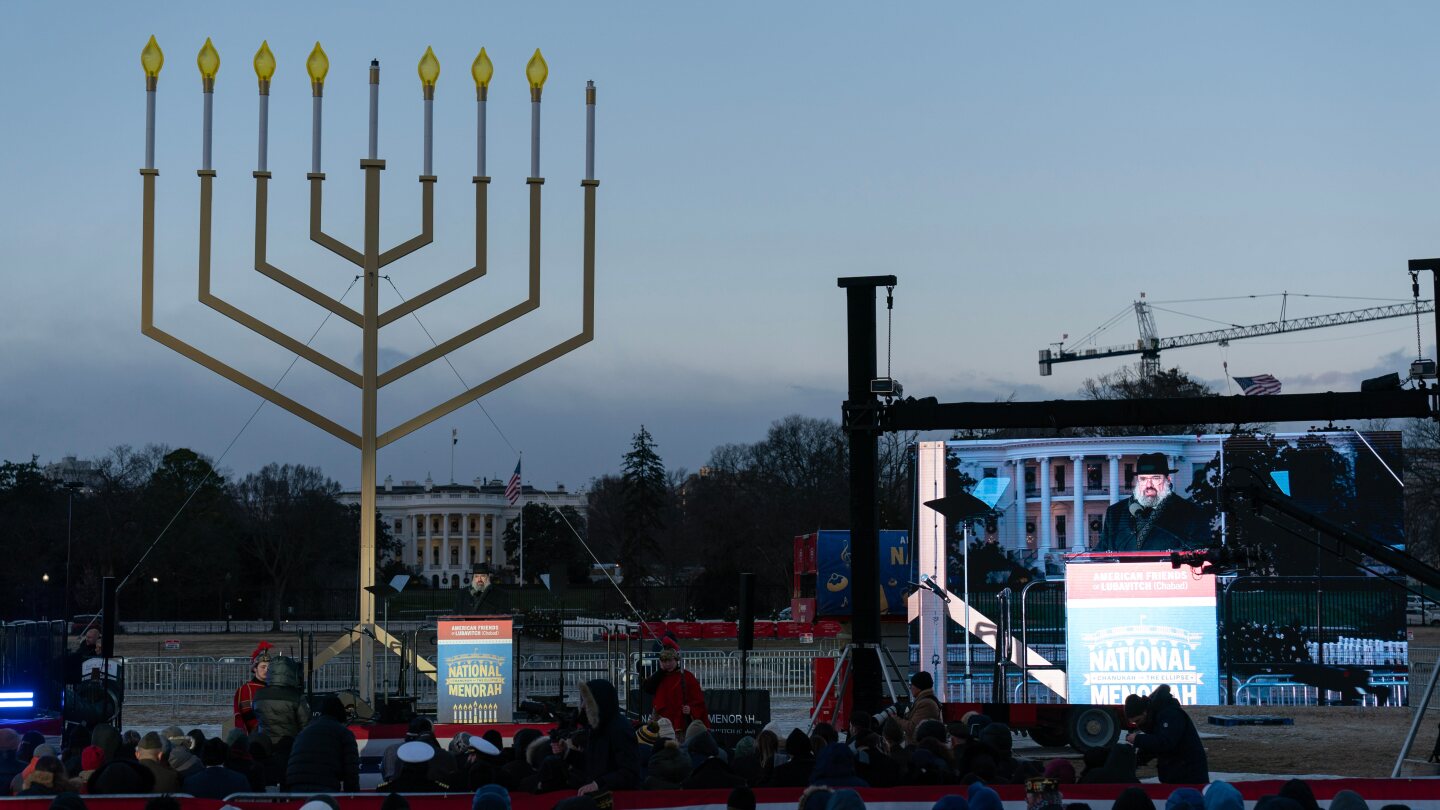
    In response to the lethal mass shooting targeting a Hanukkah celebration on Sydney’s Bondi Beach, prominent Jewish organizations across the United States are implementing enhanced security protocols for public gatherings. Three specialized security groups have jointly recommended that upcoming Jewish events adopt strict access controls, permitting entry exclusively to pre-screened individuals who completed advance registration.

    The security advisory emphasizes that event details including location and timing should only be disclosed upon confirmed registration, with physical access controls established to verify attendees. This coordinated security response emerges alongside declarations from rabbis nationwide affirming their commitment to proceed with large-scale celebrations as demonstrations of community resilience.

    Temple Beth Sholom, among Miami’s largest synagogues, publicly encouraged members to embrace “Jewish joy, communal strength, and courageous hope” by participating in Hanukkah festivities. This sentiment echoes globally, with Chabad centers maintaining thousands of scheduled public menorah lightings while implementing additional security precautions.

    Rabbi Jeffrey Myers of Pittsburgh’s Tree of Life Congregation, who survived the 2018 antisemitic attack that killed eleven worshippers, emphasized Hanukkah’s symbolic significance: “In the face of antisemitism and violence, my prayer is that we don’t let the fear win but instead lean into our Jewishness and practice our tradition proudly.”

    The Sydney attack, which claimed at least fifteen lives including Assistant Rabbi Eli Schlanger, has intensified scrutiny regarding governmental responses to rising antisemitic crimes. Australian authorities have pledged to review existing firearm regulations following the targeted assault.

    Rabbi Rick Jacobs of the Union for Reform Judaism articulated the complex tension between security concerns and religious expression: “We need to be smart about security and protecting ourselves and our fellow Jews… But our Jewish community will not go into hiding. We are proud Jews and will remain so even as we make the security of our Jewish community a primary obligation.”

    This balancing act reflects historical Jewish practices, with Jacobs noting that Talmudic teachings traditionally permit moving menorahs from windows during times of danger. Nevertheless, Alon Shalev of Jerusalem’s Shalom Hartman Institute advocates for increased public visibility: “When Jews are attacked for being visibly Jewish, the instinct to retreat is understandable — but it is precisely the wrong response. Jewish safety in democratic societies depends on open, shared civic affirmation.”

  • Verdict on Jimmy Lai is reached strictly in accordance with law and evidence: HKSAR govt

    Verdict on Jimmy Lai is reached strictly in accordance with law and evidence: HKSAR govt

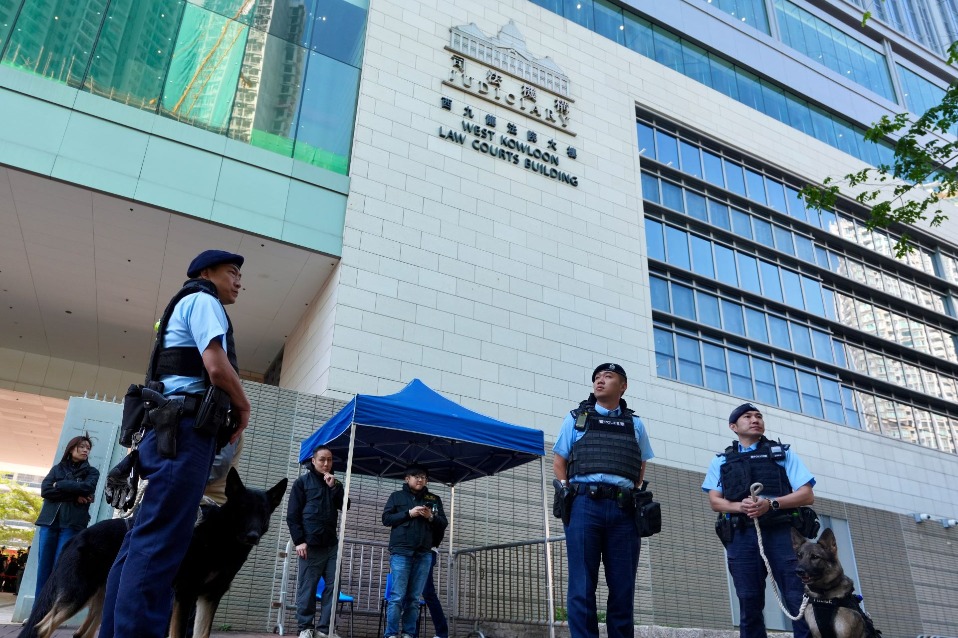
    The Hong Kong Special Administrative Region (HKSAR) government has formally affirmed that the judicial verdict in the national security case against media proprietor Jimmy Lai was determined exclusively through strict legal procedures and evidentiary standards. In an official statement released Monday, a government spokesperson emphasized that the court’s decision demonstrates rigorous adherence to judicial independence, completely free from external interference or political considerations.

    Lai, identified by authorities as a key instigator of anti-China disturbances in Hong Kong, was convicted on three distinct charges: two counts of conspiring to collude with external forces and one count of conspiracy to publish seditious materials. The court specifically clarified that the conviction was not influenced by Lai’s political perspectives or beliefs, but rather by his unlawful actions.

    HKSAR Chief Executive John Lee characterized the verdict as a clear manifestation of legal justice and the reinforcement of Hong Kong’s core values. He asserted that national security laws cannot be violated under the pretext of human rights, democracy, or freedom, emphasizing that the government remains steadfast in its constitutional duty to combat all activities that endanger national security.

    The government statement addressed what it described as deliberate misinformation campaigns from Western powers, particularly the United States, regarding Lai’s case. Officials specifically rejected attempts to frame the prosecution as an attack on press freedom, noting that Hong Kong’s legal framework—including the Basic Law and Hong Kong Bill of Rights Ordinance—continues to protect journalistic and speech freedoms. The spokesperson clarified that Lai’s activities involved using media operations as camouflage for actions damaging to both national and Hong Kong interests.

    Regarding Lai’s treatment during detention, authorities confirmed he received comprehensive medical care and appropriate religious accommodations. The government concluded by acknowledging persistent national security risks and reaffirming its commitment to safeguarding national sovereignty through the continued implementation of Hong Kong’s national security legal framework.

  • Healthcare, AI, education and space set to lead Japan and UAE bilateral ties

    Healthcare, AI, education and space set to lead Japan and UAE bilateral ties

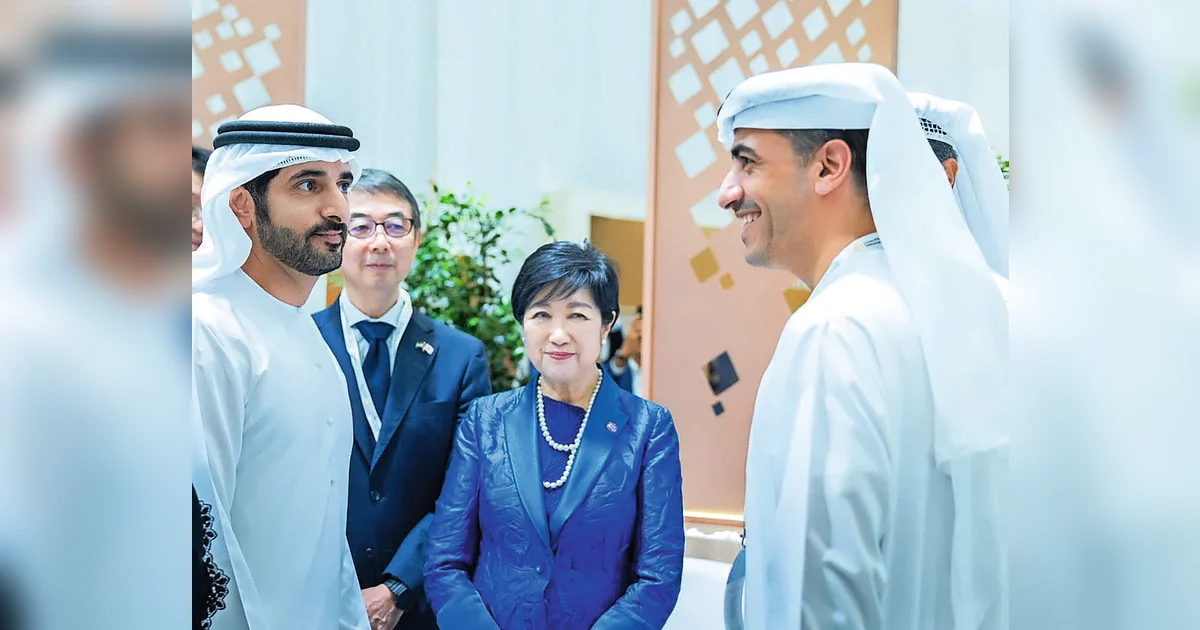
    Japan and the United Arab Emirates are embarking on a transformative bilateral partnership, with advanced negotiations underway for a comprehensive Economic Partnership Agreement (EPA). This strategic alignment aims to deepen cooperation across cutting-edge sectors including artificial intelligence, healthcare innovation, space exploration, and education reform.

    Jun Imanishi, Consul-General of Japan in Dubai and the Northern Emirates, revealed that both nations are leveraging their unique strengths under the Comprehensive Strategic Partnership Initiative (CSPI). “Japan represents a global hub for technological development offering exceptional investment opportunities within a secure environment,” Imanishi stated, emphasizing the country’s skilled, process-driven workforce and stable political landscape.

    The partnership architecture extends beyond traditional economic ties. In healthcare, collaboration focuses on addressing shared challenges through advanced medical technologies and Japanese expertise in disease prevention. The AI partnership targets societal issues including aging populations and physical disabilities, with joint research initiatives already underway between the Japan Science and Technology Agency and Dubai Future Foundation in cybernetic avatars.

    Space exploration emerges as another critical dimension, building upon existing cooperation in renewable energy and sustainability. The upcoming International Horticultural Exposition (GREEN×EXPO 2027) in Yokohama will further showcase joint environmental initiatives.

    Investment flows are receiving significant impetus through Japan’s Programme for Promotion of Foreign Direct Investment, which targets 120 trillion yen ($810 billion) by 2030. The UAE’s extensive network of over 40 free zones—30 in Dubai alone—provides ideal infrastructure for Japanese companies seeking Middle Eastern market access. Currently, more than 300 Japanese corporations maintain regional headquarters in Dubai and the Northern Emirates.

    Cultural and educational exchanges form the foundation for long-term relationship building. Youth exchange programs between Tokyo and UAE schools continue to expand, while relaxed visa regulations now permit UAE citizens 90-day stays in Japan. Artistic collaborations include innovative exhibitions blending traditional Japanese arts like ikebana, koto performances, and calligraphy with modern technologies.

    The partnership demonstrates how nations with complementary strengths can create synergistic growth models while addressing global challenges through technological innovation and cultural exchange.

  • Emirati, Indian winners take home Dh500,000 in weekly Big Ticket draw

    Emirati, Indian winners take home Dh500,000 in weekly Big Ticket draw

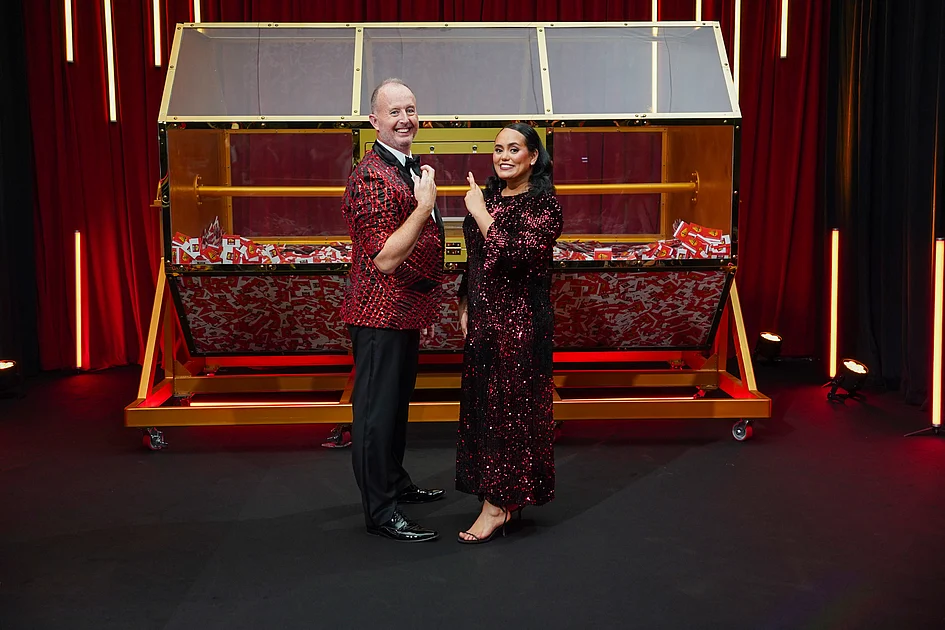
    In the second weekly electronic draw of December, Big Ticket has distributed Dh500,000 among five fortunate winners comprising one Emirati national and four Indian expatriates. Each recipient secured Dh100,000, sparking celebrations across the UAE and beyond.

    The winners’ circle includes Ali Alkaabi from Abu Dhabi, who expressed sheer delight during the live announcement call, though he hasn’t finalized plans for his windfall. Among the Indian winners, computer educator Ritesh Dhanak revealed he initially suspected the winning notification was fraudulent after 15 years of consistent participation. The Dubai resident of three decades intends to allocate his prize toward family vacations and his daughter’s educational expenses.

    Finance analyst Ajay Kumar, another winner from Kerala, recognized the distinctive voice of Big Ticket’s representative Richard during the fateful call while driving. Kumar’s winning ticket was part of a ten-person syndicate, meaning each member will receive Dh10,000. Meanwhile, civil engineer Shakil Ahmad Nazrul Haque, residing in Fujairah, plans to immediately transfer his winnings to family in Bihar, India, to commence construction of a new home.

    The December series continues with three additional weekly e-draws, maintaining the Dh100,000 per winner structure and accumulating a total prize pool of Dh1.5 million. The organization has also announced its flagship January 3 live draw featuring a monumental Dh30 million grand prize alongside consolation awards of Dh50,000 for five runners-up.

    A special ‘Big Win Contest’ offers additional opportunities for participants purchasing multiple tickets between December 1-24, with four selected entrants guaranteed prizes ranging from Dh50,000 to Dh150,000 during the January live event. Luxury vehicles including a BMW 430i (January) and BMW X5 (February) complement the substantial cash prizes.

    Ticket acquisition remains available through Big Ticket’s official website and physical counters at Zayed International Airport and Al Ain Airport, maintaining accessibility for international participants and UAE residents alike.