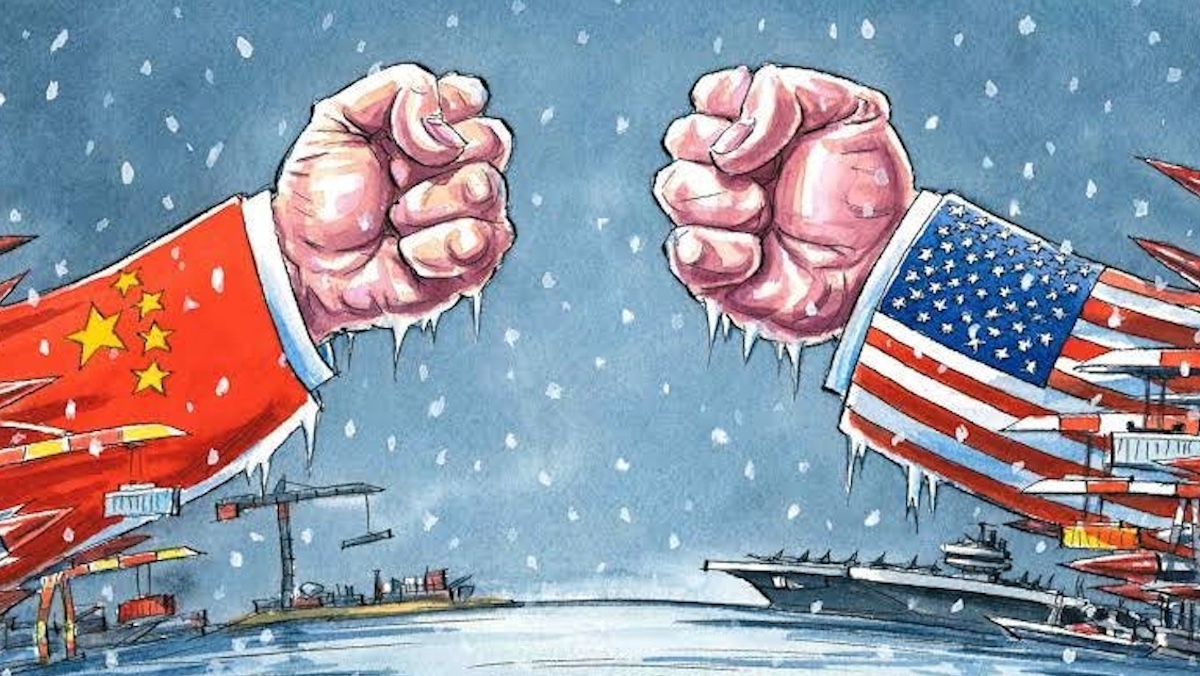
The global community, particularly the United States, is grappling with two pressing questions regarding China: the extent of its military industrial production capacity and the true cost of its weaponry. China’s industrial prowess is unparalleled, boasting an independent and self-sufficient production line that outpaces global competitors in both speed and volume. However, the cost of Chinese weapons remains a contentious issue. While some experts argue that China’s expenses are a fraction of those in the U.S., others remain skeptical, pointing to the complexities of cost calculations, including incentives and operational details. If China’s costs are significantly lower, it could pose a substantial challenge to the U.S.; if they are comparable or higher, China might face its own set of difficulties. The stakes are high, as these factors could influence the trajectory of an arms race reminiscent of the Cold War era. China’s strategy appears to leverage low production costs and technological advancements to gain market share and create trade surpluses. This approach, coupled with a potential reverse Reagan-like strategy, aims to deter U.S. confrontation. However, this could also incite backlash from Americans and other nations. The dynamics of this new Cold War differ from the Soviet era, as China’s ideology does not inherently threaten private wealth, instead promising to enrich capitalists. This subtle distinction has garnered support from global financiers, who operate under the protective wing of the Chinese leadership. The U.S., meanwhile, seems unprepared for a full-scale confrontation, as evidenced by its tepid responses and strategic retreats. The absence of American leadership could lead to increased regional tensions, particularly in Asia, where countries may need to manage their relations with China independently. The evolving geopolitical landscape underscores the potential for a significant shift in global power dynamics, with China poised to capitalize on America’s perceived vulnerabilities.
标签: Asia
亚洲
-
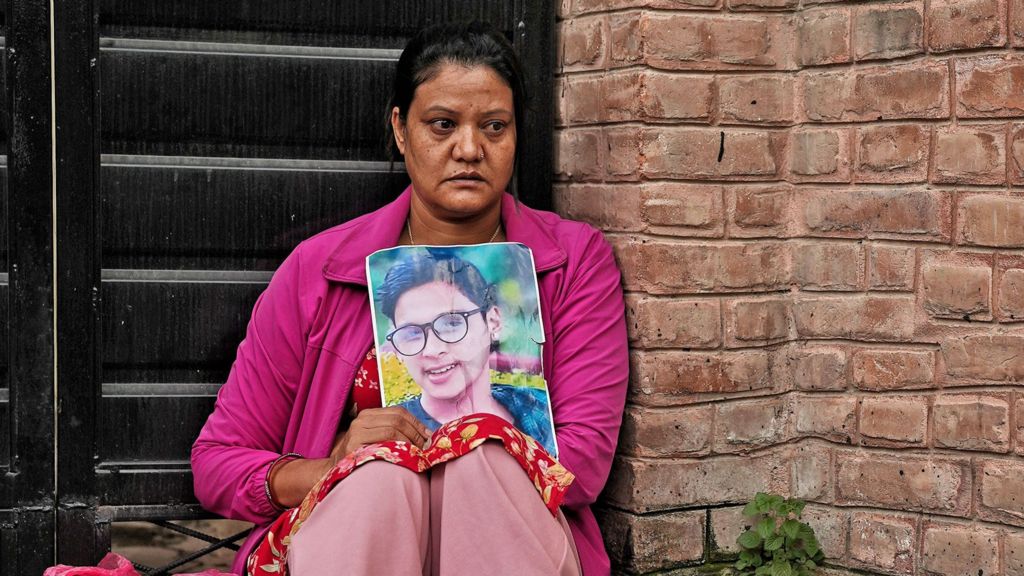
They were shot dead for protesting against corruption in Nepal
Nepal has been plunged into chaos following violent anti-corruption protests that erupted last week, resulting in the deaths of over 70 people and leaving more than 1,000 injured. The unrest, initially sparked by a government-imposed social media ban, quickly escalated into a broader movement against systemic corruption, culminating in the resignation of Prime Minister KP Sharma Oli and the toppling of his government.
Among the victims was 21-year-old Sulov Shrestha, whose father, Narendra Shrestha, is demanding accountability for his son’s death. ‘If they can shoot my son, then I and his mother also want to die. Who will we live for now?’ he lamented outside the mortuary of Tribhuvan University Teaching Hospital in Kathmandu. Sulov was one of many young lives tragically cut short—others included aspiring judges, students, and language learners.
The protests, which began on September 8, saw thousands of demonstrators, many from Generation Z, gather near Nepal’s parliament. The government’s decision to ban platforms like Facebook, X, and YouTube, citing concerns over fake news and online fraud, was met with widespread outrage. Protesters accused the government of attempting to silence dissent, and the demonstrations quickly turned violent. Crowds set fire to government buildings, including parliament, even after the Prime Minister’s resignation.
Police have been accused of using excessive force, with reports of both rubber bullets and live ammunition being fired into crowds. Dr. Santosh Paudel of Bir Hospital noted that many patients suffered ‘sharp rifle injuries,’ contradicting official claims that only rubber bullets were used. The interim government, led by former Chief Justice Sushila Karki, now faces the daunting task of restoring public trust and investigating the violence. Karki has pledged fresh elections for March 2026, but her administration’s first test will be ensuring accountability for the deadly crackdown.
Families of the victims, like Rasik KC, whose nephew Rashik Khatiwada was shot twice in the chest, are demanding justice. ‘We want accountability,’ KC said, echoing the sentiments of many who have lost loved ones. As Nepal grapples with the aftermath of this tragedy, the international community watches closely, hoping for a peaceful resolution to the crisis.
-
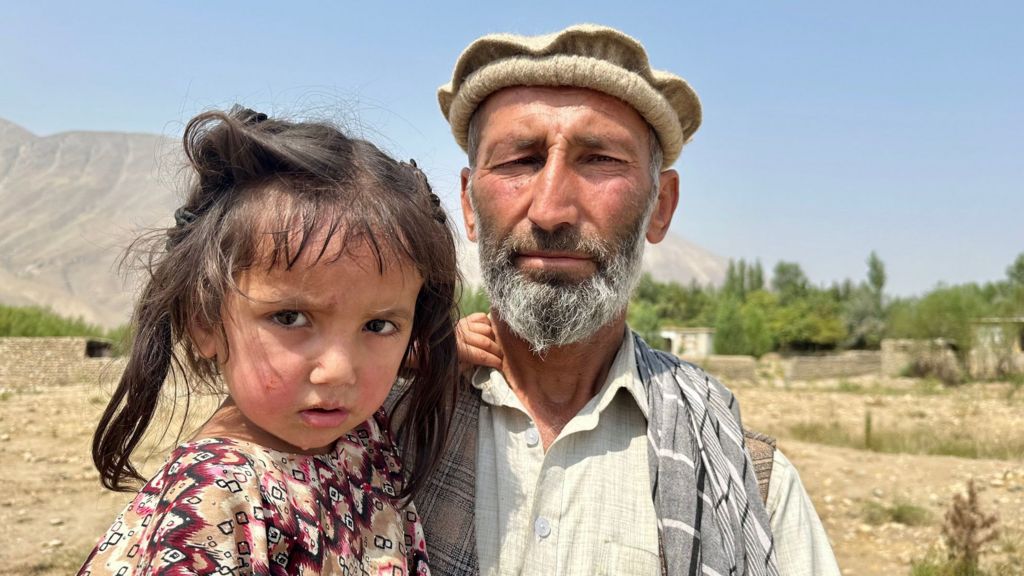
‘My wife died giving birth after Trump cut funding to our clinic’
In the remote village of Shesh Pol in Afghanistan’s Badakhshan province, the closure of a once-vital maternity clinic has left families like Abdul and Shahnaz’s in despair. When Shahnaz went into labor, Abdul rushed her to the clinic where their two older children were born, only to find it shuttered. With no alternative medical facility within reach, Shahnaz delivered their baby girl in a taxi by the roadside. Tragically, both mother and child died shortly after due to severe bleeding. This heart-wrenching story is emblematic of a broader crisis unfolding across Afghanistan, where over 400 medical facilities have closed following the Trump administration’s abrupt decision to cut nearly all U.S. aid to the country earlier this year. The Shesh Pol clinic, a modest single-story structure with USAID posters still adorning its peeling walls, was a lifeline for pregnant women in a region plagued by historically high maternal mortality rates. Its closure has left countless women without access to essential healthcare, forcing them to endure perilous journeys to overcrowded hospitals or risk giving birth at home without medical assistance. The U.S. government justified the aid cuts by citing concerns that funds were benefiting terrorist groups, including the Taliban. However, the Taliban denies these allegations, claiming that aid is distributed through the UN and NGOs without government involvement. The consequences of these cuts are dire: maternal and newborn deaths have surged, and the few remaining healthcare facilities are overwhelmed. In Faizabad’s regional hospital, patients are crammed three to a bed, and funding has been slashed by nearly 70%. The Taliban’s restrictions on women’s education, including bans on midwifery training, have further exacerbated the crisis, leaving Afghanistan’s women and children in a precarious state. As the international community turns its back, the right to health and life for Afghan women hangs in the balance.
-
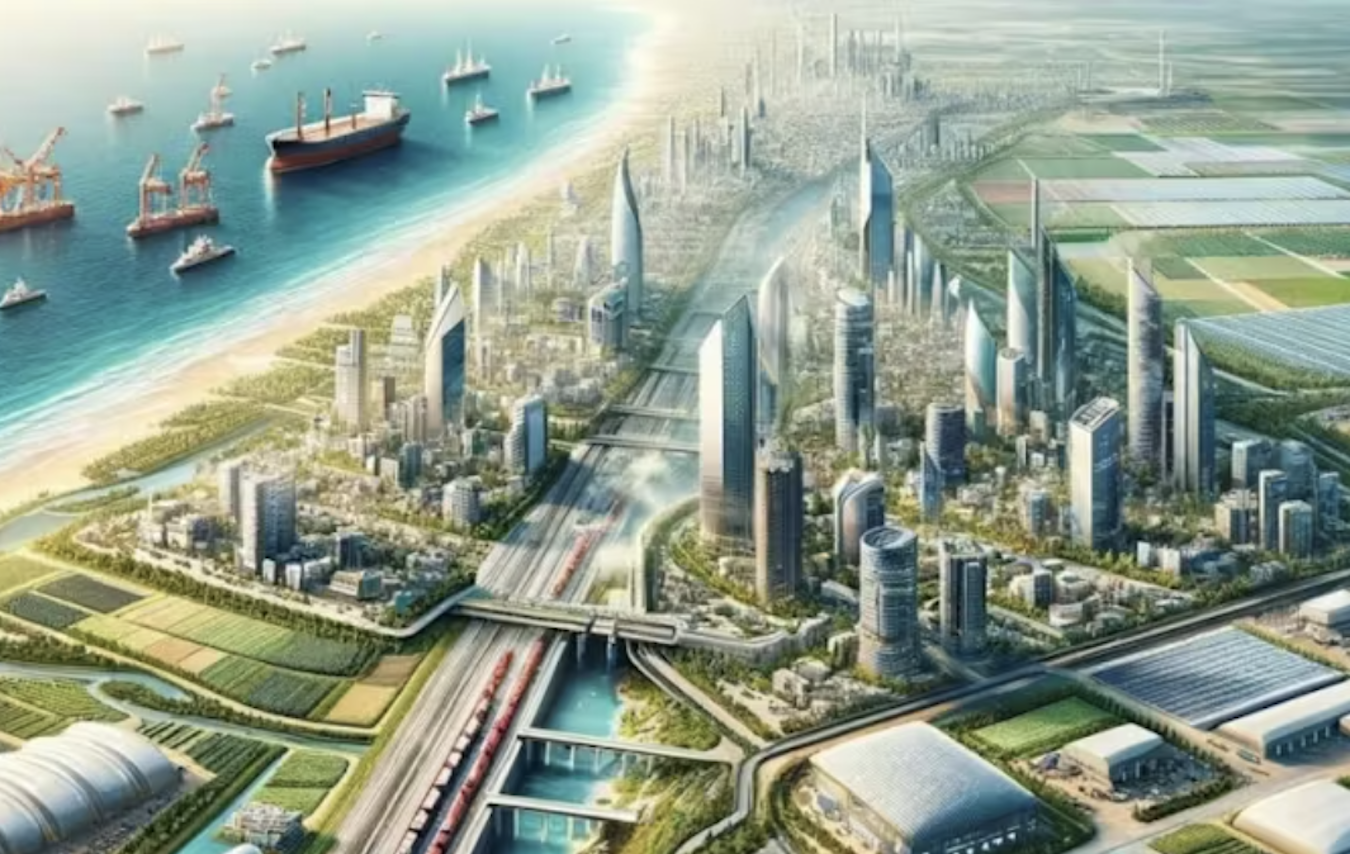
If Donald Trump gets his disaster capitalism way in Gaza
Gaza, a region devastated by conflict, lies in ruins with entire neighborhoods destroyed and hundreds of thousands of residents crammed into tents, struggling for basic necessities like food, water, and power. Amid this humanitarian crisis, a leaked 38-page document from the Trump administration, titled the Gaza Reconstitution, Economic Acceleration and Transformation (Great) Trust, proposes a radical plan to “fundamentally transform Gaza” by integrating it into the India–Middle East–Europe Economic Corridor (Imec).
The plan, framed as a reconstruction effort, emphasizes “massive US gains” and the acceleration of Imec, while consolidating an “Abrahamic regional architecture”—a reference to the 2020 Abraham Accords that normalized relations between Israel, the UAE, and Bahrain. This vision aligns closely with Israeli Prime Minister Benjamin Netanyahu’s “Gaza 2035” proposal, which envisions Gaza as a sanitized logistics hub linked to Saudi Arabia’s Neom mega-project, devoid of meaningful Palestinian presence.
Imec, launched at the 2023 G20 summit in New Delhi, is a transformative infrastructure project signed by the US, EU, India, Saudi Arabia, and the UAE. It includes railways, ports, pipelines, and digital cables connecting South Asia to Europe via the Arabian Peninsula. While Israel is not a formal signatory, its role is implicit, with the corridor running through Haifa Port.
The plan casts Gaza as both an obstacle and a gateway, presenting it as a historic crossroads of trade routes. It proposes extending Gaza’s port, integrating its industries into regional supply chains, and reorganizing its land into “planned cities” and digital economies. However, the vision is not one of recovery for Gaza’s residents but rather its conversion into a logistics center serving Imec.
The Great Trust’s most radical element is its model of direct trusteeship, envisioning a US-led custodianship that would govern Gaza, oversee security, manage aid, and control redevelopment. Even after establishing a “Palestinian polity,” the trust would retain powers through a Compact of Free Association. The plan also includes provisions for “voluntary relocation,” offering financial incentives for Palestinians to leave Gaza, a move critics argue sanctions ethnic cleansing.
The document is laden with “Abrahamic” branding, from logistics hubs to infrastructure corridors, and envisions a techno-futurist Gaza with smart manufacturing zones, AI-regulated data centers, and luxury resorts. It aims to channel Gulf capital into Gaza’s redevelopment, forecasting $70–100 billion in public investment and $35–65 billion from private investors.
While Saudi Arabia has not formally joined the Abraham Accords, its backing of Imec signals acceptance of the framework. For Washington, Gaza’s reconstruction is seen as a final step in persuading Riyadh to normalize relations with Israel. However, the plan’s focus on Gaza as a distressed asset to be flipped raises ethical concerns, with critics labeling it disaster capitalism at its sharpest.
Despite the grand visions of free-trade zones and futuristic cities, Palestinians have consistently rejected such schemes. The leaked document underscores that Gaza’s future is being framed within a broader US effort to reshape the region, raising questions about whose interests are truly being served.
-
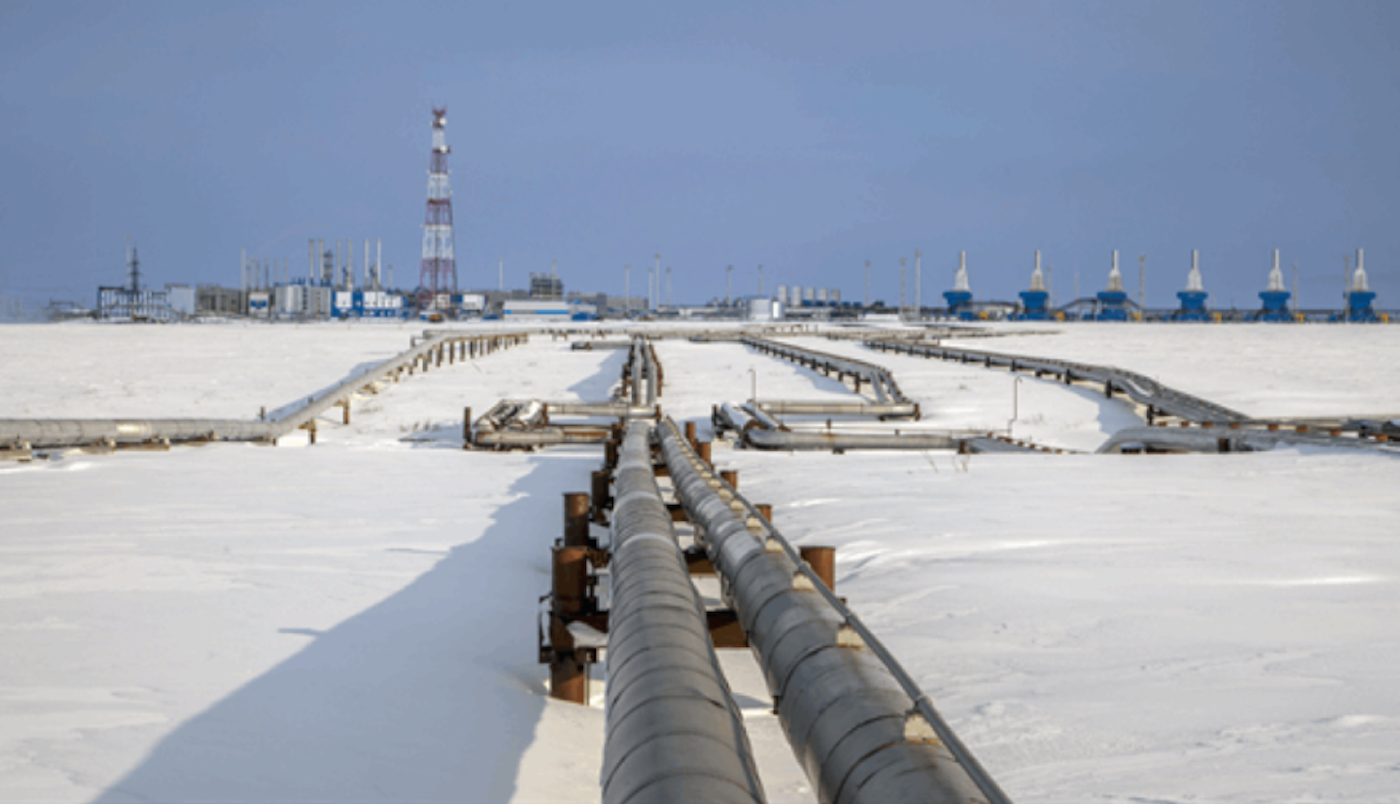
China-Russia gas pact heightens Western sanctions risks
The recent agreement to construct the Power of Siberia 2 pipeline, set to transport 50 billion cubic meters of Russian natural gas to China annually via Mongolia, marks a pivotal shift in global geopolitics and energy markets. Analysts from both China and the West highlight the deal’s potential to redefine energy dynamics in Eurasia. On September 2, China, Russia, and Mongolia signed a legally binding memorandum of understanding (MOU) to advance the project, with Russia offering China a discounted gas price and China accepting the Mongolian route—a compromise that had previously been a sticking point due to concerns over energy security. The pipeline, expected to be operational by 2031–2032, will elevate Russia-China gas trade to 106 billion cubic meters annually, meeting approximately one-fifth of China’s current gas demand. The deal also promises economic benefits for Mongolia, including transit fees, job creation, and reduced air pollution, while bolstering its geopolitical standing. However, risks remain, including potential Western influence and Mongolia’s “Third Neighbor” policy, which seeks to diversify its international partnerships beyond China and Russia. The project underscores Russia’s strategic pivot to Asia amid strained relations with Europe, particularly following the Ukraine conflict, which has drastically reduced Russian gas exports to the EU. While China welcomes the economic and strategic advantages of the deal, it remains cautious about upsetting its relations with Europe. Western analysts warn that the pipeline could undermine efforts to contain Russia’s war in Ukraine, prompting calls for targeted sanctions against Russian energy companies and their Chinese partners.
-
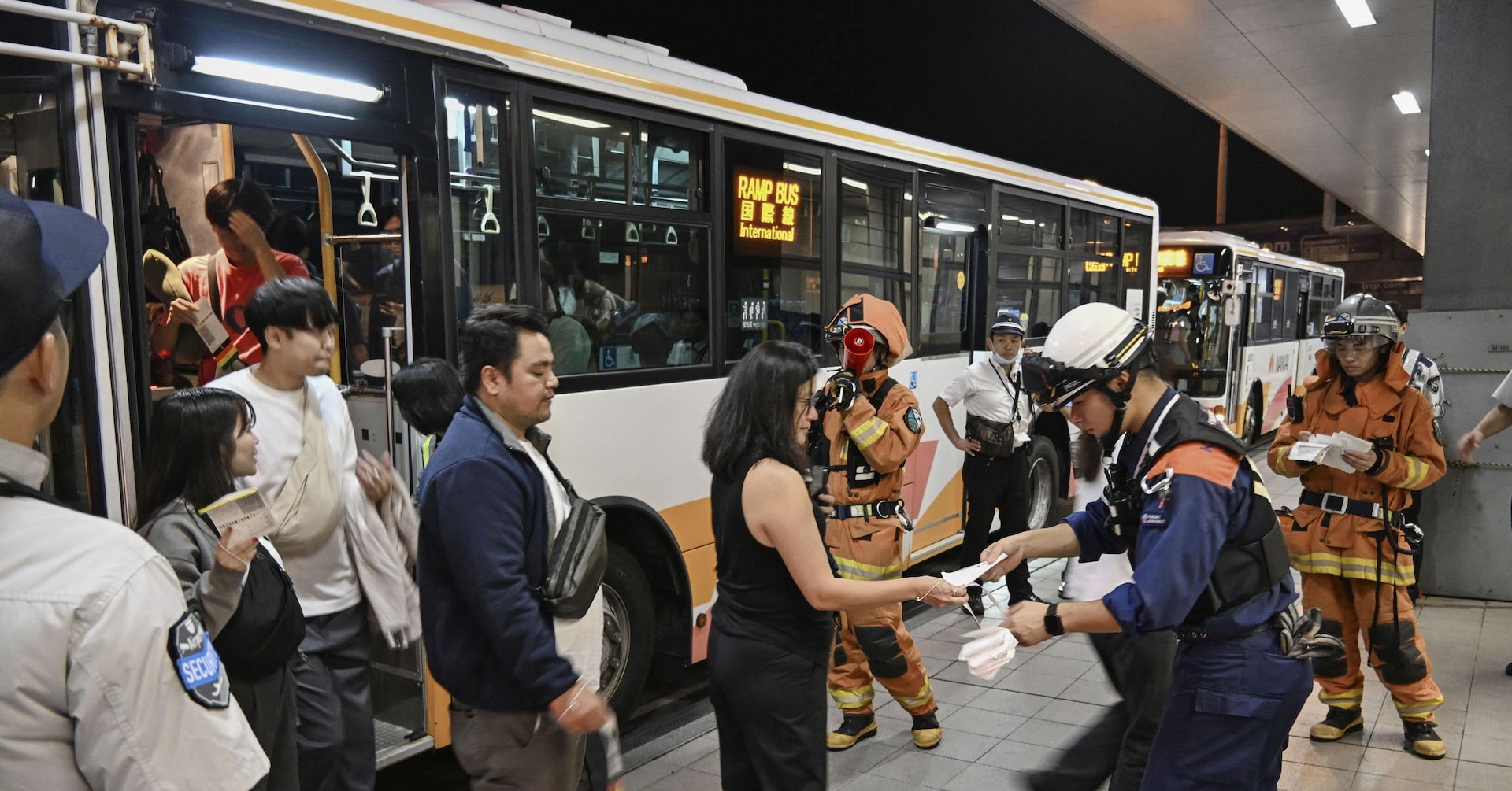
United Airlines flight makes emergency landing in Japan, two people injured
A United Airlines Boeing 737-800 en route from Tokyo’s Narita Airport to Cebu, Philippines, was forced to make an emergency landing at Kansai International Airport in Osaka on September 12, 2025, following concerns of a potential fire in the cargo hold. The aircraft, carrying 135 passengers and seven crew members, was evacuated using emergency slides. Two individuals sustained minor injuries and were transported to a hospital for treatment. United Airlines confirmed that an initial maintenance inspection revealed no evidence of a fire. The incident occurred shortly after takeoff, prompting the diversion to Osaka. Authorities, including Kansai Airport officials, local police, and fire departments, were unavailable for comment outside regular business hours. The airline has not yet disclosed further details regarding the cause of the emergency or the nature of the injuries. The event underscores the importance of swift emergency response protocols in aviation safety.
-
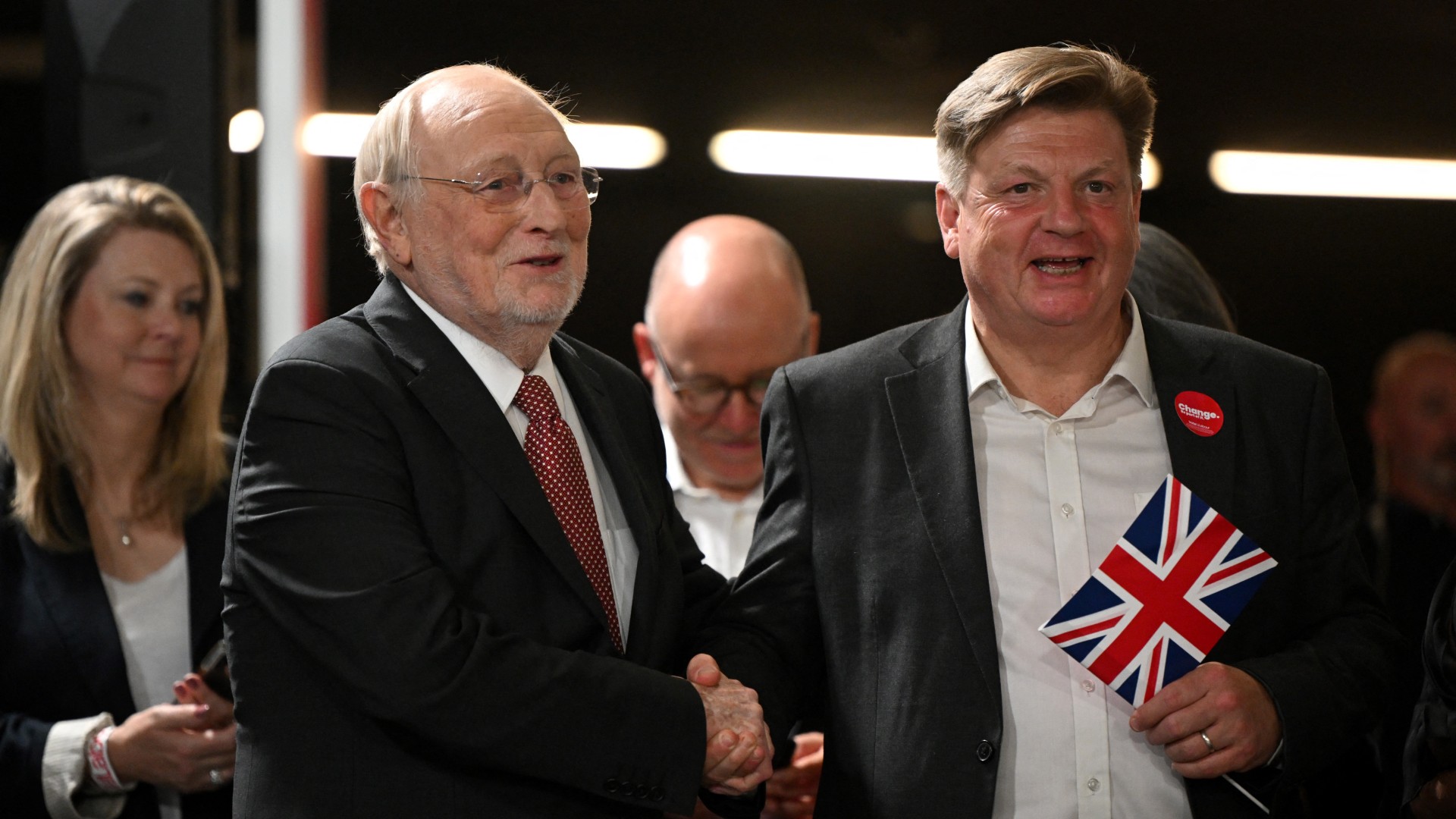
Exclusive: Neil Kinnock says Palestine Action are not terrorists in split with Starmer
In a rare public dissent, former Labour Party leader Neil Kinnock has openly criticized Prime Minister Keir Starmer’s decision to designate Palestine Action as a terrorist organization. Speaking exclusively to Middle East Eye, Kinnock argued that the move has weakened Britain’s anti-terror laws by conflating activism with terrorism. Palestine Action, a group advocating for an end to Israel’s military operations in Gaza, was proscribed on July 4 after its activists vandalized RAF Brize Norton air base. The designation places the group alongside notorious organizations like al-Qaeda and ISIS, making support for it punishable by up to 14 years in prison. Kinnock, who abstained from voting on the proscription in the House of Lords, emphasized that protesting against the dire situation in Gaza does not equate to terrorism. He also expressed concern over the mass arrests of nearly 900 demonstrators in London, including elderly individuals and Holocaust survivors’ relatives, on terrorism charges. The Labour government, however, has defended its decision, with Home Secretary Shabana Mahmood praising the Metropolitan Police’s handling of the protests. The controversy has exposed a significant divide within Labour ranks, with only 10 MPs voting against the proscription in the House of Commons. Meanwhile, the humanitarian crisis in Gaza continues to escalate, with over 64,000 Palestinians killed since October 2023 and famine declared by the UN-backed global hunger monitor. While Kinnock acknowledged Israel’s war crimes in Gaza, he refrained from labeling the conflict as genocide, citing the need for legal proof. The ongoing war has drawn international condemnation, with Israel facing charges of genocide at the International Court of Justice. Despite Hamas’s acceptance of a US-backed ceasefire proposal, Israel’s recent failed airstrike on Doha has further complicated efforts to end the conflict. Kinnock commended Israeli protesters for their courage in opposing Prime Minister Benjamin Netanyahu, who is wanted by the International Criminal Court for war crimes.
-
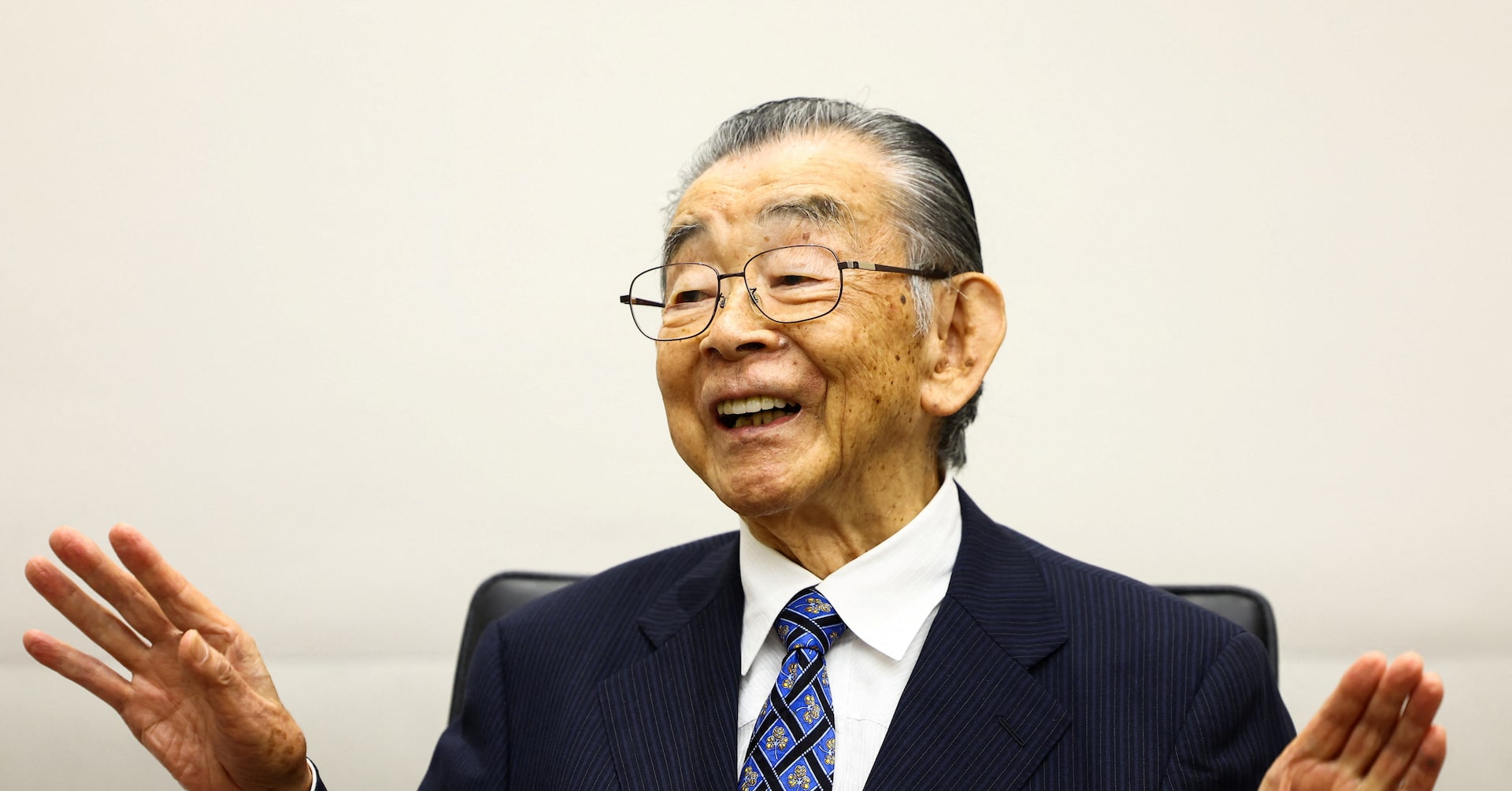
BOJ should watch out inflation risks from weak yen, ex-Japan FX diplomat says
In a recent interview with Reuters in Tokyo, Toyoo Gyoten, Japan’s former vice minister of finance for international affairs, highlighted the risks posed by Japan’s ultra-low interest rates and the prolonged weakness of the yen. At 94, Gyoten, who played a pivotal role in the 1985 Plaza Accord, emphasized that the Bank of Japan (BOJ) must remain vigilant about the potential acceleration of inflation driven by higher import costs due to the yen’s depreciation. ‘Japan’s interest rates have been excessively low, and this is undeniably contributing to the yen’s weakness,’ Gyoten stated. He urged the BOJ to consider the broader economic implications of this situation. The BOJ ended its decade-long stimulus program last year and raised short-term rates to 0.5% in January, aiming to sustainably achieve its 2% inflation target. However, consumer inflation has consistently exceeded this target for over three years. BOJ Governor Kazuo Ueda has adopted a cautious approach to rate hikes, citing uncertainties surrounding U.S. tariffs on Japan’s economy. The yen hit a 38-year low of 161 per dollar last year and has remained weak, currently trading around 147 per dollar. Gyoten, now an honorary advisor to Mitsubishi UFJ Financial Group, suggested that Japan could correct the yen’s weakness by gradually tightening monetary policy, thereby narrowing the interest rate gap with the United States. Reflecting on the 1985 Plaza Accord, Gyoten noted that Japan’s response to the yen’s appreciation at the time—massive monetary easing—fueled asset bubbles that later burst, leaving lasting economic scars. He argued that Japan should have embraced a stronger yen as an opportunity to reduce its reliance on exports and transition to a new growth model. Gyoten also observed a shift in sentiment among export-oriented industries, which now recognize the importance of considering the impact of a weak yen on ordinary consumers facing rising living costs.
-
‘For peace, prepare for war’: How Turkey sees Israel’s attack on Qatar
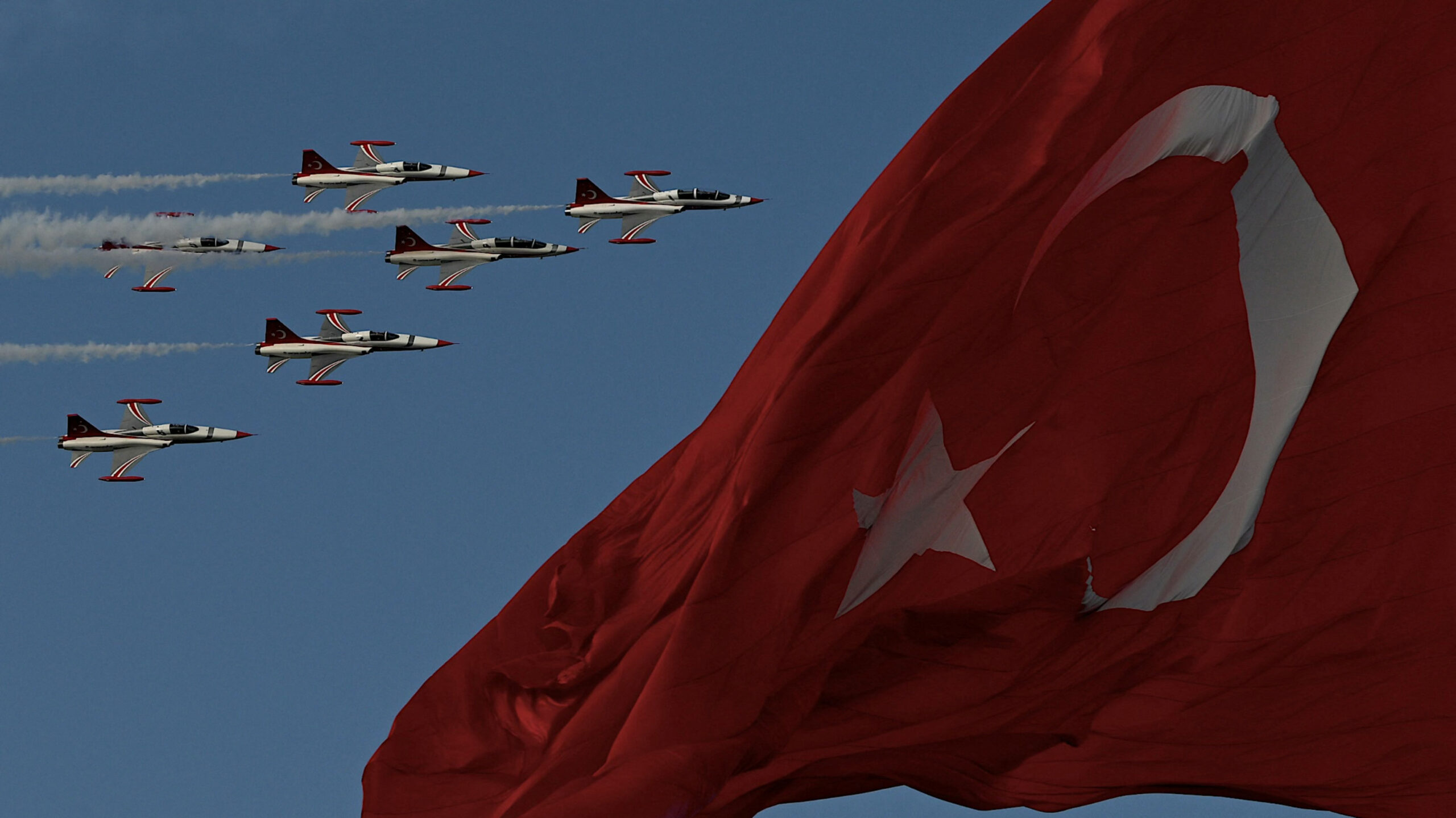
Israel’s recent daylight strike on Hamas leadership in Doha has sent shockwaves across the Gulf region, validating Turkey’s long-standing warnings about Israel’s willingness to disregard international norms and sovereignty. Turkish Foreign Minister Hakan Fidan has repeatedly highlighted Israel’s expansionist strategy, which many Gulf states believed would be restrained by U.S. security guarantees, particularly in Qatar, home to a major U.S. military base. However, the strike has underscored the limits of such assumptions. Turkey, a close ally of Qatar, swiftly condemned the attack, with President Recep Tayyip Erdogan pledging joint steps with Qatar in response. Despite this, Turkey’s options remain constrained, given its modest military presence in Doha and Qatar’s multi-layered security framework involving the U.S., the UK, and the Gulf Cooperation Council. The incident has exacerbated tensions between Turkey and Israel, raising concerns about potential confrontation. In response, Turkey has heightened its air patrols and accelerated defense investments, including the development of advanced missile and air defense systems. While Turkey remains cautious, officials emphasize that any violation of its airspace would provoke a decisive response. Despite the escalating rhetoric, both nations are likely to manage tensions through U.S. mediation and established intelligence channels.
-
A new world order isn’t coming–it’s already here
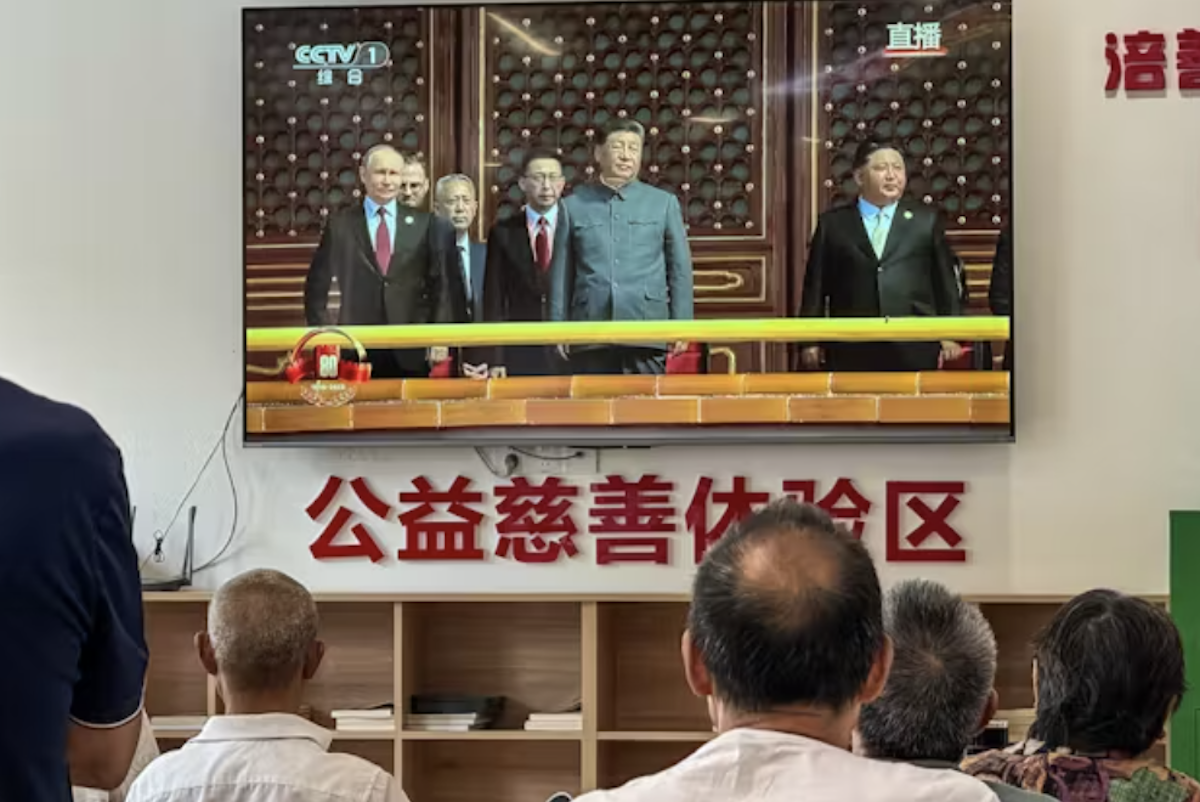
On September 3, 2025, China commemorated the 80th anniversary of its victory over Japan with a meticulously orchestrated event showcasing its military prowess. The spectacle, attended by 26 world leaders, reignited discussions in Western media about the emergence of a China-centric ‘new world order,’ potentially replacing the US-dominated ‘rules-based order.’ This event underscored China’s growing influence on the global stage, prompting geopolitical analysts to argue that the transition to a new world order is already underway, albeit in a state of flux. Historically, global dominance has shifted from the British Empire (1815–1880) to the bipolar Cold War era (1945–1991) and the unipolar US-led order post-1991. However, the US’s global position has been challenged by events such as the 2008 financial crisis, the war on terrorism, and the rise of economic nationalism. Today, a multipolar world is emerging, with the US, China, and Europe as key players. China, under Xi Jinping, is actively pursuing a Sino-centric order, forming alliances with nations like Russia, while Europe is remilitarizing to address regional threats. Despite their strengths, all three power centers face internal challenges, including economic stagnation, aging populations, and political instability. The Global South, comprising nations like Brazil, India, and Indonesia, remains a fluid bloc, hedging between major powers. As the world navigates this transitional phase, questions arise about the durability of alliances, the management of internal crises, and the potential for cooperation on global issues like climate change. The hope is that the transition to a new world order will occur peacefully, avoiding outright conflict.