In a revealing turn of events, internal documents from LG Energy Solution have shed light on the company’s strategies to circumvent U.S. visa restrictions, a practice that predates the recent immigration crackdown under the Trump administration. The South Korean battery giant has been advising its employees and subcontractors to utilize the Electronic System for Travel Authorization (ESTA) visa waiver program, bypassing the more stringent B-1 business visa application process, which has seen high rejection rates. This approach, detailed in August 2023 guidelines, was implemented to facilitate short-term assignments in the U.S., particularly for high-tech plant operations. However, the reliance on ESTA has come under scrutiny following the detention of over 300 Korean workers, including 250 LG employees and contractors, in what has been described as the largest immigration raid by the U.S. Department of Homeland Security. The incident, which occurred at LG’s car battery venture with Hyundai Motor near Savannah, Georgia, has sparked significant concern in South Korea, a key U.S. ally and investor. The Trump administration has indicated a willingness to revise visa policies to accommodate South Korean investment, but the widespread use of ESTA waivers highlights the challenges faced by South Korean companies in navigating U.S. immigration enforcement. LG has since updated its guidelines, recommending appropriate visas for longer assignments and advocating for clearer interpretations of visa regulations to ensure smoother business operations.
标签: Asia
亚洲
-
Santos always prepared to consider any takeover offers, CEO says
In a recent statement, Kevin Gallagher, CEO of Santos Ltd, expressed openness to potential takeover offers for the Australian gas producer. Gallagher emphasized his commitment to remaining in his role as long as he retains the confidence of shareholders and the board. This announcement follows the collapse of an $18.7 billion acquisition bid by a consortium led by Abu Dhabi National Oil Company (ADNOC) on Wednesday. The deal fell through due to disagreements over commercial terms, particularly concerning capital gains tax liabilities on Santos’ assets in Papua New Guinea, which were revealed to be imminent. A source close to the matter indicated that XRG, ADNOC’s overseas unit, hesitated to proceed under these financial conditions. The news highlights the ongoing strategic considerations within Santos as it navigates the complex energy market.
-

British couple held for months by Taliban released from prison
An elderly British couple, Peter Reynolds, 80, and his wife Barbie, 76, who had been detained by the Taliban in Afghanistan for nearly eight months, have finally been released. The couple, who had lived in Afghanistan for almost two decades, were apprehended on February 1 while traveling home. Their release was secured through Qatari mediation, according to an official familiar with the case. During the final stages of negotiations, the couple was transferred from Kabul’s central prison to a larger facility. A Qatari official confirmed that the couple will first travel to Qatar for medical evaluations before returning to the UK, despite their long-term residence in Afghanistan’s Bamiyan province. The release comes after months of relentless public advocacy by their family. Just six days prior to their release, Faye Hall, an American woman who had been detained with them but was released two months into her captivity, shared with the BBC that the couple’s health had severely deteriorated in prison, stating they were ‘literally dying’ and that ‘time is running out.’
-
Zijin Gold launches $3.2 billion Hong Kong IPO, city’s largest in 2025
Zijin Gold International, a subsidiary of China’s Zijin Mining, is set to launch a landmark initial public offering (IPO) in Hong Kong, aiming to raise HK$24.98 billion ($3.21 billion). This marks the largest IPO in the city this year, according to the company’s prospectus released on Friday. The offering involves the sale of 349 million shares at HK$71.59 each, with trading scheduled to begin on September 29. The IPO will value Zijin Gold at $24.1 billion. The move comes amid a strong performance in the gold market, which has surged nearly 39% this year, benefiting from low-interest rates and global uncertainty. Zijin Gold’s IPO surpasses the recent $1.2 billion offering by Chinese automaker Chery, solidifying its position as the largest in Hong Kong for 2025. The company plans to use the proceeds over the next five years to upgrade and construct existing mines, enhancing its production capabilities. Cornerstone investors, including Singapore’s GIC and private equity firm Hillhouse, have already committed $1.6 billion to the offering. Asset managers BlackRock and Schroders are also participating, each purchasing $120 million worth of shares. Morgan Stanley and CITIC Securities are acting as joint sponsors for the IPO. The spin-off and independent listing of Zijin Gold International are expected to broaden the company’s financing channels and improve overall efficiency.
-
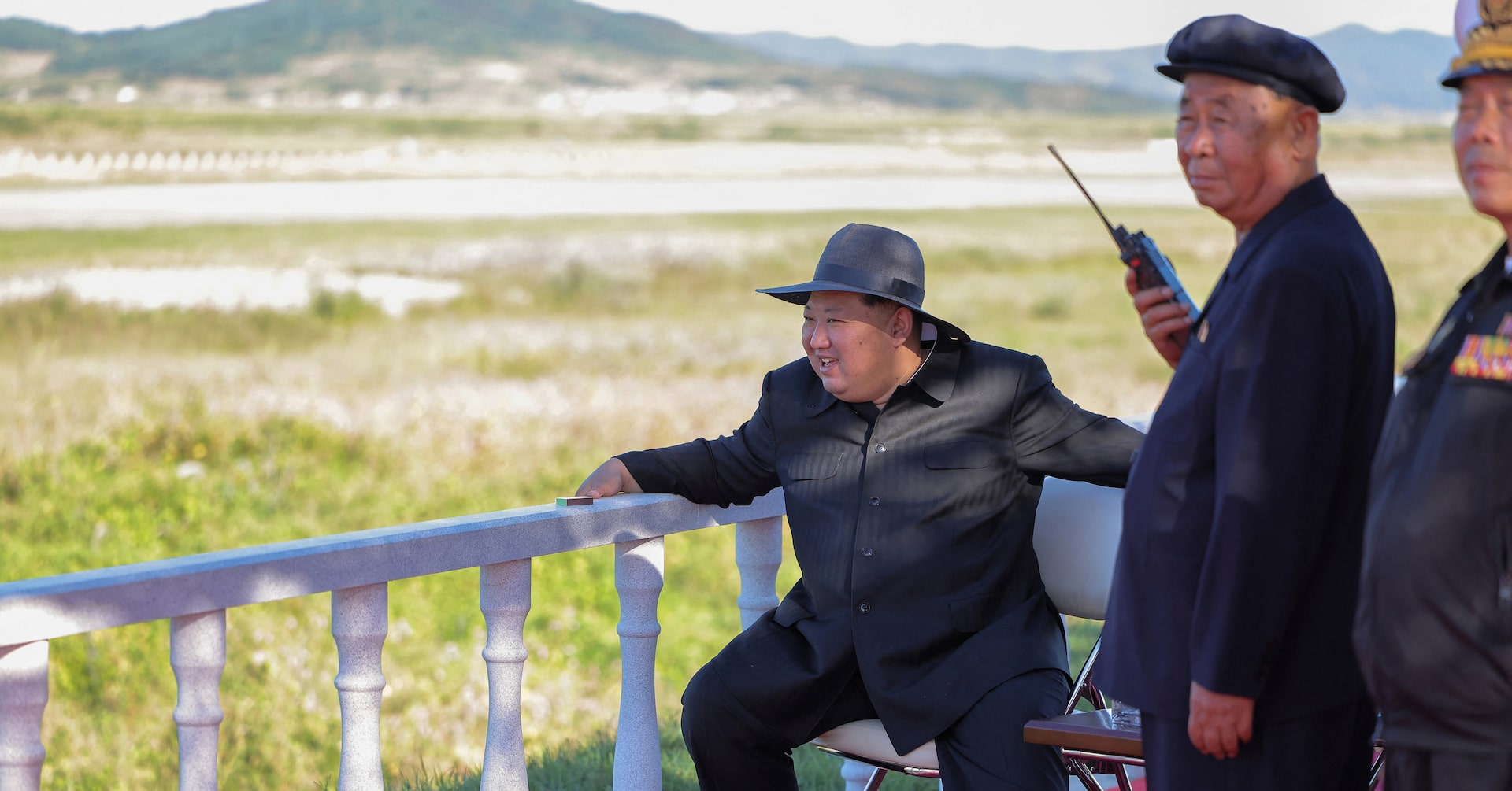
North Korea’s Kim Jong Un oversees drone testing, KCNA says
North Korean leader Kim Jong Un personally supervised the testing of advanced unmanned drones on September 18, 2025, as reported by the state-run Korean Central News Agency (KCNA). The tests, conducted at an undisclosed location, focused on enhancing the capabilities of these drones through artificial intelligence (AI) technology. Kim expressed satisfaction with the performance of the ‘Kumsong’ tactical unmanned attack aircraft and an unmanned strategic reconnaissance aircraft, approving plans to further strengthen their operational effectiveness. This marks a continuation of North Korea’s efforts to integrate AI into its military technology, following a similar test of suicide drones equipped with AI in March 2025. In addition to the drone tests, Kim inspected the construction of a large greenhouse farm in Sinuiju, a city bordering China, highlighting the regime’s dual focus on military and agricultural advancements. The developments underscore North Korea’s commitment to leveraging cutting-edge technology to bolster its defense capabilities and self-sufficiency.
-
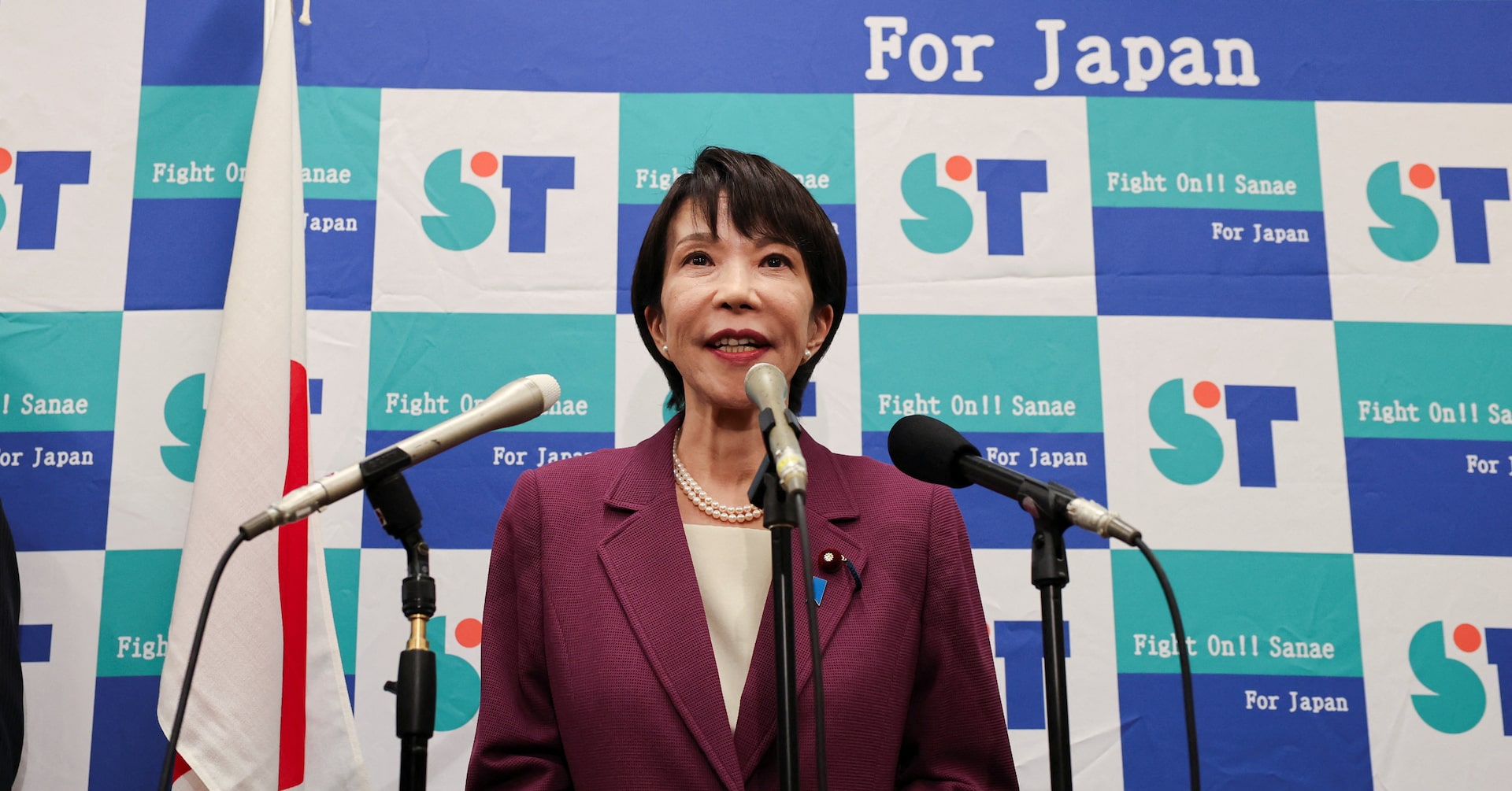
Japan PM contender Takaichi to call for income tax cuts, cash payout, Nikkei says
In a significant development in Japan’s political landscape, veteran lawmaker Sanae Takaichi has announced her candidacy for the leadership of the ruling Liberal Democratic Party (LDP). Takaichi, widely regarded as a fiscal dove, revealed her campaign pledge on September 19, 2025, in Tokyo. Her platform includes a combination of income tax cuts and direct cash payouts to households, aimed at stimulating Japan’s fragile economy. Additionally, Takaichi advocates for a gradual reduction in the government’s debt-to-GDP ratio, signaling a balanced approach to fiscal management. Takaichi, who aspires to become Japan’s first female prime minister, is considered a frontrunner in the race, alongside Agriculture, Forestry, and Fisheries Minister Shinjiro Koizumi. She has consistently opposed the Bank of Japan’s (BOJ) interest rate hikes and has called for increased government spending to reflate the economy. Her press conference, scheduled for Friday, coincides with the conclusion of the BOJ’s two-day meeting, where the central bank is expected to maintain interest rates at 0.5% but indicate its readiness to raise borrowing costs in the future. Analysts at Mizuho Securities noted that Takaichi’s campaign pledge could alleviate market concerns over Japan’s worsening finances, particularly if it avoids prioritizing the abolition of the consumption tax on food, maintaining monetary easing, and pursuing weak-yen policies—stances she has previously endorsed. The outcome of the LDP leadership race, set for October 4, will determine the successor to outgoing Prime Minister Shigeru Ishiba and could have significant implications for Japan’s economic and fiscal policies.
-
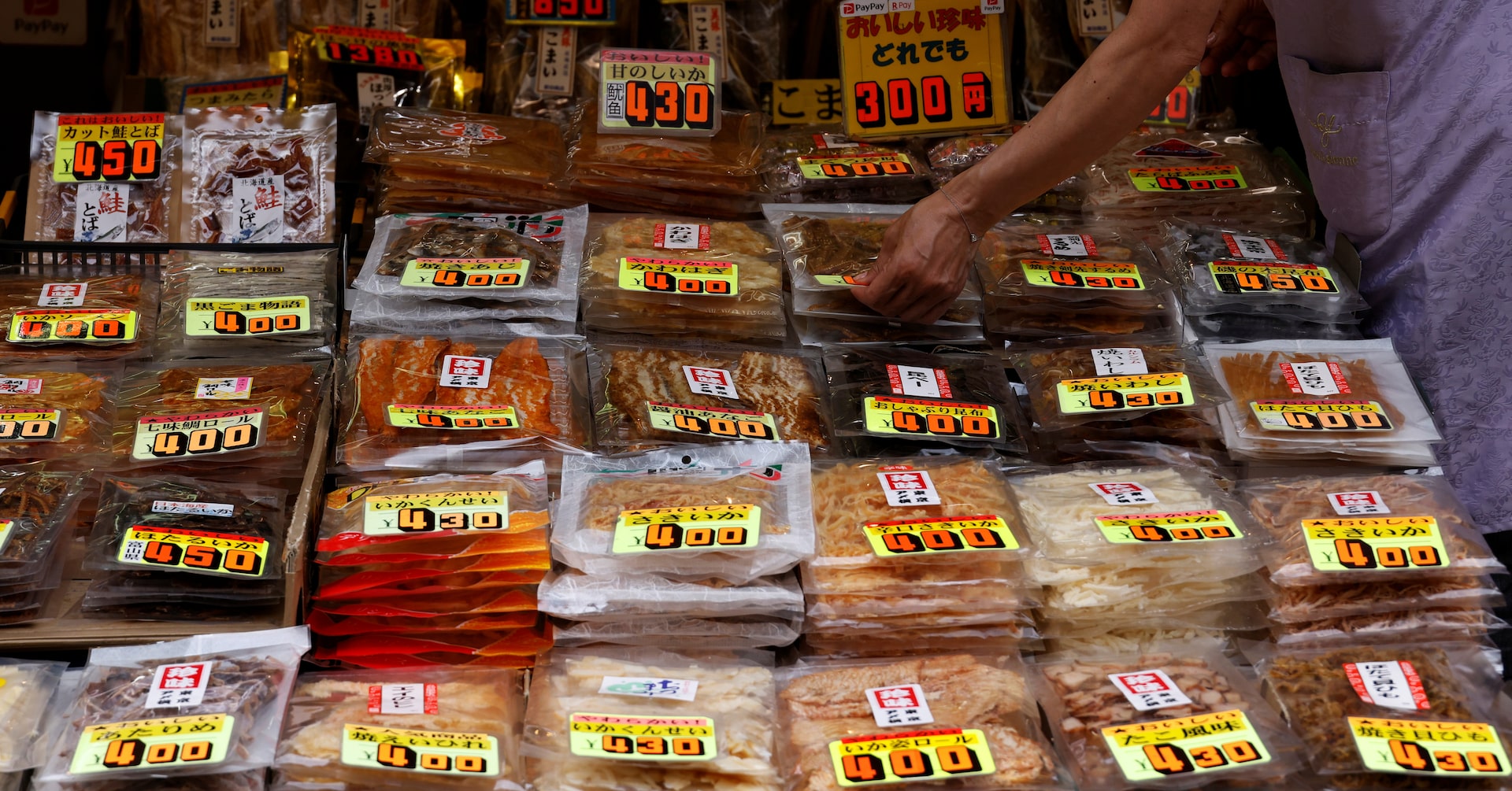
Japan’s core inflation slows in August, stays above BOJ target
Japan’s core consumer price index (CPI) increased by 2.7% year-on-year in August, according to data released on Friday. This figure, which aligns with market forecasts, represents the slowest pace of growth in nine months, offering a slight reprieve to households grappling with rising living costs. The core CPI excludes volatile fresh food but includes fuel costs. Additionally, an index that strips away both fresh food and fuel costs, closely monitored by the Bank of Japan (BOJ) as a more accurate measure of underlying price trends, rose by 3.3% in August, slightly down from 3.4% in July. These data points will be critical for the BOJ as it concludes its two-day policy meeting on Friday, where it is widely anticipated to maintain interest rates at 0.5%. The BOJ, which ended a decade-long radical stimulus program last year and raised short-term interest rates in January, has been cautious about further rate hikes due to uncertainties surrounding the impact of U.S. tariffs on Japan’s economy. Despite consumer inflation exceeding the BOJ’s 2% target for over three years, Governor Kazuo Ueda has emphasized the need for prudence in monetary policy adjustments. The BOJ’s July forecasts suggest that price pressures from rising rice and import costs will ease, giving way to more sustainable price increases driven by robust consumption and wage growth.
-

FedEx results top targets on cost-cutting, shares jump 5.5% after the bell
FedEx Corporation (FDX.N) has demonstrated resilience in the face of shifting trade policies, reporting better-than-expected quarterly profits and revenue despite significant headwinds. The Memphis-based logistics giant saw its shares surge by 5.5% in extended trading on Thursday, defying Wall Street’s expectations of a decline. This performance was bolstered by robust domestic delivery growth and aggressive cost-cutting initiatives, which helped offset a 3% drop in international export volumes. The U.S. government’s decision to end the ‘de minimis’ exemption for low-value shipments from China and Hong Kong, effective May 2, 2024, has been a major challenge. This policy change alone reduced FedEx’s first-quarter revenue by $150 million, with similar impacts anticipated in subsequent quarters. Chief Customer Officer Brie Carere highlighted that trade policies, including the de minimis exemption’s termination, represent a $1 billion revenue ‘headwind’ for the fiscal year. Despite these pressures, FedEx achieved a 4% increase in overall average daily package volume, driven by a 5% rise in domestic deliveries. The company’s operating margin also improved to 6%, up from 5.2% in the previous quarter, reflecting the success of its $1 billion cost-saving plan. FedEx reported an adjusted profit of $912 million, or $3.83 per share, for the quarter ending August 31, surpassing analysts’ estimates of $3.59 per share. Quarterly revenue reached $22.24 billion, exceeding the projected $21.66 billion. Looking ahead, FedEx forecasts full-year adjusted earnings between $17.20 and $19.00 per share, slightly below the midpoint of analysts’ average estimate of $18.21. The company remains committed to its strategic initiatives, including $500 million in share repurchases and the planned spin-off of its freight segment by June 2026.
-

SoftBank Vision Fund to lay off 20% of employees in shift to bold AI bets, source and memo say
SoftBank Group Corp is undergoing a significant transformation as it reallocates resources to prioritize founder Masayoshi Son’s ambitious artificial intelligence (AI) initiatives. The company has announced plans to lay off nearly 20% of its Vision Fund team globally, marking the third round of layoffs since 2022. This strategic pivot comes despite the fund’s recent strong quarterly performance, driven by gains in public holdings such as Nvidia and Coupang. The Vision Fund currently employs over 300 people worldwide. The restructuring signals a departure from a diversified startup investment portfolio to a more concentrated focus on AI-driven ventures. Son’s strategy includes high-risk, high-reward investments in AI infrastructure, such as the proposed $500 billion Stargate project, which aims to establish a vast network of U.S. data centers in collaboration with OpenAI. A Vision Fund spokesperson confirmed the layoffs, emphasizing the organization’s commitment to bold, high-conviction investments in AI and breakthrough technologies. This shift represents a return to Son’s hallmark approach of making massive, concentrated bets, moving away from the sprawling venture capital model that characterized the Vision Fund’s earlier phase. SoftBank’s recent investments include a $9.7 billion stake in OpenAI through Vision Fund 2, which manages approximately $65.8 billion in total. Additionally, the company is focusing on building an AI ecosystem by acquiring chip firms like Graphcore and Ampere Computing and taking stakes in Intel and Nvidia. Despite the capital-intensive nature of this strategy, execution risks remain, as evidenced by delays in the Stargate project and a similar joint venture with OpenAI in Japan. SoftBank CFO Yoshimitsu Goto assured stakeholders that the company maintains a robust cash reserve of 4 trillion yen ($27 billion), underscoring its financial stability during this transition.
-

US lawmaker wants Trump to restrict Chinese flights over rare earths access
In a significant escalation of U.S.-China trade tensions, Representative John Moolenaar, chair of a U.S. House of Representatives committee on China, has called for stringent measures against Chinese airlines. On Thursday, Moolenaar urged the Trump administration to restrict or suspend Chinese airline landing rights in the U.S. unless Beijing reinstates full access to rare earths and magnets. The Republican lawmaker also advocated for a review of export control policies related to the sale of commercial aircraft, parts, and maintenance services to China. Moolenaar emphasized that such actions would convey a strong message to Beijing, highlighting that disrupting critical supplies to U.S. defense industries would not go unanswered. Rare earths, comprising 17 essential elements, are vital for manufacturing products ranging from military equipment to electric vehicles and consumer electronics. China, which dominates the global rare earths market, imposed export restrictions on these materials in April 2023 in response to U.S. tariff increases. Meanwhile, U.S. airlines are operating significantly fewer flights to China than permitted, reflecting low demand. Recent reports suggest China may purchase up to 500 Boeing aircraft as part of ongoing trade negotiations. The U.S. Transportation Department recently extended flight approvals for major U.S. carriers, allowing only 48 weekly flights to China out of 119 authorized. Chinese airlines maintain a similar number of flights to the U.S. The dispute over air travel between the two nations has been a recurring issue, exacerbated by the COVID-19 pandemic and allegations of anti-competitive practices by the Chinese government. Neither U.S. airline representatives nor the Chinese Embassy in Washington have commented on the latest developments.