标签: Asia

亚洲

  • Trump leaning on Pakistan to contribute troops to Gaza force: Report

    Trump leaning on Pakistan to contribute troops to Gaza force: Report

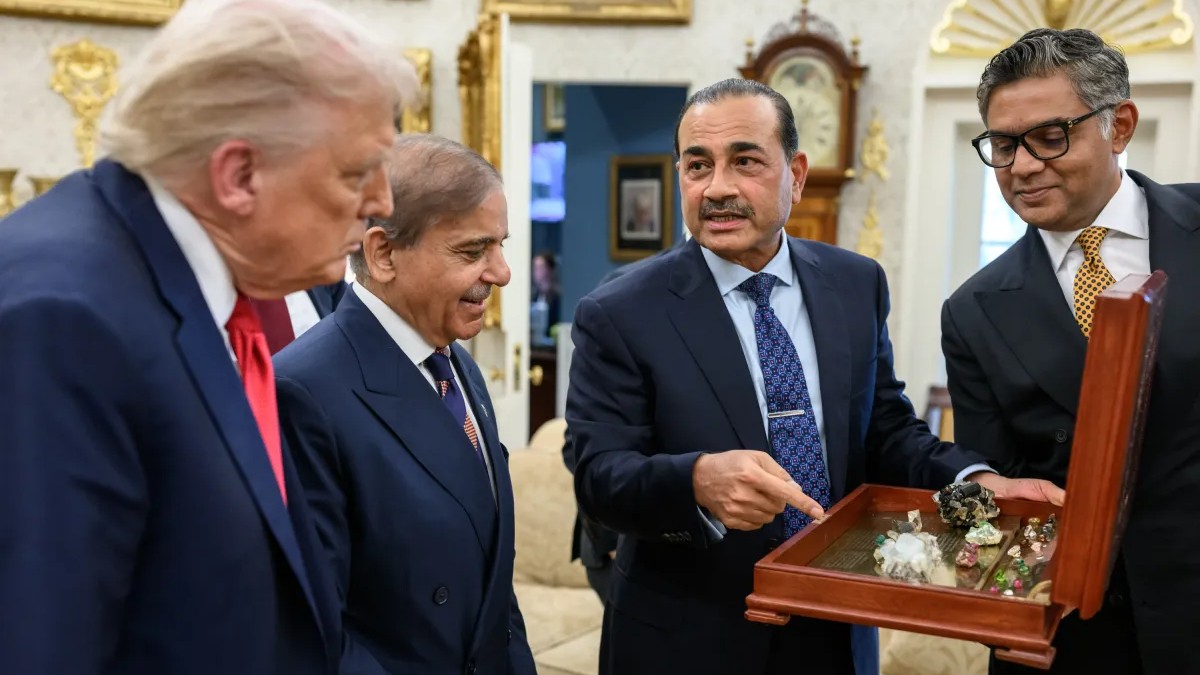
    The Trump administration is actively soliciting Pakistan’s military leadership to contribute troops to a proposed International Stabilization Force (ISF) for Gaza, according to a Reuters report. This development emerges as Pakistani Field Marshal Asim Munir prepares for an upcoming Washington visit, his third meeting with US officials since President Trump took office earlier this year.

    Munir, who attained Pakistan’s highest military rank in May following perceived successes in regional conflicts, now represents Islamabad’s most influential defense figure in decades. The proposed ISF constitutes a fundamental component of President Trump’s 20-point peace initiative aimed at resolving the Israel-Gaza conflict, though the concept faces significant operational and political challenges.

    Recent negotiations in Doha, Qatar, involving approximately 45 nations, concluded without concrete troop commitments. Key regional powers including Turkey and Israel were notably excluded from these discussions, while potential contributors like Azerbaijan have reportedly reconsidered their participation.

    Pakistan faces particular complications as a Muslim-majority nation maintaining no diplomatic relations with Israel. Foreign Minister Mohammad Ishaq Dar previously indicated potential openness to troop contribution while explicitly rejecting any mandate involving Hamas disarmament. This position reflects domestic political sensitivities, where public sentiment strongly favors Palestinian causes.

    Parallel diplomatic channels reveal Hamas has proposed freezing offensive operations for up to a decade and considering weapon decommissioning contingent on complete Israeli withdrawal from Gaza—a proposal neither Israel nor the US has formally addressed.

    Munir’s recent diplomatic tour across Muslim-majority nations including Indonesia, Malaysia, Saudi Arabia, and Egypt suggests coordinated efforts to build consensus around Gaza stabilization proposals. This engagement occurs against the backdrop of evolving Pakistan-US relations, which have undergone significant transformation following America’s withdrawal from Afghanistan.

    The bilateral relationship has recently yielded tangible benefits for Pakistan, including mineral resource agreements and substantial energy investment commitments. Pakistan’s participation in multilateral peace initiatives has additionally helped avoid punitive trade measures while elevating its international standing. However, potential ISF involvement presents both strategic opportunity and domestic political risk, potentially exposing Pakistani leadership to significant criticism while offering enhanced White House relations.
  • Lebanon likely to announce full disarmament of south ‘in coming weeks’

    Lebanon likely to announce full disarmament of south ‘in coming weeks’

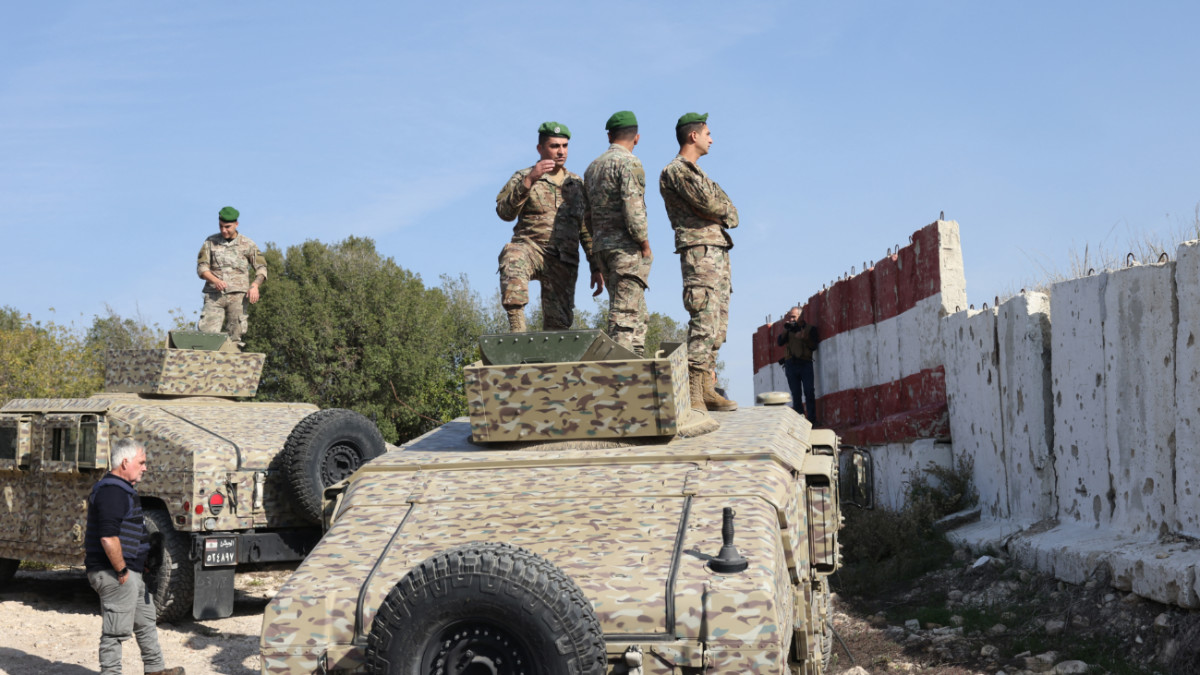
    Lebanon is poised to declare the complete disarmament of Hezbollah in its southern territories within weeks, marking a pivotal development in its security landscape. This announcement comes as the Lebanese Armed Forces (LAF) prepare to extend their disarmament operations to northern regions, targeting remaining weapon caches belonging to the group.

    The disarmament process south of the Litani River has progressed significantly under the framework of a 2024 ceasefire agreement with Israel. Ed Gabriel of the American Task Force on Lebanon confirmed these advancements following recent consultations with US and Arab officials, noting that military planning is now shifting toward northern operations.

    This potential declaration arrives during a period of profound transformation for Lebanon, recently characterized by a senior US official as a ‘failed state.’ The nation continues to engage in US-brokered direct talks with Israel while simultaneously enduring cross-border strikes from its southern neighbor.

    The disarmament process has unfolded against a complex geopolitical backdrop. Hezbollah’s military capabilities were substantially degraded following Israel’s invasion and targeted assassination of longtime leader Hassan Nasrallah, compounded by the collapse of the Assad government in Syria which severed critical Iranian supply lines.

    While Hezbollah maintains its right to bear arms against Israeli threats, the group has provided tacit consent to LAF operations in southern territories. However, significant arsenals remain in southern Beirut and the Bekaa Valley according to Western and Arab diplomatic sources.

    International verification remains crucial, with Lebanon previously expressing willingness to accept US or French troops to validate disarmament claims. This validation is particularly significant as Beirut seeks to unlock promised reconstruction funds from Gulf states, contingent upon demonstrated progress in weapons dismantlement.

    The political landscape has shifted notably, with US-favored leadership in Beirut and increasing tensions with Tehran reflected in Lebanon’s rejection of recent Iranian diplomatic overtures.

  • Unreliable data mask just how bad the air quality crisis is in India

    Unreliable data mask just how bad the air quality crisis is in India

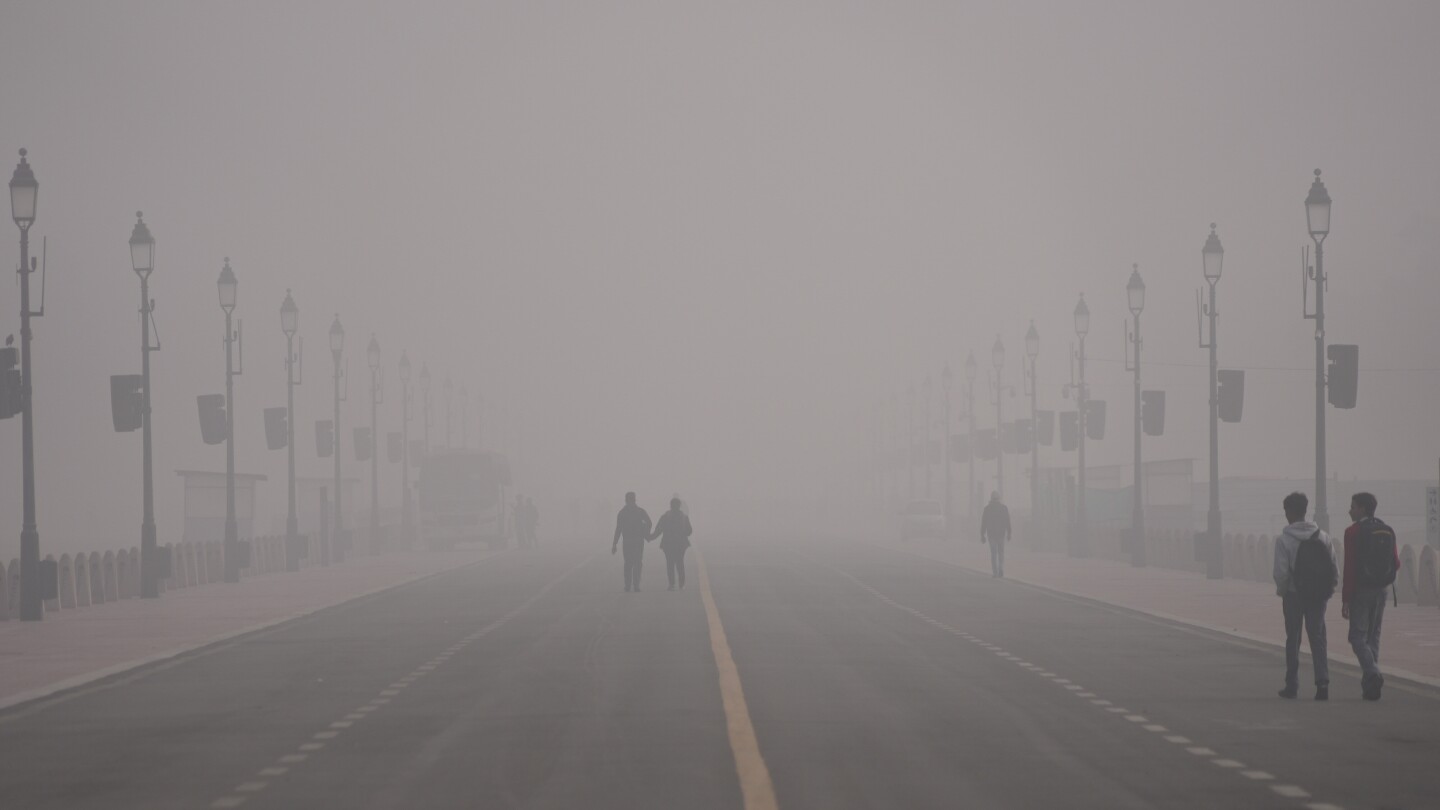
    New Delhi faces mounting public frustration as senior Indian officials make controversial statements about the capital’s severe air pollution crisis, with residents accusing policymakers of downplaying the environmental emergency.

    Environment Minister Bhupender Yadav recently told Parliament that New Delhi had experienced 200 days of good air quality this year—a claim immediately challenged by pollution experts and opposition leaders who noted the minister excluded the city’s worst pollution months from his calculation.

    The controversy intensified when Delhi Chief Minister Rekha Gupta compared the Air Quality Index to temperature readings, suggesting water spraying could effectively address pollution. Her remarks drew public ridicule, with crowds at subsequent events chanting AQI in protest of the city’s hazardous air conditions.

    Gupta had previously endorsed a controversial cloud seeding program despite lacking scientific evidence for its effectiveness, further eroding public confidence in governmental responses to the pollution crisis.

    Environmental analysts highlight that India employs less stringent air quality measurement standards than countries like the United States and the World Health Organization, resulting in moderate readings that often mask dangerously high pollution levels. This discrepancy undermines public trust while most residents remain unaware of pollution’s full health implications.

    Although India’s National Clean Air Program has allocated millions toward pollution reduction since 2019, with particular focus on dust control measures, critics note inadequate addressing of primary pollution sources including industrial emissions, vehicle exhaust, agricultural burning, and household fuel use. A 2024 Centre for Science and Environment report revealed that 64% of program funds targeted dust reduction, while less than 1% addressed industrial air pollution.

    The human cost remains staggering: a Lancet medical journal study linked long-term exposure to India’s polluted air with 1.5 million additional annual deaths. Despite this, junior health minister Prataprao Jadhav recently claimed no conclusive data establishes direct correlation between air pollution and mortality.

    Public health advocates note the absence of systematic mechanisms to count pollution-related deaths, while medical experts emphasize particularly severe impacts on vulnerable populations including pregnant women, elderly citizens, and children, with exposure linked to preterm births, miscarriages, and lifelong health consequences.

    Recent street protests in New Delhi signal growing public anger, with residents demanding immediate government action. Environmental activist Vimlendu Jha accused authorities of prioritizing image management over pollution control, noting that political leaders have normalized dangerously high pollution levels.

    As auto rickshaw driver Satish Sharma reported reducing work hours due to deteriorating health from pollution, he joined countless residents calling for genuine governmental action before more people abandon India’s increasingly unbreathable capital.

  • Pulitzer Prize-winning correspondent Peter Arnett, who reported from Vietnam and Gulf War, has died

    Pulitzer Prize-winning correspondent Peter Arnett, who reported from Vietnam and Gulf War, has died

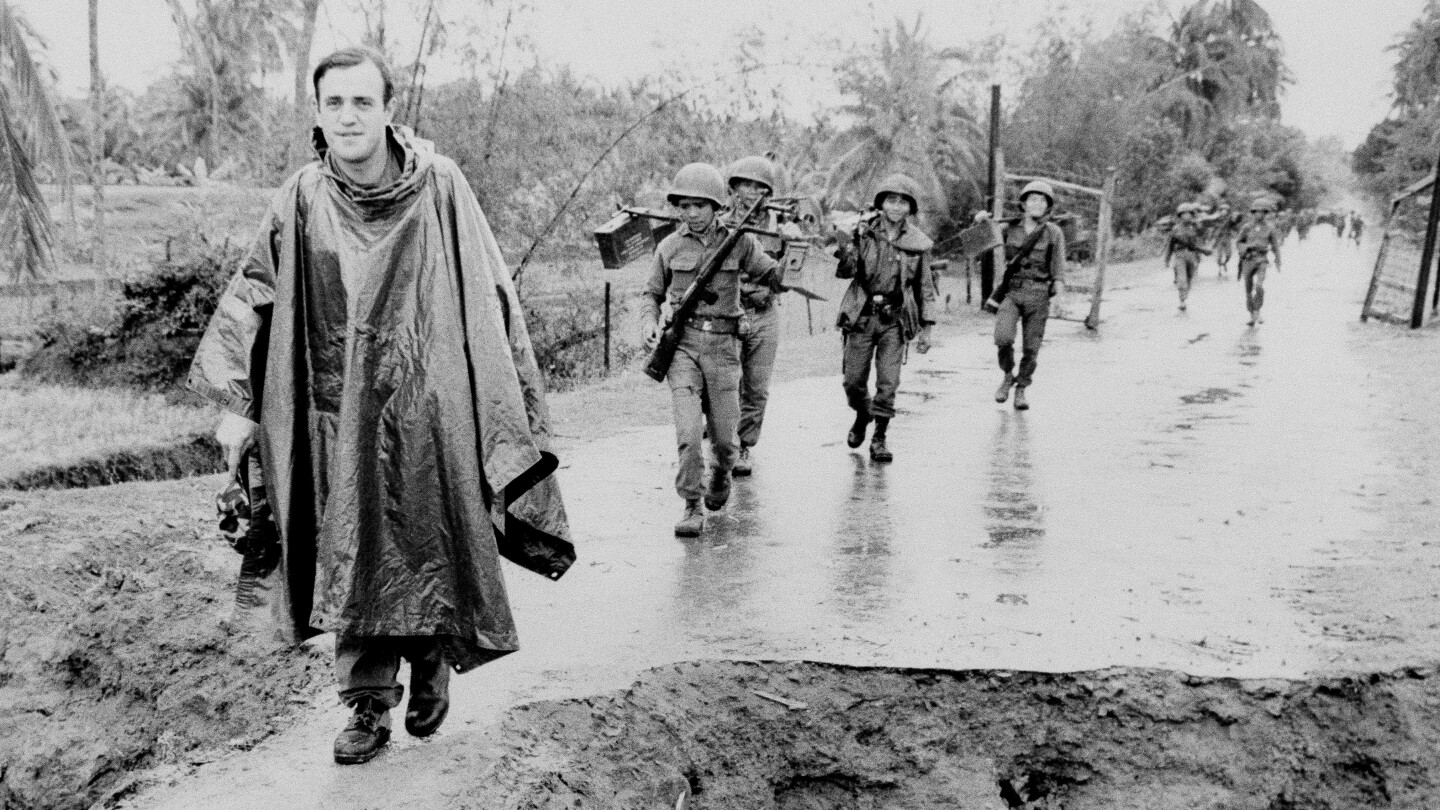
    Pioneering war correspondent Peter Arnett, whose fearless frontline reporting shaped global understanding of modern conflicts from Vietnam to Iraq, has passed away at age 91. The Pulitzer Prize-winning journalist died Wednesday in Newport Beach, California, surrounded by family and friends after recently entering hospice care for prostate cancer.

    Arnett’s extraordinary career spanned five decades of conflict journalism, earning him international recognition for his uncompromising battlefield coverage. He first gained prominence during the Vietnam War while reporting for The Associated Press, where his courageous reporting from the front lines earned him the 1966 Pulitzer Prize for International Reporting.

    The New Zealand-born correspondent achieved household recognition during the 1991 Gulf War when he delivered historic live broadcasts from Baghdad as Coalition missiles struck the Iraqi capital. While most Western journalists had evacuated, Arnett remained at his hotel, providing calm, real-time descriptions of the bombardment through cellular phone connections to CNN’s global audience.

    His proximity to danger became legendary. During Vietnam combat operations in 1966, Arnett narrowly escaped death when a North Vietnamese sniper’s bullets tore through a map held by a battalion commander standing inches from him. These experiences informed his survival philosophy, learning never to stand near medics or radio operators who represented prime enemy targets.

    Beyond Vietnam and Iraq, Arnett secured exclusive interviews with both Saddam Hussein and Osama bin Laden while maintaining controversial relationships with various conflict parties. His 1995 memoir, ‘Live From the Battlefield,’ documented his 35 years reporting from global war zones.

    Despite professional controversies that included dismissals from major networks, Arnett’s commitment to frontline journalism never wavered. Following his retirement from active reporting in 2014, he settled in Southern California with his wife Nina Nguyen after teaching journalism at China’s Shantou University.

    Arnett’s legacy extends beyond his groundbreaking reporting to the preservation of historical records. Defying orders to destroy documents during Saigon’s fall in 1975, he preserved the Associated Press bureau’s papers, which now reside in the organization’s official archives.

  • Indian scientists predict how bird flu could spread to humans

    Indian scientists predict how bird flu could spread to humans

    A groundbreaking simulation study from Indian researchers reveals the critical timing required to contain a potential H5N1 avian influenza pandemic before it spirals out of control. The peer-reviewed modeling, published in BMC Public Health Journal, utilizes real-world data and computer simulations to map how an outbreak might unfold in human populations.

    Professor Gautam Menon of Ashoka University, who co-authored the research with Philip Cherian, emphasizes that while ‘the threat of an H5N1 pandemic in humans is a genuine one, we can hope to forestall it through better surveillance and a more nimble public-health response.’

    The study employed BharatSim, an open-source simulation platform originally developed for COVID-19 modeling, to create a synthetic community replicating a typical village in India’s poultry-intensive Namakkal district. This computer-generated population of 9,667 residents included realistic household structures, workplaces, and market spaces where infected birds were introduced to simulate real-world exposure scenarios.

    The research demonstrates that pandemic containment depends overwhelmingly on timing. According to the model, isolating infected individuals and quarantining households can effectively stop transmission at the secondary stage. However, once tertiary infections emerge (contacts of contacts), the outbreak becomes virtually uncontrollable without implementing drastic measures such as lockdowns.

    The findings present public health authorities with a challenging trade-off: implementing quarantine too early may increase household transmission among confined family members, while acting too late renders containment measures largely ineffective.

    While targeted vaccination raises the threshold at which the virus can sustain itself, it provides limited protection against immediate household transmission. Bird culling remains effective only when implemented before the virus jumps to human populations.

    Virologist Dr. Seema Lakdawala of Emory University notes important caveats, pointing out that the model ‘assumes a very efficient transmission of influenza viruses,’ while actual transmission dynamics are more complex and strain-dependent. Emerging research indicates that only a subset of infected individuals typically shed infectious influenza virus into the air—a super-spreader phenomenon well-documented in COVID-19 but less characterized for influenza.

    Despite these complexities, health authorities have advantages compared to previous pandemics. Dr. Lakdawala suggests that established influenza defenses—including licensed antivirals effective against H5N1 strains and stockpiled candidate vaccines—could potentially make an H5N1 pandemic more comparable to the 2009 swine flu outbreak than COVID-19 in terms of disruption.

    The World Health Organization has documented 990 human H5N1 cases across 25 countries from 2003 to August 2025, with a concerning 48% fatality rate. In the United States alone, the virus has impacted over 180 million birds, spread to more than 1,000 dairy herds across 18 states, and infected at least 70 people, primarily farmworkers, resulting in several hospitalizations and one fatality.

  • Former Pak PM Imran Khan’s sons worry, describe ‘awful’ jail conditions

    Former Pak PM Imran Khan’s sons worry, describe ‘awful’ jail conditions

    The sons of former Pakistani Prime Minister Imran Khan have issued a grave warning about their father’s deteriorating prison conditions, describing his confinement as tantamount to psychological torture. In an exclusive Sky News interview, Kasim Khan and Sulaiman Isa Khan revealed they haven’t spoken to their father in seven months and fear they “might never see him again.”

    The brothers detailed what they characterized as “awful” detention circumstances, including prolonged solitary confinement in a small, dimly lit cell with intermittent electricity and questionable water quality. Sulaiman specifically noted that such facilities have historically been used for inmates on death row, labeling it a “death cell” that falls dramatically below international standards for prisoner treatment.

    Their concerns echo those of United Nations Special Rapporteur on Torture Alice Jill Edwards, who recently warned that Khan’s conditions could constitute inhuman or degrading treatment under international law. Edwards emphasized that extended isolation beyond 15 days represents psychological torture and urged Pakistani authorities to immediately lift the solitary confinement measures.

    The sons plan to visit their father in January pending visa approvals, though they approach the journey with apprehension despite prior safety guarantees from Pakistan’s Defense Minister. Beyond personal visits, they intend to lobby international bodies in Brussels and Geneva, arguing that their father’s case differs significantly from typical political imprisonments due to its duration and severity.

    Khan, ousted from power in a 2022 no-confidence vote after previously enjoying military support, faces multiple corruption charges that he denies. His supporters maintain that the charges are politically motivated and part of a broader campaign against his Tehreek-e-Insaf party following his accusations that army leadership orchestrated his downfall.

  • World’s largest ice and snow theme park opens, igniting China’s winter tourism fever

    World’s largest ice and snow theme park opens, igniting China’s winter tourism fever

    HARBIN, China — Defying frigid temperatures, thousands of winter enthusiasts converged Wednesday at the newly opened Harbin Ice-Snow World, marking the spectacular launch of the world’s largest ice and snow theme park’s most ambitious season to date. Spanning an unprecedented 1.2 million square meters, this year’s edition presents a breathtaking fusion of artistic ice craftsmanship and immersive entertainment experiences.

    Among the first visitors was He Rui, who journeyed over 3,000 kilometers from Guizhou province to experience the park’s legendary Super Ice Slides. ‘After years of anticipation, the reality exceeded all expectations,’ He remarked, visibly exhilarated after descending the 521-meter ice track.

    The 2025-2026 season introduces groundbreaking attractions including a magnificent central tower sculpted in the form of a mountain embraced by snowflakes, symbolizing China’s burgeoning ice-snow economy. Artistic creations range from meticulous replicas of China’s Yellow Crane Tower and Baroque-style architectural marvels to international icons like Belgium’s Manneken-Pis statue. Modern technological achievements are represented through detailed models of aircraft carriers and submersibles.

    ‘We’ve created an unparalleled synthesis of Eastern and Western artistic traditions,’ stated Guo Hongwei, Chairman of Harbin Ice and Snow World Co Ltd. ‘Our expanded entertainment offerings now include singing competitions, dance performances, and fantastical indoor productions.’

    Visitor comfort receives significant enhancement with a 5,000-square-meter climate-controlled dome providing warm respite, complimentary hot beverages, and multilingual guided services. International accessibility improves with streamlined payment systems accepting overseas bank cards.

    The park’s opening festivities featured traditional dance and drum performances, with ceremonial distribution of ‘First-day Ice’—frozen artifacts collected during Harbin’s ice-cutting festival, believed to convey good fortune according to local customs.

    Harbin’s transformation into China’s premier winter destination continues generating substantial economic impact. Last season recorded 3.56 million visits to Ice-Snow World alone, contributing to Heilongjiang Province’s 266.17 billion yuan ice-snow economy. National ambitions target sector growth reaching 1.5 trillion yuan by 2030.

    Complementing the main attraction, Harbin simultaneously launches its Sun Island Snow Expo across 1.5 million square meters and an Ice-Snow Carnival along the frozen Songhua River, collectively featuring approximately 260 snow sculptures and 60 specialized winter activity zones.

    China’s cultural tourism authorities emphasize developing high-quality winter tourism products during the 15th Five-Year Plan period (2026-2030), with nationwide initiatives including specialized student programs and substantial tourism vouchers attracting global visitors to China’s winter wonderlands.

  • Pakistan extends airspace ban for Indian aircraft until January 2026

    Pakistan extends airspace ban for Indian aircraft until January 2026

    Pakistan has formally extended its prohibition on Indian aircraft utilizing its airspace through January 23, 2026, according to an official Notice to Airmen (NOTAM) issued by the Pakistan Airports Authority on Wednesday, December 17, 2025. This decision prolongs a significant aviation restriction initially imposed in the aftermath of the Pahalgam attack in April, an incident that resulted in 26 fatalities and severely escalated bilateral tensions. The monthly renewal pattern continues, with the previous mandate scheduled to lapse on December 24. This ongoing closure compels airlines operating to and from India to navigate lengthier, more fuel-intensive flight paths, particularly affecting routes to and from Afghanistan, Central Asia, and parts of the Middle East, thereby increasing operational costs and flight durations. The persistent extension underscores the deep-rooted and unresolved diplomatic discord between the two nuclear-armed neighbors, with no immediate indications of a thaw in relations or aviation cooperation. The aviation sectors of both nations, along with international carriers servicing these routes, continue to adapt to this protracted geopolitical reality.

  • DMCC partners with Crypto.com to drive global push for commodities tokenisation

    DMCC partners with Crypto.com to drive global push for commodities tokenisation

    In a landmark move that signals Dubai’s accelerating embrace of digital asset innovation, the Dubai Multi Commodities Centre (DMCC) has entered into a strategic partnership with cryptocurrency exchange giant Crypto.com. This collaboration, formalized through a Memorandum of Understanding, aims to revolutionize global commodities trading through blockchain-enabled tokenization of physical assets.

    The partnership brings together the world’s largest free zone and commodities trading hub with one of the most prominent digital asset platforms to explore transformative solutions for tokenizing real-world commodities. The initiative specifically targets precious metals, diamonds, energy products, and agricultural goods—seeking to modernize how these assets are financed, traded, and settled across international markets.

    Key objectives include reducing settlement friction, enhancing price transparency, and expanding access to broader pools of market participants. The alliance will assess the potential listing of tokenized commodities on the Crypto.com Exchange, contingent upon regulatory approvals and existing listing requirements. Additionally, both organizations will jointly investigate digital asset custody models, liquidity-facilitation mechanisms, and digital-asset payment solutions across DMCC’s digital platforms.

    Ahmed Bin Sulayem, Executive Chairman and CEO of DMCC, characterized tokenization as a structural opportunity to modernize commodities markets that still rely heavily on legacy systems. “The ability to move real assets on-chain could significantly enhance transparency and efficiency,” he stated, emphasizing Dubai’s positioning at the forefront of blockchain-enabled trade transformation.

    The collaboration extends beyond market infrastructure to include educational initiatives through the DMCC Crypto Centre. These will feature workshops, hackathons, and capability-building programs designed to strengthen institutional understanding of tokenized asset models and foster responsible innovation within Dubai’s rapidly expanding Web3 ecosystem.

    Crypto.com President Eric Anziani highlighted the significance of tokenized real-world assets as “one of the most significant advancements in the digital economy,” noting that the partnership provides an exceptional platform to explore these opportunities responsibly and at scale.

    This agreement builds upon DMCC’s earlier partnership with Dubai’s Virtual Assets Regulatory Authority (VARA), forming part of a comprehensive strategy to develop secure, compliant frameworks for integrating physical assets into the digital economy. With over 26,000 member companies across various sectors, DMCC provides a diversified commercial environment for testing and implementing blockchain applications within global supply chains.

  • China planning to raise age limit for blood donors, shorten the minimum interval

    China planning to raise age limit for blood donors, shorten the minimum interval

    China is poised to implement significant revisions to its national blood donation policy, marking the first major update to the Law on Blood Donation since its inception in 1997. The National Health Commission announced on Wednesday, December 17, 2025, proposed changes that would raise the maximum donor age from 55 to 65 years and reduce the minimum donation interval from six months to just 90 days.

    This regulatory modernization follows extensive review of international practices and contemporary medical research. The World Health Organization’s guidelines recommend donor ages between 18 and 65, with numerous developed nations including the United States, Canada, Australia, and Japan either permitting older donors or establishing no strict upper age limitations. Similarly, the proposed 90-day interval aligns with the 8-12 week standards commonly implemented worldwide.

    The Commission emphasized that all potential donors will undergo comprehensive health screenings to ensure safety. Medical evidence confirms that donating 400 milliliters of blood represents less than 10% of total blood volume, with the human body continuously regenerating blood cells without adverse health effects.

    Several regions including Hainan Province, Jiangxi Province, and Shenzhen City have already successfully implemented similar relaxed standards through local regulations, providing practical demonstration of the policy’s feasibility and safety.

    The draft revision prioritizes donor health protection and blood safety as fundamental principles, proposing enhanced health assessments, scientific donation criteria, improved monitoring systems, and superior donor services. Additional measures include financial subsidies, extended paid leave, and improved medical service access for donors.

    The National Health Commission is currently soliciting public feedback on the proposed revisions until January 17, 2026, before submitting the final draft to the legislative body for approval.