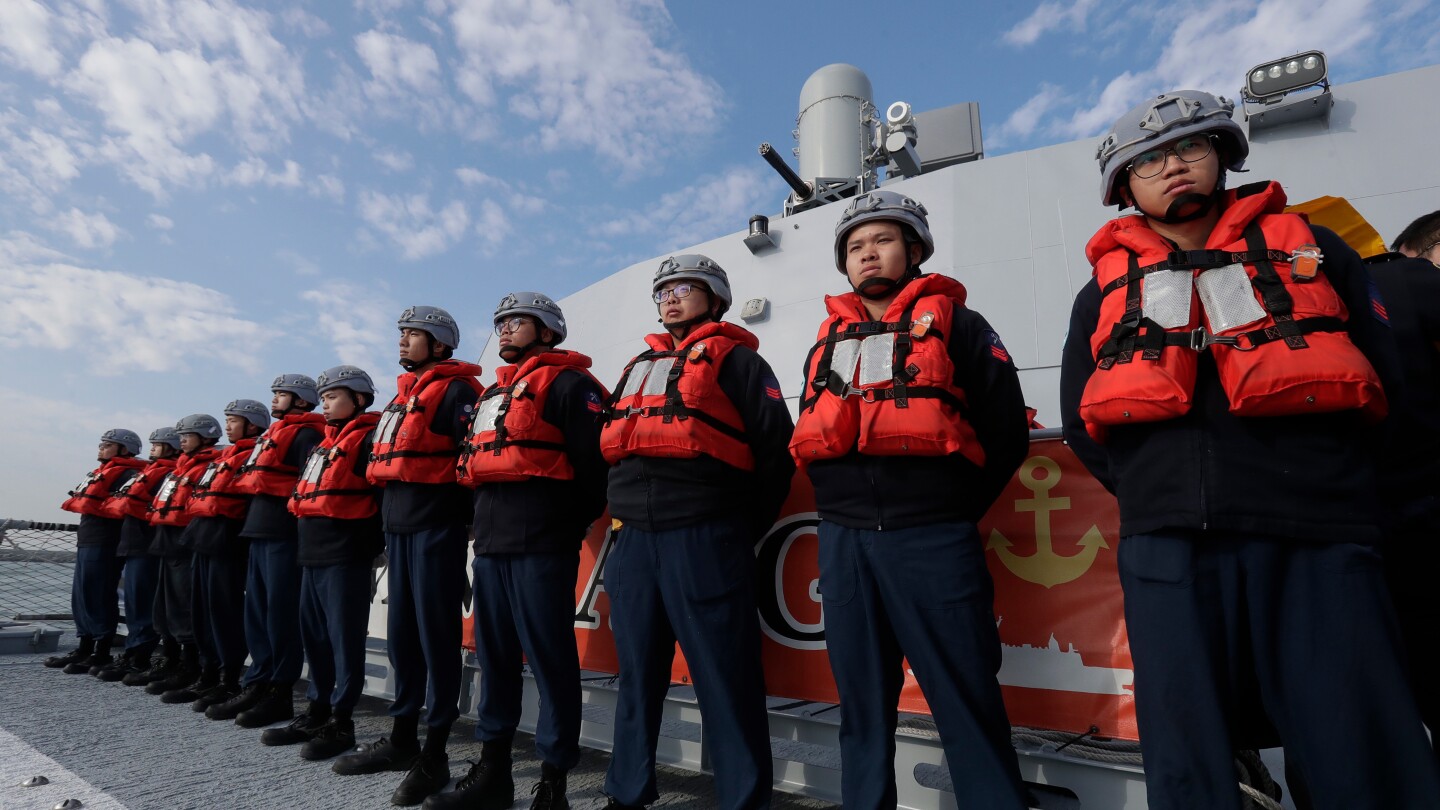
In response to escalating Chinese drone incursions, Taiwan’s Ministry of National Defense has unveiled a comprehensive strategy to counter these threats. The ministry announced on Thursday that it is actively training soldiers to shoot down drones and is seeking to procure advanced anti-drone weaponry. This initiative comes as Chinese drones frequently encroach upon Taiwan’s outlying islands, which are geographically closer to China than the main island of Taiwan. China continues to assert its claim over Taiwan, despite the island’s de facto self-governance. Major General Sun Li-fang, a spokesperson for the defense ministry, emphasized the rapid evolution of drone and anti-drone technologies, stating, ‘Drone development and anti-drone developments are progressing rapidly, and we are prioritizing this in our military preparedness efforts.’ The report also highlighted China’s increasing use of grey-zone tactics, which include non-armed assaults such as drone surveillance and patrol exercises. Taiwan’s military is conducting night shooting drills and other training exercises to enhance its defensive capabilities. Additionally, Taiwan is strengthening its ties with the United States, its largest unofficial ally, to bolster regional security. In February, Taiwan signed a $761 million deal with the U.S. to acquire an air defense system specifically designed to counter drone threats. Defense Minister Wellington Koo reaffirmed Taiwan’s commitment to increasing defense spending to approximately 5% of GDP, up from the current 3%, to address the growing military tensions with Beijing.
标签: Asia
亚洲
-
North Korea’s ruling party turns 80 with foreign leaders in attendance
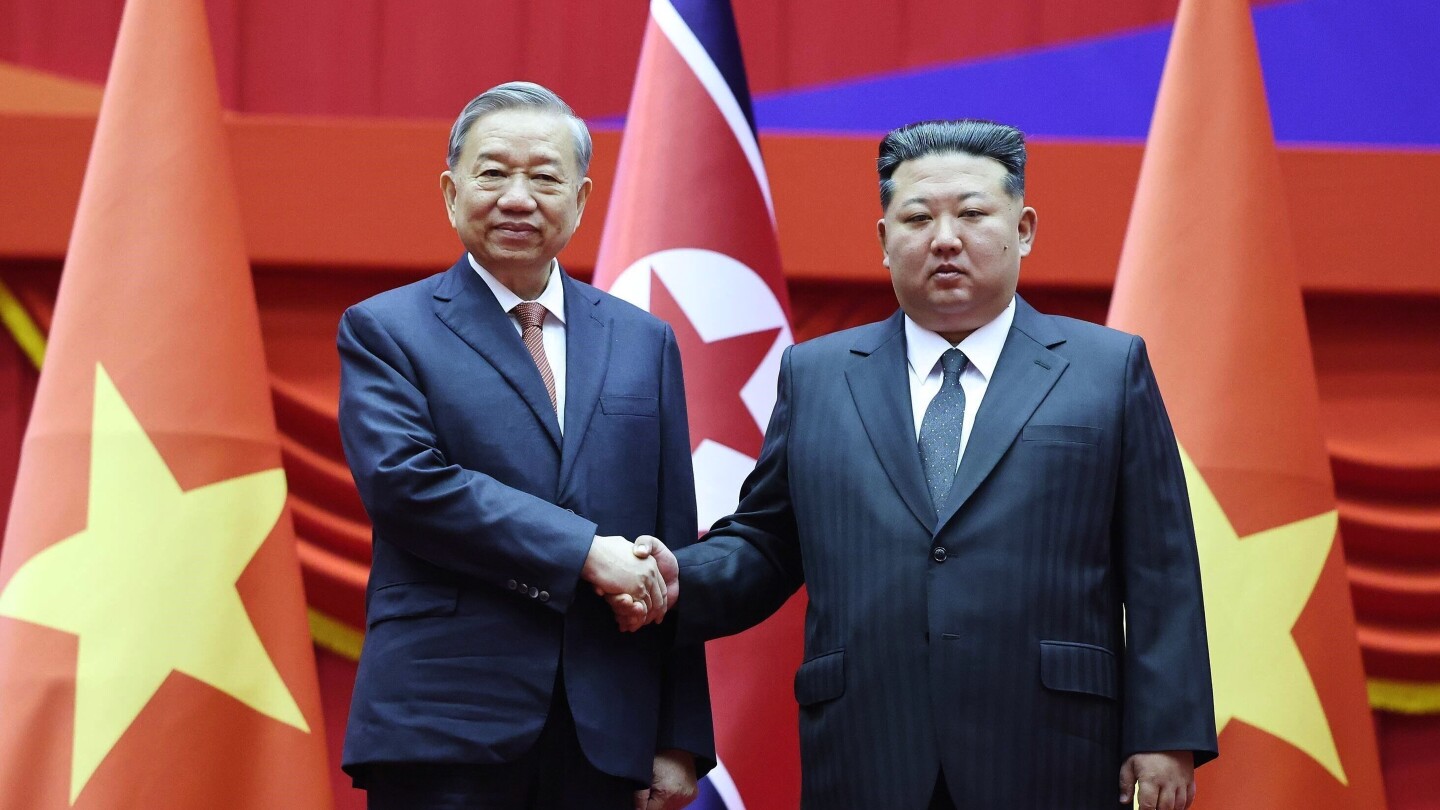
North Korea is commemorating the 80th anniversary of its ruling Workers’ Party on Friday, with significant participation from foreign dignitaries and leaders. The event underscores Pyongyang’s efforts to strengthen ties with key global allies, particularly China and Russia, both of which are sending high-level representatives. Chinese Premier Li Qiang arrived in Pyongyang on Thursday, marking the highest-level visit by a Chinese leader since 2019. Li, a member of the Standing Committee of the Communist Party’s Politburo and China’s second-highest-ranking official, has been increasingly active in representing China on the global stage, including at the United Nations General Assembly in September. Russia is represented by Dmitry Medvedev, former president and deputy head of the Security Council, reflecting the deepening cooperation between North Korea and Russia, particularly in the context of the Ukraine conflict. Vietnam’s top leader, Communist Party General Secretary To Lam, also arrived in Pyongyang, where he was welcomed by North Korean leader Kim Jong Un. The visit coincides with the 75th anniversary of diplomatic relations between the two nations. Additionally, Laos’ President Thongloun Sisoulith is attending the celebrations, further highlighting the event’s international significance. The anniversary serves as a platform for North Korea to showcase its diplomatic alliances and reinforce its position on the global stage, though specific details of the commemorative activities remain undisclosed.
-
Parents of fugitive New Zealand dad apologise for ‘trouble’ caused
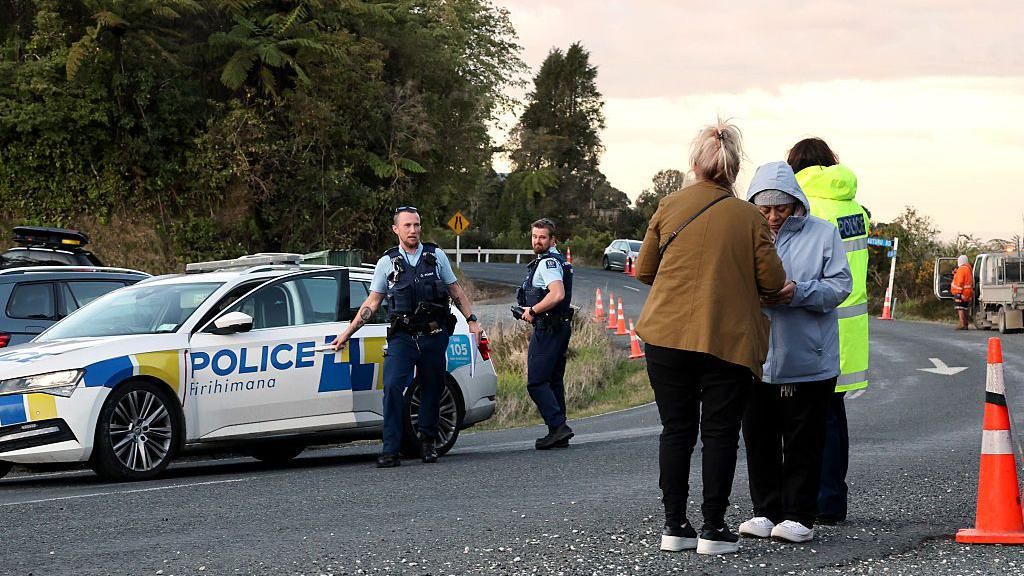
The parents of Tom Phillips, who disappeared with his three children into the New Zealand wilderness in 2021, have issued a public apology for the first time since Phillips was fatally shot by police on September 8. Neville and Julia Phillips expressed their remorse in a letter published in the King Country News, a local community newspaper, on Thursday. They stated, ‘We would like to send our sincere apology… for all the trouble, inconvenience, loss of privacy, and property caused by Tom. We in no way supported him or agreed with any of his actions over the past four years. We are truly sorry for all that you had to endure.’
Tom Phillips had evaded capture for nearly four years despite a nationwide manhunt and numerous reported sightings. His evasion ended tragically during a shoot-out with police in September, which also left an officer seriously injured. The officer has since been discharged from the hospital, according to local media reports. One of Phillips’ children, who was present during the confrontation, provided crucial information that led to the safe recovery of the other two children later that day.
Phillips and his children had been living in Marokopa, a small rural town in Waikato, surrounded by dense bush and forested terrain, before their disappearance. Detective Superintendent Ross McKay described the area as ‘difficult, steep terrain almost completely obscured from all angles by dense bush.’ The police’s primary objective during the operation was ‘locating and returning the children safely,’ McKay emphasized, noting that Phillips was known to possess firearms and was willing to use them.
Phillips’ family had previously made public appeals for his return. In a televised message, his sister Rozzi urged, ‘We’re ready to help you walk through what you need to walk through.’ His mother Julia also penned a heartfelt letter, expressing her daily hope that ‘today will be the day that you all come home.’
Police have refrained from providing further details as investigations into the incident remain ongoing.
-
China tightens export rules for crucial rare earths
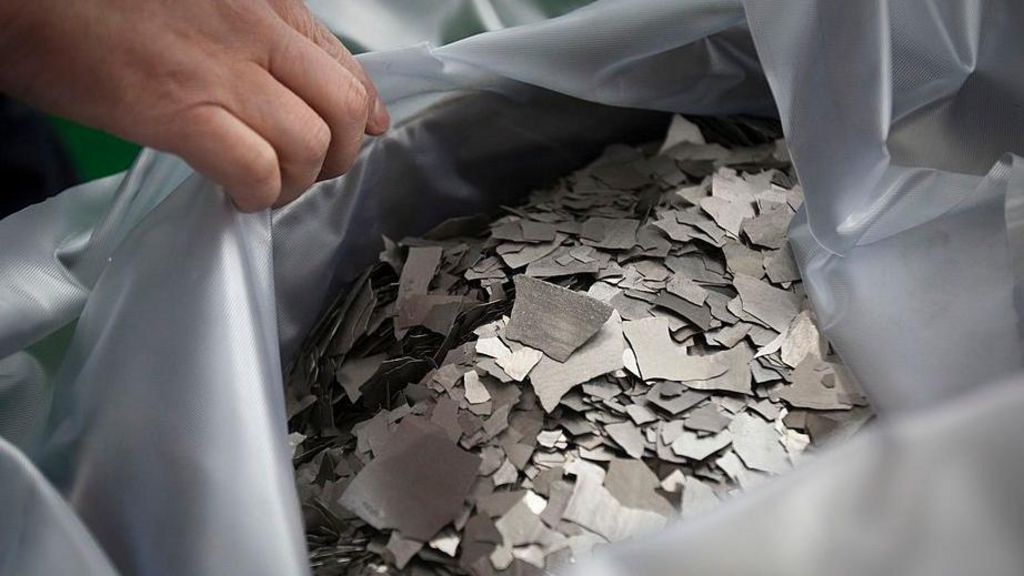
China has significantly strengthened its regulations on the export of rare earth elements, which are vital for the production of high-tech goods ranging from electric vehicles to military equipment. The Ministry of Commerce has formalized existing rules on processing technologies and unauthorized international collaborations, while also signaling a likely halt in exports to foreign arms manufacturers and select semiconductor firms. This move comes amid ongoing trade negotiations between China and the United States, with President Xi Jinping and former U.S. President Donald Trump expected to meet later this month. The new regulations mandate government approval for the export of technologies related to rare earth mining, processing, and magnet production, many of which were already restricted. Additionally, Chinese companies are prohibited from collaborating with foreign entities on rare earth projects without explicit government consent. The announcement also specifies restricted technologies, including mining, smelting, separation, magnetic material manufacturing, and recycling processes. This could significantly impact the U.S., which, despite having a robust rare earth mining industry, lacks sufficient processing capabilities. China dominates the global rare earth market, accounting for 61% of production and 92% of processing, according to the International Energy Agency. The move has raised concerns in Western countries, particularly amid accusations that China has facilitated Russia’s military efforts by exporting dual-use technologies. Beijing has consistently denied these allegations.
-
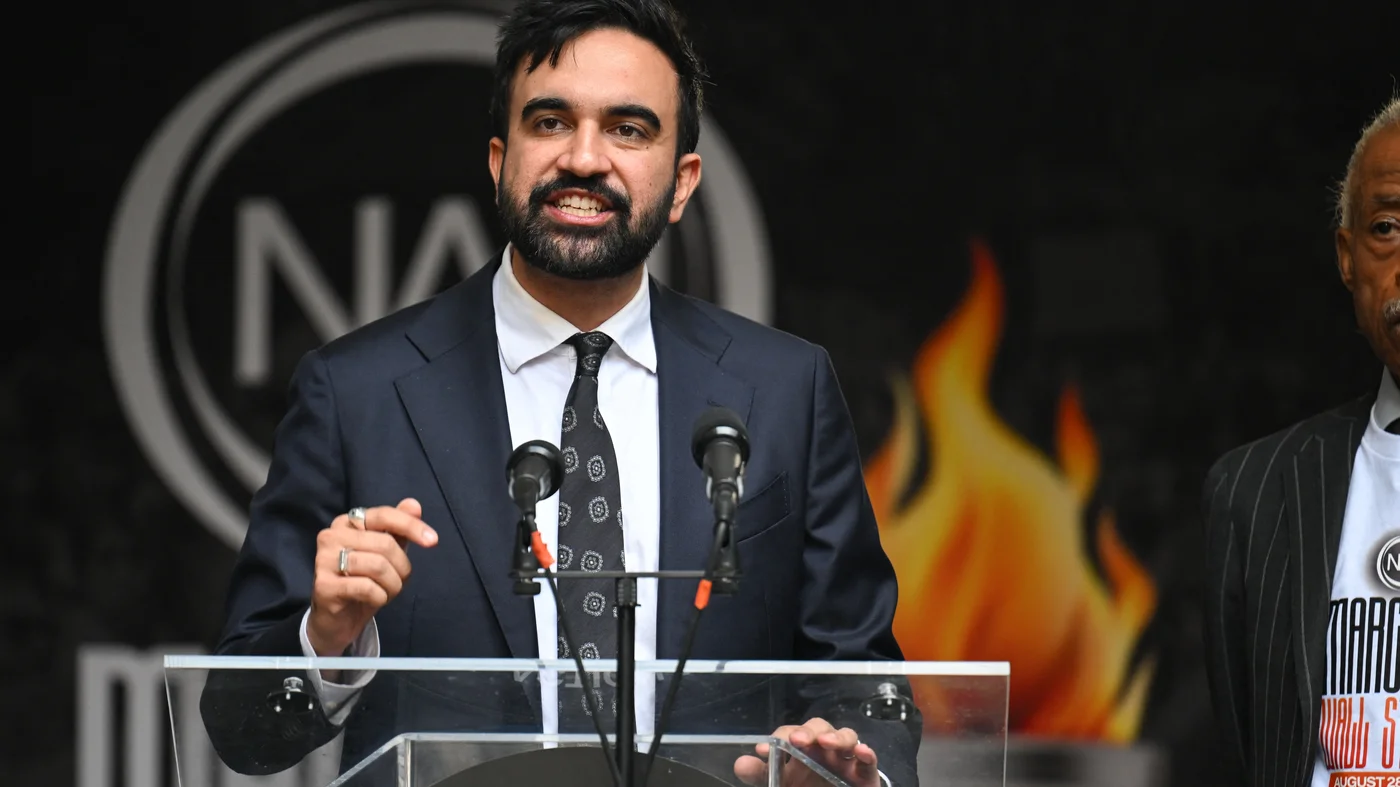
Zohran Mamdani under fire from all sides following 7 October statement
New York mayoral candidate Zohran Mamdani’s statement on October 7, marking the second anniversary of the Hamas-led attack, has ignited a firestorm of reactions across the political spectrum. Mamdani began by mourning the 1,100 Israelis killed and hundreds taken hostage, but swiftly pivoted to condemn Israel’s military response, labeling it a ‘genocidal war’ with a death toll exceeding 67,000. He criticized the U.S. government’s complicity and called for an end to occupation and apartheid. However, his failure to explicitly mention ‘Palestinians’ or ‘Palestine’ drew sharp criticism from pro-Palestine advocates, who accused him of flattening the power imbalance between Israelis and Palestinians. Palestinian activist Nerdeen Kiswani denounced the statement as ‘disgraceful,’ arguing it dehumanized Palestinians by equating Hamas’s actions with Israel’s systemic violence. Journalist Sana Saeed accused Mamdani of ‘genocide apologia’ for framing Palestinian resistance within the same moral register as Israel’s decades-long occupation. Others, including journalist Aaron Mate, criticized factual inaccuracies in Mamdani’s statement, particularly regarding the number of Israeli casualties. Meanwhile, the pro-Israel base, including the Israeli foreign ministry, condemned Mamdani for allegedly advocating for Hamas and spreading propaganda. Despite attempts to strike a measured tone, Mamdani’s statement left him politically isolated, alienating both his progressive base and Israel’s defenders. Critics argue his centrist approach risks losing credibility, while supporters contend he faces the pragmatic realities of electoral politics in a city with a significant Jewish population.
-
US diplomat fired over relationship with woman accused of ties to Chinese Communist Party
In a significant move underscoring the Biden administration’s stringent stance on national security, the U.S. State Department has terminated a diplomat for engaging in a romantic relationship with a Chinese woman reportedly connected to the Chinese Communist Party (CCP). This marks the first such dismissal since the implementation of a ban on such relationships late last year. The policy, introduced during the final days of President Joe Biden’s tenure, prohibits all U.S. government personnel, their family members, and contractors with security clearances in China from forming romantic or sexual ties with Chinese nationals. Tommy Pigott, a State Department spokesperson, confirmed the dismissal, stating that the diplomat admitted to concealing the relationship, which was deemed a breach of national security protocols. The case was reviewed by former President Donald Trump and Secretary of State Marco Rubio, who supported the decision. The diplomat’s identity remains undisclosed, though the relationship was exposed in a covertly recorded video by conservative activist James O’Keefe. In response, Chinese Foreign Ministry spokesperson Guo Jiakun declined to comment, emphasizing China’s opposition to ideological discrimination and unfounded allegations.
-
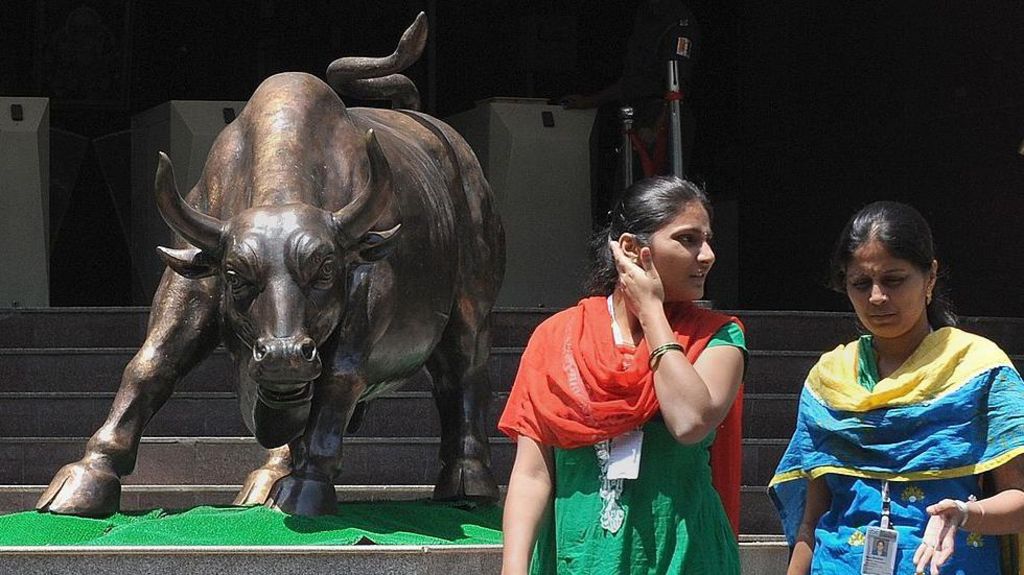
India’s fundraising gold rush is raising thorny questions
India’s stock market is witnessing an unprecedented surge in initial public offerings (IPOs), driven largely by retail investors, even as global uncertainties and geopolitical tensions loom. The country’s IPO market has become a magnet for companies across diverse sectors, from tech startups to established conglomerates, raising billions of dollars in 2025. According to Kotak Mahindra Capital Company, 79 companies have collectively garnered $11.5 billion in the first nine months of the year, with another $10-11 billion expected in the final quarter, pushing the total IPO fundraising beyond $20 billion. This excludes contributions from small and medium-sized enterprises, further highlighting the market’s vibrancy.
-

Saudi Arabia moves a step closer to qualification for 2026 World Cup
In a gripping encounter on Wednesday, Saudi Arabia secured a narrow 3-2 victory against Indonesia, inching closer to qualifying for the 2026 World Cup. The match, held in Jeddah, saw Saudi Arabia needing just one more win against Iraq next Tuesday to secure the top spot in Group B and book their seventh appearance in the prestigious tournament. The Asian qualifying format awards automatic berths to the winners of each group, while the runners-up proceed to a fifth round. Indonesia, under the guidance of former Netherlands and Barcelona star Patrick Kluivert, opened the scoring with Kevin Diks converting a penalty in the 11th minute. However, Saudi Arabia quickly responded with Saleh Abu Al-Shamat equalizing six minutes later. Firas Al-Buraikan then put the hosts ahead with a penalty in the 37th minute. Al-Buraikan extended the lead with another goal just after the hour mark, but Diks narrowed the gap with a second penalty in the 89th minute. Despite Mohamed Kanno’s red card in stoppage time, Saudi Arabia held on for the win. ‘One more step to go. God willing, we’ll make it happen,’ Al-Buraikan remarked in a post-match statement shared by the Asian Football Confederation. Meanwhile, Indonesia’s hopes of returning to the World Cup for the first time since 1938 hinge on their upcoming match against Iraq. In other Group A action, Qatar was held to a 0-0 draw by Oman, with both teams expressing mixed sentiments about their performances. Asia has eight automatic World Cup spots, with Japan, South Korea, Australia, Iran, Uzbekistan, and Jordan already securing their places in the previous qualifying round.
-

NBA returns to China for 1st time since a rift distanced it from one of the sport’s largest fanbases
The NBA is making a significant return to China with preseason games in Macao, marking its first appearance in the country since 2019. The Brooklyn Nets and Phoenix Suns are set to play two exhibition matches, signaling a revival of the league’s presence in a region that boasts one of its largest fanbases. This comes after a period of strained relations following a controversial tweet by former Houston Rockets executive Daryl Morey in 2019, which led to China severing ties with the NBA. The league’s efforts to rebuild its relationship with China have been gradual but are now gaining momentum. NBA Deputy Commissioner Mark Tatum emphasized the importance of bringing live games to global fans, particularly in China, where over 300 million people play basketball. The games are seen as a bridge to reconnect with Chinese fans and strengthen the NBA’s global outreach. Despite ongoing geopolitical tensions and trade friction between the U.S. and China, the NBA views sports as a unifying force. Commissioner Adam Silver highlighted basketball’s unique ability to bring communities together, both domestically and internationally. The Nets and Suns will play at Macao’s Venetian Arena, owned by Las Vegas Sands Corp., with Sands President Patrick Dumont also serving as governor of the Dallas Mavericks. The Nets’ owner, Joe Tsai, chairman of Alibaba, and the presence of Chinese rookie Yang Hansen, drafted by the Portland Trail Blazers, further underscore the league’s commitment to the Chinese market. Yang expressed excitement about the NBA’s return, hoping to play in front of his home crowd in the future. The NBA’s influence in China is undeniable, with stars like LeBron James, Stephen Curry, and Victor Wembanyama drawing massive crowds during their visits. The league’s social media engagement in China has also surged, driven by the growing popularity of basketball. Suns guard Jared Butler described the trip as a bonding experience, reflecting the broader sentiment that these games are more than just exhibitions—they are a step toward rebuilding a vital relationship.
-
American mistakes handing China short-term gains
The dynamics of US-China relations can be examined through three distinct lenses: short-term, medium-term, and long-term perspectives. In the immediate context, China has secured four significant outcomes: halting rare earth exports to counter US tariffs, leveraging military displays to deter US aggression, weakening India’s alignment with the US, and boosting trade surpluses with third countries despite declining exports to the US. These maneuvers reflect China’s strategic agility in navigating geopolitical tensions. In the medium term, however, China’s alliances with Russia and Iran have proven costly, draining resources and entangling Beijing in conflicts that may not yield favorable outcomes. The long-term outlook remains uncertain, particularly regarding China’s ability to address structural issues such as its massive trade surplus and currency convertibility. Historically, similar challenges contributed to the downfall of the Ming and Qing dynasties. Today, China’s ambition to dominate global trade hinges on adopting free-market principles, which could paradoxically lead to de-industrialization. Meanwhile, the US faces its own set of challenges, including declining alliances and a lack of cohesive long-term strategies. While China appears to have a plan, its domestic economic woes, such as rising debt and a collapsing real estate sector, pose significant risks. Ultimately, the future of US-China relations will depend on how both nations navigate these complex and interconnected challenges.