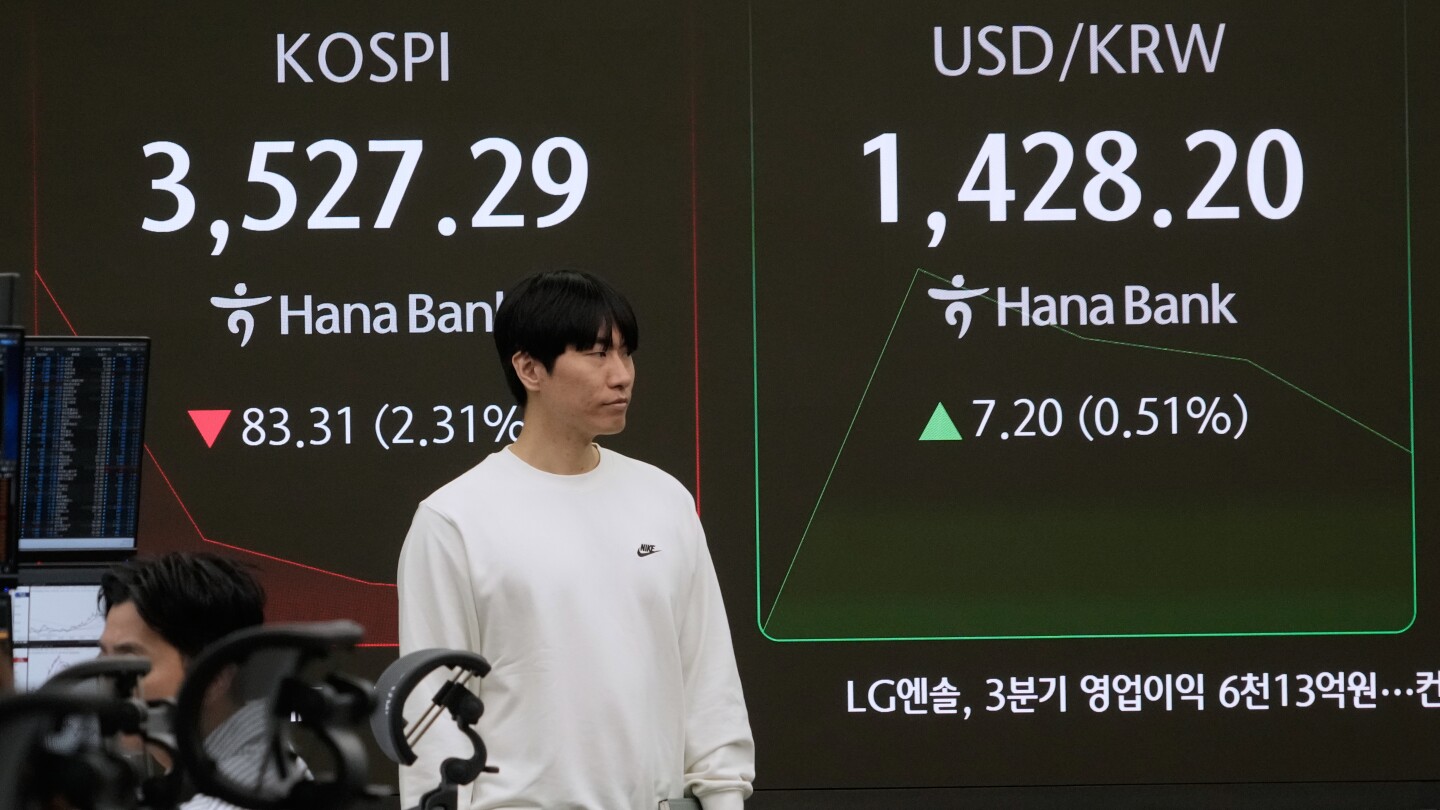
Asian stock markets experienced a sharp decline on Monday as renewed trade tensions between the United States and China disrupted a period of relative calm on Wall Street. The downturn followed President Donald Trump’s threat to impose higher tariffs on Chinese goods, signaling a potential escalation in the ongoing trade conflict between the world’s two largest economies. This move came in response to Beijing’s restrictions on the export of rare earth materials, which are essential for manufacturing a wide range of products, from consumer electronics to jet engines. Despite the turmoil, U.S. futures showed signs of recovery, with the S&P 500 contract rising 1.2% and the Dow Jones Industrial Average gaining 0.8%. Meanwhile, China reported a 8.3% year-on-year increase in global exports for September, marking the strongest growth in six months. However, exports to the U.S. plummeted by 27%, according to customs data. In Hong Kong, the Hang Seng Index fell 3.5%, while other major regional markets, including the Shanghai Composite and South Korea’s Kospi, also recorded significant losses. The S&P 500 had already suffered its worst day since April, dropping 2.7% on Friday, as investors reacted to the renewed trade hostilities. Trump’s comments on Truth Social further fueled concerns, as he hinted at canceling a planned meeting with Chinese President Xi Jinping during an upcoming trip to South Korea. The market’s decline was widespread, with nearly all sectors, including Big Tech and smaller companies, experiencing losses. Critics have warned that stock prices, particularly in the artificial intelligence sector, may be overvalued, drawing comparisons to the dot-com bubble of 2000. In the oil market, prices initially fell due to a ceasefire between Israel and Hamas but later rebounded. The bond market also saw a drop in yields, reflecting broader economic uncertainty. The dollar weakened slightly against the yen, while the euro gained ground.
标签: Asia
亚洲
-
Netherlands cracks down on China-owned chip firm over security risk
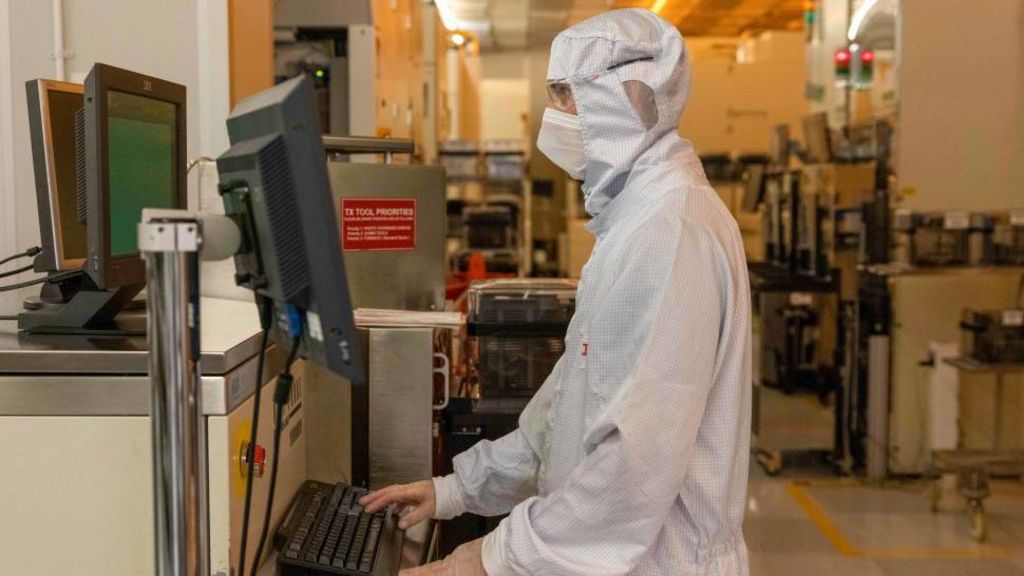
The Dutch government has made a rare decision to intervene in the operations of Nexperia, a Chinese-owned semiconductor manufacturer based in the Netherlands, citing potential risks to Dutch and European economic security. The move, announced on Sunday, underscores growing tensions between the European Union and China, particularly in the realm of trade and technology. Nexperia, which produces chips for automobiles and consumer electronics, has faced scrutiny in recent months, including being forced to sell its silicon chip plant in Newport, Wales, due to national security concerns raised by UK officials. The Dutch government invoked its Goods Availability Act, a legal mechanism designed to address serious governance issues and ensure the supply of critical goods. While Nexperia’s production will continue as usual, the intervention aims to safeguard crucial technological knowledge and capabilities in the Netherlands and Europe. The decision has already impacted Nexperia’s parent company, Wingtech, whose Shanghai-listed shares dropped by 10% on Monday. Wingtech, which is on the US ‘entity list,’ faces restrictions on importing American-made goods without special approval. This development highlights the escalating geopolitical tensions surrounding semiconductor supply chains and China’s global tech ambitions.
-

Sikh man with tumour held by US immigration denied medical care – family
Paramjit Singh, a 48-year-old US green card holder and Indian passport holder, has been detained by US immigration authorities for over two months, facing the threat of deportation. Singh, who has lived in the US since 1994 and resides in Indiana with his family, is battling a brain tumor and a heart condition. His wife and two children are US citizens. On July 30, Singh was detained at Chicago O’Hare International Airport upon returning from a trip to India and has since been held in custody. US Immigration and Customs Enforcement (ICE) has cited two decades-old cases as reasons for his detention, but Singh’s family and lawyer argue there are no active cases against him. They accuse immigration authorities of using old cases to delay his release and allege he lacks proper medical care despite his serious health conditions. Singh’s lawyer, Louis Angeles, stated that Singh is not receiving the necessary medical help, only check-ups. Singh’s niece, Kiran Virk, mentioned that he has regularly visited India without immigration issues. This time, his family waited seven hours at Chicago airport for his arrival. Immigration officials told them Singh was detained over a 1999 case involving using a public phone without paying. Court records show he served 10 days in prison and paid a $4,137.50 fine, which has blocked his US citizenship. Virk alleges immigration authorities said at a court hearing that Singh still faced a one-and-a-half-year sentence, with only 10 days dismissed. Authorities also claim Singh was convicted of a forgery offense in Illinois in 2008, but his family contends there are no such charges. A private detective hired by the family found no criminal records for a person named Paramjit Singh in the state, suggesting authorities may have mistaken him for someone else. Singh’s lawyer plans to challenge the detention, calling it ‘unethical’ and taking legal steps to block his deportation. Singh’s family is increasingly worried about his health, as his second brain tumor surgery has been delayed due to detention. His case is set to be heard on October 14. Singh’s detention comes amid a wider crackdown by US President Donald Trump’s administration on immigration, especially illegal immigrants. Critics say immigrants without criminal records who follow due process have also been targeted. In September, Harjit Kaur, a 73-year-old grandmother who spent more than three decades living in the US, was deported to India, sparking anger among the Sikh community.
-
Netanyahu says Israel’s military campaign ‘not over’ despite Gaza ceasefire
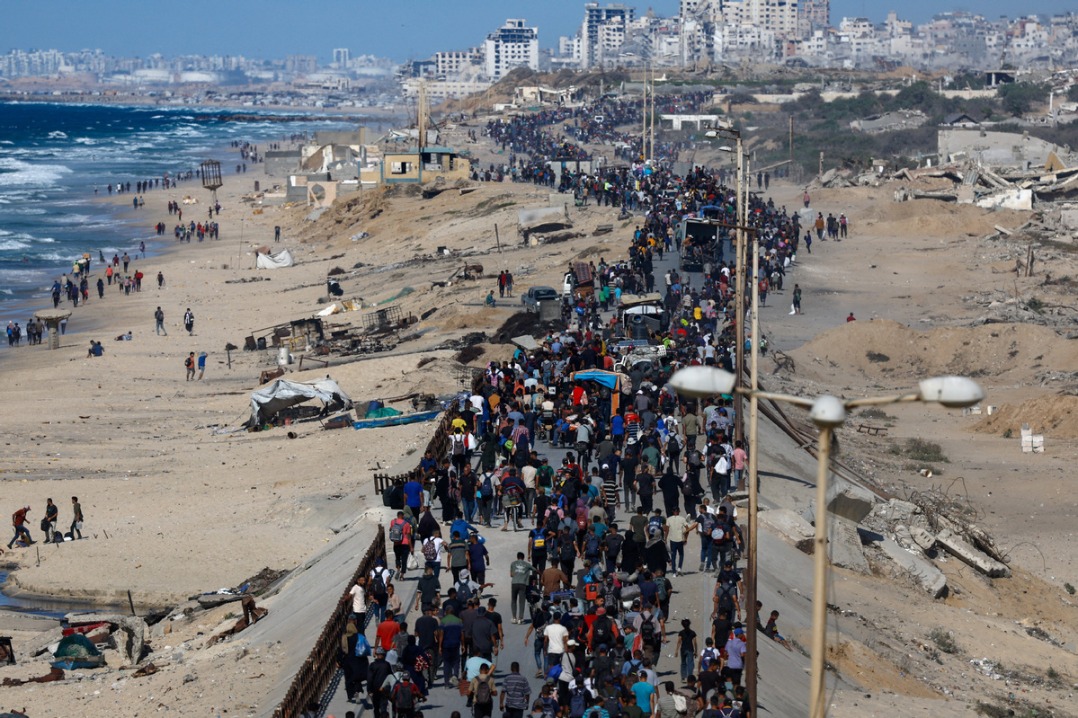
Israeli Prime Minister Benjamin Netanyahu emphasized on Sunday that the nation’s military campaign remains ongoing, even as a ceasefire with Hamas takes effect and the release of hostages and detainees is underway. Speaking in a televised address, Netanyahu described the planned release of the 20 remaining living Israeli hostages as a ‘historic event,’ but cautioned that the conflict is far from resolved. ‘Wherever we fought, we won,’ he stated. ‘But the campaign is not over yet.’ Netanyahu highlighted the persistent security challenges facing Israel, warning that some adversaries are attempting to regroup. He vowed to ensure the nation’s safety and stability. Earlier in the day, Israel’s military chief, Eyal Zamir, declared a ‘victory over Hamas,’ attributing the success to sustained military pressure and diplomatic efforts. Zamir also noted that Israel remains engaged in a ‘multi-front war’ and will continue its operations to reshape the Middle East’s security landscape. The ceasefire, which began on Friday, follows over two years of intense Israeli bombardments that have left Gaza in ruins and triggered widespread famine. While the truce has brought temporary relief, Netanyahu’s remarks underscore the fragile nature of the peace and the ongoing tensions in the region.
-
China’s exports to US drop in September, while rise in global shipments hits a 6-month high
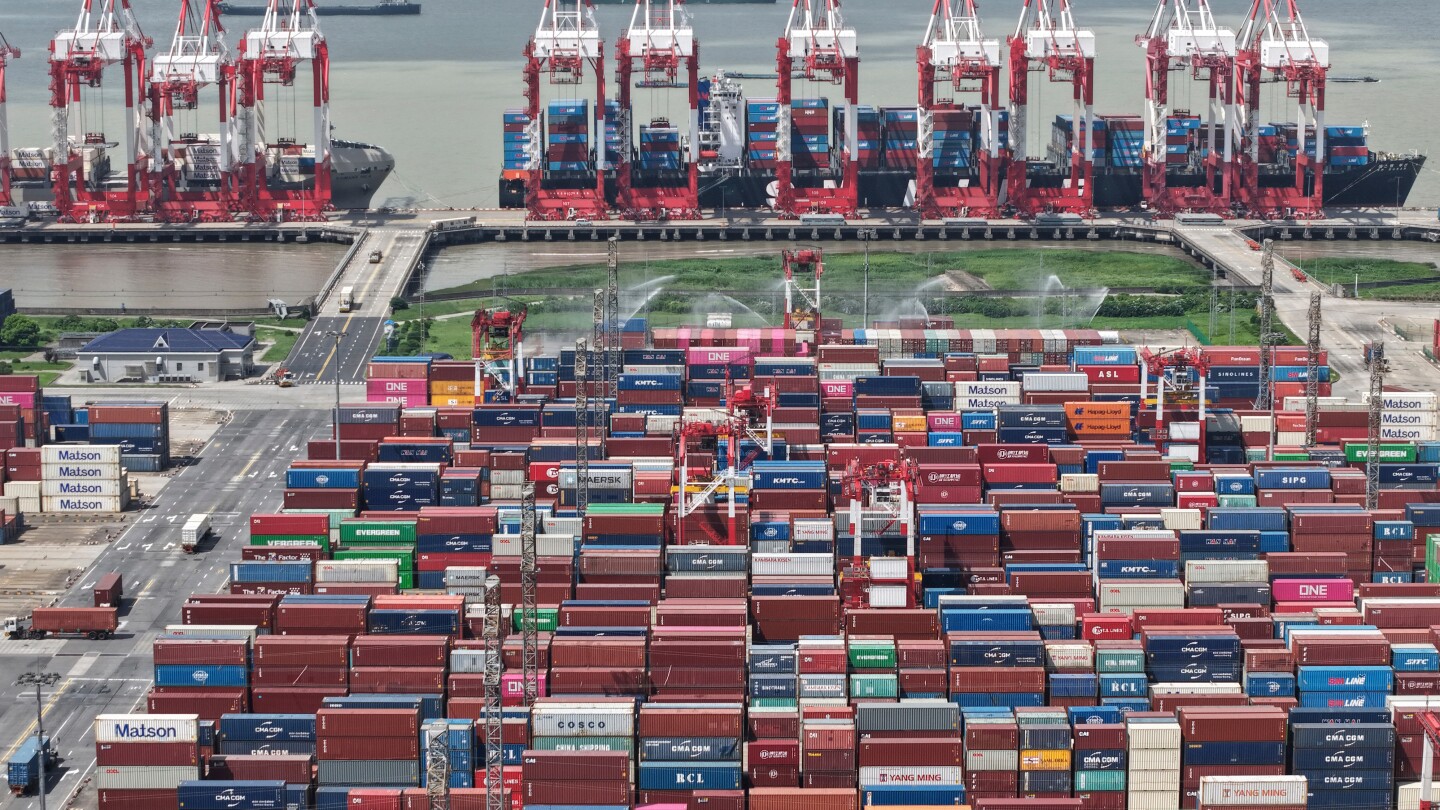
China’s trade dynamics in September presented a mixed picture, with global exports surging to a six-month high while exports to the United States continued their downward spiral. According to customs data released on Monday, China’s worldwide exports rose by 8.3% year-on-year, reaching $328.5 billion, significantly exceeding economists’ expectations and marking a notable improvement from August’s 4.4% growth. However, exports to the U.S. plummeted by 27% compared to the previous year, marking the sixth consecutive month of decline and following a 33% drop in August. Imports also showed improvement, growing by 7.4% in September, up from a modest 1.3% increase in August, though domestic economic challenges and a struggling real estate sector continue to dampen demand. The ongoing trade tensions between Beijing and Washington have cast a shadow over the outlook, with both sides imposing new tariffs and retaliatory measures. U.S. President Donald Trump’s policies aimed at reshoring manufacturing have pressured Chinese exports to the U.S., prompting China to diversify its markets. Shipments to Southeast Asia grew by 15.6%, while exports to Latin America and Africa surged by 15% and 56%, respectively. Despite these efforts, the external environment remains fraught with uncertainty, as highlighted by Wang Jun, vice minister of China’s customs agency, who emphasized the need for sustained efforts to stabilize trade in the fourth quarter. Analysts like Gary Ng of Natixis point to the resilience of China’s exports due to low costs and limited global alternatives but warn that escalating export controls could have a more prolonged impact on supply chains. Recent developments, including Trump’s threats of additional tariffs and export controls on critical software, coupled with China’s retaliatory measures such as new port fees and extended export controls on lithium-ion batteries and rare earths, have further strained relations. These tensions could jeopardize a planned meeting between Trump and Chinese President Xi Jinping in late October and underscore the lack of progress in reaching a comprehensive trade agreement.
-

Hamas, Israel in discussions over list of prisoners to be released: Palestinian sources
Indirect negotiations between Hamas and Israel, facilitated by Egyptian, Qatari, and Turkish mediators, have entered their final phase, focusing on the list of prisoners to be exchanged, according to Palestinian sources. The talks, held on Sunday, aim to finalize the details of a recently agreed ceasefire deal. Under the agreement, Hamas will release 20 living hostages and 28 deceased hostages held in Gaza since the Israel-Hamas conflict began on October 7, 2023. In return, Israel will free approximately 2,000 Palestinian detainees. However, disagreements persist over the composition of the prisoner list. Hamas is pushing for the inclusion of prominent figures such as Fatah leader Marwan Barghouti and Popular Front for the Liberation of Palestine leader Ahmed Saadat, while Israel prefers to release women, minors, and prisoners serving medium-term sentences. A senior Hamas official, speaking anonymously, revealed that intensive discussions with mediators have been ongoing to expand the list and prioritize the release of long-term detainees. The official expressed confidence that mediators are working tirelessly to resolve remaining obstacles before the official announcement. Hamas reiterated its commitment to implementing the agreement on schedule, emphasizing its humanitarian framework supervised by international partners. Meanwhile, Israel anticipates the release of all 20 living hostages early Monday morning. An international task force will be established to assist in locating the remains of deceased hostages. Israeli security measures have been heightened in Gaza to ensure the smooth execution of the exchange process.
-
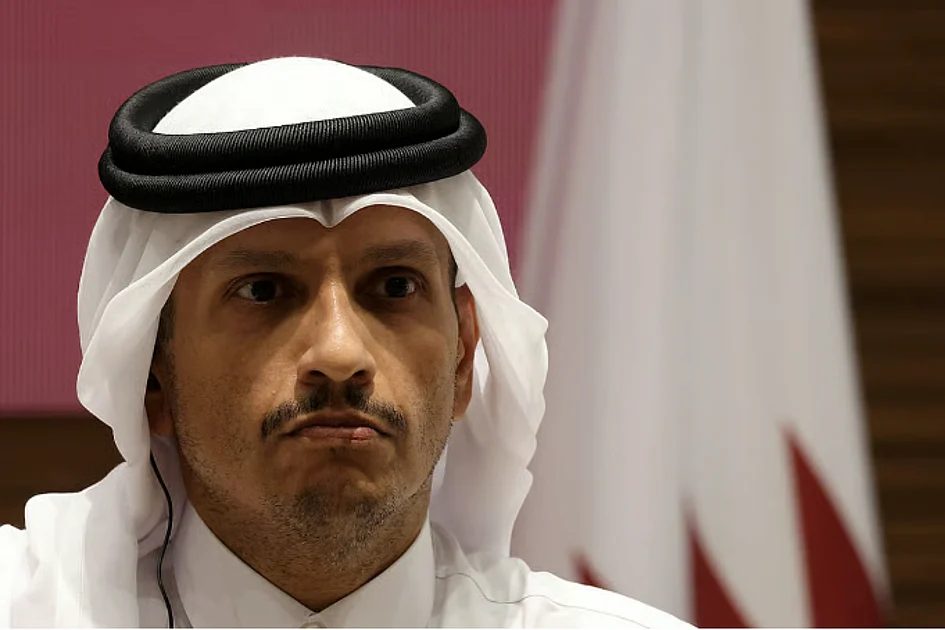
Qatar PM offers condolences after 3 Qatari diplomats die in Egypt car crash
In a tragic incident near Egypt’s Sharm el-Sheikh, three Qatari diplomats lost their lives in a car crash, prompting an outpouring of condolences from Gulf leaders. The Qatari Prime Minister, Sheikh Mohammed bin Abdulrahman Al Thani, expressed his heartfelt sympathies to the bereaved families via a post on X, formerly known as Twitter. He prayed for the deceased to be granted eternal peace and for their families to find strength during this difficult time. Additionally, he wished a swift recovery for the two individuals injured in the accident, who are currently receiving medical care at a local hospital. The Qatar embassy in Cairo confirmed the details of the incident, which occurred early on Sunday. The diplomats were part of Qatar’s Amiri Diwan, the royal court, and were on official duty at the time of the crash. The accident has drawn widespread attention, especially given the recent diplomatic activities in Sharm el-Sheikh, where Qatar, Turkey, and Egypt had engaged in indirect talks aimed at brokering peace in the ongoing Gaza conflict. The city is also set to host a global summit to finalize the agreement. Leaders from across the Gulf, including UAE President Sheikh Mohamed bin Zayed Al Nahyan, Saudi King Salman bin Abdulaziz, and Kuwait’s Emir Sheikh Meshal Al Ahmad Al Jaber Al Sabah, have extended their condolences to Qatar. The Gulf Cooperation Council (GCC) also issued a formal statement expressing solidarity with Doha in this time of grief.
-
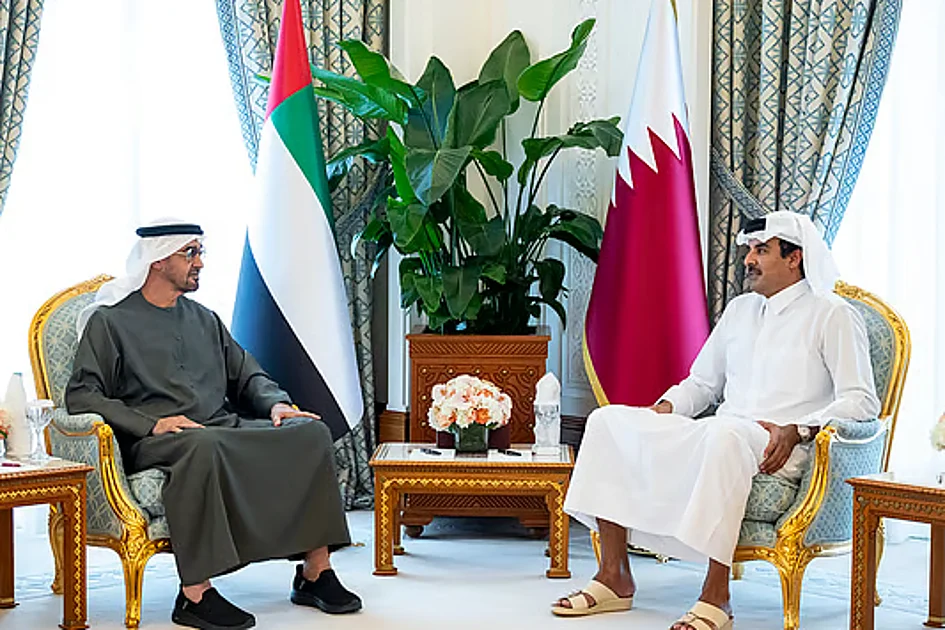
UAE President offers condolences to Qatar Emir over death of diplomats in car crash
In a tragic incident that has drawn international attention, the UAE President Sheikh Mohamed bin Zayed Al Nahyan has expressed his heartfelt condolences to Qatar’s Emir Sheikh Tamim bin Hamad Al Thani following the death of three Qatari diplomats in a fatal car crash. The accident occurred in the early hours of Sunday, October 12, in Sharm El Sheikh, Egypt. The deceased, identified as Saud bin Thamer Al Thani, Abdullah Ghanem Al Khayarin, and Hassan Jaber Al Jaber, were members of the Amiri Diwan, the administrative office of the Qatari Emir. Two other individuals, Abdullah Issa Al Kuwari and Mohammed Abdulaziz Al Buainain, were injured in the crash and are currently receiving treatment at Sharm El-Sheikh International Hospital. They are expected to be transferred to Doha for further medical care. The UAE Ministry of Foreign Affairs also extended its sympathies to the families of the victims and the Qatari leadership, government, and people, describing the incident as a ‘painful loss.’ The Qatari embassy in Cairo is coordinating with Egyptian authorities to ensure the repatriation of the deceased and the injured. This tragic event underscores the risks faced by diplomats in their line of duty and has prompted expressions of solidarity from across the region.
-

US embassy in Doha condoles death of 3 Qatari diplomats in Egypt’s Sharm El Sheikh
The US Embassy in Doha has expressed profound sorrow over the tragic deaths of three Qatari diplomats in a car accident in Sharm El Sheikh, Egypt. The incident, which occurred on Sunday, also left two members of Qatar’s Amiri Diwan injured. Both are currently receiving medical treatment at a local hospital. The bodies of the deceased and the injured individuals are expected to be repatriated to Doha later in the day. The embassy extended its heartfelt condolences to Qatari Emir Sheikh Tamim bin Hamad Al Thani, the Qatari people, and the families of the victims, emphasizing solidarity with Qatar during this difficult time. The victims were identified as Saud bin Thamer Al Thani, Abdullah Ghanem Al Khayarin, and Hassan Jaber Al Jaber, while the injured are Abdullah Issa Al Kuwari and Mohammed Abdulaziz Al Buainain. The accident comes as Sharm El Sheikh prepares to host a global summit on Monday, chaired by US President Donald Trump and Egyptian President Abdel Fattah al-Sisi, aimed at finalizing a significant international agreement.
-

Trump says inflation is ‘defeated’ and the Fed has cut rates, yet prices remain too high for many
Inflation has shown a persistent upward trend in three of the last four months, slightly exceeding levels from a year ago. This issue, which played a role in derailing then-Vice President Kamala Harris’ presidential campaign, remains a significant concern. However, recent statements from President Donald Trump and Federal Reserve Chair Jerome Powell suggest a more optimistic outlook. Trump recently declared at the United Nations General Assembly that grocery prices and mortgage rates have declined, claiming victory over inflation. Similarly, Powell noted in August that inflation, though still elevated, has significantly decreased from its post-pandemic highs and that upside risks have diminished. Despite these reassurances, inflation remains above the Federal Reserve’s 2% target, posing risks for both the White House and the Fed. Surveys indicate that many Americans still view high prices as a major financial burden, and the Fed’s credibility in managing inflation could be at stake if its assumptions about temporary tariff-induced inflation prove incorrect. The Fed recently cut its key interest rate, prioritizing concerns over unemployment rather than inflation. However, economists warn that ongoing tariffs and corporate price hikes could lead to more than just a temporary inflation spike. For instance, tariffs on imported goods like furniture, appliances, and toys have driven up costs, with long-lasting manufactured goods seeing a 2% increase in August—a notable shift after decades of declining prices. Grocery prices rose 2.7% in August, the largest non-pandemic increase since 2015, while coffee prices surged nearly 21% due to tariffs on Brazilian imports and climate-related droughts. Despite these pressures, some Fed officials believe other factors, such as slowing rental costs and reduced immigration, will help mitigate inflation in the coming months. Nonetheless, the interplay between tariffs, consumer confidence, and inflation remains a critical issue for policymakers.