
Huanggang Village, nestled in the picturesque landscapes of Southwest China’s Guizhou province, has achieved international recognition by being named to the United Nations’ Best Tourism Villages 2025 list. The announcement, made on Friday, highlights the village’s exceptional contributions to sustainable tourism and cultural preservation. Huanggang is one of four Chinese villages to receive this prestigious accolade, alongside others from Sichuan, Zhejiang, and Jiangsu provinces. The award ceremony, attended by the village’s Party secretary, underscored the global significance of Huanggang’s efforts in promoting rural tourism and community development. This recognition not only celebrates the village’s unique heritage but also positions it as a model for sustainable tourism practices worldwide. The inclusion of Huanggang on the UN list is expected to boost local tourism, enhance economic opportunities, and inspire other rural communities to follow suit.
标签: Asia
亚洲
-
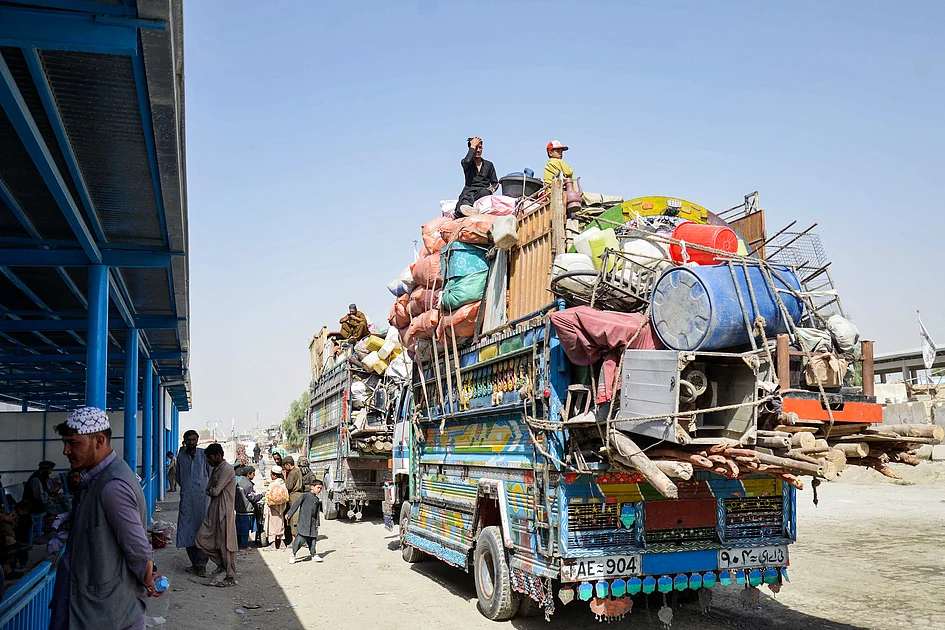
‘People can breathe’: Hope for peace on Afghan-Pakistan border
After a week of intense violence, a new ceasefire agreement between Afghanistan and Pakistan has sparked hope for peace and the revival of vital cross-border trade. The clashes, which erupted following explosions in Kabul on October 9, led to retaliatory strikes and significant casualties on both sides. The Taliban government accused Pakistan of orchestrating the blasts, prompting Islamabad to vow a robust response. After initial 48-hour truce on Wednesday, further Pakistani strikes on Friday targeted armed groups allegedly harbored by the Taliban. However, a second ceasefire was approved on Sunday, bringing relief to border communities. Residents in Torkham, a key crossing point, have begun to resume daily activities, with bakers, vendors, and shopkeepers returning to work. Over 1,500 trucks laden with essential goods remain stranded, highlighting the economic toll of the conflict. Abdul Rahman Habib, a Taliban economy ministry spokesman, warned of rising prices, unemployment, and market instability if trade disruptions persist. Both sides have emphasized the need to separate trade from political disputes. Peace talks in Doha, Qatar, have laid the groundwork for lasting peace mechanisms, though details remain undisclosed. Locals on both sides of the border, heavily reliant on cross-border trade, expressed optimism for a durable resolution to the conflict.
-
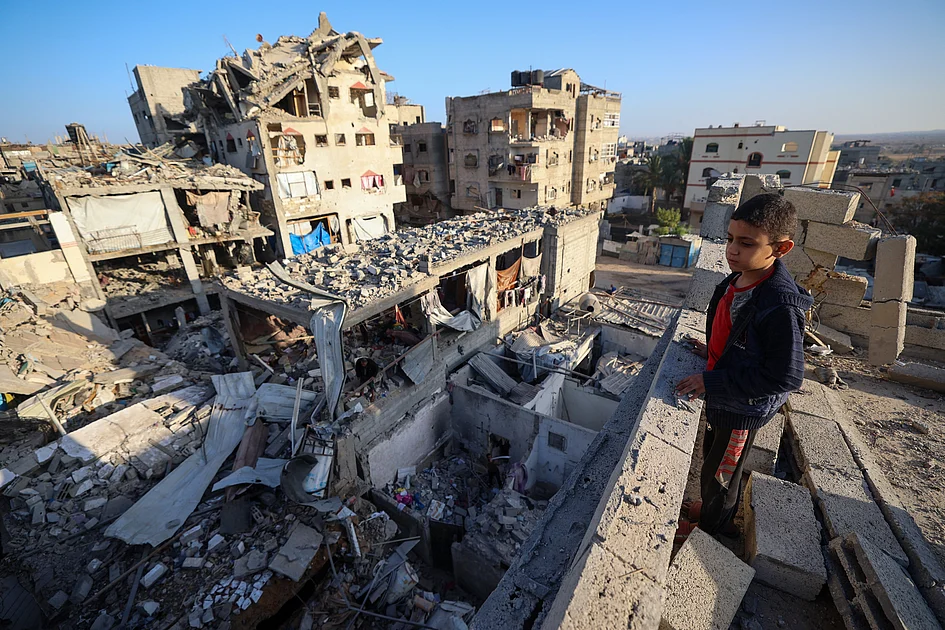
Cash-strapped Gazans left disappointed as first banks reopen
In the war-torn Gaza Strip, the reopening of two bank branches on Sunday brought a glimmer of hope to cash-strapped residents, only to leave them disillusioned once again. Despite the long-awaited resumption of banking services, the branches lacked the necessary liquidity to meet the demands of eager customers. Ahmad Abu Foul, a 38-year-old resident of Khan Yunis, expressed his frustration after failing to withdraw his salary, a situation emblematic of the broader financial crisis gripping the region. The Bank of Palestine’s reopening marked the first such event since March, when a truce collapsed, but the absence of usable currency has rendered the move largely symbolic. Over the past two years, since Hamas’s cross-border attack on Israel and the subsequent military response, Gaza’s financial system has been in disarray. Israeli shekels, the primary currency, have become trapped in a closed loop of small-scale commerce, with many notes deteriorating to the point of being unusable. UN experts have criticized Israel’s ‘financial stranglehold’ on Gaza, citing the destruction of banks and ATMs, the blockade on new currency inflows, and the disruption of digital payments due to frequent power and communication outages. While a recent ceasefire brokered under U.S. pressure has provided a temporary reprieve, the lack of liquidity continues to exacerbate the humanitarian crisis. Residents like Taysir Abu Shabak and Mahmud Nassar lament the exorbitant fees charged by merchants for cash withdrawals, further draining their already meager resources. Nada Abu Amra, a 33-year-old from Deir al-Balah, voiced the collective exhaustion of Gazans, who simply seek access to enough funds to purchase basic necessities. The discovery of large sums of cash in tunnels beneath Gaza, allegedly linked to Iran’s support for Hamas, has done little to alleviate the plight of ordinary citizens. As the region grapples with rampant inflation and a crumbling financial infrastructure, the reopening of banks without liquidity underscores the enduring challenges faced by Gaza’s population.
-

Paris Louvre heist lays bare museum security complaints
A daring heist at the Louvre Museum in Paris has reignited concerns over the security of France’s cultural treasures. Thieves armed with power tools broke into the museum, making off with priceless royal jewels, including crowns and necklaces adorned with sapphires and emeralds. The incident has sparked outrage and raised questions about the adequacy of security measures at one of the world’s most visited museums, which spans 73,000 square meters and houses approximately 35,000 works of art. The robbery occurred just months after museum employees and unions had warned of significant security flaws, including staff reductions that have left the institution vulnerable. Despite a recent security audit and recommendations for improvements, the implementation of these measures appears to have been insufficient. The French government has now pledged to accelerate a $930 million renovation project, which includes a comprehensive security overhaul. However, critics argue that the response has been reactive rather than proactive, leaving France’s cultural heritage at risk. The Louvre is not alone in facing such threats; other French museums have also been targeted, highlighting a growing trend of museum thefts across the country. Authorities are now scrambling to recover the stolen artifacts and prevent future breaches.
-

Gansu’s first captive-born panda cub turns one month old
The Lanzhou Wildlife Zoo announced on Sunday that the first giant panda cub born through natural mating in Gansu province has reached its one-month milestone, signifying a significant achievement in regional panda conservation efforts. The male cub, born to pandas Manlan and Hongxi, weighed a mere 100 grams at birth but has since grown to nearly 1.3 kilograms. The cub’s iconic black-and-white fur is beginning to emerge, and it has started to vocalize loudly and move its limbs energetically, though its eyes remain closed. This birth marks a breakthrough for the zoo’s breeding program, which has been striving to enhance the survival and reproduction of giant pandas in captivity. The event underscores the importance of natural mating in panda conservation, as it often yields healthier and more resilient offspring compared to artificial insemination. The zoo plans to continue monitoring the cub’s development closely, ensuring it receives the necessary care to thrive.
-

Japan set for new coalition and first woman premier
Japan is on the brink of a historic political transformation as Sanae Takaichi, a prominent figure from the ruling Liberal Democratic Party (LDP), moves closer to becoming the nation’s first female prime minister. This milestone follows the LDP’s decision to form a coalition with the Japan Innovation Party (JIP), announced just hours before the lower house vote on Takaichi’s appointment. Despite the coalition still lacking two seats for a majority, Takaichi is expected to secure the premiership in a second-round run-off vote, where she only needs to outpace her competitor. Takaichi, a 64-year-old China hawk and traditionalist, recently won the LDP leadership but faced setbacks after the collapse of the party’s long-standing alliance with Komeito. The latter cited concerns over Takaichi’s hardline stance on China and her visits to the controversial Yasukuni Shrine, which honors war criminals. The new coalition has already sparked optimism in financial markets, with the Nikkei 225 index surging over three percent to a record high. Analysts attribute this to expectations of Takaichi’s proactive fiscal policies, reminiscent of the ‘Abenomics’ approach championed by her mentor, former Prime Minister Shinzo Abe. However, Takaichi’s administration will face significant challenges, including navigating U.S. President Donald Trump’s upcoming visit, addressing Japan’s demographic crisis, and revitalizing its stagnant economy. Additionally, the coalition will need to collaborate with other parties to pass legislation, as it lacks a majority in both parliamentary houses. The JIP has proposed policies such as eliminating the consumption tax on food and reducing the number of lawmakers, signaling a potential shift in Japan’s political landscape.
-
China adds 22 sites to wetlands of national importance list
In a significant move to bolster ecological conservation, China has added 22 new wetlands to its list of nationally important sites, raising the total to 80. This announcement, made by the National Forestry and Grassland Administration (NFGA), underscores the country’s ongoing dedication to wetland protection and restoration. The initiative aligns with China’s first specialized law on wetland conservation, marking a pivotal step in its broader environmental strategy. To date, China boasts 82 internationally recognized wetlands and 22 international wetland cities, alongside the restoration of over 1 million hectares of wetlands nationwide. The NFGA has pledged to intensify efforts in wetland restoration and monitoring, aiming to enhance the ecological quality and stability of these vital ecosystems. This expansion reflects China’s proactive approach to addressing global environmental challenges and preserving biodiversity.
-

Sichuan reports first case of HIV-2 infection
Sichuan Province has reported its first-ever case of HIV-2, a rare strain of the human immunodeficiency virus (HIV) that is uncommon in China. The case was identified in a 67-year-old woman from Meishan city, who initially tested positive for HIV in January 2025. Advanced confirmatory testing and genetic sequencing later revealed the infection to be caused by HIV-2, as detailed in a study published in the Chinese Journal of AIDS & STD. HIV is categorized into two types: HIV-1 and HIV-2. While HIV-1 is more globally prevalent and highly pathogenic, HIV-2 is less transmissible and progresses more slowly. This discovery underscores the importance of vigilant monitoring and advanced diagnostic techniques in identifying rare viral strains. Health authorities are now focusing on understanding the transmission pathways and implementing targeted prevention measures to curb the spread of this less common variant.
-

Hainan suspends transport as Typhoon Fengshen approaches
As Typhoon Fengshen barrels through the South China Sea, Hainan Province has taken decisive action to ensure public safety by suspending all transport services. The typhoon, characterized by its strong winds and heavy rainfall, has prompted Hainan Railway Co. to halt all train operations to and from the island on Tuesday. Additionally, key ports including Haikou Xinhai Port, Xiuying Port, and South Railway Port ceased operations from 2 pm on Monday, with services anticipated to resume by Thursday morning.
Maritime authorities have also implemented precautionary measures, suspending cruise services between Hainan and the Xisha Islands, as well as the Xisha supply route, starting Monday morning. Night tour routes in Haikou and Sanya have been halted, and tourist trips to Sanya’s Wuzhizhou and Xidao islands will be suspended from Tuesday.
The Hainan Maritime Safety Administration has activated a Level IV emergency response for typhoon prevention, implementing safety protocols for over 1,900 vessels across local ports. As of Monday morning, Typhoon Fengshen’s maximum sustained winds reached force 9 on the Beaufort scale, according to China’s national observatory.
Meteorologists predict the storm will continue to intensify as it moves west-northwest at approximately 25 kilometers per hour. It is expected to peak as a severe tropical storm or typhoon, with winds potentially reaching force 12 on the Beaufort scale. By Tuesday, Fengshen is forecast to turn southwest over the central and northern waters of the South China Sea, passing northwest of the Xisha Islands before heading toward Vietnam’s central coast, where it will gradually weaken.
Residents and travelers in Hainan are advised to prepare for severe weather conditions, including strong winds and heavy rainfall, which are expected to persist from Monday through Thursday morning across the central and northern South China Sea and most waters off Hainan. The eastern half of Hainan is particularly at risk of facing severe storm conditions between Tuesday and Thursday.
-
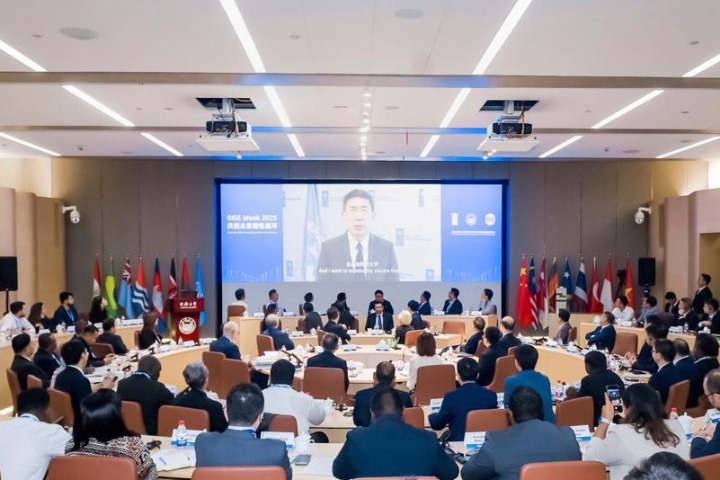
Global experts gather in Shanghai to address urban resilience
The inaugural RISE Week 2025 commenced in Shanghai on October 17, uniting over 100 global experts, policymakers, and practitioners from 15 countries. Hosted by the UNDP—Tongji SDG Innovation Lab on Climate and Disaster Resilience (RISE Lab) and co-organized by UNDP and Tongji University, the event aimed to foster innovative solutions for creating low-carbon, inclusive, and resilient cities. The week-long program featured technical workshops, peer-learning sessions, policy dialogues, leadership training, and field visits, emphasizing the integration of science, technology, policy, and governance to enhance urban resilience. Xu Haoliang, UNDP associate administrator, highlighted the urgency of addressing urban vulnerabilities exacerbated by climate change, natural disasters, and social inequalities. Lyu Peiming, executive vice-president of Tongji University, underscored the event’s role in bridging research, policymaking, and practice. International participants, including Paula Coelho da Nobrega from Brazil and Gordon Otieno Muga from Kenya, shared their challenges and praised the technical insights offered. Zhou Ying, dean of Tongji University’s college of civil engineering, emphasized the importance of international cooperation, education, and engineering-driven innovation in building resilient cities. RISE Lab will continue to serve as a global platform for collaborative resilience-building efforts.