标签: Asia

亚洲

  • Hong Kong is China’s most underestimated strategic asset

    Hong Kong is China’s most underestimated strategic asset

    Amid widespread narratives predicting Hong Kong’s decline due to geopolitical tensions and regional competition, a more profound transformation is underway. Rather than fading into irrelevance, the city is being strategically repurposed as the central platform for China’s global financial ambitions. This structural shift positions Hong Kong with greater strategic importance to Beijing than at any point in recent decades.

    Hong Kong’s evolution into China’s offshore financial command center represents a deliberate, consequential transformation that transcends conventional discussions about economic recovery. The city is being systematically integrated into the architecture of China’s ascent as a financial power, functioning not as a nostalgic relic but as a forward-facing operational platform.

    The renminbi’s internationalization strategy demonstrates Hong Kong’s critical role. As Beijing pursues currency globalization, it requires a trusted global marketplace operating under international norms—a role neither Shanghai nor Shenzhen can fulfill. Hong Kong’s dominance in offshore RMB liquidity, hosting the world’s largest pool, provides China with a controlled environment that maintains global credibility. The city facilitates accelerating RMB bond issuance, swap programs, and cross-border settlement mechanisms that determine the currency’s international future through market functionality rather than political declarations.

    While some observers focus on declining IPO volumes, they overlook deeper structural reforms transforming how international capital engages with China. Listing reforms, cross-border fund distribution, and enhanced market infrastructure establish Hong Kong as the most credible offshore venue for raising Chinese capital globally. China is not merely preserving Hong Kong’s status but reengineering it to channel global capital without exposing the onshore system to destabilizing flows.

    This dual-track structure—onshore for scale, offshore for global reach—forms the backbone of China’s financial strategy. Hong Kong’s value now resides in strategic function rather than speculative cycles.

    The wealth management sector reveals even more significant developments. As China’s affluent class expands, Hong Kong emerges as the exclusive offshore hub capable of handling Chinese wealth at global standards. Family-office incentives, tax clarity, and internationally-aligned regulatory frameworks make the city uniquely suited to manage China’s growing private capital—capital that Beijing increasingly wants deployed globally rather than domestically.

    In financial innovation, Hong Kong’s new identity becomes unmistakable. While other financial centers debate digital assets and fintech regulation, Hong Kong actively builds frameworks to integrate these emerging sectors. Through virtual-asset licensing, green-finance taxonomy, and cross-border fintech pilots, the city positions itself at the frontier of financial experimentation.

    This transformation extends beyond local implications, strengthening China’s capacity to influence global financial rules through participation rather than demands. Hong Kong provides unparalleled leverage in shaping capital standards, payment systems, and digital-finance architecture.

    The actual risk facing Hong Kong is not irrelevance but complacency. Maintaining its comparative advantage requires moving faster than both rivals and diminishing geopolitical narratives. The city’s unique power derives from being simultaneously deeply Chinese and institutionally global—a duality that represents strength rather than vulnerability.

    Hong Kong is evolving into the operational center of China’s financial modernization and the offshore engine of its global financial projection. If China emerges as a financial powerhouse in coming decades, Hong Kong will have served as the pivotal platform enabling that transformation—not as a fading star but as a quietly rising one essential to China’s global financial strategy.

  • History of traditional Chinese medicine on display at Shanghai museum

    History of traditional Chinese medicine on display at Shanghai museum

    Shanghai History Museum has launched a groundbreaking exhibition showcasing the profound legacy of Traditional Chinese Medicine (TCM) in the metropolitan region. Titled ‘Heritage, Harmony, Health: The Wisdom of Shanghai TCM for Modern Well-Being,’ the comprehensive display features over 300 meticulously curated artifacts that trace the evolution of medicinal practices throughout Shanghai’s history.

    The crown jewel of the exhibition is an exceptionally rare first print copy of Li Shizhen’s Bencao Gangmu (Compendium of Materia Medica), on special loan from Shanghai Library for a limited one-week viewing period. This monumental 16th-century encyclopedia represents one of Chinese medicine’s most significant contributions to global pharmacology. Li Shizhen dedicated three decades to compiling this masterwork, which systematically categorizes medicinal substances into plant, animal, and mineral classifications across 52 detailed volumes.

    Historical scholars recognize the Jinling edition as the original version of this seminal text, with approximately 160 different editions identified to date. The exhibition contextualizes this pharmaceutical masterpiece within Shanghai’s broader medical heritage, demonstrating how traditional healing practices have continuously evolved while maintaining their philosophical foundations.

    Beyond the literary treasure, the museum presents diverse artifacts including ancient diagnostic tools, prescription manuals, herbal specimens, and surgical instruments that illustrate the sophisticated practices of TCM practitioners through centuries of medical development. The exhibition particularly emphasizes how Shanghai emerged as a crucial hub for integrating traditional medical knowledge with modern healthcare approaches.

    Running through March 1, the immersive experience offers visitors unique insights into how historical medical wisdom continues to inform contemporary wellness practices. The exhibition strategically bridges historical medical traditions with current health concepts, demonstrating TCM’s enduring relevance in modern preventive medicine and holistic treatment methodologies.

  • UAE’s ‘nature emirate’: How RAK combines 7,000-year history, new hotels to draw tourists

    UAE’s ‘nature emirate’: How RAK combines 7,000-year history, new hotels to draw tourists

    Ras Al Khaimah is embarking on an ambitious tourism expansion strategy that strategically merges its 7,000-year historical legacy with contemporary luxury developments to establish itself as a distinctive global destination. Under the leadership of newly appointed Ras Al Khaimah Tourism Development Authority (RAKTDA) CEO Phillipa Harrison, the emirate is implementing a comprehensive growth blueprint targeting a threefold increase in visitor numbers over the next five years.

    The emirate’s remarkable visitor surge—recording 650,000 arrivals in the first half of 2025 alone—demonstrates the effectiveness of its current approach. This growth is propelled by strategic enhancements including new hotel openings, strengthened international partnerships, and significantly improved air connectivity with eleven new routes established. Current projections indicate the destination will reach 1.4 million visitors by year’s end, with accelerated growth anticipated as major developments come online.

    Harrison, drawing from her extensive experience leading Tourism Australia, emphasizes the critical importance of distinctive branding and authentic experiences in global tourism success. “We must be choiceful in how we market ourselves and develop strong points of connection with diverse global audiences,” Harrison stated during an exclusive interview. While maintaining its successful all-inclusive sun-and-sand offerings from traditional markets like the UK, the emirate is simultaneously expanding into luxury tourism and fully independent traveler segments.

    The strategic vision extends beyond conventional tourism parameters, with plans to enhance guest experiences across mountain, desert, coastal, and mangrove environments. Cultural tourism represents another key growth pillar, leveraging historical assets including Al Jazeera Al Hamra and the emirate’s significant position along ancient trade routes.

    A pivotal milestone in this transformation will be the opening of the Wynn Integrated Resort on Al Marjan Island, anticipated to serve as a regional game-changer that will focus unprecedented global attention on Ras Al Khaimah. Harrison identifies this development as an opportunity to comprehensively showcase the emirate’s diverse offerings and unique identity to an international audience.

    The tourism strategy incorporates a strong emphasis on sustainability and community engagement, ensuring that growth benefits both visitors and residents while maintaining the natural and cultural integrity that defines the ‘Nature Emirate.’ Harrison and her team are working to present Ras Al Khaimah as a cohesive destination where visitors can reconnect with nature, discover authentic culture, and experience a genuine sense of escape, all while complementing rather than competing with neighboring emirates.

  • Tianjin Hospital hosts Malaysian orthopedic experts to deepen China-ASEAN medical exchange

    Tianjin Hospital hosts Malaysian orthopedic experts to deepen China-ASEAN medical exchange

    Tianjin Hospital has strengthened international medical cooperation by hosting a delegation of distinguished orthopedic specialists from Malaysia for the 2025 International Advanced Arthroplasty Seminar. This strategic initiative aims to deepen clinical partnerships between China and ASEAN nations while advancing the field of joint surgery through shared expertise.

    The seminar created an environment for transnational professional dialogue, with Malaysian surgeons presenting complex clinical cases from their practice. These case studies sparked extensive technical discussions with Professors Ren Kaijing and Zhang Fujiang from Tianjin Hospital’s joint surgery department, fostering mutual learning and professional growth.

    Malaysian delegates expressed particular admiration for Tianjin Hospital’s technological capabilities and surgical expertise. Dr. Chan Kin Yuen from Gleneagles Hospital Kuala Lumpur noted the institution’s cutting-edge work in 3D printing applications and complex revision surgery, describing the hospital’s technical resources as exceptional for handling high-risk procedures.

    Dato’ Dr. Goh Eng Tat from LohGuanLye Specialists Centre highlighted the effective mentorship culture observed between senior and junior surgeons, noting this collaborative approach enables the team to confidently undertake major complex operations while maintaining procedural excellence.

    Beyond technical expertise, Dr. Cheu Teck Luk from Borneo Medical Centre expressed appreciation for the hospital’s historical significance, noting how the institution’s legacy forms an integral part of China’s medical heritage.

    The exchange program featured live surgical demonstrations by Professor Li Xiaohui, administrative director of the joint surgery department. These included three complex procedures: hip dysplasia correction, knee revision surgery, and robot-assisted joint replacement—all representing the forefront of orthopedic innovation.

    This professional dialogue has established a sustainable platform for ongoing Sino-ASEAN collaboration in joint surgery while demonstrating Tianjin Hospital’s clinical capabilities on the international stage.

  • Thailand begins cleanup after worst flooding in decade kills 145

    Thailand begins cleanup after worst flooding in decade kills 145

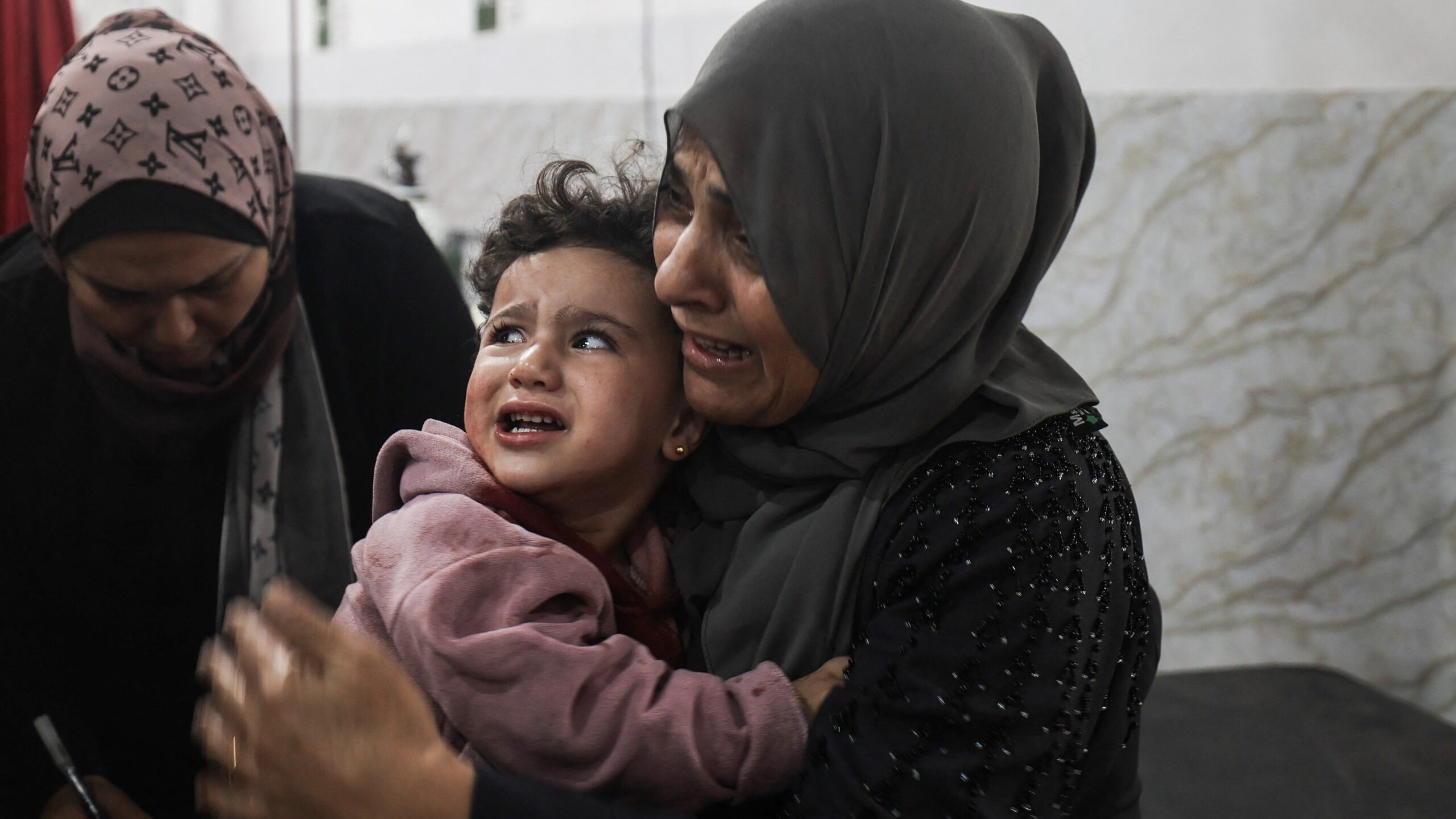
    Southeast Asia confronts a devastating humanitarian crisis as unprecedented monsoon rains have triggered catastrophic flooding across the region, resulting in a confirmed death toll exceeding 300 individuals. Southern Thailand has initiated massive cleanup operations following what officials describe as the most severe deluge in a decade, which has claimed at least 145 lives in the country alone.

    The scale of the disaster overwhelmed local infrastructure, with hospital morgues in Thailand’s Songkhla province reaching capacity and necessitating the use of refrigerated trucks for body storage. Floodwaters reached astonishing heights of three meters (9.8 feet) in certain areas, stranding thousands of residents who required emergency rooftop rescues.

    Thai Prime Minister Anutin Charnvirakul personally visited evacuation shelters in the severely affected Hat Yai district, offering a public apology for the disaster occurring during his administration. “I genuinely must apologize to them for allowing this to happen during my government’s tenure,” Charnvirakul stated during a press briefing broadcast on AmarinTV. The government has announced comprehensive relief measures, including financial compensation of approximately $62,000 for households that suffered fatalities.

    The catastrophe has sparked significant public criticism regarding the official response to the emergency. Opposition lawmakers have accused the administration of fundamental errors in crisis management and situation assessment. This criticism has already resulted in the suspension of two local officials over their alleged failure in handling the disaster.

    Neighboring Indonesia reported even more severe casualties, with officials confirming at least 200 fatalities and approximately 90 individuals still missing following simultaneous flooding and landslides on Sumatra island. Malaysia recorded two additional flood-related deaths in northern Perlis state.

    Climate scientists note that this year’s monsoon season, typically occurring between June and September, has been significantly intensified by both tropical storm activity and broader climate change patterns. Warmer atmospheric conditions retain increased moisture capacity, generating more intense precipitation events, while elevated ocean temperatures have amplified the strength of storm systems moving across the region.

  • Over 200 dead in Indonesia floods: Disaster agency

    Over 200 dead in Indonesia floods: Disaster agency

    Indonesian disaster response authorities have confirmed a devastating death toll exceeding 200 individuals following severe flooding and landslides across multiple provinces. The catastrophe has inflicted the most severe impact on North Sumatra, where 116 fatalities have been officially recorded, while Aceh province reports at least 35 deaths according to the latest agency figures.

    In West Sumatra, the situation remains particularly dire. Regional Disaster Mitigation Agency spokesman Ilham Wahab provided a grave assessment late Friday, indicating that 61 casualties have been confirmed in the province with approximately 90 individuals still unaccounted for amid ongoing search operations. This represents a significant increase from earlier estimates that placed the provincial death toll at 23.

    The widespread natural disasters have triggered massive emergency response efforts across the affected regions. Rescue teams continue to battle challenging conditions to locate missing persons and provide critical assistance to survivors. The scale of destruction suggests substantial infrastructure damage alongside the tragic human cost, though comprehensive assessments of material losses remain ongoing.

    This tragedy strikes Indonesia during its rainy season, when the archipelago nation frequently experiences severe weather events. However, the current devastation appears exceptionally severe, raising questions about environmental factors and disaster preparedness measures. International attention is now turning toward relief efforts as the country mourns its significant losses and confronts the substantial recovery challenges ahead.

  • How China aims to reach 80-year average life expectancy by 2030

    How China aims to reach 80-year average life expectancy by 2030

    China has launched an ambitious national health initiative with the strategic goal of elevating average life expectancy to 80 years by 2030, representing a significant one-year increase from current levels. This target forms the cornerstone of the country’s 15th Five-Year Plan (2026-2030) for national economic and social development, positioning health advancement as both a developmental objective and a crucial component of China’s modernization journey.

    National Health Commission Director Lei Haichao outlined the comprehensive strategy that will transform health metrics into key performance indicators for local governments. The evaluation framework will include infant mortality rates, maternal mortality statistics, control of infectious and chronic diseases, and the expansion of childcare services. This systematic approach aims to align regional development priorities with national health objectives.

    The multi-faceted plan incorporates several groundbreaking measures: legislation mandating health impact assessments for new policies, integration of health education into national curriculum standards, and ambitious targets to boost public health literacy from 31.87% to over 40% by 2030. The initiative specifically addresses infectious disease management through enhanced monitoring systems, advanced laboratory capabilities, and strengthened emergency response mechanisms.

    Infrastructure modernization forms another critical component, with planned upgrades to primary healthcare facilities and expanded specialized services in pediatrics, mental health, emergency medicine, traditional Chinese medicine, rehabilitation, and nursing care. The strategy also introduces a full life-cycle population service system, complemented by policy measures including improved maternity insurance, extended maternity leave provisions, and the establishment of affordable childcare systems to reduce family burdens.

    With China’s aging population projected to grow throughout the implementation period, the plan emphasizes healthy aging through expanded long-term care insurance and the development of innovative home-based medical services for elderly and disabled citizens. This holistic approach represents one of the world’s most comprehensive public health strategies, aiming to bring China’s major health indicators to levels comparable with high-income nations.

  • Hong Kong begins mourning period after fire kills at least 128

    Hong Kong begins mourning period after fire kills at least 128

    Hong Kong has commenced an official three-day mourning period following a catastrophic fire that claimed at least 128 lives, marking the city’s most devastating residential blaze in over four decades. The tragedy has plunged the territory into profound grief, with solemn ceremonies and public expressions of sorrow unfolding across the region.

    At 8:00 AM local time, Hong Kong Chief Executive John Lee led senior government officials in a three-minute silence outside government headquarters, where both Chinese and Hong Kong flags flew at half-mast. Simultaneously, residents gathered near the scorched remains of Wang Fuk Court residential complex, leaving floral tributes and handwritten notes expressing sympathy for the victims.

    The fire, which erupted Wednesday afternoon in the Tai Po district, rapidly engulfed seven of eight high-rise towers within the densely populated housing estate. Preliminary investigations indicate the blaze originated on protective netting covering lower floors, with highly flammable foam boards and bamboo scaffolding contributing to its rapid spread. Fire Services Director Andy Yeung confirmed that alarm systems in all eight buildings were malfunctioning during the incident, prompting vows of accountability for responsible contractors.

    Rescue operations continue amid heartbreaking scenes, with approximately 200 individuals still reported missing and 89 bodies awaiting identification. Families desperately search hospitals and victim identification centers hoping to locate loved ones, while forensic teams work to recover additional remains from the devastated structure.

    Law enforcement authorities have made significant progress in their investigation, with Hong Kong’s Independent Commission Against Corruption arresting eight individuals—including consultants, scaffolding subcontractors, and project intermediaries—on suspicion of corruption-related offenses. Three additional men were detained Thursday for allegedly leaving flammable foam packaging at the site.

    The government has established emergency shelters accommodating approximately 720 displaced residents, while temporary housing has been arranged for around 800 affected individuals. A remarkable community response has emerged, with organized donation centers providing clothing, food, medical care, and psychological support—though organizers have now requested暂停 further donations due to overwhelming public generosity.

    Security Secretary Chris Tang indicated the comprehensive investigation into the fire’s causes may require up to four weeks to complete, as authorities work to determine full accountability for this unprecedented tragedy.

  • Death toll rises to 123 in Sri Lanka Cyclone Ditwah: Disaster authority

    Death toll rises to 123 in Sri Lanka Cyclone Ditwah: Disaster authority

    Two major safety crises have emerged across Asia, with Indonesia reeling from a devastating natural disaster while India takes decisive action on aviation safety.

    In Indonesia, rescue operations continue following catastrophic flooding that has resulted in more than 200 confirmed fatalities according to the country’s National Disaster Mitigation Agency. The floods, triggered by torrential rainfall that overwhelmed drainage systems, have submerged entire communities, destroyed critical infrastructure, and displaced thousands of residents. Emergency response teams are battling challenging conditions to reach isolated areas where survivors remain stranded without access to clean water, food, or medical supplies. The scale of destruction has prompted the government to declare a state of emergency in affected regions and request international assistance for recovery efforts.

    Meanwhile, India’s aviation authority has issued a sweeping directive grounding all Airbus A320 family aircraft pending immediate safety modifications. The Directorate General of Civil Aviation’s emergency order affects numerous domestic carriers operating one of the world’s most popular narrow-body aircraft. Aviation experts indicate the mandated modifications address potential issues with critical flight control systems that could compromise aircraft safety during certain operational conditions. Airlines must complete comprehensive inspections and implement all necessary technical upgrades before these aircraft can return to service, potentially causing significant disruption to India’s air travel network. The regulatory action demonstrates India’s increasingly stringent approach to aviation safety following recent incidents involving aircraft systems.

  • India regulator tells airlines not to fly Airbus A320 family pending modifications

    India regulator tells airlines not to fly Airbus A320 family pending modifications

    Twin crises in Asia’s aviation and natural disaster sectors have emerged with devastating impact. In Indonesia, catastrophic flooding has resulted in a staggering death toll exceeding 200 individuals, according to the country’s national disaster management agency. The floods, triggered by torrential rainfall and inadequate drainage infrastructure, have submerged entire communities across multiple regions, creating one of the most severe weather-related disasters in recent Indonesian history.

    Concurrently, India’s aviation regulator has issued a sweeping directive mandating the immediate grounding of all Airbus A320 family aircraft until critical safety modifications are completed. The unprecedented order affects numerous domestic and international carriers operating within Indian airspace, potentially disrupting travel for thousands of passengers. The directive specifically requires comprehensive inspections and upgrades to certain cockpit systems that regulators identified as potential safety concerns following recent incident reports.

    Both events highlight systemic challenges facing rapidly developing nations: Indonesia’s struggle with climate resilience and infrastructure preparedness, and India’s proactive approach to aviation safety oversight. The Indonesian government has deployed military personnel and emergency response teams to affected regions while appealing for international humanitarian assistance. Meanwhile, Airbus representatives have reportedly engaged with Indian authorities to expedite the modification process and minimize operational disruptions.