
In a groundbreaking move to tackle the escalating air pollution crisis, authorities in Delhi initiated cloud seeding operations on Tuesday. This innovative technique aims to induce artificial rainfall, which could potentially reduce pollution levels by up to 50%. Environment Minister Manjinder Singh Sirsa announced the initiative, emphasizing its urgency as the city grapples with hazardous air quality. Cloud seeding involves dispersing chemical particles into clouds to stimulate the formation of raindrops, a method previously used in other countries to address drought and improve air quality. However, this marks its first application in Delhi. The Indian Institute of Technology (IIT) in Kanpur is leading the project, with scientists predicting rainfall within 15 minutes to four hours post-seeding. If successful, the initiative could pave the way for a long-term strategy extending through February. Despite its potential, the effectiveness of cloud seeding remains debated, with studies yielding mixed results. Delhi’s air quality index (AQI) stood at 304 on Tuesday, classified as ‘very poor’ by the Central Pollution Control Board. The city’s pollution woes are exacerbated during winter by factors such as construction dust, vehicle emissions, and crop residue burning. Scientist Manindra Agrawal of IIT-Kanpur cautioned that while artificial rain can temporarily alleviate pollution, repeated efforts are necessary to sustain improvements.
标签: Asia
亚洲
-
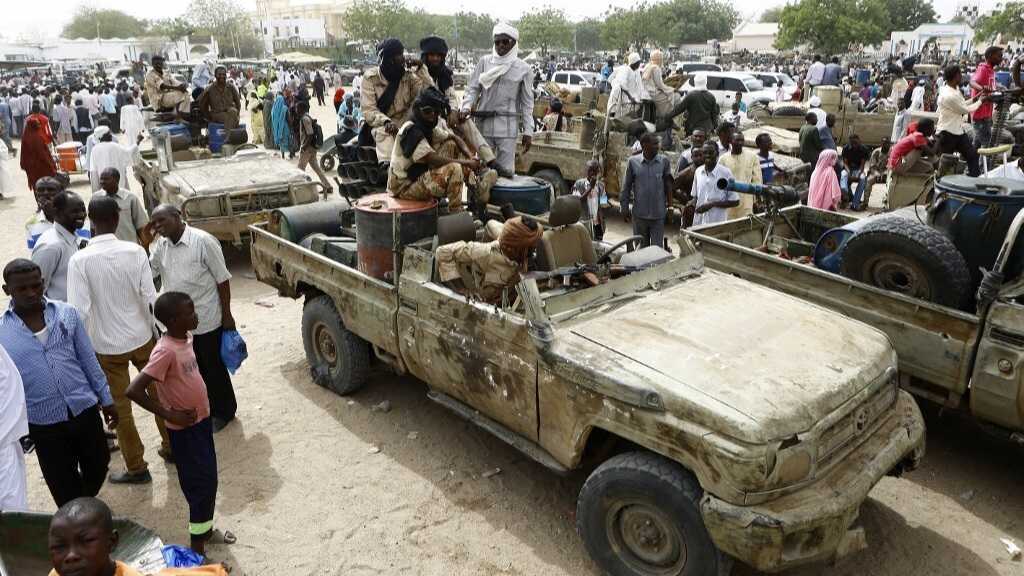
Sudan militia implicated in war crimes used UK military equipment, UN told
Recent revelations have exposed the use of British-manufactured military equipment by Sudan’s paramilitary Rapid Support Forces (RSF), raising serious questions about the UK’s arms export policies. Documents reviewed by the UN Security Council, as reported by The Guardian, confirm that small-arms target systems and armoured personnel carrier engines, recovered from Sudanese combat zones, were produced in the UK. This discovery has intensified scrutiny of British arms exports to the United Arab Emirates (UAE), a key supporter of the RSF. The UAE has been accused of supplying weapons, funds, and political backing to the RSF, which has been implicated in war crimes and genocide allegations. Two dossiers, dated June 2024 and March 2025 and compiled by the Sudanese Armed Forces (SAF), provide evidence of UAE support for the RSF. These documents include images of British-made equipment, such as small-arms target devices and engines, recovered from RSF sites in Khartoum and Omdurman. A UK Foreign Office spokesperson defended the country’s export control regime, stating it is one of the most robust globally, with strict assessments to prevent diversion to undesirable end users. However, critics argue that the UK government has failed to prevent the UAE from diverting arms to embargoed countries and groups violating international humanitarian law. The situation worsened as the RSF stormed the North Darfur city of el-Fasher, capturing an army base and causing widespread fear of atrocities. This attack followed the collapse of US-sponsored ceasefire talks in Washington, where the UAE reportedly refused to address the crisis in el-Fasher. The RSF’s actions have further destabilized the region, highlighting the urgent need for international intervention to address the ongoing conflict in Sudan.
-
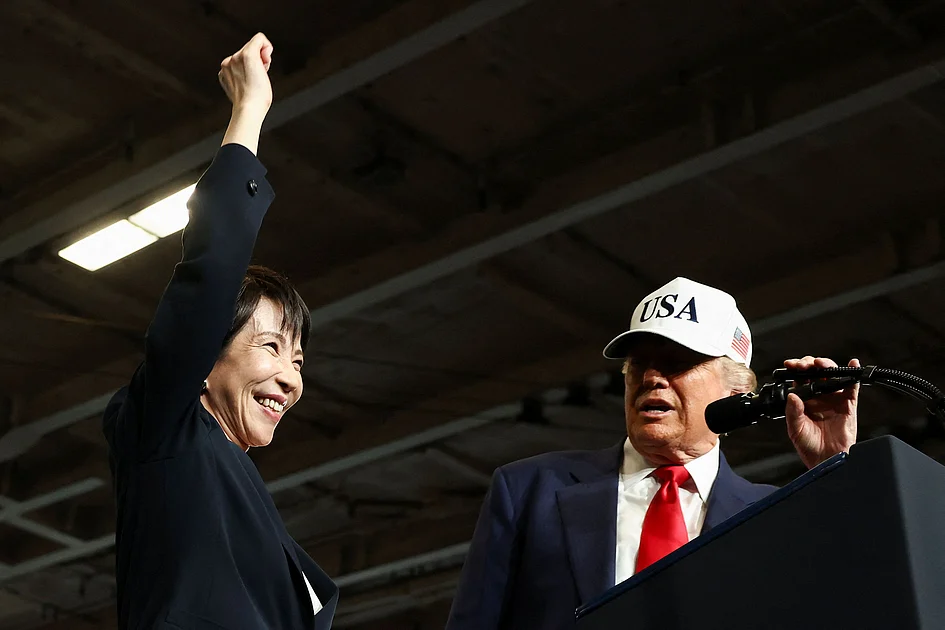
Takaichi, Trump swap praise for ‘new golden age’ of ties
In a landmark visit to Tokyo, US President Donald Trump and Japan’s newly appointed Prime Minister Sanae Takaichi exchanged mutual admiration and solidified bilateral agreements, marking a significant moment in Japan-US relations. Takaichi, Japan’s first female premier, hailed Trump’s efforts in global diplomacy, including his role in brokering a ceasefire between Thailand and Cambodia and the historic Gaza deal. She even announced her intention to nominate Trump for the Nobel Peace Prize, a gesture reciprocated by Trump’s praise for her leadership potential.
During their meeting at the Akasaka Palace state guest house, Trump emphasized the strength of the US-Japan alliance, calling it the ‘strongest level’ of partnership. The two leaders also signed a critical minerals agreement aimed at securing supply chains for rare earths, a strategic move in response to China’s recent restrictions on the industry. Trump further pledged to revive the US shipbuilding sector through a memorandum of understanding signed with Japan, countering China’s dominance in the global shipbuilding market.
On the security front, Takaichi reaffirmed Japan’s commitment to bolstering its defense capabilities, aiming to spend 2% of its GDP on defense—a target achieved two years ahead of schedule. Trump announced the delivery of advanced missiles for Japan’s F-35 fighter jets, underscoring the deepening military cooperation between the two nations. The visit also included a poignant meeting with families of Japanese citizens abducted by North Korea, where Trump assured them of US support.
Trump’s Asia tour, which includes a highly anticipated meeting with Chinese President Xi Jinping, is seen as a pivotal moment in global trade and security dynamics. The potential for a US-China trade deal remains a key focus, with global markets eagerly awaiting the outcome of their discussions in South Korea.
-
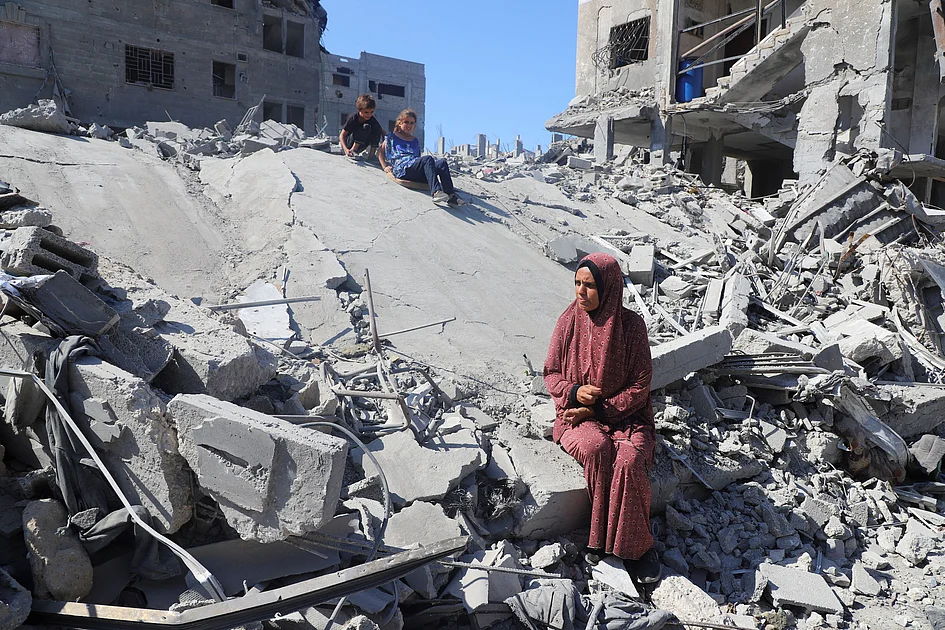
Hamas returns hostage body as families urge pause to Gaza truce
In a significant development amidst the fragile Gaza ceasefire, Hamas has handed over the remains of a deceased hostage, marking the sixteenth of 28 bodies promised under the truce agreement. The Israeli Prime Minister’s office confirmed the receipt of the coffin, which was transported from Gaza to Israel for identification and eventual return to the hostage’s family. The Hostages and Missing Families Forum has urged Hamas to expedite the transfer of the remaining 13 deceased captives, emphasizing that the group knows their locations despite claims to the contrary. Hamas spokesperson Hazem Qassem countered that the destruction caused by Israel’s bombardment has complicated the recovery process, but reiterated the group’s commitment to fulfilling the ceasefire terms. The October 7, 2023 attack by Hamas resulted in 251 hostages, with most already released or recovered. The conflict has claimed over 68,000 lives in Gaza, according to Hamas-run health ministry figures. Meanwhile, Israel has lifted the state of emergency near the Gaza border for the first time since the attack, signaling a tentative step toward normalization. Egypt has deployed recovery crews to assist in the search for remaining bodies, with Israeli approval. The U.S. is working to establish an international security force to oversee the truce, though Israel has opposed Turkey’s participation, citing its hostile stance. Humanitarian agencies continue to push for greater access to Gaza for aid delivery, as Israel maintains control over half the territory.
-
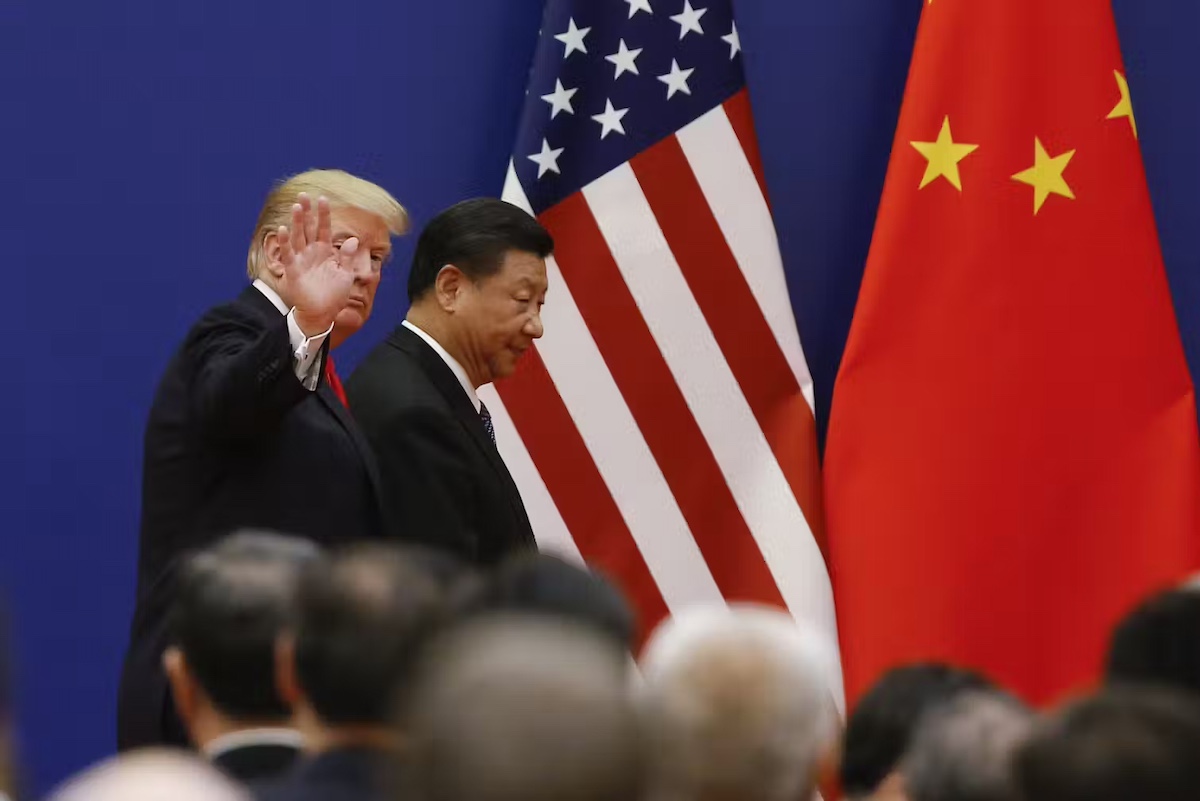
Xi-Trump summit: What’s changed since their last meeting
As Presidents Xi Jinping and Donald Trump prepare for their anticipated meeting on October 30, 2025, the agenda remains strikingly similar to their last encounter in 2019. Trade, Taiwan, and China-Russia relations continue to dominate discussions, with Trump seeking China’s assistance in brokering peace with Russia. However, the geopolitical landscape has evolved significantly since their previous meeting, prompting a closer examination of these critical issues.
**Taiwan: A Shifting US Stance**
One of the most notable changes since 2019 is the softening of the US position on Taiwan. During Trump’s first term, figures like Secretary of State Mike Pompeo advocated a hawkish approach, emphasizing support for Taiwan’s autonomy without endorsing outright independence. However, under the Biden administration, events such as the spy balloon incident and Nancy Pelosi’s controversial visit to Taiwan strained US-China relations, escalating tensions across the Taiwan Strait.
In Trump’s second term, Secretary of State Marco Rubio, traditionally a hardliner on Taiwan, appears to be moderating his stance. This shift is partly attributed to Trump’s potential desire for a compromise with China regarding Taiwan. Earlier this year, the Trump administration denied Taiwan President William Lai Ching-te a stopover in New York and canceled a $400 million arms deal with Taiwan, signaling a possible concession to Beijing.
**Trade: A Complex Tariff Landscape**
The trade dynamics between the US and China have also undergone significant changes. In 2019, the two nations were negotiating a ‘phase one’ trade agreement, which ultimately failed to materialize into a broader deal. The COVID-19 pandemic further disrupted global trade and supply chains, complicating negotiations.
Today, tariffs are universally applied, and Trump’s insistence on their enforcement has weakened his leverage in pressuring China. For instance, the UK, once a key ally in restricting Chinese tech giant Huawei, now faces a 10% tariff from the US, reducing its willingness to align with Trump’s anti-China strategies. Additionally, China’s increasing integration into global supply chains, particularly in sectors like rare earth materials, has made it harder for the US to exert economic pressure.
**China-Russia Relations: A Delicate Balance**
China’s approach to Russia has remained consistent since Trump’s first term, with Beijing prioritizing its economic and strategic interests over US concerns. Despite Russia’s invasions of Crimea in 2014 and Ukraine in 2022, China has maintained a cautious stance, abstaining from UN condemnations and refraining from recognizing Russia’s territorial claims. Beijing views Russia as a vital market for Chinese goods and a source of dual-use technology, benefiting from Russia’s isolation and dependence on Chinese exports.
As the Xi-Trump meeting approaches, these three issues—Taiwan, trade, and China-Russia relations—will undoubtedly shape the discussions. While the core topics remain unchanged, the evolving geopolitical context adds new layers of complexity to the negotiations.
-
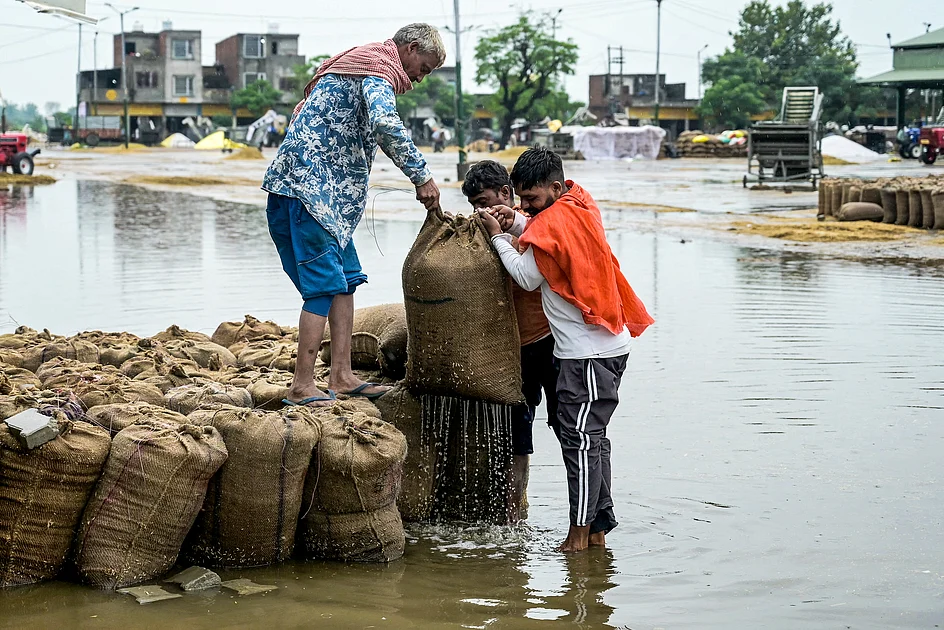
Monsoon promise turns sour for India’s crops ruined by late downpours
Indian farmers, who had initially welcomed an abundant monsoon season, are now grappling with the devastating aftermath of late downpours that have ruined their crops. The unexpected heavy rains, which arrived just before harvest, have severely damaged key crops such as cotton and soybean, leaving millions of farmers in distress. This agricultural setback is expected to halve the sector’s growth in the December quarter, with projections dropping to 3% to 3.5% from 6.6% the previous year, according to Garima Kapoor, an economist at Elara Securities in Mumbai. The crop losses are not only threatening farmers’ livelihoods but also exacerbating rural debt and dampening consumption, which had been poised to rise following the Indian government’s recent tax cuts on consumer goods. Farmers like Kishore Hangargekar from Maharashtra, who had anticipated a bountiful soybean harvest, are now facing significant financial strain. ‘We hoped for 10 to 12 quintals per acre, but now we’ll be lucky to get 2 to 3 quintals,’ he lamented. The situation is further complicated by the fact that damaged crops are being sold at prices far below the government’s minimum support price, leaving farmers with little recourse. Sachin Nanaware, another farmer, sold his soybean at 3,200 rupees per 100 kg, well below the government-fixed rate of 5,328 rupees. The financial strain has forced many farmers to mortgage their gold jewelry to afford seeds and fertilizers for the upcoming winter sowing season. While the excessive rain has improved soil moisture for winter crops like wheat and rapeseed, the lack of funds remains a critical issue. Industry analyst Thomas Mielke of Oil World predicts that the damage to soybean and cotton crops will drive India’s vegetable oil imports to a record 18 million tons in the upcoming marketing year. As farmers scramble to salvage what they can, the broader implications for India’s agricultural sector and rural economy remain deeply concerning.
-
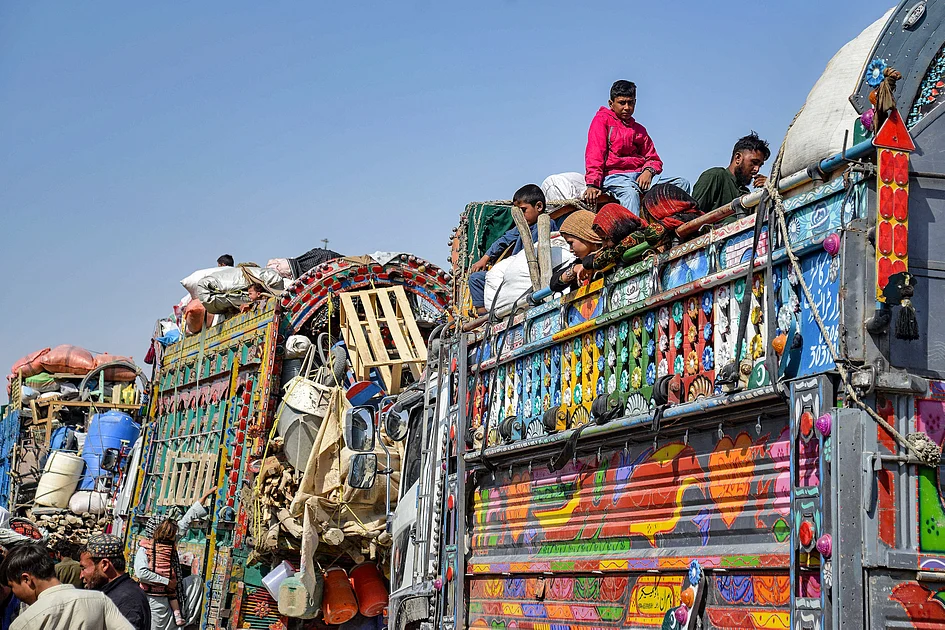
No resolution as Afghanistan, Pakistan end peace talks in Istanbul: Sources
Peace negotiations between Afghanistan and Pakistan, mediated by Turkey and Qatar in Istanbul, concluded without a resolution on Tuesday, October 28, 2025. This development marks a significant setback for regional stability, following deadly border clashes earlier this month. The talks aimed to establish a long-term truce between the two South Asian neighbors, who have been embroiled in escalating violence since the Taliban assumed power in Kabul in 2021. Despite agreeing to a ceasefire brokered in Doha on October 19, the second round of discussions failed to yield common ground, with both sides attributing the impasse to the other. A Pakistani security source claimed that the Afghan Taliban refused to commit to restraining the Pakistani Taliban, a militant group hostile to Pakistan. Conversely, an Afghan source cited “tense exchanges” over the issue, emphasizing that Kabul has no control over the Pakistani Taliban. The breakdown in talks could jeopardize the fragile ceasefire and escalate tensions between the two nations. Over the weekend, clashes near the border resulted in the deaths of five Pakistani soldiers and 25 militants, underscoring the volatility of the situation. Neither the Afghan Taliban government nor Pakistani officials provided immediate comments on the failed negotiations.
-
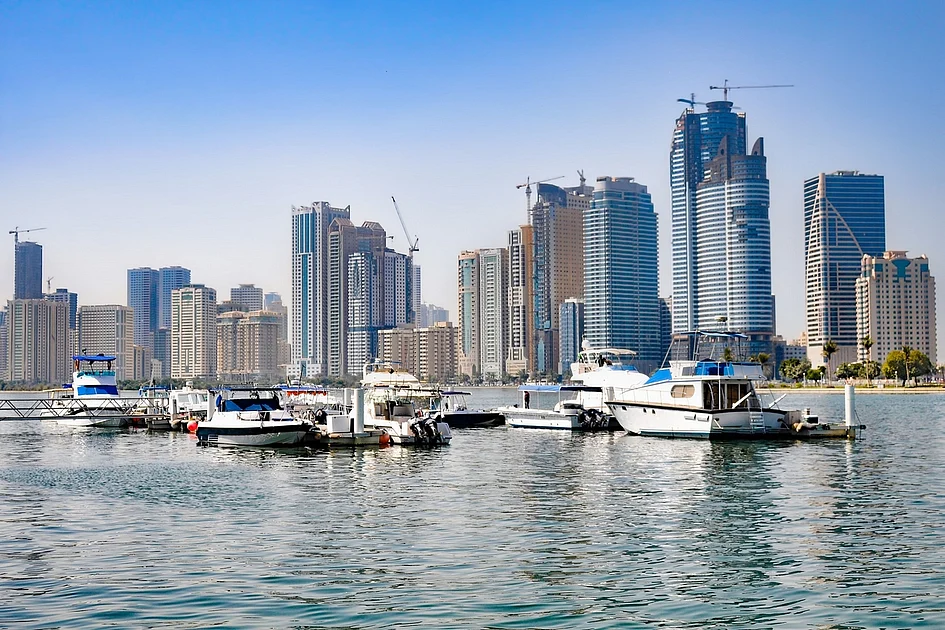
Sharjah tenants to get full fine exemption, 50% fee relief for expired leases
In a significant move to support tenants, the Sharjah Executive Council has approved a comprehensive settlement for unauthorized lease contracts. Effective from November 1, 2025, to December 31, 2025, tenants who regularize expired leases signed before September 19, 2024, will benefit from a 50% reduction in authentication fees and a complete waiver of administrative fines. This initiative applies to all lease types, including residential, commercial, industrial, and investment agreements. The decision aligns with the implementation of Law No. (5) of 2024 on real estate leasing and its executive regulations. Additionally, the Council greenlit the Hasad Center project, aimed at bolstering food security, advancing the agricultural sector, and aiding local farmers. The center will serve as a hub for collecting and distributing fruits and vegetables, streamlining support for producers. The meeting, chaired by Sheikh Sultan bin Mohammed bin Sultan Al Qasimi, Crown Prince and Deputy Ruler of Sharjah, also reviewed plans for the 54th UAE National Day celebrations, emphasizing national unity and cultural heritage. These measures underscore Sharjah’s dedication to fostering economic growth, supporting residents, and celebrating national achievements, in line with the vision of Sheikh Dr Sultan bin Mohammed Al Qasimi, Ruler of Sharjah.
-

Gunman pleads guilty to Japan ex-prime minister’s murder
In a landmark court hearing on Tuesday, Tetsuya Yamagami, the 45-year-old gunman accused of assassinating Japan’s former Prime Minister Shinzo Abe, pleaded guilty to the charges. The shocking murder, which occurred in broad daylight in July 2022, sent ripples across a nation unaccustomed to gun violence and exposed deep-seated issues surrounding the influence of the Unification Church on Japanese politics. Yamagami, handcuffed and with a rope around his waist, appeared in the Nara court, where he admitted to the crime in a barely audible voice. His lawyer indicated plans to contest certain charges, including violations of arms control laws, as Yamagami had allegedly used a handmade weapon. The trial, delayed due to a suspicious item found in 2023, has been a focal point of national attention, particularly for its exploration of Yamagami’s motivations. Prosecutors revealed that Yamagami harbored deep resentment toward the Unification Church, blaming it for derailing his life. He initially sought to target Church executives but, unable to procure a firearm, decided to craft his own. Yamagami believed that killing a figure as influential as Abe would draw public scrutiny to the Church. Abe had faced criticism for his perceived ties to the sect, which has been accused of exploiting its members. Yamagami’s lawyers argued that his life was devastated by the Church, citing his mother’s extreme financial devotion to the sect and the subsequent collapse of their family. The assassination prompted a national reckoning, leading to the resignation of four ministers and the dissolution of the Church’s Japanese arm. It also spurred Japan to further tighten its already stringent gun control laws, introducing penalties for sharing firearm-making tutorials online.
-

UAE’s first Green Licence explained: What it means for sustainable businesses
The United Arab Emirates has taken a significant step towards fostering sustainable business practices with the introduction of its first-ever Green Licence. This groundbreaking initiative was unveiled during the launch of the Green Innovation District at Expo City Dubai, marking a pivotal moment in the nation’s green transformation journey. The Green Licence aims to attract and empower eco-conscious businesses by offering a range of benefits, including access to an on-site Green Intellectual Property Office designed to support innovation and attract sustainable enterprises globally. Reem Al Hashimy, Minister of State for International Cooperation and CEO of Expo City Dubai Authority, emphasized that the Green Innovation District would serve as a vibrant ecosystem where economic opportunity and ecological responsibility coexist harmoniously. The district will feature light industrial and urban farming spaces, alongside commercial areas, creating a sustainable, interconnected community. Al Hashimy highlighted that Expo City Dubai’s commitment to green standards and innovation provides an ideal environment for businesses to trial, scale, and succeed. The initiative is part of a broader vision to position Expo City Dubai as a global hub for sustainability-driven enterprises, innovation, and research, reinforcing the UAE’s leadership in building a resilient, net-zero future. Al Hashimy expressed gratitude to the Ministry of Economy and Tourism, founding partners, local government departments, and existing members of the Expo City Dubai business community for their commitment to advancing clean energy and decarbonization. Together, they are creating a model for the future—a catalyst for sustainable growth where both business and the environment can thrive.