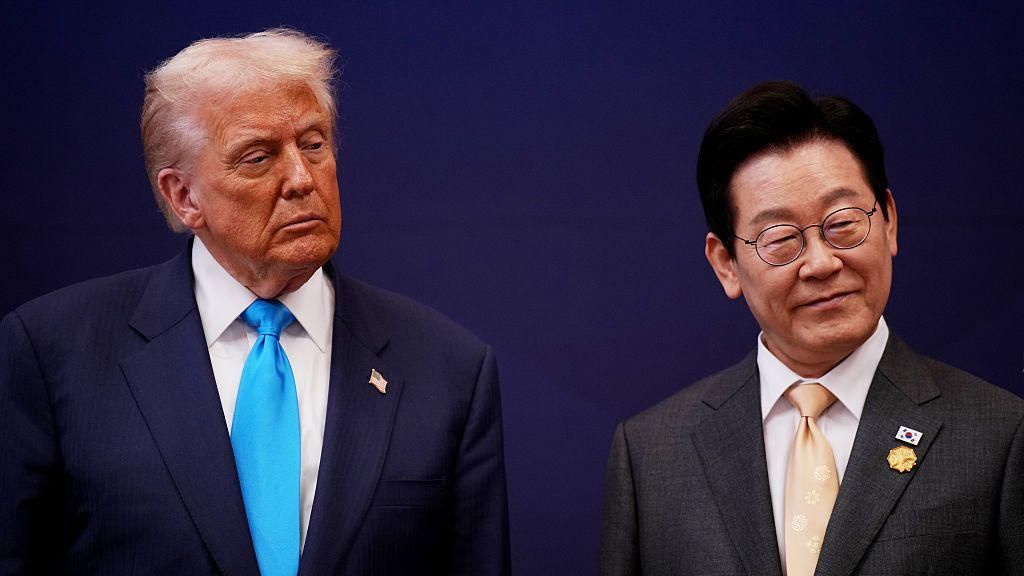
US President Donald Trump and South Korean President Lee Jae Myung held a significant meeting during the final leg of Trump’s whirlwind tour across Asia. The discussions, which lasted nearly two hours, focused on resolving the ongoing trade deal impasse between the two nations. Despite previous agreements in July, where South Korea committed to investing $350 billion in the US to mitigate tariffs, negotiations have stalled over the structure of these investments. Historically strong allies, the US and South Korea have recently faced tensions following the detention of hundreds of South Koreans in a US immigration raid last month. Trump, who is on a week-long trip in Asia, is also scheduled to meet Chinese President Xi Jinping on the sidelines of the Asia-Pacific Economic Cooperation (Apec) summit in Gyeongju. This will be their first face-to-face meeting since Trump assumed office in 2025 and imposed global tariffs. During his address to CEOs in Gyeongju, Trump expressed optimism about reaching a beneficial trade deal with China and praised Apec countries for their efforts in reforming the global trading system. Trump was honored with South Korea’s highest decoration, the Grand Order of Mugunghwa, in recognition of his contributions to peace on the Korean Peninsula. Despite the high-profile meeting, no concrete agreements were announced, leaving South Korea’s electronics, chip, and auto industries in uncertainty. Earlier this year, Trump had imposed a 25% tariff on South Korea, which was later negotiated down to 15% after Seoul pledged significant investments in the US. However, the White House has since increased its demands, pushing for cash investments. The visit was marked by protests and rallies, reflecting the complex geopolitical dynamics in the region.
标签: Asia
亚洲
-

Australia wins the toss and sends India in to bat in Twenty20 series opener at Canberra
In a strategic move to assess form and readiness for the upcoming T20 World Cup, Australian captain Mitch Marsh elected to field first after winning the toss in the series-opening Twenty20 international against India on Wednesday. The match, held in Australia, marks the beginning of a five-game series designed to help both teams fine-tune their strategies in the shortest format of international cricket before transitioning back to test matches.
-
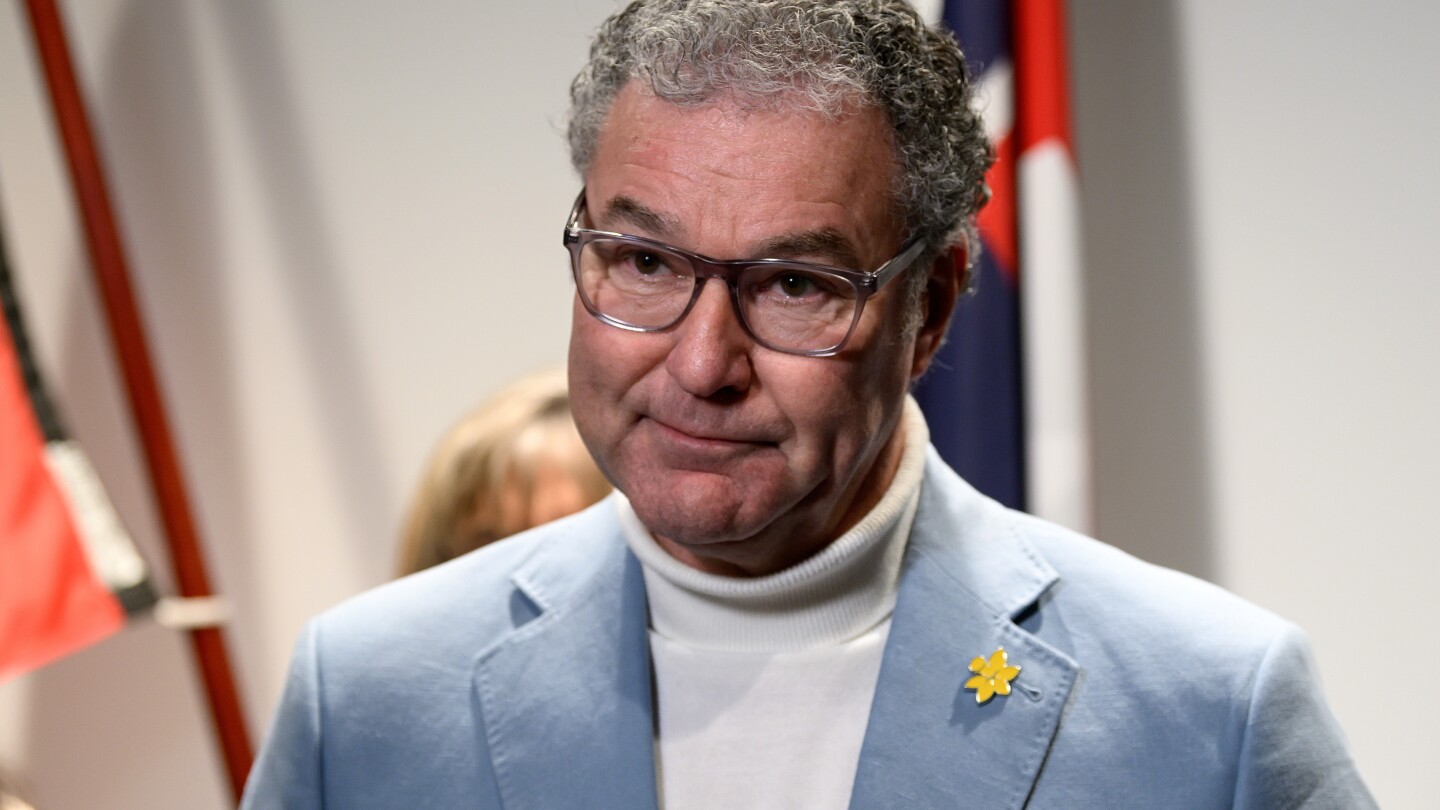
Studying the wrong ancient Roman ruler gets Australian high school seniors out of a history exam
In a surprising turn of events, teachers at nine high schools in northeastern Australia discovered just days before an ancient history exam that they had mistakenly taught their students about Augustus Caesar instead of his predecessor, Julius Caesar. The error, uncovered on Monday, led to an exemption for students in Queensland from the statewide exam scheduled for Wednesday. Education Minister John-Paul Langbroek described the situation as “extremely traumatic” for the students and pledged to investigate the mix-up. The affected 140 seniors were granted an exemption from the exam, which constitutes 25% of their annual marks. Instead, their grades will be determined based on assessments covering the remaining 75% of their coursework. The Queensland Curriculum and Assessment Authority revealed that the exam topic had been Augustus Caesar for the past four years, but schools were informed two years ago that the focus would shift to Julius Caesar in 2025. The incident has sparked criticism from parents, who argue that the panic surrounding the exam disrupted their children’s preparation for other tests, including one held earlier on Wednesday. Langbroek assured that the students would not be disadvantaged and emphasized the need for accountability in the education system.
-
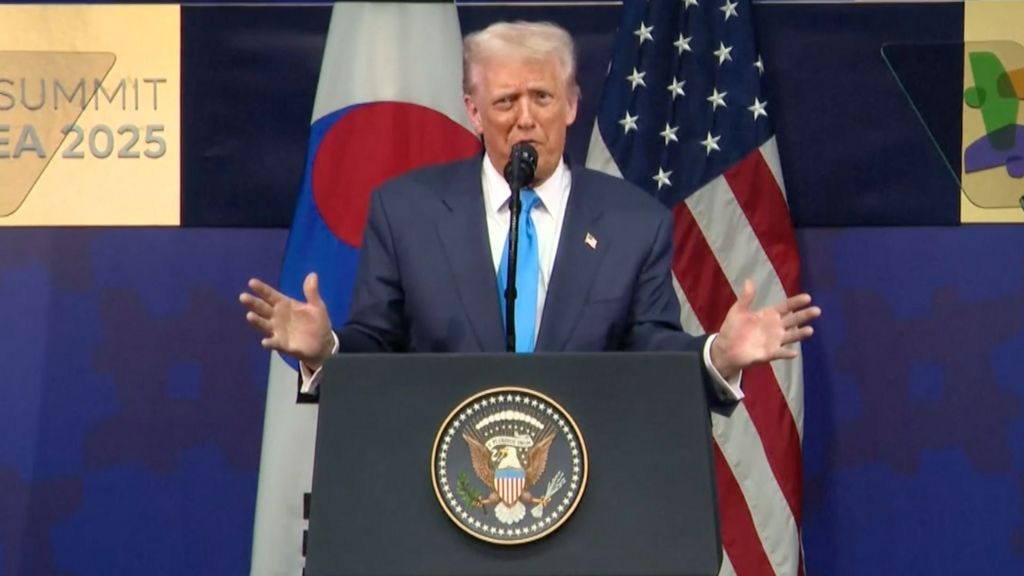
Trump imitates India’s PM Narendra Modi in South Korea
During a recent address in South Korea, former U.S. President Donald Trump impersonated Indian Prime Minister Narendra Modi while recounting his diplomatic engagements during the May 2019 India-Pakistan conflict. Trump’s mimicry, which included imitating Modi’s tone and mannerisms, highlighted the tense geopolitical dynamics between the two South Asian nations. The former president shared anecdotes about his conversations with Modi, emphasizing his role in de-escalating the crisis. This incident underscores the personal rapport Trump often sought to establish with world leaders, even as it drew mixed reactions from audiences. The speech also served as a reminder of the delicate balance of power in the region and the U.S.’s historical involvement in mediating such disputes.
-
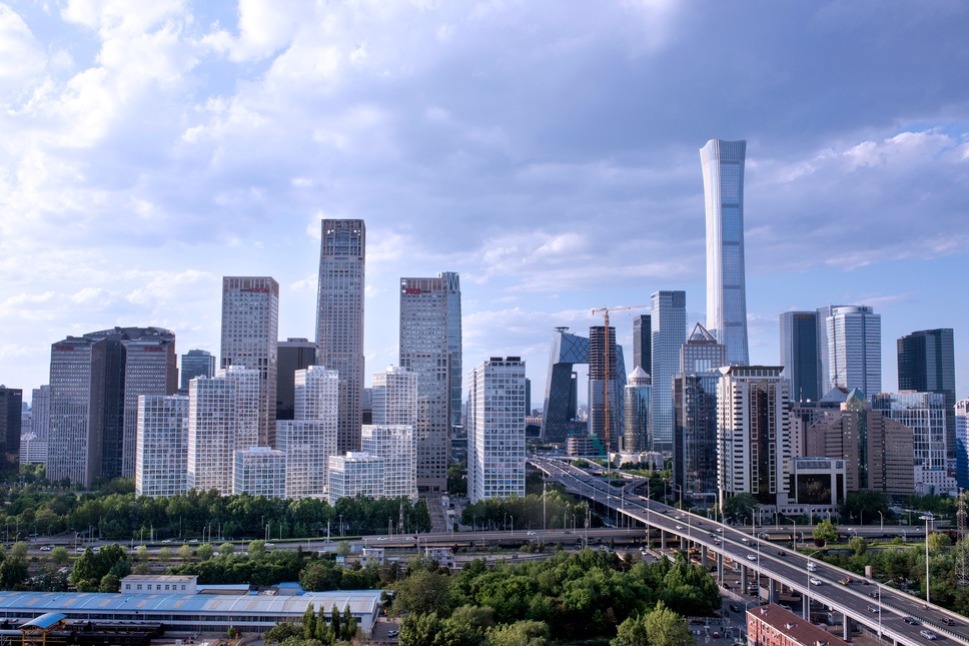
Xi highlights key role of 15th Five-Year Plan
Chinese President Xi Jinping has underscored the pivotal role of the 15th Five-Year Plan (2026-2030) in steering China toward sustained and robust development, laying a solid foundation for achieving socialist modernization by 2035. Speaking at the fourth plenary session of the 20th CPC Central Committee, Xi emphasized that the plan is a strategic blueprint for China’s economic and social progress over the next five years. The recommendations, adopted at the plenum, were made public on Tuesday, outlining a comprehensive framework for high-quality development, technological innovation, and green transformation. Xi highlighted the importance of systems thinking, deepening reforms, and expanding openness to the world. The drafting process, led by Xi, involved extensive research, public consultation, and intra-Party collaboration, reflecting a commitment to democratic decision-making. Experts and international observers have lauded the plan as a critical step toward China’s second centenary goal of becoming a modern socialist powerhouse by 2049.
-
China’s hard-won strategic lead over the US: Can Xi make it last?
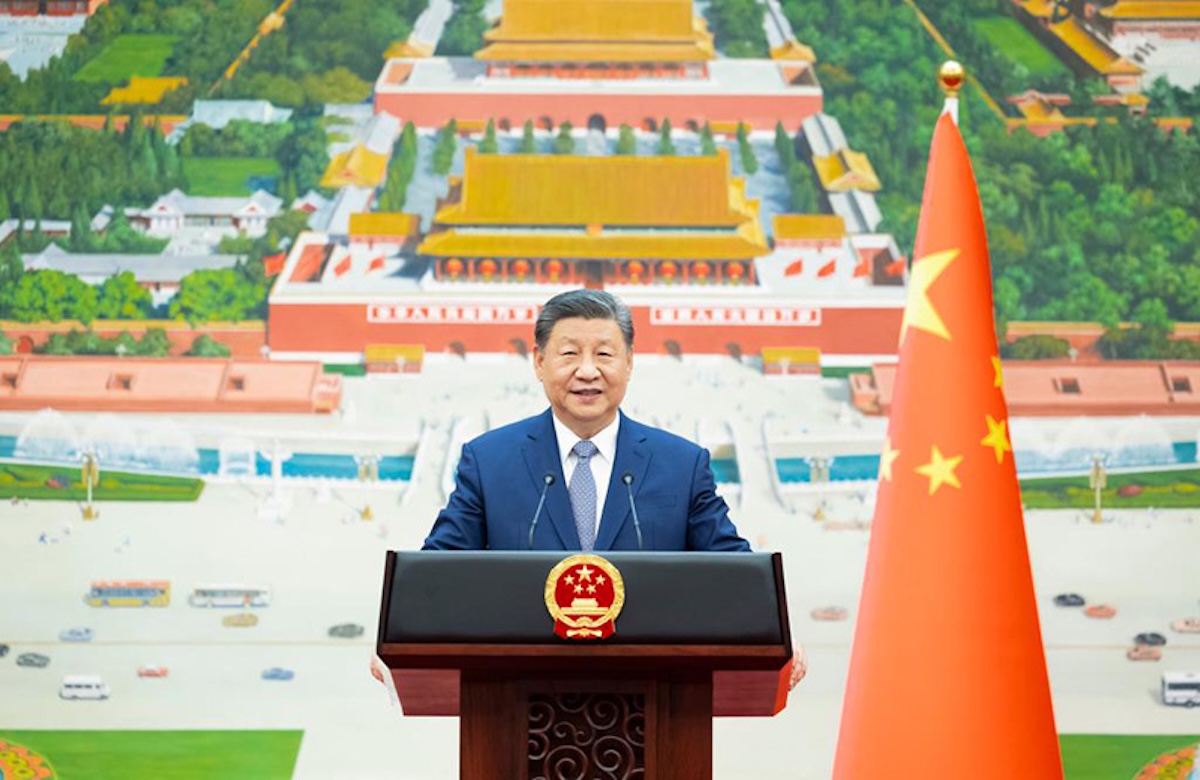
The upcoming US-China summit in Korea marks a pivotal moment in international diplomacy, as it will be the first time the People’s Republic of China (PRC) holds a strategic advantage over the United States. This shift is largely attributed to President Xi Jinping’s consolidation of power domestically and China’s dominance in the global rare earth elements market, which accounts for 70% of the world’s supply and 90% of its processing. These resources are critical for electronics manufacturing, giving China significant leverage in global industrial production. This strategic edge has brought Taiwan’s reunification closer than ever, further strengthening Beijing’s position on the global stage. Historically, the US has faced similar challenges, such as the oil crisis in the 1970s and Japan’s technological rise in the 1980s, but it remains uncertain whether China will follow the same trajectory. Domestically, Xi has overseen the largest purge in the history of the People’s Liberation Army (PLA), consolidating his authority and addressing systemic corruption. His leadership has reshaped China’s decision-making processes, drawing inspiration from both imperial history and Soviet-era governance. However, challenges remain, including bureaucratic inertia and the need to balance internal and external pressures. As China navigates these complexities, the outcome of the US-China summit will be a critical indicator of Beijing’s ability to maintain its strategic advantage in the years to come.
-

‘My hopes are dashed’: Illegal Indian migrants deported by US speak to BBC
In a recent wave of deportations under the Trump administration’s intensified crackdown on illegal immigration, several Indian migrant workers have returned home with tales of hardship, humiliation, and broken aspirations. At least 54 men, aged between 25 and 40, arrived in Delhi on Sunday after being deported from the United States. Hailing from the northern state of Haryana, these individuals had entered the US via the notorious ‘donkey route,’ a perilous pathway often exploited by human traffickers to facilitate illegal border crossings. The Indian government has yet to comment on the deportations, which are part of a broader effort by the US to curb illegal immigration, with over 2,400 Indians deported this year alone. Many of these migrants, driven by the hope of a better life, sold land or took loans to fund their journeys, only to face arrest, detention, and eventual deportation. Among them is Harjinder Singh, a farmer who spent 3.5 million rupees to reach the US four years ago, working as a cook to support his family. ‘My hopes have been dashed,’ Singh lamented, recounting the humiliation he endured during the deportation process. Another deportee, Naresh Kumar, sold his land and paid 5.7 million rupees to agents, only to spend 14 months in US custody before being sent back. The ‘donkey route,’ also known as the ‘dunki route,’ involves treacherous journeys across multiple borders, often requiring migrants to endure dangerous treks through jungles and rely on various modes of transport. Despite the hardships, none of the deportees have filed formal complaints against the agents who arranged their journeys, though authorities have pledged to take action if complaints are received. The Indian government has emphasized its efforts to raise awareness about safe and legal migration, with Prime Minister Narendra Modi highlighting the vulnerability of young Indians lured by false promises. According to India’s foreign ministry, 2,417 Indians were deported from the US between January and September 2025. This recent wave of deportations has drawn attention to the plight of undocumented Indian immigrants, who constitute the third-largest group of undocumented immigrants in the US, after those from Mexico and El Salvador.
-
Cyclone Montha weakens after battering India’s eastern coast with rain and wind
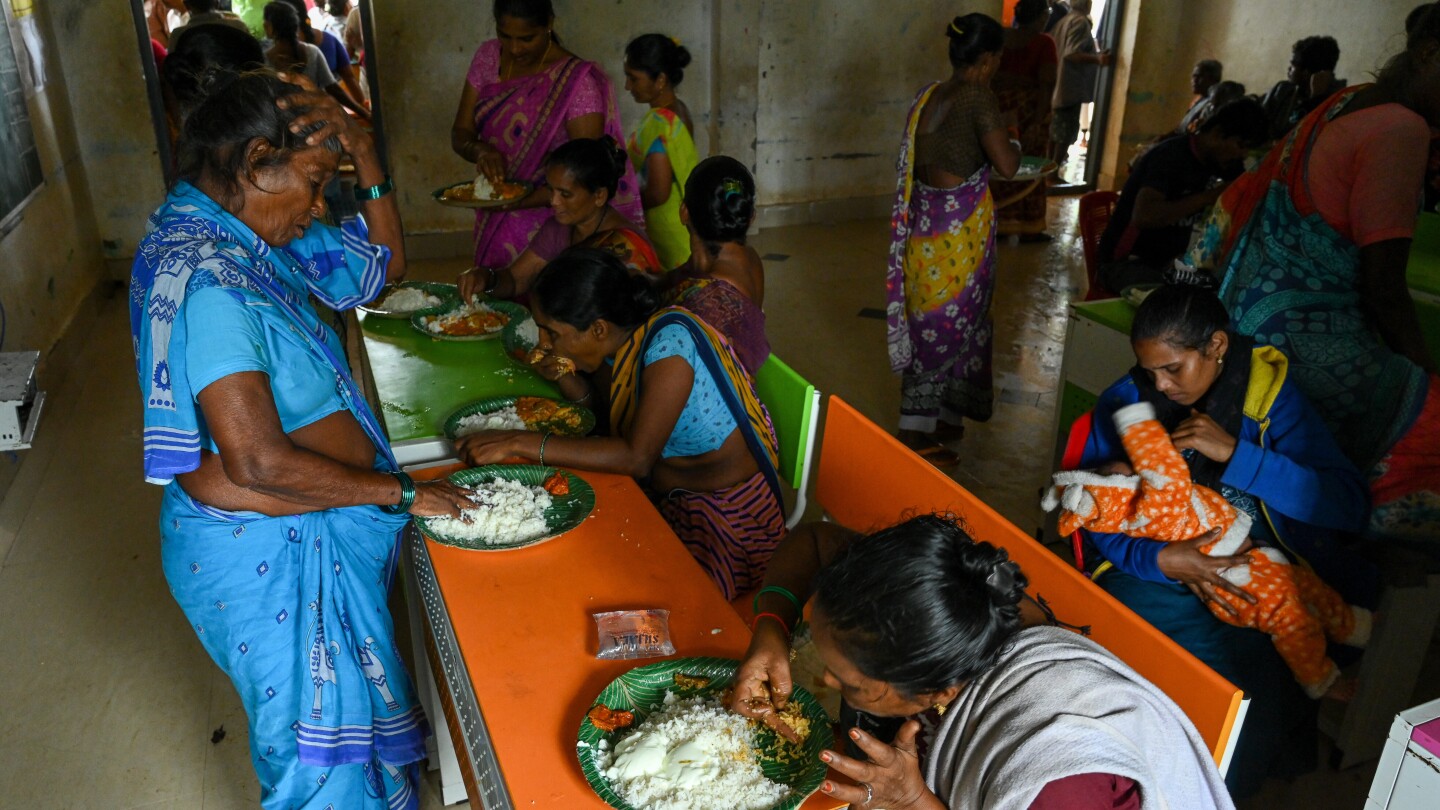
Cyclone Montha, which recently wreaked havoc along India’s eastern coastline, has begun to weaken, according to the latest updates from the Indian Meteorological Department. The storm, which made landfall near the port city of Kakinada in Andhra Pradesh late Tuesday night, brought torrential rains and gusty winds, uprooting trees, damaging infrastructure, and causing significant flooding in low-lying areas. Initial reports indicated sustained winds of up to 100 kph (62 mph), though these have since diminished to 83 kph (52 mph) as the storm moved inland. The cyclone, named by Thailand after a fragrant flower, also triggered a storm surge of up to 10 feet (3 meters) in Kakinada and surrounding regions. While authorities have yet to confirm any fatalities, local media reported one death caused by a fallen tree. Tens of thousands of residents from vulnerable areas in Andhra Pradesh and Odisha had been evacuated to relief camps prior to the storm’s arrival, showcasing India’s improved disaster preparedness in recent years. Moderate to heavy rains are expected to persist in parts of Andhra Pradesh, Odisha, Telangana, and Chhattisgarh until Thursday. India’s eastern coast has historically been prone to cyclones, but climate scientists warn that the frequency and intensity of such storms are increasing due to global warming, posing greater risks to the region.
-
Singapore faces pressure to reveal carbon tax concessions to oil giants
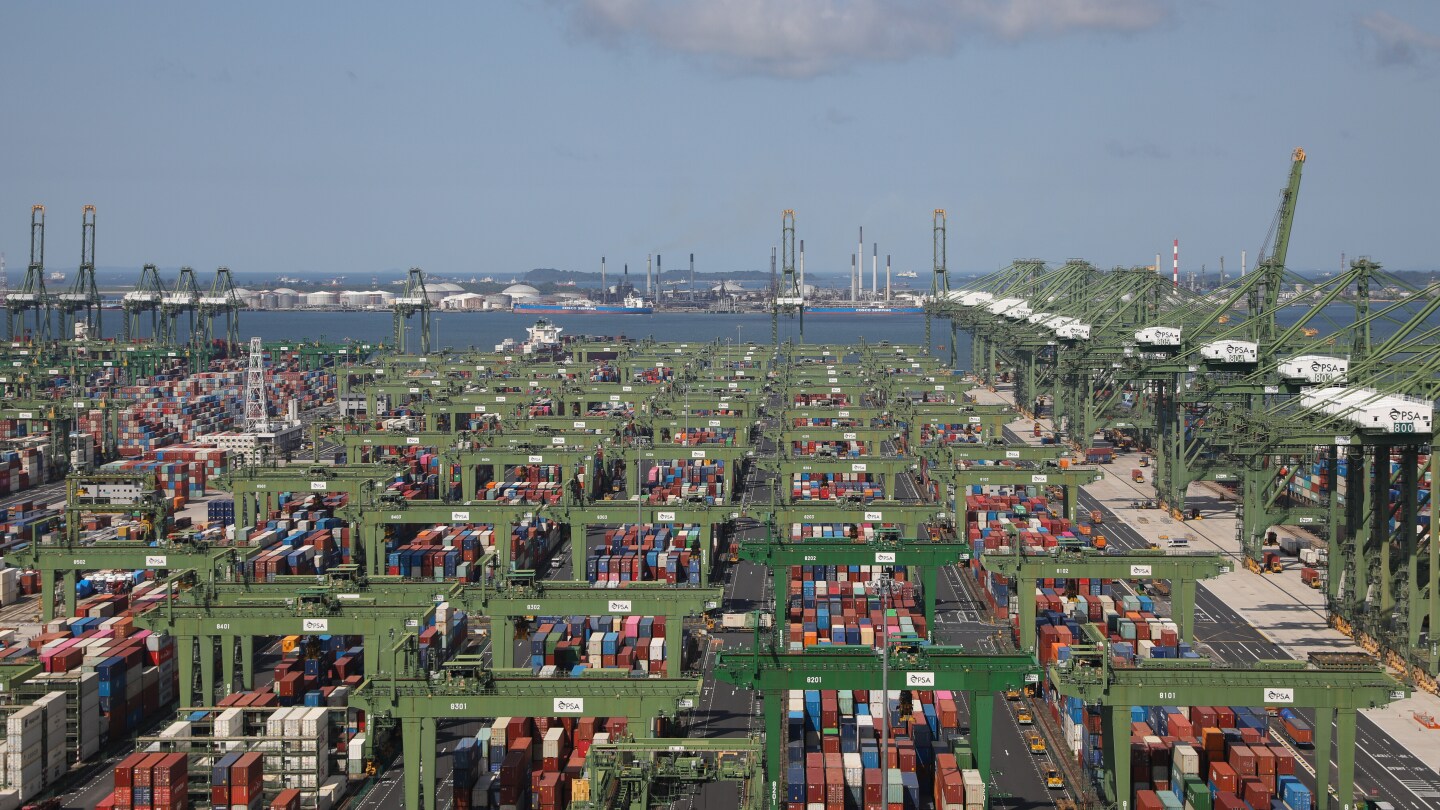
Singapore, a pioneer in Southeast Asia with its carbon tax policy, is facing growing scrutiny over concessions granted to major polluters. Environmentalists argue that these tax breaks could weaken the incentive for industries to transition to cleaner energy. Conservation groups are demanding more transparency from the government regarding the discounts awarded to corporations under the National Climate Change Secretariat (NCCS). While Singapore accounts for only 0.1% of global carbon emissions, its per capita emissions rank 27th out of 142 countries, highlighting the urgency of effective climate action. The carbon tax, introduced in 2019, is set to increase gradually, reaching 45 Singapore dollars ($34.70) per metric ton by 2026 and 50-80 Singapore dollars ($40-$60) by 2030. However, the NCCS has withheld detailed data on emissions reductions, citing concerns over corporate confidentiality. Critics argue that transparency is essential to assess the policy’s effectiveness and ensure accountability. The tax burden primarily falls on global energy giants like ExxonMobil, Shell, and Chevron, which operate significant refining facilities in Singapore. Local environmental groups warn that the costs may trickle down to households through higher utility rates, disproportionately affecting vulnerable populations. The push for greater transparency coincides with global challenges to carbon tax momentum, particularly due to the U.S. administration’s opposition to such measures. Singapore’s leadership in climate policy is seen as a critical example for the region, but its success hinges on balancing corporate interests with public accountability.
-
Qatar’s US ambassador rebukes Congressman Randy Fine after Laura Loomer interview
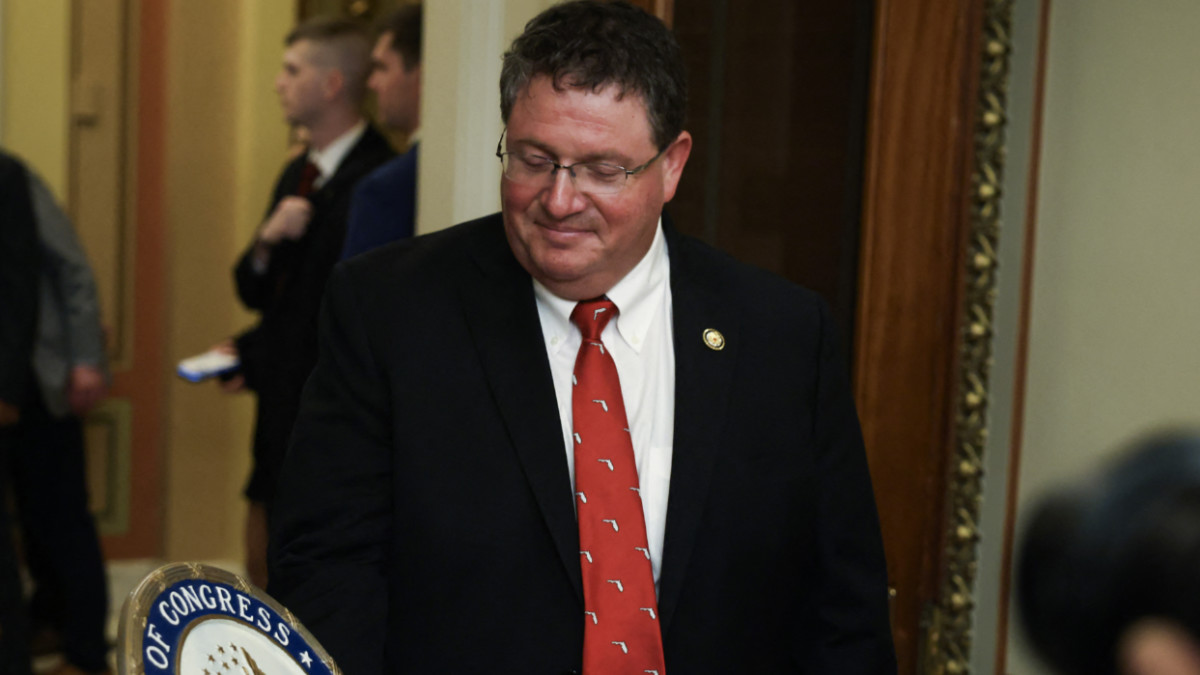
Qatar’s ambassador to the United States, Meshal al-Thani, issued a rare and direct rebuke to Republican Congressman Randy Fine for his Islamophobic and anti-Qatar comments during an interview with far-right social media personality Laura Loomer. Fine, a Jewish-American lawmaker and staunch supporter of Israel’s war on Gaza, has a history of inflammatory rhetoric, including calls for Israel to ‘nuke’ Gaza and for Palestinians to ‘starve away.’ He has also been a vocal critic of protests against Israel on US college campuses, falsely accusing Qatar of funding these demonstrations and labeling them as ‘antisemitic.’ In a letter shared on X, Ambassador al-Thani condemned Fine’s remarks, emphasizing Qatar’s commitment to combating antisemitism and all forms of religious or ethnic intolerance. He also refuted Fine’s allegations, citing a 2024 US House of Representatives report that found no evidence of Qatari involvement in campus unrest. Al-Thani further highlighted Qatar’s role as a key US ally, hosting the largest US military base in the Middle East and contributing to joint defense missions. He noted that Qatar’s F-15 purchases and support generate thousands of US jobs. The ambassador also addressed Fine’s fear-mongering about Qatari fighter pilots training in the US, stating that such arrangements are standard among allies and fully funded by Qatar. Al-Thani concluded by reminding Fine of the significant Muslim population in the US, including 127,000 in his home state of Florida.