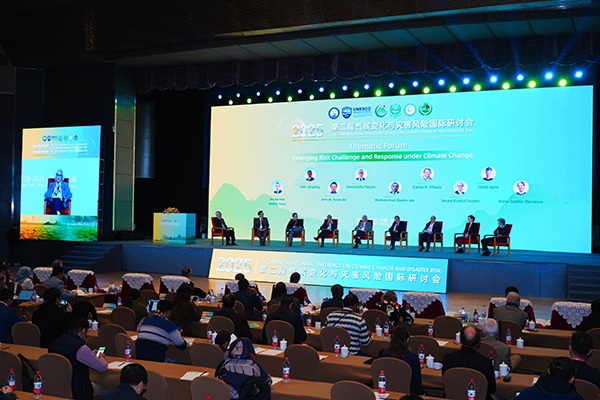
In the face of escalating natural disasters exacerbated by climate change, global experts convened at the 2nd International Conference on Climate Change and Disaster Risk in Beijing, urging strengthened international collaboration. The conference highlighted the urgent need for knowledge sharing, capacity building, and technological innovation to address increasingly severe and complex disaster scenarios. Philippe Gourbesville, President of the International Association for Hydro-Environment Engineering and Research, emphasized the cascading effects of emerging risks, which often lead to interconnected disasters threatening human safety and infrastructure. He called for enhanced observation systems, including comprehensive sensor networks in vulnerable regions, and the revision of engineering practices to adapt to new challenges. Martin Manuhwa, Chair of the Committee on Engineering Capacity Building at the World Federation of Engineering Organizations, echoed these sentiments, stressing the critical role of engineering in geoscience to ensure the resilience of buildings and transport networks. He also highlighted the potential of artificial intelligence in disaster classification and identification, while noting the persistent challenges posed by the unpredictability of extreme events. Manuhwa underscored the need for collaboration, particularly under the Belt and Road Initiative, to address the lack of disaster preparedness in Africa and other developing regions. Wang Fawu, a professor at Tongji University and UNESCO Chairholder on Geoenvironmental Disaster Reduction, emphasized the importance of public education in disaster prevention, enabling communities to respond effectively to early warnings. Anne-Sophie Stevance of the International Science Council highlighted the necessity of learning from diverse regional contexts to build a robust global knowledge base. The conference concluded with a unified call for multidisciplinary, cross-boundary cooperation to mitigate the growing risks posed by climate-driven disasters.
标签: Asia
亚洲
-
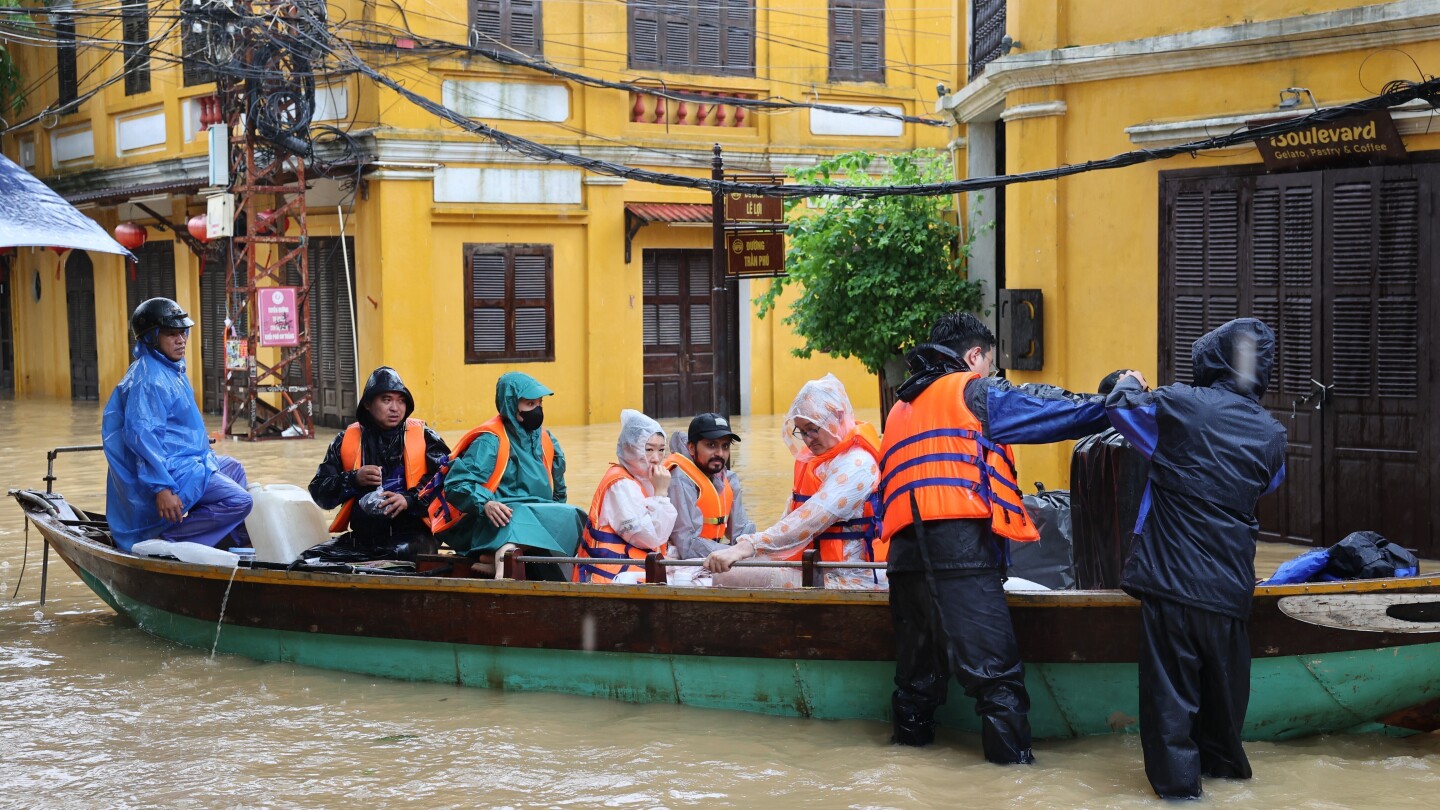
Deadly floods batter central Vietnam, killing at least 10
Central Vietnam has been struck by catastrophic floods following unprecedented rainfall, resulting in at least 10 fatalities and five individuals reported missing. The deluge has wreaked havoc on cities, agricultural lands, and transportation networks, leaving a trail of destruction in its wake. Danang, a coastal city regarded as a pivotal growth hub for Vietnam, bore the brunt of the disaster, with six deaths, four missing persons, and 19 injuries reported. Homes, crops, and thousands of livestock were swept away, amplifying concerns over the region’s recovery. In Hue, the historic former imperial capital, one person drowned, and a 5-year-old girl remains missing after being swept into floodwaters. The city remains largely submerged, with rivers overflowing after rainfall reached a staggering 1,085 millimeters (42 inches) in 24 hours—the highest ever recorded in Vietnam. Quang Ngai province also suffered significant losses, with three deaths and over 120 landslides blocking major highways. Some routes remain impassable, leaving 50 people stranded in 37 vehicles for three days. The disaster has isolated numerous rural neighborhoods, with breached river embankments and landslides cutting off access. Vietnam’s meteorological agency attributed the extreme weather to a collision of cool northern air with warm, moisture-laden sea winds, triggering relentless storms. Forecasters warn that the pattern will persist through Thursday night, heightening the risk of further floods and landslides. In response, police and military forces have been mobilized, and authorities in Quang Ngai are experimenting with drone deliveries to reach isolated residents. While central Vietnam is no stranger to heavy rains and tropical storms, experts emphasize that the scale and intensity of this week’s floods underscore the escalating risks associated with climate change. As one of the world’s most flood-prone nations, nearly half of Vietnam’s population resides in high-risk areas, highlighting the urgent need for adaptive measures.
-

Criminal penalties under tighter watch
Chinese procuratorates have intensified their supervision over the execution of criminal penalties, issuing 971,000 corrective recommendations between January 2021 and September 2025. This effort aims to ensure the consistent and proper implementation of national laws, as highlighted in a report by the Supreme People’s Procuratorate (SPP).
Ying Yong, the Procurator-General of the SPP, emphasized the importance of this oversight during a report to the Standing Committee of the 14th National People’s Congress. He described the execution of criminal punishment as the ‘last mile’ of criminal justice, crucial for achieving fairness and integrity in judicial outcomes.
Under Chinese law, procuratorial authorities are tasked with supervising the implementation of criminal judgments, monitoring prison operations, and overseeing community correction agencies. From 2021 to September 2025, these authorities received 25,000 complaints, reports, and appeals from offenders. Detailed reviews led to the correction of 3,312 erroneous judgments, including wrongful convictions, sentence calculation errors, and misidentified recidivism cases.
The report also highlighted the role of procuratorial investigations in combating judicial corruption. During the same period, 1,735 individuals were investigated for job-related offenses, such as favoritism in commutation, parole, or temporary prison releases, as well as abuse of power and illegal detainee releases.
Procuratorial authorities have also focused on improving supervision of noncustodial offenders and addressing deficiencies in community correction management. This included reincarcerating 17,000 offenders who violated community supervision rules or no longer met the conditions for serving sentences outside prison.
Regular inspections of prisons and detention centers identified risks such as contraband smuggling and ‘cell boss’ dominance. Investigations into crimes disrupting prison order led to the prosecution of 1,811 violent offenders, 803 individuals for disturbing prison order, and six for escape-related offenses.
Additionally, the SPP, in coordination with the Supreme People’s Court, Ministry of Public Security, and Ministry of Justice, resolved issues of delayed or refused prisoner admissions, ensuring the proper transfer of 96,000 convicts to correctional facilities. Authorities also addressed cases of unlawful detention beyond legal limits.
Since 2022, procuratorial authorities have issued 75,000 corrective opinions on inappropriate requests or decisions by public security and judicial administrative bodies, as well as on court rulings concerning commutation, parole, and temporary prison releases. Enhanced interagency cooperation has further ensured the lawful supervision of these measures.
The report concluded by emphasizing the importance of balancing punishment with rehabilitation to help former inmates reintegrate into society.
-
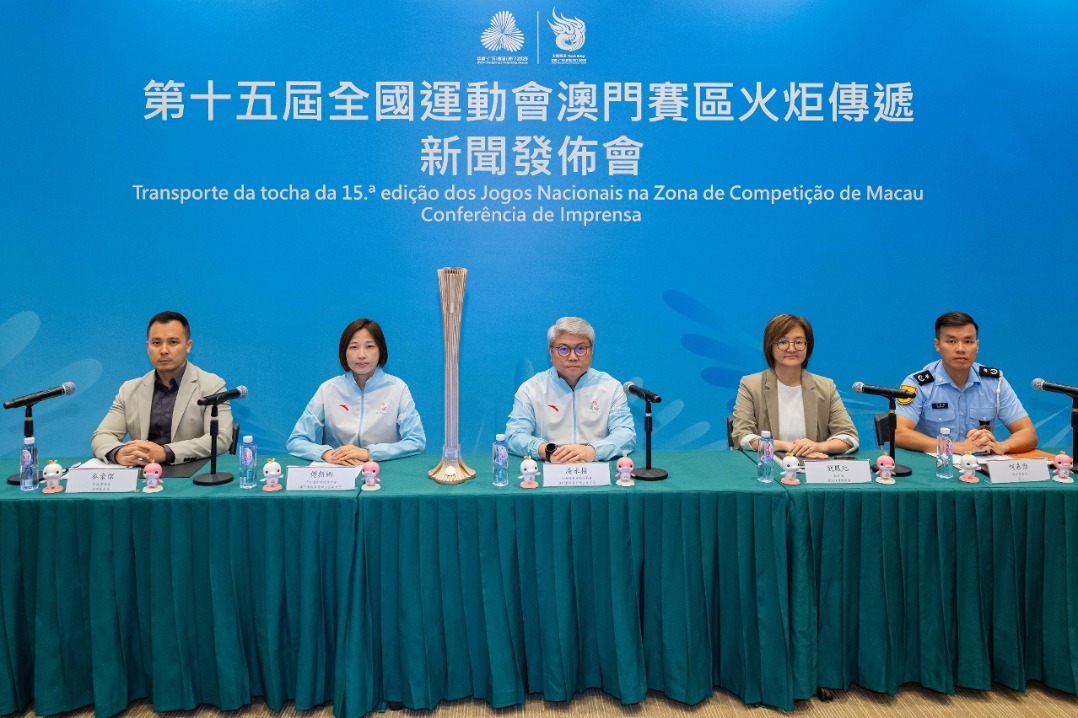
Macao’s 50 torchbearers to relay in anticipation of National Games
Macao is gearing up for a momentous occasion as 50 torchbearers from diverse sectors of society prepare to participate in the torch relay for China’s 15th National Games. The event, announced by the preparatory office of the Macao events, will take place on the Macao Peninsula, covering a distance of approximately 2.6 kilometers. The relay will commence at 9:30 am on Sunday at the headquarters of the Macao Special Administrative Region (SAR) government and conclude at the iconic Ruins of St. Paul’s, a UNESCO World Heritage Site. This historic relay marks a significant milestone in the lead-up to the National Games, which will be jointly hosted by Guangdong, Hong Kong, and Macao from November 9 to 21. Additionally, the 12th National Games for Persons with Disabilities and the 9th National Special Olympic Games are scheduled to be held from December 8 to 15, further highlighting the inclusive spirit of the event. The torch relay not only symbolizes the unity and cooperation among the hosting regions but also serves as a prelude to the grand sporting spectacle that will showcase the nation’s athletic prowess and cultural heritage.
-

China unveils weather model powered by AI
China has unveiled an advanced artificial intelligence (AI)-powered large language model, Fenghe, specifically designed for meteorological applications. Launched on Tuesday by the China Meteorological Administration’s Public Meteorological Service Center, the model aims to provide smarter, personalized, and scenario-based weather services for both the public and various industries. According to Zhu Xiaoxiang, director of the center, Fenghe integrates general large language model capabilities with specialized meteorological knowledge, trained on 550 billion tokens of meteorological data to ensure accuracy. Users can access the model via a miniprogram or website, receiving immediate AI-generated responses to weather-related queries, ranging from disaster alerts to tailored suggestions for transportation, tourism, logistics, energy, and health. For example, in self-driving scenarios, Fenghe acts as a travel adviser, offering real-time recommendations such as avoiding flooded highways during storms or suggesting indoor destinations during severe weather. The system also connects to real-time meteorological data systems like Fenglei for nowcasting and Fengqing for short-range forecasting. Li Juanzi, a professor at Tsinghua University, emphasized Fenghe’s deep integration with real-world applications, aiming to meet public life, administrative, and emergency coordination needs. Wang Jianghai, deputy director of the Ministry of Emergency Management’s flood and drought disaster prevention department, highlighted the model’s role in enhancing disaster prevention and response capabilities, describing it as an expert adviser for flood control workers and a reliable weather companion for the public. The China Meteorological Administration plans to continuously evaluate and optimize Fenghe through a standardized testing system to ensure its long-term effectiveness.
-
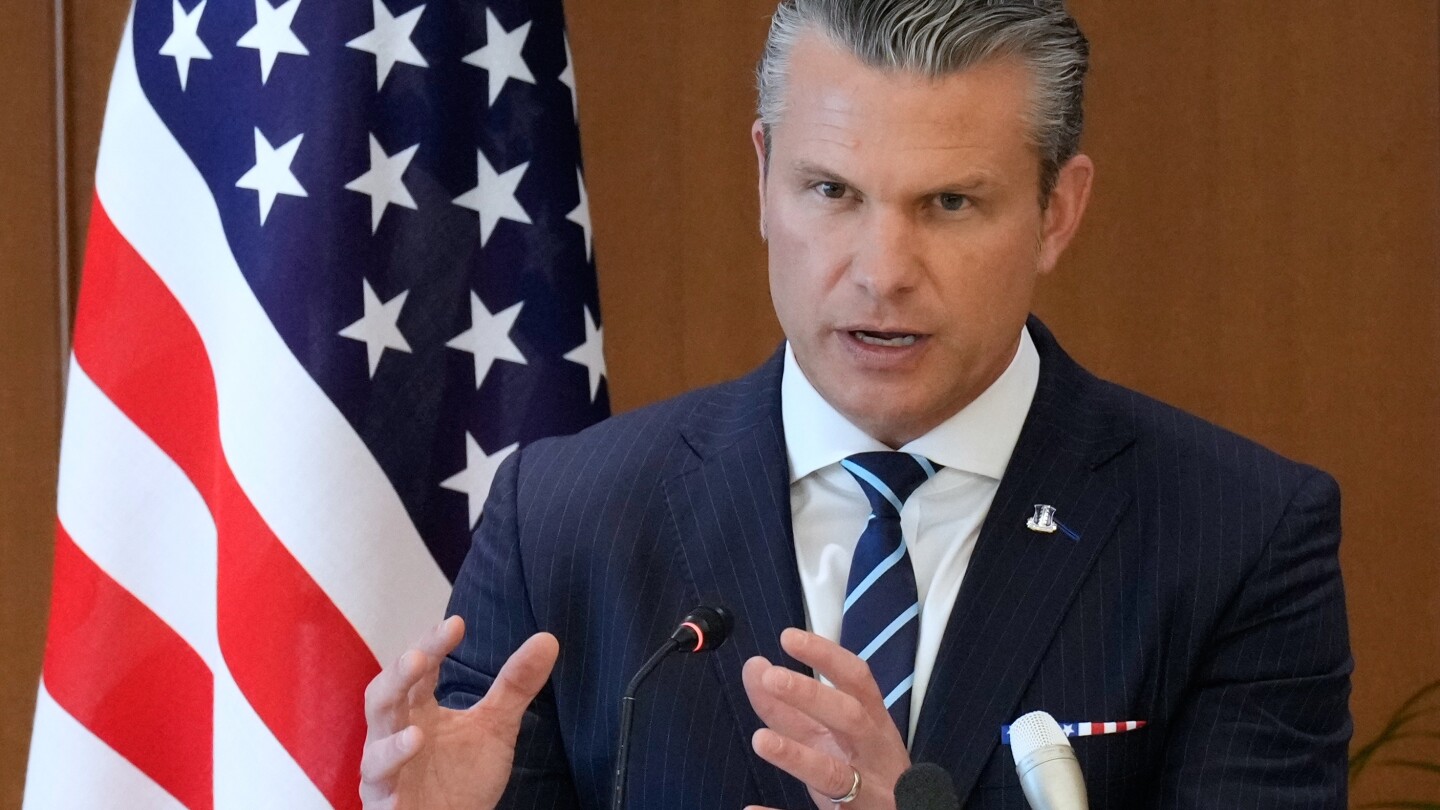
Hegseth welcomes Japan’s arms spending increase, says US-Japan alliance key to deter China
In a significant development for regional security, U.S. Defense Secretary Pete Hegseth has lauded Japan’s commitment to expediting its military expansion and increasing defense spending. During his visit to Tokyo on Wednesday, Hegseth emphasized the urgency of addressing China’s escalating military assertiveness, describing it as a tangible and pressing threat. He underscored the critical role of the U.S.-Japan alliance in deterring Chinese aggression and ensuring regional stability. Hegseth expressed his approval of Japanese Prime Minister Sanae Takaichi’s pledge to raise defense spending to 2% of the nation’s gross domestic product by March, two years ahead of the original schedule. This move aligns with Japan’s broader strategy to revise its national security framework and enhance its military capabilities. Hegseth clarified that the U.S. had not pressured Japan into this decision, framing it as a proactive step by Tokyo. The agreement also includes expedited deliveries of U.S.-made Advanced Medium Range Air-to-Air Missiles (AMRAAM), further strengthening Japan’s defensive posture. Japan’s shift from its post-World War II pacifist stance, marked by the 2022 security strategy, reflects its growing focus on self-reliance and offensive capabilities. The Takaichi administration is also exploring ways to ease restrictions on arms exports, signaling a historic transformation in Japan’s defense policy.
-
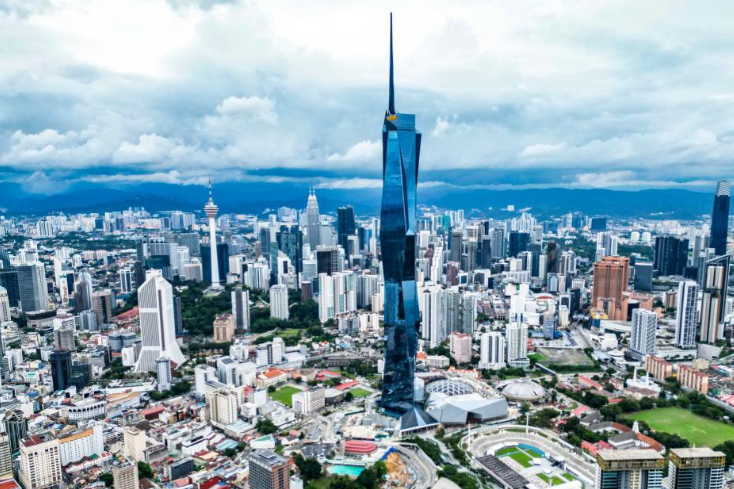
Trade talks signal hope of stability, experts say
The recent US-China trade negotiations held in Kuala Lumpur, Malaysia, have been described by experts as a pivotal moment for stabilizing economic relations between the world’s two largest economies. The talks, which took place over two days, involved high-level officials from both nations, including China’s Vice-Premier He Lifeng and US Treasury Secretary Scott Bessent, alongside US Trade Representative Jamieson Greer. Anthony Moretti, an associate professor at Robert Morris University, emphasized the importance of these discussions in fostering bilateral growth, though he acknowledged the challenges posed by shifting US policies. Gary Hufbauer, a senior fellow at the Peterson Institute for International Economics, highlighted the critical nature of the talks, warning that their outcome could either lead to a tariff truce in 2026 or a resurgence of trade tensions. Both experts stressed the need for consistent and durable agreements to bolster business confidence and global economic growth. The negotiations addressed key issues such as export controls, tariff suspensions, and expanded cooperation, with both sides describing the sessions as constructive. Markets responded positively to the progress, with the S&P 500 reaching a record high and gold futures declining as risk appetite increased. Wendy Cutler, former acting US Trade Representative, praised the focus on cooperation rather than rigid commitments, signaling a potential shift towards more collaborative trade relations.
-
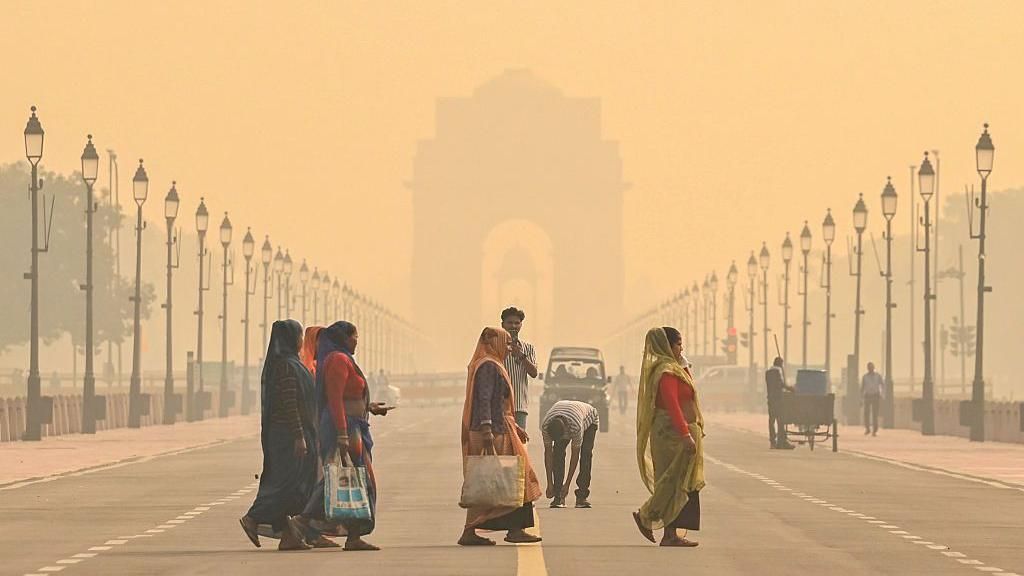
Why Delhi’s experiment to fix toxic smog with artificial rain failed
Authorities in Delhi, India, conducted an unsuccessful cloud seeding trial on Tuesday in an effort to combat the city’s escalating air pollution crisis. The experiment, led by the Indian Institute of Technology (IIT) Kanpur and the Delhi government, aimed to induce rainfall by dispersing silver iodide and sodium chloride particles into the atmosphere using a Cessna aircraft. However, the attempt—the first in 50 years—was deemed “not completely successful” due to insufficient moisture in the air. Despite the lack of rain, IIT Kanpur reported a measurable reduction in particulate matter, suggesting that cloud seeding could still contribute to improved air quality under limited moisture conditions. Delhi’s Air Quality Index (AQI) has remained alarmingly high, ranging between 300 and 400—nearly 20 times the acceptable limit—over the past two weeks. Experts, including IIT Kanpur’s director Manindra Agarwal, have cautioned that cloud seeding is an emergency measure rather than a long-term solution. Delhi’s Environment Minister Manjinder Sirsa announced plans to repeat the trial in the coming weeks as moisture levels in the clouds are expected to increase. Historically, Delhi’s first cloud-seeding experiment dates back to 1957, with another attempt in 1972. The city had considered the technique in 2023 but faced delays due to pending court approvals. While cloud seeding has shown mixed results globally—with China claiming success during the Olympics and the UAE facing skepticism after floods in Dubai—its efficacy remains debated. Climate change expert Abinash Mohanty emphasized the lack of empirical evidence on its impact and the inherent limitations of altering natural processes.
-

China passes its newly revised Maritime Law
In a significant legislative move, China’s National People’s Congress Standing Committee has approved a comprehensive revision of the country’s Maritime Law. The updated legislation, which will come into force on May 1, 2026, comprises 16 chapters and 310 articles, reflecting the latest developments in global shipping and trade practices. The revised law aims to balance the interests of various stakeholders while aligning with international maritime conventions. Key updates include adjustments to the rights and obligations of maritime participants, the legal recognition of electronic transport records, and enhanced provisions for marine environmental protection. Notably, a new chapter addressing liability for ship oil pollution damage has been introduced, underscoring China’s commitment to marine ecological conservation. The law also emphasizes international cooperation in maritime affairs, supporting the high-quality development of China’s shipping industry. Additionally, it includes provisions to address foreign-related legal applications, further solidifying China’s position as a maritime and shipping power.
-
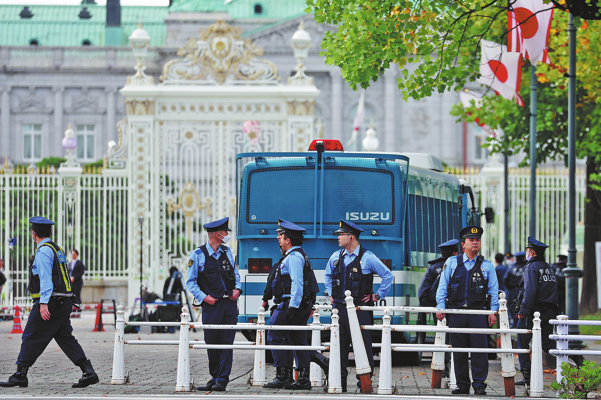
Japan, US leaders sign economic agreement
In a significant diplomatic move, Japan’s newly elected Prime Minister Sanae Takaichi and US President Donald Trump solidified their nations’ alliance through a series of economic and defense agreements during their meeting in Tokyo on Tuesday. The leaders signed a document reaffirming the implementation of a trade deal initially reached in July, which includes Japan’s pledge to invest $550 billion in critical US industries such as semiconductors, rare earths, and shipbuilding. Additionally, Japan committed to increasing its purchases of US agricultural products.