标签: Asia

亚洲

  • Malaysia urges ASEAN to expand defense cooperation in cyberspace

    Malaysia urges ASEAN to expand defense cooperation in cyberspace

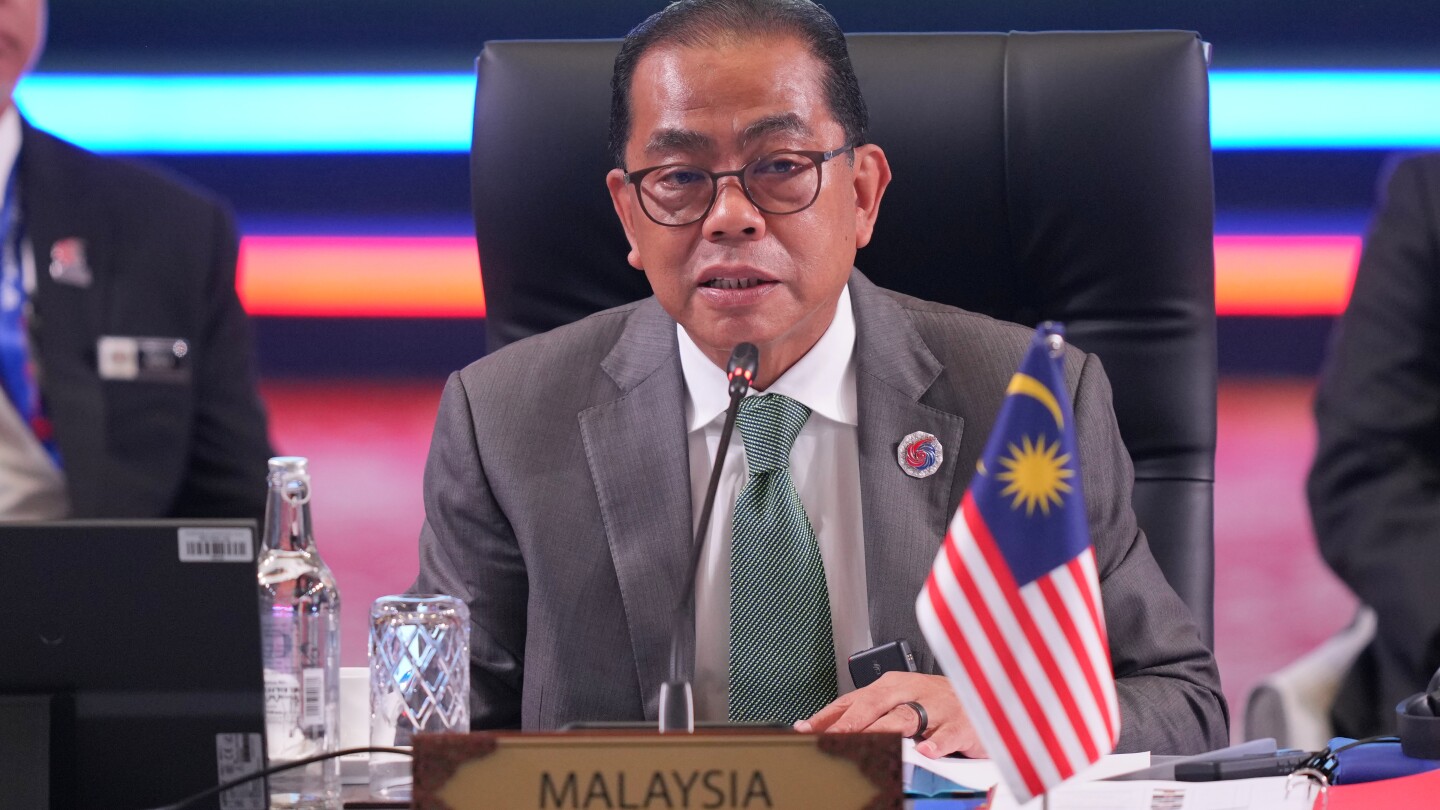
    KUALA LUMPUR, Malaysia — Malaysia has called on its fellow Association of Southeast Asian Nations (ASEAN) members to broaden their security collaborations beyond maritime concerns to include cyberspace. The appeal was made during the annual ASEAN Defense Ministers’ Meeting, where Defense Minister Mohamed Khaled Nordin highlighted the escalating pressures on regional peace from both traditional and emerging threats. These include rising tensions in the disputed South China Sea and the increasing prevalence of cyberattacks, which Nordin warned could “disrupt societies, topple governments, and undermine critical infrastructure.”

    Nordin emphasized that modern threats transcend physical borders, stating, “The challenges in the South China Sea are evident, but we must also recognize that our digital realm is equally at risk. The invisible threats to our networks and systems are just as dangerous as those in our maritime zones.”

    The ASEAN defense ministers are set to engage in discussions on Saturday with dialogue partners, including the United States, China, Japan, India, Australia, South Korea, and Russia. U.S. Defense Secretary Pete Hegseth and Chinese Defense Minister Dong Jun are among the attendees. Hegseth and Nordin held a bilateral meeting on Thursday, reaffirming their nations’ commitment to maritime security in the South China Sea.

    In a joint statement issued Friday, Nordin indirectly criticized China, referencing “grey-zone tactics” such as hydrographic research conducted under the protection of foreign coast guard vessels, which he described as a “clear provocation and threat to sovereignty.” Malaysia has historically preferred quiet diplomacy over public confrontations, unlike the Philippines, which has faced significant maritime disputes with China in recent years.

    Nordin also urged ASEAN nations to accelerate the formation of an observer team to assist Thailand and Cambodia in resolving their border crisis. Additionally, he reiterated ASEAN’s commitment to supporting a peaceful resolution to the civil war in Myanmar, emphasizing the bloc’s determination to help the country “return to its rightful place in ASEAN.” Myanmar’s military leaders have been excluded from ASEAN meetings since 2021 due to their failure to comply with the bloc’s Five-Point Consensus on peace and dialogue, following the military takeover that ousted the elected government and plunged the nation into conflict.


  • Trump administration to allow just 7,500 refugees in drastic cut

    Trump administration to allow just 7,500 refugees in drastic cut

    The Trump administration unveiled a controversial policy on Thursday, announcing plans to drastically reduce the number of refugees admitted annually to the United States to a historic low of 7,500 by fiscal year 2026. This marks a sharp decline from the over 100,000 refugees accepted annually under President Joe Biden. The new policy also prioritizes white South Africans, particularly Afrikaners, who the administration claims face persecution in their homeland.

  • Cambridge Student Union splits from National Union of Students over Gaza

    Cambridge Student Union splits from National Union of Students over Gaza

    In a landmark decision, students at the University of Cambridge have voted to disaffiliate from the National Union of Students (NUS), citing its alleged failure to support pro-Palestinian protests and campaigns. The motion, passed by the Cambridge Student Union (SU) on Thursday night, garnered 1,772 votes in favor, with 1,284 against and 719 abstentions. The decision follows widespread criticism of the NUS for its perceived inaction on student-led pro-Palestinian movements and its lack of support for students facing disciplinary actions for protests. The SU trustee board initiated the motion, accusing the NUS of ignoring nationwide student calls to campaign for Palestine and prioritizing selective causes aligned with its internal agenda. Additionally, the NUS was criticized for offering ‘poor value for money,’ with annual fees estimated at £20,000 ($26,000). This move comes after 55 university student groups and union officers signed an open letter urging the NUS to take a stand on Gaza or face mass disaffiliation. In response, the NUS demanded that signatories remove their names or face bans from its events. Olivia Ledger, vice president of the Cambridge SU, highlighted the lack of NUS support during seven student encampments and five High Court injunctions. She also criticized the NUS for failing to address Islamophobia and its minimal national campaigning impact. Meanwhile, Cambridge students passed a motion for the SU to campaign against university investments in institutions involved in occupation and weapons manufacturing. This follows the university’s recent decision to divest from companies producing ‘controversial weapons’ and its upcoming vote on divesting from all arms manufacturers. The university council has already adopted a policy to divest from companies manufacturing weapons illegal under UK law, including chemical and biological weapons and cluster munitions. A final decision on divestment from all arms manufacturers is expected on November 20.

  • Japan plans to hire hunters as bear attacks rise

    Japan plans to hire hunters as bear attacks rise

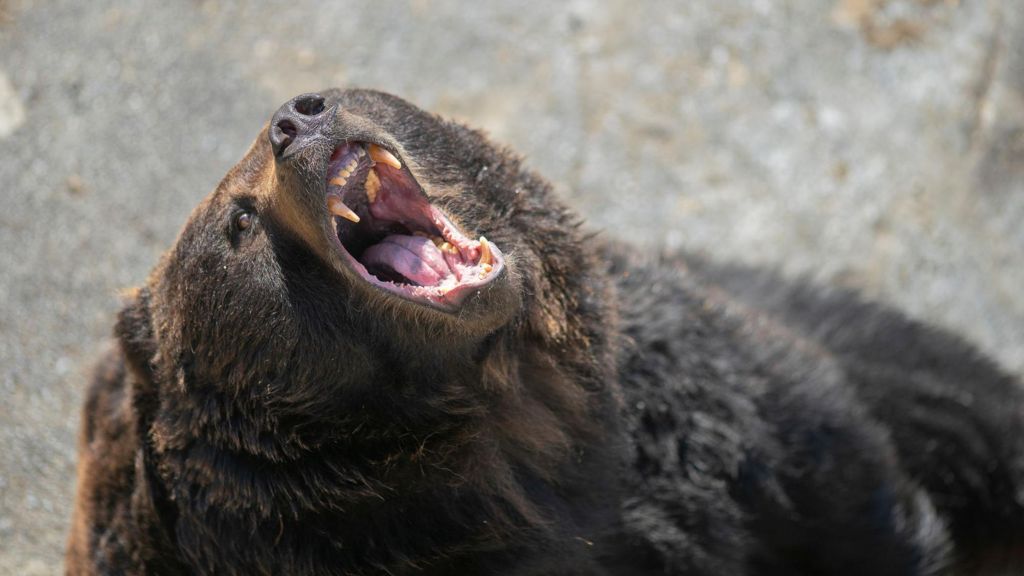
    The Japanese government is taking decisive action to address the escalating issue of bear attacks across the country, particularly in Hokkaido and Akita prefecture. In response to a record number of incidents this year, including 12 fatalities, the Environment Ministry has announced plans to allocate funds for hiring licensed hunters and other personnel to manage bears encroaching on residential areas. This initiative follows a high-level meeting convened to tackle the growing threat to public safety. Authorities are also considering empowering police officers to use rifles against bears, with final counter-measures expected by mid-November. The problem has been exacerbated by bears breaking into supermarkets, schools, and attacking residents, including a foreign tourist near a bus stop. Akita prefecture, with its extensive mountain ranges, has reported the highest number of casualties. To assist, Japan’s Self-Defense Forces will be deployed to help capture and repel bears, although current laws prohibit them from shooting the animals. The aging and declining number of hunters, coupled with climate change affecting food sources like beech nuts, has left populations more vulnerable to attacks. In September, Japan relaxed gun regulations to facilitate the shooting of bears in residential areas, reflecting the urgency of the situation.

  • Beyond all that UAE glitter, glimpses of life before oil

    Beyond all that UAE glitter, glimpses of life before oil

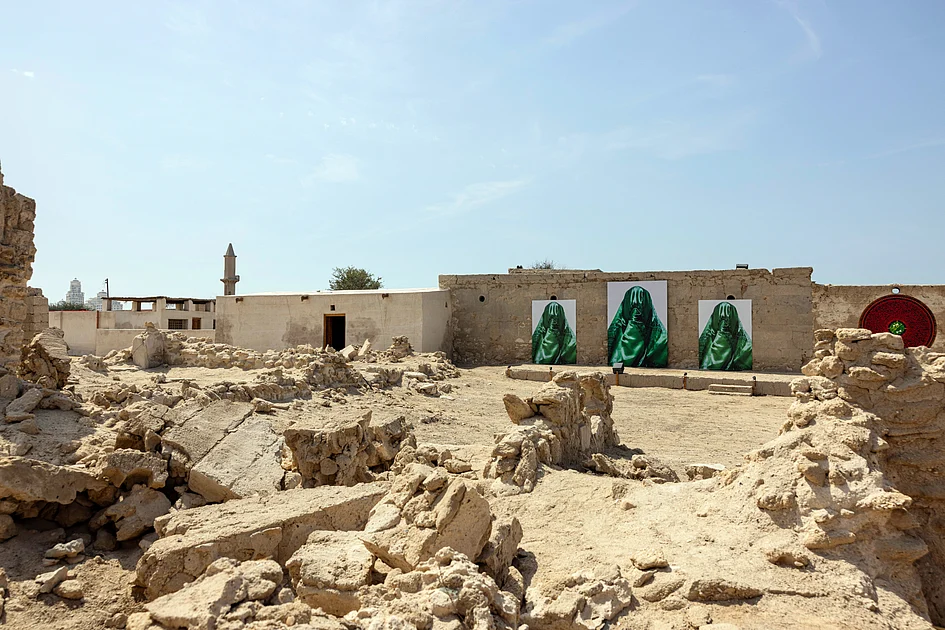
    The United Arab Emirates (UAE), often synonymous with the glittering skylines of Dubai and Abu Dhabi, holds a lesser-known history rooted in the pearl industry. Long before oil transformed the nation into a global economic powerhouse, the UAE thrived on the luster of pearls harvested from the Arabian Gulf. Today, the smaller, less-visited emirates offer a glimpse into this bygone era, providing a stark contrast to the modern opulence of its more famous cities. On a warm morning in Ras Al Khaimah, the northernmost emirate, visitors can step aboard a traditional wooden dhow and witness the art of pearl diving at Suwaidi Pearl Farm. Here, a guide clad in a pristine white headscarf demonstrates the delicate process of extracting pearls from oysters, a practice that once sustained the region. This experience is part of a broader journey through Sharjah, Ajman, Fujairah, and Ras Al Khaimah—emirates that remain less developed but rich in cultural heritage. Sharjah, for instance, is a hub of authenticity with its coral-walled buildings and the Sharjah Museum of Islamic Civilisation, which showcases the region’s deep-rooted history. Ajman, the smallest emirate, offers a laid-back vibe with its golden beaches and burgeoning tourism scene. Fujairah, located on the Gulf of Oman, is home to the UAE’s oldest mosque, Al Bidyah, while Ras Al Khaimah boasts the world’s longest zip-line and a thriving pearl farming industry. These emirates, often overshadowed by Dubai’s grandeur, provide a window into the UAE’s past, revealing a harmonious blend of tradition and modernity. As the nation continues to evolve, these hidden gems remind us that the UAE’s true wealth lies not just in its oil reserves but in its rich cultural tapestry and the resilience of its people.

  • Jerusalem rocked by huge ultra-Orthodox demonstration against army conscription

    Jerusalem rocked by huge ultra-Orthodox demonstration against army conscription

    In an unprecedented display of unity, hundreds of thousands of ultra-Orthodox men gathered in Jerusalem on Thursday to protest against the Israeli government’s efforts to enforce military conscription and the arrest of draft dodgers. The demonstration, dubbed the ‘demonstration of the million,’ brought together various ultra-Orthodox factions, including Chabad, which issued a call for participation in the rally. The event, however, was overshadowed by the tragic death of a 15-year-old boy who fell from a construction site during the protest. Participants, such as Yehuda Hirsch, a 20-year-old member of the anti-Zionist faction Neturei Karta, expressed unwavering opposition to enlisting in the Israeli Defense Forces (IDF), stating, ‘We are two opposites—the ultra-Orthodox on one side and the army and state on the other.’ The protest caused significant disruptions, with police blocking major roads and overcrowding at train stations as demonstrators made their way to Jerusalem. The issue of ultra-Orthodox conscription has been a contentious topic in Israel since its establishment in 1948, when exemptions were granted but not legally codified. Recent debates have intensified due to the ongoing conflict in Gaza and the government’s failure to enshrine exemptions into law. The protest also highlighted deep divisions within Israeli society, with opposition leaders criticizing the ultra-Orthodox community’s refusal to serve. The demonstration turned violent in some areas, with clashes reported and journalists attacked. Despite the tensions, participants like Michael, a 19-year-old yeshiva student, remained resolute, stating, ‘As long as the rabbis don’t tell me to go, I won’t show up.’ The event underscored the ongoing struggle between the ultra-Orthodox community and the state over issues of identity, religion, and national service.

  • ‘Can’t go back’ – families in violence-hit Indian state fear resettlement deadline

    ‘Can’t go back’ – families in violence-hit Indian state fear resettlement deadline

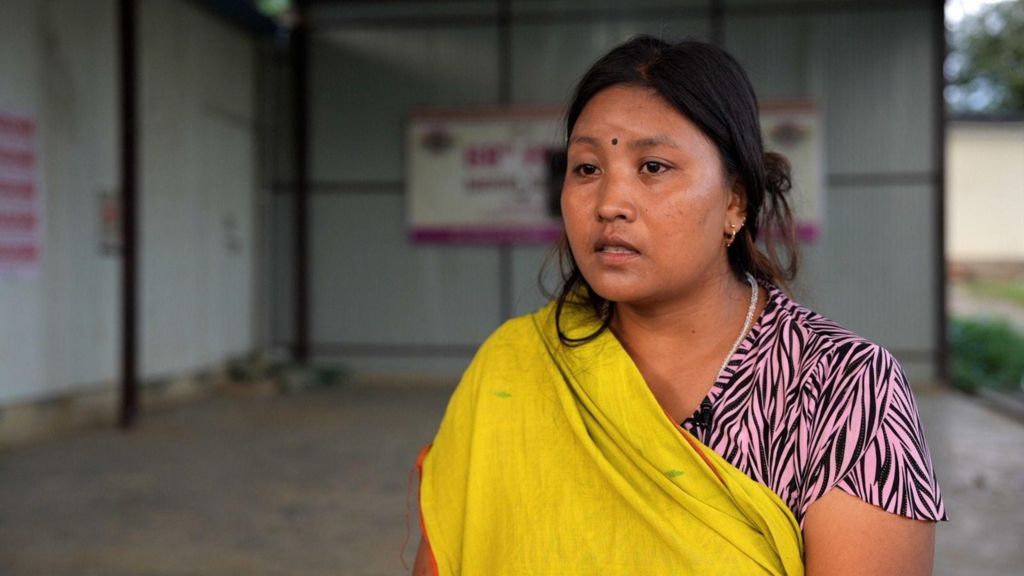
    Thousands of individuals displaced by ethnic violence in Manipur, India, are grappling with an uncertain future as the government plans to shut down all temporary relief camps by December. The clashes, which erupted in May 2023 between the majority Meitei and the indigenous Kuki communities, marked the region’s worst violence in decades. The conflict began when the predominantly Christian Kuki community protested against the Meiteis, mostly Hindus, who sought official tribal status to access government benefits and job quotas. The violence claimed at least 260 lives and displaced approximately 60,000 people, many of whom remain in temporary shelters. Despite repeated government promises of rehabilitation, little progress has been made, leaving many in a state of limbo—homeless and without stable income. In July, the state’s Chief Secretary announced the closure of all relief camps by December, with plans to resettle displaced individuals in pre-fabricated housing units. However, the lack of clarity regarding the location of these units has heightened anxieties. Prime Minister Narendra Modi’s announcement of 7,000 new homes during his September visit to Manipur offered little reassurance, as details remained vague. On the ground, Manipur remains sharply divided, with Meiteis inhabiting the Imphal Valley and Kukis residing in the surrounding hill districts. Security forces patrol buffer zones to prevent intermingling, further deepening divisions. Experts emphasize the importance of resettling people in their original neighborhoods to prevent the violence from redrawing Manipur’s social map. Many displaced individuals fear that moving into temporary housing may permanently sever their ties to their homes. For instance, Hatnu Haokip, a 22-year-old living in a relief camp, yearns to return to her village in the Imphal Valley but feels unsafe due to the presence of Meitei people. She and others advocate for Kuki autonomy within a federally-administered territory. Meanwhile, Meiteis express a desire to return home, with individuals like Irom Abung vowing to reclaim their land despite the challenges. The government insists its resettlement plan is on track, having reduced the number of camps from 290 to 260. However, concerns persist over the lack of facilities and mental health support in the camps. Single mother Nemhoichong Lhungdim shared her struggle to afford medical treatment for her son, while Salam Monika recounted her uncle’s suicide due to despair over livelihood opportunities. Those resettled into temporary housing, like Chingakham Radha, continue to face financial hardships, relying on small incomes from activities like crocheting dolls. As the December deadline approaches, the future remains uncertain for thousands of displaced families in Manipur.

  • Rare minerals-tied new-generation industries emerge in Texas

    Rare minerals-tied new-generation industries emerge in Texas

    In a strategic shift, major oil companies are now drilling in East Texas, not for oil, but for lithium and other rare earth elements essential for advanced manufacturing. Chevron, Halliburton, and Exxon are leading the charge, with significant projects announced in 2025. The Smackover Formation, a massive brine deposit, has been identified as the most lithium-rich site in North America, sparking a rush of investment and development.

  • Syrian military cadets to begin schooling in Turkey

    Syrian military cadets to begin schooling in Turkey

    In a significant development for regional defense cooperation, Turkish military academies are set to commence training for 49 Syrian military cadets starting this Friday. This initiative underscores the deepening military ties between Turkey and Syria, following the signing of a bilateral military accord in August. According to Middle East Eye, Turkey has already begun training approximately 300 Syrian troops, including soldiers and police officers, at bases in central and eastern Turkey. Ankara’s broader plan aims to train up to 5,000 Syrian personnel in the short term, with a long-term goal of reaching 20,000. The Syrian cadets will receive education in air, land, and naval academies, marking a prestigious aspect of this collaboration. Upon completion, they will return to serve in the Syrian military. The Turkish Defense Ministry confirmed the training, stating that certain Syrian army units are utilizing Turkish military facilities. This cooperation comes amid Syria’s efforts to rebuild after a decade of civil war, with President Ahmed al-Sharaa seeking Turkish assistance following Israeli air strikes on Damascus and Sweida. Turkey, which maintains around 20,000 troops in northern Syria, has emerged as a key regional power. The U.S. has also recognized Turkey’s influence, lifting sanctions on Syria earlier this year. While discussions on a broader defense pact continue, the current agreement focuses on training and consultancy, with no immediate framework for Turkish troop deployments to Syrian bases.

  • Crew members ready for Shenzhou XXI mission

    Crew members ready for Shenzhou XXI mission

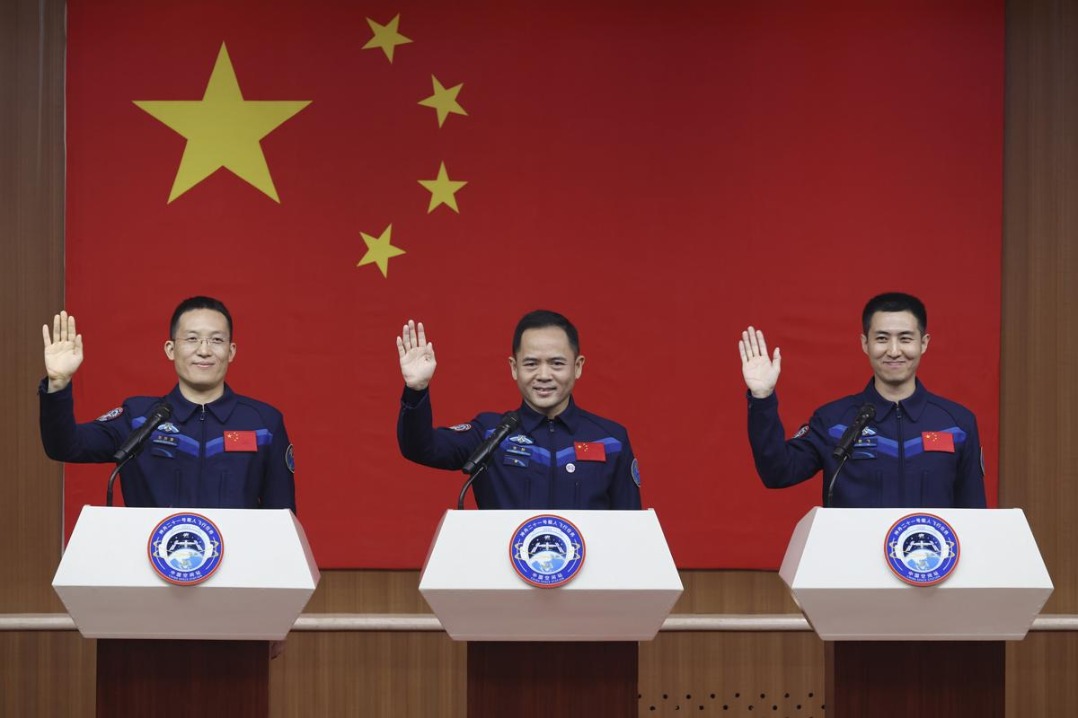
    China is poised to launch the Shenzhou XXI mission, marking another significant milestone in its space exploration endeavors. The mission, scheduled for Friday night, will send three astronauts to the Tiangong space station for a six-month stay. The crew, led by mission commander Senior Colonel Zhang Lu, includes spaceflight engineer Major Wu Fei and payload specialist Zhang Hongzhang. Their primary objectives include conducting 27 scientific projects, performing spacewalks, and undertaking China’s first in-orbit experimentation on rodents. The launch will take place at the Jiuquan Satellite Launch Center in northwestern China, with the Long March 2F rocket propelling the Shenzhou XXI spacecraft into low-Earth orbit. The mission will also involve a crew shift, replacing the Shenzhou XX astronauts who have been aboard the space station for over six months. The Tiangong space station, completed in late 2022, remains the only independently operated space station in orbit. The Shenzhou XXI astronauts will focus on research in space life sciences, biotechnology, space medicine, and new spacecraft technologies. Additionally, the mission will observe the behavioral and physiological impacts of space on four mice, which will return to Earth for further analysis. This mission underscores China’s growing capabilities in space exploration and scientific innovation.