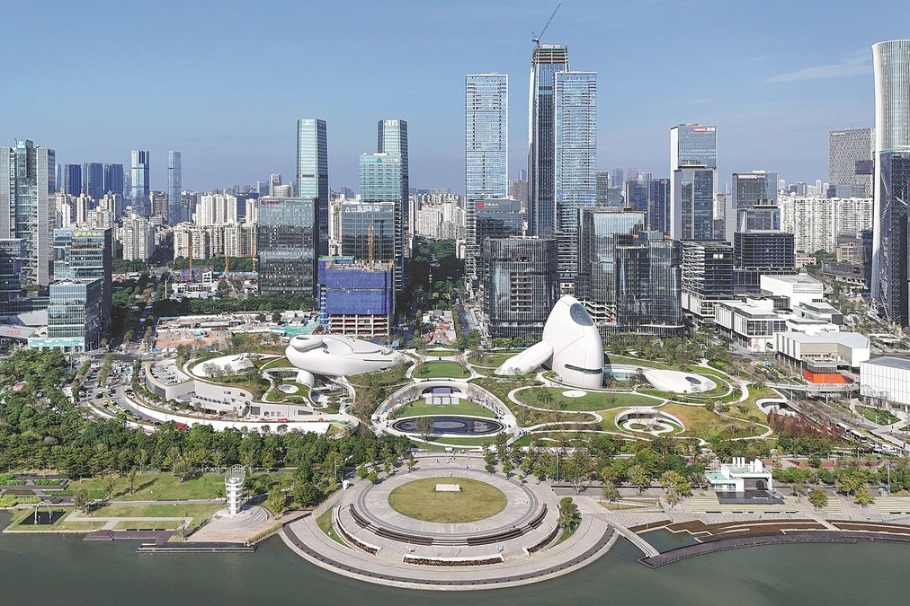
Shenzhen, the coastal metropolis in Guangdong Province, has been selected to host the 33rd Asia-Pacific Economic Cooperation (APEC) Economic Leaders’ Meeting in 2026. This marks the third time China has hosted the prestigious event, following Shanghai in 2001 and Beijing in 2014. The announcement has thrust Shenzhen into the global spotlight, positioning it as a symbol of China’s economic transformation and technological prowess.
标签: Asia
亚洲
-

Popular Malaysian rapper charged with drug use
Malaysian rapper Namewee, renowned for his provocative and satirical music, has been charged with illegal drug use and possession, according to reports from Kuala Lumpur police. The 42-year-old artist, whose real name is Wee Meng Chee, pleaded not guilty to both charges and was released on bail following his arrest last month. Namewee is widely recognized for addressing taboo subjects in Malaysia, ranging from obscenity to religion and China’s censorship, through his music and videos. In a recent Instagram post, he vehemently denied any involvement with drugs, stating, ‘The truth will be out when the police report is released.’
Kuala Lumpur police chief Fadil Marsus revealed that Namewee was apprehended on October 22 in a hotel room, where authorities discovered pills suspected to be ecstasy (MDMA). Subsequent drug tests reportedly detected amphetamines, methamphetamine, ketamine, and THC in his system, leading to a two-day remand. If convicted, Namewee could face up to five years in prison and corporal punishment.
The case has drawn additional attention due to its connection to the death of Taiwanese influencer Iris Hsieh, who was found dead in her hotel room bathtub during the same period. Namewee expressed his condolences on Instagram, lamenting the delayed ambulance response. He also mentioned receiving threats and vowed to ‘fight to the end,’ though it remains unclear whether his statement pertains to the drug charges or Hsieh’s death.
Namewee’s career has been marked by controversy. In 2016, he was arrested for his music video ‘Oh My God,’ which was filmed at various places of worship and accused of offending religious sentiments. In 2021, his song ‘Fragile,’ which mocked Chinese nationalists and addressed politically sensitive topics like Taiwan’s sovereignty and the persecution of Uyghurs in Xinjiang, went viral but was banned in China. Despite his legal troubles, Namewee continues to be a polarizing figure in the music industry.
-
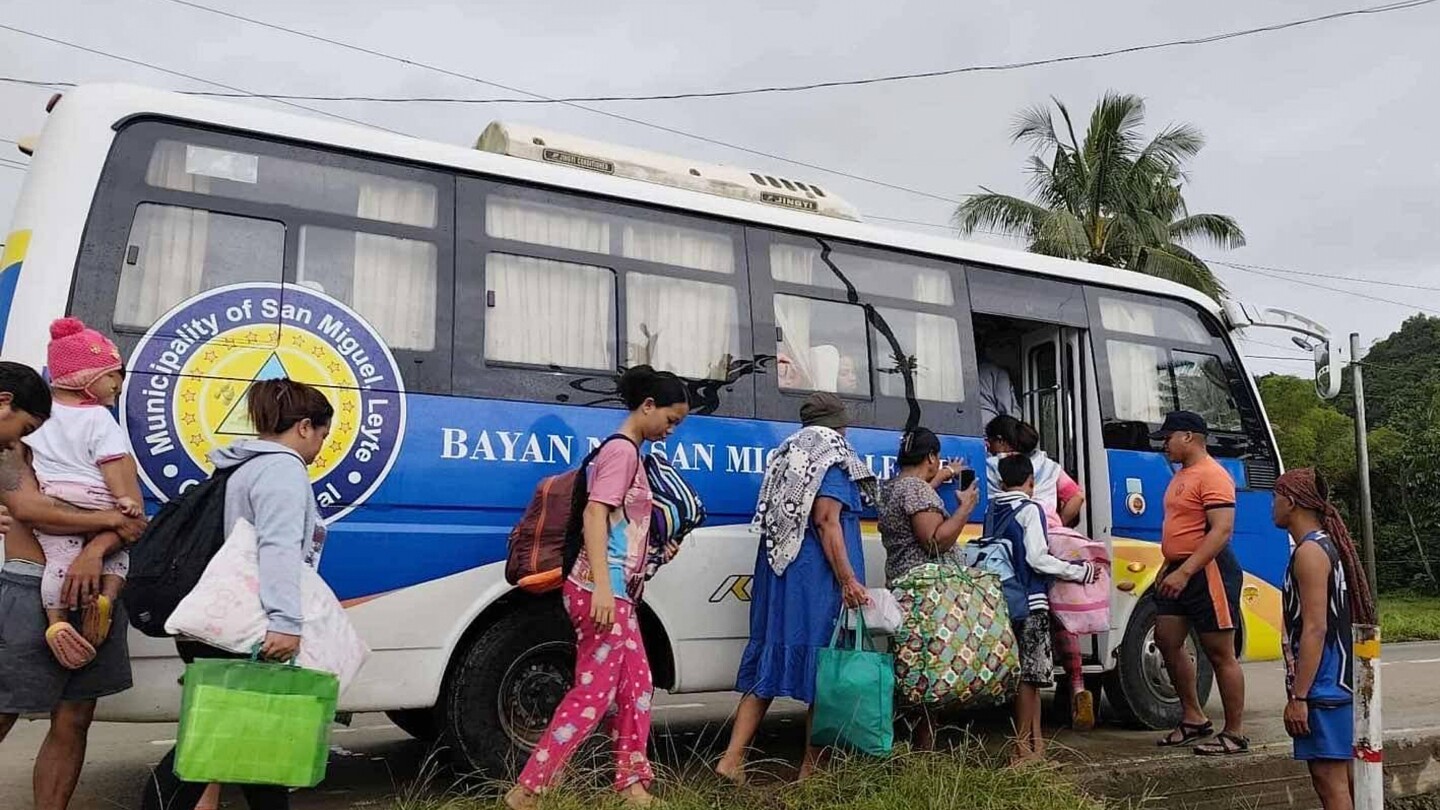
Tens of thousands of people evacuate to safety as typhoon approaches eastern Philippines
Philippine authorities have initiated large-scale evacuations and imposed fishing bans in the east-central region as Typhoon Kalmaegi, locally known as Tino, approaches from the Pacific. The storm, with sustained winds of up to 120 kilometers per hour and gusts reaching 150 kph, was last observed approximately 235 kilometers east of Guiuan in Eastern Samar province. Forecasters predict it will make landfall later Monday, bringing torrential rains and life-threatening storm surges of up to 3 meters (nearly 10 feet). Eastern Samar Governor RV Evardone has issued mandatory evacuation orders, mobilizing army troops, police, firefighters, and disaster-response teams to assist residents. Over 70,000 people in coastal towns such as Guiuan, Mercedes, and Salcedo have been directed to seek refuge in evacuation centers or sturdy buildings. The typhoon is expected to strengthen over the Philippine Sea before impacting central island provinces, including Cebu, which is still recovering from a devastating 6.9-magnitude earthquake in late September. The Philippines, a disaster-prone nation, faces approximately 20 typhoons annually, alongside frequent earthquakes and volcanic activity. The memory of Typhoon Haiyan in 2013, which claimed over 7,300 lives and displaced millions, has heightened public compliance with evacuation orders. ‘Nobody’s complaining because of their experience with Yolanda,’ Governor Evardone remarked, emphasizing the importance of preparedness.
-

Five moments that defined India’s women’s World Cup glory
In a stunning display of grit and determination, India’s women’s cricket team scripted a historic turnaround to claim their maiden Women’s World Cup title. Overcoming three consecutive group-stage defeats, the team rallied with a flawless knockout performance, culminating in a 52-run victory over South Africa in the final at Mumbai’s DY Patil Stadium. The triumph marked a watershed moment for Indian cricket, as the women’s team finally stood shoulder to shoulder with their male counterparts in global glory.
The journey to the title was paved with pivotal moments and standout performances. Shafali Verma, a part-time spinner thrust into the spotlight due to an injury, delivered a match-defining spell, removing key South African batters and earning the Player of the Match award. Amanjot Kaur’s gravity-defying catch to dismiss South Africa’s captain Laura Wolvaardt was another turning point, halting a threatening chase and igniting euphoria among fans.
Jemimah Rodrigues emerged as the tournament’s batting sensation, particularly in the semi-final against Australia, where her unbeaten 127 powered India to a record chase of 338. Her resilience, both mental and technical, epitomized India’s fighting spirit. Captain Harmanpreet Kaur’s astute leadership was instrumental, as she made bold tactical decisions, including promoting Jemimah to No. 3 and backing Shafali Verma in the final. Deepti Sharma, the tournament’s leading wicket-taker, also shone with her all-round brilliance, delivering crucial runs and wickets in the knockout stages.
This victory was more than just a sporting achievement; it was a testament to the team’s resilience and a beacon of inspiration for a cricket-crazy nation. The roar of the Mumbai crowd echoed the dawn of a new era in Indian cricket, one where the women’s team has etched its name in history.
-

Guangxi emerges as regional hub for AI growth
The Guangxi Zhuang Autonomous Region in South China has emerged as a pivotal hub for artificial intelligence (AI) innovation, leveraging its strategic geographical position to foster deeper collaboration between China and the Association of Southeast Asian Nations (ASEAN). Spearheading this transformation is the ‘AI Super League,’ an initiative launched in July by the Guangxi regional government under the banner ‘AI for All: China-ASEAN.’ What began as a technology contest has rapidly evolved into a comprehensive platform for cross-border cooperation, attracting over 3,300 teams from China’s 31 provincial-level regions and ASEAN member states. Among these, 329 teams from ASEAN are competing in diverse categories, including cross-border e-commerce, cultural tourism, automotive innovation, and modern agriculture. Lu Xinning, a senior official of the Guangxi government, emphasized that the league transcends a mere competition, fostering an innovation community that bridges Guangxi, China, and ASEAN. This initiative marks a significant shift in China-ASEAN cooperation from traditional sectors to the digital realm, promoting inclusive AI development. The event, themed ‘AI Guangxi, AI China, AI ASEAN,’ runs from July to November and has attracted top enterprises, research teams, university students, and individual developers. It actively encourages joint teams between Chinese and ASEAN companies, facilitating industrial integration and exploring AI applications tailored to ASEAN markets. By supporting AI enterprises targeting ASEAN and promoting the integration of AI with the real economy, the league underscores Guangxi’s role as a regional AI powerhouse.
-
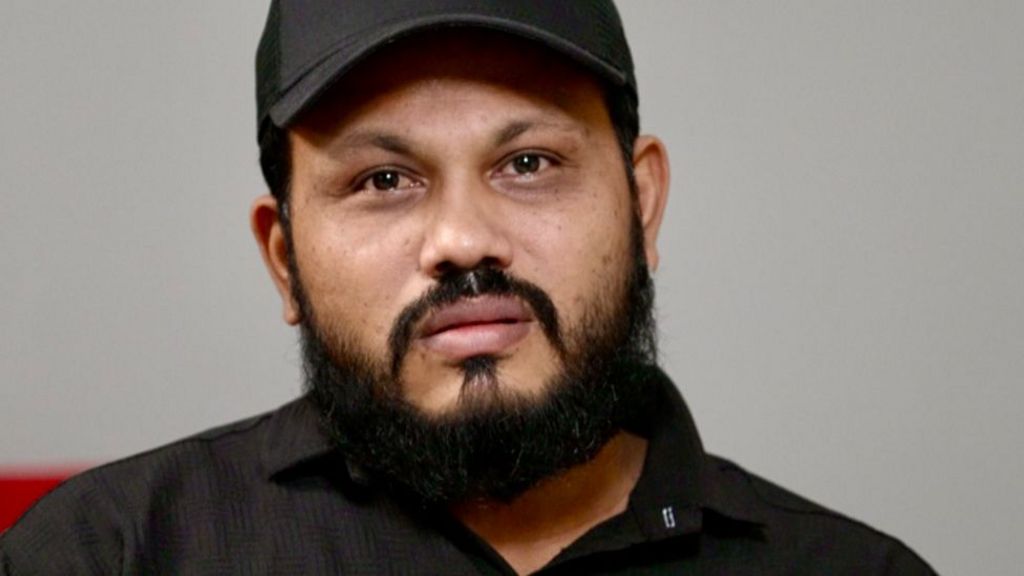
I’m the luckiest man alive, but also suffering, says Air India crash sole survivor
Viswashkumar Ramesh, the lone survivor of the Air India flight AI171 crash that claimed 241 lives, has opened up about his harrowing experience and the profound impact it has had on his life. The 39-year-old, who miraculously walked away from the wreckage in Ahmedabad, India, described the ordeal as both a blessing and a curse. While he considers himself the “luckiest man” alive, he is grappling with the devastating loss of his younger brother, Ajay, who perished in the crash. Ramesh, now back in Leicester, UK, is battling post-traumatic stress disorder (PTSD) and has struggled to reconnect with his wife and young son. The crash, which occurred shortly after takeoff in June, left 169 Indian nationals and 52 Britons dead, along with 19 others on the ground. A preliminary investigation revealed that fuel supply to the engines was cut off seconds after takeoff. Ramesh, who suffered physical injuries including leg, shoulder, knee, and back pain, has been unable to work or drive since the tragedy. His family’s fishing business in Diu, India, has collapsed, adding to their financial and emotional burdens. Air India has offered an interim compensation of £21,500, but Ramesh’s advisers argue it is insufficient. They have repeatedly requested a meeting with airline executives to address his needs, but their appeals have been ignored. Ramesh’s story highlights the long road to recovery for survivors of such tragedies and the urgent need for comprehensive support systems.
-
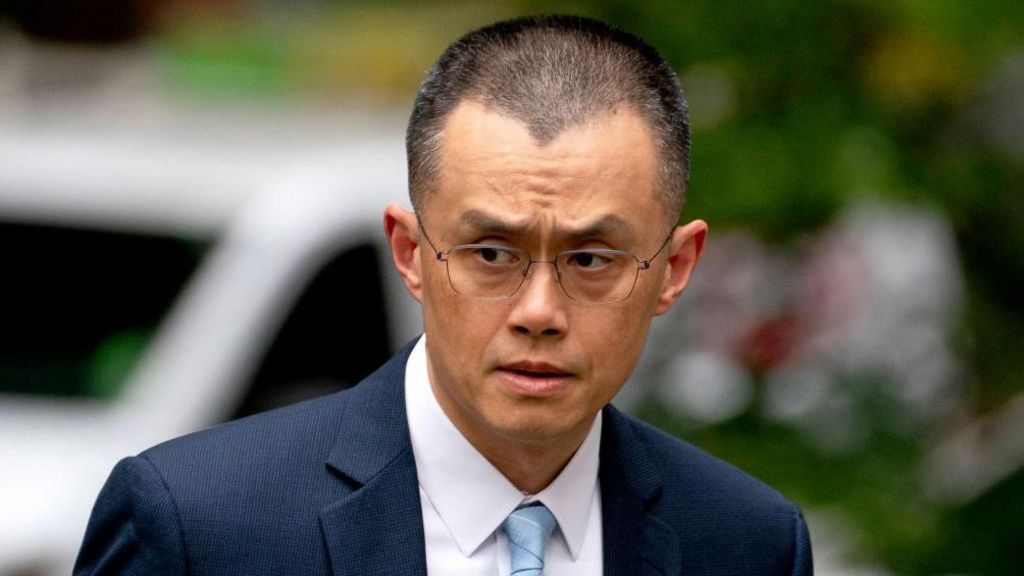
‘No idea who he is,’ says Trump after pardoning crypto tycoon
In a surprising revelation during an interview with CBS News’ 60 Minutes, former US President Donald Trump stated that he does not know who Changpeng Zhao, the co-founder of cryptocurrency giant Binance, is. This statement comes despite Trump having pardoned Zhao last month. Zhao, commonly known as ‘CZ’, had pleaded guilty to enabling money laundering in 2023, served four months in prison, and stepped down as Binance’s CEO. His companies have collaborated with firms linked to Trump, including Dominari Holdings, which is based in Trump Tower and has Trump’s sons on its advisory board. When questioned about the pardon, Trump responded, ‘I don’t know who he is,’ and claimed that Zhao was a victim of a ‘witch hunt’ by the Biden administration. Trump also emphasized the importance of the US leading in the cryptocurrency industry to prevent China and other rivals from gaining an advantage. The pardon removes restrictions on Zhao’s financial ventures, but its impact on his regulatory standing and role at Binance remains unclear. White House Press Secretary Karoline Leavitt defended the pardon, calling Zhao’s prosecution an ‘overreach’ by the Biden administration. Binance continues to be the world’s most used crypto exchange. Trump’s administration has a history of halting cases against crypto entrepreneurs, including Justin Sun and the founders of BitMEX and Silk Road.
-
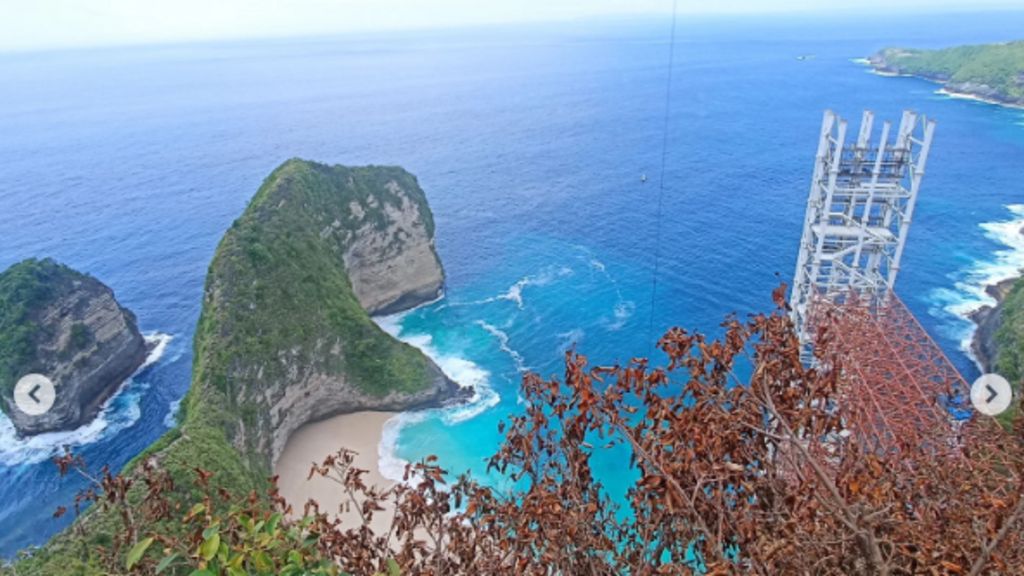
Bali halts Chinese construction of glass lift on cliffside
Bali authorities have halted the construction of a 182-meter cliffside glass elevator on Kelingking Beach, one of the Indonesian province’s most iconic locations, following widespread criticism over environmental concerns and the destruction of natural beauty. The project, initiated by Chinese developer China Kaishi Group, aimed to provide easier access to the beach for tourists. However, images of the initial construction cutting through the famous ‘T-Rex cliff’ sparked outrage on social media, with locals and visitors alike condemning the project for accelerating erosion and marring the area’s pristine landscape. Authorities also revealed that the project lacked the necessary permits. Local resident Made Sediana expressed disappointment, stating that tourists visit Nusa Penida for its natural beauty, not man-made structures. Critics, including Bali senator Niluh Djelantik, emphasized the environmental risks and urged preserving Bali’s natural charm. The suspension’s duration remains uncertain. Meanwhile, some have suggested improving existing stairways instead of pursuing costly ‘vanity projects.’ The $12 million lift project has also raised concerns about increased swimming accidents, as Kelingking Beach, despite its breathtaking views, is notorious for dangerous waves and a narrow coastline. This incident highlights the growing tension between development and environmental preservation in Bali, where Chinese investments, such as a $3 billion airport project, are on the rise.
-
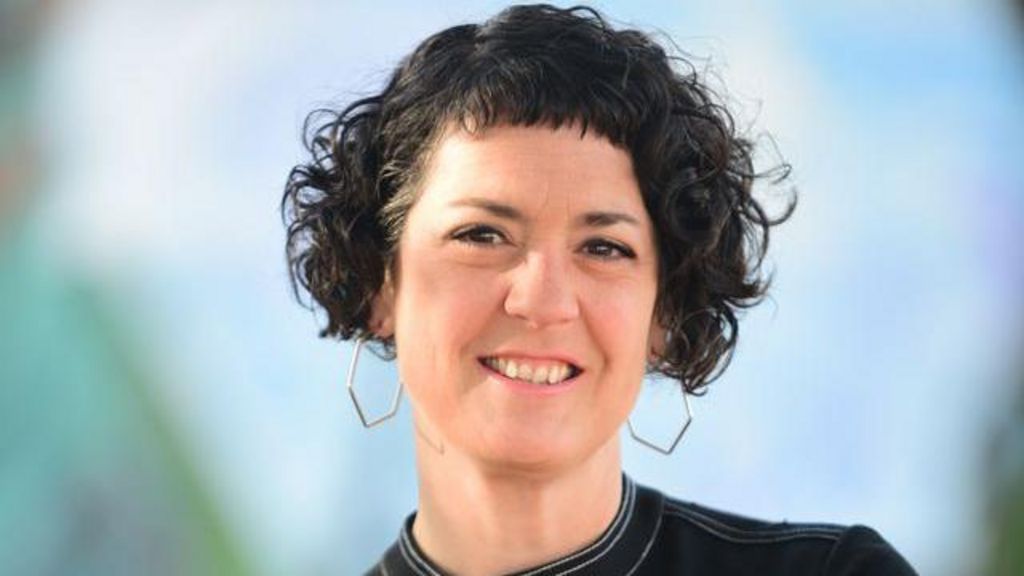
China intimidated UK university to ditch human rights research, documents show
Sheffield Hallam University has been accused of compromising academic freedom under pressure from Chinese authorities, according to internal documents obtained by the BBC. Professor Laura Murphy, a leading researcher on human rights and contemporary slavery, alleges that the university halted her sensitive research into forced labor allegations involving Uyghur Muslims in China’s Xinjiang region to maintain access to the lucrative Chinese student market. The documents reveal that Sheffield Hallam faced a two-year campaign of intimidation, including threats from individuals claiming to represent China’s National Security Service, blocking of university websites in China, and a defamation lawsuit. In 2024, the university decided not to publish Murphy’s final research report, citing concerns over professional indemnity insurance and staff safety. Murphy initiated legal action, accusing the university of failing to protect her academic freedom. Sheffield Hallam has since apologized and allowed her to resume her work, but the case has raised concerns about the vulnerability of UK universities to foreign influence. The UK government has warned China against such interference, emphasizing its commitment to academic freedom. The Chinese Embassy in London dismissed the allegations as politically motivated and factually flawed, while Baroness Helena Kennedy, a prominent human rights advocate, called for vigilance against such pressures on academic institutions.
-
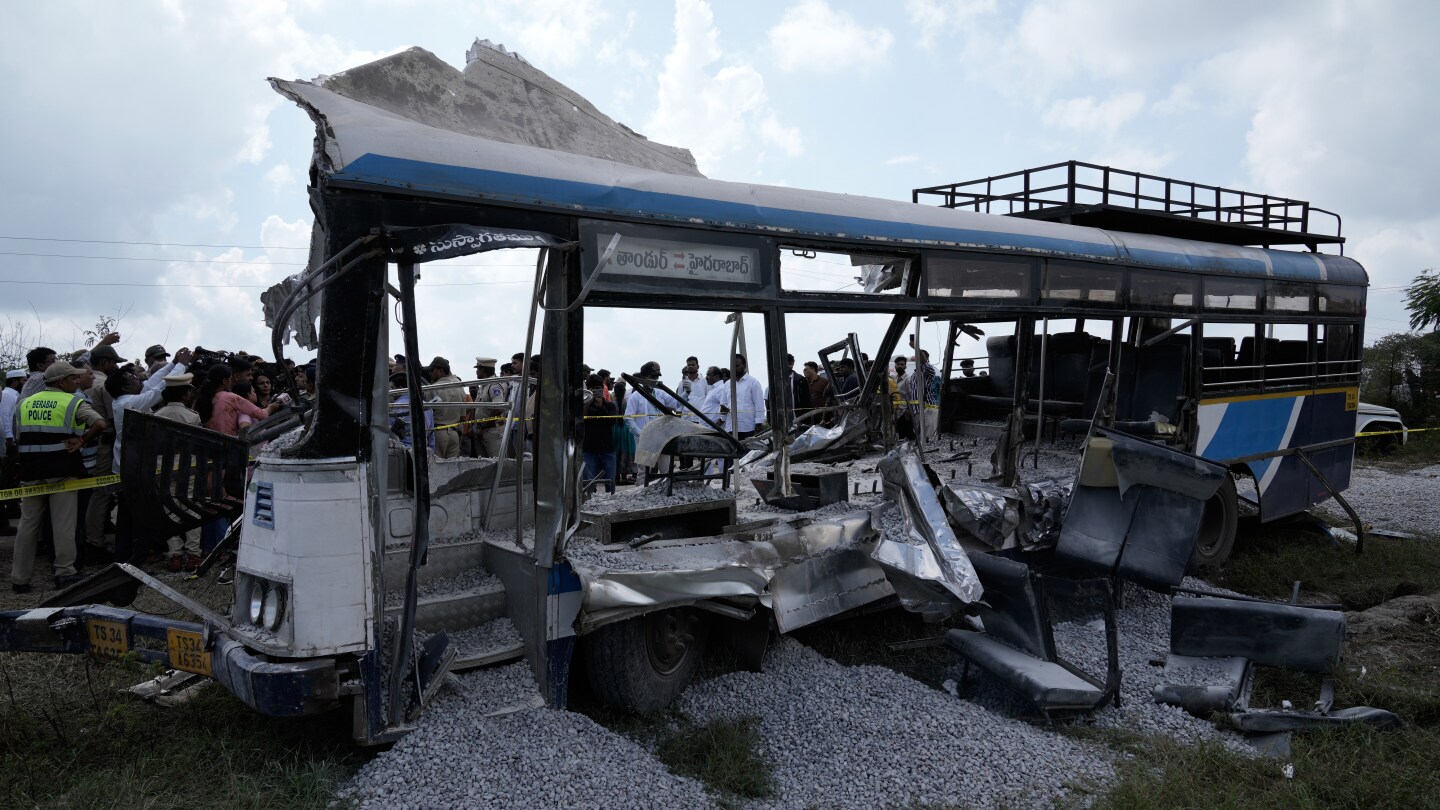
Truck rams into bus in southern India, killing at least 20 people
A tragic road accident in southern India has left at least 20 people dead and around two dozen injured. The incident occurred early Monday when a truck loaded with concrete stone chips collided head-on with a state-run passenger bus near Chevella, a town in Telangana state. The bus, carrying approximately 70 passengers, was en route to Hyderabad when the collision took place. The impact severely mangled the front of the bus, trapping several passengers inside. Heaps of stone chips from the truck were scattered inside the bus, burying at least one passenger alive. Rescue teams faced significant challenges in cutting through the wreckage to retrieve the bodies. Among the deceased were the drivers of both vehicles and three college-going siblings from Tandur town. The grieving father of the siblings, Yellaiah Goud, expressed his anguish, saying, ‘What will I do without my daughters?’ The bus conductor, Radha, who sustained head injuries, described the collision as producing an ‘ear-shattering noise.’ Meanwhile, in a separate incident in Rajasthan, a drunk driver lost control of his speeding truck, hitting multiple vehicles in Jaipur and killing at least 13 people. This accident followed another deadly crash in Rajasthan just a day earlier, where a minibus collided with a parked truck, killing 15 people. These incidents highlight the ongoing road safety challenges in India, where haphazardly parked vehicles and poor highway conditions often lead to fatal accidents.