
Typhoon Kalmaegi has wreaked havoc in the central Philippines, claiming at least five lives and displacing hundreds of thousands of residents. The storm, which made landfall on Tuesday, brought torrential rains that flooded entire towns on the island of Cebu. Videos verified by AFP show cars, trucks, and even massive shipping containers being swept away by muddy floodwaters. In the 24 hours preceding the typhoon’s arrival, Cebu City received 183 millimetres of rain, far exceeding its monthly average of 131 millimetres. Provincial governor Pamela Baricuatro described the situation as ‘unprecedented,’ emphasizing that floodwaters posed the greatest danger. Local disaster official Ethel Minoza reported the recovery of two children’s bodies in Cebu City, where rescue operations are ongoing. Three other fatalities were confirmed, including an elderly resident who drowned in Leyte province and a man struck by a falling tree in Bohol. Don del Rosario, a 28-year-old Cebu City resident, recounted the rapid rise of floodwaters, calling it the worst disaster he has experienced in his lifetime. Scientists attribute the increasing intensity of storms like Kalmaegi to human-driven climate change, which warms oceans and increases atmospheric moisture. Hundreds of residents still living in tent cities following a 6.9-magnitude earthquake in September were forcibly evacuated for their safety. Nearly 400,000 people were pre-emptively relocated from the typhoon’s path, according to Rafaelito Alejandro of the Office of Civil Defense. As of 2:00 pm local time, Kalmaegi was moving westwards through the Visayan island chain with winds of 130 kilometres per hour. The Philippines, which faces an average of 20 storms annually, has already reached that number this year, with three to five more storms expected by December’s end. Miriam Vargas, a 34-year-old single mother in Dinagat Islands, described the terrifying experience of enduring the storm in darkness after losing electricity. The country was previously hit by two major storms in September, including Super Typhoon Ragasa, which caused significant damage and fatalities in Taiwan.
标签: Asia
亚洲
-
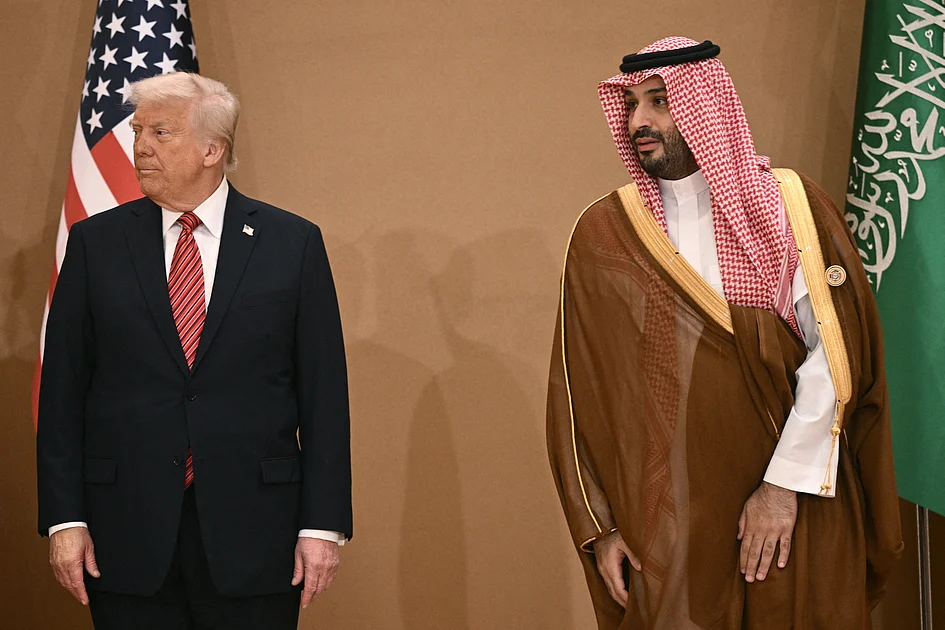
Saudi Crown Prince Mohammed bin Salman to meet Trump at the White House on Nov 18
Saudi Arabia’s Crown Prince Mohammed bin Salman is scheduled to meet US President Donald Trump at the White House on November 18, 2025, for an official working visit. The meeting is expected to focus on strengthening bilateral ties, particularly through a potential US-Saudi defense agreement. This visit comes as the Trump administration continues to encourage Saudi Arabia to join the Abraham Accords, a series of agreements aimed at normalizing relations between Israel and several Arab nations, including the UAE, Bahrain, Sudan, and Morocco. Despite Saudi Arabia’s reluctance to join the accords without progress toward Palestinian statehood, Trump expressed optimism in a recent CBS ’60 Minutes’ interview that the kingdom would eventually sign on. Additionally, discussions may include enhanced US security guarantees for Saudi Arabia and access to advanced American weaponry. Saudi Arabia remains one of the largest buyers of US arms, with a $142 billion arms deal agreed upon during Trump’s visit to Riyadh in May 2025. The Financial Times recently reported that a defense agreement could be signed during the crown prince’s visit, though details remain under negotiation.
-
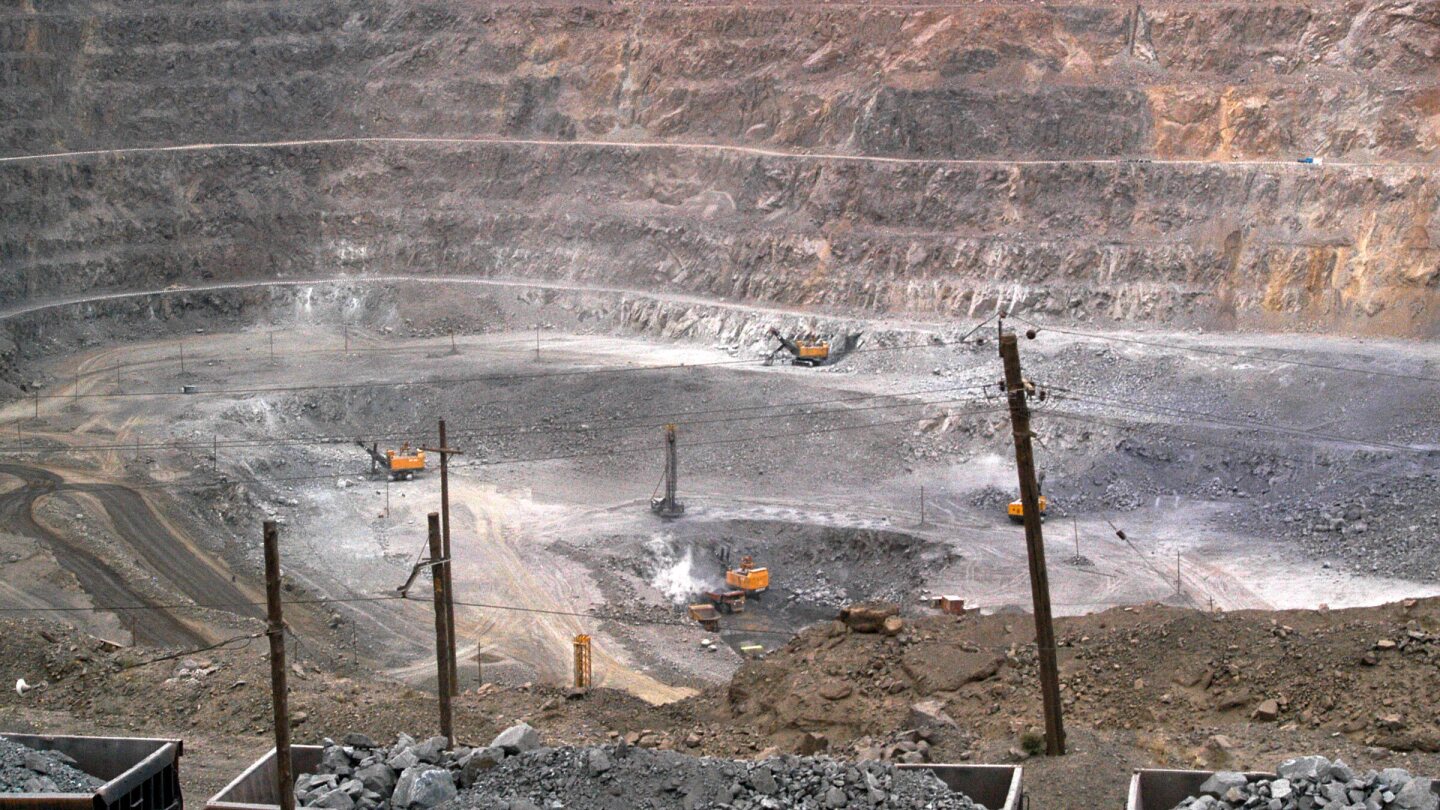
European Union welcomes suspension of China’s rare earth controls
In a significant move to secure the global supply chain of critical materials, the European Union (EU) and China have reached an agreement to stabilize the trade of rare earth materials and products. These elements are indispensable for high-tech and military applications, making their steady flow crucial for both economies. The agreement follows a series of discussions between EU Trade Commissioner Maroš Šefčovič and Chinese Commerce Minister Wang Wentao in Brussels last Friday. The talks centered on China’s export controls on rare earths, implemented in April and October, and the EU’s regulations on semiconductor sales. Olof Gill, a spokesperson for the European Commission, highlighted the EU’s reliance on China for rare earth materials, which are essential for manufacturing magnets used in automobiles and household appliances. The EU welcomed China’s recent 12-month suspension of rare earth export controls and emphasized the need for a stable trade system. Both parties are collaborating on an export licensing mechanism to ensure a consistent supply of these critical minerals. Šefčovič noted that Brussels and Beijing are committed to further discussions on trade measures, aiming to enhance the implementation of export control policies. With China being the EU’s second-largest trading partner, bilateral trade remains a cornerstone of the global economy, valued at approximately 2.3 billion euros ($2.7 billion) daily. The agreement underscores the shared interest of both regions in maintaining stable trade relations and advancing mutual climate goals.
-
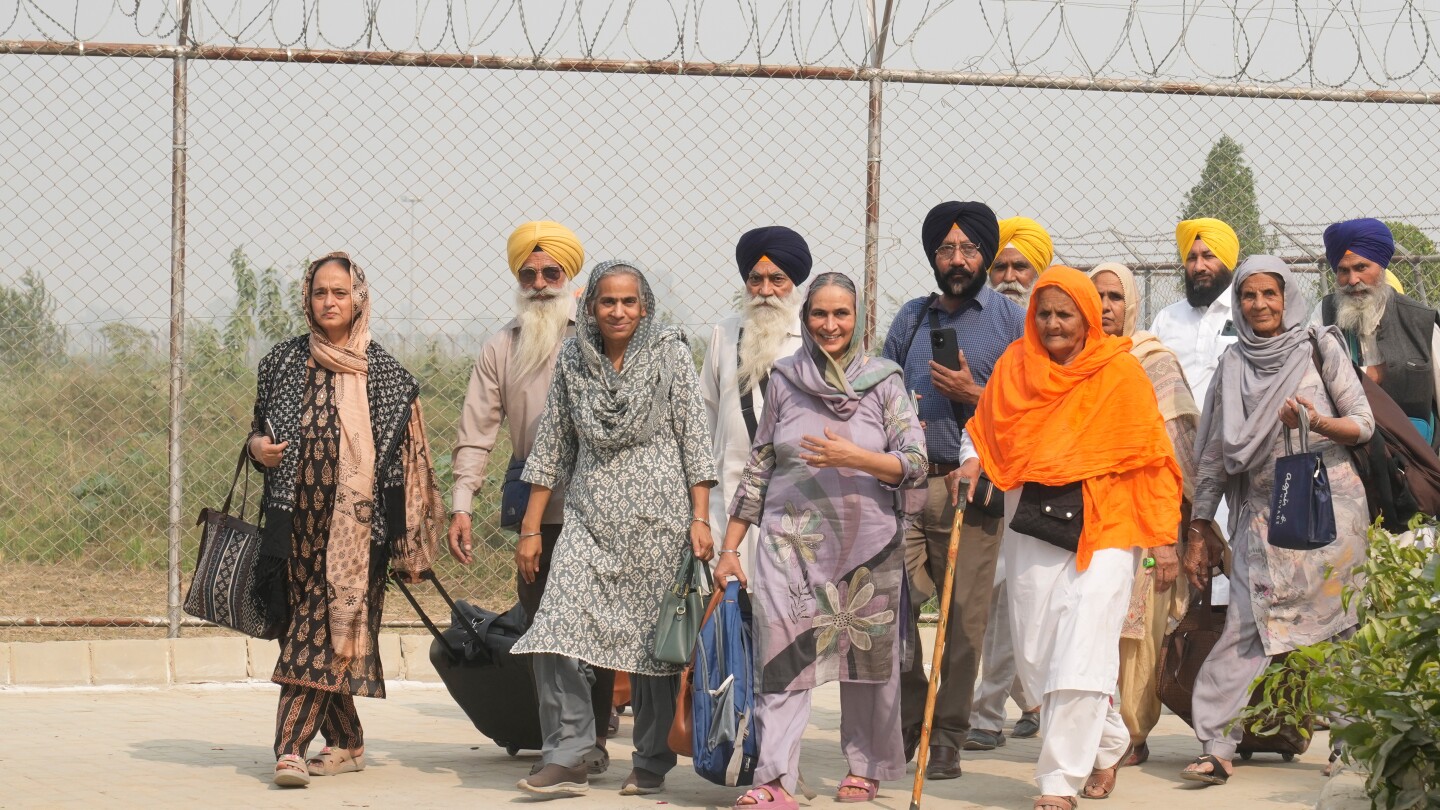
Nearly 2,100 Indian Sikhs arrive in Pakistan for annual religious festivities
In a significant gesture of goodwill, more than 2,000 Sikh pilgrims from India crossed into eastern Pakistan on Tuesday to participate in the annual commemoration of the birth of Guru Nanak, the founder of Sikhism. This marks the first people-to-people interaction between the two nations since a brief but intense conflict in May. The Wagah border crossing, which had been closed for months due to heightened tensions, was reopened by Pakistani authorities specifically to facilitate this pilgrimage. Government official Nasir Mushtaq emphasized that the decision to grant visas and reopen the border underscores Pakistan’s respect for religious minorities and its commitment to fostering cultural ties, despite ongoing political disputes with India. The pilgrims arrived in Lahore before proceeding to Nankana Sahib in Punjab, the site of Guru Nanak’s shrine. Sikhs constitute a small minority in predominantly Muslim Pakistan, making this event particularly noteworthy. The relationship between India and Pakistan has been fraught with hostility, especially after India accused Pakistan of supporting militants responsible for a deadly attack in Indian-administered Kashmir in April, which claimed 26 lives. Pakistan denied the allegations and called for an international investigation. Following the incident, diplomatic relations deteriorated, border crossings were sealed, and both nations engaged in cross-border military strikes. The conflict was temporarily halted after U.S. President Donald Trump mediated a ceasefire, but full diplomatic, trade, and people-to-people ties remain unresolved.
-
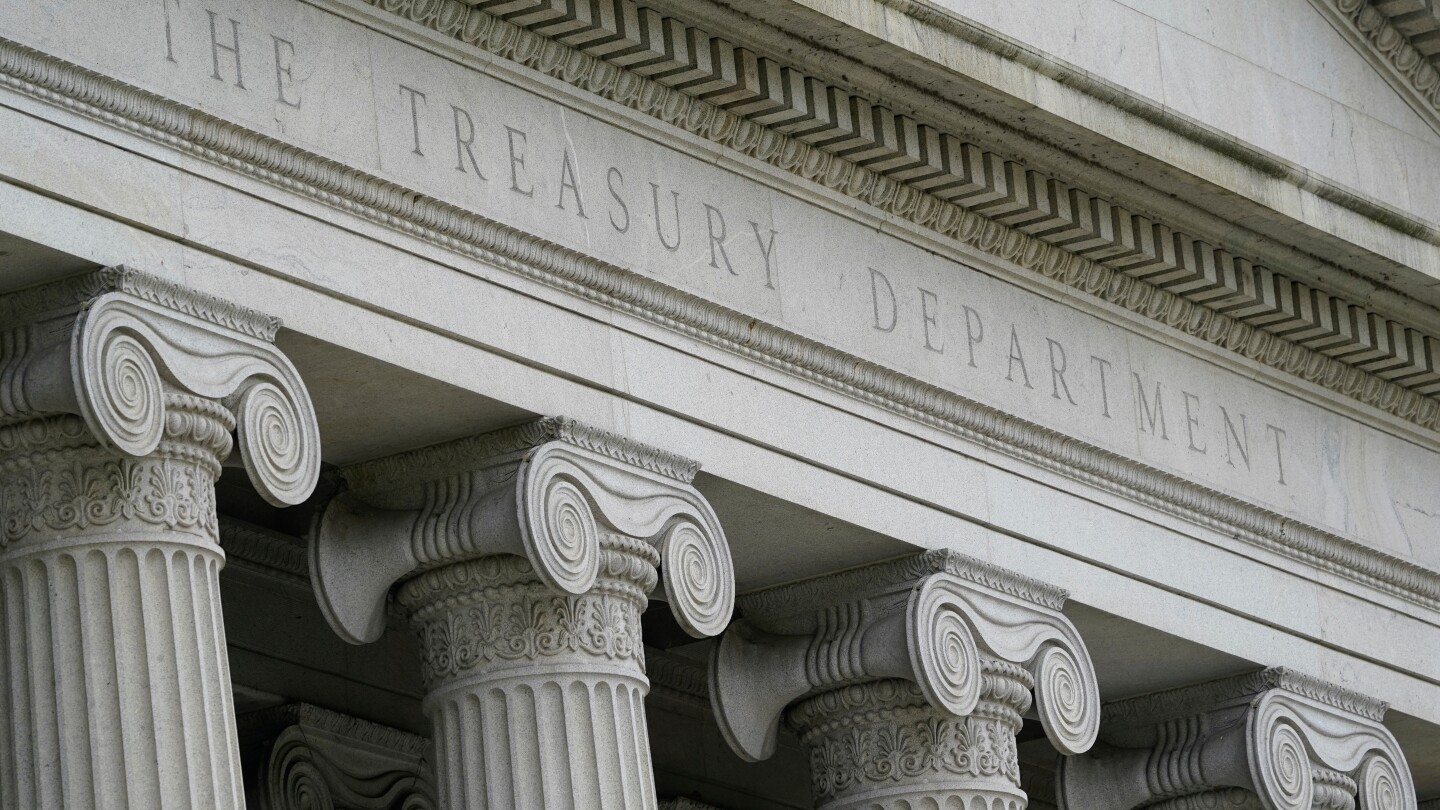
US sanctions North Korean bankers accused of laundering stolen cryptocurrency
In a significant move to curb illicit financial activities, the United States announced on Tuesday a series of sanctions targeting individuals and entities involved in laundering money from cybercrime schemes, which allegedly fund North Korea’s nuclear weapons program. The Treasury Department’s Office of Foreign Assets Control (OFAC) revealed that North Korean state-sponsored hackers have siphoned over $3 billion in digital assets over the past three years, a sum unparalleled by any other foreign actor. This revelation was further supported by a comprehensive 138-page international report published last month. Treasury Under Secretary for Terrorism and Financial Intelligence, John K. Hurley, emphasized that these cybercriminal activities are directly linked to financing North Korea’s nuclear ambitions. The sanctioned network includes banking representatives, financial institutions, and shell companies spread across North Korea, China, Russia, and other regions, which facilitate money laundering through IT worker fraud, cryptocurrency heists, and sanctions evasion. Among those targeted are eight individuals and two firms, including North Korean bankers Jang Kuk Chol and Ho Jong Son, accused of managing funds, including $5.3 million in cryptocurrency, for the sanctioned First Credit Bank. The Treasury Department had previously warned U.S. firms in 2022 about hiring highly skilled North Koreans who disguise their identities to infiltrate financial networks, often posing as remote IT workers.
-
Vietnam flood death toll hits 40 as Typhoon Kalmaegi looms
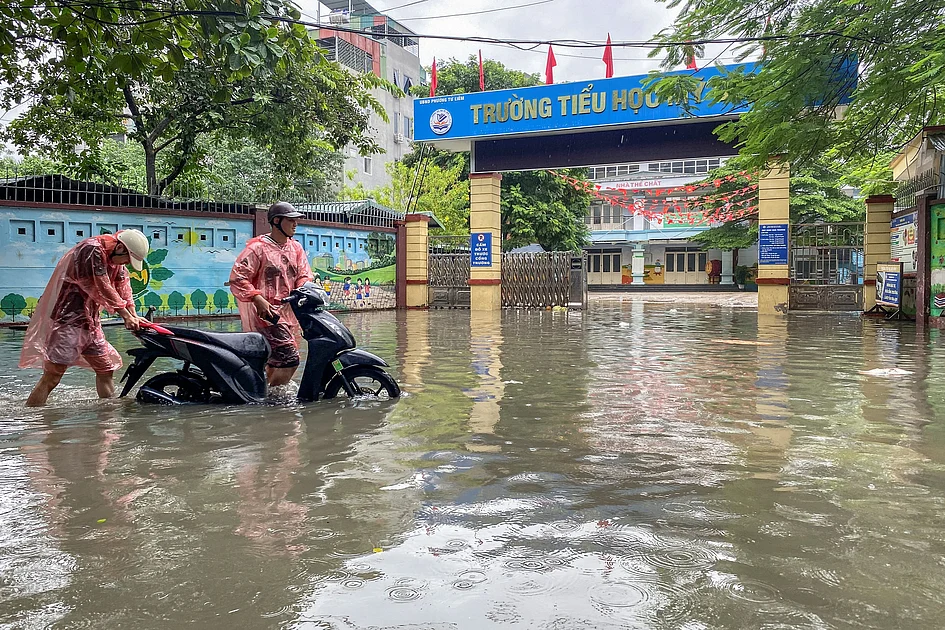
Central Vietnam is grappling with the devastating aftermath of relentless torrential rains, which have claimed 40 lives and left six people missing. The catastrophic flooding has transformed streets into waterways, breached riverbanks, and submerged some of the nation’s most cherished historical landmarks. In a particularly severe 24-hour period, rainfall reached an unprecedented 1.7 meters (5 feet 6 inches), setting a national record. The provinces of Hue, Da Nang, Lam Dong, and Quang Tri have borne the brunt of the disaster. The region now faces an additional threat as Typhoon Kalmaegi, currently battering the Philippines, is expected to make landfall in Vietnam by Friday. With wind speeds potentially reaching 166 kilometers per hour (100 miles per hour), the typhoon could exacerbate the already dire situation. The floods have destroyed over 10,000 hectares of crops, killed more than 68,000 livestock, and inundated nearly 80,000 homes. Remote areas remain cut off due to landslides, further complicating relief efforts. Vietnam, which typically experiences ten typhoons or tropical storms annually, is witnessing its 13th such event in 2025, underscoring the intensifying impact of climate change on extreme weather patterns.
-
Astronauts barbecue chicken wings, steaks in China’s space station
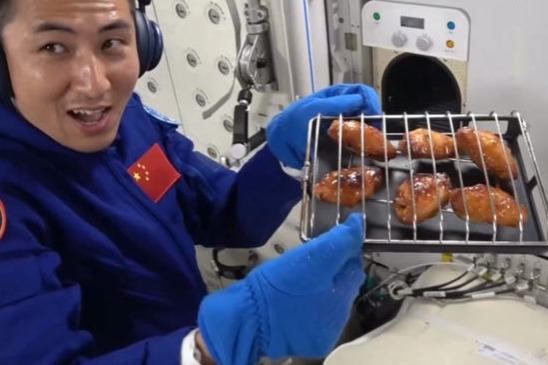
In a groundbreaking culinary feat aboard China’s space station, astronauts have successfully prepared and enjoyed freshly cooked chicken wings and steaks using a state-of-the-art space oven delivered by the Shenzhou XXI spacecraft. A viral video captured the moment when crew member Wu Fei, a space engineer, marinated chicken wings, skewered them, and baked them to perfection in the specially designed oven. The result? A plate of sizzling New Orleans-style chicken wings, a first in space gastronomy. Alongside this, Wang Jie, another astronaut from the Shenzhou XX crew, collaborated with Wu to prepare black pepper steaks, showcasing their Inner Mongolian heritage, renowned for its high-quality beef. The six astronauts shared the meal, their faces radiating joy and satisfaction. The Shenzhou XXI mission, launched recently, has introduced significant advancements in the space station’s life support systems. The upgraded oven features precise temperature control, residue collection, high-temperature catalysis, and multi-layer filtration, ensuring smoke-free baking and compliance with the station’s emission standards. Rigorous testing has confirmed its reliability for up to 500 cycles. This innovation is part of a broader effort to enhance the astronauts’ dietary experience, with the mission expanding the food variety to over 190 items and extending the menu cycle to 10 days. Fresh vegetables, nuts, cakes, and meats are now part of the orbital menu. Liu Weibo from the China Astronaut Research and Training Center emphasized the psychological benefits of such culinary activities, noting that enjoying aromatic meals can significantly boost the astronauts’ morale during their months-long stay in the confined space station. Additionally, the space station’s vegetable garden has seen remarkable progress, with 10 batches of seven plant species, including lettuce and cherry tomatoes, successfully cultivated, providing 4.5 kg of fresh produce. This achievement marks a significant step in sustainable space agriculture, ensuring a steady supply of fresh fruits and vegetables for the crew. The Shenzhou XX crew is scheduled to return to Earth soon, concluding their mission with a taste of home-cooked space cuisine.
-
China’s ‘mice astronauts’ and their challenging journey to space
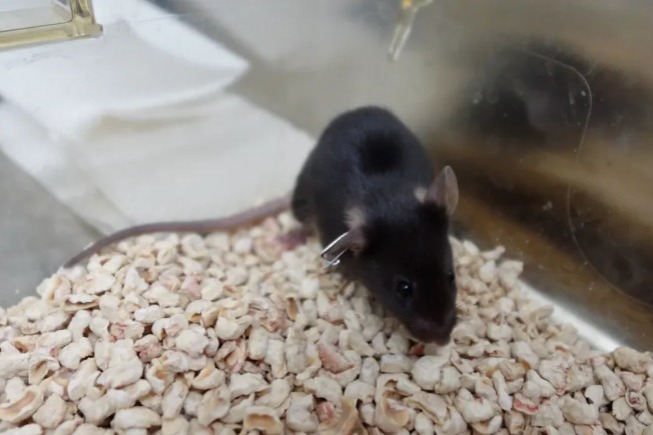
In a pioneering venture into space life sciences, China has successfully launched four mice into orbit aboard its space station, marking a significant milestone in the study of biological responses to microgravity. The rodents, affectionately dubbed ‘mice astronauts,’ are part of an experiment designed to explore the physiological and behavioral adaptations of living organisms in space.
-

Bookstore manager fosters connections through love of reading
In 2024, the inaugural Reading Conference for All held in Xinjiang sparked a transformative realization for Liya, a dedicated bookstore manager. She discovered that literature and reading could serve as powerful tools to foster genuine connections among strangers. Inspired by this insight, Liya began organizing reading salons and diverse events at her bookstore, transforming it into more than just a commercial space. Her bookstore has become a sanctuary where book lovers can engage in meaningful interactions and build authentic relationships. Liya’s efforts highlight the profound impact of literature in creating a sense of community and belonging. Dive into the enchanting world of Liya’s bookstore and experience the magic of literature that brings people together.
-

Welcome home, Shenzhou XX astronauts!
China Daily Information Co (CDIC) holds exclusive rights to all content published on its platform, encompassing text, photos, multimedia, and other materials. Unauthorized reproduction or use of this content in any form is strictly prohibited without prior written consent from CDIC. The website recommends using browsers with a resolution of 1024*768 or higher for optimal viewing. Additionally, the site provides essential information about China Daily, including advertising opportunities, contact details, job offers, and employment options for expatriates. Users are encouraged to follow China Daily for updates and news.