标签: Asia

亚洲

  • BTS Arirang review: K-pop idols rekindle their fire

    BTS Arirang review: K-pop idols rekindle their fire

    After an extensive four-year hiatus during which all seven members completed South Korea’s mandatory military service, global superstars BTS have launched a spectacular return with their tenth studio album ‘Arirang.’ The comeback represents not just a musical event but a cultural phenomenon, with unprecedented fan engagement and commercial expectations reaching historic proportions.

    The scale of BTS’s return is evidenced by staggering numbers: their free Seoul concert kicking off an 82-date sold-out world tour attracted over 250,000 in-person attendees while being live-streamed to 190 countries via Netflix. Industry analysts project the tour could generate between $1-2 billion in revenue, potentially surpassing Taylor Swift’s record-breaking Eras Tour. The demand has reached such heights that Mexico’s President Claudia Sheinbaum formally requested additional shows from the South Korean government.

    Musically, ‘Arirang’ marks a significant artistic departure from the polished retro-disco of their previous hits like ‘Dynamite’ and ‘Butter.’ The album opens with a rebellious, rap-heavy energy reminiscent of their 2014 album ‘Dark & Wild,’ featuring tracks like ‘FYA’ with its Jersey club influences and ‘Hooligan’ with its audacious soundscape of sharpening knives and cinematic strings. Spanish producer El Guincho, known for his work with Rosalía and Charli XCX, helped craft this return to their roots.

    The album’s title and concept pay homage to Korean heritage, drawing inspiration from Korea’s most beloved folk song ‘Arirang’ and its historical significance. The promotional materials thoughtfully reference the first known recording of Arirang made by seven Korean men at Howard University in 1896, creating a symbolic connection across 130 years of cultural exportation.

    Lyrically, the album explores complex themes including the psychological toll of fame, with tracks like ‘Normal’ examining ‘the space between spotlight and silence’ and ‘Merry Go Round’ addressing the relentless pace of celebrity life. The album’s first single ‘Swim,’ primarily written by leader RM, presents a more contemplative perspective on surrendering to life’s currents.

    While the latter section of the album features more conventional love songs that some critics might consider less innovative, the closing track ‘Into The Sun’ returns to experimental form with digital vocal effects and stadium rock grandeur. The album ultimately demonstrates BTS’s renewed commitment to their career while acknowledging the complexities of their global superstardom.
  • ‘Clumsy’: Tit-for-tat strikes on energy assets gift Iran another tactical lever

    ‘Clumsy’: Tit-for-tat strikes on energy assets gift Iran another tactical lever

    Recent US strategic decisions regarding Iranian energy infrastructure have inadvertently granted Tehran significant escalation dominance in an increasingly volatile regional conflict, according to high-level Arab officials speaking with Middle East Eye. The situation developed after Israel’s strike on Iran’s South Pars gas field, which energy analysts had long considered a worst-case scenario trigger for retaliatory attacks on critical energy production sites.

    Iran’s response targeted Qatar’s Ras Laffan natural gas facilities, effectively demonstrating their capacity to impact global energy markets. This tit-for-tat exchange has revealed fundamental miscalculations in US foreign policy approach, with one Arab official characterizing American actions as “clumsy” alliance management.

    The strategic landscape has shifted substantially since Iran established de facto control over the Strait of Hormuz, creating a ‘safe’ shipping corridor through its territorial waters while charging vessels for transit access. This development represents a significant geopolitical setback for Washington, which has failed to secure this crucial maritime passageway.

    Alan Eyre, Iran expert and diplomatic fellow at the Middle East Institute, assessed the Israeli strike as a “strategic blunder” apparently motivated by the Trump administration’s desire to impose costs on Iran for controlling the vital waterway. While Iran has demonstrated calculated responses to US and Israeli actions, Eyre cautioned against overstating Tehran’s position, noting that Iran “has less to lose and is doing things that it knows are risky because they have to.”

    The attack on Qatar’s facilities proved particularly damaging, eliminating 17% of its LNG export capacity with repairs expected to take three to five years. This triggered a 20% surge in European natural gas prices, highlighting the global economic implications of regional conflicts.

    Despite President Trump’s public denial of prior knowledge regarding the Israeli strike, Arab diplomats and former US officials expressed skepticism about these claims. Dan Shapiro, former US ambassador to Israel, stated there was “zero chance” Israel would conduct such an operation without US Central Command’s full awareness and approval.

    Iranian Foreign Minister Abbas Aragchi explicitly warned that future attacks on Iranian infrastructure would meet with unrestrained response, emphasizing that any resolution to the conflict must address damage to civilian sites. Meanwhile, the US faces limited options to address rising energy prices, with discussions emerging about potentially lifting sanctions on Iranian oil—a move that would contradict current offensive actions against Tehran.

  • ‘It takes money to kill bad guys’: Pentagon requests $200bn from Congress for Iran war

    ‘It takes money to kill bad guys’: Pentagon requests $200bn from Congress for Iran war

    The United States Department of Defense is formally requesting a substantial $200 billion appropriation from Congress to finance ongoing military operations against Iran. This revelation, initially reported by The Washington Post and confirmed by administration officials, signals a significant escalation in financial commitment to the conflict.

    Secretary of War Pete Hegseth defended the massive funding request, stating, ‘Substantial resources are required to combat adversarial forces. We are engaging with congressional leadership to secure necessary funding for completed operations, future contingencies, and comprehensive ammunition replenishment that exceeds previous levels.’

    President Trump, during a joint appearance with Japan’s Prime Minister, characterized the expenditure as a ‘minimal investment to maintain our nation’s military superiority.’ The administration contends that weapons depletion from previous engagements in Afghanistan and donations to Ukraine have created critical supply shortages.

    Concurrent with the funding request, the State Department expedited major arms transactions totaling over $16 billion to key regional allies. The United Arab Emirates secured an $8 billion package including advanced drone systems, missile defense radar, and precision-guided munitions. Kuwait received an equivalent allocation for air defense systems, while Jordan obtained $70.5 million in aircraft maintenance support for its US-manufactured fleet.

    Secretary of State Marco Rubio invoked emergency authority to bypass standard congressional review procedures for these foreign military sales, citing urgent US security interests.

    Despite these military preparations, President Trump offered contradictory assessments, predicting a swift resolution while simultaneously acknowledging the conflict’s protracted nature. ‘This engagement will conclude shortly,’ he asserted during diplomatic meetings, while simultaneously describing operations as an unavoidable ‘excursion’ necessary for global security.

    Recent polling indicates significant public skepticism, with nearly two-thirds of Americans anticipating large-scale ground troop deployment to Iran—a scenario only supported by 7% of respondents. The President’s approval rating showed minimal movement, increasing marginally to 40% since hostilities commenced on February 28.

    Israeli Prime Minister Benjamin Netanyahu confirmed Israel’s responsibility for attacking Iran’s critical South Pars natural gas facility, which provides 80% of Iran’s domestic energy. Retaliatory strikes reportedly targeted Qatar’s Ras Laffan natural gas infrastructure, with QatarEnergy confirming substantial damage.

    Netanyahu asserted Israeli military success, claiming Iran’s uranium enrichment and ballistic missile capabilities have been effectively neutralized after weeks of sustained aerial bombardment. He simultaneously proposed alternative energy transportation routes bypassing the Strait of Hormuz, suggesting pipeline infrastructure through the Arabian Peninsula to Israeli ports.

    Qatar emerged as the first Gulf nation to demand unconditional immediate cessation of hostilities, while a coalition of Western nations including Canada, the UK, France, Germany, Italy, the Netherlands, and Japan expressed readiness to ensure strategic maritime passage security. These nations endorsed coordinated strategic petroleum reserve releases and increased production to stabilize global energy markets affected by regional volatility.

  • Australia and Japan meet in the final of an internationally charged Women’s Asian Cup

    Australia and Japan meet in the final of an internationally charged Women’s Asian Cup

    SYDNEY — The Women’s Asian Cup soccer tournament culminates this Saturday with a highly anticipated final match between Australia and Japan, marking their third championship encounter in the past four tournaments. What began as a relatively low-profile competition three weeks ago eventually captured global attention, primarily due to the poignant participation of an Iranian team directly affected by ongoing Middle East conflicts.

    The Iranian squad, which had departed their homeland prior to recent military actions involving the United States and Israel, became an unexpected focal point throughout the tournament. Initially, seven team members received asylum from the Australian government, though five subsequently chose to return home, leaving only two players remaining under Australia’s protection.

    Japan secured their place in the final with a commanding 4-1 semifinal victory over South Korea in Sydney on Wednesday. Meanwhile, Australia advanced through a thrilling 2-1 win against defending champions China in Perth, courtesy of a spectacular winning goal from superstar striker Sam Kerr.

    Japanese coach Nils Nielsen, the Greenland-born Danish strategist who previously led Denmark to a runner-up finish in the 2017 Women’s Euros, hinted that his team has yet to reveal their full potential. “Please don’t tell Australia, but we have played better than we did today,” Nielsen remarked following the semifinal. “We needed to find an extra gear, and we did.”

    The mutual respect between coaches was evident as Nielsen specifically praised Australian players, including Kerr, whom he described as “one of the world’s best strikers.” Australian head coach Joe Montemurro reciprocated the admiration, emphasizing Kerr’s “immense presence and aura within the squad.”

    Kerr, whose tournament tally now stands at four goals, reflected on her previous Asian Cup experience as a 16-year-old when Australia claimed the 2010 title against North Korea via penalties. “I had no idea what I was in for,” Kerr recalled. “It was probably only until three Asian Cups later that we hadn’t won anything that I realized, ‘Oh, that was actually a big moment.’” Now 32, the legendary striker prepares for another potentially historic moment in Saturday’s final.

  • ​The A-10 is reborn in the Iran war

    ​The A-10 is reborn in the Iran war

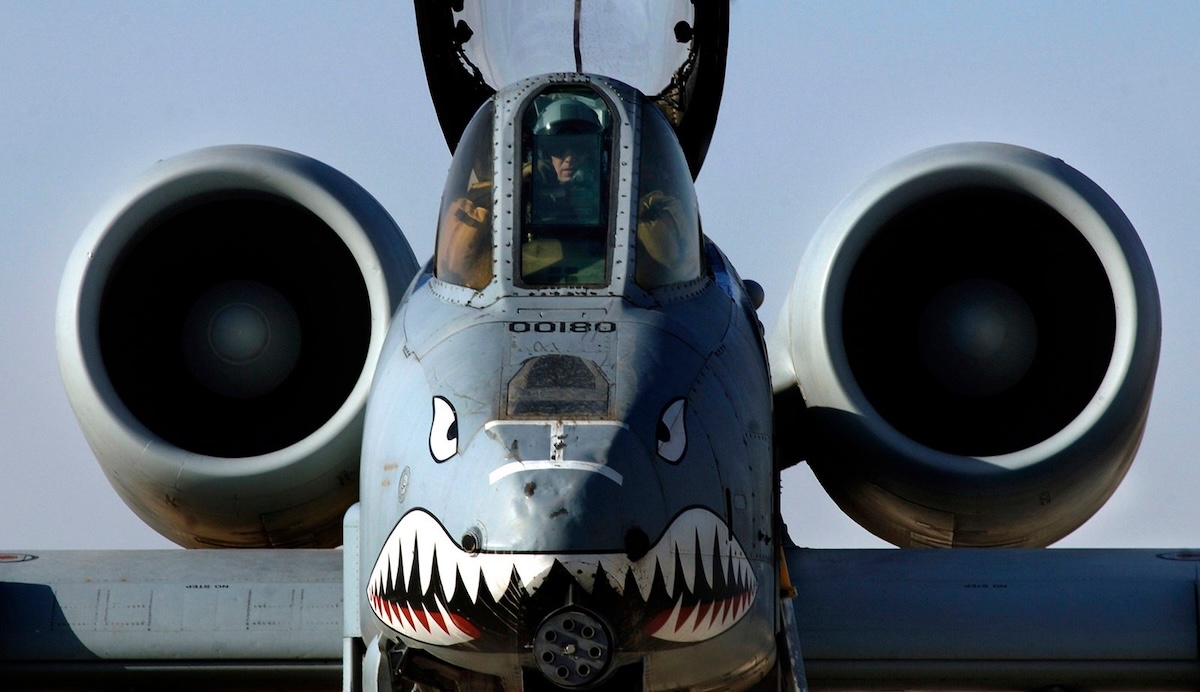
    The venerable A-10 Thunderbolt II, long targeted for retirement by the U.S. Air Force, has emerged as a critical asset in ongoing operations against Iranian threats throughout the Middle East. Despite years of efforts to phase out the aging fleet, the heavily armored close-air support aircraft has been transformed through comprehensive upgrades that include advanced networking capabilities, artificial intelligence integration, and precision weapon systems.

    Operating primarily from Muwaffaq al-Salti Air Base in Jordan and Al-Dhaffra Air Base in the UAE, the modernized A-10s perform multiple combat roles. These include neutralizing Iranian Shahed-136 suicide drones using the Advanced Precision Kill Weapon System (APKWS II), providing maritime force protection for U.S. Navy operations, eliminating shore-based missile sites, destroying fast attack boats threatening Persian Gulf shipping, and targeting Iranian proxy militias in Iraq.

    The aircraft’s survivability, demonstrated during previous conflicts, remains unmatched. The A-10’s design features—including titanium armor protection, redundant systems, and engine placement—have proven effective against modern threats. During Operation Desert Storm, nearly half of the deployed A-10s sustained combat damage yet returned safely, a testament to the aircraft’s rugged construction.

    Significant technological enhancements have transformed the platform’s capabilities. The integration of Link 16 networking technology enables real-time data sharing with advanced platforms like the F-35, while AI-assisted targeting systems can generate attack plans in seconds rather than minutes. The APKWS II guidance system, combined with new proximity fuses and specialized software, has made the A-10 particularly effective against low-cost drones, providing a cost-efficient solution to the drone threat.

    Despite these demonstrated capabilities, the Air Force continues its planned retirement of the fleet. Congressional mandates currently prevent reducing the inventory below 103 aircraft through September 2026, with complete retirement scheduled for 2029. This ongoing phase-out occurs even as the modernized A-10s demonstrate unprecedented effectiveness in current combat operations, raising questions about the timing of their retirement given their proven combat value.

  • 3 men are charged with conspiring to smuggle US artificial intelligence to China

    3 men are charged with conspiring to smuggle US artificial intelligence to China

    Federal prosecutors in Manhattan have unsealed indictments against three technology executives accused of orchestrating an elaborate scheme to illegally divert advanced Nvidia server systems to China, circumventing U.S. export control regulations. The alleged conspiracy, which operated between 2024 and 2025, involved sophisticated methods to conceal the unlawful transfer of cutting-edge computing technology.

    Among those charged is Yih-Shyan ‘Wally’ Liaw, 71, a U.S. citizen serving as senior vice president and board member of Super Micro Computer Inc., who was apprehended Thursday in California alongside Ting-Wei ‘Willy’ Sun, 44, a company contractor. A third individual, Ruei-Tsang ‘Steven’ Chang, a Taiwan-based sales manager for the firm, remains at large according to law enforcement authorities.

    The elaborate operation allegedly utilized fabricated documentation, staged equipment to deceive audit inspections, and employed intermediary corporations to obscure the true destination and clients of the sophisticated computing systems. Court documents reveal the conspirators directed executives at a Southeast Asian company to place orders exceeding $2.5 billion for servers manufactured by San Jose-based Super Micro Computer, with at least $510 million worth of systems ultimately being rerouted to Chinese entities after assembly in the United States.

    This case emerges against the backdrop of intensifying technological competition between the United States and China, particularly in the field of artificial intelligence. Nvidia’s advanced processors have become critical components for AI data centers, positioning them as strategically significant technologies with potential national security implications. The U.S. government has maintained restrictions on exporting these high-performance chips to China, with both the Biden and Trump administrations implementing controls aimed at preserving American technological advantages.

    In response to the allegations, Super Micro Computer issued a statement emphasizing that the indicted individuals’ actions violated company policies and compliance protocols. The firm noted its cooperative stance with governmental investigators and reaffirmed its commitment to adhering to export control regulations. Similarly, Nvidia released a statement underscoring strict compliance as a top priority and highlighting the effectiveness of enforcement mechanisms against unlawful technology diversion.

    The case highlights the ongoing challenges in regulating the transfer of strategically sensitive technologies even as Nvidia’s market valuation has soared to unprecedented heights, recently reaching $4.3 trillion despite the absence of Chinese market sales in its revenue projections.

  • Exclusive: How Hezbollah rebuilt while its enemies declared it dead

    Exclusive: How Hezbollah rebuilt while its enemies declared it dead

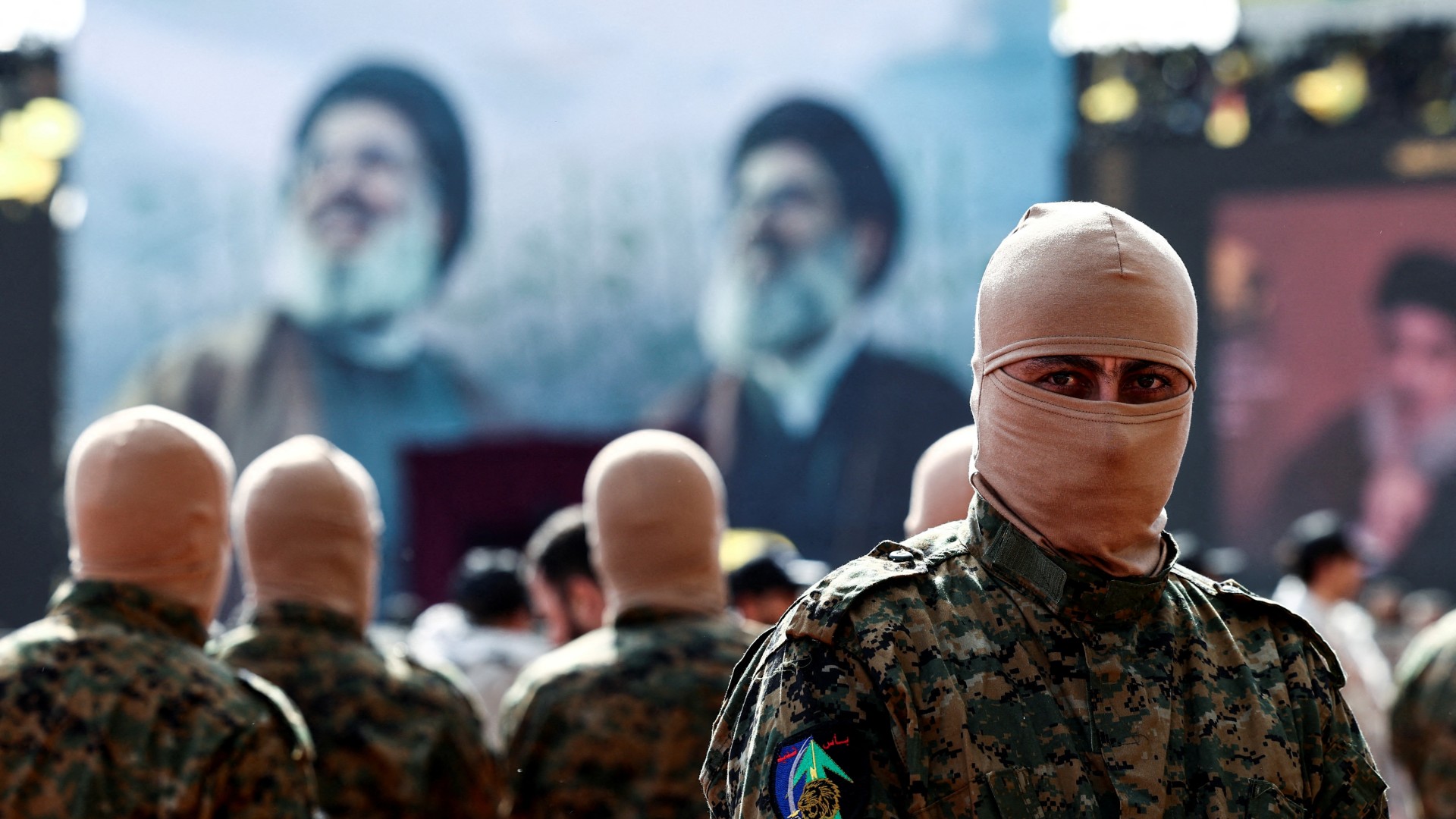
    Contrary to widespread assertions from Israeli, American, and Lebanese government officials that Hezbollah had been permanently crippled, the Lebanese militant organization has demonstrated remarkable resilience and strategic recovery. Emerging from a devastating 15-month conflict that concluded with a November 2024 ceasefire, Hezbollah has not only reconstituted its military capabilities but has returned to active warfare against Israel with renewed intensity.

    Multiple sources familiar with Hezbollah’s internal recovery process reveal that the organization interpreted the ceasefire not as a permanent resolution but as a critical operational pause to rebuild for inevitable future conflicts. Despite Israeli Prime Minister Benjamin Netanyahu’s claims that the campaign had set Hezbollah back “decades” and eliminated its leadership, the organization immediately began comprehensive reconstruction efforts beginning November 28, 2024—just one day after the ceasefire took effect.

    The rebuilding operation was both extensive and methodical, focusing on restoring pre-October 2023 capabilities through a combination of Iranian support, local manufacturing, and strategic resource allocation. By mid-December 2025, military commanders reportedly informed leadership that reconstruction of recoverable assets was complete, though some advanced systems—particularly air defense capabilities—sustained irreversible damage.

    Hezbollah’s recovery was particularly impressive given the organization’s devastating losses during the conflict. Israel’s September 2024 pager bombings that wounded dozens of members, followed by targeted airstrikes that eliminated top leadership including Secretary General Hassan Nasrallah, had left the organization “blinded, scattered and broken” according to one source. The steadfastness of frontline fighters provided surviving leadership the critical breathing space needed to regroup and reorganize.

    The organization implemented significant tactical adaptations in response to intelligence vulnerabilities, abandoning compromised communication networks for more secure “basic and primitive” methods including human couriers and handwritten notes. Structurally, Hezbollah moved away from its conventional army model toward a more decentralized “Mughniyeh spirit” doctrine featuring semi-autonomous units operating with broader scenario-based guidance rather than constant direct command.

    Despite public claims of Lebanese army control south of the Litani River and government assertions of achieving a “state monopoly on arms,” Hezbollah gradually reestablished its presence through smaller cells and individual cadres operating with patience and concealment. The ceasefire period, which saw approximately 400 Lebanese killed in ongoing Israeli strikes, represented not genuine peace but an actively contested phase where both sides positioned for the next confrontation.

    Hezbollah’s renewed military capabilities became unmistakably evident in early March 2026, when the organization launched approximately 60 drones and rockets followed by similar volleys in subsequent days, with missiles reaching as far as southern Israel’s Ashkelon region. The organization that many had written off as defeated has demonstrated它不仅恢复了持续火力能力,还在黎巴嫩和以色列领土上重新部署了战斗人员,对以色列施加压力。

  • North Korean leader Kim and his daughter rides a tank together during army training

    North Korean leader Kim and his daughter rides a tank together during army training

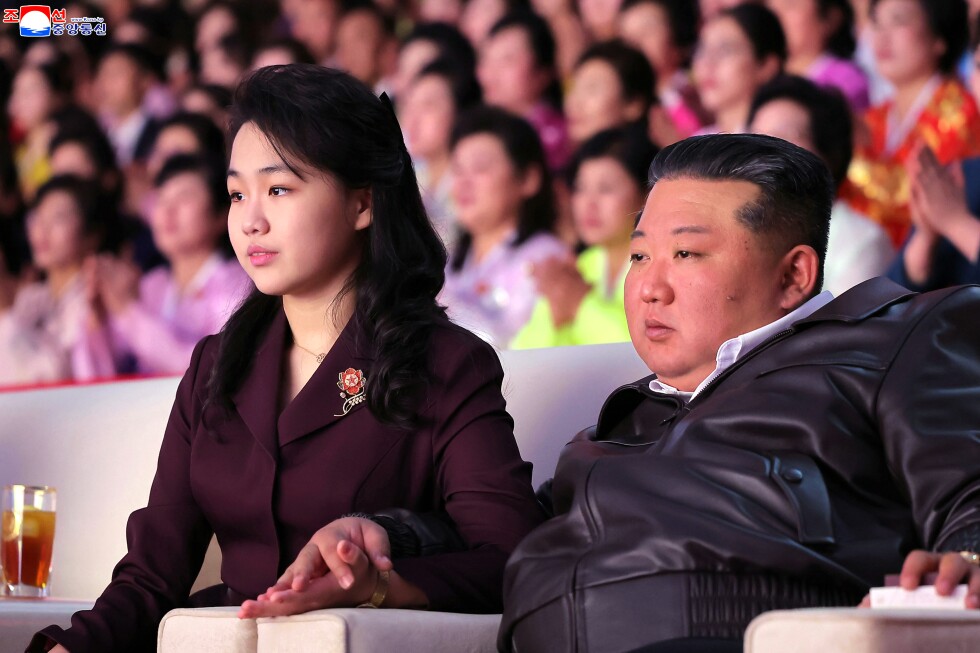
    North Korean state media has released unprecedented imagery showing leader Kim Jong Un and his teenage daughter participating in joint tank exercises, marking their latest high-profile military appearance together. The Korean Central News Agency (KCNA) reported Friday that Kim personally supervised combat drills involving armored units and infantry troops on Thursday, demanding enhanced war readiness capabilities.

    Photographs disseminated by state media depict both Kim and his daughter, believed to be approximately 13-year-old Kim Ju Ae, clad in matching black leather jackets while riding inside an olive-green military tank alongside uniformed soldiers. The images capture the young girl peering through the tank’s hatch opening while her father smiles from his position atop the armored vehicle.

    This military demonstration occurs against the backdrop of ongoing joint U.S.-South Korea military exercises, which Pyongyang consistently characterizes as invasion rehearsals. The annual drills concluded their computer-simulated phase on Thursday but continue with field training operations.

    The teenage daughter’s frequent appearances at significant military events since late 2022 have generated intense international speculation regarding her political future. South Korea’s National Intelligence Service previously suggested Kim might be preparing to designate her as his successor, though some analysts remain skeptical given North Korea’s traditionally male-dominated power structure and Kim’s relatively young age of approximately 40.

    Last week, the father-daughter duo conducted pistol firing exercises during an inspection of a light weapons facility and observed live-fire tests of multiple rocket launch systems. Their relationship has been prominently showcased in state media, which regularly describes her as Kim’s “most beloved” child and has published numerous images demonstrating their close bond, including footage of her kissing his cheek during New Year celebrations.

  • Ras Laffan: How Qatar gas hub attack is hitting Asia and beyond

    Ras Laffan: How Qatar gas hub attack is hitting Asia and beyond

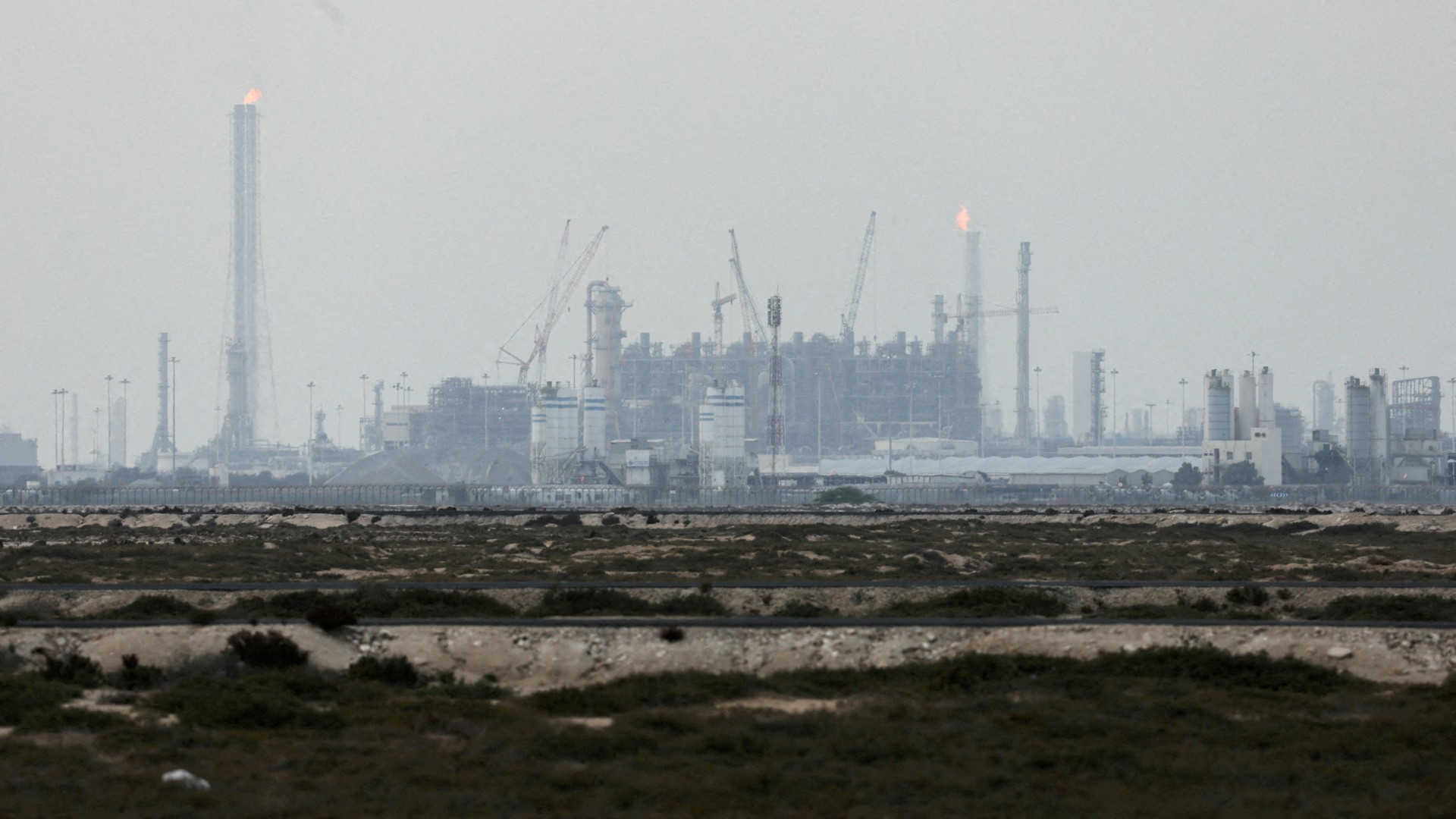
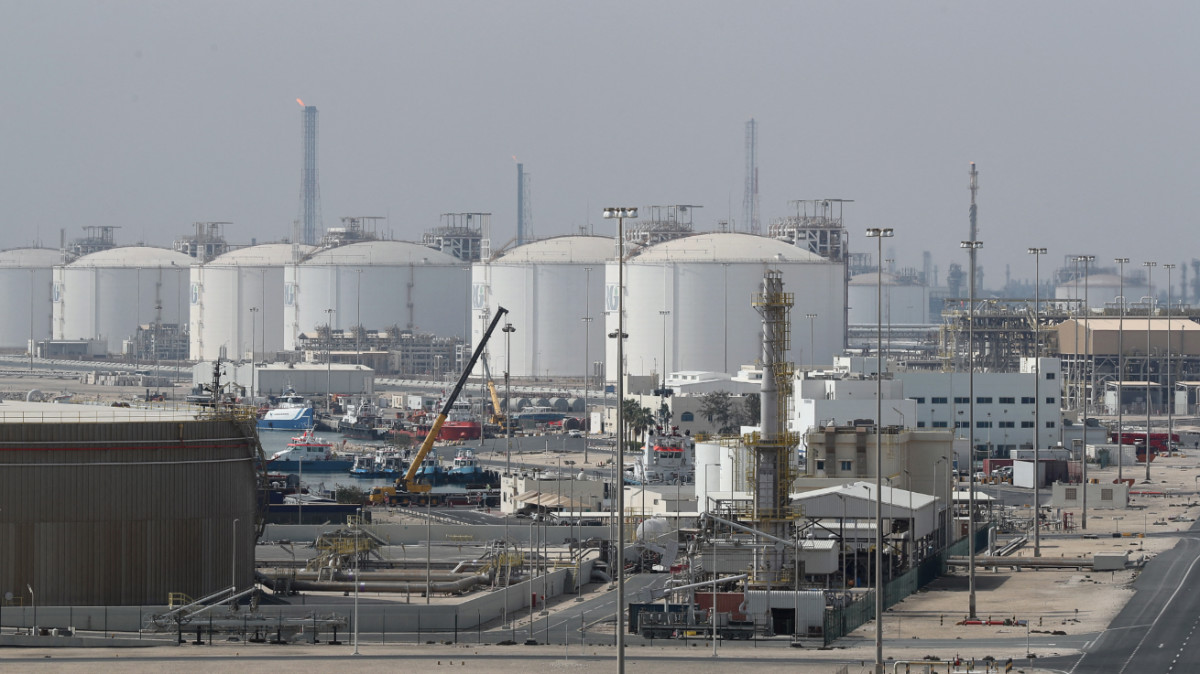
    Qatar’s Ras Laffan Industrial City, the world’s largest liquefied natural gas (LNG) export facility responsible for 20% of global supply, has sustained catastrophic damage from repeated Iranian missile attacks. The assault on Wednesday marks the second major strike this month, following an initial attack on March 2nd that previously halted operations at the critical energy complex located 80 kilometers from Doha.

    The strategic facility, operated by state-owned QatarEnergy across a 295-square-kilometer area, serves as the processing center for Qatar’s enormous North Field offshore gas reserves. The complex converts natural gas into various products including LNG, liquefied petroleum gas (LPG), petrochemical feedstocks, and specialized industrial byproducts.

    According to QatarEnergy CEO Saad al-Kaabi, the attacks have severely damaged two of Qatar’s fourteen LNG processing trains and one of two gas-to-liquid facilities, eliminating approximately 17% of the nation’s LNG export capacity. The destruction will sideline 12.8 million tonnes of LNG annually for three to five years, resulting in $20 billion in lost annual revenue with total repair costs estimated at $26 billion.

    The immediate market reaction saw natural gas prices surge dramatically across European and Asian markets on Thursday. Energy analysts warn the impact will exceed the market disruption caused by Russia’s invasion of Ukraine in 2022, creating profound and long-lasting consequences for global energy security.

    Compounding the crisis, Iran has effectively closed the Strait of Hormuz – the vital shipping channel through which virtually all of Ras Laffan’s output travels – in response to the ongoing US-Israeli conflict. This dual assault on both production and transportation has completely stifled Qatar’s primary export economy.

    Asian nations, which account for 90% of Qatari LNG exports, face particularly severe consequences. Countries like Pakistan and Bangladesh that rely on short-term spot pricing will struggle to absorb the cost increases, while industrial users across the region may be forced to switch to oil products or reduce production entirely.

    European countries attempting to offset the shortfall by switching to coal power lack sufficient capacity to replace the missing 20% of supply, ensuring that ultimately consumers will bear the burden through dramatically higher energy prices. Experts predict prices must rise to ‘unbearable levels’ to trigger sufficient demand destruction to balance markets, with the poorest populations suffering the most severe impacts.

  • Qatar calls for ‘immediate’ end to war on Iran after attack on gas facility

    Qatar calls for ‘immediate’ end to war on Iran after attack on gas facility

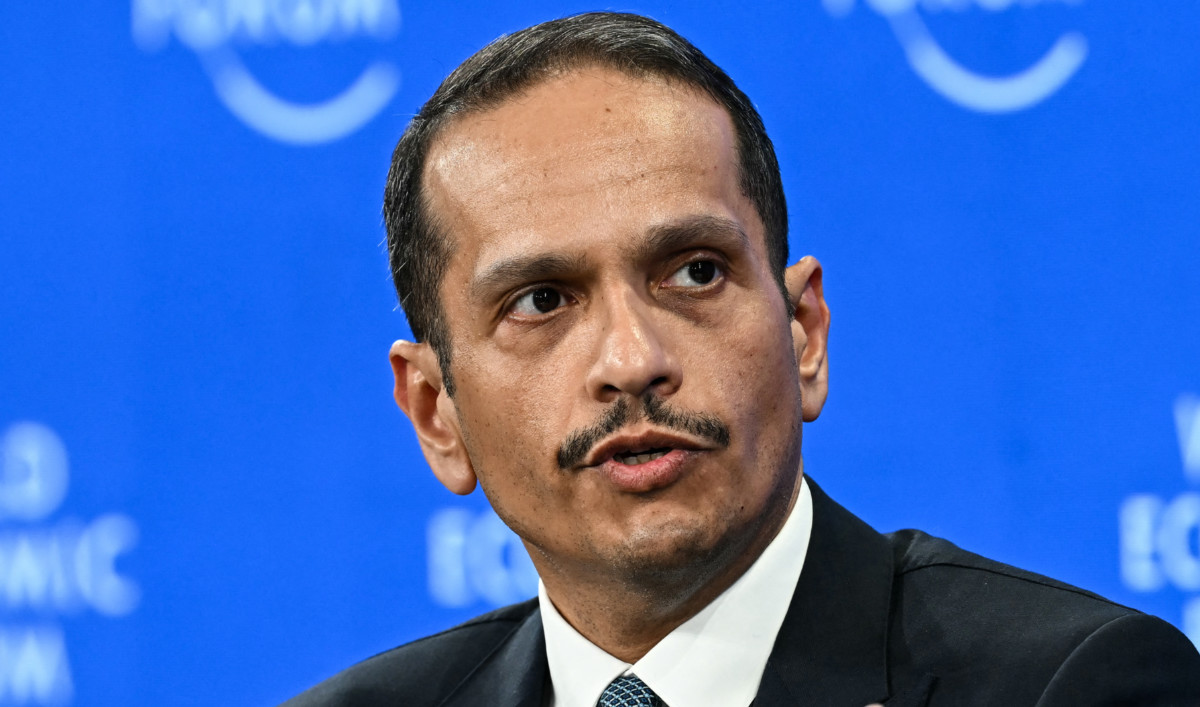
    In a significant diplomatic development, Qatar has become the first major Gulf energy producer to issue an unconditional demand for the immediate cessation of hostilities between US-Israeli forces and Iran. The call came during a joint press conference in Doha on Thursday where Qatari Prime Minister Sheikh Mohammed bin Abdulrahman al-Thani stood alongside Turkish Foreign Minister Hakan Fidan.

    “This war needs to stop immediately. The aggression needs to stop immediately,” stated Sheikh Mohammed, marking a notable departure from the more conditional stance taken by other Arab and Muslim nations. Just one day earlier, a collective statement from eleven nations including Egypt, Saudi Arabia, Turkey, and the UAE had specifically called for an end to Iranian attacks without demanding a comprehensive ceasefire.

    The Qatari position carries substantial weight given the country’s critical role in global energy markets. The conflict has already inflicted severe damage on Qatar’s energy infrastructure, with QatarEnergy CEO Saad al-Kaabi revealing that recent Iranian missile strikes severely damaged the Ras Laffan liquefied natural gas (LNG) facility. The attack reportedly knocked out 17% of Qatar’s LNG export capacity, resulting in an estimated $20 billion in annual lost revenue with repairs expected to take three to five years.

    The Prime Minister’s remarks included a pointed reference to regional dynamics, noting that “everyone knows who the main beneficiary of this war is,” a statement widely interpreted as criticism of Israel. This aligns with assessments that Israel’s earlier strikes on Iran’s South Pars gas field precipitated the current escalation.

    The economic implications extend far beyond Qatar’s borders. As supplier of approximately 20% of global LNG, Qatar’s reduced capacity is already triggering price surges in Asian and European markets. Energy analysts confirm there are no immediate alternatives to Qatari gas supplies.

    Meanwhile, Omani Foreign Minister Badr bin Hamad al-Busaidi published an analysis in The Economist arguing that continued conflict serves neither American nor Iranian interests, suggesting Israel seeks to prolong hostilities to undermine the Islamic Republic.

    The conflict has also demonstrated Iran’s expanded military reach, with attacks reaching deep into Saudi Arabia targeting the vicinity of Yanbu, the kingdom’s crucial Red Sea crude export facility, highlighting Iran’s capacity to project power beyond the strategically vital Strait of Hormuz which it effectively controls.