标签: Africa

非洲

  • At least 22 Ethiopian migrants killed in ‘horrific’ road crash

    At least 22 Ethiopian migrants killed in ‘horrific’ road crash

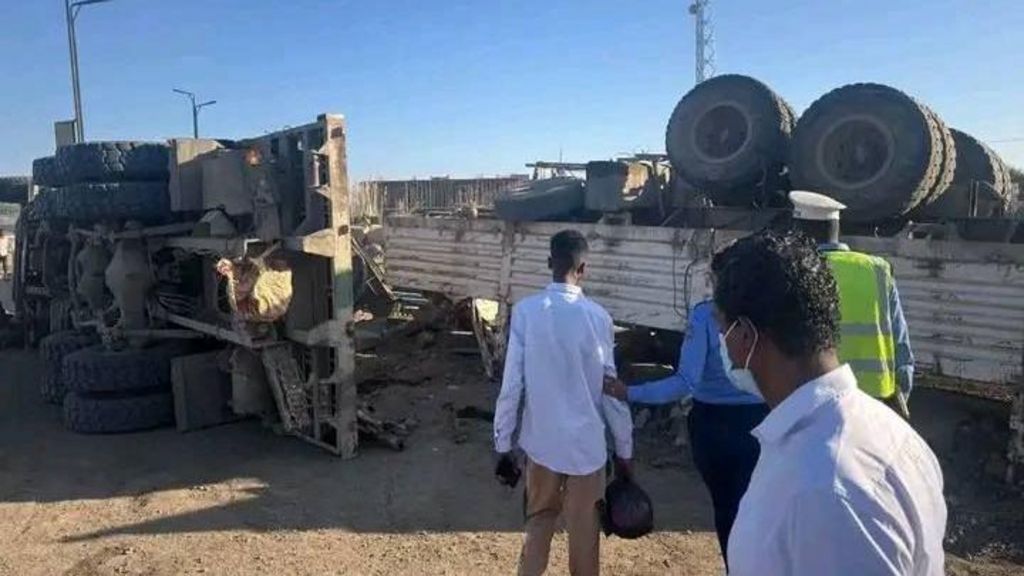
    A devastating truck accident in northeastern Ethiopia has resulted in substantial casualties among migrants traveling along one of Africa’s most dangerous migration corridors. Ethiopian authorities confirmed that at least 22 individuals lost their lives and 65 sustained injuries when their transport vehicle overturned near Semera in the Afar region on Tuesday morning.

    Regional official Mohammed Ali Biedo disclosed that approximately 85 Ethiopian migrants were aboard the ill-fated vehicle at the time of the incident. The migrants were traversing the eastern migration route—a treacherous pathway that typically extends from Ethiopia through Djibouti, across the Red Sea to Yemen, and ultimately to Saudi Arabia and other Gulf nations seeking employment opportunities.

    Biedo attributed the tragedy to illegal brokers who misled the travelers about the dangers of their journey. Medical teams are currently providing emergency care to the injured, with approximately 30 individuals reported to be in critical condition following what authorities described as a ‘horrific’ accident.

    The Afar regional government issued a stern warning to Ethiopian citizens, particularly youth, regarding the dangers of human trafficking and false promises from smugglers. Officials pledged enhanced law enforcement cooperation with relevant authorities to prevent similar tragedies from recurring.

    This incident underscores the extreme risks associated with what the International Organization for Migration (IOM) identifies as ‘one of the busiest and most perilous mixed migration routes’ globally. Despite well-documented dangers, migration statistics reveal that over 60,000 migrants arrived in Yemen during 2024 alone, with most ultimately destined for Saudi Arabia’s job market.

    The Horn of Africa migration corridor, comprising Somalia, Djibouti, Ethiopia, and Eritrea, continues to witness substantial human movement despite the life-threatening challenges including vehicle accidents, dehydration, and human rights abuses that characterize this journey.
  • Israel’s foreign minister on historic visit to Somaliland

    Israel’s foreign minister on historic visit to Somaliland

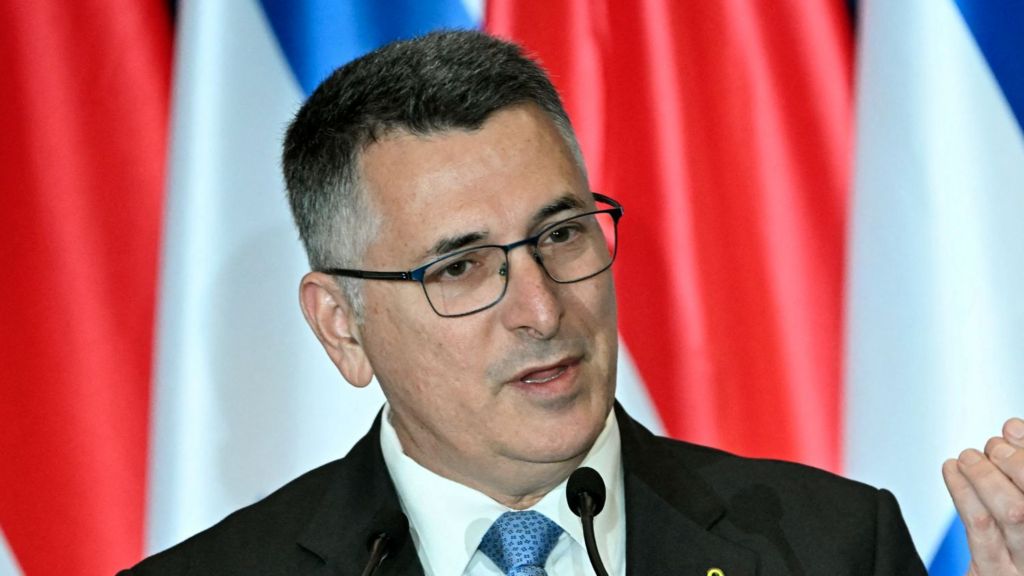
    In a groundbreaking diplomatic move, Israeli Foreign Minister Gideon Saar has conducted an official visit to Hargeisa, the capital of the self-declared Republic of Somaliland. This high-level engagement marks the first such visit since Israel’s controversial decision last month to recognize Somaliland as an independent sovereign state—a move that has sparked intense international debate.

    Saar met with Somaliland President Abdirahman Mohamed Abdullahi during the Tuesday visit, with both parties discussing enhanced political and strategic partnerships. While the Israeli foreign ministry has remained officially silent on the trip, diplomatic sources within Somaliland confirmed to the BBC that the visit aims to advance bilateral relations between the two territories.

    The recognition of Somaliland by Israel last month represented a seismic shift in international diplomacy, making Israel the first nation to formally acknowledge Somaliland’s independence from Somalia. The region declared autonomy in 1991 following the overthrow of Somali military dictator Siad Barre, though it has operated as a de facto state for over three decades without widespread international recognition.

    Somaliland’s leadership has celebrated Israel’s decision as a ‘historic moment’ that validates their longstanding quest for sovereignty. Conversely, the Federal Government of Somalia has vehemently rejected the development, characterizing it as a direct assault on Somali territorial integrity.

    The Israeli recognition has triggered substantial international backlash, including an emergency session of the UN Security Council. China, Turkey, and the African Union have been among the most vocal critics, while the United States has notably defended Israel’s position, accusing critics of applying double standards.

    Foreign Minister Saar has previously defended the recognition decision, stating: ‘Somaliland was not created this past weekend. It has existed as a functioning state for more than 34 years. The attacks on Israel’s recognition of Somaliland are hypocritical. Only Israel will decide who to recognize and with whom to maintain diplomatic relations.’

    The visit occurs against a complex geopolitical backdrop, with Somaliland seeking to break its diplomatic isolation while Somalia maintains its claim over the territory. This development represents a significant test for international norms regarding state recognition and sovereignty.

  • UAE weather: Light rains expected; low of 16ºC in Dubai

    UAE weather: Light rains expected; low of 16ºC in Dubai

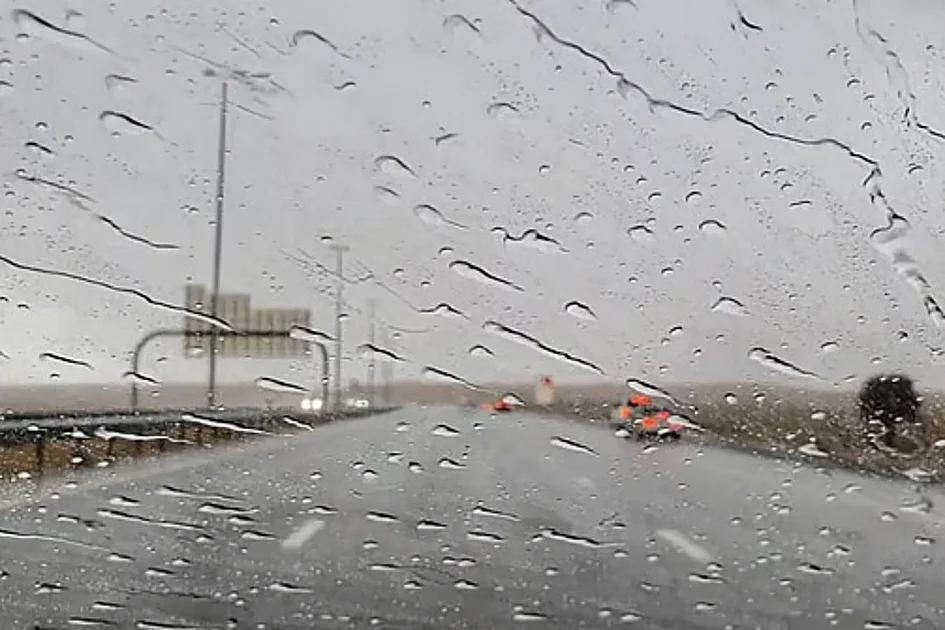
    Meteorological authorities in the United Arab Emirates have issued a weather forecast indicating varied conditions across the region for Tuesday, January 6th. The National Centre of Meteorology (NCM) anticipates generally fair to partially overcast skies, with the likelihood of low cloud formations developing over western islands and maritime areas.

    Precipitation patterns suggest the possibility of light rainfall occurring in certain regions. Weather patterns are expected to shift toward increased humidity levels during nighttime hours extending into Wednesday morning, particularly affecting interior zones and western coastal territories. This elevated humidity may contribute to the development of fog or mist in these areas.

    Wind conditions will feature light to moderate northwesterly to northeasterly currents, occasionally intensifying with speeds ranging from 10-25 km/h, potentially reaching peaks of 35 km/h. Marine forecasts indicate slight to moderate sea conditions in the Arabian Gulf, while the Oman Sea will experience generally calm waters.

    Temperature readings will display notable variations across emirates. Sharjah is projected to experience the coolest conditions with minimum temperatures dropping to 15°C, while both Dubai and Abu Dhabi will see lows of 16°C. Maximum daytime temperatures will reach more moderate levels, with Sharjah and Dubai expected to peak at 25°C, and Abu Dhabi reaching 26°C.

    The comprehensive weather outlook suggests residents should prepare for cooler evening conditions while remaining aware of potential reduced visibility due to fog formation in specific regions.

  • Dubai tenants seek free parking as tariffs rise; rights depend on lease terms

    Dubai tenants seek free parking as tariffs rise; rights depend on lease terms

    A significant shift in parking dynamics is unfolding across Dubai’s residential landscape as tenants increasingly seek to incorporate parking spaces into their lease agreements. This trend emerges in direct response to the emirate’s implementation of a variable parking tariff system in April 2025, which has substantially increased public parking costs throughout the city.

    The innovative parking management strategy employs dynamic pricing based on location, time of day, and demand levels, resulting in a 51% year-on-year increase in average hourly parking rates to approximately Dh3.03 by the third quarter of 2025. Premium zones including Downtown Dubai, Business Bay, Deira, and Jumeirah now command significantly higher peak-hour charges, though off-peak and overnight parking remain complimentary.

    Legal experts emphasize that parking rights remain exclusively contractual matters rather than automatic entitlements. According to Igor Abalov, Managing Partner at Lawford Legal Advisors FZ-LLC, the lease agreement serves as the definitive document determining tenant rights. ‘The tenant’s ability to assert claims depends solely on what is expressly agreed and recorded in writing,’ Abalov stated, noting this represents one of the most frequently contested issues before Dubai’s Rental Disputes Centre.

    Legal professionals distinguish between specific allocated parking spaces recorded in title deeds and general parking facilities provided as building amenities. Hassan El Agawani, an associate at BSA Law, clarified that ‘providing a parking space is not mandatory unless stipulated in the contract,’ adding that rising tariffs cannot override the principle of freedom of contract.

    Dr. Hassan El Hais, a legal consultant, highlighted protective measures within Dubai’s regulatory framework, particularly referencing Law No. (6) of 2019 on Jointly Owned Property. This legislation prevents unit owners from leasing residential units separately from attached jointly owned parts, including parking spaces. The standardized Ejari tenancy contract template facilitates this process through its ‘Additional Terms’ section, allowing parties to insert specific parking allocations without additional costs.

    For existing leases, amendments require mutual agreement through formally executed addenda. Article 14 of Dubai Law No. (33) of 2008 enables either party to request modifications with 90 days’ notice before contract expiration. In cases where landlords refuse to provide contractually agreed parking spaces, tenants may issue formal notices and escalate matters to the Rental Disputes Centre, potentially seeking rent adjustments or compensation.

    As enforcement mechanisms tighten and parking expenses continue to climb, legal professionals stress that tenants who neglect to secure explicit parking rights upfront face substantially higher living costs throughout their tenancy periods, making precise contractual language increasingly crucial in Dubai’s evolving urban environment.

  • Central African Republic President Touadéra wins third term

    Central African Republic President Touadéra wins third term

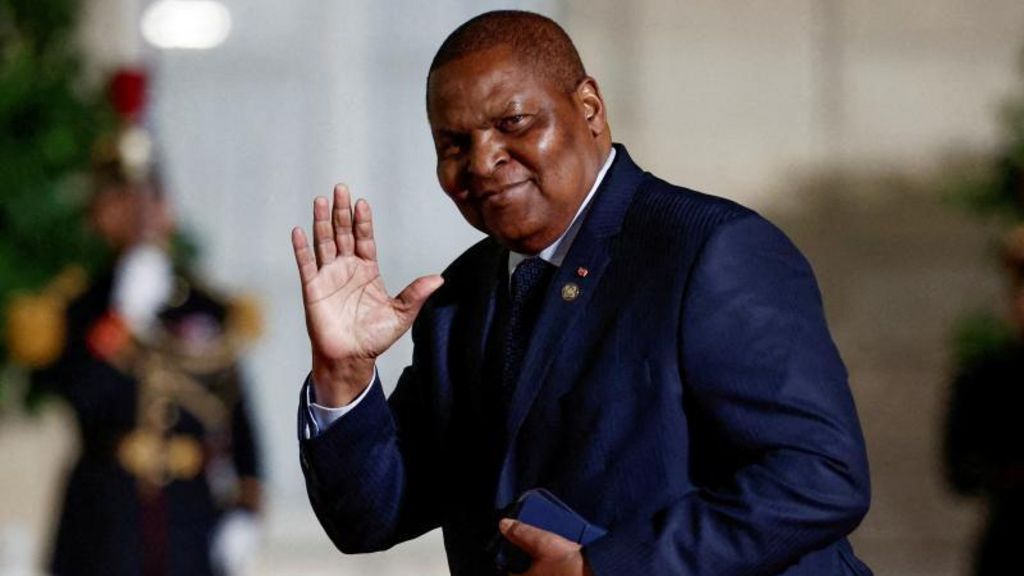
    Provisional election results confirm Central African Republic President Faustin-Archange Touadéra has secured a decisive third term with approximately 76% of the vote. The 68-year-old former mathematics professor achieved this overwhelming majority following a widespread opposition boycott of the December 28 general election.

    The election occurred against a backdrop of significant political controversy, particularly regarding constitutional amendments in 2023 that eliminated presidential term limits. The main opposition coalition, known as BRDC, refused to participate in the electoral process, citing fundamental concerns about fairness and transparency.

    Touadéra’s principal challengers, former prime ministers Anicet-Georges Dologuélé (15%) and Henri-Marie Dondra (3%), have both demanded the annulment of election results. They allege systematic electoral manipulation and widespread irregularities, with Dologuélé characterizing the process as “a methodical attempt to manipulate” the outcome.

    The government has categorically denied these allegations. The Constitutional Court must rule on any formal challenges by January 20 before certifying final results.

    Touadéra’s campaign emphasized his security record in the chronically unstable nation. Since rebels seized power in 2013, the government has enlisted Russian mercenaries and Rwandan soldiers to maintain stability. This security partnership has drawn international attention, with analysts suggesting Touadéra’s victory may strengthen Russia’s strategic interests in accessing the country’s substantial mineral resources, including diamonds and uranium.

    Despite being one of Africa’s most resource-rich nations, CAR remains among its poorest, with approximately half the population dependent on humanitarian assistance according to UN estimates. The 2019 peace agreement between the government and armed groups initially reduced tensions, though six groups subsequently withdrew from the arrangement.

    International observers noted the election was largely peaceful despite logistical challenges including delayed polling materials and issues with voter registration affecting over 2.4 million registered voters.

  • A young entrepreneur redefining access to education

    A young entrepreneur redefining access to education

    At just 24 years old, Muhammad Anas Ali has emerged as a transformative figure in the educational technology sector, challenging conventional academic pathways through his innovative platform, Wealth University. This digital initiative provides completely free access to high-value financial and business education, focusing on practical skills including e-commerce, digital marketing, and trading strategies.

    Wealth University has demonstrated remarkable global reach, attracting over 200,000 learners worldwide who prioritize skill acquisition and practical implementation over traditional credentials. The platform has evolved into a comprehensive digital ecosystem emphasizing accountability, peer-supported learning, and measurable outcomes—addressing a critical gap in accessible financial education.

    Anas’s entrepreneurial journey began with limited resources and considerable skepticism regarding his non-profit educational model. Despite these challenges, he has developed a sustainable framework that emphasizes long-term impact rather than short-term gains. Beyond platform development, Anas actively mentors emerging entrepreneurs, discussing realistic challenges in business development and scaling.

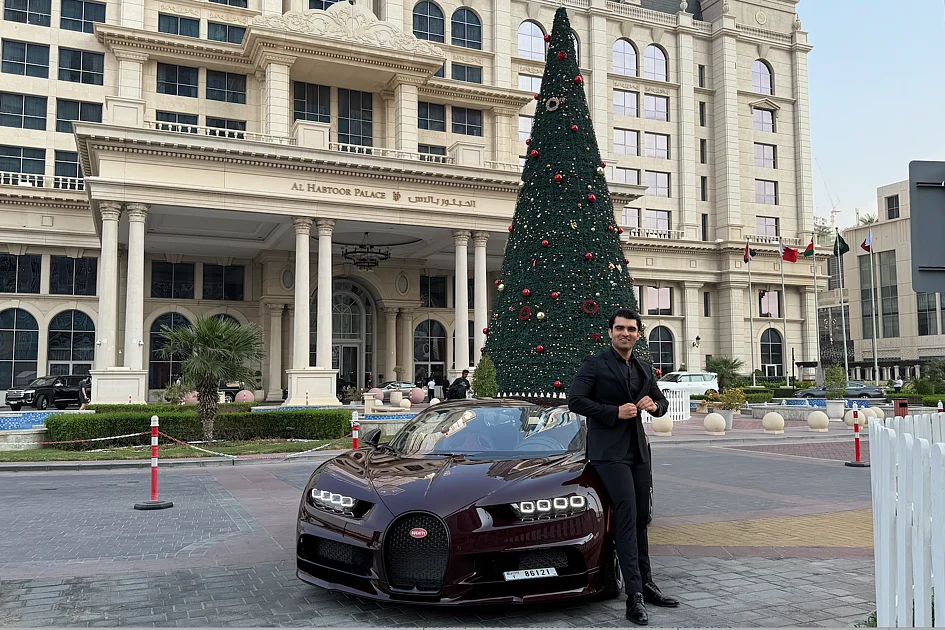
    His personal achievements have garnered significant attention, including his status as one of the world’s youngest owners of luxury performance vehicles like the Bugatti Chiron. Anas frames these accomplishments not as status symbols but as tangible results of disciplined execution and unconventional career choices.

    Future expansion plans include scaling Wealth University to reach one million students globally, establishing physical learning centers in underserved regions, launching investment initiatives for disadvantaged founders, and publishing a comprehensive guide to financial independence based on his methodologies.

    This initiative reflects broader shifts in educational accessibility, demonstrating how digital platforms can create equitable learning opportunities outside traditional institutions and reshape economic mobility for future generations.

  • Central Africa Republic President Faustin Archange Touadéra reelected, provisional results show

    Central Africa Republic President Faustin Archange Touadéra reelected, provisional results show

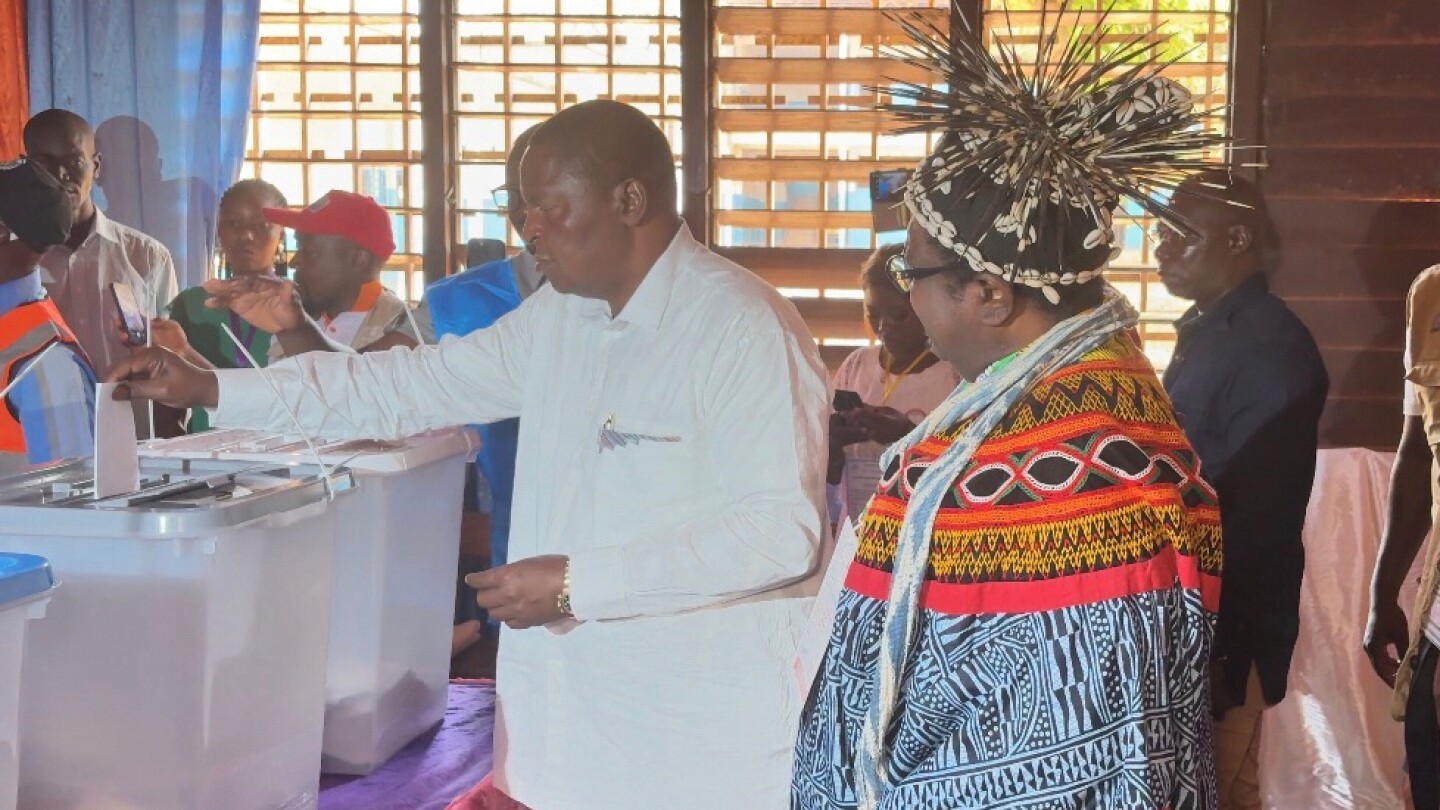
    BANGUI, Central African Republic — The nation’s electoral authority has confirmed President Faustin Archange Touadéra’s victory in securing a third presidential term, according to provisional results released late Monday. The controversial election, held last month, proceeded without participation from the major opposition coalition that had denounced the political climate as fundamentally unequal.

    The electoral landscape shifted significantly when a constitutional referendum earlier removed presidential term limits, enabling Touadéra to seek re-election despite previous restrictions. This constitutional amendment prompted the main opposition coalition to boycott the electoral process entirely, claiming the playing field was systematically tilted in favor of the incumbent administration.

    Despite the boycott, six candidates remained in the presidential race against Touadéra. Official results from the National Election Authority indicate the president captured a commanding 76.15% of the total votes cast. The election occurred amid ongoing security challenges in the mineral-rich yet impoverished nation, which has experienced prolonged instability since a violent rebellion ousted former President François Bozizé in 2013.

    International observers have noted concerns about the electoral process, while the government maintains the election was conducted fairly and represents the will of the Central African people. The outcome solidifies Touadéra’s continued leadership amid persistent armed conflict and deepening humanitarian crises affecting approximately half of the country’s population.

  • Unbearably long wait for justice leaves South African families in limbo

    Unbearably long wait for justice leaves South African families in limbo

    South Africa’s crumbling judicial system has created a national crisis of delayed justice, leaving thousands of victims’ families in emotional and financial limbo. The case of Jason Pretorius exemplifies this systemic failure—waiting over two years for his mother’s alleged killer to face trial while navigating a legal system with backlogs approaching 100,000 cases.

    Charlene Pretorius, a 43-year-old grandmother described by her son as “my best friend” and “someone kind and loving,” died in May 2023 after being set alight in her car in what authorities allege was gender-based violence. Despite the accused remaining in custody, the trial has been repeatedly postponed due to missing reports, incomplete investigations, judicial unavailability, and administrative failures.

    The scale of the crisis is staggering. Official reports indicate 37,000 pending cases, though justice department estimates suggest the actual number may approach 100,000. With only approximately 250 judges serving a population of 60 million—just four judges per million residents—South Africa’s judiciary operates at a fraction of the capacity of comparable nations. India maintains 15 judges per million, while European countries typically exceed 200.

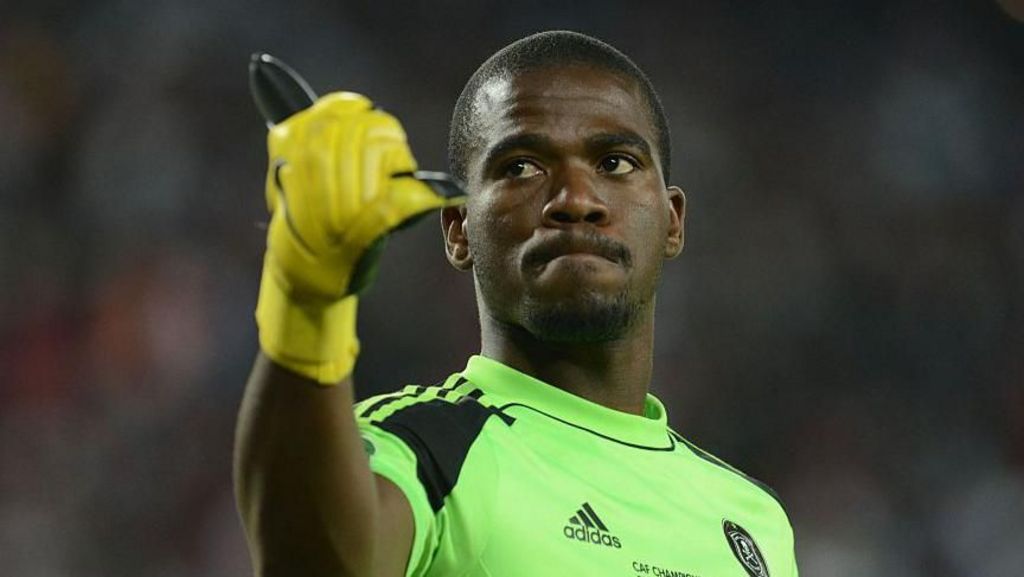
    This judicial collapse affects cases across the socioeconomic spectrum. The high-profile murder of national football captain Senzo Meyiwa in 2014 remains unresolved after a decade of botched investigations, changing legal teams, and allegations of police factionalism. Meanwhile, ordinary citizens like Jason Pretorius face dual burdens: emotional trauma compounded by financial strain as he now supports his wife, child, younger sister, and grandmother—responsibilities his mother previously shared.

    Government officials acknowledge the crisis. Lucky Mohalaba, head of court administration, admits “some matters could have been processed much quicker” and promises reforms including hiring additional magistrates and potentially extending court hours. However, advocacy groups like Action Society report that victims are losing faith in a system where delays create a “vicious cycle” in a nation with a 90% re-offender rate.

    As victims’ families await justice that may take years to arrive, the fundamental legal principle that “justice delayed is justice denied” becomes increasingly evident in a system struggling to maintain public confidence.

  • World’s elite unite in Dubai for HH Sheikh Mohammed bin Rashid Endurance Festival

    World’s elite unite in Dubai for HH Sheikh Mohammed bin Rashid Endurance Festival

    Dubai International Endurance City prepares to showcase the pinnacle of equestrian endurance competition as the 19th edition of the HH Sheikh Mohammed bin Rashid Al Maktoum Endurance Festival commences its five-day spectacle. From January 6-10, the world’s finest riders and horses will converge on Seih Al Salam to demonstrate extraordinary stamina, strategic brilliance, and exceptional horsemanship in what is widely recognized as the sport’s most prestigious global gathering.

    The festival honors His Highness Sheikh Mohammed bin Rashid Al Maktoum, UAE Vice President, Prime Minister, Ruler of Dubai, and former World Endurance Champion, whose vision has shaped the event’s evolution over nearly two decades. What began as a test of raw speed has transformed into a sophisticated discipline emphasizing selective breeding, scientific preparation, and unparalleled horse welfare standards.

    Organized by Dubai Equestrian Club, the competition features four distinct rides: Tuesday’s 120km Ladies Ride, followed by the Private Stables Ride, the Gamilati Endurance Cup for Mares, and culminating in Saturday’s grueling 160km HH Sheikh Mohammed bin Rashid Al Maktoum Endurance Cup—the ultimate examination of equine-athlete partnership.

    Ahmed Rashed Mohammed Al Kaabi, General Manager of Dubai Equestrian Club, confirmed complete preparations at the state-of-the-art facility, emphasizing that “while providing a highly competitive environment, the well-being of both horse and rider remains paramount.”

    All attention focuses on defending champion Saif Al Mazrouei, who seeks to replicate his extraordinary double victory from last year’s event. The Emirati horseman, representing MRM Stables, faces formidable competition from an international field and rising local star Rashid Mohammed Al Muhairi, the reigning FEI World Champion for Young Riders and Juniors.

    Al Muhairi, making his senior debut in the feature race, described the event as representing “more than a race—it is a dream rooted in inspiration” bearing the name of his greatest idol. As endurance riding continues to elevate global standards, Dubai’s festival remains the gold standard for excellence in this demanding equestrian discipline.

  • UAE: New platform launched to celebrate newborns, connect families in the country

    UAE: New platform launched to celebrate newborns, connect families in the country

    A groundbreaking digital initiative named UAE BORN has emerged in the United Arab Emirates, creating a dedicated space for families to celebrate newborn arrivals and strengthen communal ties. Founded by Yasser bin Mohammed, a communications specialist with extensive media experience, this voluntary project represents a innovative approach to fostering social cohesion through life’s happiest moments.

    The platform’s operational model invites all UAE citizens and residents with newborns to submit their child’s information for publication. Once shared, community members can extend congratulations and participate in spreading the joyful news throughout the nation. The service launched officially in 2026 as part of broader family-oriented initiatives gaining traction across the Emirates.

    Inspiration for UAE BORN originated from traditional Emirati customs surrounding life’s final chapter. Yasser noted the existing ‘Janaza Al Emirate’ practice, where communities share information about those who have passed away to facilitate condolences and funeral participation. ‘We have this beautiful tradition where we come together during difficult times,’ Yasser explained. ‘I thought, why not create something similar to celebrate life instead?’

    Beyond newborn announcements, the platform features a distinctive section highlighting notable figures born in the UAE, including media personalities, scientists, and creative professionals. This historical recognition component aims to connect citizens with their shared heritage and celebrate national accomplishments.

    Future development plans envision UAE BORN evolving into a comprehensive family resource portal. The platform aims to expand with educational content covering child-rearing practices, parental care guidance, and community support systems. Yasser expressed aspirations to create a reference point for various life stages, from marriage preparation to childbirth and beyond, ultimately bringing community members together through shared experiences and mutual support.