标签: Africa

非洲

  • How radioactive rhino horns are helping with conservation

    How radioactive rhino horns are helping with conservation

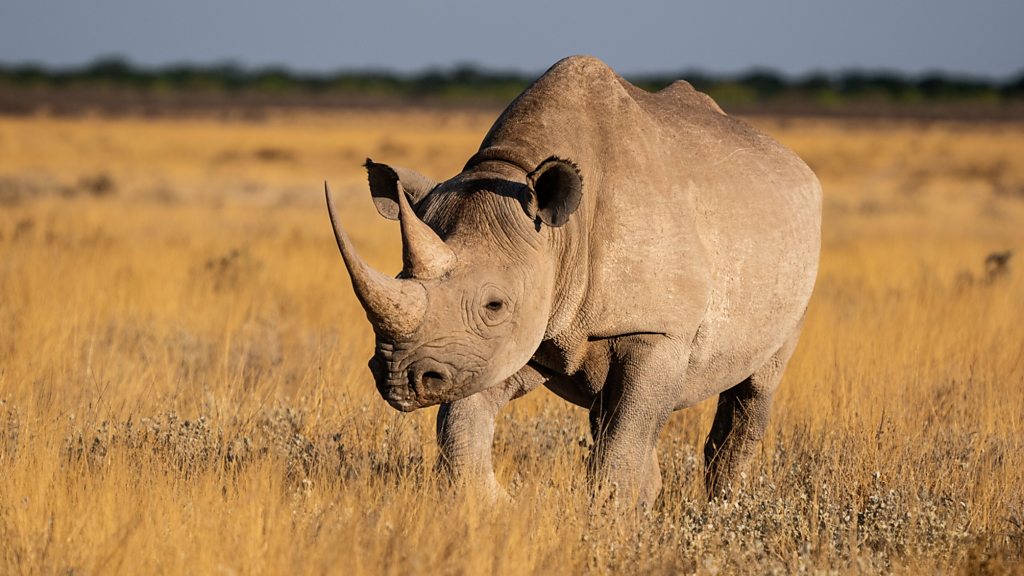
    In a groundbreaking anti-poaching initiative, South African conservationists are implanting radioactive isotopes into the horns of live rhinoceroses. This radical approach aims to render the horns dangerously radioactive, thereby making them easier to detect at international border crossings and significantly less desirable on the black market.

    The project, a collaboration between the University of the Witwatersrand and other research entities, utilizes a process of drilling a small hole into the inert keratin of the horn to insert a minute quantity of radioactive material. This substance is carefully calibrated to be powerful enough to trigger radiation monitors installed at ports, airports, and border posts—key smuggling checkpoints globally—while posing no health risk to the animal itself or its surrounding ecosystem.

    The primary objective is to drastically increase the cost and difficulty for wildlife traffickers. By turning the horn into a radioactive product that would be flagged by security systems, the method introduces a formidable layer of risk for smugglers, potentially deterring poachers and disrupting illicit supply chains. This innovation represents a fusion of nuclear science and conservation biology, offering a new, high-tech weapon in the ongoing battle to protect these critically endangered species from extinction driven by the illegal wildlife trade.

  • UN rights office cites ‘widespread repression’ in Uganda before next week’s presidential election

    UN rights office cites ‘widespread repression’ in Uganda before next week’s presidential election

    GENEVA — The United Nations Human Rights Office has issued a stark warning regarding Uganda’s upcoming presidential election, characterizing the pre-election environment as one dominated by systematic repression and intimidation tactics against opposition figures and dissenting voices. In a comprehensive report released Friday, the Office of the UN High Commissioner for Human Rights (OHCHR) detailed concerning patterns of state-sponsored suppression ahead of the January 15 vote.

    The Geneva-based agency documented multiple instances where Ugandan authorities have employed legal warfare and military legislation to curtail political activities. Security forces have reportedly utilized live ammunition to break up peaceful assemblies and deployed unmarked vehicles—locally referred to as ‘drones’—to abduct supporters of opposition parties.

    UN High Commissioner for Human Rights Volker Türk emphasized the imperative for Ugandan authorities to guarantee all citizens’ right to participate safely in the electoral process under international law. He specifically called for restraint, urging that ‘no unnecessary or disproportionate force, including lethal force, be used to disperse peaceful protests.’

    The report highlights several specific cases, including the ongoing detention of opposition leader Kizza Besigye on treason charges and the imprisonment of prominent civic leader Sarah Bireete. Bireete, director of the Center for Constitutional Governance, was arrested December 30 on allegations of illegally accessing the national voters’ registry. A magistrate ordered her detained until January 21, effectively silencing one of the government’s most vocal critics during the critical pre-election period.

    Human Rights Watch condemned Bireete’s arrest as evidence of the government’s ‘continuing intolerance of dissent.’ Before her detention, Bireete had publicly characterized President Yoweri Museveni’s administration as ‘a military dictatorship masquerading as democracy.’

    President Museveni, 81, Africa’s third-longest-serving leader, seeks a seventh term amid accusations of systematically undermining democratic institutions. His main challenger, musician-turned-politician Bobi Wine (Kyagulanyi Ssentamu), has repeatedly reported military victimization of himself and his supporters, alleging that security forces dominate election preparations.

    Ugandan police spokesman Kituuma Rusoke did not immediately respond to requests for comment on the UN allegations. The country has not witnessed a peaceful presidential transition since gaining independence from British colonial rule six decades ago.

  • China, Russia and Iran join South Africa for naval drills as tensions run high

    China, Russia and Iran join South Africa for naval drills as tensions run high

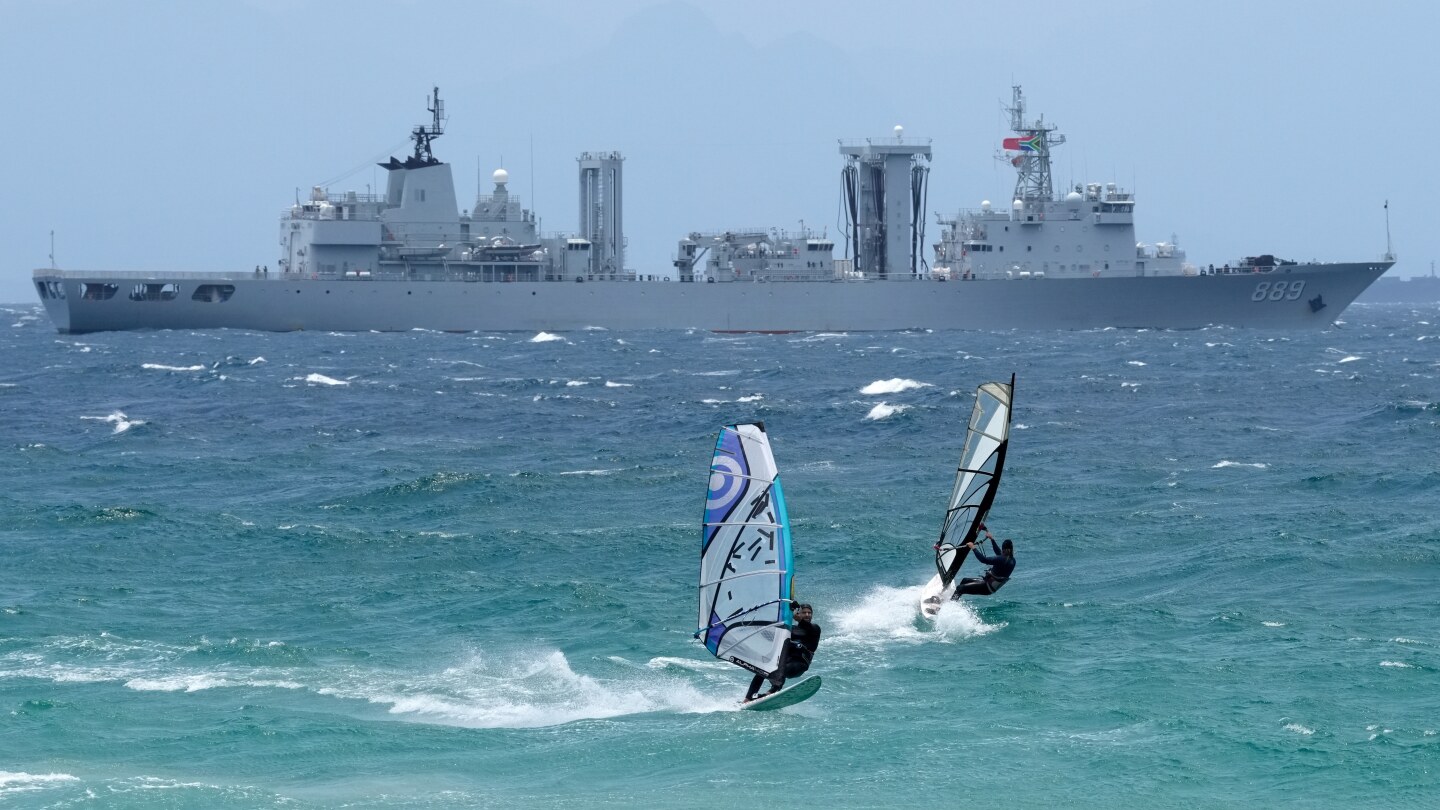
    CAPE TOWN, South Africa — In a significant display of naval cooperation, warships from China, Russia, and Iran commenced joint maritime exercises with South Africa’s navy on Friday. The week-long drills, occurring off the strategic Cape Town coast where the Atlantic and Indian Oceans converge, underscore evolving geopolitical alliances amid heightened tensions with Western powers.

    The maneuvers, organized under the BRICS framework of developing nations, were originally scheduled for November but postponed due to diplomatic considerations during South Africa’s hosting of the G20 summit. South African military officials describe the operations as focusing on maritime security protocols and anti-piracy tactics, emphasizing their goal to ‘deepen cooperation’ among participating nations.

    Notable vessels participating include China’s 161-meter destroyer Tangshan and Russia’s Stoikiy warship accompanied by a support tanker from the Baltic Fleet. The exercises mark the second consecutive year of such cooperation, following similar drills in 2023.

    The participation occurs against a complex backdrop: Iran joins despite ongoing domestic protests against its leadership, while all participating nations face varying degrees of Western sanctions. The BRICS bloc, which expanded in 2024 to include Iran alongside core members Brazil, Russia, India, China, and South Africa, has frequently served as a platform for criticizing American foreign policy.

    These developments have exacerbated strains in U.S.-South African relations, with the Trump administration previously accusing Pretoria of supporting ‘bad actors on the world stage’ and specifically citing its Iranian ties when cutting aid. The Biden administration further escalated tensions in 2023 by alleging South Africa permitted a sanctioned Russian vessel to load weapons for Ukraine conflict at Simon’s Town naval base—charges South Africa denies.

    Domestically, the governing coalition faces criticism from the Democratic Alliance, the second-largest party, which condemns the hosting of ‘heavily sanctioned’ nations and characterizes the BRICS branding as a ‘political trick’ masking military alignment with controversial regimes.

  • Hundreds in Somalia’s capital protest Israel’s recognition of breakaway territory of Somaliland

    Hundreds in Somalia’s capital protest Israel’s recognition of breakaway territory of Somaliland

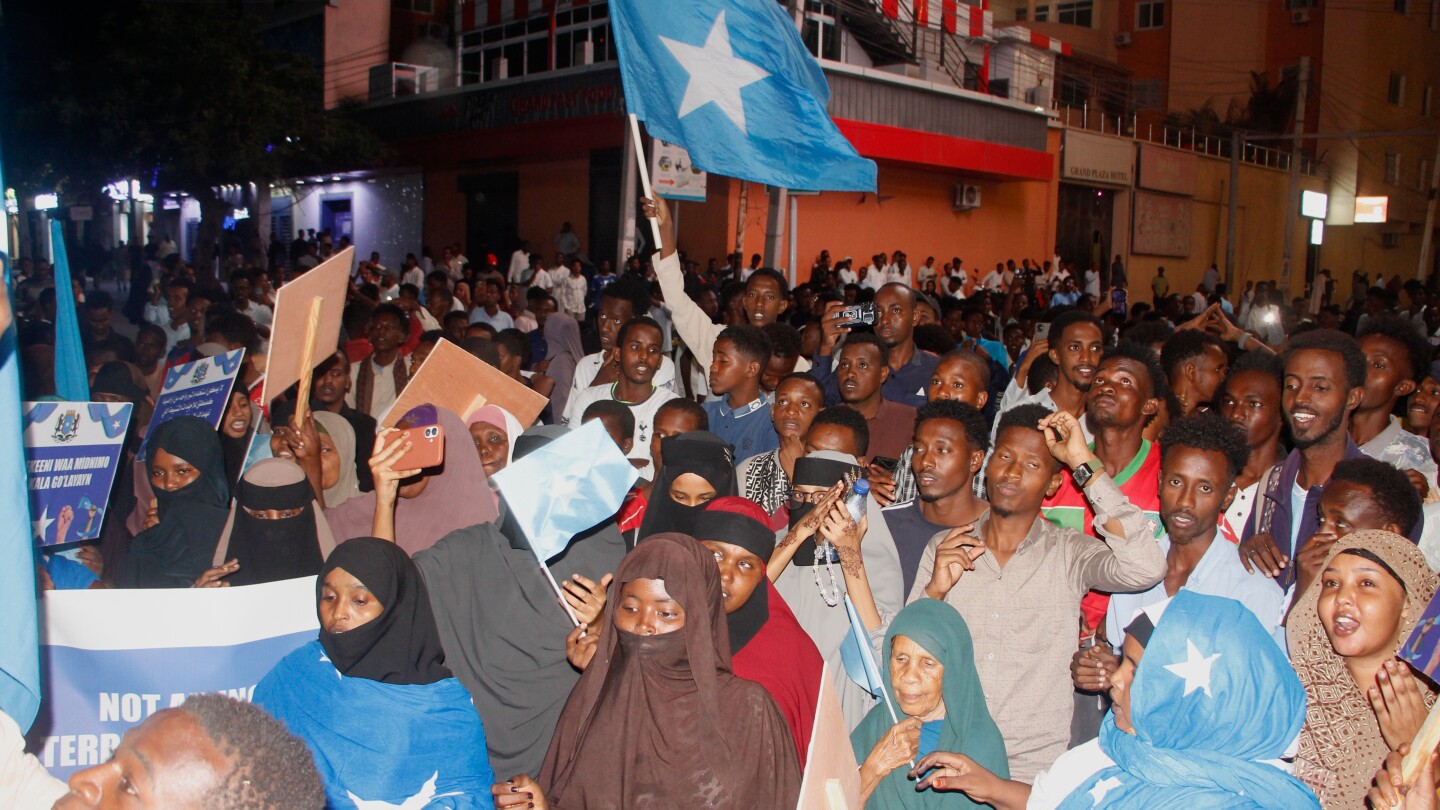
    MOGADISHU, Somalia — Hundreds of demonstrators converged at Taleh Square in downtown Mogadishu on Thursday night, staging a vigorous protest against Israel’s recent recognition of the self-declared Republic of Somaliland. The gathering marked the third such demonstration since Israel’s December 26 announcement, with participants waving Somali flags and chanting patriotic anthems in a powerful display of national solidarity.

    Protesters condemned Israel’s diplomatic move as a direct violation of Somalia’s sovereignty and territorial integrity. They carried placards denouncing foreign interference in the nation’s internal affairs, with demonstrator Said Gedi declaring, ‘We are protesting against the division of our country. This is against the sovereignty, independence and territorial integrity of Somalia.’

    The rally occurred just two days after Israeli Foreign Minister Gideon Saar visited Hargeisa, Somaliland’s capital, where he announced plans to establish an embassy and appoint an ambassador. This development has sparked significant diplomatic tensions across the Horn of Africa region.

    In a televised address coinciding with the protests, Somali President Hassan Sheikh Mohamud vehemently rejected Israel’s decision, emphasizing that ‘the Republic of Somalia is a sovereign and united country. Its territory cannot be divided or ceded by any letter written by Israel or signed by Netanyahu.’

    President Mohamud warned that the dispute could potentially undermine Somalia’s political stability, economic recovery, and development if not handled with caution. He urged Somaliland’s leadership to engage in dialogue with the federal government, citing South Sudan’s 2011 independence through political agreement as a precedent for successful secession processes.

    The controversy has drawn international attention, with more than 20 predominantly Middle Eastern and African nations, along with the Organization of Islamic Cooperation, rejecting Israel’s recognition. Egyptian Foreign Minister Badr Abdelatty characterized the move as a ‘dangerous precedent that threatens regional and international peace and security.’

    Somaliland, a former British protectorate, declared independence from Somalia in 1991 following the collapse of the central government. Despite maintaining its own institutions and relative stability, it had never gained recognition from any UN member state prior to Israel’s announcement.

    The United States has clarified its position, with the State Department affirming continued recognition of ‘the territorial integrity of Somalia, which includes the territory of Somaliland,’ effectively distancing itself from Israel’s diplomatic initiative.

  • ‘My best is yet to come’ – Semenyo joins Man City in £65m deal

    ‘My best is yet to come’ – Semenyo joins Man City in £65m deal

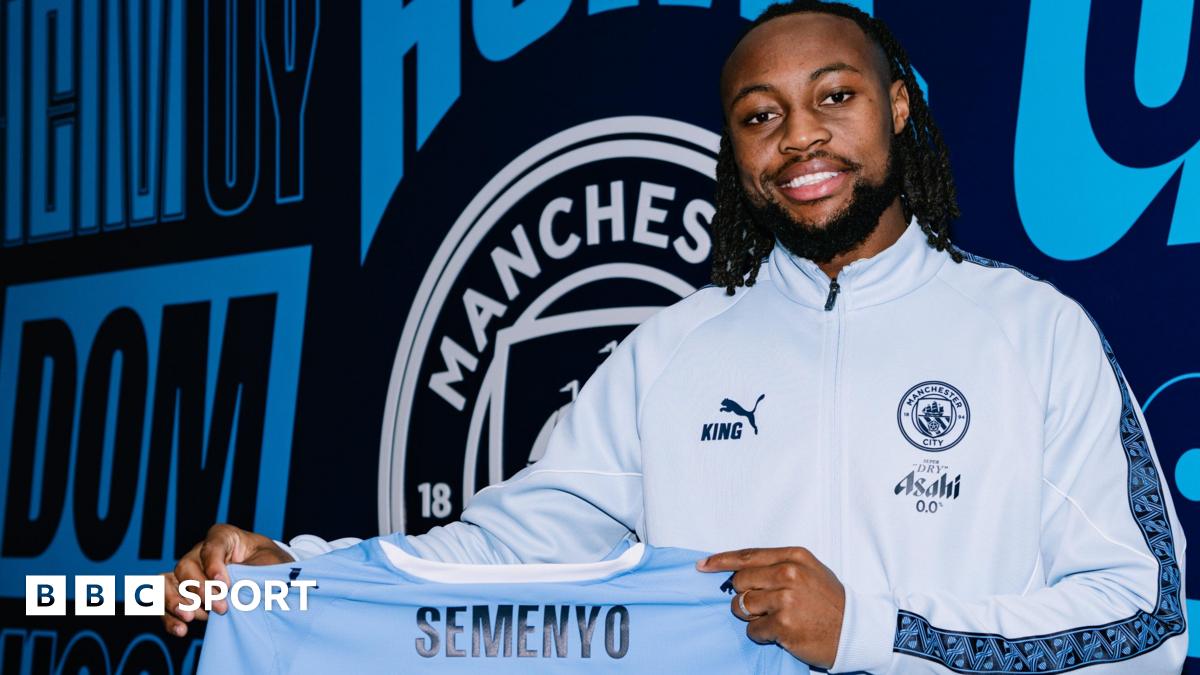
    Manchester City Football Club has officially completed the landmark acquisition of Ghanaian international winger Antoine Semenyo from AFC Bournemouth in a transformative deal valued at approximately £65 million. The transaction represents a record-breaking sale for the South Coast club after City triggered Semenyo’s release clause just before the Saturday deadline.

    The financial structure involves £62.5 million payable through 24 monthly installments supplemented by performance-based bonuses. Semenyo has committed his future to the Premier League champions by signing a long-term contract that will keep him at the Etihad Stadium until 2031. In a symbolic gesture, he will inherit the iconic number 42 shirt previously worn by club legend Yaya Touré, who secured three Premier League titles during his illustrious eight-year tenure.

    Semenyo expressed profound enthusiasm about his move, stating: ‘Joining Manchester City fills me with immense pride. This club embodies the highest standards of excellence with world-class players, state-of-the-art facilities, and the guidance of Pep Guardiola, one of football’s greatest managerial minds. At this crucial stage of my development, this environment provides the perfect platform for growth. I’m convinced my best football remains ahead of me.’

    The 26-year-old London-born forward concluded his Bournemouth chapter in dramatic fashion, scoring a stoppage-time winner in Wednesday’s 3-2 victory against Tottenham Hotspur. His departure marks the end of a productive three-year spell at Vitality Stadium where he registered 32 goals and 13 assists across 110 appearances in all competitions.

    Manchester City prevailed in a intense transfer battle against Premier League rivals Manchester United, Liverpool, Tottenham, and Chelsea to secure Semenyo’s signature. Manager Pep Guardiola confirmed the new signing will be immediately available for selection in Saturday’s FA Cup third-round clash against Exeter City.

    Guardiola elaborated on the strategic acquisition: ‘Antoine demonstrated extraordinary capabilities at Bournemouth. His ambidextrous versatility, Premier League experience, and maturity at 26 years old made him an exceptional target. We’ve monitored his progression extensively and believe his peak years are forthcoming.’

    Statistical analysis reveals Semenyo’s remarkable impact this season, with four goals in his final six appearances placing him third in the Premier League scoring charts with 10 goals from 20 matches—trailing only teammate Erling Haaland (20) and Brentford’s Igor Thiago (16). His pressing efficiency particularly stands out, having won possession in the final third more frequently than any other Premier player since the start of last season (51 instances).

    Director of Football Hugo Viana emphasized the strategic significance: ‘Antoine represents exactly the profile we seek—immense technical quality, dual-footed capability, explosive pace, and proven game-influence. His humility, work ethic, and developmental potential align perfectly with our club philosophy.’

    Bournemouth initially acquired Semenyo from Bristol City for £10 million in January 2023, with the player having previously developed through the Championship system with additional loan spells at Sunderland, Newport County, and non-league Bath City.

  • Jersey returns £7m of ‘tainted’ funds to Nigeria

    Jersey returns £7m of ‘tainted’ funds to Nigeria

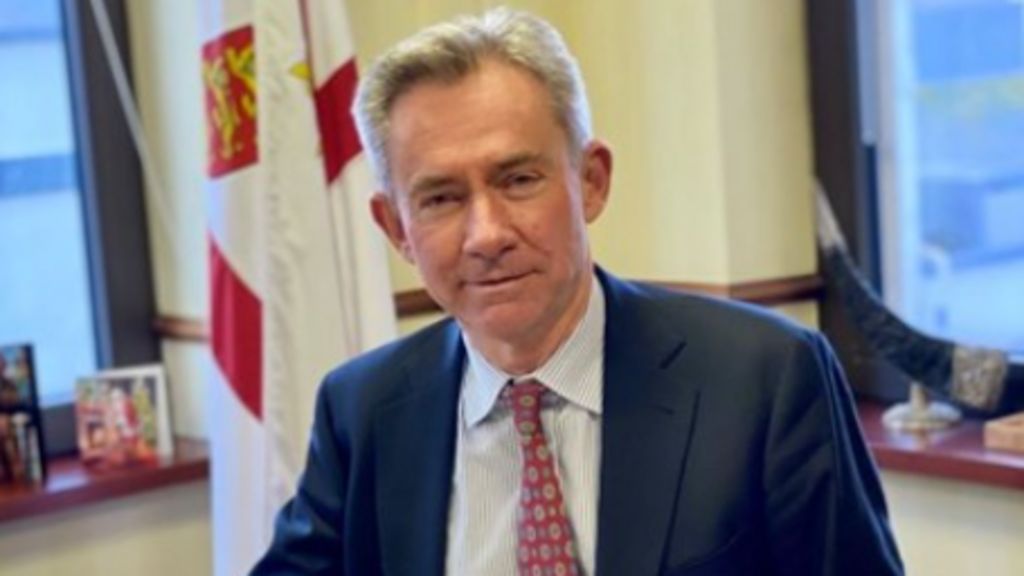
    In a significant move against international financial corruption, the Government of Jersey has formally agreed to repatriate $9.5 million (£7 million) in illicit funds to Nigeria. The restitution follows a landmark ruling by Jersey’s Royal Court, which determined the assets were “more likely than not” derived from a corrupt scheme involving Nigerian officials.

    The funds, held in a Jersey-based financial institution, were identified as proceeds from a corruption network where third-party contractors systematically diverted government money for the benefit of senior Nigerian officials and their associates. His Majesty’s Attorney General for Jersey, Mark Temple KC, finalized the restitution process through a Memorandum of Understanding (MOU) signed with Nigerian authorities in December.

    This agreement represents the third major asset repatriation arrangement between Jersey and Nigeria, following previous agreements that facilitated the return of over $300 million in stolen assets. The latest recovery underscores Jersey’s robust anti-corruption framework and its commitment to international judicial cooperation.

    Nigerian Attorney-General and Minister of Justice Lateef Fagbemi confirmed the returned assets would be allocated according to the MOU’s provisions, specifically supporting the completion of a critical highway infrastructure project connecting Nigeria’s capital with its second-largest city. Fagbemi emphasized that the successful recovery demonstrates Nigeria’s effective collaboration with international partners in combating illicit wealth transfer to foreign jurisdictions.

    Attorney General Temple highlighted the case as evidence of Jersey’s powerful civil forfeiture legislation, which serves as an essential tool in the global fight against corruption. The restitution sets another precedent for international cooperation in tracking and returning illicit assets to their rightful owners.

  • Storm Goretti: Heavy wind, rain, snow to batter Europe

    Storm Goretti: Heavy wind, rain, snow to batter Europe

    A powerful weather system named Storm Goretti descended upon Europe on Thursday, bringing a dangerous combination of extreme winds, heavy snowfall, and freezing temperatures. Meteorological agencies across the continent issued severe warnings, predicting significant disruptions to daily life and infrastructure from Britain to Germany.

    In the United Kingdom, the Met Office took the rare step of issuing its highest-level red wind alert for southwestern England, including the Isles of Scilly and Cornwall. Forecasters warned of potentially catastrophic wind gusts reaching 160 kilometers per hour (100 mph), accompanied by dangerously large coastal waves. Simultaneously, an amber snow warning covered Wales, the Midlands, and northern England, with predictions of up to 30 centimeters (11 inches) of accumulation. The severe conditions prompted National Rail to advise against all non-essential travel for the next 48 hours as train services faced inevitable disruptions.

    Across the Channel, northern France prepared for similar onslaught, particularly in the Manche department where schools were ordered closed for Friday. Authorities issued urgent safety directives across 30 northwestern regions, advising residents to seek shelter and avoid vehicle use while ensuring emergency supplies of lighting and drinking water.

    Germany’s meteorological service (DWD) reported approaching heavy snow and powerful winds expected to cripple transportation networks and public services. Northern regions braced for up to 15 centimeters (6 inches) of snow, while southern areas faced hazardous icy conditions. The cities of Hamburg and Bremen preemptively canceled school for Friday as public transport networks already experienced significant delays on Thursday. Deutsche Bahn mobilized over 14,000 employees to combat the expected infrastructure challenges.

    Meteorologist Andreas Walter of the DWD noted the exceptional nature of this storm compared to recent milder winters, directly linking the pattern shift to climate change. While cold snaps with substantial snowfall remain possible despite rising global temperatures, Walter emphasized such events would become increasingly rare in the future.

    Adding to the extraordinary weather patterns, Norway’s Meteorological Institute reported that only one region in the entire country recorded temperatures above freezing on Thursday: the Arctic archipelago of Svalbard.

  • The secret mission to fly a president’s body back home – pilot speaks to the BBC

    The secret mission to fly a president’s body back home – pilot speaks to the BBC

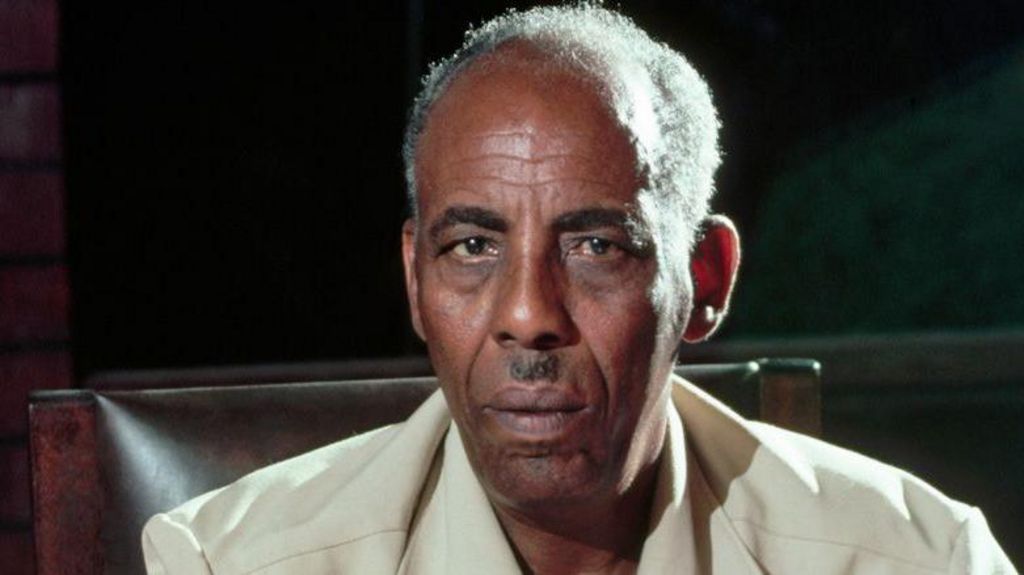
    Three decades ago, a clandestine operation unfolded across African skies to repatriate the body of Somalia’s former ruler Mohamed Siad Barre. On the 31st anniversary of this extraordinary mission, the key participants have broken their silence, revealing previously undisclosed details about the politically sensitive undertaking.

    In January 1995, Kenyan pilots Hussein Mohamed Anshuur and Mohamed Adan of Bluebird Aviation received an unexpected visit from a Nigerian diplomat at Wilson Airport near Nairobi. The official presented them with an unprecedented request: secretly transport Barre’s body from Lagos, Nigeria, to his hometown of Garbaharey in southern Somalia—a 4,300-kilometer journey across multiple national borders.

    The mission was fraught with political complications. Barre, who had ruled Somalia from 1969 until his overthrow in 1991, died in exile at age 80. Having fled to Kenya initially, he eventually received political asylum in Nigeria under military ruler General Ibrahim Babangida after pressure mounted on the Kenyan government led by President Daniel arap Moi.

    Anshuur, a former Kenyan Air Force captain, described the moment they received the request: ‘We knew immediately this wasn’t a normal charter.’ The pilots spent a day deliberating, weighing the considerable risks against the lucrative financial offer. They demanded guarantees from the Nigerian government, including full political responsibility if anything went wrong and the presence of two embassy officials on board.

    The operation required meticulous planning. On January 11, 1995, their Beechcraft King Air B200 took off from Wilson Airport with a flight manifest falsely listing Kisumu, Kenya as their destination. Instead, they diverted to Entebbe, Uganda, exploiting limited radar coverage across the region. After refueling, they continued to Yaoundé, Cameroon, where Nigerian diplomats awaited, before finally reaching Lagos.

    The Nigerian government provided a military call sign ‘WT 001’ to avoid suspicion when entering Nigerian airspace. In Lagos, Barre’s family including his son Ayaanle Mohamed Siad Barre joined the aircraft for the final leg. The secrecy, according to Barre’s son, was necessary to comply with Islamic burial traditions requiring prompt interment, not to conceal illegal activities.

    The return journey retraced the route through Cameroon and Uganda, with the pilots maintaining the fiction of a routine flight. As they approached Kenya, they diverted directly to Garbaharey’s small airstrip, which couldn’t accommodate military aircraft. After attending the burial, the pilots returned to Wilson Airport, reporting a false origin from Mandera, northeastern Kenya, to avoid detection.

    Reflecting on the mission, Anshuur noted that technological advancements in aviation surveillance would make such a covert operation impossible today. At 65, he acknowledges he wouldn’t undertake a similar mission now, but remains proud of having fulfilled what he saw as a humanitarian duty to ensure a former leader received proper burial in his homeland.
  • Saudi’s Sabic sells assets in Europe, Americas worth $950 million

    Saudi’s Sabic sells assets in Europe, Americas worth $950 million

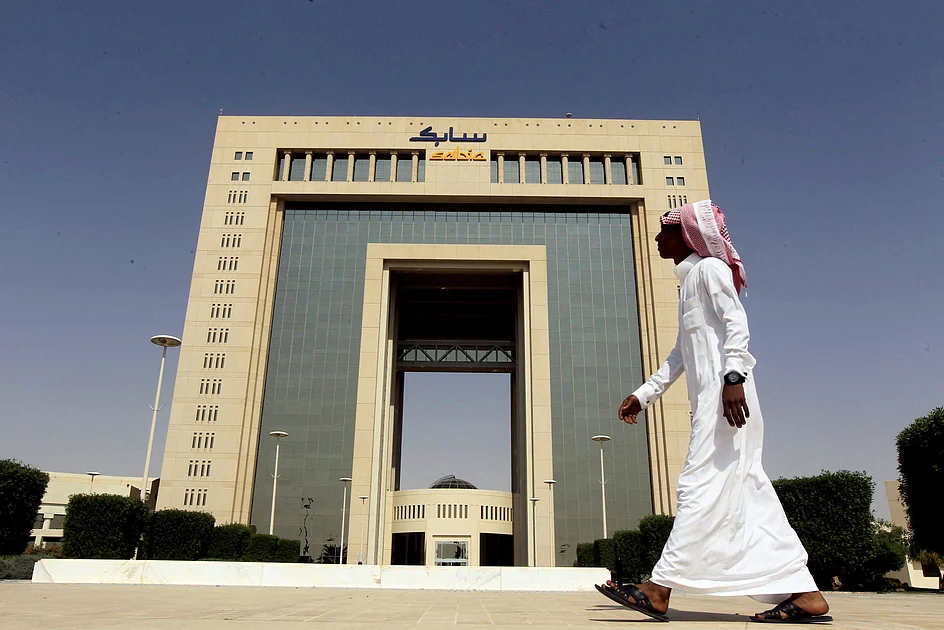
    In a significant strategic move reflecting broader industry challenges, Saudi Basic Industries Corporation (SABIC) has finalized two major divestitures totaling $950 million in enterprise value. The Saudi chemical giant is restructuring its global portfolio in response to persistent market weakness and declining demand across the petrochemical sector.

    The comprehensive divestiture program includes the sale of SABIC’s European Petrochemical (EP) business unit to Munich-based investment firm AEQUITA for $500 million. This transaction encompasses manufacturing facilities located in the United Kingdom and Germany. Simultaneously, the company has agreed to transfer its Engineering Thermoplastics (ETP) operations in both Europe and the Americas to German holding company Mutares for $450 million. The ETP business includes production sites across Canada, the United States, Brazil, and Spain.

    This strategic repositioning occurs against a backdrop of notable financial pressure for SABIC. The company’s shares plummeted to a 17-year low during early trading in Riyadh, dropping 4.8% to 48.2 riyals ($12.85) per share. Over the past twelve months, SABIC has witnessed a substantial 26.4% decline in its stock value, reflecting investor concerns about the chemical industry’s prolonged slowdown.

    CEO Abdulrahman Al-Fageeh characterized these transactions as a continuation of SABIC’s portfolio optimization initiative, which commenced in 2022. Previous divestments under this program included the Functional Forms, Hadeed, and Alba business units. The current disposals are projected to enhance SABIC’s core profit margins and strengthen free cash flow generation despite the challenging market conditions.

    The restructuring aligns with the strategic direction of SABIC’s majority shareholder, oil behemoth Aramco, which maintains a 70% stake in the chemical company. Aramco has been implementing its own cost-reduction and asset-divestment strategy to balance capital expenditures against lower oil prices and substantial shareholder returns.

    SABIC has engaged top-tier financial advisors for these transactions, with Goldman Sachs advising on the EP divestiture and J.P. Morgan consulting on the ETP transaction. Lazard acted as independent financial advisor for both deals. The company has committed to ensuring minimal operational disruption throughout the separation process.

  • India regulator alleges Bank of America breached rules in 2024 stock deal, document shows

    India regulator alleges Bank of America breached rules in 2024 stock deal, document shows

    India’s securities regulator has formally charged a Bank of America subsidiary with significant regulatory breaches during a 2024 stock offering, according to an official notice reviewed by Reuters. The Securities and Exchange Board of India (SEBI) alleges that the bank’s domestic securities unit violated insider trading protocols and compromised internal information barriers while managing a March 2024 share sale for Aditya Birla Sun Life Asset Management (ABSL AMC).

    The regulatory investigation uncovered that Bank of America’s deal team, while possessing confidential price-sensitive information, improperly coordinated with potential investors through both direct and indirect channels. According to the October 30-dated notice, the bank’s broking division, research analysts, and Asia-Pacific syndicate team contacted investors at the deal team’s request, sharing valuation reports and other protected details.

    SEBI’s findings indicate a systemic failure in maintaining ‘Chinese walls’ – the internal barriers designed to prevent information sharing between different divisions of financial institutions. The regulator stated that the bank’s conduct demonstrated inadequate safeguards for confidential information and deficient internal controls throughout the transaction process.

    The case originated from a 2024 whistleblower complaint that triggered both an internal bank investigation and subsequent regulatory scrutiny, resulting in the departure of several senior officials. Bank of America has reportedly submitted a settlement application to SEBI seeking resolution without admitting guilt, though the proposal remains under review according to sources familiar with the matter.

    While the notice references interactions with three specific investors – HDFC Life, Norges Bank, and Enam Holdings – regulatory officials emphasized they found no evidence of actual exchange of specific price-sensitive information. Legal experts characterize the case as primarily concerning internal governance failures rather than traditional insider trading, though such violations can still warrant substantial regulatory penalties.