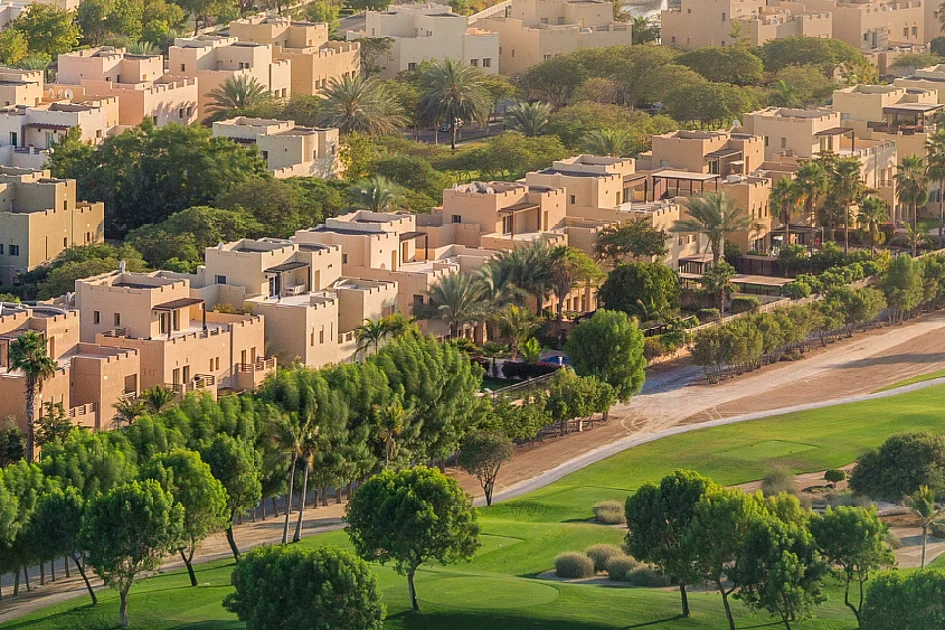
Dubai’s residential real estate market has experienced significant growth in the first half of 2025, driven by the success of master-planned communities such as Dubai Hills Estate and Emirates Living. These neighborhoods, developed by Emaar, have become architectural marvels and economic powerhouses, offering a unique blend of luxury, livability, and investment potential. Dubai Hills Estate, strategically located between Downtown Dubai and Dubai Marina, has emerged as a dynamic submarket with seamless connectivity to major business hubs. The community boasts an 18-hole championship golf course, Dubai Hills Mall, King’s College Hospital, and top-tier schools like GEMS Wellington Academy. Off-plan transactions surged from 1,149 in 2021 to 5,693 in 2024, while ready transactions remained steady at around 1,400 annually, reflecting strong investor confidence. Sales prices have also climbed, with off-plan homes reaching Dh2,479 per square foot and ready homes at Dh2,363 per square foot by H1 2025. The rental market is equally robust, with studio rents rising from Dh85.5K in 2021 to Dh134.9K in H1 2025. Emirates Living, spanning 52 million sq.ft, includes Emirates Hills, The Meadows, The Springs, and The Lakes, catering to distinct lifestyle and budget segments. Transaction volumes have remained consistent, averaging 760–800 annually over the past four years, with the average price per square foot more than doubling since 2021. Together, these communities are driving Dubai’s property market forward, setting benchmarks for capital growth, rental yields, and lifestyle quality.
标签: Africa
非洲
-

Nature’s light show: UAE shores glow blue with unique bioluminescence
Dubai’s shores have recently been transformed into a mesmerizing natural light show, as bioluminescence has illuminated the waters, captivating nature enthusiasts and locals alike. This rare phenomenon, caused by tiny microorganisms called plankton, emits a bluish glow under specific environmental conditions—warm, calm waters, and complete darkness, away from city lights. The spectacle has drawn crowds to various beaches across the emirate, with many describing it as a “magical” experience. Muhammed Sajjad, known as the ‘UAE weatherman’ on social media, first spotted the phenomenon last week and shared the news with his followers. He emphasized that witnessing bioluminescence is a bucket-list experience for nature lovers due to its breathtaking beauty. Sajjad also identified a public beach at Dubai Islands as an ideal spot for viewing, prompting many to visit and share their awe-inspiring encounters. While the phenomenon is not entirely rare, it requires precise conditions to be visible. This marks the second time in recent years that bioluminescence has been observed in the UAE, with previous sightings in Jumeirah and Umm Al Quwain. The event has sparked interest among residents, with some even planning trips to Oman’s Sur city, where similar occurrences have been reported. Despite the challenge of capturing the glow in photographs, the experience remains unforgettable for those fortunate enough to witness it.
-
Mali is squeezed as militants enforce a fuel blockade
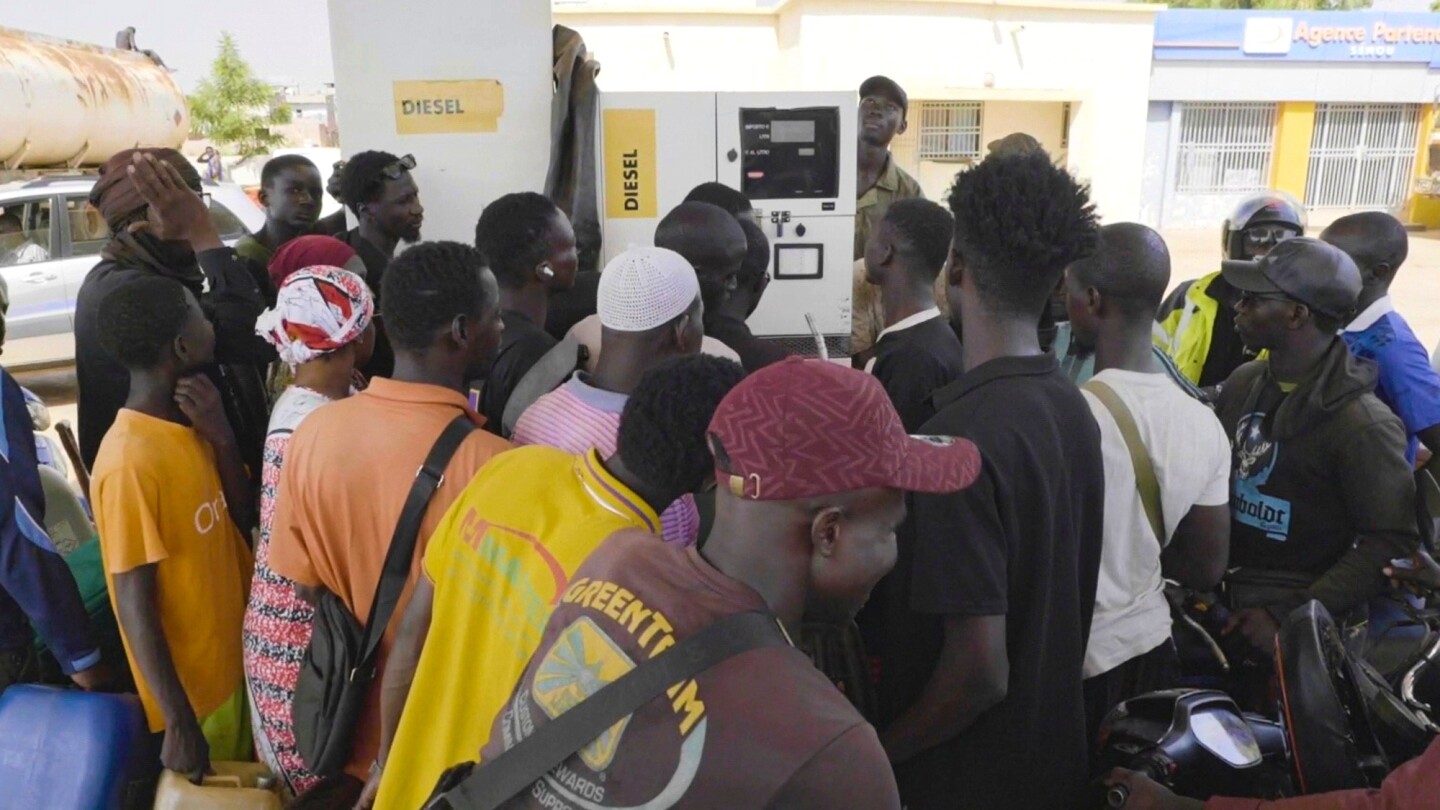
The West African nation of Mali is grappling with a severe crisis as jihadi militants enforce a blockade on fuel imports, crippling the country’s economy and daily life. Education Minister Amadou Sy Savane announced on Sunday that schools nationwide will remain closed for two weeks due to fuel shortages, which have made it nearly impossible for staff and workers to commute. Mali, a landlocked country of 25 million people, heavily relies on fuel imports from neighboring Senegal and Ivory Coast, making the blockade a significant blow to its already fragile economy. The blockade was imposed by the al-Qaida-linked Jama’at Nusrat al-Islam wal-Muslimin (JNIM) group in early September, following government efforts to cut fuel supplies to remote areas as a strategy to weaken the militants. This move has left hundreds of fuel trucks stranded at the border, exacerbating the crisis. JNIM, the most potent armed group in the Sahel region, has targeted transport companies along major roads, forcing many to halt operations. Analysts suggest the blockade is a strategic effort to undermine Mali’s military junta, which came to power in a 2020 coup, by pressuring commercial operators and residents to distance themselves from the government. Despite military attempts to escort fuel trucks and conduct airstrikes against JNIM, the lack of air power has limited their effectiveness. The blockade has led to skyrocketing commodity prices, worsening living conditions for millions, with long queues forming at gas stations in the capital, Bamako. Mali, one of Africa’s top gold producers, remains one of the world’s least developed nations, with nearly half its population living in poverty. The crisis highlights the deepening security challenges in the Sahel region, where JNIM is actively destabilizing governments in Mali, Burkina Faso, and Niger.
-
Sudan’s paramilitary forces announces full control of El Fasher city
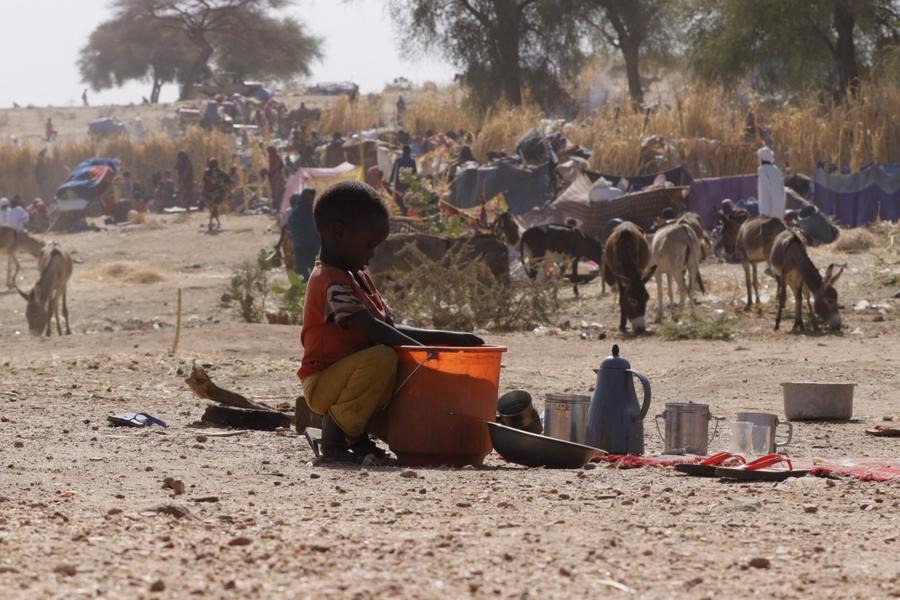
In a significant development in Sudan’s ongoing civil war, the paramilitary Rapid Support Forces (RSF) declared on Sunday that they have secured full control of El Fasher, the capital of North Darfur State. The RSF described the capture as a ‘pivotal moment,’ emphasizing the city’s symbolic, strategic, and military importance. The announcement was made via a statement on Telegram, accompanied by videos on social media platform X showing RSF fighters celebrating outside the Sudanese army’s Sixth Infantry Division headquarters, their last stronghold in the Darfur region. However, the Sudanese Armed Forces (SAF) have yet to issue an official response, and local reports suggest that battles in El Fasher may still be ongoing. The El Fasher Resistance Committees, a volunteer group, confirmed that fighters remain steadfast despite the RSF’s claims. El Fasher, the last major administrative center in Darfur under SAF control, has been under siege since May 2024, exacerbating a humanitarian crisis marked by heavy casualties and widespread displacement. The conflict between the SAF and RSF, which began in April 2023, has claimed tens of thousands of lives and displaced millions, deepening Sudan’s humanitarian catastrophe.
-
Sudan’s paramilitary forces push into the army’s last Darfur stronghold, killing dozens of civilians
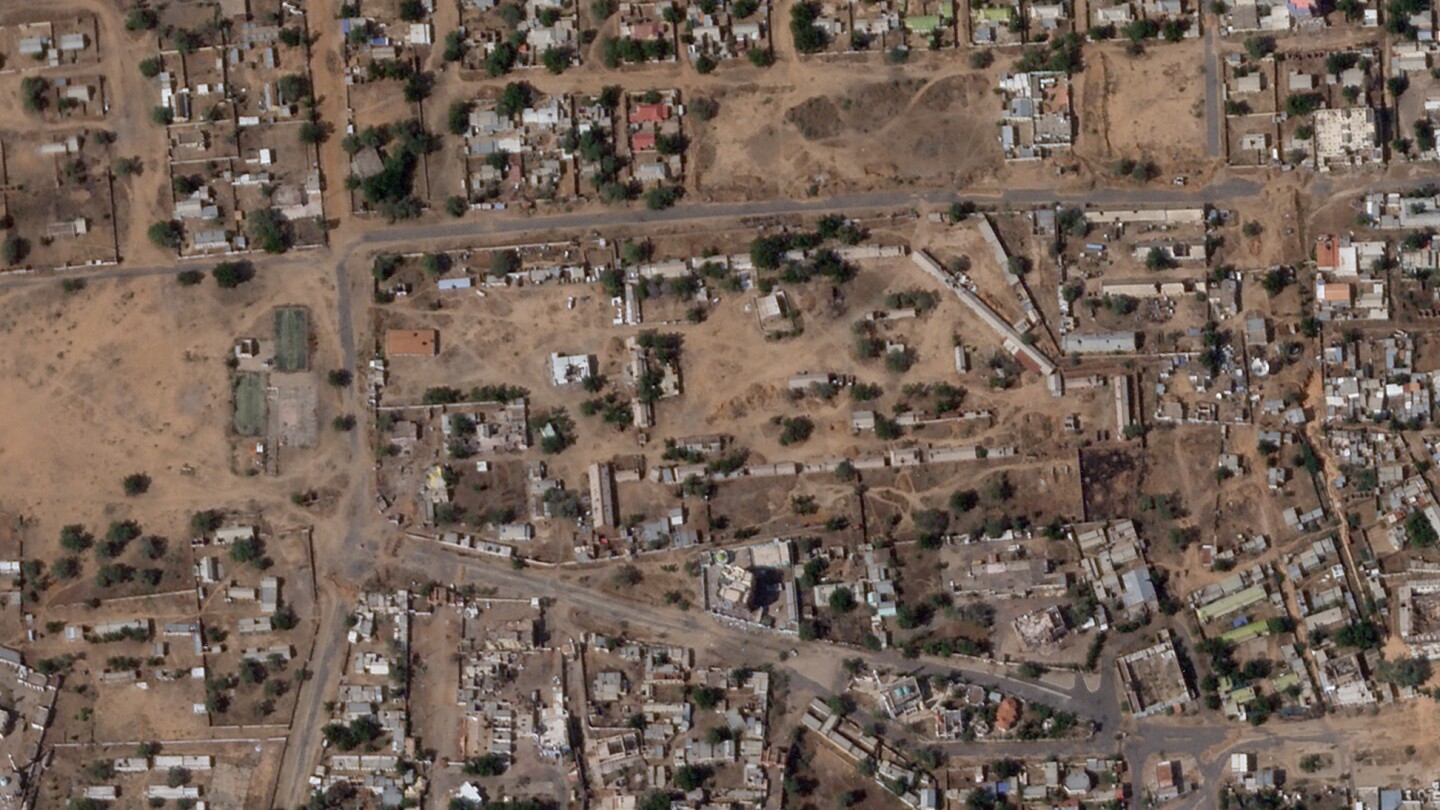
In a significant escalation of Sudan’s ongoing conflict, paramilitary forces known as the Rapid Support Forces (RSF) have captured a crucial military base in el-Fasher, the last stronghold of the Sudanese army in the Darfur region. This development, reported by activists and aid groups on Monday, marks a turning point in the war that has ravaged the country since April 2023. The RSF’s advance has resulted in widespread civilian casualties, destruction of health infrastructure, and the displacement of hundreds of thousands of people. Medical groups reported dozens of deaths, though exact casualty figures remain unclear. El-Fasher, the provincial capital of North Darfur, has been a focal point of the conflict for over a year, with its fall potentially signaling a dangerous new phase in the war. The RSF, which originated from the notorious Janjaweed militias, has been accused of systematic targeting of civilians, arbitrary detentions, and acts amounting to war crimes. Satellite imagery analyzed by The Associated Press and the Humanitarian Research Lab at Yale University confirmed the RSF’s advance and the damage inflicted on the military base. The United Nations has expressed deep alarm over the humanitarian crisis, with hundreds of thousands of civilians trapped in dire conditions. The conflict has already claimed over 40,000 lives and displaced more than 14 million people, creating the world’s worst humanitarian crisis. The International Criminal Court is investigating alleged war crimes and crimes against humanity in the region.
-
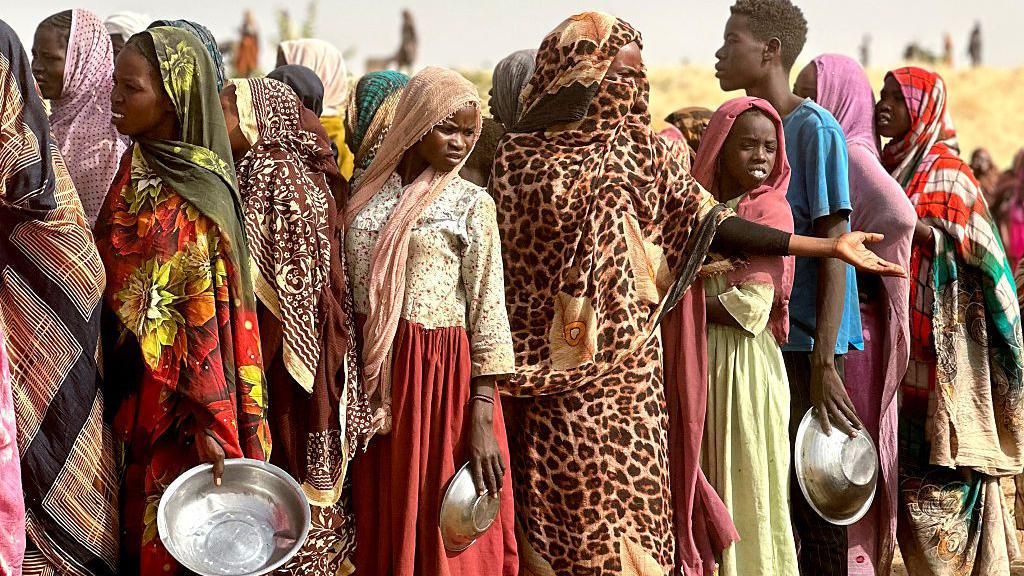
UN pleads for safe passage for civilians trapped in war-hit Sudan city
The Sudanese city of el-Fasher has become the epicenter of a deepening humanitarian crisis as paramilitary forces, the Rapid Support Forces (RSF), claim control over the army’s main base in the region. Despite the RSF’s declaration, Sudan’s military has yet to acknowledge the loss of this strategic stronghold, which would mark a significant turning point in the ongoing civil war. El-Fasher, the last remaining army foothold in Darfur, has been under siege by the RSF and its allies for 18 months, with intense fighting erupting since Saturday after the RSF captured the North Darfur governor’s residence. Verified social media footage shows RSF fighters celebrating their alleged victory, though local army allies report that clashes persist in parts of the city. The RSF has been accused of targeting civilians in airstrikes and trapping nearly 250,000 people by encircling the city with an earth wall, leaving many on the brink of starvation. The United Nations has described el-Fasher as an ‘epicenter of suffering,’ with UN humanitarian official Tom Fletcher expressing deep alarm over civilian casualties and the dire conditions faced by those trapped. Fletcher emphasized the urgent need for safe passage and access to aid for civilians, a call echoed by the United States, which is actively seeking to broker a ceasefire. The capture of el-Fasher would represent a crucial comeback for the RSF following their defeat in Khartoum, but it also signals the likelihood of prolonged conflict rather than resolution. Since 2023, Sudan has been engulfed in a devastating power struggle between the RSF and the Sudanese army, resulting in over 150,000 deaths and displacing approximately 12 million people. The army retains control over much of the north and east, while the RSF dominates Darfur and large parts of Kordofan. The RSF has previously expressed ambitions to establish a rival government in el-Fasher, further complicating the path to peace. As the crisis deepens, the international community continues to call for immediate action to alleviate the suffering of civilians caught in the crossfire.
-
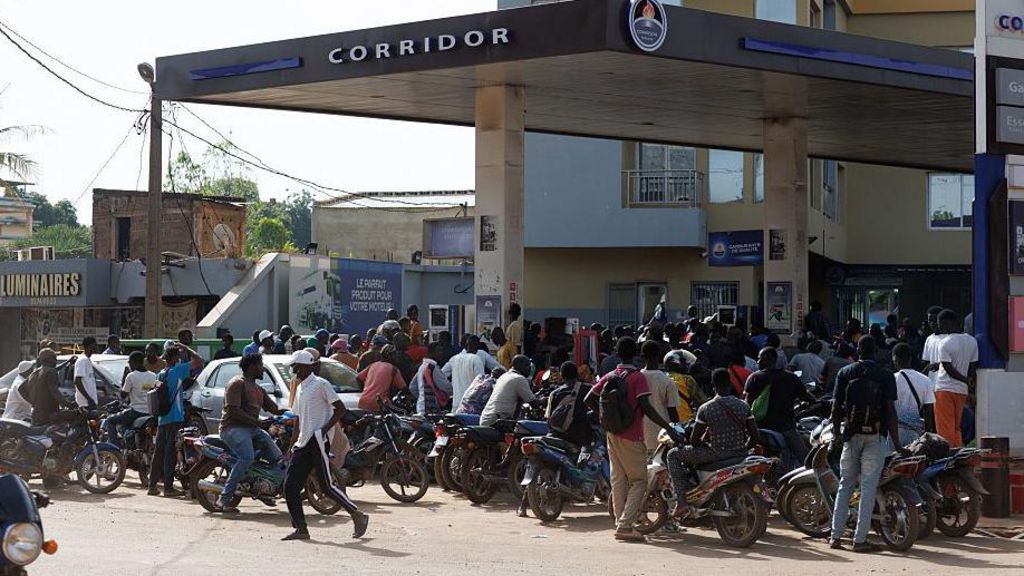
Mali shuts schools and universities as jihadist blockade worsens fuel crisis
Mali has been plunged into a deepening crisis as schools and universities across the nation have been forced to suspend operations due to a severe fuel shortage. The disruption stems from a blockade on fuel imports imposed by Islamist insurgents, who have targeted tankers on major highways. Education Minister Amadou Sy Savane announced the suspension on state television, stating that all educational institutions will remain closed until November 9. The decision was made to address the logistical challenges faced by staff and students in commuting amid the fuel scarcity. The government has assured the public that it is working tirelessly to resolve the crisis and resume classes by November 10. The capital, Bamako, has been particularly hard-hit, with long queues forming at petrol stations and the city’s bustling streets now eerily quiet. Mali, a landlocked country, relies entirely on fuel imports from neighboring nations such as Senegal and Ivory Coast, making it vulnerable to such blockades. The military government, led by General Assimi Goïta, has struggled to contain the crisis despite earlier assurances that the fuel shortage was temporary. The situation has escalated to the point where the US Embassy in Bamako has evacuated non-essential diplomatic staff and their families, citing worsening fuel shortages and heightened security concerns. The embassy warned that the fuel disruptions could lead to unpredictable security challenges and have already impacted electricity supplies. Mali’s ongoing instability is rooted in a complex history of insurgency, with Islamist militants gaining control over large swathes of the north and east. The military junta, which seized power in a 2021 coup, initially enjoyed popular support for its promises to address the security crisis. However, the withdrawal of UN peacekeeping forces and French troops has left the government reliant on Russian mercenaries to combat the insurgency, with limited success. The current fuel blockade underscores the persistent threat posed by jihadist groups and the broader challenges facing Mali’s fragile governance.
-
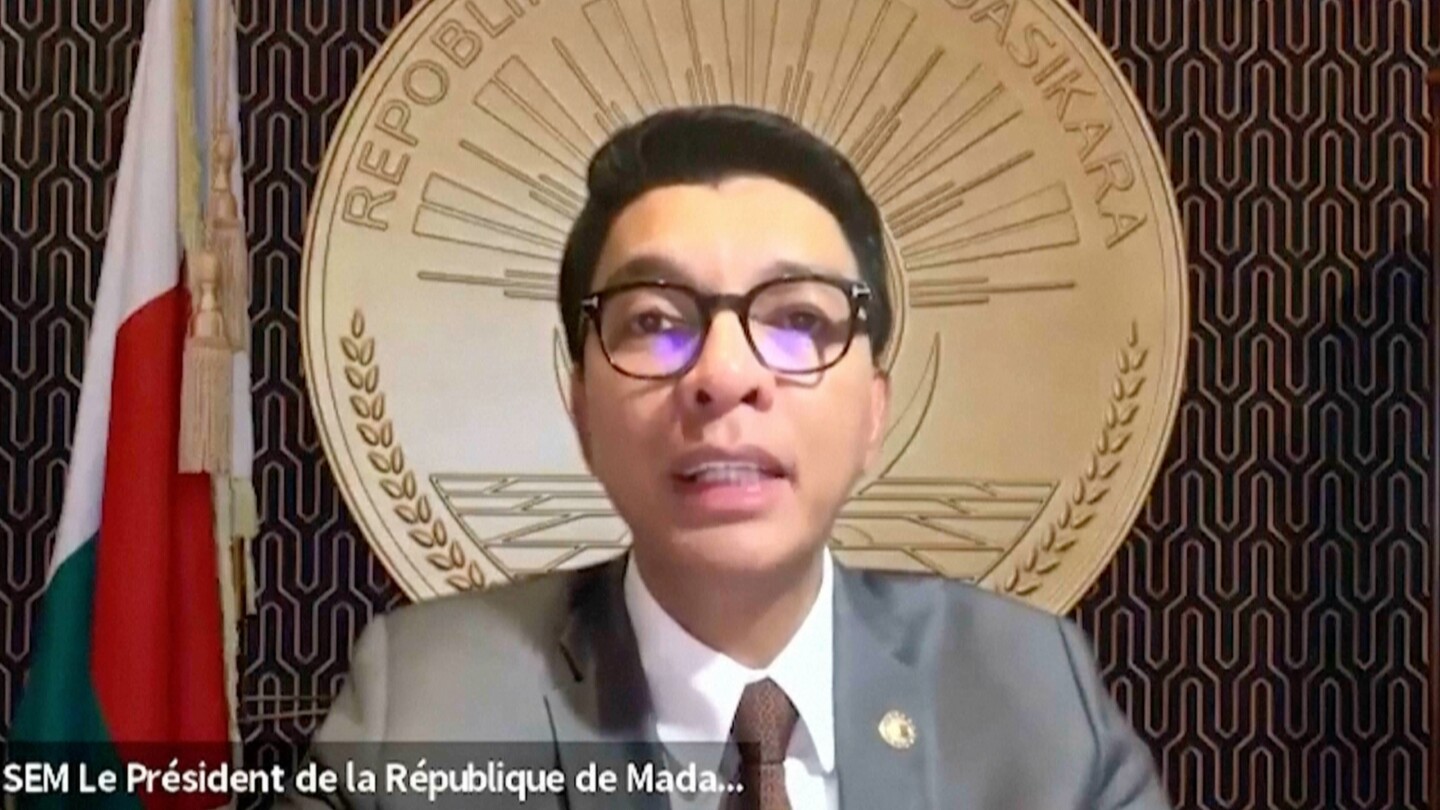
Former Madagascar president Andry Rajoelina stripped of citizenship after military takeover
In a dramatic turn of events, former Madagascar President Andry Rajoelina has been stripped of his Malagasy citizenship following his ousting in a military coup just over a week ago. Rajoelina, who also holds French citizenship, fled the country amid widespread protests demanding his resignation. His current whereabouts remain unknown. The new Prime Minister, Herintsalama Rajaonarivelo, has enacted a decree that revokes the citizenship of any Malagasy individual holding dual nationality, a move that directly impacts Rajoelina. This development follows intense scrutiny over Rajoelina’s eligibility to run in the 2023 presidential election, which he ultimately won. The protests, led predominantly by the youth, were initially sparked by chronic issues such as water and electricity shortages but quickly escalated to address broader grievances like poverty and unemployment. The unrest culminated in a violent crackdown by security forces, resulting in 22 deaths and over 100 injuries, according to the United Nations. Rajoelina, who expressed fears for his life, addressed the nation from an undisclosed location shortly before the military takeover. Colonel Michael Randrianirina has since been sworn in as the new president. Madagascar, which gained independence from France in 1960, has a tumultuous history of political instability, with Rajoelina himself first rising to power following a coup in 2009.
-
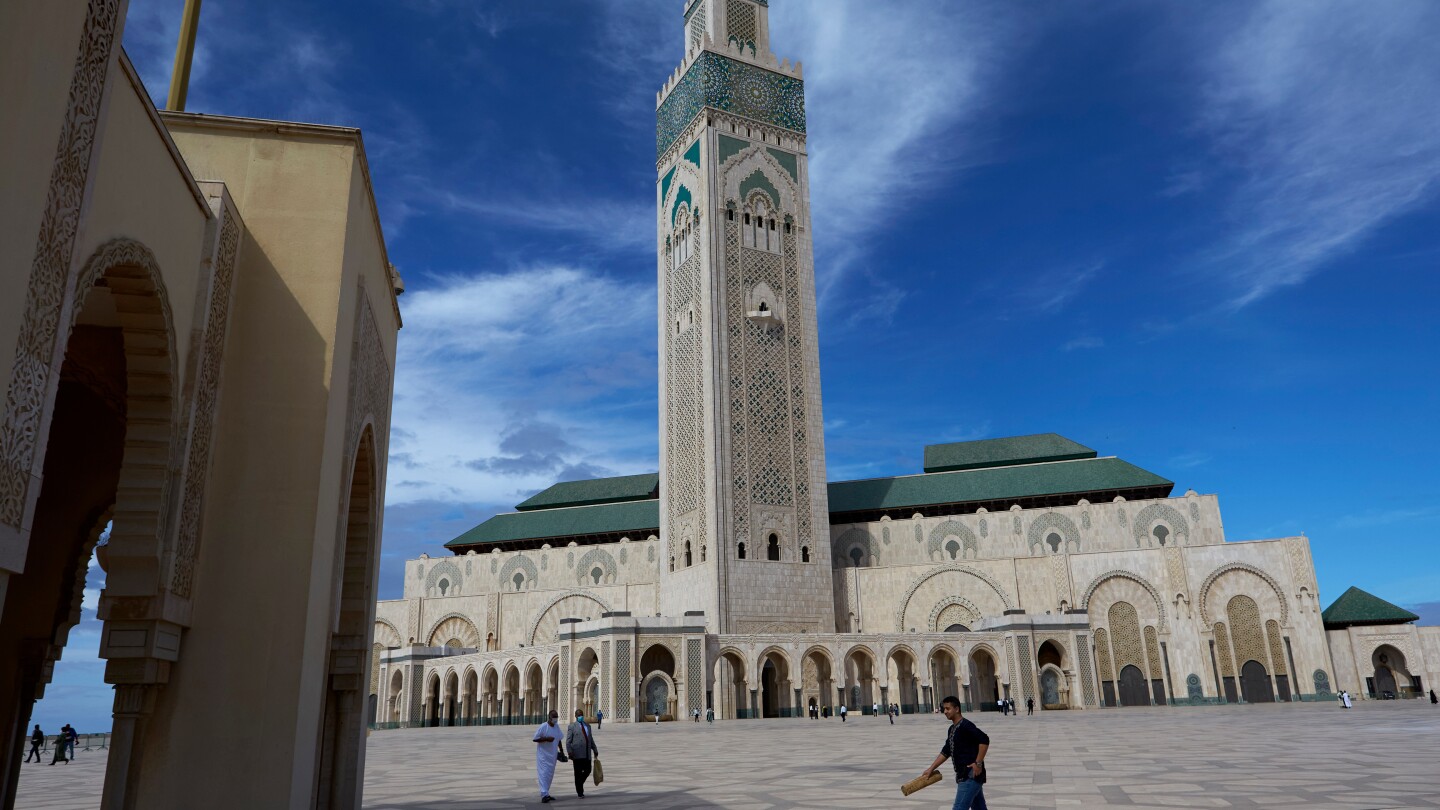
Sermons urge youth to take part in public affairs in Morocco after wave of protests
In a striking move to address rising youth discontent, Morocco’s government has taken to the pulpit to deliver a unified message across the nation’s mosques. On Friday, imams in over 53,000 mosques, including one in Rabat, delivered a government-written sermon urging parents to involve their children in public affairs. The sermon, broadcast live on public television, emphasized the importance of civic participation, national loyalty, and the role of youth in shaping Morocco’s future. This initiative comes in the wake of widespread protests led by the Gen Z 212 movement, which has been demanding better social and economic conditions and accountability from the government. The protests, organized via social media platforms like Discord, have been marked by acts of vandalism, arrests, and even fatalities. While the sermon did not directly address the protests, it was widely interpreted as an attempt by the government to engage with the youth and steer them toward constructive dialogue. Critics, however, argue that the state’s control over sermon content turns mosques into tools for promoting government policies. In response to the unrest, the government has announced new measures, including a draft bill to simplify election candidacy requirements for individuals under 35 and a record $15 billion allocation for health and education in the 2026 budget. Despite these promises, weekend protests saw lower-than-expected turnout, with only dozens attending a gathering in Casablanca. Analysts like Dr. Driss El Ganbouri suggest that while sermons can influence public opinion, they must be backed by tangible actions to gain the trust of the younger generation.
-
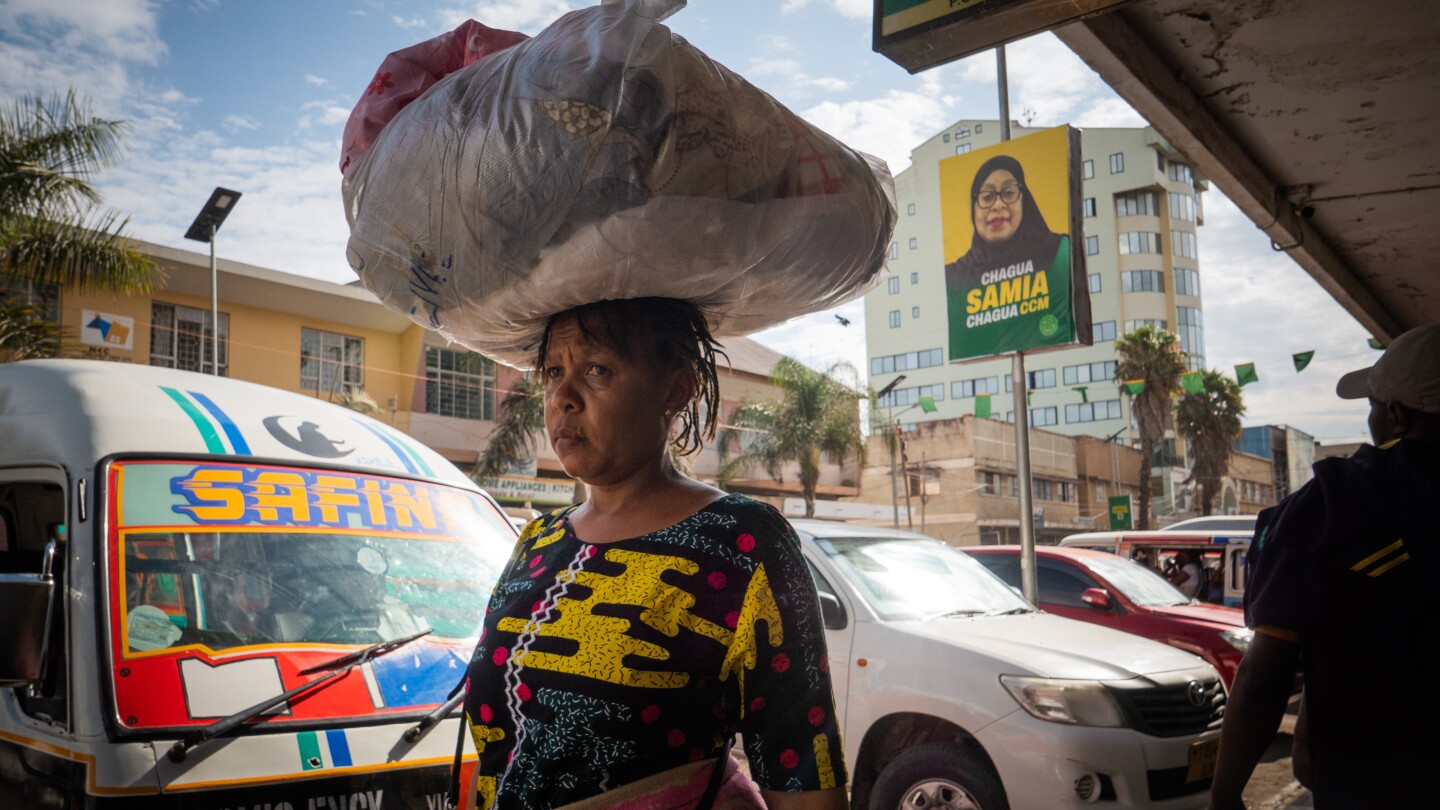
Tanzania goes to vote in elections set to keep the same party in power for 7 decades
Tanzania is set to hold a pivotal election on Wednesday, with President Samia Suluhu Hassan widely anticipated to secure another term. The ruling Chama cha Mapinduzi (CCM) party, in power since the country’s independence from Britain in 1961, faces minimal opposition, a trend that has persisted for decades. Despite Tanzania’s multiparty democratic framework, the political landscape remains dominated by CCM, raising concerns about the erosion of democratic principles.