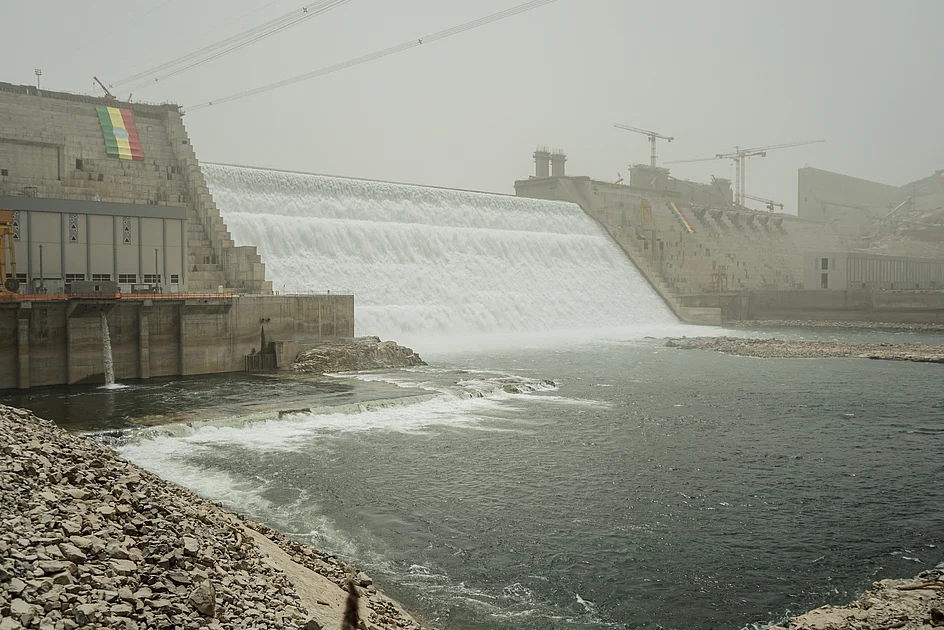
Ethiopia has officially launched the Grand Ethiopian Renaissance Dam (GERD), Africa’s largest hydroelectric project, marking a significant milestone in the nation’s development ambitions. The $5 billion dam, situated on a tributary of the River Nile, is expected to generate up to 5,150 MW of electricity, providing power to millions of Ethiopians and enabling energy exports to neighboring countries. However, the project has exacerbated long-standing tensions with downstream Egypt, which relies on the Nile for 90% of its freshwater supply. Egypt fears the dam could disrupt its water access during droughts and has vehemently opposed the project, citing violations of colonial-era water treaties. Sudan, another downstream nation, has joined Egypt in calling for legally binding agreements on the dam’s operation but could benefit from improved flood management and affordable energy. The GERD has become a symbol of national unity in Ethiopia, which funded the project domestically without foreign assistance. Despite the geopolitical rift, Ethiopian Prime Minister Abiy Ahmed has emphasized the dam’s potential as a ‘shared opportunity’ for regional development. Independent studies indicate no significant disruptions to downstream water flow so far, attributed to cautious reservoir filling during wet seasons. However, rural Ethiopians may face delays in accessing the dam’s benefits, as only half of the population is connected to the national grid. The dam’s reservoir has flooded an area larger than Greater London, promising steady water supply for hydropower and irrigation while mitigating floods and droughts. Meanwhile, Ethiopia’s strategic plans to gain access to the Red Sea via Eritrea or Somalia have further strained relations with Egypt, which has backed Ethiopia’s regional adversaries. Analysts warn that tensions over the dam could escalate, potentially destabilizing the region.
标签: Africa
非洲
-
UAE offers condolences to Nigeria over boat accident that left 29 dead
The United Arab Emirates (UAE) has expressed its profound condolences to Nigeria following a devastating boat accident that claimed the lives of 29 individuals. The tragic incident occurred in the north-central Niger state, where an overloaded boat carrying 80 passengers capsized while crossing the Malale River. According to the State Emergency Management Agency (SEMA), the accident was caused by overloading and a collision with a tree stump. Rescuers managed to save 50 people, but 29 bodies were recovered, with two individuals still missing. The UAE Ministry of Foreign Affairs conveyed its heartfelt sympathies to the families of the victims and the Nigerian government, wishing a swift recovery for the injured. This incident underscores the urgent need for improved safety measures in river transportation across the region.
-
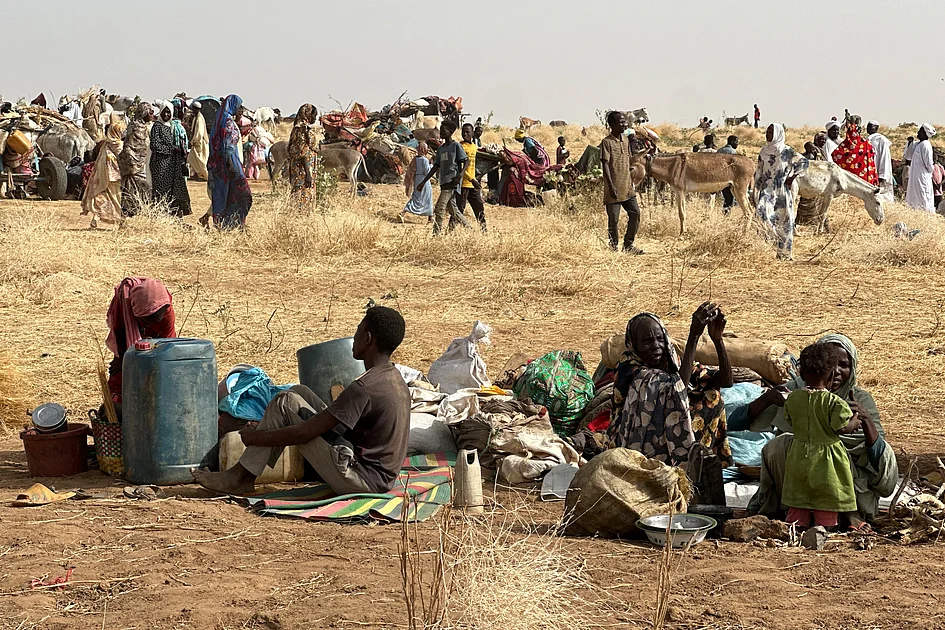
Sudan: Over 1,000 killed in Darfur landslide; only 1 survivor, says armed group
A devastating landslide in Sudan’s western Darfur region has resulted in the tragic deaths of over 1,000 people, with only one survivor reported, according to a statement released by the Sudan Liberation Movement/Army (SLM/A) late Monday. The disaster occurred on Sunday following days of relentless heavy rainfall, obliterating the village of Tarasin in the Marra mountains. The SLM/A, which controls the area, described the event as ‘massive and devastating,’ noting that the landslide flattened the village and completely destroyed a significant portion of the region renowned for its citrus production. The group has urgently appealed to the United Nations and various aid organizations for assistance in recovering the deceased. This calamity adds to the ongoing humanitarian crisis in Sudan, where a bloody civil war, now in its third year, has exacerbated conditions, particularly in Darfur. The conflict has intensified in recent months, especially in El-Fasher, following the army’s takeover of the capital, Khartoum, in March. The situation in Darfur remains dire, with famine declared in several areas, underscoring the urgent need for international intervention and support.
-
UN World Food Programme says Yemen’s Houthis detained agency employee
In a concerning development, Yemen’s Houthi rebels have detained an employee of the United Nations World Food Programme (WFP) in the rebel-held capital of Sanaa. The incident occurred on Sunday, with fears that additional staff members may have been apprehended in other regions of the country. According to a statement issued by the WFP, local security forces entered their offices in Sanaa and detained one staff member, while reports suggest similar detentions in other areas. The agency is urgently seeking further information from Houthi authorities, who have controlled Sanaa since 2014 and now govern significant portions of Yemen. A security source revealed to AFP that seven WFP employees and three UNICEF workers were arrested following raids on their offices. The WFP condemned the arbitrary detention of humanitarian staff, emphasizing that the safety and security of personnel are crucial for delivering life-saving aid. This incident follows an Israeli airstrike on Sanaa last Thursday, which resulted in the death of the Houthi prime minister. In response, Houthi authorities arrested dozens of individuals on suspicion of collaborating with Israel. This is not the first time the Houthis have targeted UN and aid workers. Earlier this year, eight UN employees were detained, adding to dozens of personnel held since June 2024. The Houthis have accused these individuals of being part of an ‘American-Israeli spy network’ operating under the guise of humanitarian organizations—a claim vehemently denied by the UN. UN Secretary-General Antonio Guterres has repeatedly called for the immediate and unconditional release of detained personnel, describing the death of a WFP staffer in custody earlier this year as a ‘deplorable tragedy.’ Yemen, already grappling with one of the world’s worst humanitarian crises due to a decade-long civil war, relies heavily on international aid, with over half of its population in need of assistance. The arrests have forced the UN to curtail its operations and suspend activities in certain regions of the impoverished nation.
-
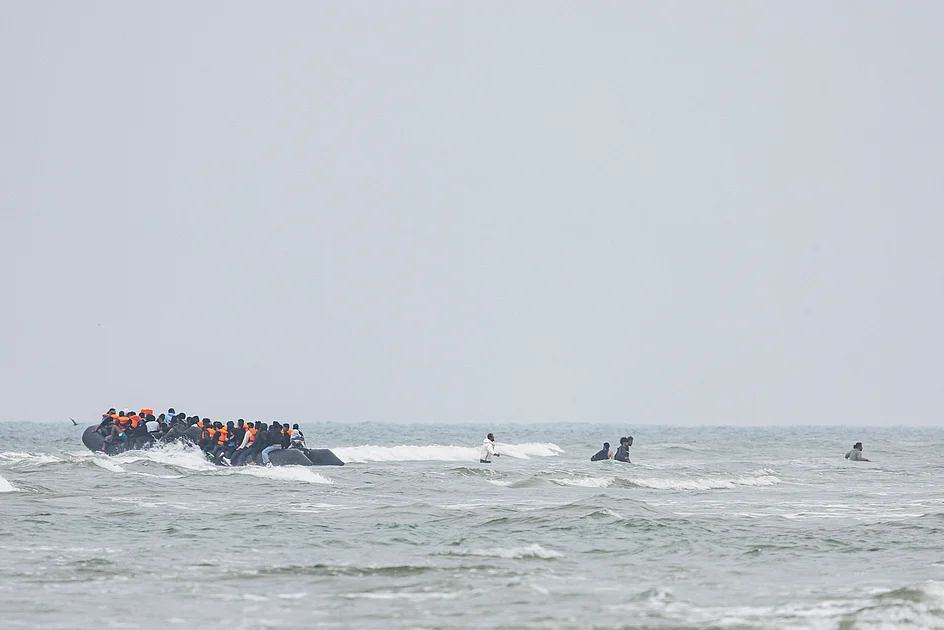
At least 70 killed, 30 feared dead after migrant boat capsizes off West Africa
In a devastating maritime disaster, at least 70 migrants lost their lives when a boat capsized off the coast of West Africa, according to a statement released by Gambia’s foreign affairs ministry on Friday. The vessel, believed to have departed from Gambia and carrying predominantly Gambian and Senegalese nationals, sank near Mauritania early Wednesday. Another 30 individuals are feared dead, bringing the potential death toll to over 100. The boat was reportedly carrying around 150 passengers, with only 16 survivors rescued so far. Mauritanian authorities have recovered 70 bodies, while witness accounts suggest the tragedy may have claimed even more lives. This incident marks one of the deadliest accidents along the perilous migration route from West Africa to Europe. The Atlantic migration route, particularly the journey from West Africa to Spain’s Canary Islands, is notorious for its dangers. Last year, over 46,000 irregular migrants reached the Canary Islands, a record number, according to the European Union. However, more than 10,000 died attempting the journey, a 58% increase from 2023, as reported by the rights group Caminando Fronteras. Gambia’s foreign affairs ministry has urged its citizens to avoid such hazardous voyages, which continue to claim countless lives. Mauritania remains a critical transit point for undocumented migrants from across Africa, many of whom risk their lives on overcrowded and unsafe vessels in pursuit of a better future in Europe. The tragedy underscores the ongoing humanitarian crisis and the urgent need for safer migration pathways.
-
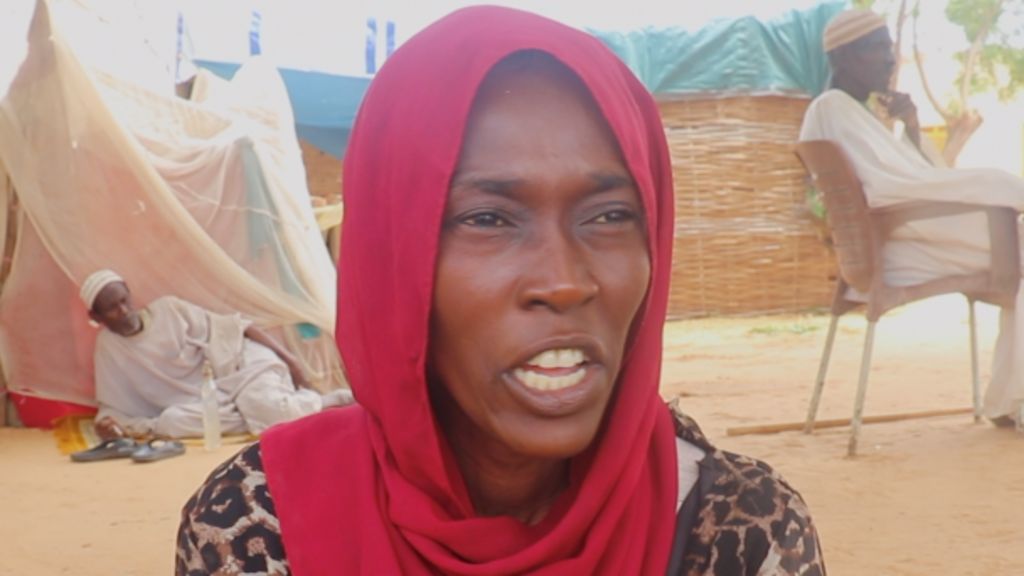
‘Our children are dying’: Rare footage shows plight of civilians in besieged Sudan city
The city of el-Fasher in Sudan has become a harrowing symbol of the ongoing civil war, as residents face starvation, disease, and relentless violence. Rare footage obtained by the BBC reveals the dire conditions inside the besieged city, where women at a community kitchen express their despair. ‘Our children are dying before our eyes,’ one woman laments, highlighting the innocence of those caught in the crossfire. Food scarcity has driven prices to unprecedented levels, with money that once bought a week’s worth of meals now covering just one. International aid organizations have condemned the deliberate use of starvation as a weapon of war, while a cholera outbreak exacerbates the crisis. Doctors Without Borders (MSF) reports nearly 100,000 cholera cases and 2,470 deaths in the past year, with el-Fasher at the epicenter. The conflict between the Sudanese army and the Rapid Support Forces (RSF) has raged for over two years, with el-Fasher emerging as one of the most brutal frontlines. The RSF has tightened its blockade, escalating attacks on the city. Despite the army’s clearance for aid convoys, the UN awaits official approval from the RSF, which accuses the army of using civilians as shields. Hospitals are overwhelmed, with shortages of medical supplies and therapeutic food. ‘The children of el-Fasher are dying daily due to lack of food and medicine,’ says Dr. Ibrahim Abdullah Khater. The international community has been urged to intervene as NGOs warn of a deliberate strategy to break civilians through hunger and fear. Meanwhile, displaced persons face violence and extortion as they flee to overcrowded camps, where cholera thrives due to polluted water and inadequate facilities. The situation remains catastrophic, with residents pleading for any form of assistance to end their suffering.
-

‘No way!’ – Wiegman surprised by Burna Boy at Euro 2025 ceremony
In an unforgettable moment during the Euro 2025 victory celebrations, England women’s football team manager Sarina Wiegman was left in awe as her favorite artist, Burna Boy, made a surprise appearance on stage in front of Buckingham Palace. The event, which marked the Lionesses’ triumphant win, saw thousands of fans gathered in London to celebrate the historic achievement. Wiegman, known for her composed demeanor, was visibly shocked and delighted by the unexpected encounter with the Nigerian superstar. The celebration not only highlighted the team’s success but also underscored the cultural significance of music and sports coming together. This unique moment added an extra layer of excitement to the festivities, leaving fans and players alike with a memory to cherish.
-
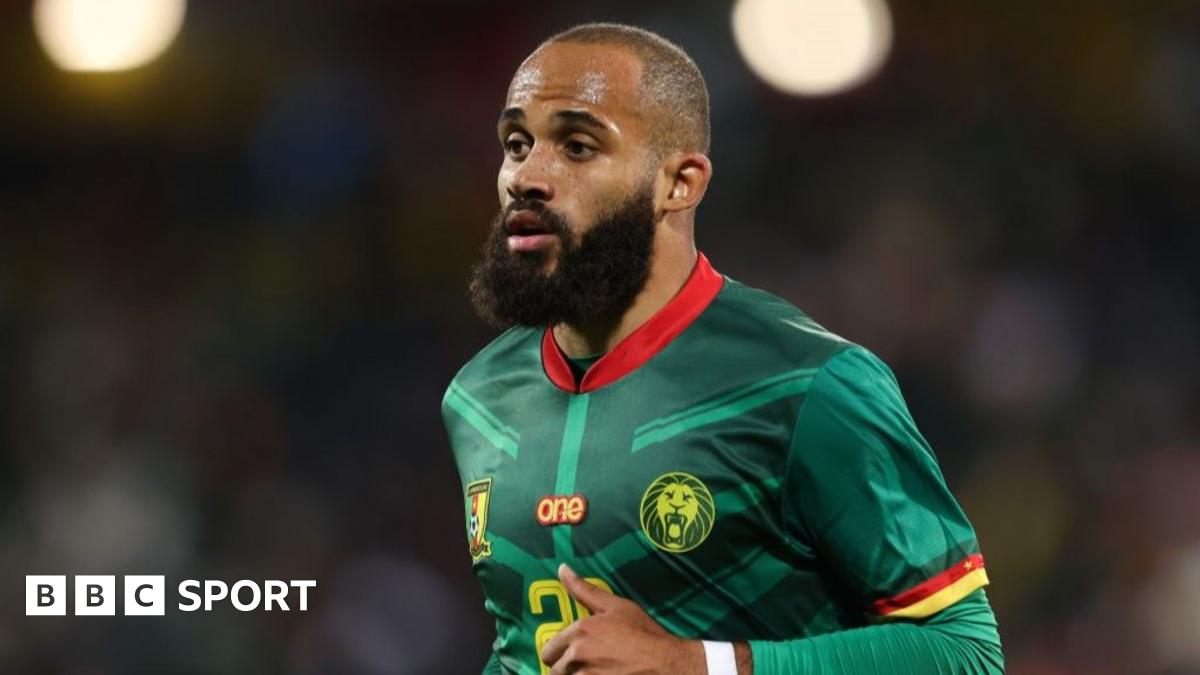
Which Premier League players are going to Afcon?
The upcoming 2025 Africa Cup of Nations (AFCON) in Morocco presents substantial challenges for Premier League clubs, with up to 43 players potentially departing for international duty during the critical winter fixture period. Scheduled from December 21, 2025, to January 18, 2026, the tournament coincides with six Premier League matchdays, the FA Cup third round, and EFL Cup semi-final first legs—potentially causing key players to miss up to eight crucial matches.
Liverpool’s Mohamed Salah and Manchester United’s new signing Bryan Mbuemo headline the list of prominent players expected to participate. While 50 African players currently feature in England’s top flight, several nations including Ghana, Gambia, and Guinea-Bissau failed to qualify, sparing players like Tottenham’s Mohammed Kudus and Bournemouth’s Antoine Semenyo from international call-ups.
Club impact varies significantly across the league: Sunderland faces the most substantial disruption with eight potential absentees, while Wolves, Nottingham Forest, and Crystal Palace each anticipate losing four players. Newcastle’s Yoane Wissa has already been excluded from DR Congo’s squad due to injury concerns. Notably, Arsenal, Chelsea, and Leeds United maintain squads without African players, insulating them from tournament-related disruptions.
Nigeria leads Premier League representation with nine players, followed by Ivory Coast and Senegal with six each. Brighton emerges as uniquely affected—though possessing multiple African players, their representatives hail from nations that didn’t qualify for the tournament.
The tournament’s scheduling continues a longstanding tension between international commitments and club obligations, forcing managers to devise contingency plans for approximately one month of depleted squads during the demanding winter period.
-
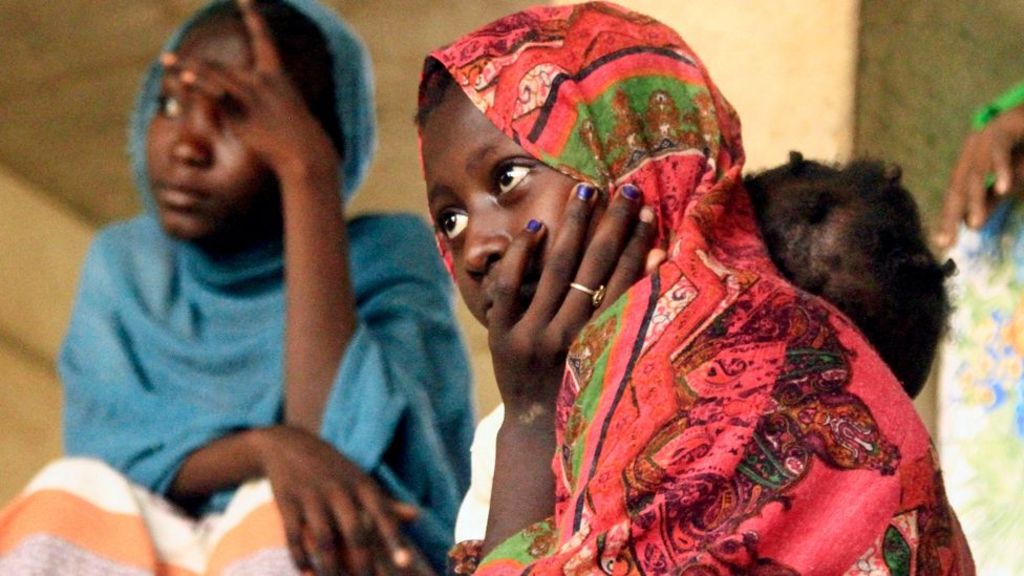
Sudan in danger of self-destructing as conflict and famine reign
Sudan’s protracted conflict has plunged the nation into a humanitarian catastrophe, with over half of its 45 million population displaced and nearly a million facing famine. The war, now in its 27th month, remains in a strategic deadlock, with neither the Sudanese Armed Forces (SAF) nor the Rapid Support Forces (RSF) able to secure a decisive advantage. The SAF, led by General Abdel Fattah al-Burhan, recently recaptured central Khartoum, showcasing newly acquired weaponry from Egypt, Turkey, Qatar, and Iran. However, their offensive quickly stalled. Meanwhile, the RSF, under General Mohamed Hamdan Dagalo (Hemedti), launched a devastating drone attack on Port Sudan, the interim capital and primary hub for humanitarian aid. The RSF has expanded its operations southward, striking alliances with rebel groups and besieging North Darfur’s capital, el-Fasher. The conflict has exacerbated ethnic tensions, with the RSF accused of genocide against the Massalit people in West Darfur. Civilians, who once united to overthrow former leader Omar al-Bashir, are now fragmented, with some aligning with Burhan, others with Hemedti, and many attempting neutrality. Despite international efforts, including a UN peace plan and a London conference, no credible peace process exists. The UAE and Saudi Arabia’s disagreements further complicate diplomatic resolutions. As the world’s largest humanitarian emergency worsens, multilateral organizations like the UN and African Union are called upon to prioritize Sudan’s crisis and remind global powers of their commitments to human rights and peace.
-
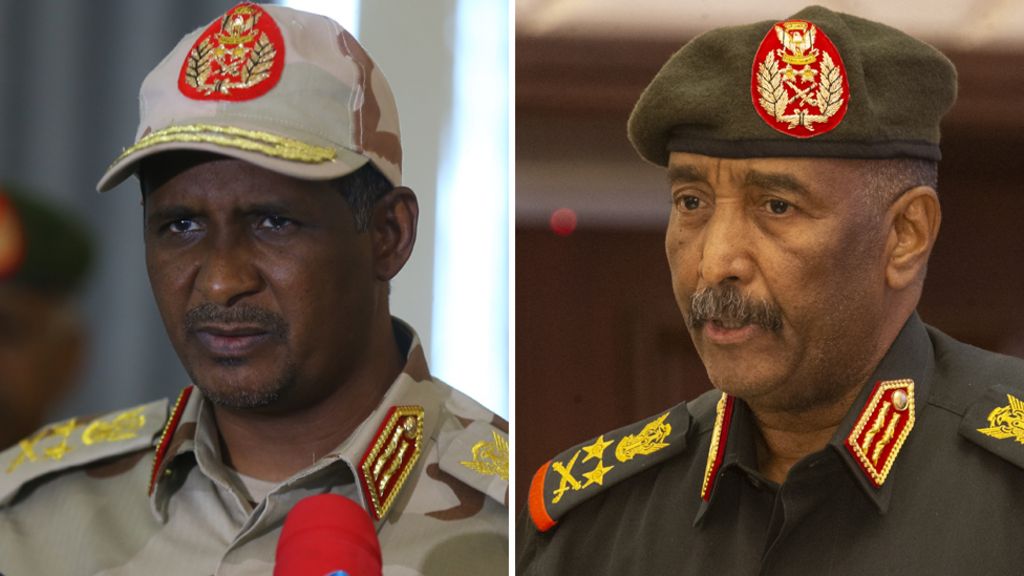
Sudan crisis: Burhan and Hemedti – the two generals at the heart of the conflict
The streets of Khartoum, Sudan’s capital, are now a battleground, echoing with explosions and shrouded in smoke. The country has plunged into chaos as two powerful generals, Abdel Fattah al-Burhan, leader of the Sudanese Armed Forces (SAF), and Mohamed Hamdan Dagalo, known as Hemedti, head of the Rapid Support Forces (RSF), engage in a fierce struggle for supremacy. Once allies in the 2019 coup that ousted former dictator Omar al-Bashir, their rivalry now threatens to dismantle the nation. Their relationship dates back to the Darfur conflict, where both played pivotal roles in counter-insurgency operations. Hemedti, once a militia leader, rose to prominence by aligning with the Saudi-led coalition in Yemen, while al-Burhan solidified his position within the SAF. Despite their past collaboration, tensions escalated after the 2021 military takeover, with al-Burhan accused of reinstating Bashir-era loyalists, prompting Hemedti’s dissent. Hemedti, often marginalized by Sudan’s elite, has sought to position himself as a national leader, advocating for democracy while consolidating power through his vast business empire. The current conflict centers on the integration of the RSF into the regular armed forces, a contentious issue that has reignited hostilities. As the fighting intensifies, civilians bear the brunt of the violence, and the future of Sudan hangs in the balance.