
The World Health Organization (WHO) has reported a concerning escalation in the Ebola outbreak in the Democratic Republic of Congo (DRC), with 48 confirmed cases and 31 fatalities as of Thursday. WHO Director-General Tedros Adhanom Ghebreyesus disclosed the figures during a press briefing held via video link from the organization’s headquarters in Geneva. The outbreak, declared by the DRC government two weeks prior, has raised alarms within the global health community. Health workers at the ALIMA (The Alliance for International Medical Action) Ebola treatment center in Beni are seen donning protective gear before entering the Biosecure Emergency Care Unit (CUBE), highlighting the rigorous measures being taken to contain the virus. The situation underscores the persistent threat of Ebola in the region and the critical need for international support and resources to combat the spread of the disease.
标签: Africa
非洲
-
South African central bank maintains key rate in split decision
In a closely watched decision, the South African Reserve Bank (SARB) maintained its benchmark interest rate at 7% during its latest Monetary Policy Committee (MPC) meeting on Thursday. The outcome followed a split vote, with four members advocating for unchanged rates and two pushing for a 25 basis point reduction. This decision comes as headline inflation in South Africa unexpectedly decelerated to 3.3% year-on-year in August, down from 3.5% in July, hovering near the lower end of the central bank’s 3%-6% target range. Economists had anticipated a tight call between a rate hold and a modest cut, reflecting the delicate balance between supporting economic growth and managing inflationary pressures. In July, the SARB had reduced its policy rate by 25 basis points, signaling a shift in its inflation targeting strategy from aiming for the midpoint (4.5%) to the lower bound (3%) of its target range. The central bank’s cautious approach underscores its commitment to stabilizing inflation while navigating economic uncertainties. The decision is expected to influence borrowing costs, consumer spending, and investor confidence in Africa’s largest economy.
-
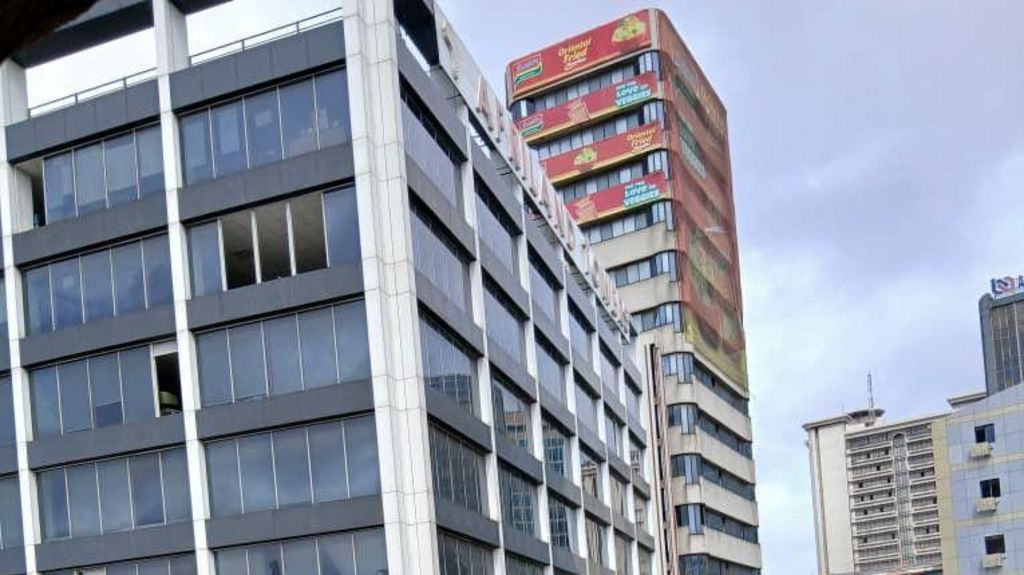
At least 10 dead in Lagos high-rise office building fire
A devastating fire engulfed a high-rise building in Lagos, Nigeria’s bustling commercial hub, resulting in the deaths of at least ten individuals and leaving 25 others injured. The incident, which occurred on Tuesday, unfolded at the seven-story Afriland Towers, a building housing numerous commercial enterprises. Disturbing footage circulating on social media captured desperate occupants leaping from the third and fourth floors as flames and thick smoke rapidly consumed the structure. Many of the victims were workers trapped inside, unable to escape the inferno. Survivors sustained severe burns, fractures, and respiratory issues from smoke inhalation, while others faced life-threatening trauma from jumping to safety. Witnesses described scenes of chaos and panic, with some individuals too terrified to leap and others resorting to makeshift ladders for rescue. The Lagos State Emergency Management Agency (Lasema) attributed the fire’s origin to the basement, where electrical equipment overheated due to poor maintenance and inadequate ventilation. The agency highlighted critical safety lapses, including the absence of mechanical smoke extraction systems, non-functional public address systems, and insufficient evacuation signage. Additionally, sealed windows and the incapacitation of facility managers exacerbated the crisis. Lasema managed to extinguish the blaze after several hours, but the incident has raised serious concerns about fire safety standards in Nigeria. President Bola Tinubu expressed his condolences to the bereaved families, while the Nigeria Federal Fire Service launched a comprehensive investigation into the causes, promising to implement all recommendations to prevent future tragedies.
-
Dollar choppy after Fed decision; pound steady after BoE keeps rates steady
Global currency markets experienced significant volatility on Thursday as traders digested key policy decisions from major central banks. The U.S. dollar initially plummeted following the Federal Reserve’s cautious stance on future interest rate cuts but later rebounded, reflecting mixed signals from policymakers. Meanwhile, the British pound remained steady after the Bank of England (BoE) opted to maintain interest rates and slow the pace of its quantitative tightening (QT) program. The BoE reduced its annual gilt sales from £100 billion to £70 billion, aligning closely with market expectations. Marion Amiot, chief UK economist at S&P Global Ratings, noted that the BoE is unlikely to ease monetary policy further this year. The euro saw modest gains, rising 0.1% against the pound, while gilt yields dipped slightly. In Norway, the Norges Bank cut interest rates by 25 basis points, as anticipated, signaling potential further reductions. The Norwegian crown remained stable despite the rate cut. In Japan, the yen weakened ahead of the Bank of Japan’s (BOJ) policy decision on Friday, with markets expecting no immediate rate hikes but pricing in a possible increase by March 2024. Elsewhere, the New Zealand dollar fell to its lowest level since September 8 after data revealed a 0.9% contraction in GDP for the second quarter, fueling speculation of policy easing by the Reserve Bank of New Zealand. Analysts remain divided on the implications of the Fed’s actions, with some viewing the rate cut as the first in a series, while others interpret Chair Jerome Powell’s comments as less dovish. The dollar index, which measures the greenback against a basket of major currencies, initially dropped to its lowest since February 2022 but later recovered, ending the day steady at 96.96. The currency markets’ turbulence underscores the ongoing uncertainty surrounding global economic conditions and central bank policies.
-
Oil India sees restart of Mozambique LNG project by year’s end
India’s state-run Oil India Ltd (OILI.NS) has announced that the $20-billion Mozambique liquefied natural gas (LNG) project, operated by French energy giant TotalEnergies (TTEF.PA), is expected to restart development by the end of 2025. The project, in which Oil India holds a stake, was halted in 2021 due to a deadly attack by Islamic State-linked insurgents, prompting TotalEnergies to declare force majeure. Speaking at the company’s annual shareholder meeting, Oil India Chairman Ranjit Rath expressed optimism about the project’s revival, citing improved security conditions and its strategic importance in meeting India’s growing gas demand. TotalEnergies CEO Patrick Pouyanne had previously indicated in June that development could resume ‘this summer.’ The project is a multinational venture, with TotalEnergies holding a 26.5% stake, Mitsui & Co (8031.T) owning 20%, Mozambique’s state-owned ENH at 15%, and Indian state firms ONGC Videsh, Bharat PetroResources, and Oil India collectively holding 30%. Thailand’s PTTEP (PTTEP.BK) owns the remaining share. Separately, Oil India reported significant dividends from its investments in Russian projects, including Vankorneft and Taas-Yuryakh, with $942 million received, representing 91% of its original investment. Full recovery of the investment is anticipated in the coming year.
-
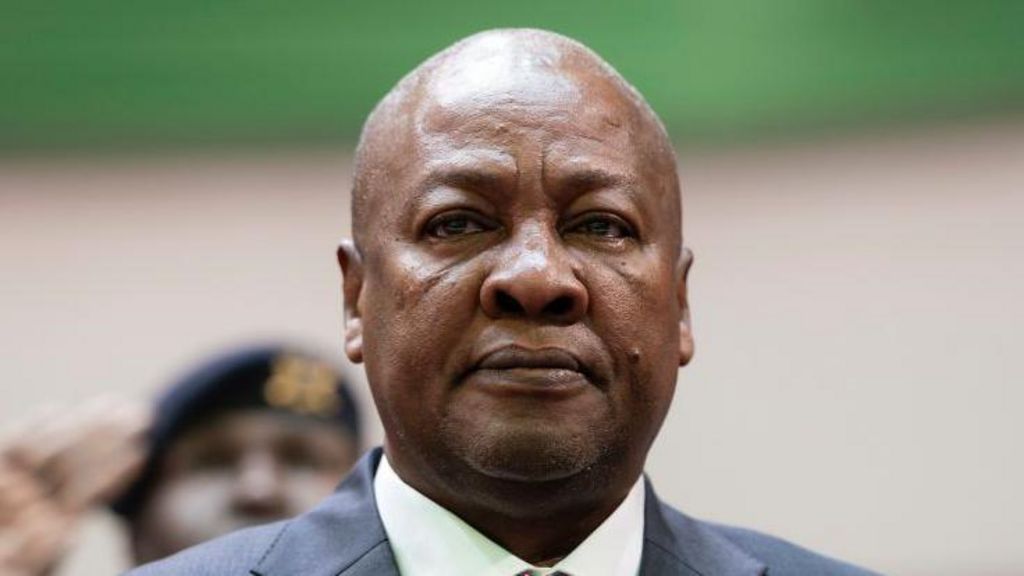
US deportees sue Ghana over ‘illegal’ detention
Ghana’s President John Mahama is under fire from opposition lawmakers for failing to present a controversial deportation agreement with the United States to parliament for ratification. The issue has escalated as 11 individuals deported from the US to Ghana have filed a lawsuit against the Ghanaian government, alleging unlawful detention. Their lawyer, Oliver-Barker Vormawor, claims the detainees have not violated any Ghanaian laws and are being held illegally in a military camp. He has demanded the government produce the group in court and justify their detention. The government has yet to respond to the lawsuit but has indicated plans to accept an additional 40 deportees. Opposition MPs are calling for an immediate suspension of the deportation deal until it is properly ratified by parliament, as required by Ghanaian law. The situation has sparked confusion, with conflicting statements from President Mahama and Foreign Minister Samuel Okudzeto Ablakwa regarding the status of the deportees. While Mahama stated that 14 deportees had been returned to their countries of origin, Ablakwa contradicted him, saying only most had been repatriated. Vormawor’s court filing asserts that 11 deportees remain in detention in Ghana. The deportations are part of the Trump administration’s stringent immigration policies, which have led to record-level deportations of undocumented migrants. Ghana’s foreign minister emphasized that the decision to accept the deportees was based on humanitarian principles and pan-African solidarity, not an endorsement of US immigration policies. Meanwhile, five of the detainees, including three Nigerians and two Gambians, have also sued the US government, arguing their deportation violated a court order.
-

Oil edges lower as traders weigh rate cut with worries over US economy
Oil prices experienced a second consecutive day of decline on Thursday, September 18, as market participants grappled with the implications of the Federal Reserve’s recent interest rate cut and broader concerns about the U.S. economy. Brent crude futures fell by 30 cents, or 0.4%, to $67.65 a barrel, while U.S. West Texas Intermediate (WTI) futures dropped by 30 cents, or 0.5%, to $63.75. The Federal Reserve’s decision to reduce its policy rate by a quarter of a percentage point on Wednesday, coupled with indications of further rate cuts throughout the year, aimed to address emerging weaknesses in the U.S. job market. While lower borrowing costs typically stimulate oil demand and elevate prices, the market remained clouded by persistent oversupply and subdued fuel demand in the United States, the world’s largest oil consumer. Kuwait’s oil minister, Tariq Al-Roumi, expressed optimism about a potential surge in oil demand, particularly from Asian markets, following the rate cut. However, some analysts remained skeptical, citing the Fed’s move as a response to a slowing economy rather than a catalyst for immediate price recovery. Federal Reserve Chair Jerome Powell highlighted the growing risks to employment compared to inflation, emphasizing the need for careful assessment and management of inflation risks. Additionally, U.S. crude oil stockpiles saw a sharp decline last week, driven by a record low in net imports and a significant increase in exports. However, a larger-than-expected rise in distillate stockpiles raised concerns about demand in the U.S., further pressuring oil prices. The market’s uncertainty underscores the complex interplay between monetary policy, economic indicators, and global oil supply dynamics.
-
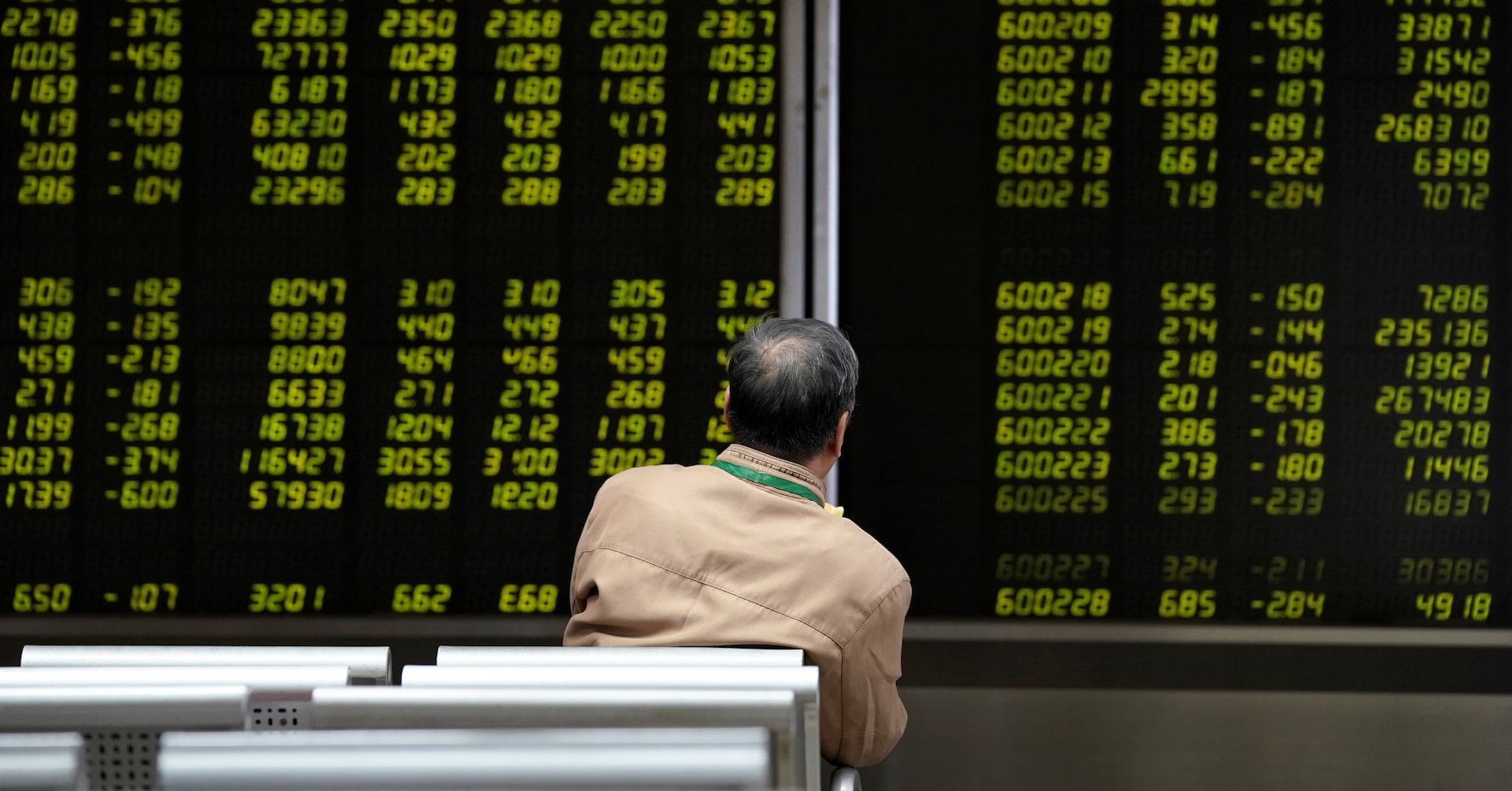
Stocks and dollar drift higher after Fed cut, focus turns to BoE
Global financial markets experienced a mixed yet cautiously optimistic response on Thursday following the U.S. Federal Reserve’s first interest rate cut of the year. The pan-European STOXX 600 index and Wall Street futures both rose by 0.5%, reflecting a steady sentiment despite initial volatility. Meanwhile, Asian markets, particularly in China, South Korea, Taiwan, and Japan, rallied overnight, with Chinese stocks reaching a 10-year high amid reports of U.S. chipmaker Nvidia being banned in China. The dollar edged 0.2% higher after hitting a 3.5-year low earlier in the week, providing some relief to non-U.S. exporters. Fed Chair Jerome Powell tempered expectations by emphasizing a measured approach to future rate cuts, with the ‘dot plot’ signaling two more reductions in 2025 and one in 2026. In Europe, the euro remained stable at $1.1825, while the pound held steady at $1.36 ahead of the Bank of England’s rate decision. Analysts anticipate the BoE may slow its bond reduction pace due to recent market volatility. French bond yields surpassed Italy’s, highlighting ongoing political uncertainties. Commodity markets saw Brent crude dip 0.2% to $67.87 per barrel, while gold rose 0.2% to $3,665 per ounce. The Norwegian crown softened slightly after a 25 basis point rate cut, and the Australian dollar slipped 0.4% following weaker-than-expected labor market data. Bond markets rallied, with U.S. 10-year Treasury yields dropping to 4.06%.
-

Egypt’s billboard boom strains eyes but raises profits
Cairo’s bustling streets, already notorious for their chaotic traffic, are now facing a new challenge: an overwhelming surge in flashy billboards. These large, brightly lit advertisements, which have more than doubled in number over the past six years, are raising concerns about driver concentration and the quality of life for residents. According to AdMazad, an advertising analytics firm, the number of billboards has skyrocketed from 2,500 in 2019 to approximately 6,300 today, with digital ads increasing more than tenfold to over 300 in the same period. This translates to more than 30 billboards per square kilometer in inhabited areas. The proliferation of these ads is largely attributed to the expansion of Egypt’s transport network under President Abdel Fattah al-Sisi, who has invested billions in new roads and bridges. While the advertising industry has become a significant source of government revenue, generating 6.3 billion Egyptian pounds ($130 million) in 2024, the psychological and visual impact on drivers and residents cannot be ignored. Psychotherapist Khaled Salaheldin warns that constant exposure to idealized lifestyles can lead to feelings of inadequacy, especially in a country grappling with inflation and subsidy cuts. In response, Egyptian Prime Minister Mostafa Madbouly has called for stricter regulations to ensure that advertisements preserve urban aesthetics and societal norms.
-
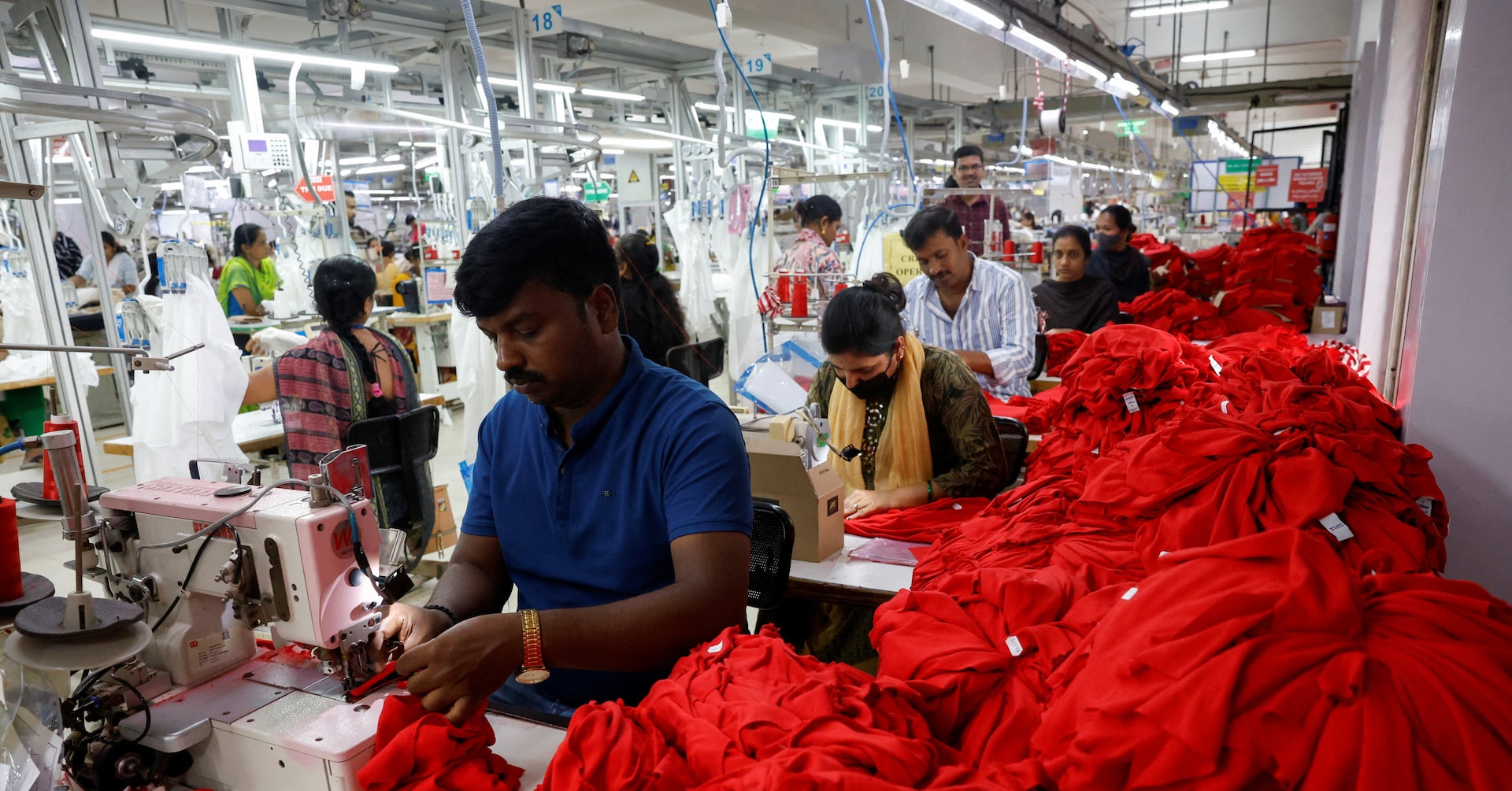
India’s Gokaldas eyes EU growth, Africa expansion to counter Trump’s tariffs
Indian textile giant Gokaldas Exports is strategically pivoting its operations to mitigate the impact of punitive U.S. tariffs, which threaten to erode its profit margins. The company, which generates approximately 75% of its standalone sales in the United States and serves major clients like Walmart, Gap, and JCPenney, anticipates a significant drop in its core profit margin to single digits in the first quarter of fiscal 2026, down from around 12%.