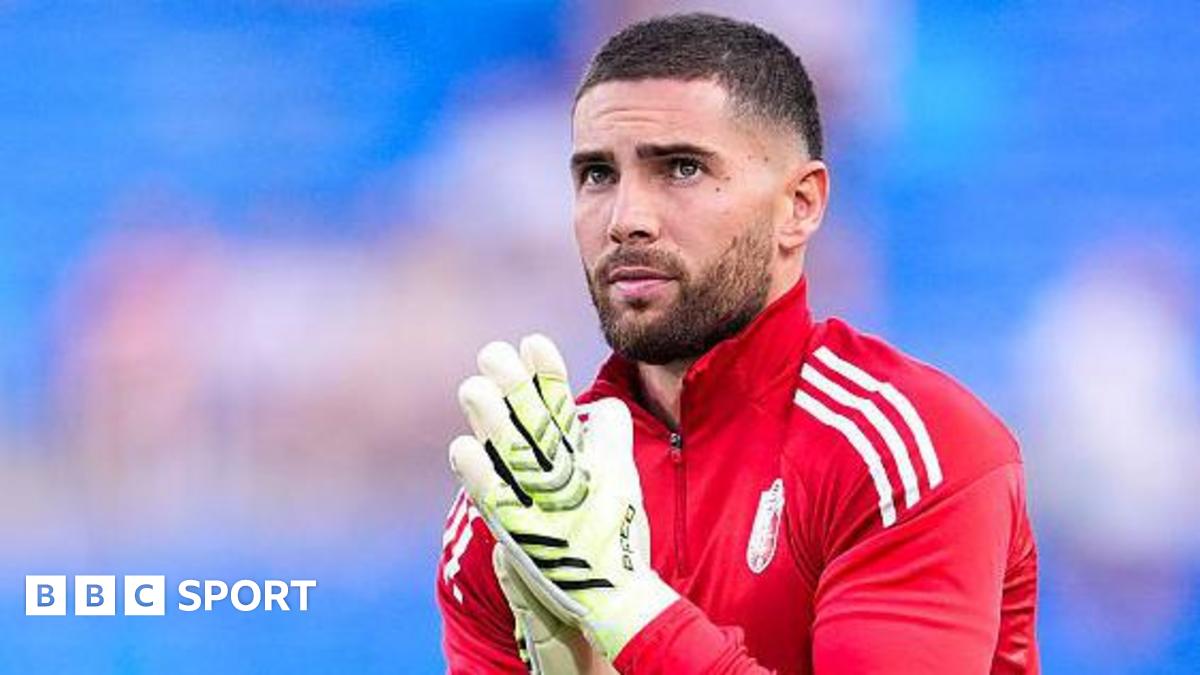
Luca Zidane, the 27-year-old goalkeeper and son of legendary French footballer Zinedine Zidane, has officially changed his international allegiance from France to Algeria. The decision, approved by FIFA, marks a significant shift in Zidane’s career and could pave the way for him to represent Algeria in the 2026 World Cup. Born just outside Marseille, Luca had previously represented France at various youth levels but now qualifies for Algeria through his father’s heritage. Zinedine Zidane’s parents hailed from the Kabylie region of Algeria, providing Luca with the eligibility to make the switch. Currently playing for Granada in Spain’s second tier, Luca has had a varied career, including brief stints at Real Madrid and Rayo Vallecano in La Liga. His move to Algeria comes as the national team prepares for a crucial World Cup qualifier against Somalia next month, with hopes of securing a spot in the 2026 finals in North America. Luca is the second of four brothers, all of whom trained at Real Madrid’s academy, continuing the Zidane family’s legacy in football. His father, Zinedine, is celebrated as one of the game’s greatest players, famously scoring twice in France’s 1998 World Cup final victory over Brazil. Luca’s decision to represent Algeria adds a new chapter to the Zidane family’s storied football history.
标签: Africa
非洲
-
South African rand steady as investors mull central bank decision, US trade talks
The South African rand remained stable on Friday as market participants digested the South African Reserve Bank’s (SARB) decision to maintain its benchmark interest rate at 7%. This decision came amidst a backdrop of cautious optimism following recent trade discussions between South Africa and the United States, aimed at addressing steep tariffs imposed by the U.S. government. At 0824 GMT, the rand traded at 17.3350 against the U.S. dollar, showing minimal movement from its previous close. The SARB’s decision to hold rates steady reflects a cautious approach as it evaluates the effects of prior rate reductions. While economists anticipated no change, some analysts had speculated on a potential cut, especially after August’s unexpected slowdown in headline inflation. Meanwhile, trade negotiations between South African Trade Minister Parks Tau and U.S. Trade Representative Jamieson Greer remain a focal point for investors. Last month, U.S. President Donald Trump imposed a 30% tariff on South African imports, the highest rate in Sub-Saharan Africa, raising concerns over potential job losses. Looking ahead, key economic indicators such as business cycle leading figures and producer inflation data will be closely monitored. The Johannesburg Stock Exchange’s Top-40 index saw a modest 0.2% rise in early trading, while South Africa’s benchmark 2035 government bond weakened slightly, with yields increasing by 3 basis points to 9.21%.
-
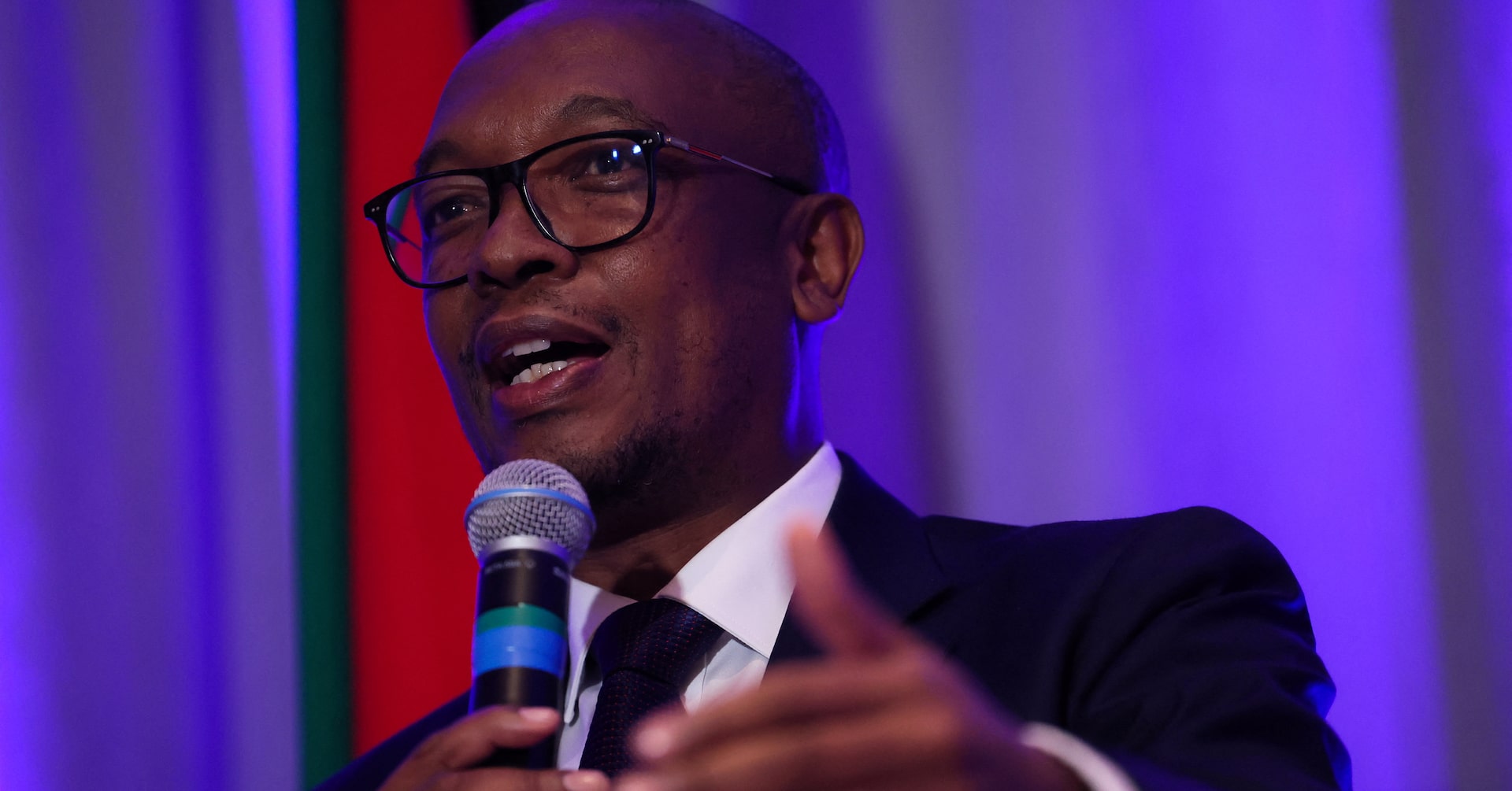
South African minister meets USTR Greer for trade talks
In a significant diplomatic effort to address escalating trade tensions, South Africa’s Minister of Trade, Industry, and Competition, Parks Tau, held a pivotal meeting with U.S. Trade Representative Jamieson Greer in Washington, D.C. The talks, which took place on September 19, 2025, aimed to negotiate a resolution to the steep 30% tariffs imposed by the U.S. on South African imports last month. The tariffs, enacted under President Donald Trump’s administration, followed unsuccessful attempts by President Cyril Ramaphosa’s government to propose a bilateral trade agreement. According to a statement from South Africa’s trade ministry, the discussions were described as ‘cordial and constructive,’ with both parties agreeing on a roadmap to guide future engagements. The meeting was preceded by three days of intensive negotiations between senior officials from both nations. While the U.S. Trade Representative’s office has yet to comment on the outcome, the talks mark a critical step in easing trade barriers and fostering economic cooperation between the two countries. South Africa, as Africa’s largest economy, is keen to secure a deal that would bolster its export sector and stabilize trade relations with one of its key global partners.
-
Dollar steadies as investors consider post-Fed outlook, focus turns to BOJ meeting
The U.S. dollar remained stable in early Asian trading on Friday as investors awaited new catalysts following the Federal Reserve’s recent rate cut decision. The dollar index edged up by 0.1%, recovering slightly from a three-and-a-half-year low after the Fed reduced rates by 25 basis points but indicated no immediate plans for further cuts. The dollar also gained marginally against the yen, rising 0.1% to 148.085 yen, ahead of the Bank of Japan’s (BOJ) policy decision later in the day. The BOJ is widely expected to maintain interest rates at 0.5%, with market focus on potential hints of future adjustments. The ongoing leadership election within Japan’s Liberal Democratic Party (LDP) is likely to influence the BOJ’s cautious stance, as Governor Kazuo Ueda is expected to avoid signaling any significant policy shifts. Meanwhile, the broader currency market is assessing the long-term impact of the Trump administration’s tariffs and its criticism of the Fed’s rate decisions. The U.S. Supreme Court has set a date to hear arguments on the legality of Trump’s global tariffs, a key element of his economic agenda. Additionally, the Trump administration has sought unprecedented authority to dismiss Federal Reserve Governor Lisa Cook, raising concerns about the central bank’s independence. Foreign demand for U.S. Treasuries remains strong, with overseas holdings reaching a record high in July. The euro and sterling both weakened slightly, while the kiwi and Australian dollar continued to decline following disappointing economic data.
-
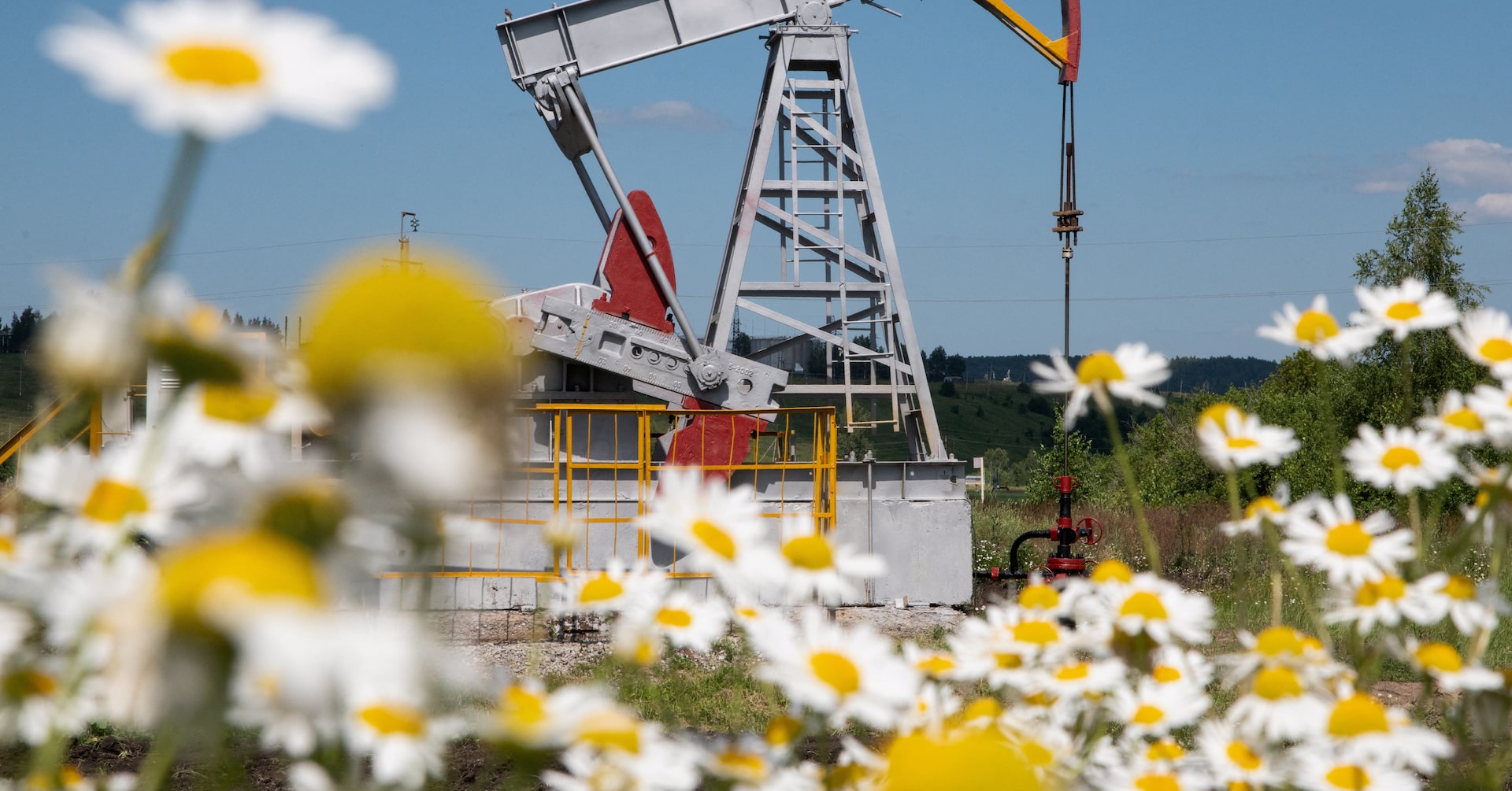
Oil little changed as demand concerns overshadow US rate cut buoyancy
Oil prices remained largely unchanged on Friday, following a decline in the previous session, as concerns over fuel demand in the United States persisted. Brent crude futures dipped slightly by 1 cent to $67.43 a barrel, while U.S. West Texas Intermediate (WTI) futures dropped 4 cents to $63.53. Despite these minor fluctuations, both benchmarks were poised to record a second consecutive weekly gain. The U.S. Federal Reserve’s decision to cut interest rates by a quarter of a percentage point on Wednesday, coupled with signals of further reductions, initially raised hopes for increased oil demand. However, a surprising 4-million-barrel rise in U.S. distillate stockpiles, far exceeding market expectations, reignited fears of weakening demand in the world’s largest oil consumer. IG analyst Tony Sycamore noted that gains in the U.S. dollar and long-end yields further undermined crude oil’s support. Economic data added to the unease, with jobless claims indicating a softening labor market and single-family home building hitting a near 2.5-year low in August. Meanwhile, Russia, the world’s second-largest crude producer, introduced new measures to protect its state budget from oil price volatility and Western sanctions, alleviating some supply concerns. ANZ analyst Daniel Hynes highlighted that President Trump’s preference for low oil prices over sanctions on Russia also eased fears of supply disruptions.
-
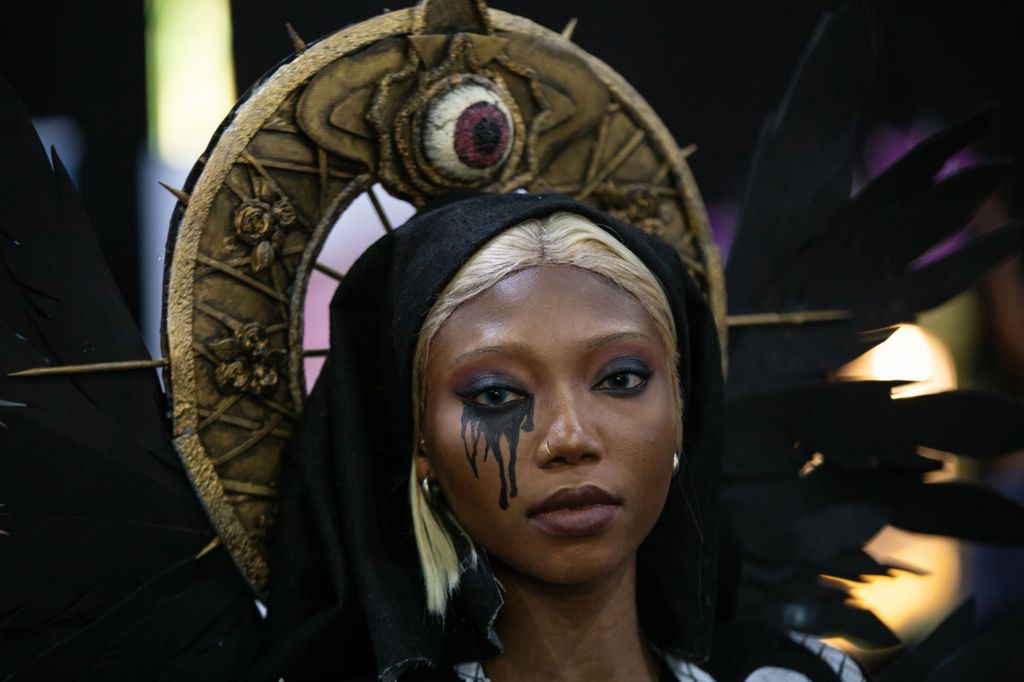
Fans, food and fast feet: Africa’s top shots
This week, Africa showcased a vibrant tapestry of cultural, culinary, and athletic achievements, capturing the world’s attention. In Lagos, Nigeria, Comic Con Africa brought together enthusiasts of gaming, comics, and animation. Among the attendees was 23-year-old Toni Olaguniu, who dressed as Mother Miranda from *Resident Evil*, and 24-year-old Toby Adekunle, who embodied Ekko from *League of Legends*. The event, held annually in cities worldwide, celebrates the creativity and passion of super-fans. Meanwhile, Nigerian chef Hilda Baci and her team made headlines by creating the world’s largest vat of jollof rice, weighing nearly nine tonnes, a testament to West Africa’s culinary prowess. In Paris, Ivorian cuisine took center stage at the Gastronomic Village, where over 60 countries showcased their culinary heritage. On the athletic front, Ethiopia’s Sembo Almayew set a personal best in the 3000m steeplechase in Japan, while Kenya’s Beatrice Chebet triumphed in the 10,000m race at the World Athletics Championships. In Malawi, political fervor gripped the nation as supporters of the governing MCP rallied ahead of the presidential election, with both the president and the main opposition leader claiming victory despite delayed official results. Elsewhere, Nigerian artist Nnenna Okoreon displayed her eco-conscious artwork, *Between Earth and Sky*, at London’s Kew Gardens, highlighting the intersection of plants, textiles, and sustainability. In Mogadishu, Somalia, 17-year-old Zakaria Mohamed demonstrated community spirit by caring for pigeons in his neighborhood. Finally, Beninese music icon Angélique Kidjo captivated audiences with a powerful performance at the Vatican, reaffirming her status as a global cultural ambassador. These stories underscore Africa’s dynamic contributions to global culture, sports, and innovation.
-
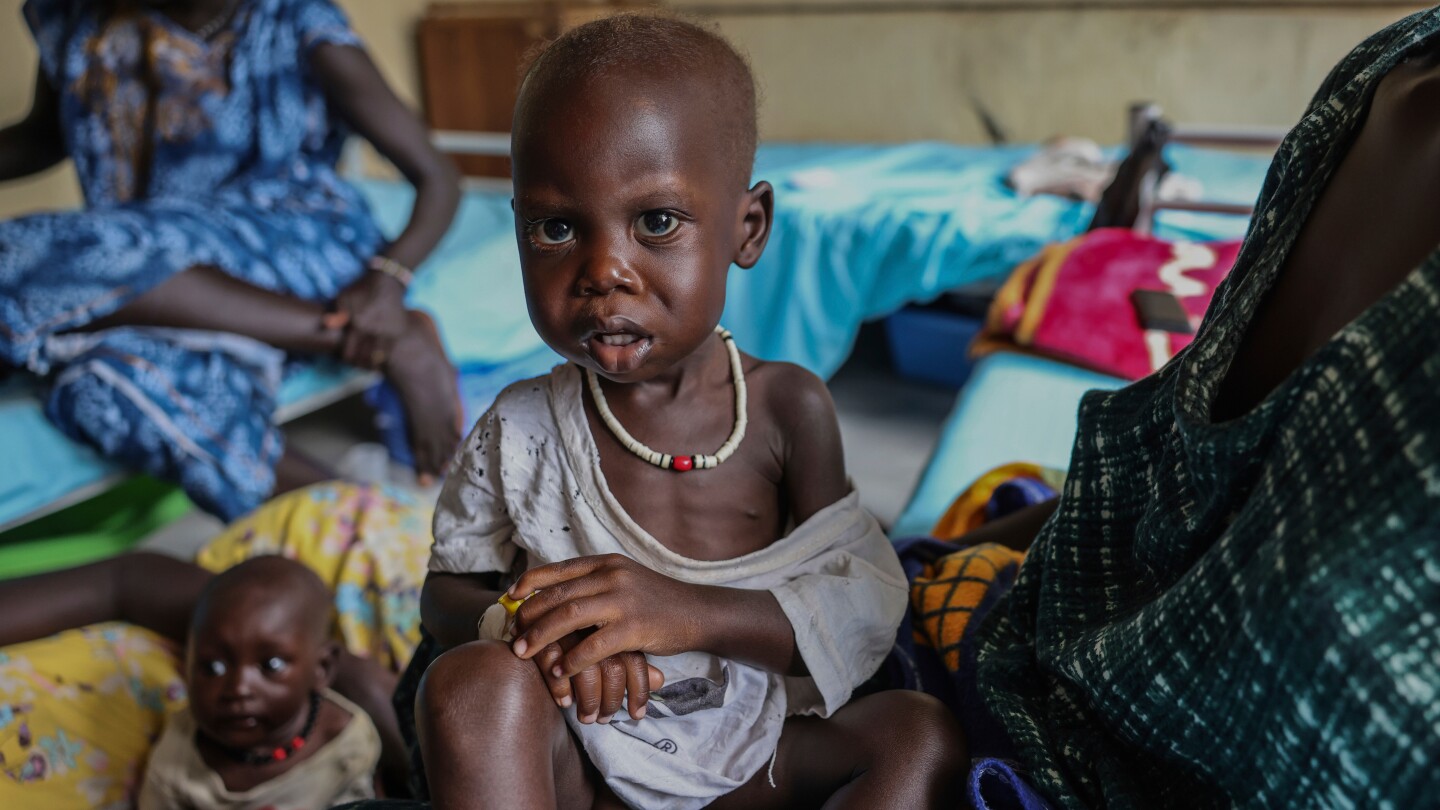
‘Children are bound to die’: Corruption, aid cuts and violence fuel a hunger crisis in South Sudan
In South Sudan, a devastating hunger crisis is unfolding, exacerbated by a toxic mix of conflict, corruption, and climate change. At Bor State Hospital, 200 kilometers from the capital Juba, 14-month-old Adut Duor lies emaciated, his spine protruding and legs too weak to walk. His mother, Ayan, unable to breastfeed, represents the plight of 1.1 million malnourished pregnant and lactating women in the country. A recent UN-backed report reveals that 2.3 million children under five require treatment for acute malnutrition, with over 700,000 in severe condition. The crisis is fueled by renewed violence in northern counties, reduced humanitarian aid, and systemic corruption. Funding cuts have forced organizations like Save the Children to lay off critical staff, while supplies of life-saving therapeutic food are dwindling. Violence in Upper Nile State has blocked aid delivery, leaving thousands of children without essential support. Flooding, worsened by climate change, has submerged farmland and displaced 1.6 million people, compounding food insecurity. Hospitals like Maban County Hospital near the Sudan border face severe shortages, with staff unpaid for months and basic supplies exhausted. The neighboring war in Sudan has disrupted trade, driving up costs and pushing 92% of South Sudanese below the poverty line. Critics argue that years of aid dependence and government mismanagement have left the country ill-equipped to address the crisis. The UN has accused South Sudanese leaders of siphoning billions of dollars that could have been used to build schools, staff hospitals, and secure food. As the international community warns of a worsening crisis, the suffering of children like Adut and Moussa Adil underscores the urgent need for action.
-
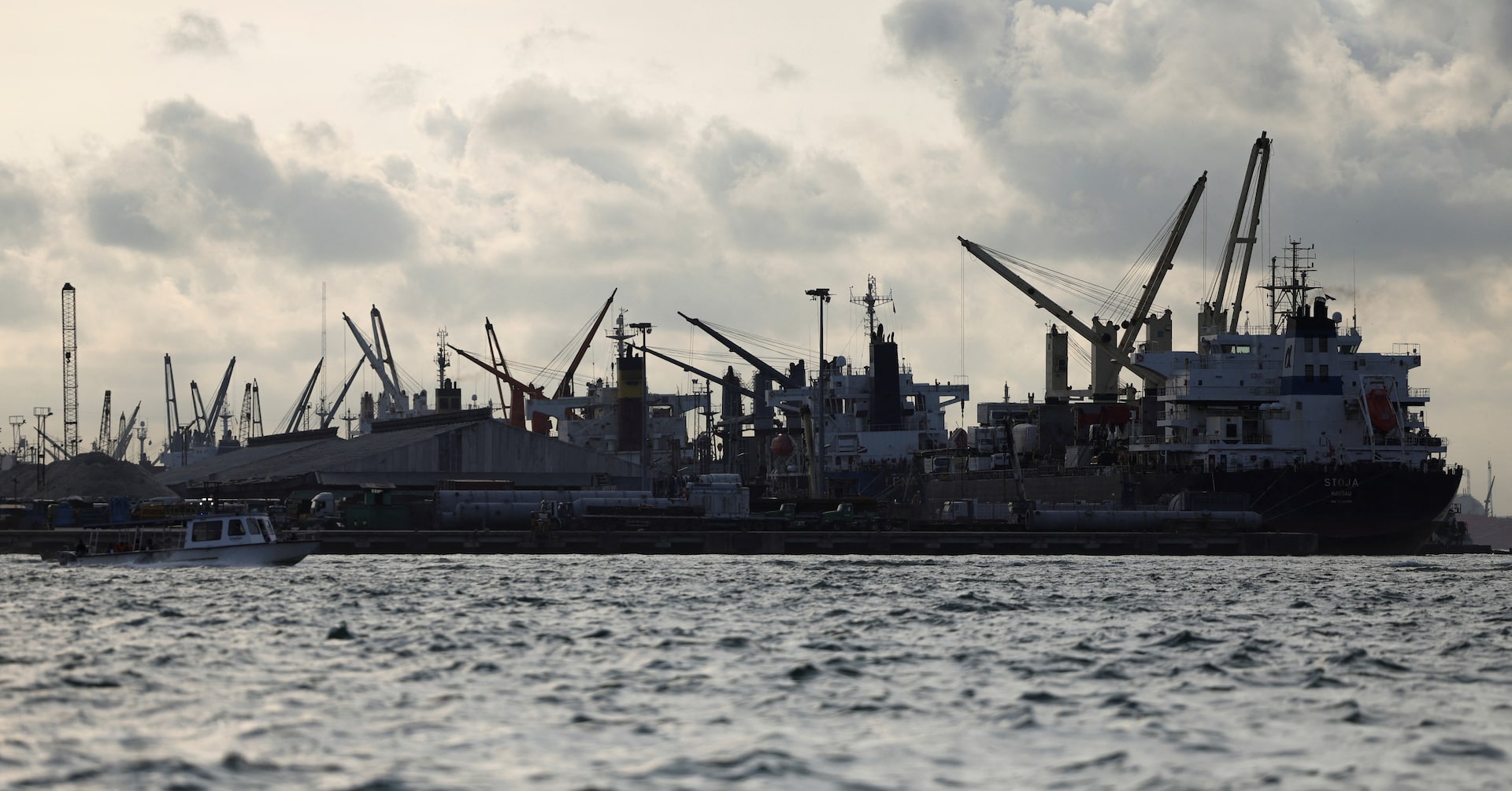
Nigeria leads continent-wide push for unified oil regulations
In a landmark move to revitalize Africa’s energy sector, petroleum regulators from across the continent, spearheaded by Nigeria, have established the African Petroleum Regulators Forum (AFRIPERF). The initiative, unveiled during Africa Oil Week in Accra, Ghana, aims to create a unified regulatory framework to attract much-needed investment and foster sustainable growth in the region’s oil and gas industry. Sixteen nations participated in the signing ceremony, with eight countries—Nigeria, Ghana, Somalia, Gambia, Madagascar, Sudan, Guinea, and Togo—formally endorsing the charter. Seven others have pledged support pending domestic consultations. AFRIPERF’s mission is to standardize regulations, enhance transparency, and address cross-border challenges such as gas trade, emissions, and digitalization. Gbenga Komolafe, head of Nigeria’s upstream regulator and interim chairman of AFRIPERF, emphasized the forum’s role in ensuring Africa’s hydrocarbon resources are managed with “innovation, responsibility, and foresight.” The forum will be governed by an executive committee of regulatory heads, supported by a technical committee of experts and a rotating secretariat. Elections for the chairperson and headquarters location are expected in the coming months. This initiative underscores Africa’s commitment to aligning its energy governance with global standards while asserting a stronger voice in international energy policy.
-
S.Africa’s Transnet agrees port equipment deal with Liebherr
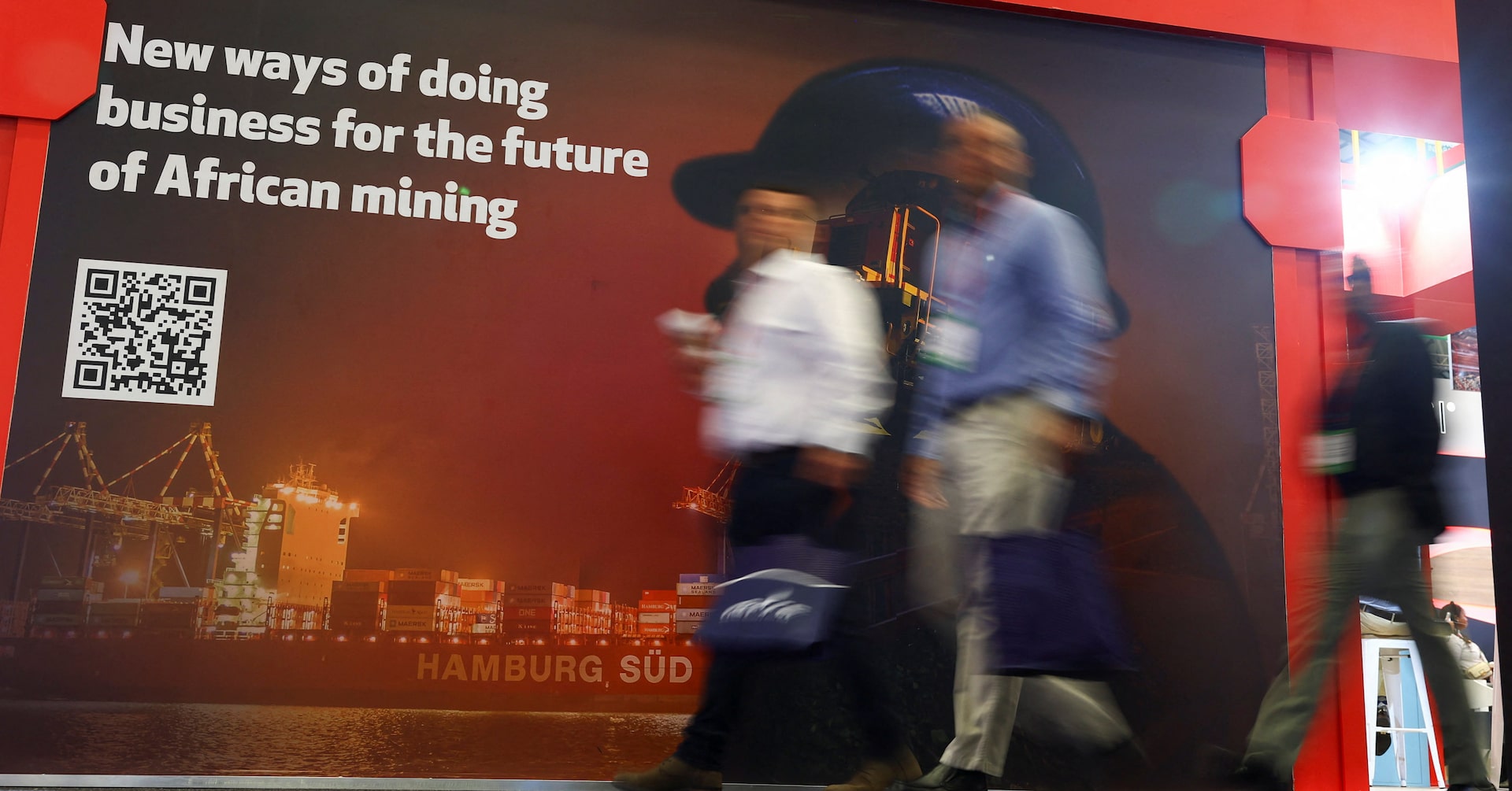
In a landmark move to revitalize its port infrastructure, South Africa’s state-owned logistics giant Transnet has inked a 10-year partnership with German industrial equipment manufacturer Liebherr. The agreement, announced on Thursday, focuses on the supply of advanced cranes and includes a comprehensive 20-year asset management program to ensure maintenance, repairs, and spare parts availability. This collaboration aims to address chronic equipment shortages and operational inefficiencies that have plagued Transnet’s port operations, often causing significant delays for retailers and exporters. Transnet Port Terminals CEO Jabu Mdaki emphasized that the partnership will enhance operational efficiency, streamline logistics, and reduce long-term costs. The company has already placed substantial orders, including four ship-to-shore cranes for Durban port and 48 rubber-tyred gantry cranes for terminals in Durban and Cape Town. This initiative marks a critical step in modernizing South Africa’s port infrastructure, which has suffered from years of under-investment.
-
Diamond selling processes are outdated and hurting producers, trader says
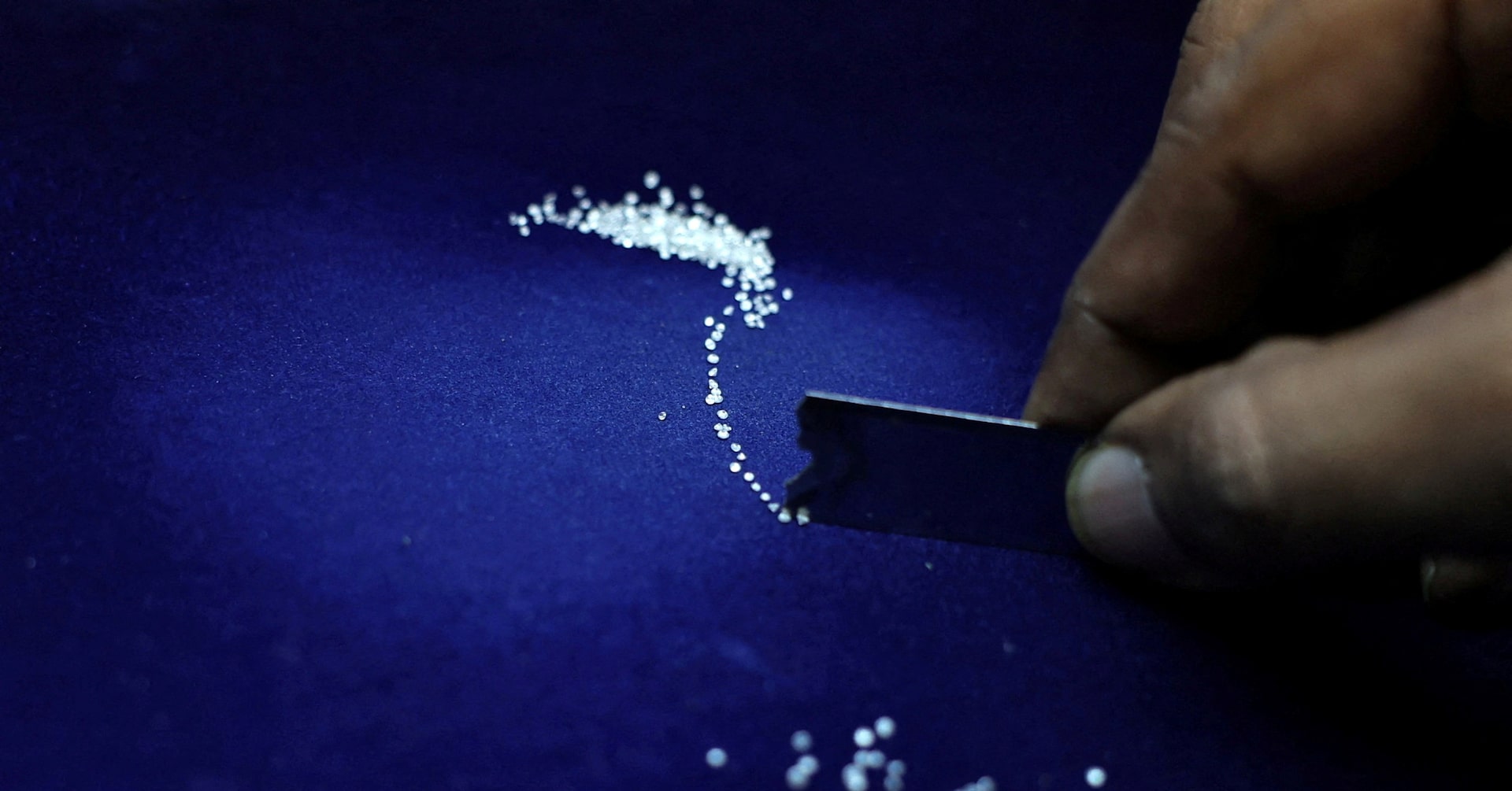
The diamond industry is facing a significant crisis, with experts calling for a complete overhaul of its sales practices to address inefficiencies and help producers survive the ongoing price slump. Oded Mansori, co-founder and managing partner of Belgian gem trader HB Antwerp, emphasized the need for reform during a recent statement. He criticized the current tender and auction systems, describing them as opaque and inefficient, likening them to a ‘casino’ where the true value of rough diamonds is often uncertain. Mansori argued that these systems leave producers vulnerable, especially during periods of declining global demand, ultimately resulting in job losses and reduced revenues. The diamond market has been severely impacted by global economic uncertainty and the growing popularity of lab-grown stones, leading to significant challenges for producer countries like Botswana and major mining operations such as Burgundy and Letseng. Mansori advocates for a profit-sharing model, similar to the one HB Antwerp has with Lucara Diamond Corp, where producers’ revenues are tied to the polished value of their stones rather than speculative rough sales. This approach has already shown promise, with HB Antwerp accounting for 72% of Lucara’s $74 million diamond revenue in the first half of the year. Mansori estimates that producers could earn up to 40% more revenue by adopting such models, offering a potential lifeline to an industry grappling with its deepest crisis in history.