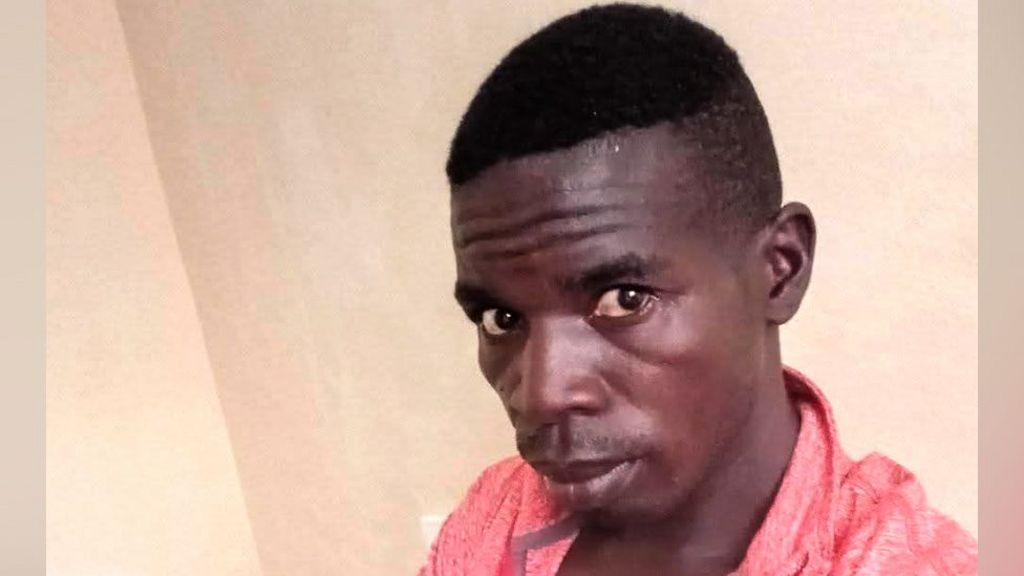
In a heart-wrenching video released by a Ukrainian army brigade, Evans Kibet, a 36-year-old Kenyan athlete and prisoner of war, tearfully pleaded not to be sent back to Russia, fearing for his life. The aspiring long-distance runner, dressed in a red sports top with the brigade’s flag behind him, claimed he was deceived into joining the Russian army and is desperate to return home to his 16-year-old daughter. The 57th Separate Motorised Infantry Brigade, which shared the video on Facebook, stated that Kibet had fought on the enemy’s side, leaving the credibility of his emotional appeal to viewers’ discretion. The brigade confirmed the interview was conducted with Kibet’s consent, though the BBC has not independently verified this. Kibet’s case highlights the plight of foreign recruits in the Russian army, many of whom are reportedly from poorer countries and end up in Ukrainian prisoner-of-war camps. Petro Yatsenko, Ukraine’s spokesperson on POW treatment, revealed that citizens from Somalia, Sierra Leone, Togo, Cuba, and Sri Lanka are among those currently held. Kibet’s family in Kenya is in shock, with his cousin Edith Chesoi expressing deep trauma and sleepless nights. Known as a humble and dedicated athlete, Kibet had built his life around running, competing in lesser-known races across Europe and Asia. Friends say he had been struggling financially, which may have led him to accept an offer from a sports agent to travel to Russia for races. Kibet insists he went as a visitor, not for military purposes, but was coerced into signing Russian-language documents that bound him to the army. After a week of basic training, he escaped during his first mission and surrendered to Ukrainian soldiers. Kibet’s family is urging Kenyan authorities to intervene, and a senior foreign ministry official assured that the government is actively pursuing the matter. Ukraine has expressed openness to repatriation negotiations if Kenya shows interest. For Kibet’s loved ones, his safety is the only priority. ‘If he made a mistake, let them forgive him. We only want him back,’ his brother said.
标签: Africa
非洲
-
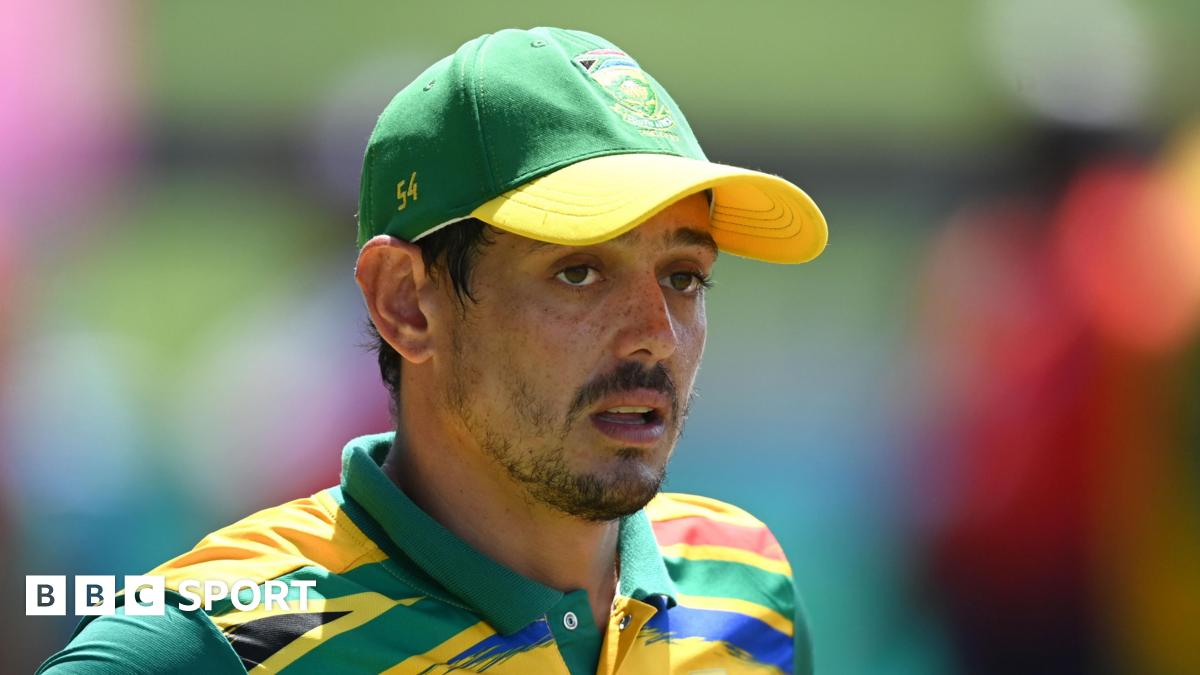
South Africa recall De Kock as he ends retirement
In a surprising turn of events, South African wicketkeeper-batsman Quinton de Kock has reversed his retirement from One-Day Internationals (ODIs) and has been recalled to the national squad for the upcoming series against Pakistan. The 32-year-old, who retired from ODIs after the 2023 World Cup in India, will now feature in both the ODI and T20I series starting next month. This decision comes ahead of two major global tournaments: the T20 World Cup in 2026, co-hosted by India and Sri Lanka, and the 50-over World Cup in 2027, which South Africa will co-host. De Kock, who last played for the Proteas in the T20 World Cup final in June 2024, has been a dominant force in white-ball cricket, amassing 21 ODI centuries since his debut in 2013, trailing only Virat Kohli and Rohit Sharma in this period. His return is seen as a significant boost for South Africa, especially after the recent retirement of Heinrich Klaasen, one of the world’s leading T20 batters. South Africa’s head coach, Shukri Conrad, expressed his enthusiasm about De Kock’s return, stating, ‘Quinton’s return to the white-ball space is a major boost for us. His quality and experience will undoubtedly benefit the team.’ De Kock has been active in various T20 leagues this year, including the SA20, Indian Premier League, Major League Cricket, and the Caribbean Premier League. South Africa’s tour of Pakistan will include two Tests, three ODIs, and three T20s, starting on October 12. Captain Temba Bavuma will miss the Tests due to injury, with Aiden Markram stepping in as the leader. Donovan Ferreira will captain the team in a one-off T20 against Namibia following the Pakistan tour.
-
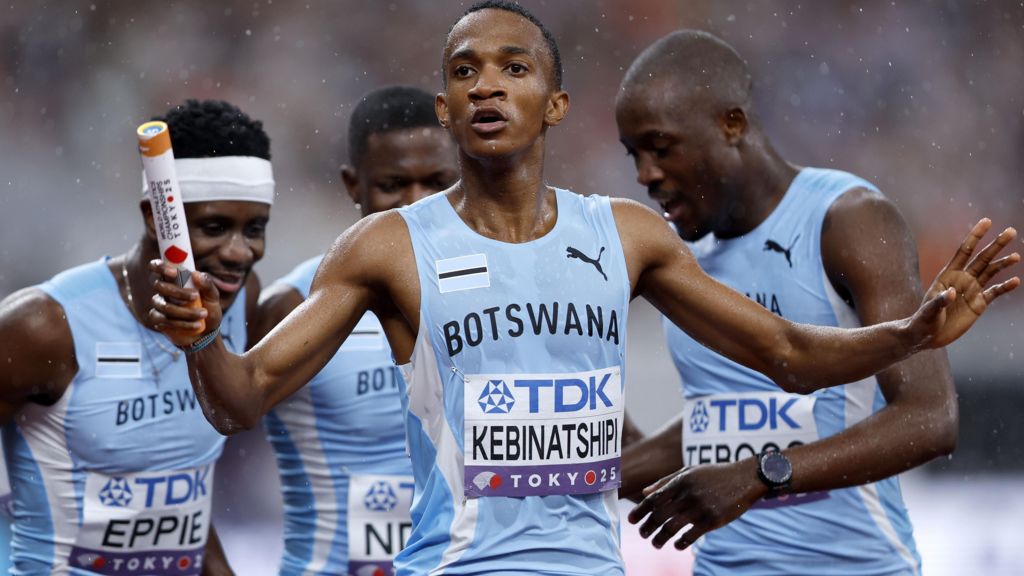
Botswana declares public holiday after ‘historic’ athletics gold medal
Botswana has made history by becoming the first African nation to win the men’s 4×400 meters relay at the World Athletics Championships in Tokyo. In recognition of this monumental achievement, President Duma Boko has declared Monday, 29 September, a public holiday, coinciding with the eve of the country’s Independence Day. The victorious team, comprising Lee Bhekempilo Eppie, Letsile Tebogo, Bayapo Ndori, and Busang Collen Kebinatshipi, triumphed over the United States, the reigning champions of the past decade, in a thrilling rain-soaked race. South Africa secured the third position. President Boko, addressing the nation from New York where he is attending the UN General Assembly, lauded the athletes as ‘Botswana’s natural diamonds,’ emphasizing their role in elevating the nation’s global stature. This victory marks Botswana’s best-ever performance in the championship, with the country securing fifth place overall in the medal standings, behind the US, Kenya, the Netherlands, and Canada, with two golds, one silver, and a bronze. This achievement follows last year’s historic moment when Letsile Tebogo clinched Botswana’s first Olympic gold in the men’s 200 meters in Paris, a feat that was celebrated with a half-day holiday and a grand reception at the National Stadium in Gaborone. President Boko described the current victory as ‘electric,’ underscoring its significance in Botswana’s rising prominence on the world stage.
-

Kenya’s Sawe and Wanjiru win Berlin marathons
Kenya celebrated a triumphant double victory at the 2025 Berlin Marathon, with Sabastian Sawe clinching the men’s title and Rosemary Wanjiru securing the women’s crown. Sawe, 30, showcased his exceptional endurance and speed, finishing the race in 2:02:16, marking his third consecutive marathon win. The Kenyan athlete, fresh from his victory at the London Marathon earlier this year, set a blistering pace, leaving his competitors trailing behind. He was accompanied by his pacesetters for much of the race, demonstrating his dominance in long-distance running. Japan’s Akasaki Akira secured second place, nearly four minutes behind Sawe, while Ethiopia’s Chimdessa Debele rounded out the podium in third. Reflecting on his performance, Sawe expressed satisfaction, stating, ‘I did my best and I am happy for this performance. I felt well, but you cannot change the weather. Next year will be better.’ Sawe had aimed to challenge Kelvin Kiptum’s 2023 world record of 2:00:35, reaching the halfway mark in 1:00:12, but couldn’t sustain the pace towards the end. In the women’s race, Wanjiru surged ahead after 25 kilometers, finishing in 2:21:05. Ethiopia’s Dera Dida followed closely, just three seconds behind, with Azmera Gebru taking third place in 2:21:29. Wanjiru’s time, while impressive, was 12 minutes slower than compatriot Ruth Chepng’etich’s world record of 2:09:56, set in Chicago in 2024. The Berlin Marathon once again highlighted Kenya’s prowess in marathon running, with Sawe and Wanjiru delivering standout performances.
-
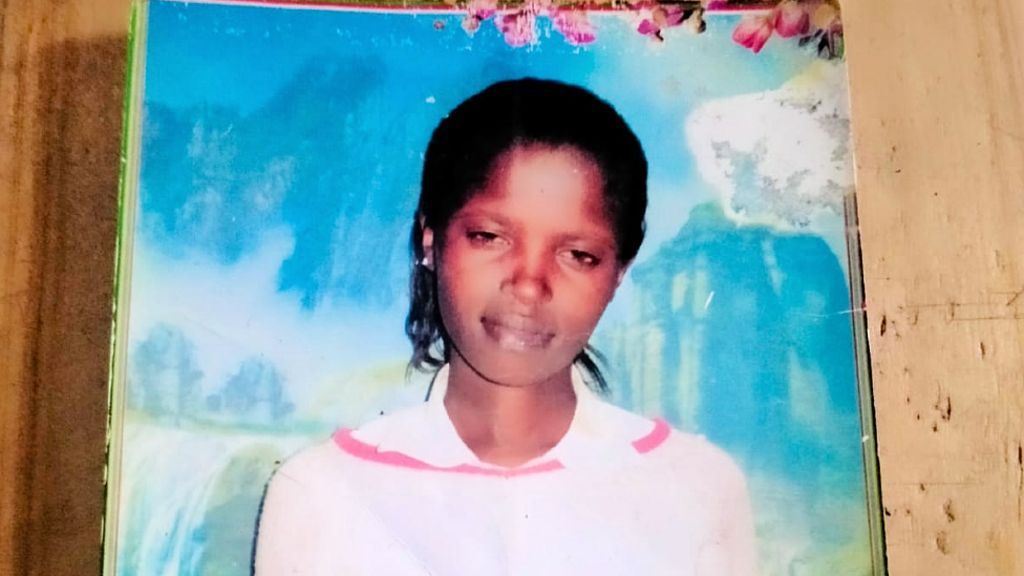
Murdered Kenyan’s friends want UK soldier to face justice
More than a decade after the tragic murder of 21-year-old Agnes Wanjiru in Kenya, a Kenyan court has issued an arrest warrant for a British national suspected of the crime. If extradited, this would mark the first instance of a serving or former British soldier being tried abroad for the murder of a civilian. Agnes, a young mother, was killed in March 2012, and her body was discovered in a septic tank near the Lions Court Hotel in Nanyuki, Kenya. The case has drawn significant attention due to allegations of a cover-up by the British Army. Agnes’s friends recall the night she went missing, describing her interactions with British soldiers at a local bar. Despite initial assumptions of a consensual arrangement, Agnes was later found stabbed to death. The Kenyan judge concluded in 2019 that British soldiers were responsible for her murder. Recent investigations have revealed ongoing misconduct by British soldiers in Kenya, including transactional sex with vulnerable women. In April 2025, UK Defence Secretary John Healey met with Agnes’s family, offering condolences and pledging support for justice. The issuance of the arrest warrant in September 2025 is seen as a significant step toward accountability, though legal hurdles remain. Agnes’s family and friends continue to seek justice, emphasizing the need for financial security for her now-teenage daughter.
-
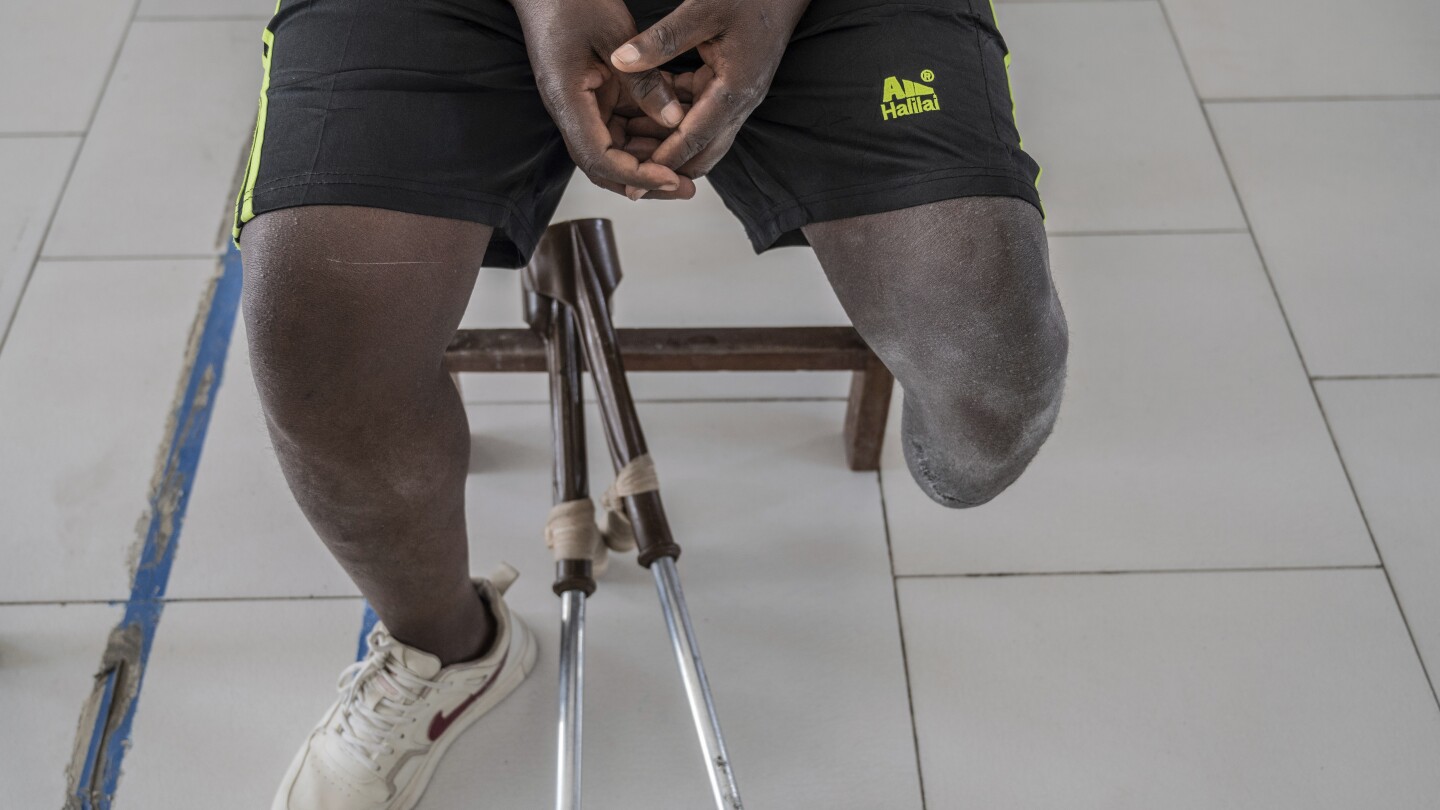
On the front line of Congo’s conflict, a trauma center tells a story of horror and survival
In the heart of Goma, eastern Congo, a sunlit rehabilitation room at Shirika la Umoja orthopedic center becomes a sanctuary for survivors of the region’s relentless conflict. Among them is Jerome Jean Claude Amani, 35, who, after losing his wife and four children in a rebel attack earlier this year, is now learning to walk again with a prosthetic leg. ‘I feel at peace,’ Amani reflects. ‘This leg is not just plastic; it’s a second chance.’ His story is one of resilience in the face of unimaginable loss. The center, supported by the International Committee of the Red Cross since 2005, has seen a surge in demand for prosthetics due to escalating violence. In the first half of 2025 alone, it provided 326 artificial limbs, a stark increase from 422 in all of 2024. The conflict, involving over 100 armed groups, has displaced 7 million people and deepened one of the world’s largest humanitarian crises. Despite peace efforts, sporadic clashes continue to claim lives and limbs. For patients like Melisa Amuli, 30, who survived a bombardment but lost her mobility, the center offers hope. With a custom orthotic brace, she dreams of returning to work. Similarly, Violetta Nyirarukundo, 27, a mother of four, faces the dual trauma of losing a leg and being abandoned by her husband. Yet, she remains determined to rebuild her life. Faustin Amani, 20, a former street vendor, grapples with the emotional toll of losing both legs in a tragic accident. ‘I wonder if I’ll ever have a normal life,’ he says. The center’s workshop, where prosthetics are meticulously crafted by hand, symbolizes a collective effort to restore mobility and dignity. Julienne Paypay, a prosthetic technician and amputee herself, embodies this mission: ‘I know what it means to walk again.’ Despite challenges like material shortages and limited technicians, the center persists, offering a lifeline to those who have lost so much. For Amani, the prosthetic leg is not a reminder of weakness but a testament to survival and hope. ‘I will fight for my children,’ he vows. ‘This is my victory.’
-

Uganda’s debt surges 26% on back of larger domestic borrowing
KAMPALA, Sept 19 (Reuters) – Uganda’s public debt has escalated significantly, increasing by 26.2% during the 2024/2025 financial year, as revealed in the finance ministry’s annual public debt report released on Friday. The total public debt climbed to $32.3 billion in the twelve months leading up to June, up from $25.6 billion in the previous year. This surge is largely attributed to the government’s intensified domestic borrowing to finance its expansive infrastructure projects in sectors such as energy and transportation. President Yoweri Museveni’s administration has been heavily investing in these areas, leading to a rapid accumulation of debt. The central bank and other financial experts have expressed concerns that the rising debt servicing costs are depleting resources essential for critical sectors like education and health. The report highlighted that domestic borrowing grew by 52.7%, significantly outpacing the 6.2% increase in external credit. This shift towards domestic borrowing has not only inflated the nominal debt stock but also escalated the cost of debt due to higher yields demanded by the local market. Consequently, the country’s debt as a percentage of GDP rose to 51.3% from 46.9% in the previous period. The report underscores the challenges Uganda faces in balancing its ambitious development goals with sustainable financial practices.
-
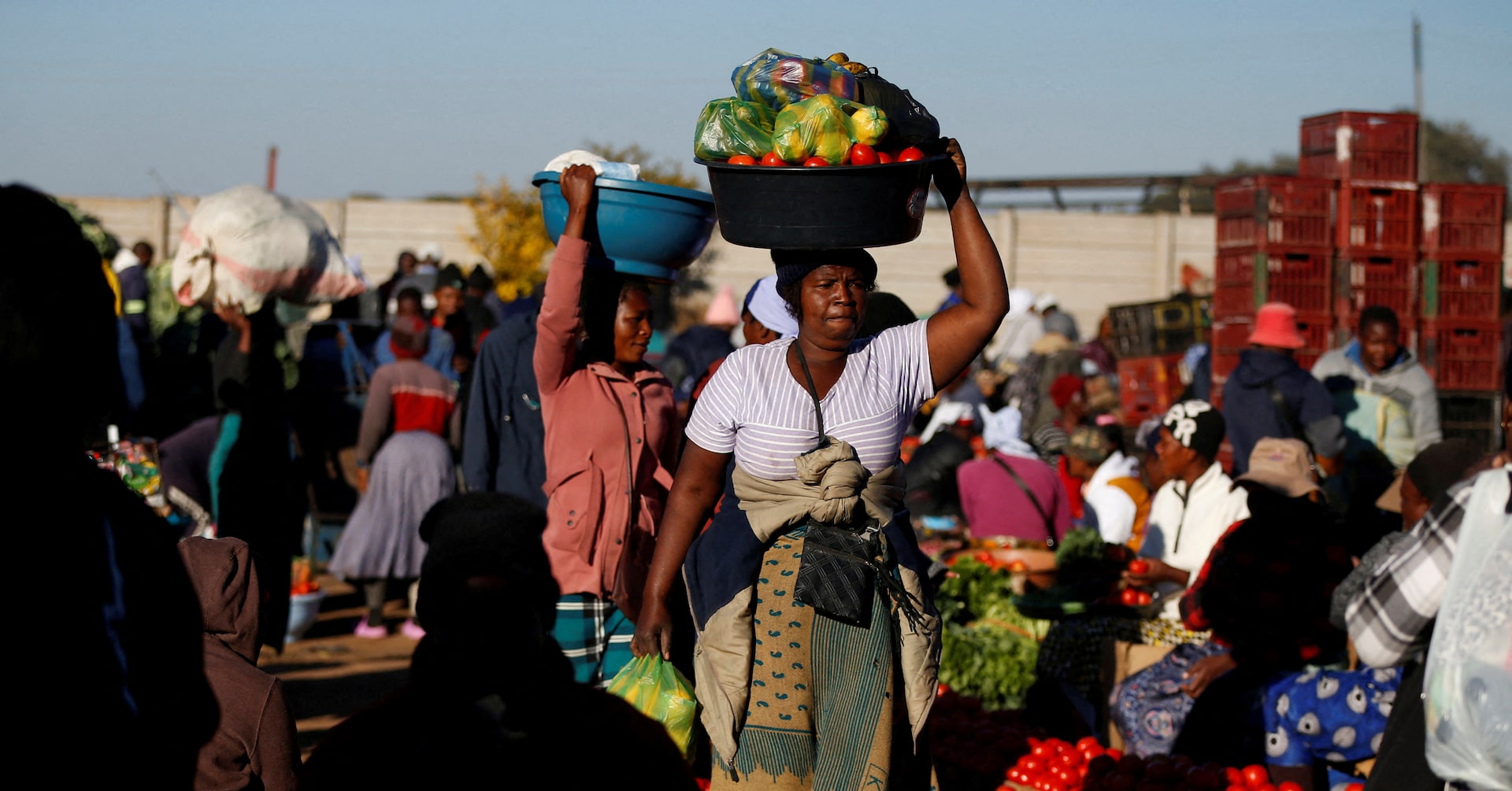
Zimbabwe lifts 2025 growth forecast on tobacco harvest, gold price rally
Zimbabwe’s economy is poised to grow by 6.6% in 2025, surpassing the earlier forecast of 6%, according to Finance Minister Mthuli Ncube. This upward revision is attributed to a robust tobacco harvest and a surge in global gold prices, which have significantly bolstered the country’s agricultural and mining sectors. Speaking at an economic conference on Friday, Ncube highlighted that the agricultural recovery, particularly in tobacco and maize production, has been a key driver of this growth. Additionally, the rally in gold prices has enhanced mining revenues, further contributing to the economic uplift. Last year, Zimbabwe’s economy grew by a modest 2%, hampered by an El Niño-induced drought that severely impacted crop yields and hydropower generation, necessitating grain imports. However, the current recovery in agriculture and favorable commodity prices have set the stage for a stronger economic performance this year.
-

Coca-Cola Beverages South Africa plans to cut 600 jobs, newspaper reports
Coca-Cola Beverages South Africa (CCBSA) is considering reducing its workforce by over 600 employees, according to a report by Business Day. The announcement, attributed to Dominique Martin, spokesperson for the Food and Allied Workers Union, follows the company’s issuance of retrenchment notices on September 2. The union has expressed strong opposition to the proposed layoffs, which are part of CCBSA’s broader organizational adjustments in response to shifting industry dynamics. While consultations with the union are ongoing, no final decision has been reached. CCBSA, a subsidiary of Coca-Cola Beverages Africa—the eighth-largest Coca-Cola bottling partner globally by revenue—has not yet publicly commented on the matter. This development adds to South Africa’s economic challenges, as other major companies like Ford Motor South Africa, Glencore, ArcelorMittal South Africa, and Goodyear South Africa have also recently announced workforce reductions.
-
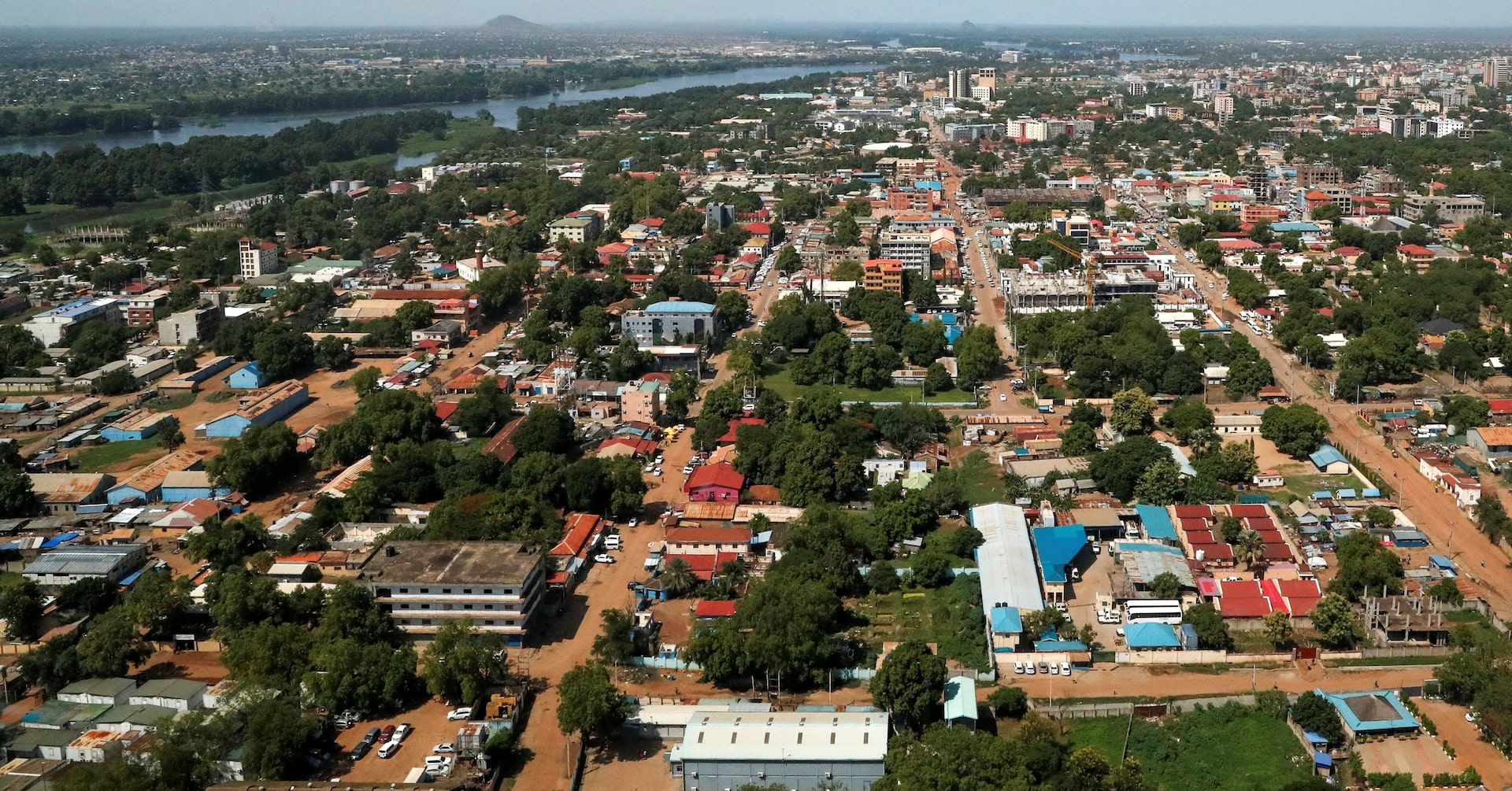
Significant rise in civilian killings in Sudan conflict this year, says UN human rights office
The United Nations Human Rights Office has raised alarm over a sharp increase in civilian fatalities in Sudan during the first half of 2025, attributing the surge to escalating ethnic violence. Speaking at a press briefing in Geneva on Friday, Li Fung, a representative from the Office of the High Commissioner for Human Rights (OHCHR) in Sudan, described the situation as dire, stating, ‘Every day we are receiving more reports of horrors on the ground.’ According to a newly released report by the OHCHR, at least 3,384 civilians lost their lives between January and June, with the majority of the killings occurring in the Darfur region. The report underscores the urgent need for international attention and intervention to address the growing humanitarian crisis in the country. The UN has called for immediate action to protect civilians and prevent further loss of life.