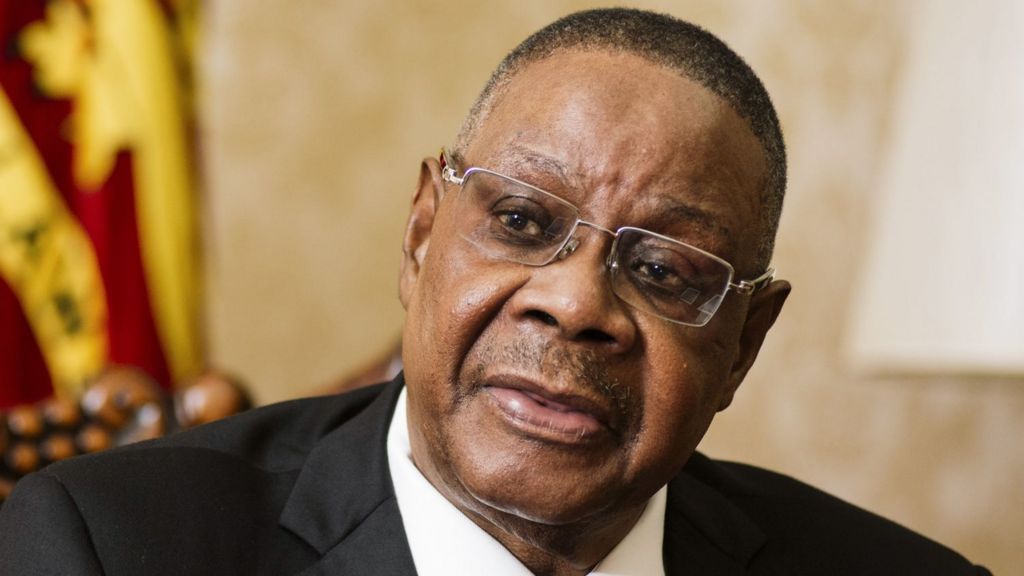
In a stunning political resurgence, Peter Mutharika, Malawi’s former president, has reclaimed the nation’s highest office, marking a dramatic return to power just five years after being ousted by a court ruling. Mutharika, who previously served as president from 2014 to 2020, secured victory in last week’s general election, defeating his long-time rival, President Lazarus Chakwera. His campaign centered on promises to restore economic stability, citing Malawi’s severe downturn under Chakwera’s leadership. However, Mutharika’s own tenure was marred by corruption allegations and governance challenges, raising questions about his ability to lead effectively at 85 years old. Born in 1940 in Thyolo, Mutharika’s journey from academia to politics began in 2004 when his brother, Bingu, became president. Despite controversies, including a treason charge in 2012, Mutharika’s supporters credit his first presidency with infrastructure development and reduced inflation. As he steps back into the presidential role, Malawians await tangible improvements amidst soaring inflation and widespread poverty.
标签: Africa
非洲
-
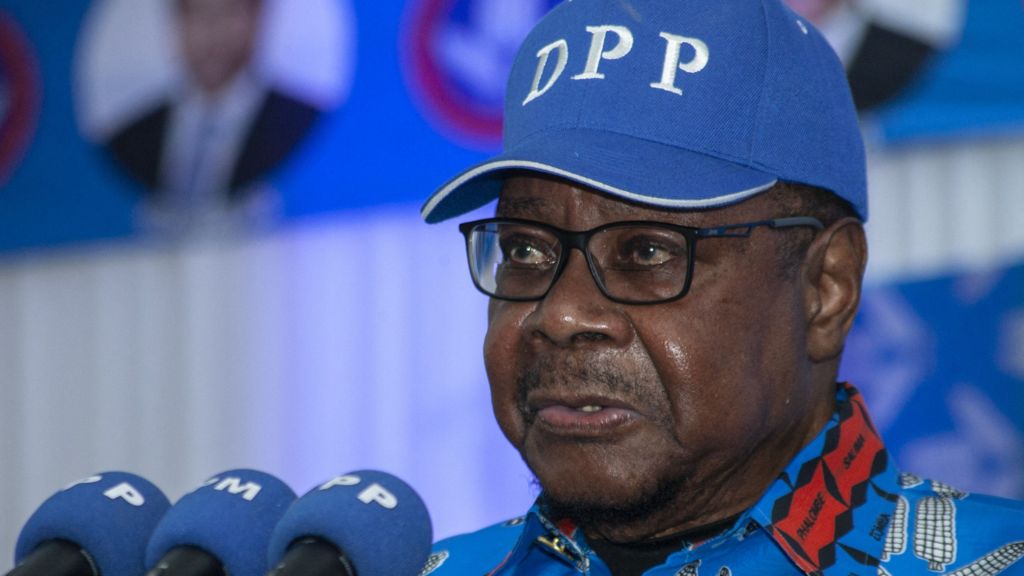
Malawi’s ex-president wins election in comeback at age 85
In a remarkable political turnaround, Malawi’s former President Peter Mutharika, aged 85, has been declared the winner of the recent presidential election, marking a significant comeback in his political career. Official results reveal that Mutharika secured 57% of the vote, decisively defeating incumbent President Lazarus Chakwera, who garnered 33%. Chakwera, a former pastor, conceded defeat and congratulated Mutharika on his ‘historic win’ ahead of the final announcement. Mutharika, a former law professor, previously served as president from 2014 to 2020, when he lost to Chakwera by a wide margin. His return to power comes at a critical juncture for Malawi, as the nation grapples with severe economic challenges, including skyrocketing inflation, fuel shortages, and a lack of foreign currency. The official inflation rate stands at nearly 30%, with basic necessities like frozen chicken costing $20 in a country where most citizens survive on less than $2 a day. The election commission emphasized that the eight-day delay in announcing the results was necessary to address complaints and ensure accuracy. This election marks the fourth electoral contest between Mutharika and Chakwera, with Mutharika’s 2019 victory annulled due to widespread irregularities. Chakwera won the subsequent rerun in 2020 but faced mounting criticism during his tenure for issues such as corruption, economic mismanagement, and frequent power outages. Mutharika’s campaign, centered on the promise of ‘proven leadership,’ resonated with voters disillusioned by Chakwera’s administration. However, questions linger about Mutharika’s health and ability to lead at 85, given his limited public appearances during the campaign. The swearing-in ceremony is expected to take place within the next 30 days, as Malawi looks to Mutharika to address its pressing economic woes and restore stability.
-

Landmark deal paves way for cheaper HIV protection jab
In a groundbreaking development for global health, the World Health Organization (WHO) has endorsed Lenacapavir, a revolutionary HIV prevention drug, marking a significant step toward combating the HIV/AIDS epidemic. This long-acting injectable, administered twice annually, offers six months of protection against HIV infection and has shown remarkable efficacy in clinical trials.
-
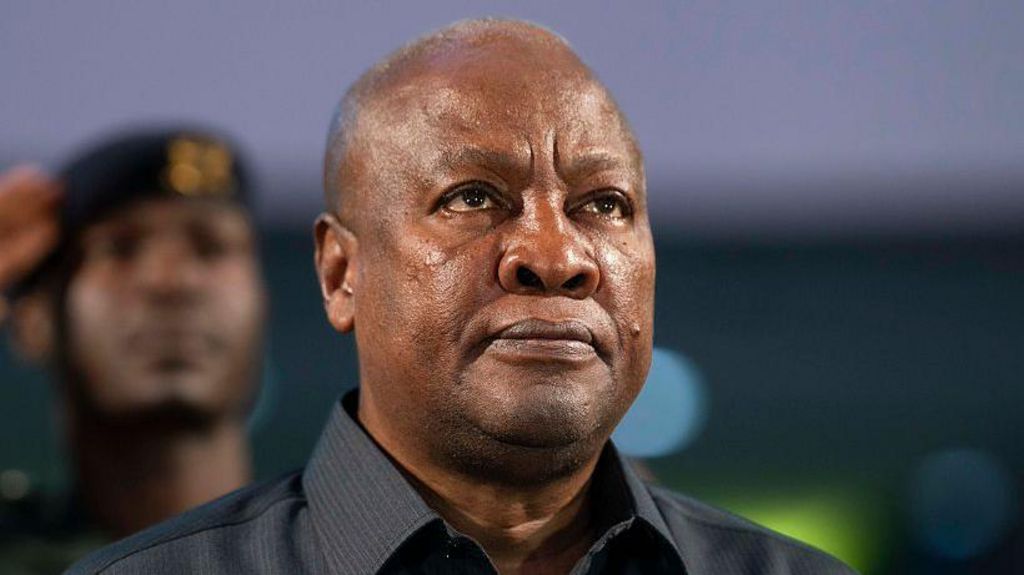
Six West Africans deported from US sent to Togo despite legal fight
Ghana has become a focal point in the ongoing US immigration crackdown, as President John Mahama confirmed the country’s agreement to accept deportees from West Africa. This development has sparked significant controversy and legal challenges. At least six of the 11 West Africans deported to Ghana have already been transferred to Togo, according to their legal representatives. The group had initially filed a lawsuit against the Ghanaian government to halt further deportations, citing safety concerns. However, the case was withdrawn as events unfolded, though a separate legal action alleging human rights violations continues. Lead lawyer Oliver Barker-Vormawor expressed disappointment with Ghana’s justice system, arguing that the court failed to intervene to prevent the deportations. The deportees, who include nationals from Nigeria, Togo, Liberia, and The Gambia, were previously held in US detention facilities before being sent to Ghana on a US military plane. The agreement, announced by President Mahama, allows Ghana to accept nationals from various West African countries, citing the principle of free movement within the region. Ghana’s Foreign Affairs Minister, Samuel Okudzeto Ablakwa, clarified that the country is not receiving financial compensation for this arrangement. Opposition MPs have called for the suspension of the US-Ghana agreement until it is legally ratified, demanding transparency and accountability. This situation is part of the broader US immigration policy under President Donald Trump, which has seen record-level deportations, often to countries where deportees have no ties.
-
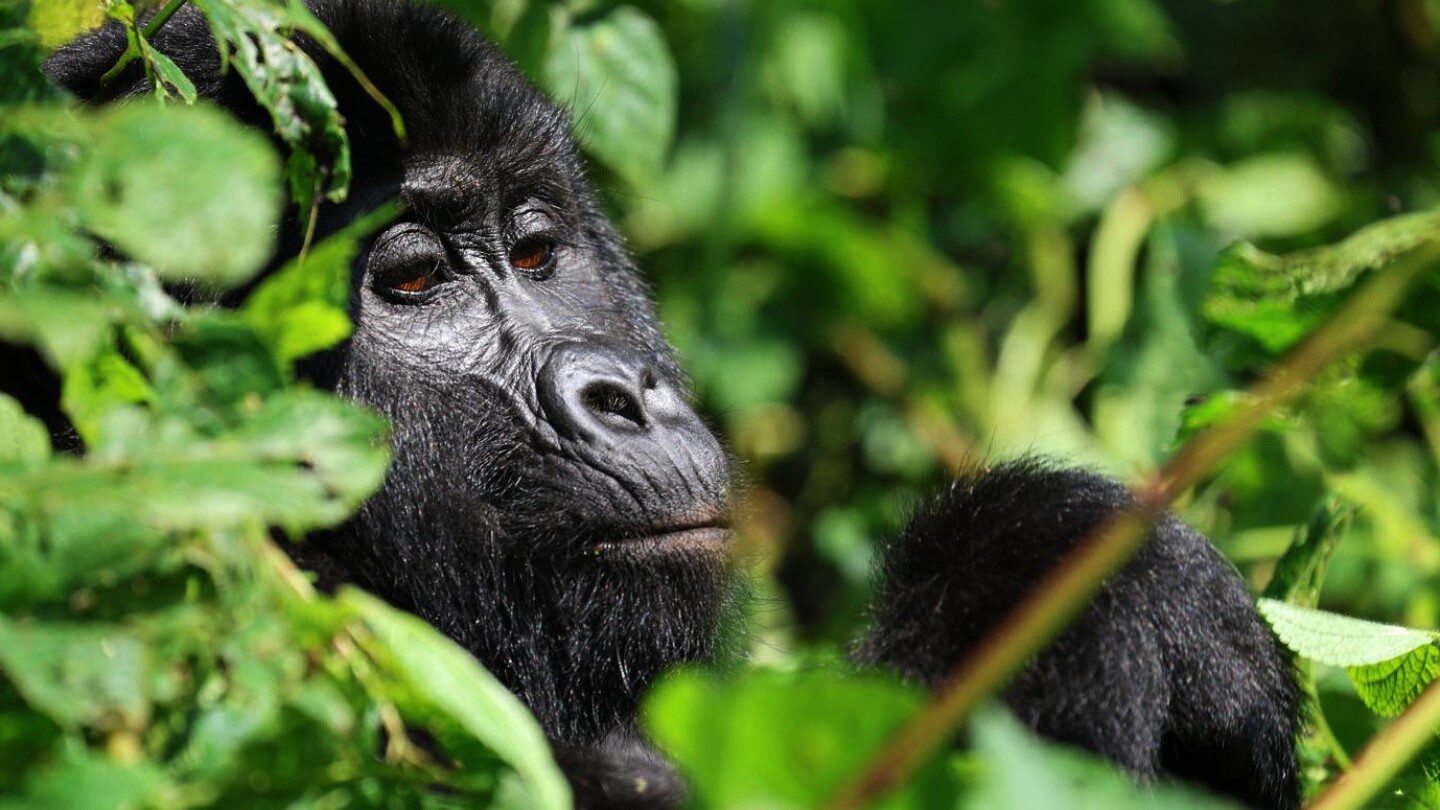
Tourism is helping Uganda’s endangered mountain gorillas make a comeback
In the misty highlands of Uganda’s Bwindi Impenetrable National Park, the fate of the endangered mountain gorillas has become a shared concern for local communities. These majestic primates, many of whom have been given names, are not just symbols of biodiversity but also pillars of a thriving tourism economy. The park, a UNESCO World Heritage Site, has witnessed a remarkable transformation, with former poachers now leading conservation efforts and local women taking on roles as porters and guides. This shift underscores the profound economic and cultural impact of gorilla tourism on the region. Joyleen Tugume, a ranger-guide, reflects on the community’s emotional connection to the gorillas: ‘When a gorilla falls ill, everyone is concerned. It’s as if one of our own is suffering.’ This sentiment is echoed by Philemon Mujuni, a reformed poacher who now advocates for the protection of the species. Mujuni, once a hunter who viewed gorillas as threats, now leads a group of former poachers dedicated to safeguarding the primates. Their efforts, combined with the vigilance of armed rangers, have significantly reduced poaching and habitat encroachment. The economic benefits of gorilla tourism are undeniable. Tourists pay $800 per permit to observe these animals in their natural habitat, with $10 from each fee reinvested into local communities. This revenue has funded essential projects, from healthcare to water provision, fostering a sense of ownership and responsibility among residents. The mountain gorilla population, once teetering on the brink of extinction, has seen a remarkable recovery, with numbers exceeding 1,000 in recent years. This success story is a testament to the power of community-driven conservation and the transformative potential of sustainable tourism. As Tugume aptly puts it, ‘We are all working together to ensure conservation succeeds because we all benefit.’
-
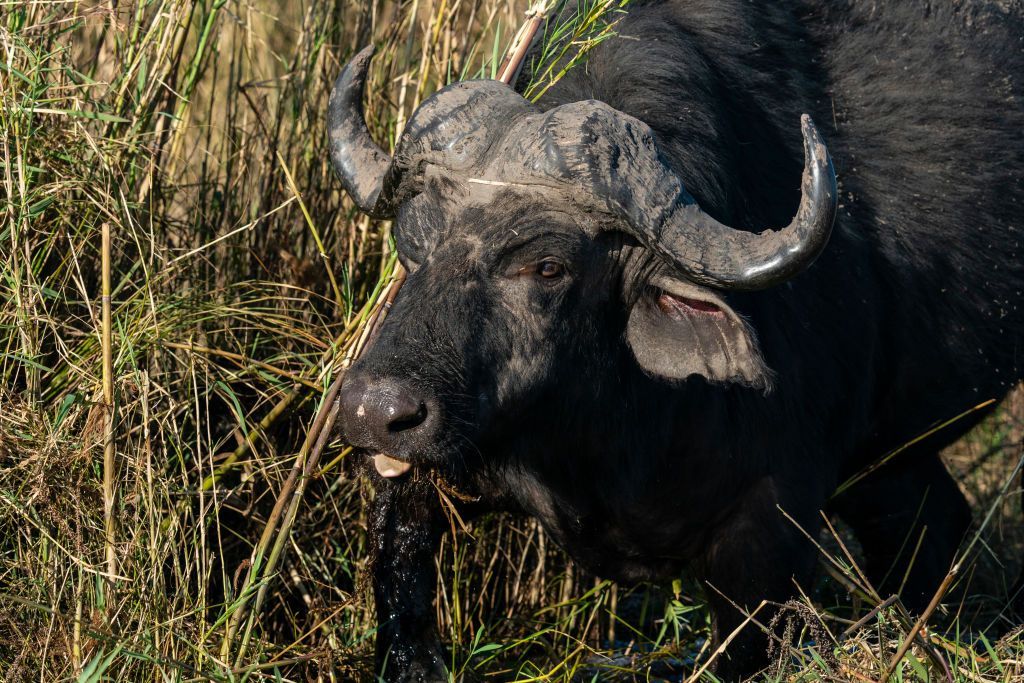
More than 80 buffaloes drown in Namibia after falling off cliff
In a tragic wildlife incident, more than 80 buffaloes lost their lives after stampeding and drowning in the Chobe River, according to Namibia’s environment and tourism department. The calamity unfolded when the buffaloes, being pursued by lions from neighboring Botswana, plunged off a steep cliff into the river on the Namibian side of the border. This is not an isolated event; similar incidents have claimed the lives of hundreds of buffaloes in the past. Notably, around 400 buffaloes died in 2018 under comparable circumstances in the same river, which flows through Botswana’s renowned Chobe National Park, a hotspot for elephants, buffaloes, and giraffes. Mbeha Tadeus, an official from Namibia’s Kabulabula Conservancy, explained that buffaloes often flee into Namibia when chased by lions, leading to chaotic stampedes. Ndeshipanda Hamunyela, a spokesperson for Namibia’s Environment, Forestry and Tourism Ministry, confirmed the buffaloes originated from Botswana but could not specify if they were from Chobe National Park. The carcasses are being distributed to local communities, as seen in a video shared by Namibia’s public broadcaster, NBC, which reported the incident occurred around 05:00 local time (07:00 GMT).
-
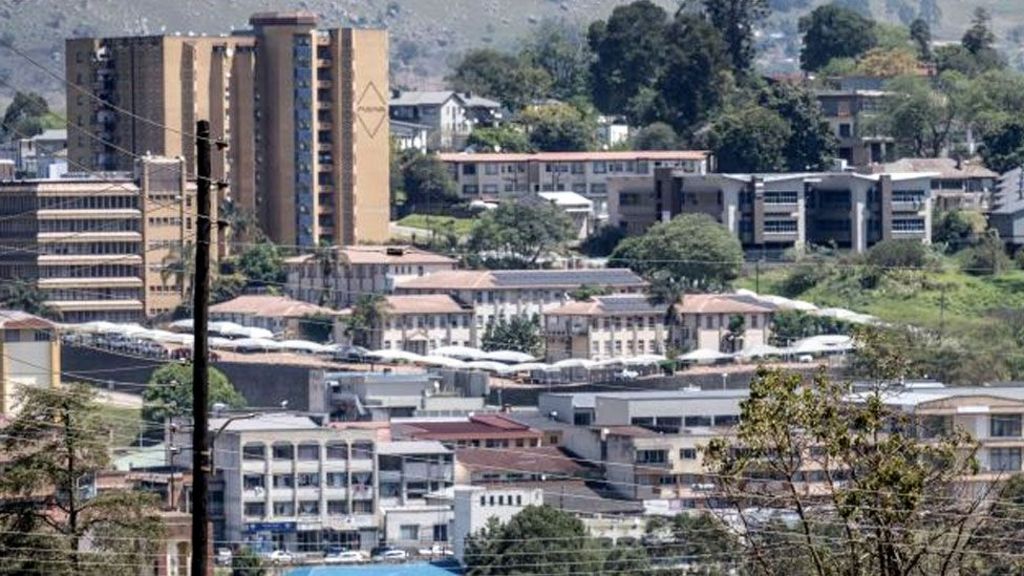
Eswatini says it has repatriated US deportee to Jamaica
Eswatini, Africa’s last absolute monarchy, has come under scrutiny following the deportation of a Jamaican man under former U.S. President Donald Trump’s stringent immigration policies. Orville Isaac Etoria, 62, who had lived in the U.S. for decades as a lawful permanent resident, was deported to Eswatini in July alongside four other individuals from Cuba, Laos, Vietnam, and Yemen. The U.S. government labeled them as ‘depraved monsters.’ After being held in solitary confinement in a maximum-security prison in Mbabane, Etoria was voluntarily repatriated to Jamaica over the weekend and was warmly received by his family. However, his treatment has drawn condemnation from the Legal Aid Society of New York, which highlighted his reintegration into American society after serving a 25-year prison sentence for murder. Activists in Eswatini have denounced the deportation deal as ‘unconstitutional,’ staging protests outside the U.S. embassy. Rights groups have initiated legal action, arguing that the government lacked parliamentary approval for the agreement. Eswatini, formerly known as Swaziland, is a small, landlocked nation bordered by South Africa and Mozambique, ruled by King Mswati III since 1986. The case underscores the controversial nature of Trump’s mass deportation policies, which often sent individuals to countries with no personal ties.
-
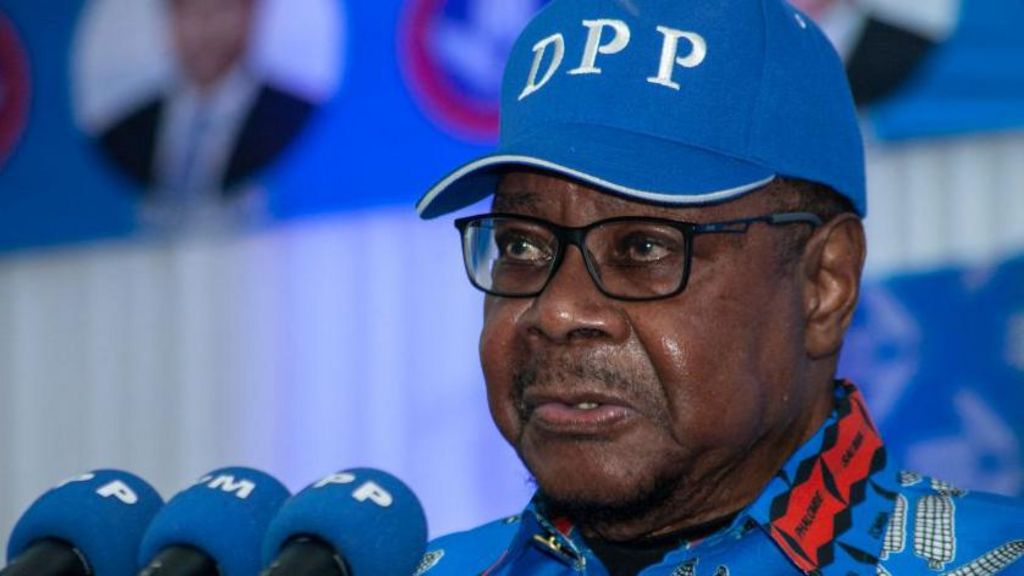
Malawi ex-president takes clear lead in vote-count, results show
In a dramatic turn of events, Malawi’s former President Peter Mutharika, 85, has surged ahead in the country’s presidential race, securing approximately 66% of the valid votes counted so far. His closest rival, incumbent President Lazarus Chakwera, 70, trails with around 24% of the votes. Provisional results from two-thirds of the districts indicate that Mutharika has even managed to win in areas traditionally considered Chakwera strongholds, including the capital, Lilongwe, and Nkhotakota. However, Chakwera’s camp remains optimistic, asserting that once results from remaining districts are announced, his vote share could increase, potentially forcing a run-off. A candidate must secure more than 50% of the vote to win outright, and Malawians are eagerly awaiting the final results from last Tuesday’s election, which the Malawi Electoral Commission has until the end of Wednesday to announce. Two of the 12 districts yet to declare results have a significant number of registered voters, and Chakwera’s team believes he will perform well in these areas, particularly in rural regions around Lilongwe and Dedza. Meanwhile, results from two other districts, where Mutharika is expected to dominate, have been withheld by the electoral commission for accuracy checks. The commission has emphasized its commitment to transparency, accuracy, and credibility, particularly in light of the constitutional court’s annulment of Mutharika’s 2019 victory due to irregularities. Chakwera won the subsequent re-run by a wide margin, but his presidency has been marred by a deepening economic crisis, characterized by high inflation, food and fuel shortages, and frequent power cuts. On Friday, Chakwera’s party alleged ‘irregularities’ and ‘serious anomalies’ in the election process and has called for a ‘physical audit’ of the results, though it has not specified the nature of these irregularities. In a related development, police have arrested eight data entry clerks accused of attempting to manipulate election results. The stakes are high in Malawi’s elections, as the country grapples with a severe cost-of-living crisis.
-
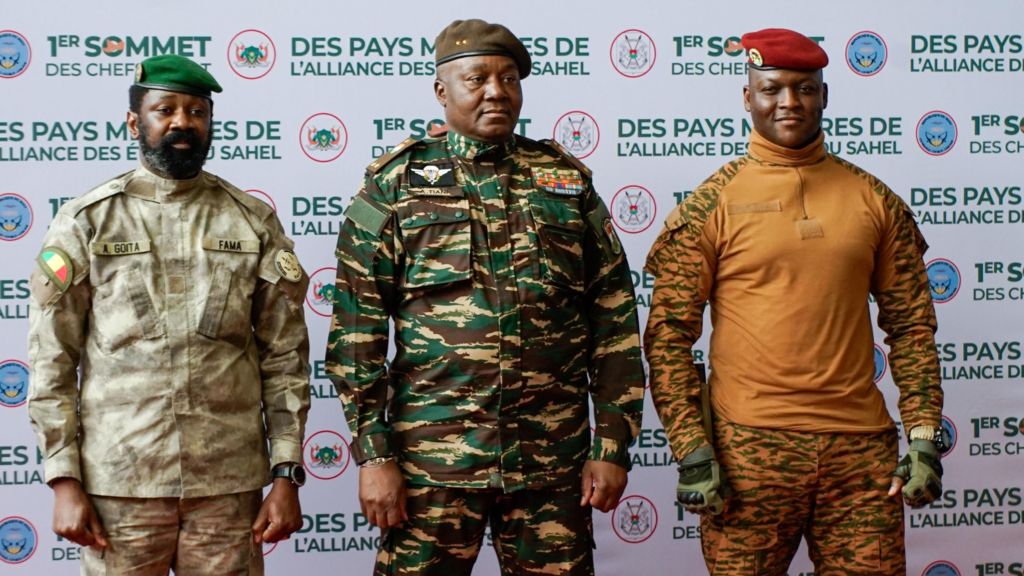
Three West African countries to quit International Criminal Court
In a bold and coordinated move, Burkina Faso, Mali, and Niger have announced their immediate withdrawal from the International Criminal Court (ICC), denouncing it as a ‘tool of neo-colonialist repression.’ The three military-led nations issued a joint statement, declaring their refusal to recognize the authority of the Hague-based court, which operates under the auspices of the United Nations. The leaders of these countries criticized the ICC for its alleged inability to effectively address and prosecute severe crimes, including war crimes, crimes against humanity, genocide, and acts of aggression. They emphasized their intention to establish ‘indigenous mechanisms for the consolidation of peace and justice.’ This decision aligns with longstanding accusations from African leaders, including Rwanda’s President Paul Kagame, who have criticized the ICC for its perceived anti-African bias. Since its establishment in 2002, the ICC has initiated 33 cases, with all but one involving African nations. The withdrawal process will officially take effect one year after the UN is notified. Burkina Faso, Mali, and Niger, all under military rule following coups between 2020 and 2023, form the Confederation of Sahel States. Their armies have faced allegations of committing crimes against civilians amid escalating violence against jihadist groups linked to al-Qaeda and the Islamic State. Earlier this year, the three countries simultaneously exited the Economic Community of West African States (ECOWAS), rejecting its demands to restore democratic governance. Over recent years, Russia has deepened its ties with these nations, which have grown increasingly isolated from the West, particularly former colonial power France. Notably, the ICC issued an arrest warrant for Russian President Vladimir Putin in 2023 over alleged war crimes in Ukraine.
-
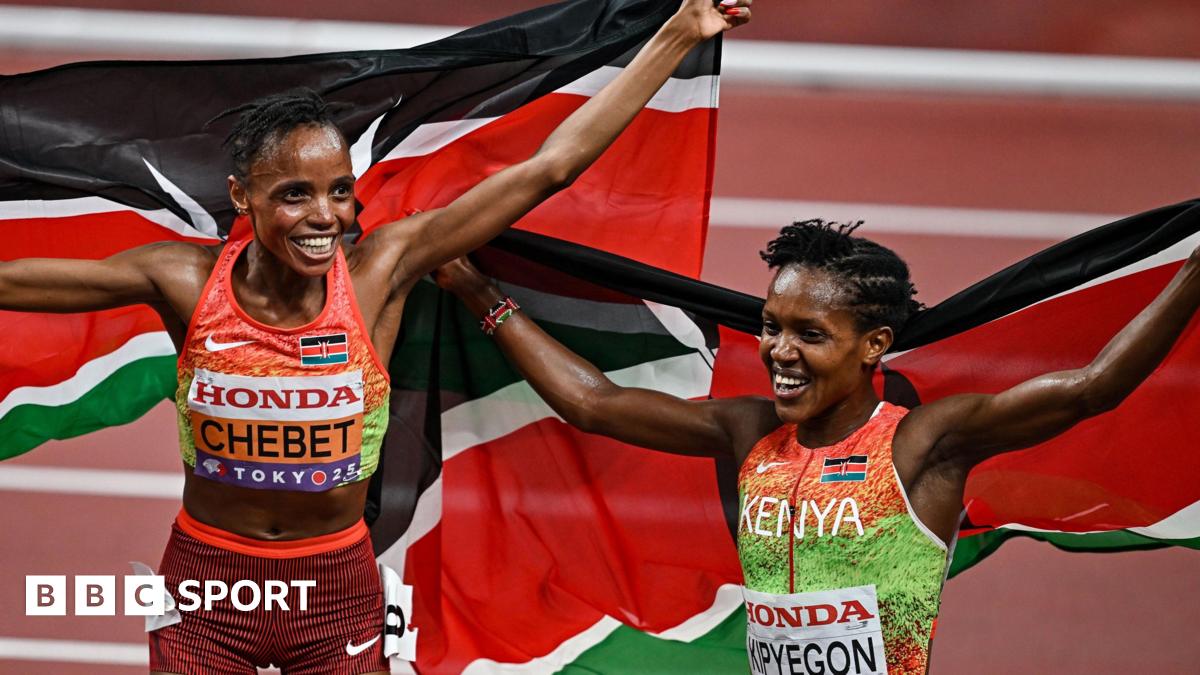
Kenya toasts success of golden girls in Tokyo
Kenya has emerged as a powerhouse in global athletics, with its female runners leading the charge at the 2025 World Athletics Championships in Tokyo. The East African nation secured second place in the medal table, trailing only the United States, thanks to an extraordinary performance by its women athletes. Out of Kenya’s seven gold medals, six were won by female runners, dominating events ranging from the 800m to the marathon. The championships witnessed historic moments, including Lilian Odira’s stunning victory in the 800m, where she shattered a 42-year-old championship record and her personal best by nearly two seconds. Odira, alongside 1500m champion Faith Kipyegon and marathon winner Peres Jepchirchir, all mothers, showcased that motherhood is no barrier to athletic excellence. Former world 800m champion Janeth Jepkosgei highlighted the cultural shift in Kenyan athletics, emphasizing that these athletes are role models for young African girls, proving that they can excel even after starting families. Beatrice Chebet, the reigning Olympic champion and world record holder, achieved the rare 5,000m-10,000m double, becoming only the third woman in history to do so at a World Championships. Faith Kipyegon, who won her fourth world 1500m title, matched the legendary Hicham El Guerrouj’s record, further cementing her legacy. While Kenya’s women athletes soared, Emmanuel Wanyonyi was the sole male gold medalist, adding the world 800m crown to his Olympic title. The championships also saw Botswana and Tanzania making history with their first-ever gold medals in the men’s 4x400m relay and marathon, respectively. Kenya’s success at the championships underscores a golden era for its female athletes, inspiring a new generation and challenging cultural norms.