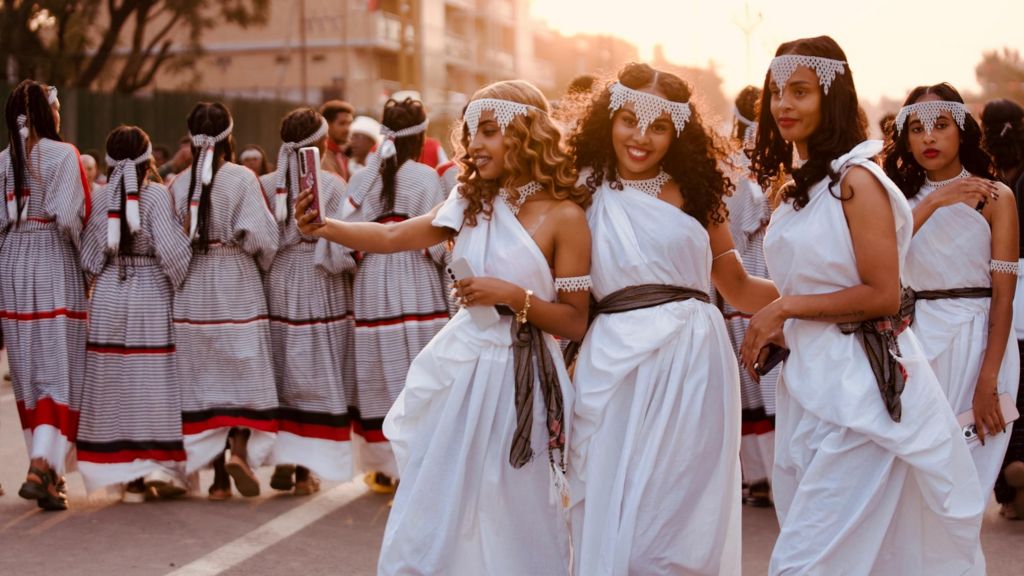
This weekend, the streets of Addis Ababa came alive with the vibrant colors and joyous energy of Ethiopia’s annual Irreecha festival. Tens of thousands of Ethiopians, predominantly from the Oromo ethnic group, gathered to celebrate this traditional thanksgiving event, marking the end of the country’s main rainy season. The festival, deeply rooted in indigenous faith systems, has evolved into a unifying cultural phenomenon that transcends religious and geographical boundaries. Attendees, adorned in elaborate traditional attire and jewelry, gathered around sacred rivers and lakes to express gratitude for the life-giving rains that have transformed the landscape. The air was filled with singing, dancing, and the sharing of stories, while freshly cut grass and flowers were placed in water as symbols of renewal and hope. This year’s celebration was particularly notable for its peaceful and inclusive atmosphere, a stark contrast to past years when the festival was marred by political tensions. The Oromo people, Ethiopia’s largest ethnic group, have historically faced political and economic marginalization, but this year’s Irreecha emphasized unity and cultural pride. The festival’s growing popularity has been fueled in part by social media, with young people documenting their experiences and showcasing the event’s vibrant traditions to a global audience. Among the attendees was Claire from Belfast, Northern Ireland, who returned with her children after being captivated by the festival’s beauty and warmth last year. ‘It is amazing,’ she remarked. ‘Everybody wants to say hello, everyone wants to give you a kiss and say welcome.’ The first day of the festival took place in Addis Ababa, followed by celebrations in Bishoftu, a small town just outside the capital. Irreecha continues to serve as a powerful reminder of Ethiopia’s rich cultural heritage and the resilience of its people.
标签: Africa
非洲
-
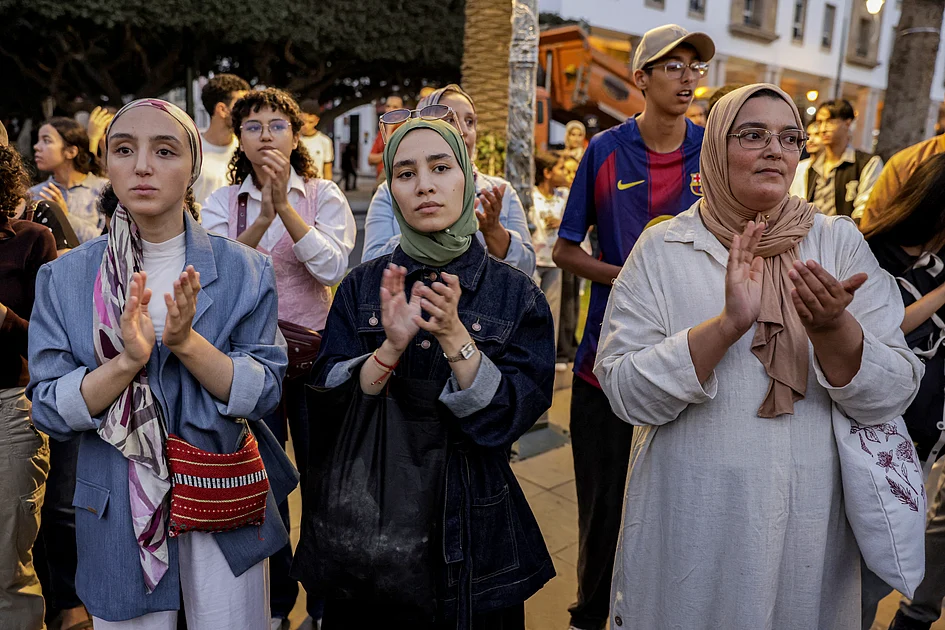
Photos: Morocco sees eighth straight day of youth protests
Morocco has witnessed an unprecedented wave of youth-led protests for the eighth consecutive day, as thousands of young demonstrators took to the streets across the nation to demand significant improvements in public health and education services. The protests, organized by the online collective GenZ 212, have challenged the perception of Moroccan youth as politically apathetic and have highlighted growing discontent with social inequalities and corruption. The group, which operates primarily on the web platform Discord, has mobilized its 180,000 members to stage peaceful rallies in 14 cities, including Tetouan, Casablanca, and Rabat. Demonstrators have been chanting slogans such as ‘The people want an end to corruption’ and ‘Freedom, dignity, and social justice,’ reflecting their broader demands for systemic reforms. The protests gained momentum following reports of the deaths of eight pregnant women at a public hospital in Agadir, which activists cite as evidence of the healthcare system’s failures. While the gatherings have been largely peaceful, isolated incidents of violence have occurred, including a confrontation in the village of Lqliaa that resulted in three fatalities. GenZ 212 has emphasized its commitment to nonviolence and continues to call for the resignation of Prime Minister Aziz Akhannouch, whose term ends next year. The protests mark a significant shift in Morocco’s political landscape, as young people take a more active role in advocating for change.
-
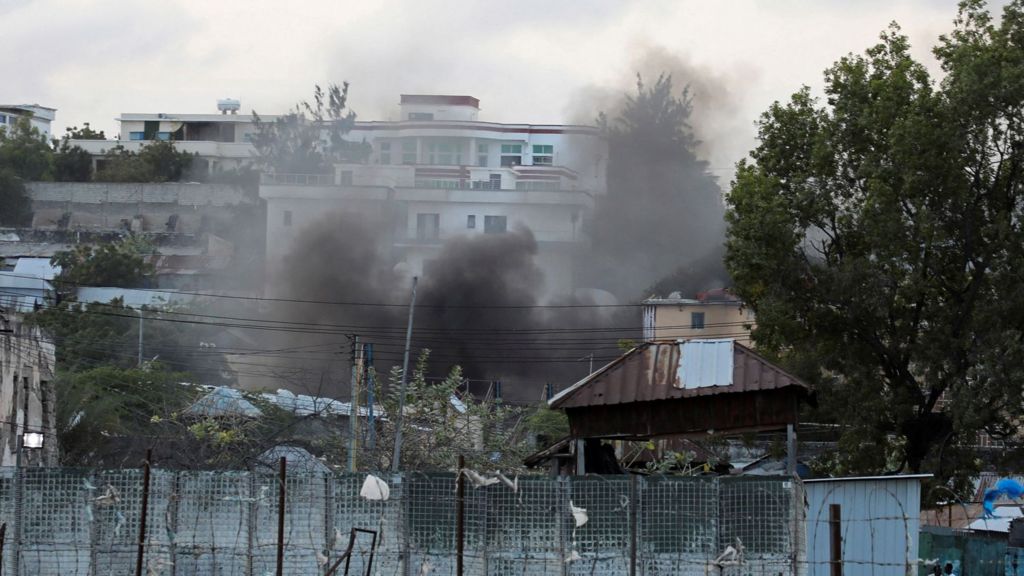
Al-Shabab militants dress as soldiers to storm Somali jail
A daring assault by seven al-Shabab militants on a high-security prison in Mogadishu, Somalia, culminated in the death of all attackers, according to the Somali government. The incident unfolded on Saturday evening at Godka Jilicow, a detention facility housing al-Shabab militants, located near the presidential palace in the heart of the capital. The attack began with a massive explosion and intense gunfire, drawing immediate attention to the area. Al-Shabab claimed responsibility, stating they had freed ‘all Muslim prisoners’ and inflicted significant casualties on the guards. The militants reportedly disguised themselves as soldiers to gain access to the prison, as reported by the government-run news agency Sonna Live. While the government did not disclose the number of security personnel killed, it expressed condolences to the families of ‘the fallen heroes.’ The attack raises serious questions about the effectiveness of security measures in one of Mogadishu’s most heavily guarded areas. Al-Shabab, an al-Qaeda-affiliated group, has been waging a violent insurgency against the Somali government for nearly two decades. The incident occurred hours after the government reopened key roads in Mogadishu, citing improved safety conditions. This attack underscores the persistent threat posed by al-Shabab and the challenges faced by Somali security forces in maintaining stability.
-
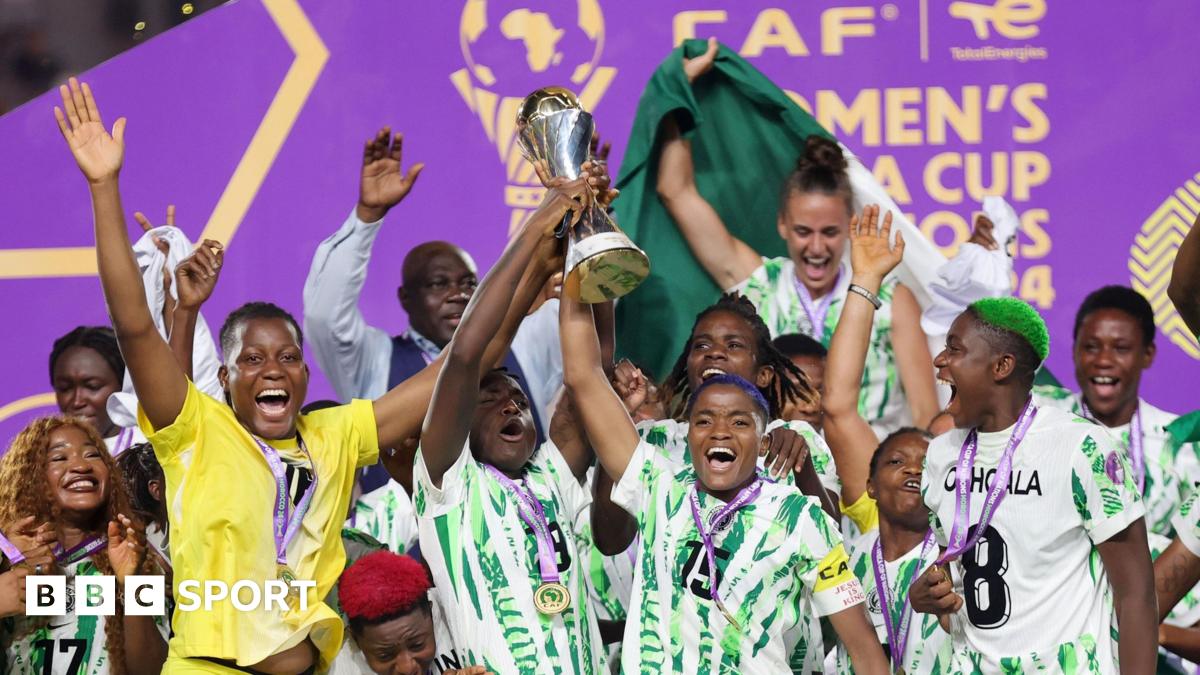
Wafcon expands to 16 teams for 2026 finals
The Confederation of African Football (Caf) has announced a significant expansion of the Women’s Africa Cup of Nations (Wafcon), increasing the number of participating teams from 12 to 16 starting from the 2026 edition. This decision marks a pivotal moment for women’s football on the continent, reflecting Caf’s commitment to fostering growth and inclusivity in the sport. The upcoming 2025 tournament in Morocco will still feature 12 teams, with the qualifying process already in its final round. However, the expansion will necessitate an additional preliminary round, where 11 nations will compete for the remaining four spots. Further details are expected to be unveiled following discussions at Caf’s executive committee meeting in Kinshasa. Since its inception in 1998, Wafcon has evolved from an eight-team competition to its current 12-team format, which resumed in 2022 after a hiatus due to the Covid-19 pandemic. Caf’s investment in women’s football has been substantial, with this year’s tournament in Morocco seeing a 45% increase in the prize pool to $3.45 million. Nigeria, the reigning champions, were awarded $1 million for securing their record-extending 10th title. Caf President Patrice Motsepe expressed optimism about the progress made in women’s football, emphasizing the importance of fair compensation and career opportunities for female athletes. ‘I am pleased with the progress we’ve made in women’s African football,’ Motsepe stated. ‘Part of my starting point is making sure [men and women] are paid well and they can make a career out of football. I can assure you women’s football will continue to improve because that is an area we are focusing on a lot.’
-

‘I have your nudes and everything to ruin your life’: The cyber-scammers targeting teenagers
Evan Boettler, a vibrant 16-year-old from Missouri, was described by his parents as a bright, funny teenager who loved fishing, sports, and hunting. Yet, his life was tragically cut short in January 2024 after falling victim to a sinister cybercrime known as sextortion. The ordeal began when Evan received a chilling message on Snapchat from someone he believed to be a young girl named JennyTee60. Within minutes, ‘Jenny’ coerced him into sharing explicit images and then ruthlessly blackmailed him, threatening to ruin his life. Just 90 minutes after the first message, Evan took his own life.
Sextortion, a rapidly growing online crime, preys on teenagers in the US and Europe, tricking them into sending intimate photos or videos, which scammers then use to extort money. Evan’s parents, Brad and Kari Boettler, were left devastated and searching for answers. Despite their efforts, social media platforms like Meta have refused to share crucial information without a court order, leaving the family in limbo. Law enforcement has made little progress in the two years since Evan’s death, with the only lead being an IP address traced to Nigeria.
Investigations led to Lagos, Nigeria, where sextortion has evolved into a highly organized criminal enterprise. Scammers, often young men in their 20s, operate in ‘Hustle Kingdoms’—rooms filled with individuals running scams on laptops and phones. These operations are run by leaders who take a cut of the profits, creating a cycle of exploitation. Some scammers even turn to traditional healers for rituals believed to bring wealth and protection, blending ancient practices with modern technology.
In the US, reports of sextortion to the FBI have more than doubled in the past three years, reaching 55,000 cases in 2024. Social media companies like Meta claim to be taking action, but critics argue their efforts are insufficient. Brandon Guffey, a South Carolina state representative, lost his 17-year-old son Gavin to sextortion in 2022 and has since been pushing for greater accountability from platforms like Instagram.
Despite Meta’s claims of removing 63,000 sextortion accounts linked to Nigeria in a single sweep, the scale of the problem remains staggering. For Evan’s parents, the search for justice has hit a dead end. The IP address linked to Evan’s scammer led to GloWorld, a Nigerian service provider that failed to retain user information, leaving the trail cold.
Evan’s story is a heartbreaking reminder of the devastating impact of sextortion and the urgent need for stronger protections for young people online. His parents continue to honor his memory, remembering him as ‘an amazing kid’ who was easy to parent because of his kind and loving nature.
-
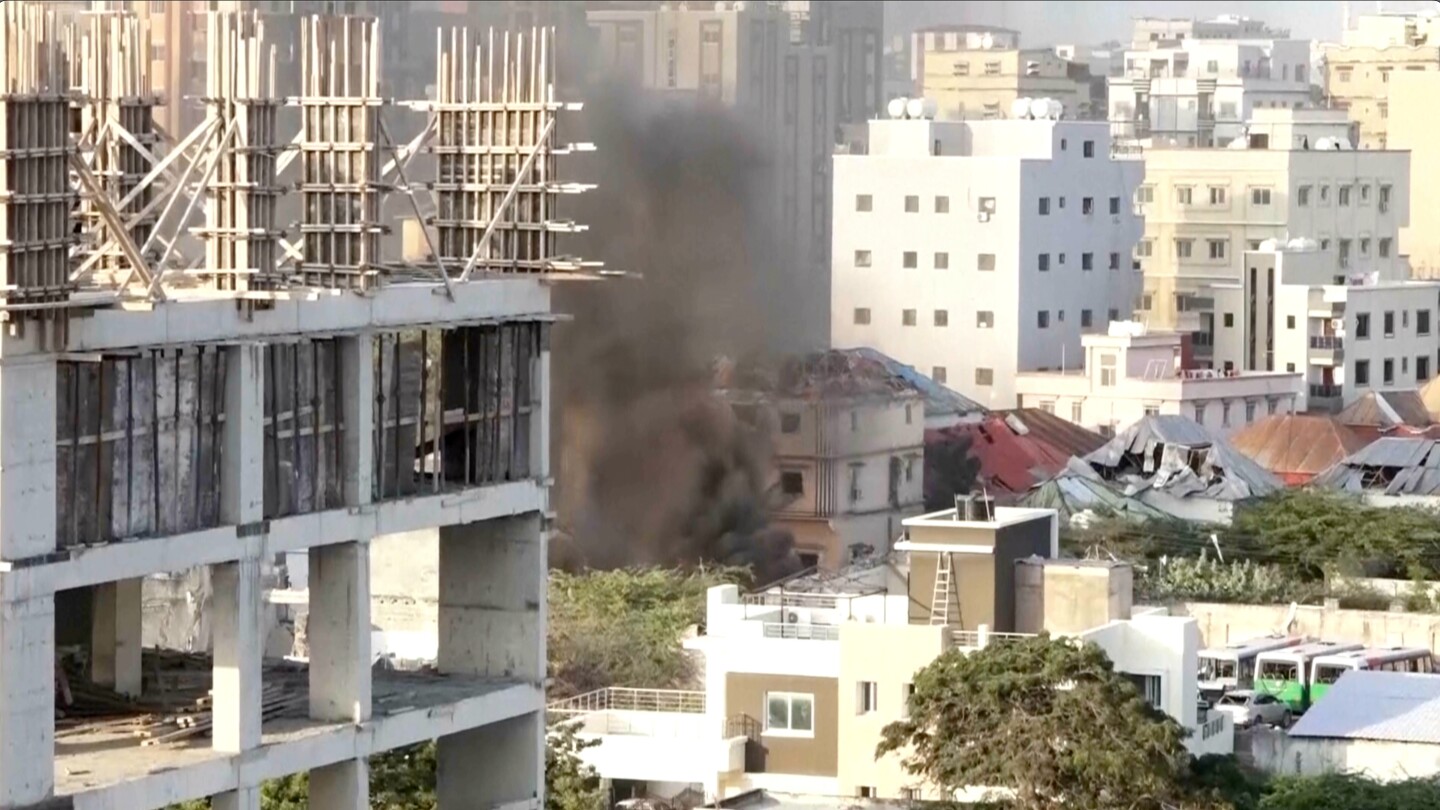
Militants attack major prison in Mogadishu hours after roadblocks lifted
Mogadishu, Somalia — A brazen assault by the al-Qaida-affiliated militant group al-Shabab targeted a high-security prison near Somalia’s presidential palace on Saturday, unleashing chaos in the capital. The attack, marked by explosions and heavy gunfire, occurred just hours after the federal government removed long-standing roadblocks in Mogadishu, a move intended to ease traffic and commerce but which may have inadvertently compromised security. Residents in the Bondhere district reported hearing blasts and witnessing thick smoke rising from the Godka Jilacow prison, which also houses the regional intelligence unit. Hibo Mohamed, a local resident, expressed widespread fear, stating, ‘The city had been calm for months, but now everyone feels anxious once more.’ Al-Shabab claimed responsibility for the attack, asserting that they had freed prisoners. Somali state media reported that the militants used a vehicle disguised as one belonging to the intelligence unit’s security forces. Government soldiers reportedly repelled the assault, killing several militants. The attack on Godka Jilacow prison is not unprecedented; in 2014, al-Shabab launched a similar assault involving a suicide car bomb and an attempted prison break, which resulted in at least a dozen fatalities. Saturday’s incident underscores the persistent threat posed by the militant group, despite recent gains by Somali forces, supported by local militias and African Union troops, in pushing al-Shabab out of central and southern regions. Security forces swiftly cordoned off the area, and ambulances rushed to the scene, though the exact number of casualties remains unclear. The timing of the attack, following the removal of roadblocks, has reignited debates about the balance between security measures and urban mobility in Mogadishu.
-

South Africa win back-to-back Rugby Championships
In a gripping showdown at Allianz Stadium, South Africa emerged victorious over Argentina with a narrow 29-27 win, securing back-to-back Rugby Championships for the first time in their history. The Springboks’ triumph was fueled by standout performances from Cobus Reinach and Malcolm Marx, each scoring two tries, while fly-half Sacha Feinberg-Mngomezulu contributed crucial points with his boot. Despite a spirited start from Argentina, who led 13-10 at halftime thanks to Bautista Delguy’s early try, South Africa’s relentless power game and tactical prowess turned the tide in the second half. The match, played in front of a record-breaking crowd of 70,360, saw Argentina opt for the London venue to maximize financial returns and fan engagement. South Africa’s head coach, Rassie Erasmus, praised his team’s resilience and adaptability, highlighting their ability to bounce back from early championship setbacks. The victory not only cements South Africa’s dominance in world rugby but also sets the stage for their ambitious preparations for the 2027 Rugby World Cup. Erasmus’ strategic squad rotation and development of young talents like Ethan Hooker and Canan Moodie underscore the Springboks’ commitment to sustained excellence. Argentina, despite finishing at the bottom of the championship table, showcased moments of brilliance, with Rodrigo Isgro’s late try earning them a losing bonus point. The Springboks’ ability to perform under pressure, coupled with their depth and tactical ingenuity, reaffirms their status as rugby’s reigning powerhouse.
-
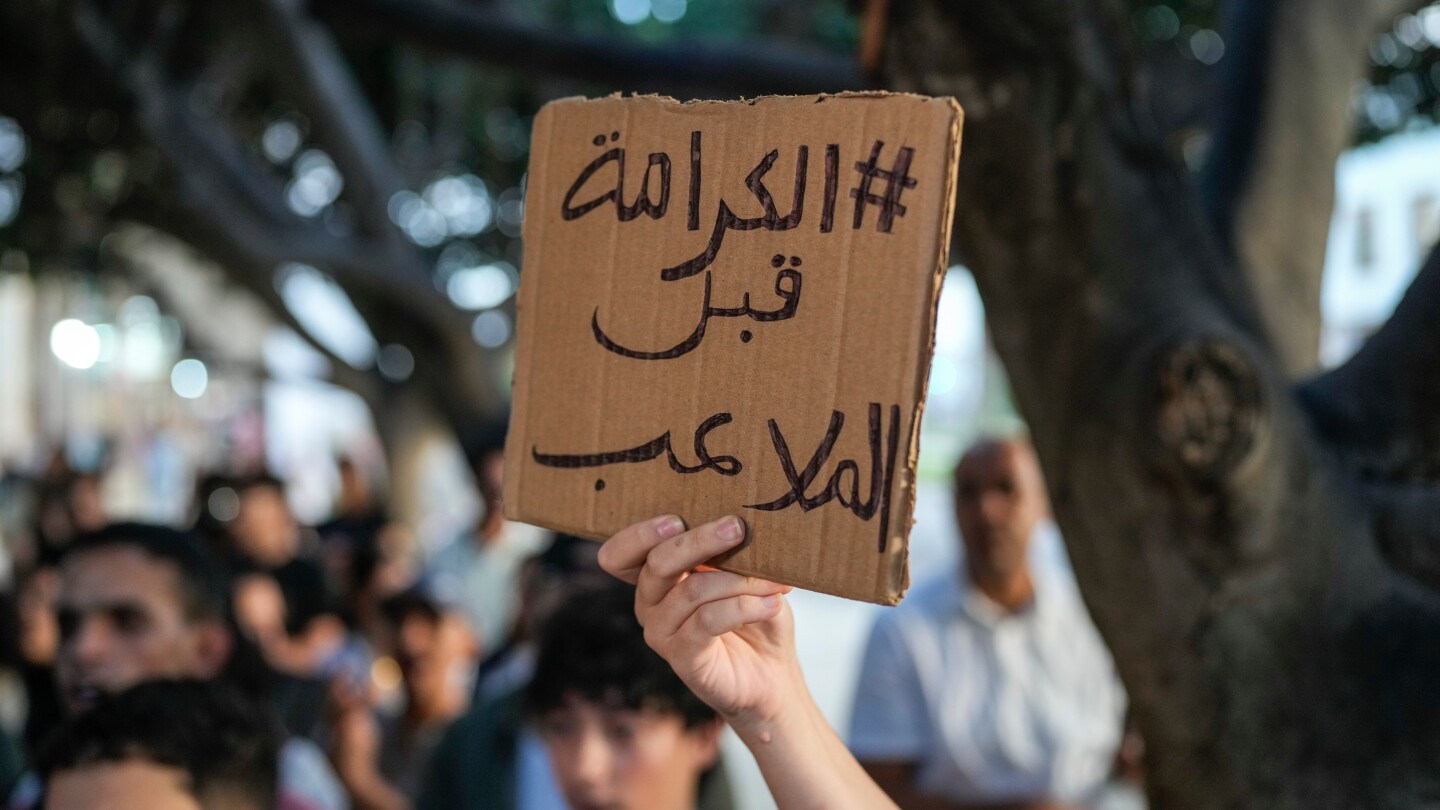
Gen Z protests are shaking Morocco. Here’s what to know
Morocco has been gripped by a wave of youth-led protests for over a week, with demonstrations erupting in more than a dozen cities. The movement, spearheaded by a leaderless collective known as Gen Z 212, has highlighted the growing discontent among young Moroccans over corruption, economic inequality, and inadequate public services. The protests, organized primarily through digital platforms like Discord, have drawn tens of thousands of participants, showcasing the ability of Morocco’s youth to transform online grievances into tangible action. This movement mirrors similar uprisings in countries such as Madagascar, Kenya, Peru, and Nepal, where young people are bypassing traditional institutions to demand change. In Morocco, the anger stems from stark contrasts between government spending on infrastructure for the 2030 FIFA World Cup and the country’s underfunded healthcare and education systems. With unemployment among youth soaring to 36% and over half of Moroccans under 35 considering emigration, the protests reflect deep-seated frustrations with the status quo. The demonstrators have called for the dismissal of the government, the release of detainees, and meaningful reforms to address systemic inequities. While the government has offered dialogue and promised improvements, many protesters remain skeptical, viewing these measures as insufficient and slow-moving.
-
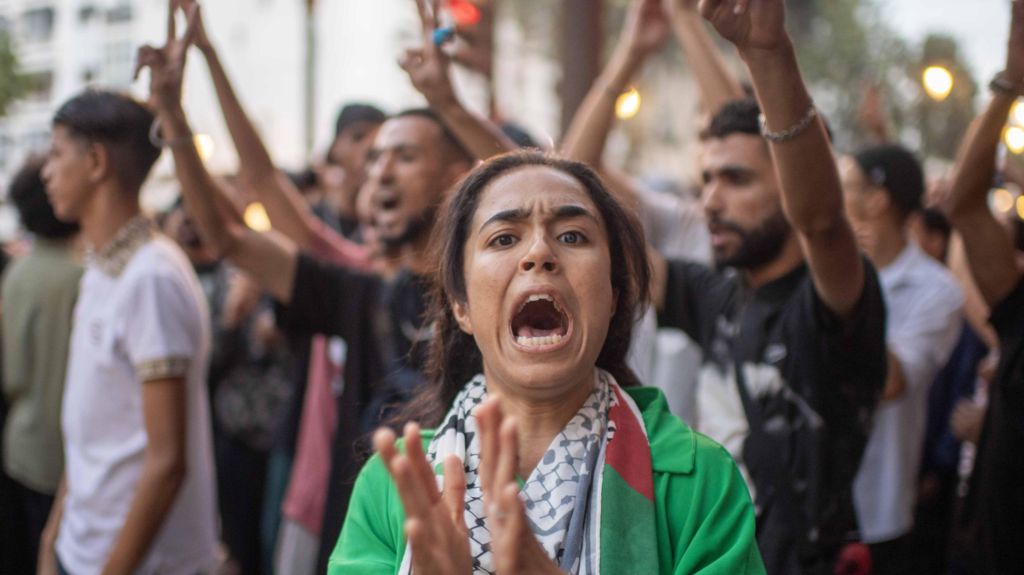
We need hospitals more than football stadiums, say Morocco’s young protesters
Morocco is currently constructing the world’s largest football stadium, a 115,000-capacity venue, as part of its preparations to co-host the 2030 FIFA World Cup. However, this ambitious project, along with other football infrastructure developments costing an estimated $5 billion, has sparked nationwide protests led by the country’s youth. Demonstrators argue that the government’s priorities are misplaced, emphasizing the urgent need for improvements in healthcare, education, housing, and employment opportunities. The protests, organized by a group called Gen Z 212, have gained momentum through social media platforms like Discord, TikTok, and Instagram. Inspired by recent youth-led movements in Nepal, Moroccan protesters are demanding concrete action from authorities to address systemic issues. The demonstrations, which began on September 27 across 10 cities, have grown in size, with slogans such as ‘No World Cup, health comes first’ and ‘We want hospitals, not football stadiums.’ The government’s response has been marked by mass arrests and violent clashes, resulting in the deaths of three protesters. Prime Minister Aziz Akhannouch has expressed openness to dialogue, but the leaderless movement remains steadfast in its demands. Key grievances include free and quality education, accessible healthcare, affordable housing, better public transport, lower prices for basic goods, improved wages, and job opportunities for youth. The movement gained significant traction following the tragic deaths of eight women in a maternity ward in Agadir, which many believe could have been prevented with adequate medical resources. Morocco’s healthcare system is severely underfunded, with only 7.8 doctors per 10,000 people, far below the World Health Organization’s recommendation of 23. Protesters like Hajar Belhassan, a 25-year-old communications manager, emphasize that their demands are basic and reasonable. ‘We are making reasonable, basic demands. Health and education are necessities that should already be prioritized,’ she told the BBC. The protests have drawn comparisons to Morocco’s 1981 Bread Riots, where demonstrators protested against rising food prices. While the government has faced criticism for its heavy-handed response, protesters have distanced themselves from acts of violence and looting. As the movement continues, calls for the king to dissolve the government have emerged, reflecting the growing discontent among Morocco’s youth. Despite their grievances, protesters like Belhassan express pride in their country’s ability to host the World Cup but stress the need to address fundamental issues first. ‘Let’s build stadiums, but let’s also build our education and health systems. Let’s take care of our people,’ she said.
-
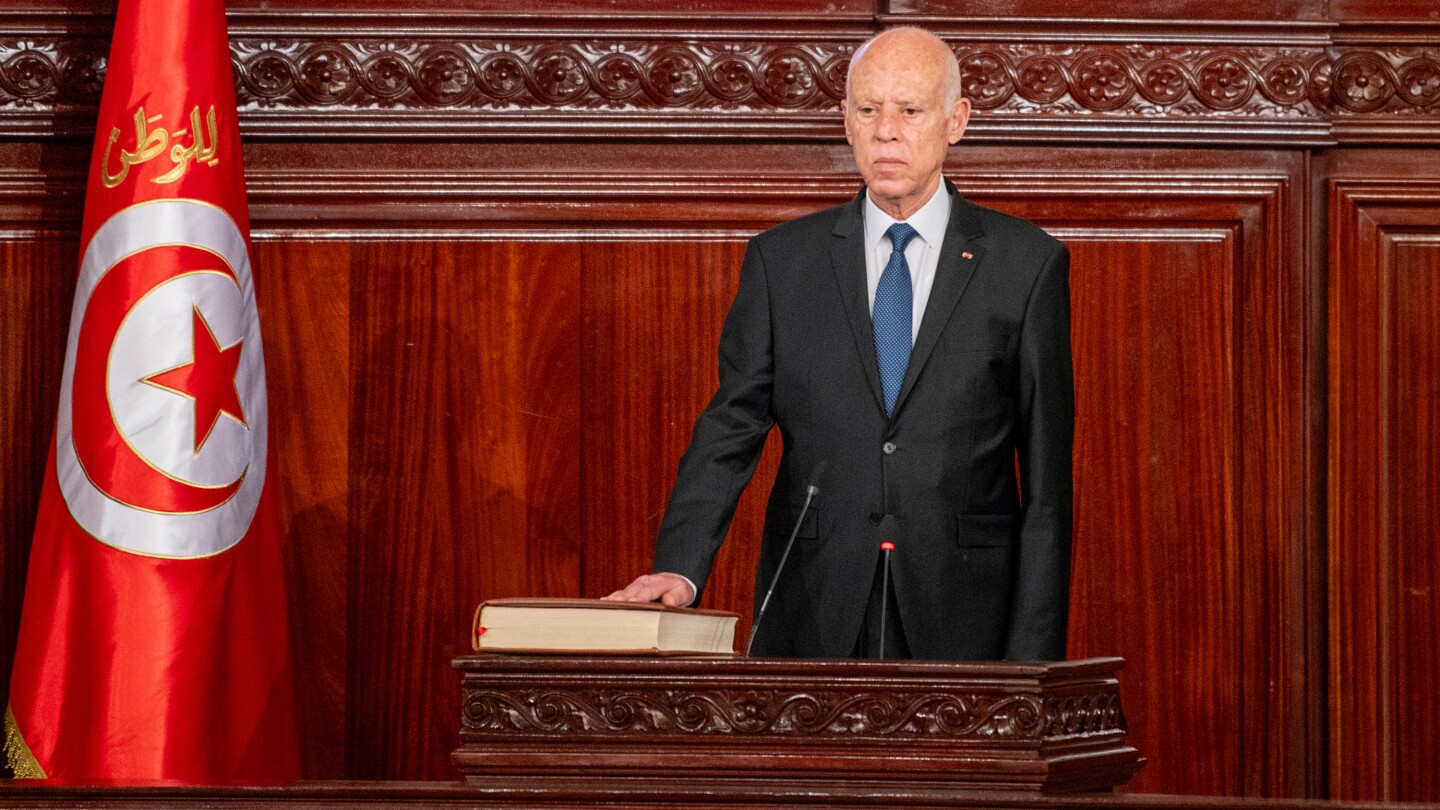
A court in Tunisia sentenced a man to death for Facebook posts seen as insulting to the president
In a groundbreaking and controversial decision, a Tunisian court has handed down a death sentence to a 51-year-old man for Facebook posts deemed offensive to President Kais Saied and a threat to national security. Saber Chouchen, a father of three and occasional day laborer, was convicted on charges of attempting to overthrow the state, insulting the president, and disseminating false information online. The court ruled that his posts incited violence and chaos, violating Tunisia’s penal code and the contentious 2022 cybercrime law, Decree 54. This marks the first death sentence of its kind in Tunisia, where dozens have faced severe prison terms under similar charges since Saied consolidated power in July 2021. Although Tunisia retains capital punishment in its legal framework, no executions have been carried out since 1991. Chouchen’s lawyer, Oussama Bouthelja, described his client as socially vulnerable and of limited education, emphasizing that his posts were largely copied from other sources and intended to highlight his dire living conditions rather than incite unrest. The ruling has drawn sharp criticism from journalists and human rights groups, who view Decree 54 as a tool to suppress free expression. Tunisia, once celebrated as a democratic beacon following the 2011 Arab Spring, has seen a significant erosion of political freedoms under Saied’s authoritarian rule. Rights advocates warn that this case sets a dangerous precedent for the use of the death penalty in cases involving online speech.