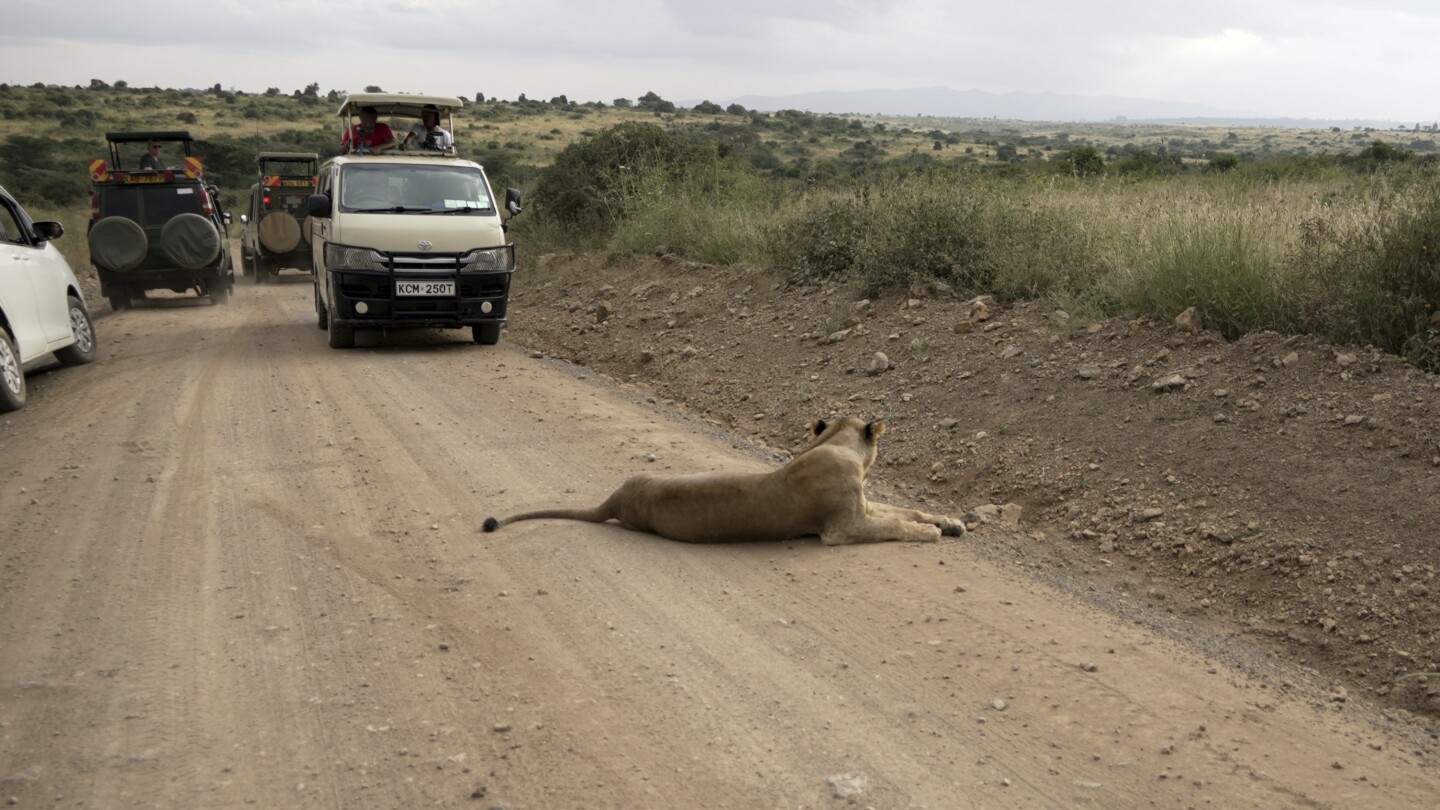
In a tragic incident near Kajiado, Kenya, 14-year-old Peace Mwende lost her life to a lion attack, a stark reminder of the escalating human-wildlife conflict in the region. The incident occurred less than a kilometer from the author’s home, where lions are frequently spotted, even in residential areas. Nairobi’s unique proximity to Nairobi National Park has long been a source of pride, but rapid urbanization and shrinking wildlife habitats are intensifying the challenges. The Kenya Wildlife Service (KWS) faces a dual mandate: protecting endangered species like lions, whose population has dwindled to just over 2,000, and ensuring the safety of residents who share their space with these predators. KWS has implemented measures such as feeding interventions during lean seasons, but the encroachment of residential and industrial developments on traditional migratory corridors threatens the delicate balance. Non-government initiatives offer small incentives to landowners to keep their properties unfenced, but the question remains: will these efforts suffice? The lack of public awareness on how to coexist with predators exacerbates the issue. The author recounts personal experiences, including a close encounter with a lioness during a safari and a harrowing incident where a neighbor was killed by a lion. While KWS has taken steps to mitigate risks, such as shooting lions involved in fatal attacks, the shrinking habitat and diminishing prey availability for lions suggest that conflicts will only escalate. The author, a seasoned journalist, reflects on the duality of living amidst such a unique yet perilous environment, expressing both grief for the lives lost and hope for sustainable solutions that preserve Nairobi’s remarkable wilderness.
标签: Africa
非洲
-
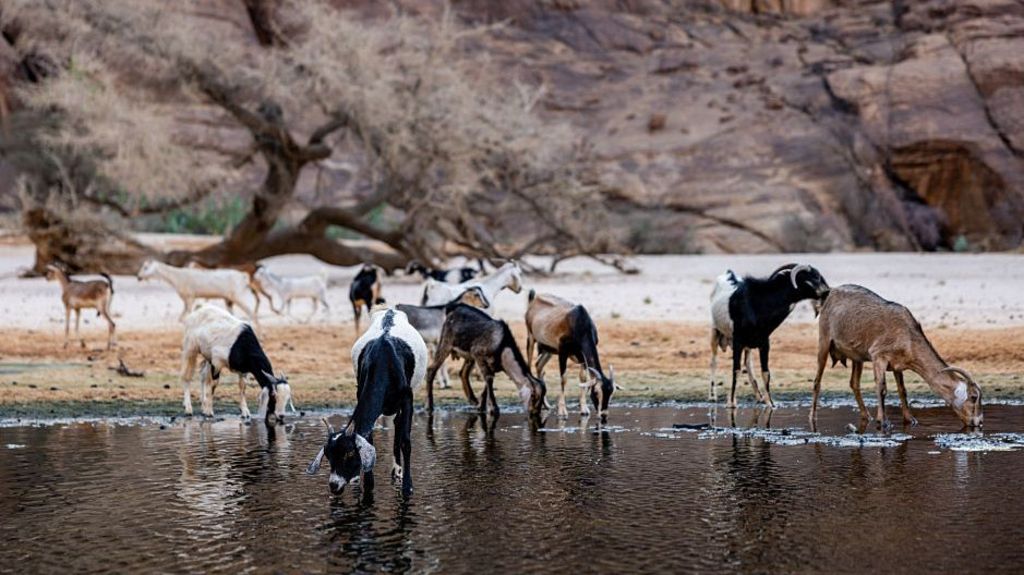
Chad cuts ties with wildlife charity linked to Prince Harry
The Chadian government has officially terminated its 15-year agreement with African Parks, a prominent conservation organization that counts Prince Harry, the Duke of Sussex, among its board members. The decision comes amid allegations that the charity failed to effectively combat poaching in two of Chad’s key protected areas: the Ennedi Natural and Cultural Reserve and the Greater Zakouma Ecosystem, which includes Zakouma and Siniaka-Minia national parks. The government also accused African Parks of displaying an ‘arrogant and disrespectful attitude’ and insufficient cooperation with local authorities. In response, the charity stated it has initiated discussions with the environment ministry to understand the government’s stance and explore future conservation efforts. This development marks another setback for Prince Harry’s philanthropic endeavors, following his recent resignation from Sentebale, a charity he founded to support children orphaned by AIDS in Botswana and Lesotho. African Parks, established in 2000, manages over 20 million hectares of protected areas across 12 countries, aiming to ensure ecological, social, and financial sustainability. The organization has faced criticism in the past, including allegations of employee misconduct in the Republic of Congo and a refusal to publish an independent report on the matter. Despite its high-profile donors, including the European Union and heirs to the Walmart and Buffett fortunes, the charity now faces scrutiny over its effectiveness and governance.
-
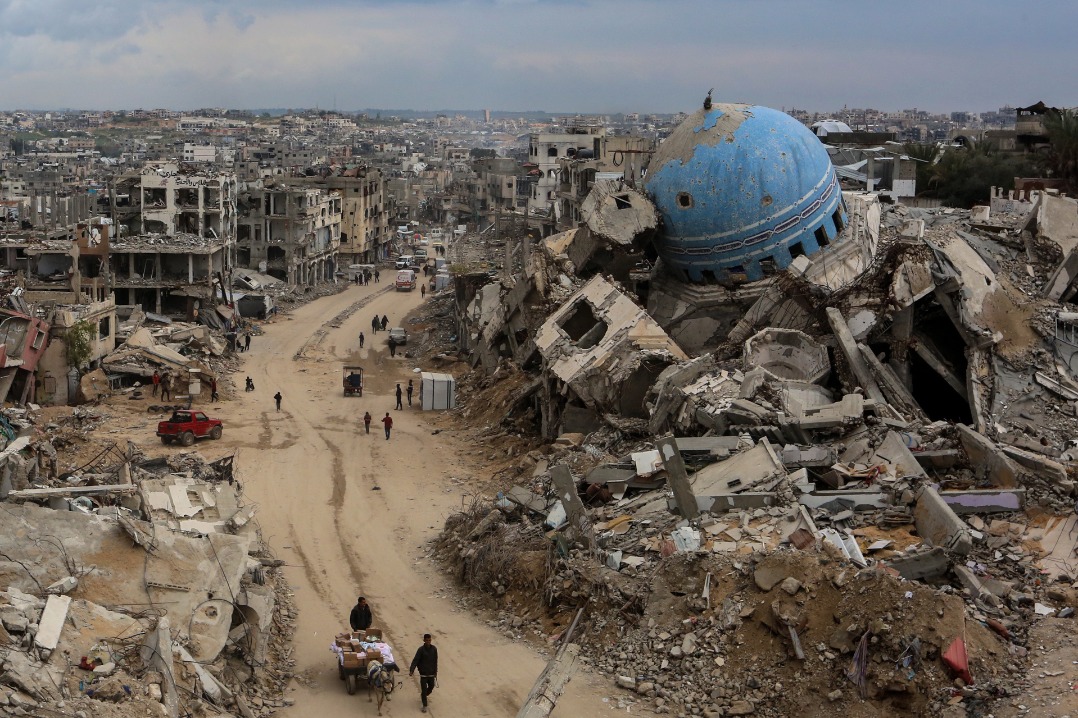
Gaza ceasefire talks enter 2nd day in Egypt as Hamas demands permanent end to war
The second day of indirect ceasefire negotiations between Hamas and Israel, mediated by Egypt and Qatar, commenced on Tuesday in Sharm el-Sheikh, Egypt. According to an Egyptian source, the discussions focused on critical issues such as a hostage-prisoner exchange, humanitarian aid access to Gaza, and the future governance of the Gaza Strip. Hamas reiterated its demand for US and Israeli guarantees of a permanent cessation of hostilities, which remains the primary obstacle in the talks. The negotiations are based on the 20-point peace plan proposed by US President Donald Trump, which Hamas has conditionally accepted. The first phase of the plan includes an immediate ceasefire and the release of all Israeli hostages, both living and deceased. Israel estimates that 48 hostages remain in Gaza, with 20 still alive. Hamas stated that it would only begin collecting hostages once Israel’s military operations cease, citing safety concerns for its operatives. Additionally, Hamas insisted on the release of prominent Palestinian leader Marwan Barghouti as part of the prisoner exchange. Regarding Gaza’s future governance, Hamas rejected the deployment of foreign forces but expressed openness to Arab forces coordinating with the Palestinian Authority. The group also opposed the appointment of former British Prime Minister Tony Blair to lead post-war governance. The conflict, which began on October 7, 2023, following a Hamas attack on southern Israel, has resulted in significant casualties and a severe humanitarian crisis in Gaza, with over 67,000 Palestinian deaths reported.
-
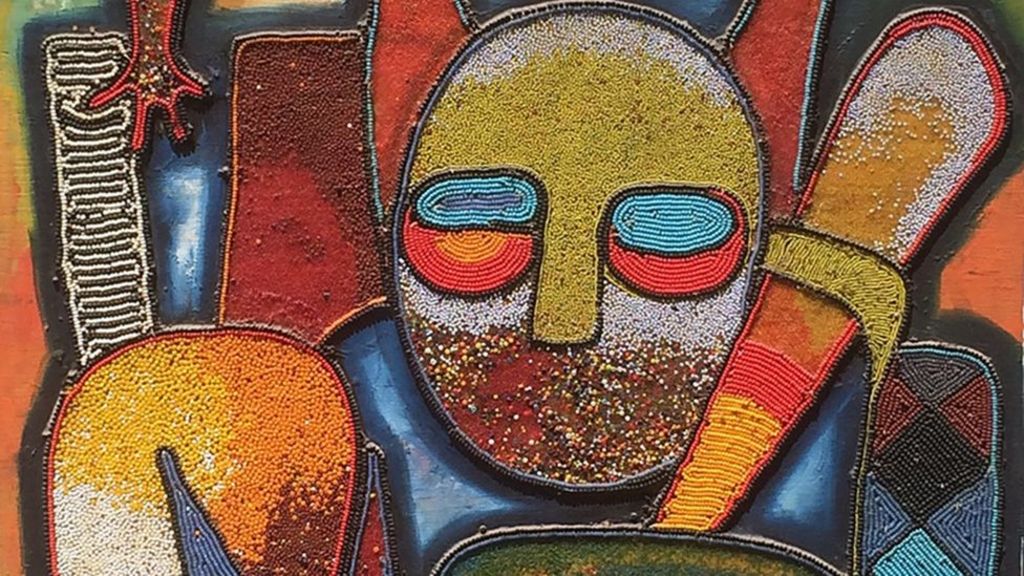
‘One of the greatest things’ – Nigeria’s art innovators on display in London
The Tate Modern in London is currently hosting a groundbreaking exhibition titled *Nigerian Modernism*, a comprehensive showcase of over 50 Nigerian artists spanning from 1910 to the 1990s. This ambitious project highlights the evolution of Nigerian art, blending traditional techniques such as bronze casting, mural painting, and wood carving with European influences. Among the featured artists is the renowned 93-year-old painter and sculptor Bruce Onobrakpeya, who describes the exhibition as ‘one of the greatest things to have happened, not only to my art, but to Nigerian artwork.’
The exhibition offers a vivid journey through Nigeria’s history, from its colonial past to independence and the turbulent years of the Biafran War. Works from the influential Nsukka Art School, founded by students and professors at the University of Nigeria, reflect the nation’s struggles and triumphs. Artists like Muraina Oyelami and Ben Enwonwu contribute pieces that range from naturalistic depictions of real-life events to abstract explorations of identity and modernity.
Curator Osei Bonsu emphasizes the collective spirit of the exhibition, noting that the artists share a common goal of ‘fashioning radical visions of what modern art could be.’ The collection includes diverse mediums, from watercolors and photography to political cartoons and intricate thorn carvings, representing Nigeria’s rich cultural heritage and its global diaspora.
For Onobrakpeya, the exhibition is more than a retrospective; it is a source of inspiration and hope. ‘It gives us strength, and we’re going to work harder to produce something even greater than this,’ he says. *Nigerian Modernism* runs at the Tate Modern until May 10 next year, offering visitors a rare opportunity to explore a movement that has long been underrepresented on the global stage.
-
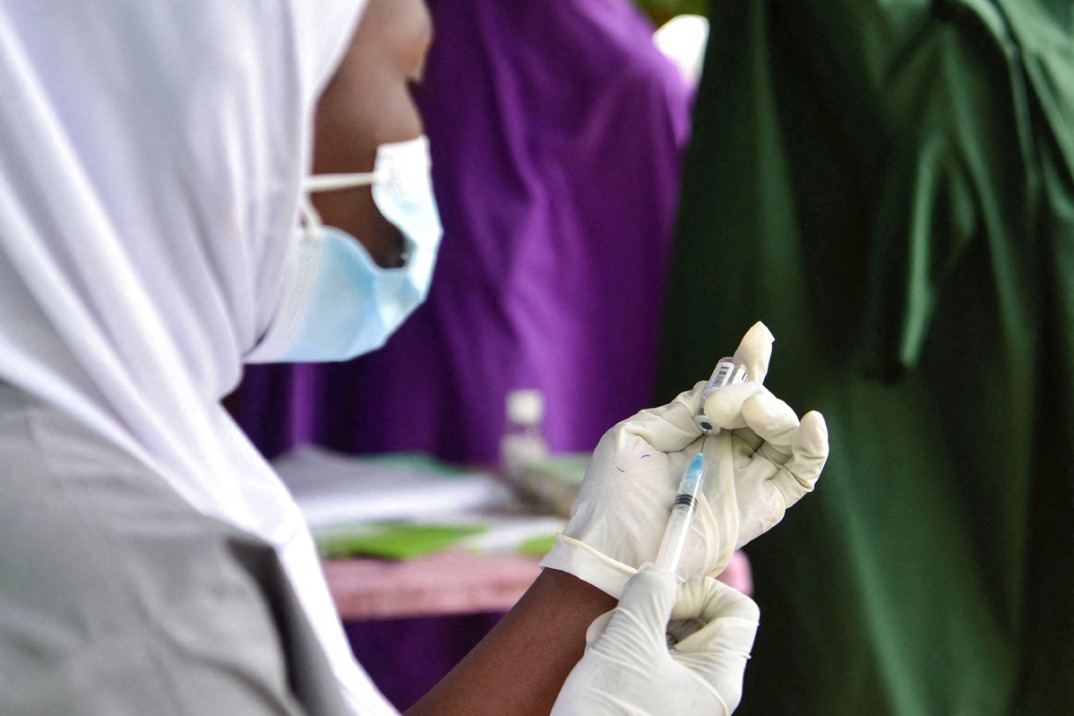
Nigeria launches massive vaccination campaign for children
Nigeria has embarked on an unprecedented nationwide vaccination campaign, one of the largest in its history, aiming to safeguard approximately 106 million children against measles, rubella, and poliomyelitis. This integrated initiative combines multiple vaccines and essential child health services into a unified effort, ensuring efficient and comprehensive protection across the country. Children aged 14 and below will receive measles and rubella vaccines, while those under five will be immunized against polio. The campaign is being rolled out in two phases: the first, launched on October 7, 2025, targets 20 high-risk northern states and Oyo state in the southwest, while the second phase, scheduled for January 2026, will cover the remaining southern states. Gavi, a global health organization, is supporting the campaign with a $103 million investment, collaborating with federal and state governments to strengthen health systems, share expertise, and ensure long-term sustainability. The initiative leverages years of investment in Nigeria’s health infrastructure, including cold chain systems, workforce capacity, and digital tools, while also utilizing data and technology to enhance decision-making, track progress, and boost public engagement.
-
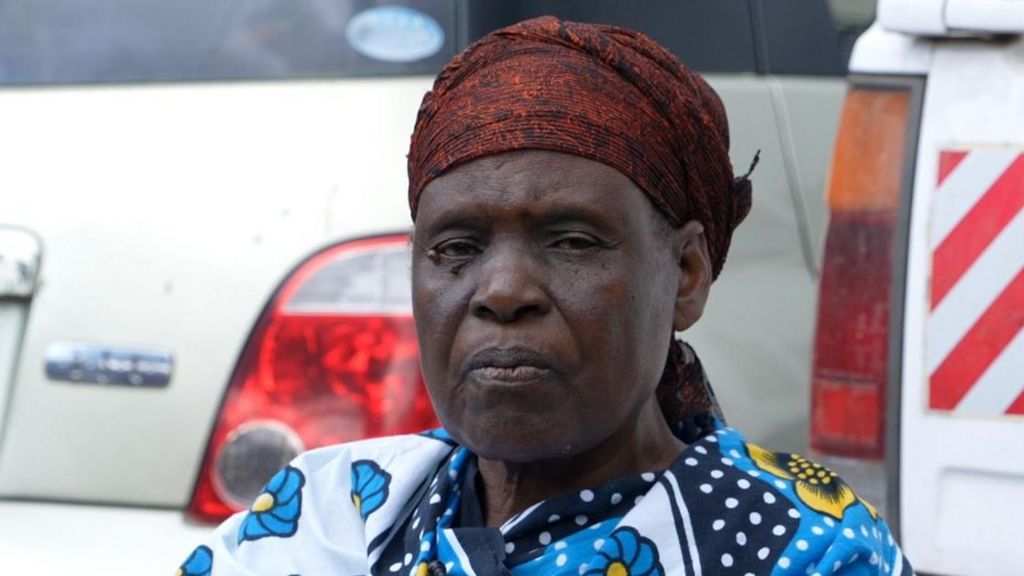
‘I want my son back, dead or alive’ – mother of missing Tanzanian ex-diplomat
Annamary Polepole, the mother of former Tanzanian diplomat Humphrey Polepole, has issued a heartfelt plea for authorities to help locate her son, who vanished under mysterious circumstances. In an emotional interview with the BBC, she begged, ‘If he is alive, return him to me. If he is not, bring his body and let me bury my child myself. They should not go and throw him into the sea.’ Humphrey Polepole, a vocal critic of the Tanzanian government, was reportedly abducted from his Dar es Salaam home in the early hours of October 6. His brother discovered the house door broken and traces of blood, raising concerns about foul play. Local police confirmed they are investigating the incident, though the city’s police chief initially cast doubt on the reported attack, suggesting the former ambassador to Cuba often claimed to be abroad. This incident follows the alleged abduction of Polepole’s sister in July, deepening the family’s anguish. Annamary Polepole lamented, ‘As a woman who struggled to raise children as a widow, it is very painful for such things to happen.’ She also expressed fears for Tanzania’s future, criticizing the government’s heavy-handed tactics. Humphrey Polepole, who resigned as ambassador earlier this year after publicly denouncing the government’s disregard for justice and constitutional principles, had recently questioned President Samia Suluhu Hassan’s nomination as the ruling party’s presidential candidate. He also accused government officials of corruption and misuse of public funds, claiming armed individuals had harassed his family and raided his home twice. Despite his outspoken stance, many Tanzanians have praised his courage, while others question his moral authority given his previous roles under both Magufuli and Samia. His mother, however, described him as a man of integrity and warmth. The case unfolds amid a tense political climate as Tanzania prepares for its October 29 general election, with President Samia seeking a second term amidst growing criticism of her administration’s repressive measures.
-
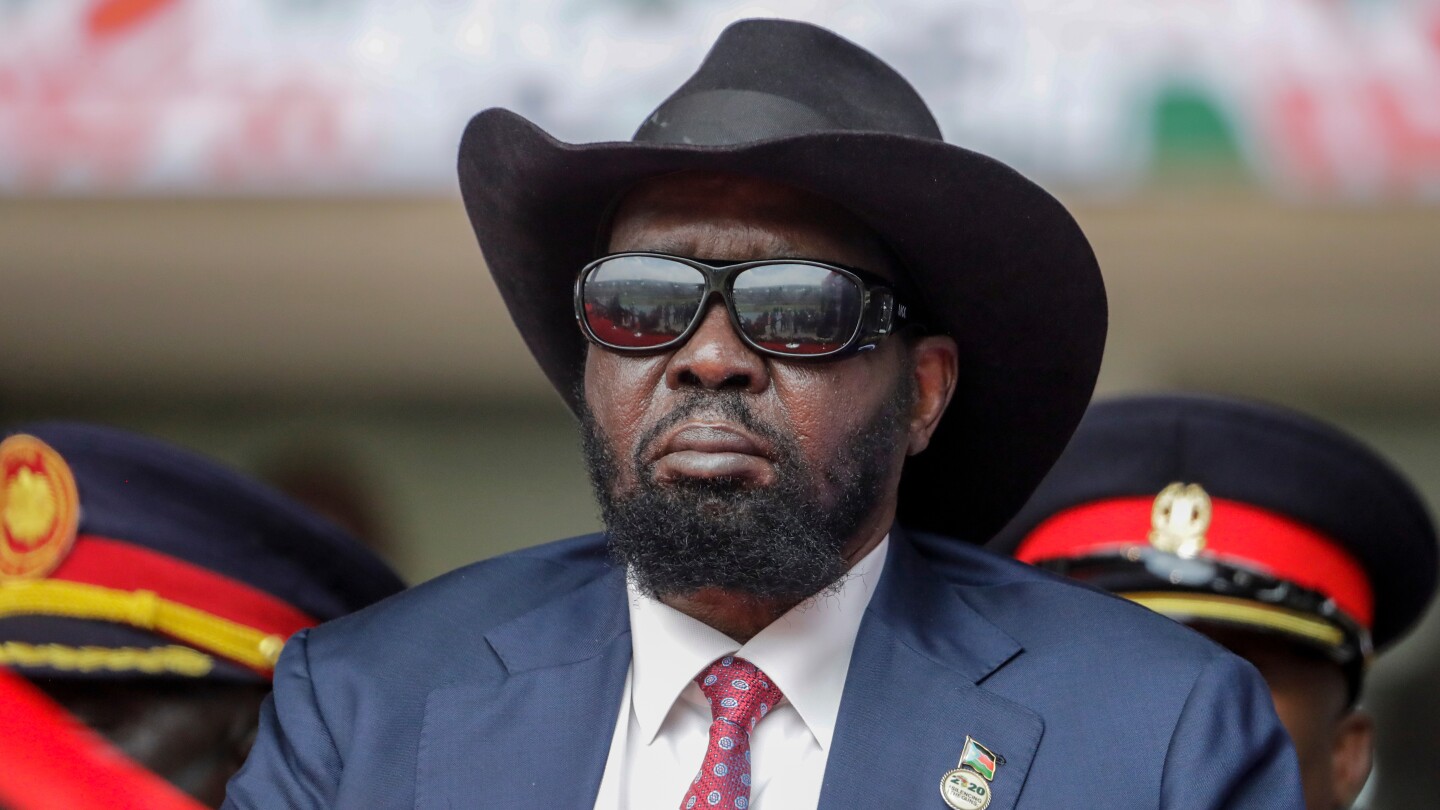
Oversight body says South Sudan rivals have recruited fighters, raising war fears
In a concerning development, the Reconstituted Joint Monitoring and Evaluation Commission (RJMEC), an international ceasefire monitoring body, has revealed that parties to South Sudan’s faltering peace agreement are actively recruiting new fighters and abducting children to participate in the ongoing conflict. This alarming trend has raised fears of a potential return to full-scale civil war in the region. The RJMEC, overseen by the regional bloc IGAD, disclosed that South Sudan’s military initiated a recruitment drive in June to enlist 4,000 forces for peacekeeping and other purposes, followed by the establishment of a new training center in August. Disturbingly, the commission also reported that all sides in the conflict have been involved in the abduction and mobilization of children, as well as incidents of sexual violence. These findings, shared with the U.N. Security Council, have intensified concerns that the government and opposition groups are preparing for further escalation. The situation is further complicated by the trial of Riek Machar, a prominent opposition leader, who faces charges of terrorism and crimes against humanity. Machar, who has been under house arrest since March, denies the allegations and has called for an independent investigation. The RJMEC has urged his release, warning that the current trajectory could lead to the collapse of the 2018 peace agreement, which has already seen multiple extensions of its transitional period. George Aggrey Owinow, RJMEC’s interim chairman, emphasized the urgent need to address these challenges to prevent a reversal of progress. Meanwhile, South Sudan’s Minister for Cabinet Affairs, Martin Elia Lomuro, sought to downplay fears, asserting that the peace process remains on track despite the mounting concerns.
-
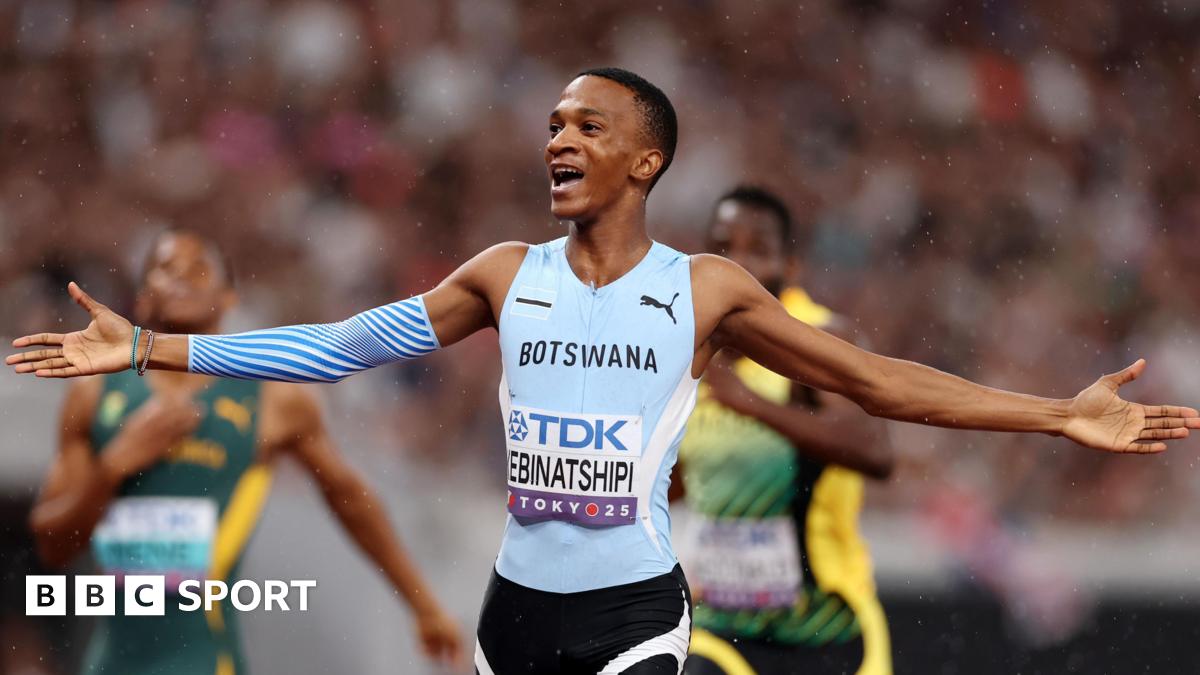
Kebinatshipi targets 400m world record after Tokyo gold
Collen Kebinatshipi, the 21-year-old sprint sensation from Botswana, has set his sights on breaking Wayde van Niekerk’s 400m world record after his historic gold medal win at the World Athletics Championships in Tokyo last month. Kebinatshipi clocked an impressive 43.53 seconds, the 10th-fastest time in history, to claim the title, becoming the first male athlete from Botswana to achieve such a feat. Van Niekerk’s world record of 43.03 seconds, set during the 2016 Rio Olympics, remains the benchmark Kebinatshipi aspires to surpass. ‘Records are meant to be broken,’ Kebinatshipi confidently stated in an interview with Newsday on the BBC World Service. ‘If I stay focused and injury-free, everything is possible.’ His victory in Tokyo was a surprise even to himself, as he had narrowly missed the Olympic final in Paris 2024. ‘My goal was just to reach the final in Tokyo,’ he admitted. ‘I didn’t expect to win a medal so soon.’ Kebinatshipi’s triumph was followed by a unique celebration—push-ups on the Tokyo track—a tribute to his compatriot Isaac Makwala, who famously performed the same act during the 2017 World Championships. Kebinatshipi’s success extended to the 4x400m relay, where he anchored Botswana to a thrilling gold medal, edging out the United States and South Africa by a mere seven hundredths of a second. The team’s victory was celebrated with a national holiday in Botswana, marking a turning point in Kebinatshipi’s career. ‘This is just the start,’ he said. ‘I have to stay focused for what’s to come in the next decade.’
-
Army general named as Madagascar PM to quell Gen Z protests
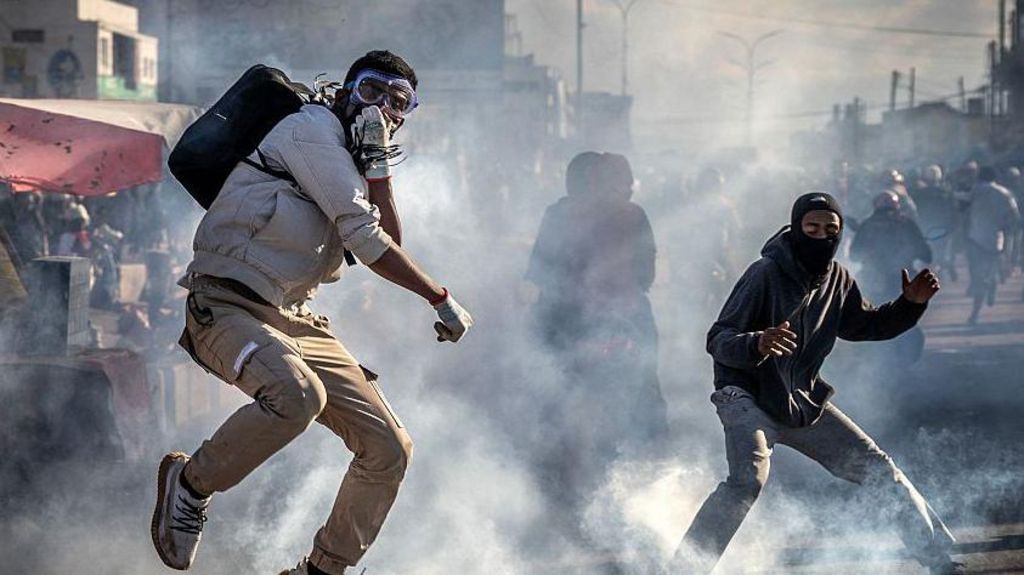
Madagascar’s President Andry Rajoelina has appointed General Ruphin Fortunat Zafisambo as the new prime minister in a bid to quell ongoing youth-led protests against his administration. The decision, announced on Monday, comes amid heightened tensions and fears of a potential coup. Rajoelina described the appointment as necessary to restore order and public trust, emphasizing the need for a leader capable of saving the nation. However, the protest movement, known as Gen Z Mada, swiftly rejected the move, demanding Rajoelina’s resignation within 48 hours and vowing to continue their struggle. The protests, which began on September 25, were initially sparked by widespread anger over frequent water and power outages but have since evolved into a broader outcry against corruption and high unemployment. Last week, Rajoelina dismissed Prime Minister Christian Ntsay and his cabinet in an attempt to appease demonstrators, but the unrest has persisted. General Zafisambo, previously the director of the military cabinet in the prime minister’s office, now assumes a role that underscores the increasing militarization of the government. The UN has reported at least 22 deaths and over 100 injuries during the protests, though the government disputes these figures, labeling them as misinformation. Clashes between security forces and protesters continued on Monday in several cities, including the capital, Antananarivo, as the unrest entered its third week. Madagascar, one of the world’s poorest nations, has a history of political instability, with Rajoelina himself coming to power after mass protests in 2009. The current demonstrations represent the most significant challenge to his leadership since his re-election in 2023. With 75% of the population living below the poverty line and only a third having access to electricity, the protests highlight deep-seated economic and social grievances.
-
‘I deeply hurt people by moving to Saudi Arabia’
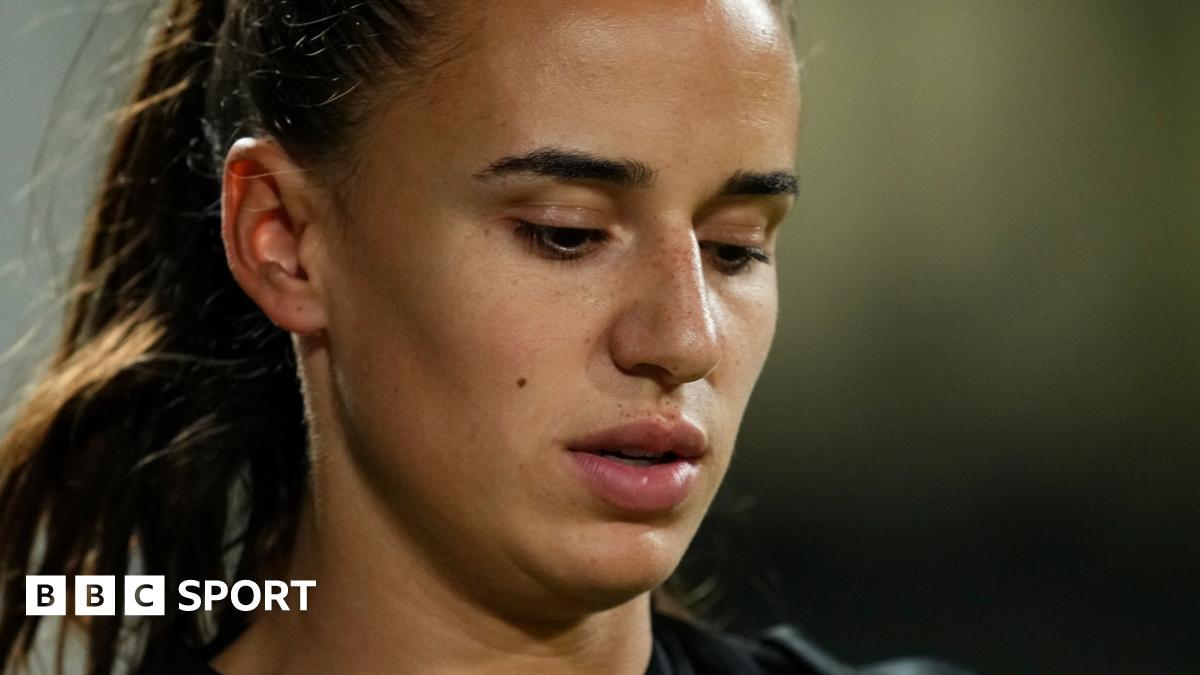
When Ashleigh Plumptre received an offer from Saudi Arabia in 2023, her initial reaction was to decline. The Nigerian international defender, whose contract with Leicester City was nearing its end, sought a new challenge that would inspire her both personally and professionally. After negotiations and a visit to the Middle East, Plumptre decided to make history by becoming the first player to transition from the Women’s Super League (WSL) to the Saudi Women’s Premier League (SWPL). Two years later, she has extended her contract with Jeddah-based Al-Ittihad and is determined to challenge Western stereotypes about life for female athletes in Saudi Arabia. However, she acknowledges the loss of trust from some LGBT fans and admits that Saudi women’s football has significant room for improvement both on and off the pitch. Born in England, Plumptre switched her international allegiance to Nigeria, the homeland of her paternal grandfather. Her decision to join Al-Ittihad, facilitated by her father and agent, Tim, was driven by a sense of opportunity rather than financial gain. The SWPL, launched in 2022, features 24 teams divided into three leagues, with clubs permitted to sign up to six foreign players. While the men’s Saudi Pro League has attracted global stars like Cristiano Ronaldo and Neymar, the women’s league is still in its infancy. Plumptre’s move sparked controversy, particularly among LGBT supporters, given Saudi Arabia’s strict laws against same-sex relations. Despite this, she emphasizes her commitment to the project and her belief in the potential for growth in Saudi women’s football. Plumptre’s experience in Saudi Arabia has been largely positive, with her feeling safer and more at ease in Jeddah than in the UK. She highlights the supportive environment within her gated community and the respectful treatment she receives. However, she acknowledges the challenges faced by Saudi women, including the lingering influence of the guardianship system. On the pitch, Plumptre notes the disparity in skill levels between international and local players and the lack of fan attendance at games. She remains optimistic about the league’s future, advocating for gradual progress and realistic goals rather than rushing to host major tournaments like the Women’s World Cup. Plumptre’s journey represents a bold step in the evolution of women’s football in Saudi Arabia, blending personal ambition with a commitment to fostering change in a traditionally conservative society.