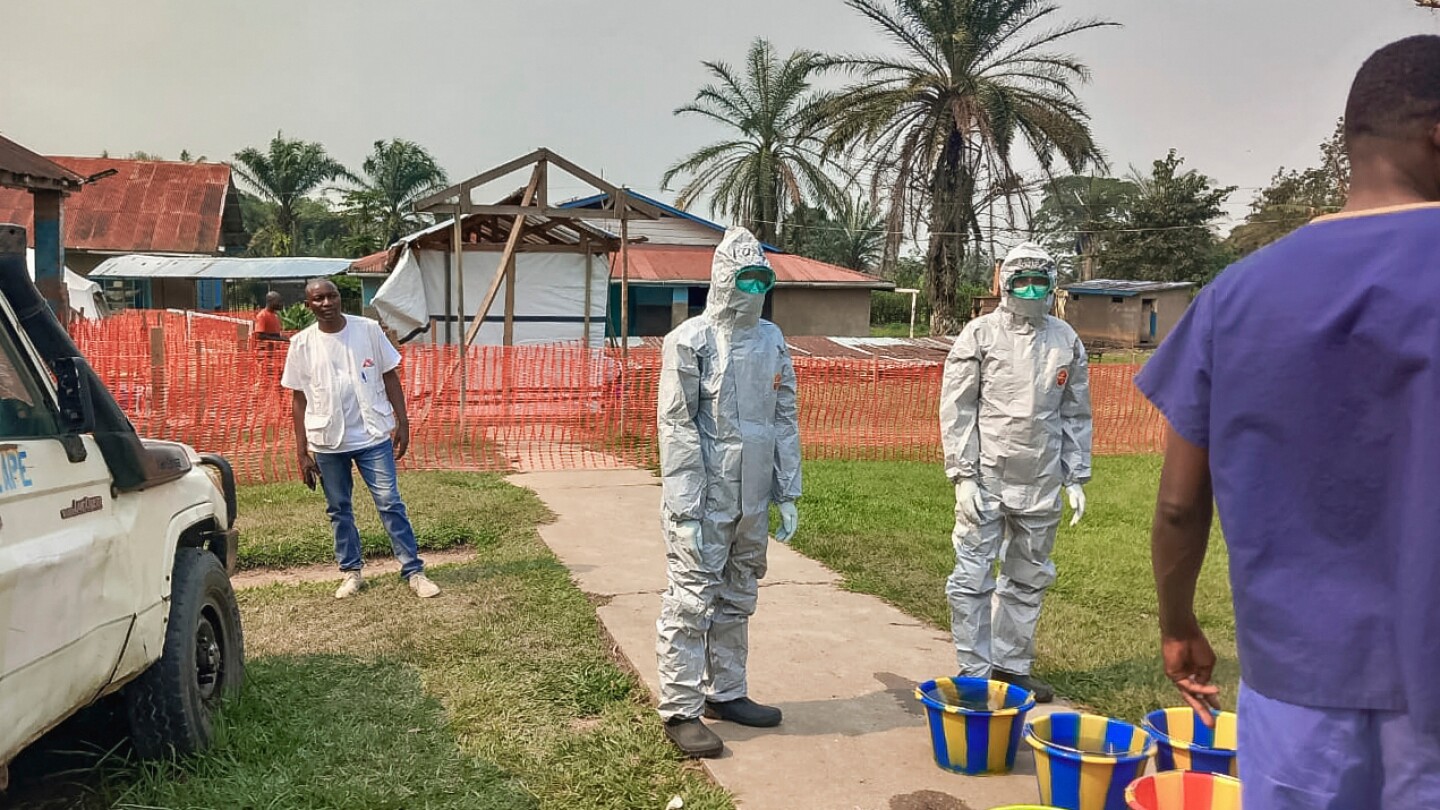
The World Health Organization (WHO) announced on Wednesday that the recent Ebola outbreak in southern Congo is showing signs of containment, with no new cases reported since October 1. As of October 5, 2025, ten consecutive days have passed without any new infections, suggesting that transmission in the affected regions may be under control. The outbreak, which was declared by Congolese authorities on September 4, marks the first Ebola incident in 18 years in the remote Kasai Province, located over 1,000 kilometers from the capital, Kinshasa. To date, the WHO has recorded 64 cases, including 53 confirmed and 11 probable, alongside 43 deaths, with 32 confirmed and 11 probable. Despite initial concerns over insufficient funding and resources, enhanced logistics and field operations, such as helicopter and ground deliveries of medical supplies and the decontamination of three health facilities, have played a crucial role in curbing the outbreak. The WHO emphasized that the decline in transmission and improved case management are the results of coordinated efforts led by the Congolese Ministry of Health, supported by the WHO and other partners. However, the agency urged continued vigilance, as nearly 2,000 contacts—individuals potentially exposed to the virus—are still under monitoring. A single oversight in tracking these contacts could reignite transmission chains, particularly in areas with high population mobility or limited community surveillance.
标签: Africa
非洲
-
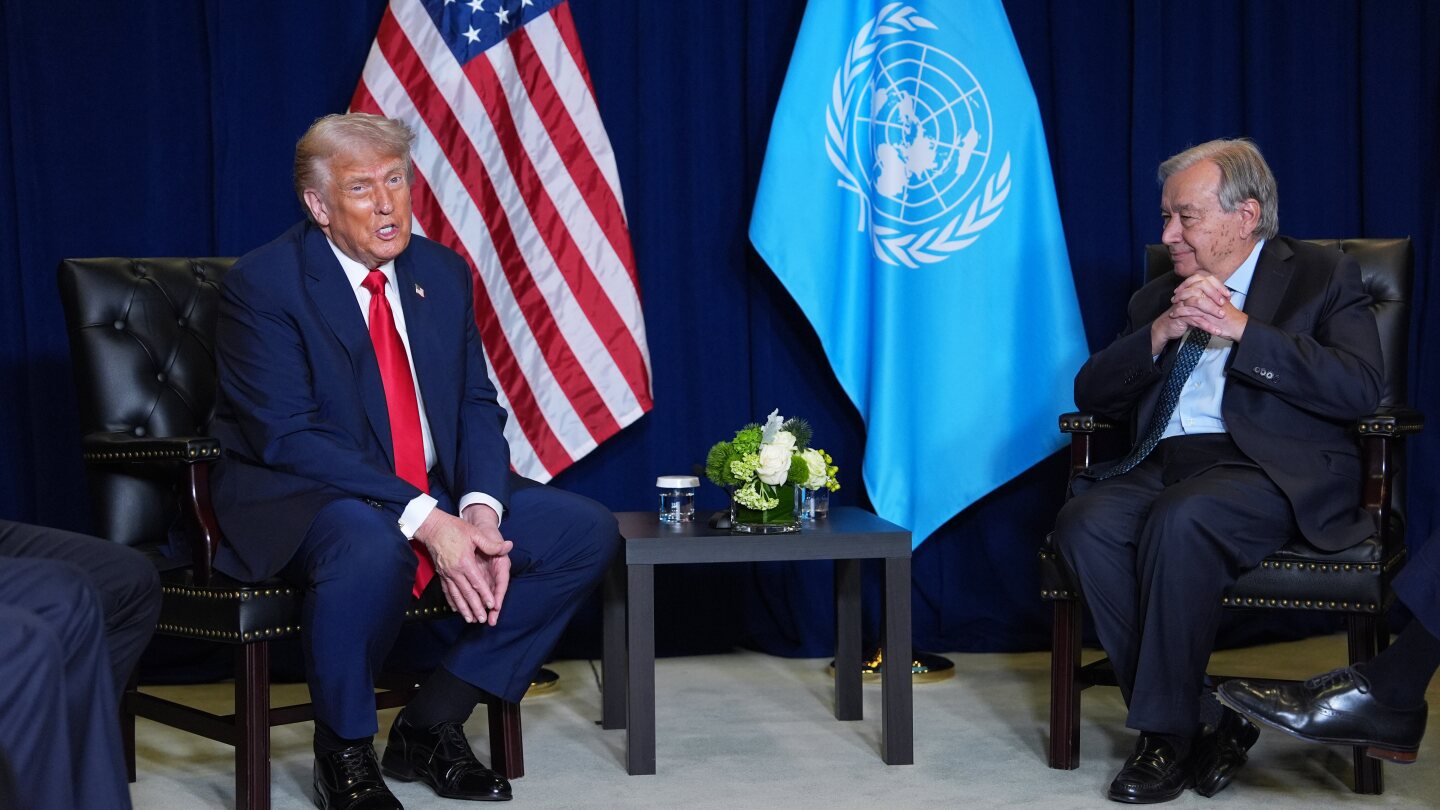
United Nations to cut 25% of its global peacekeeping force in response to US funding strains
The United Nations is set to significantly reduce its peacekeeping operations, with thousands of military and police personnel expected to withdraw from global conflict zones in the coming months. This decision follows substantial funding cuts by the United States, the UN’s largest donor, as part of President Donald Trump’s ‘America First’ policy. A senior UN official, speaking anonymously, revealed that approximately 13,000 to 14,000 peacekeepers out of more than 50,000 deployed across nine missions will be repatriated. The UN’s support office in Somalia will also face reductions. The peacekeeping budget is projected to shrink by 15% this year. Countries affected by these changes include Congo, the Central African Republic, South Sudan, Lebanon, Cyprus, and Kosovo. UN Secretary-General Antonio Guterres has emphasized that UN peacekeeping, which represents just 0.5% of global military spending, remains a cost-effective tool for fostering international peace and security. The decision to downsize follows a meeting between Guterres and major donor countries, including the new U.S. Ambassador to the UN, Mike Waltz. The Trump administration has criticized the UN’s budget as excessive and redundant, vowing to withhold further contributions until a thorough assessment of each UN agency’s effectiveness is completed. This review has already led to the U.S. withdrawing from UNESCO, the World Health Organization, and the UN Human Rights Council. Over 60 UN offices and agencies are now facing 20% job cuts as part of Guterres’ reform efforts in response to the U.S. funding reductions. The U.S. has committed $680 million to nine peacekeeping missions, a sharp decline from the $1 billion contribution made last year. China, another major contributor, has pledged to fulfill its financial obligations by year-end.
-
Arrivals of international students to the US dropped almost a fifth in August, data shows
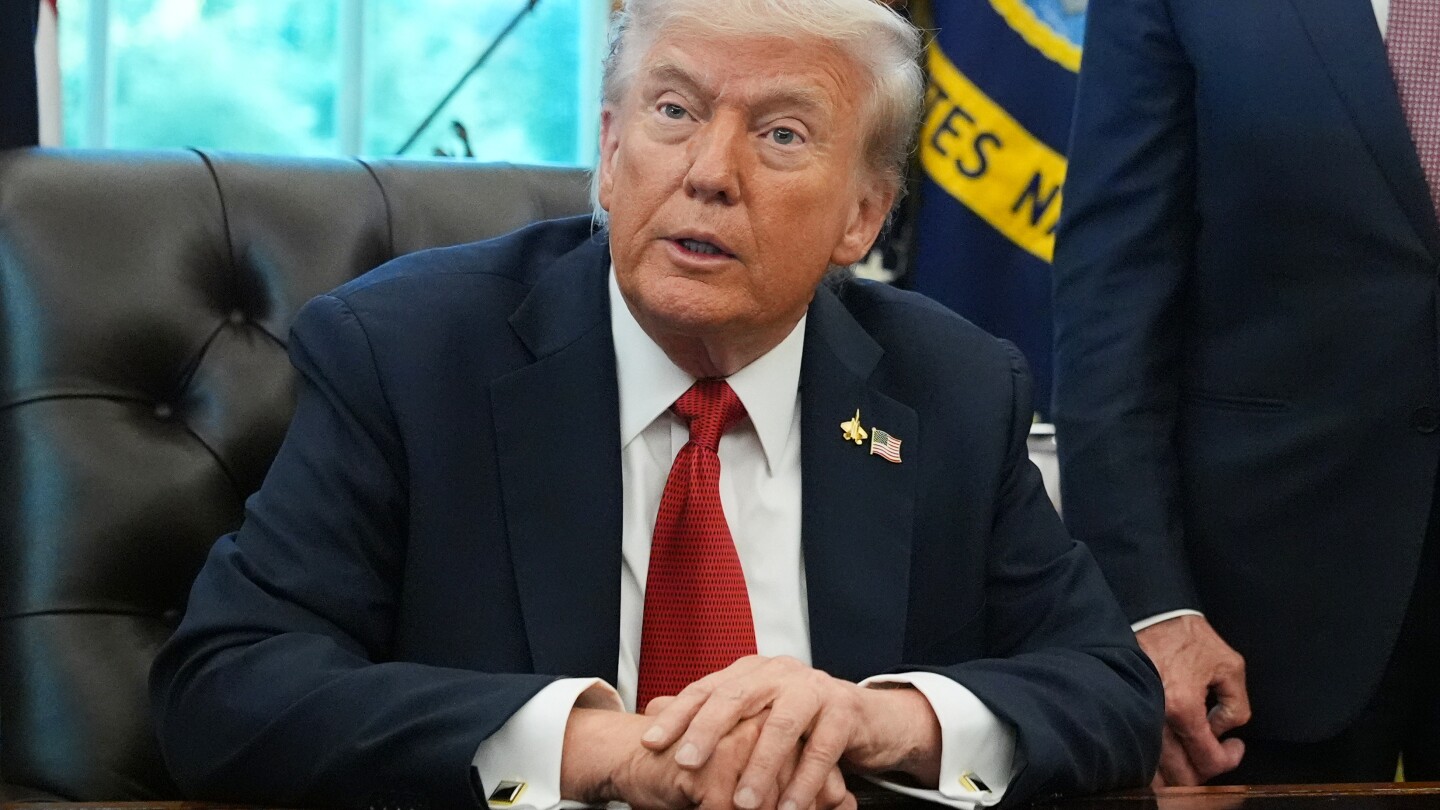
The United States has witnessed a significant drop in international student arrivals, with a 19% decline in August compared to the same period in 2024, according to preliminary data from the National Travel and Tourism Office. This marks the latest indication of the challenges faced by American universities in attracting foreign students, exacerbated by the Trump administration’s intensified scrutiny of student visas and travel restrictions. August, typically the peak month for international student arrivals, saw only 313,138 students this year, continuing a downward trend observed in June and July. The federal government’s crackdown on student visas has raised concerns among industry groups, warning of potential budget shortfalls and a diminished global standing for U.S. colleges. Last year, approximately 1.1 million international students contributed significantly to tuition-driven institutions, as they are ineligible for federal financial aid and often pay full tuition. Visa challenges and travel bans have further complicated matters, with the State Department pausing visa interviews in late May and imposing new social media vetting rules. The travel ban affecting 19 countries, predominantly in Africa, Asia, and the Middle East, has added to the uncertainty, leading to notable declines in student arrivals from these regions. For instance, India, the largest source of international students, saw a 45% drop. Some students already in the U.S. have avoided traveling abroad this summer, fearing reentry issues. The political climate and cost concerns have also deterred prospective students, with some opting for institutions in other countries like Germany and the United Kingdom. Higher education consultants emphasize the need for caution and backup plans in the current environment, as the presumption of continuity in U.S. admissions processes may no longer hold.
-
Somalia to increase Swahili teaching to boost East African ties
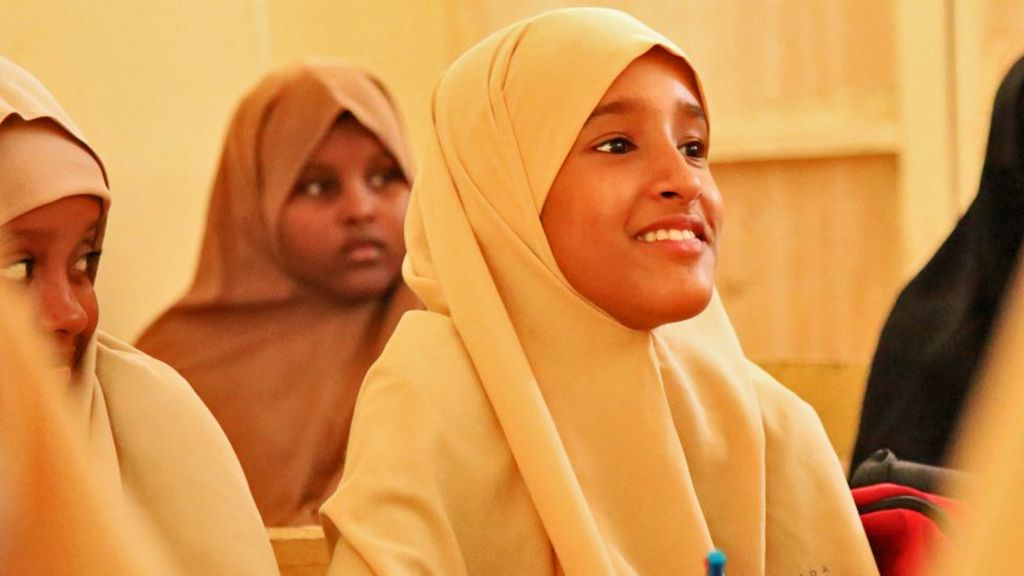
Somalia is set to integrate Swahili, the widely spoken language of East Africa, into its national education system, as announced by President Hassan Sheikh Mohamud. Currently, English serves as the primary medium of instruction in secondary schools across the country, with Arabic being the only other mandatory second language. However, the President emphasized the importance of Swahili for regional integration during the East African Community (EAC) summit held in Mogadishu. Somalia officially joined the EAC last year, aiming to foster economic growth after decades of conflict. Swahili, spoken by over 200 million people globally, is one of the world’s most prevalent languages. President Mohamud highlighted the need for universities, particularly the Somali National University, to prioritize the development of Swahili as a key language for East Africa. Education Minister Farah Sheikh Abdulkadir echoed this sentiment, expressing the government’s vision for Swahili to become a language of communication, trade, and education, potentially replacing English in future conferences. Swahili dialects are already prevalent along Somalia’s southern coast, and its usage has expanded nationwide in recent years, partly due to the civil war that began in 1991. Many Somalis who sought refuge in Kenya have learned Swahili, and with the return of some of these individuals and the presence of African Union troops, the language has gained further traction. Historically, Arabic was the language of instruction in junior schools, while English was used in secondary and tertiary education. Today, the primary school curriculum is taught in Somali, with English remaining the medium for higher education and Arabic used in madrassas. This shift reflects Somalia’s broader efforts to stabilize and integrate into the East African region.
-
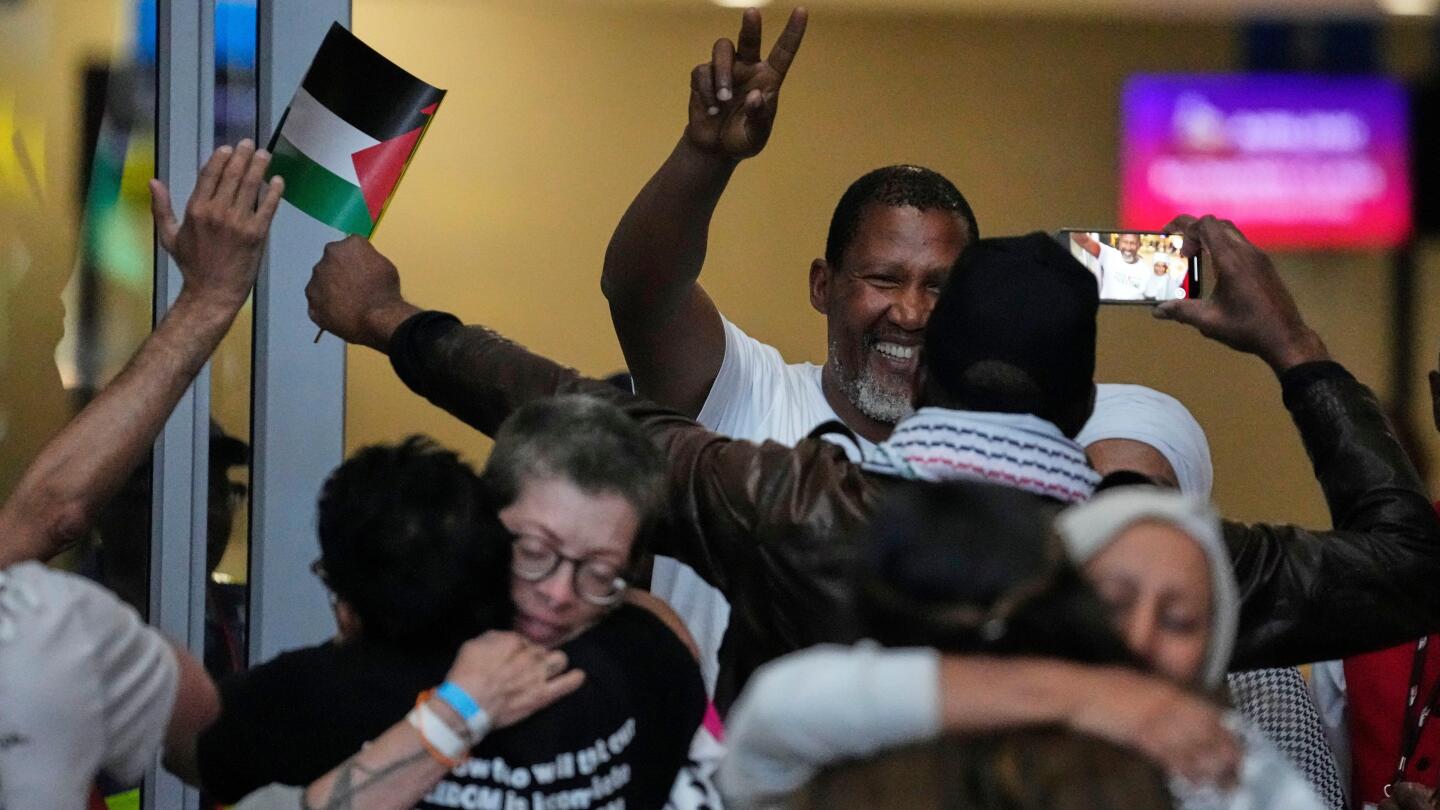
South African activists on Gaza flotilla claim harsh treatment by Israel over genocide case
Six South African activists, including a grandson of Nelson Mandela, have accused Israeli authorities of subjecting them to harsher treatment than other detainees during their arrest while attempting to reach Gaza as part of an aid flotilla. The activists, who were detained last week, claimed they were singled out due to South Africa’s role in a genocide case against Israel at the International Court of Justice (ICJ). Speaking at Johannesburg’s OR Tambo Airport upon their return, the activists detailed their ordeal, with two Muslim women alleging their hijabs were forcibly removed and they were forced to strip naked in front of Israeli soldiers. Mandla Mandela, the grandson of South Africa’s anti-apartheid icon, asserted that the activists were targeted because South Africa has challenged Israel’s actions in Gaza through the ICJ. Israel’s Foreign Ministry denied the allegations, stating that all detainees were given the option of voluntary deportation and that their legal rights were fully upheld. The activists were part of the Global Sumud Flotilla, a fleet of 42 boats aiming to break Israel’s naval blockade of Gaza and deliver symbolic aid to the famine-stricken territory. Among the 450 activists arrested were Swedish environmental activist Greta Thunberg and others who also claimed mistreatment. South Africa has long supported the Palestinian cause, drawing parallels between Israel’s treatment of Palestinians and South Africa’s apartheid era. The country’s genocide case against Israel, filed in late 2023, has garnered support from several nations, including Nicaragua, Turkey, and Colombia. Israel has vehemently denied the genocide allegations, accusing South Africa of acting as Hamas’ “legal arm.”
-
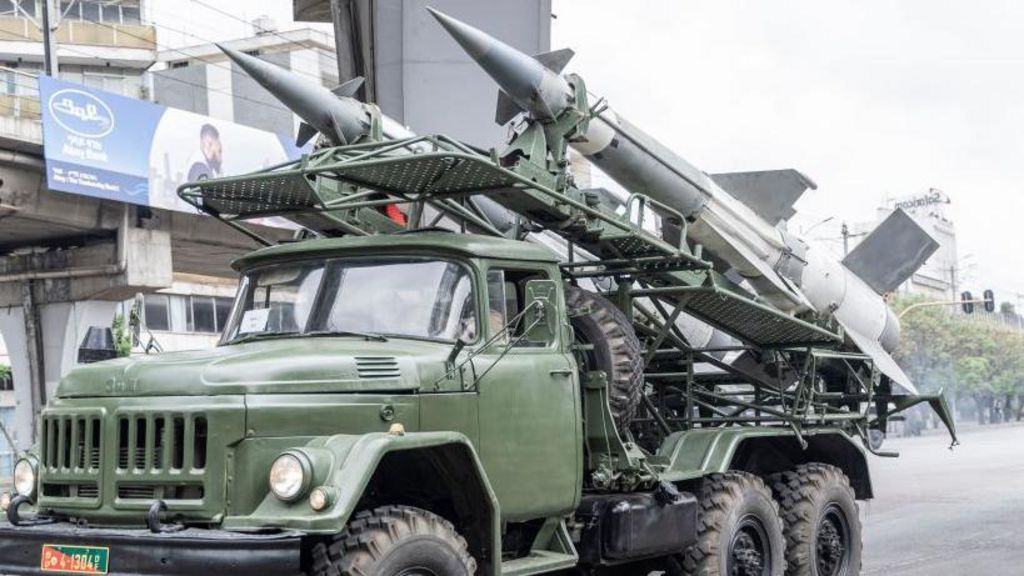
Ethiopia accuses Eritrea of preparing for war as Red Sea tensions rise
In a dramatic escalation of tensions between Ethiopia and Eritrea, Ethiopia has accused its northern neighbor of conspiring with opposition groups to wage war, according to a letter sent by Ethiopian Foreign Minister Gedion Timothewos to UN Secretary-General Antonio Guterres. The letter alleges that Eritrea, in collaboration with a hardline faction of the Tigray People’s Liberation Front (TPLF), is actively funding and mobilizing armed groups in Ethiopia’s Amhara region. This accusation comes amid growing friction over Ethiopia’s bid to regain access to the Red Sea, a move that has alarmed Eritrea, which controls the coastline since its independence in 1993. The two nations previously fought a brutal border war from 1998 to 2000, which claimed tens of thousands of lives. Although relations improved after Ethiopian Prime Minister Abiy Ahmed took office in 2018, recent developments have reignited hostilities. Ethiopia’s push for Red Sea access has been met with sharp criticism from Eritrea, with its Information Minister Yemane Gebremeskel dismissing Ethiopia’s claims as ‘bizarre and mind-boggling.’ Meanwhile, Ethiopia faces internal unrest, particularly in the Amhara region, where the Fano militia, previously allied with Abiy’s government, is now opposing federal forces. The situation remains volatile, with fears of a broader conflict looming.
-

COMESA states urged to align tax policies with regional commitments
The Common Market for Eastern and Southern Africa (COMESA), a 21-member regional economic bloc, has called on its member states to align their domestic tax policies with regional commitments and dismantle protectionist measures that impede cross-border investment and disrupt supply chains. This appeal was made during the 18th COMESA Business Forum held in Nairobi, Kenya, where leaders emphasized the detrimental effects of local taxes and levies on intra-regional imports, which distort markets and undermine free trade principles. Kenya’s Deputy President, Kithure Kindiki, warned that such practices could reverse years of progress toward regional integration and shared prosperity. He urged member states to prioritize agriculture, digitalization, and partnerships as key drivers of economic transformation. Kindiki also highlighted Kenya’s upcoming chairmanship of COMESA, during which the country aims to boost intra-regional trade, currently at a low 17 percent, by moving beyond raw material exports to higher-value, processed goods. He stressed that value addition incentivizes industrialization, enhances productivity, and promotes competitiveness. Kindiki called for a new era of regional integration anchored on digital transformation and value chain development, emphasizing the importance of empowering people, leveraging technology, and fostering collaboration. Hitesh Mediratta, Vice Chair of the Kenya Association of Manufacturers, echoed these sentiments, warning that rising domestic taxes and excise duties on intermediate and raw materials risk disrupting regional markets and discouraging cross-border investment. He called for urgent alignment of national tax regimes with regional commitments to protect the integrity of free trade within COMESA. Lee Kinyanjui, Kenya’s Cabinet Secretary for Investments, Trade, and Industry, noted that improving regional trade, digital connectivity, and the free movement of people are crucial to unlocking COMESA’s economic potential. He lauded Kenya’s recent decision to abolish visa requirements for all Africans, which he said would enhance business mobility and cross-border trade. COMESA Secretary General Chileshe Kapwepwe highlighted that most trade constraints could be addressed through political will, citing integrated border management systems and smart border technologies as key solutions.
-
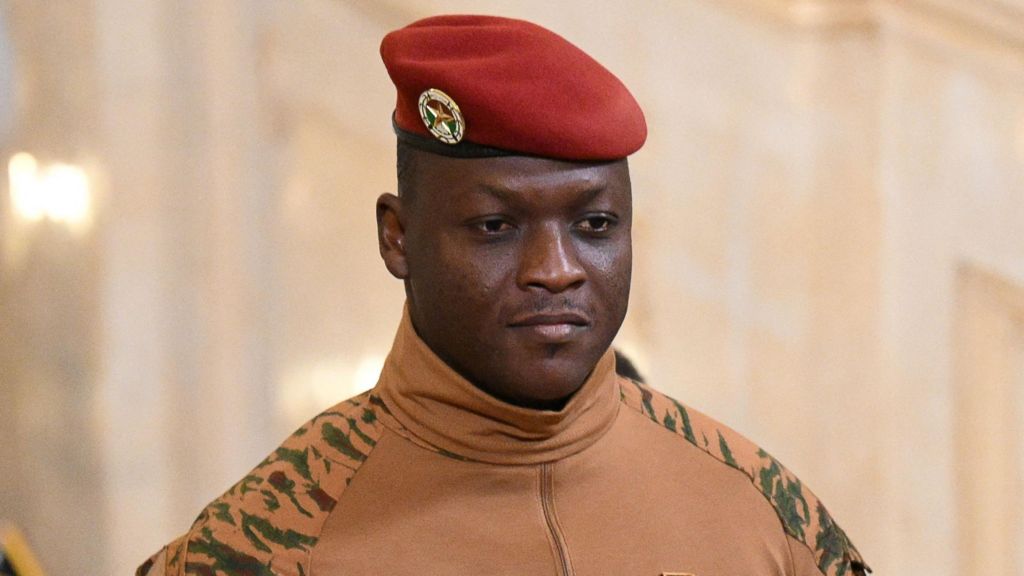
Burkina Faso junta detains NGO workers for ‘spying’
Burkina Faso’s military government has escalated tensions with Western aid organizations by arresting eight members of a Dutch-based humanitarian group, accusing them of espionage and treason. The detainees include three Europeans, a Malian, and four Burkinabé nationals, among them the NGO’s country director and deputy. The arrests, which occurred earlier but were only recently disclosed, have sparked a heated dispute between the junta and international aid groups. Security Minister Mahamadou Sana alleged that the NGO had collected and transmitted sensitive security information to foreign powers, posing a threat to national security. The International NGO Safety Organisation (INSO), which supports aid workers with safety data, has firmly denied the accusations. Anthony Neal, a representative of the NGO, revealed that the country director had been detained since July, when the organization was suspended for allegedly gathering unauthorized sensitive data. The remaining seven individuals were arrested subsequently. Neal emphasized that the NGO’s activities had ceased upon suspension and that the information collected was non-confidential and intended solely for humanitarian worker safety. He expressed efforts to engage with the government to resolve misunderstandings, highlighting the critical need for safety information amid a record number of aid worker fatalities globally. Burkina Faso’s military government, led by Capt Ibrahim Traore, has faced criticism for its strained relations with Western nations since seizing power in a coup three years ago. In response to a worsening Islamist insurgency, the junta has shifted its military alliance from France to Russia, while human rights groups accuse the regime of civilian abuses and suppressing political dissent.
-
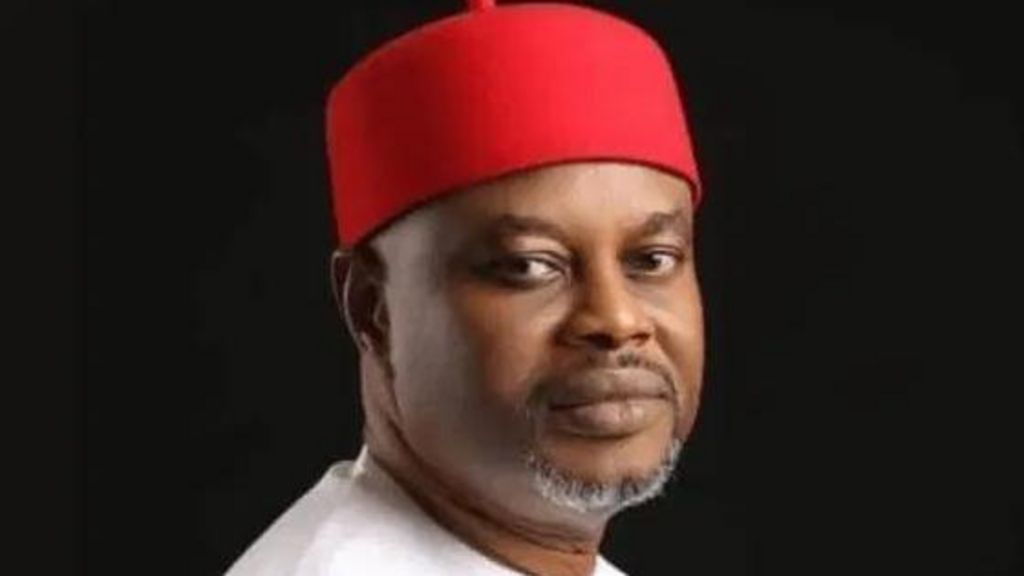
Nigerian minister accused of forging qualifications resigns
Nigeria’s Minister of Innovation, Science, and Technology, Uche Nnaji, has stepped down from his position following allegations of academic credential forgery. The controversy arose after a newspaper investigation revealed that Nnaji had allegedly submitted falsified certificates to President Bola Tinubu during his ministerial appointment in 2023. Presidential spokesperson Bayo Onanuga confirmed the resignation in a post on X, quoting Nnaji as stating he had become ‘a target of blackmail by political opponents.’ Nnaji has vehemently denied the accusations, maintaining that he graduated from the University of Nigeria, Nsukka (UNN) with a degree in Microbiology/Biochemistry. However, UNN reportedly informed the publication that it had no records confirming his graduation in 1985, as claimed. Additionally, the National Youth Service Corps (NYSC) stated that the mandatory national service certificate Nnaji presented in April 2023 could not be verified. This resignation marks a rare occurrence in Nigerian politics, as Nnaji is only the second minister to leave office since President Tinubu assumed power in May 2023. The scandal has sparked public outrage, highlighting ongoing concerns about transparency and accountability in the nation’s political landscape.
-

Chinese lion dance wins hearts in Africa
The vibrant art of Chinese lion dance has found a new home in Kenya, captivating audiences and fostering cultural exchange. Spearheaded by Anthony Kahuro, a kung fu teacher at the Confucius Institute at the University of Nairobi, the initiative began in 2022 when Kahuro proposed the idea of a lion dance club. Despite the lack of professional trainers, Kahuro’s determination led him to master the basics through online tutorials, paving the way for the club’s establishment. Today, the club boasts 30 members, with performances becoming a staple at local events, including the Spring Festival celebrations. The lion dance, traditionally performed during auspicious occasions to bring good fortune, has resonated deeply with Kenyans, partly due to the lion’s iconic status in African culture. The club’s success has also attracted interest from local acrobatic teams and cultural groups, further enriching the performances with African drumming and percussion. Beyond entertainment, the lion dance has become a symbol of cultural unity, with plans to expand its reach and introduce the art form to younger generations. The initiative highlights the growing cultural ties between China and Africa, offering a unique blend of tradition and innovation that continues to win hearts across the continent.