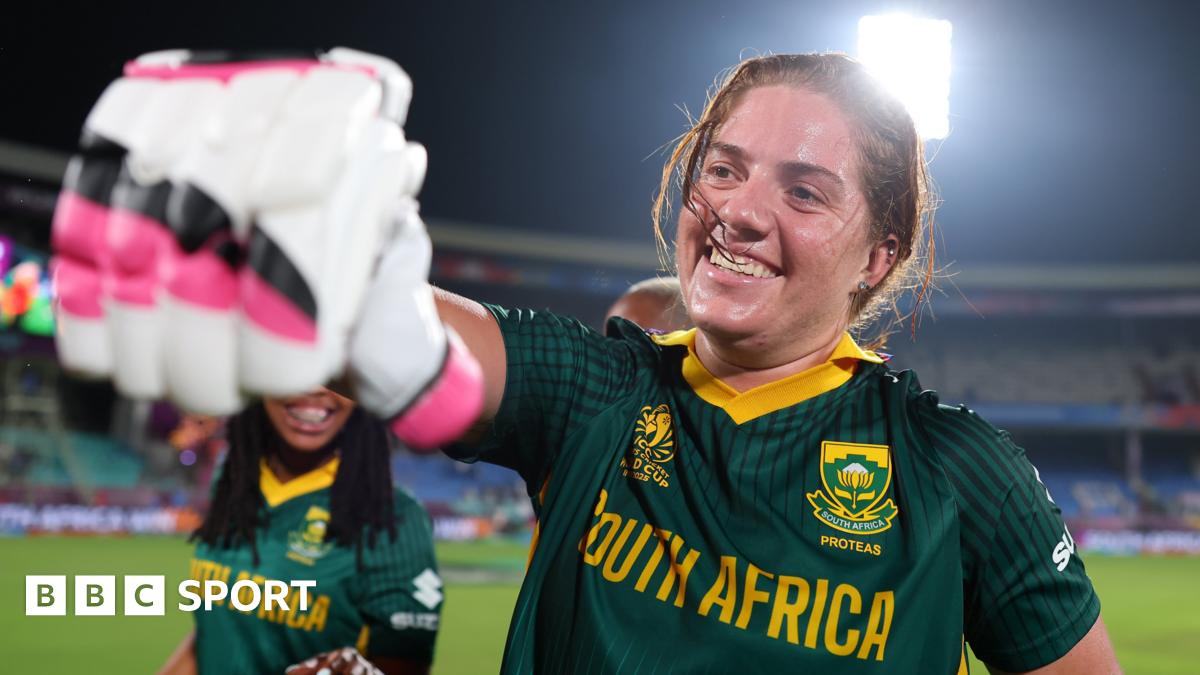
In a breathtaking display of resilience and skill, South Africa triumphed over India by three wickets in a nail-biting encounter at the ICC Women’s World Cup in Visakhapatnam. Chasing India’s total of 251, South Africa found themselves in dire straits at 81-5 before Nadine de Klerk orchestrated a remarkable comeback with an unbeaten 84 off just 54 balls. Her innings, punctuated by five towering sixes, sealed the victory with seven balls to spare, leaving the Indian team and their fans in disbelief.
标签: Africa
非洲
-
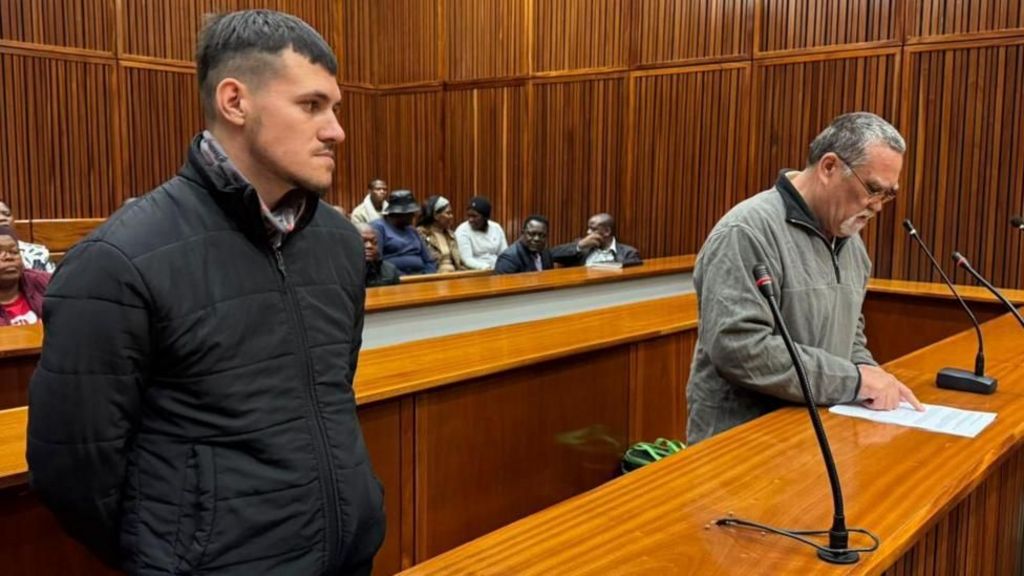
South African farm worker describes how women fed to pigs to ‘dispose of evidence’
A harrowing courtroom testimony has revealed the gruesome details of a South African farm worker’s forced involvement in disposing of two women’s bodies by feeding them to pigs. Adrian De Wet, 21, recounted to the Polokwane High Court how his boss, farm owner Zachariah Johannes Olivier, coerced him into throwing the bodies into a pig enclosure after they were shot. De Wet explained that Olivier believed the pigs would consume the evidence, stating, ‘When pigs are hungry enough, they’ll eat anything.’
De Wet admitted to firing shots alongside Olivier on the night of August 17, 2024, when they heard voices of trespassers on the farm. The victims, Maria Makgato, 45, and Lucia Ndlovu, 34, were allegedly searching for food on the property. The following morning, De Wet and Olivier discovered the bodies and disposed of them in the pigsty. A second body was found nearby and similarly discarded. Days later, they returned to find the pigs had devoured large portions of the women’s flesh, as evidenced by graphic photos presented in court.
De Wet, initially accused of murder, was granted immunity after agreeing to testify against Olivier and another suspect, William Musora. He claimed he acted under duress. Olivier and Musora face murder charges, with the case reigniting racial tensions in South Africa, where private farmland remains predominantly owned by the white minority, while black farm workers endure poor wages and living conditions.
The trial has sparked national outrage, highlighting the persistent racial divide in rural areas, decades after the end of apartheid. The defense’s cross-examination of Olivier and Musora is set to resume next Wednesday.
-
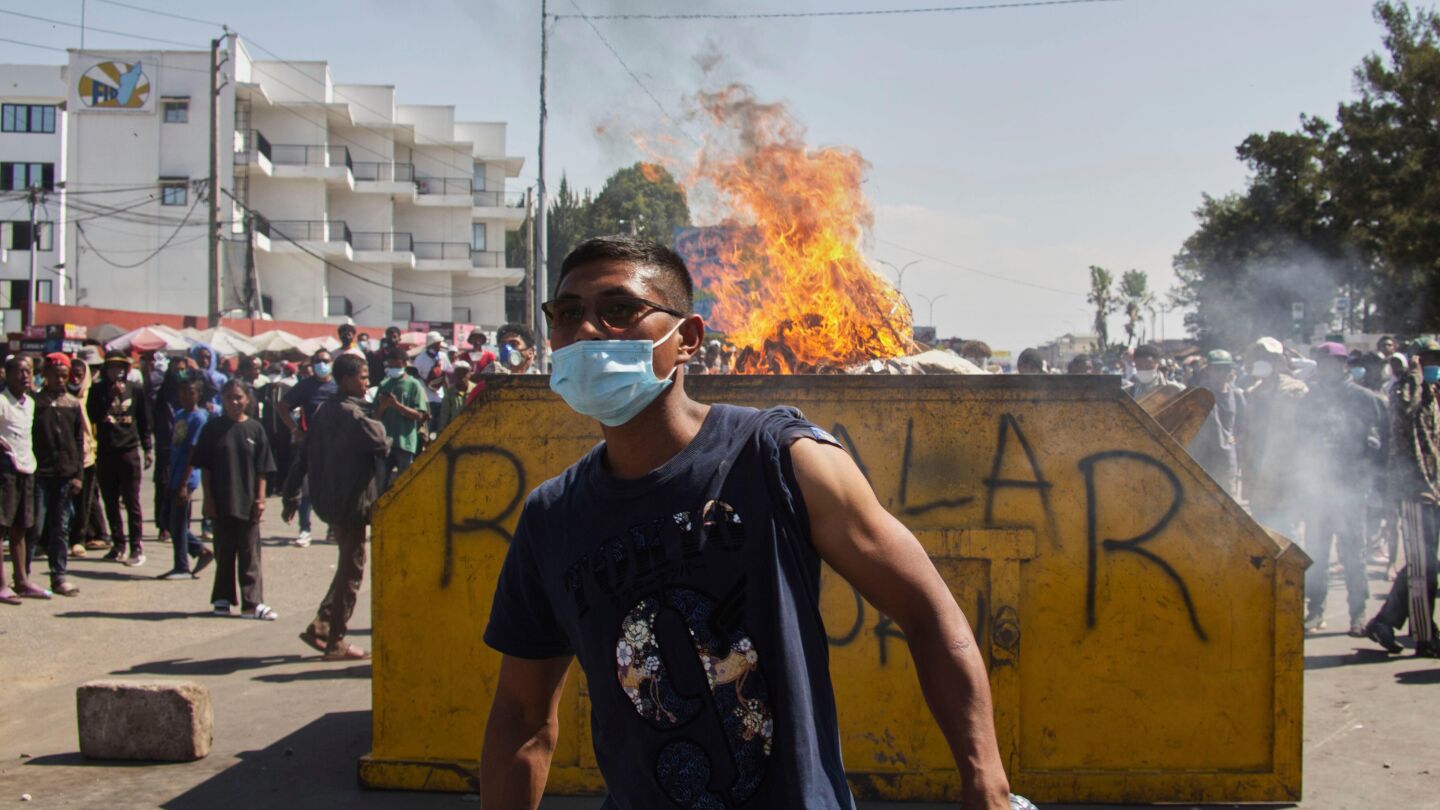
Madagascar’s Gen Z protesters clash with police as they call for president to step down
Antananarivo, Madagascar witnessed intense clashes on Thursday as approximately 1,000 demonstrators, predominantly masked, confronted police forces in the capital. The unrest, now in its third week, marks the most significant upheaval the Indian Ocean island nation has seen in years. Authorities deployed armored vehicles and utilized tear gas and stun grenades to disperse the crowd, though the extent of injuries remains unclear. The protests, spearheaded by the group ‘Gen Z Madagascar,’ have reportedly resulted in 22 fatalities and numerous injuries, according to the United Nations—a claim contested by the government. Initially triggered by utility disruptions, the demonstrations have broadened to address grievances over alleged corruption and nepotism. In response, President Andry Rajoelina dismissed his entire Cabinet, a move that failed to quell the unrest. Protesters have now escalated their demands, calling for Rajoelina’s resignation and rejecting his invitation for dialogue. The clashes, concentrated in the Anosy and Mahamasina districts, saw demonstrators block streets with rocks and burning tires. Authorities have imposed vehicle bans in key areas, including Democracy Square in Ambohijatovo, as police maintain vigilance. Madagascar, a nation of 31 million grappling with severe poverty and a history of political instability since its 1960 independence from France, has seen multiple leaders ousted through uprisings. Rajoelina, elected in 2018 and reelected in 2023 amid opposition boycotts, now faces a protest movement inspired by recent youth-led uprisings in Nepal and Sri Lanka. The movement, symbolized by a pirate skull and crossbones emblem, has mobilized online, though reports of looting during demonstrations have emerged.
-
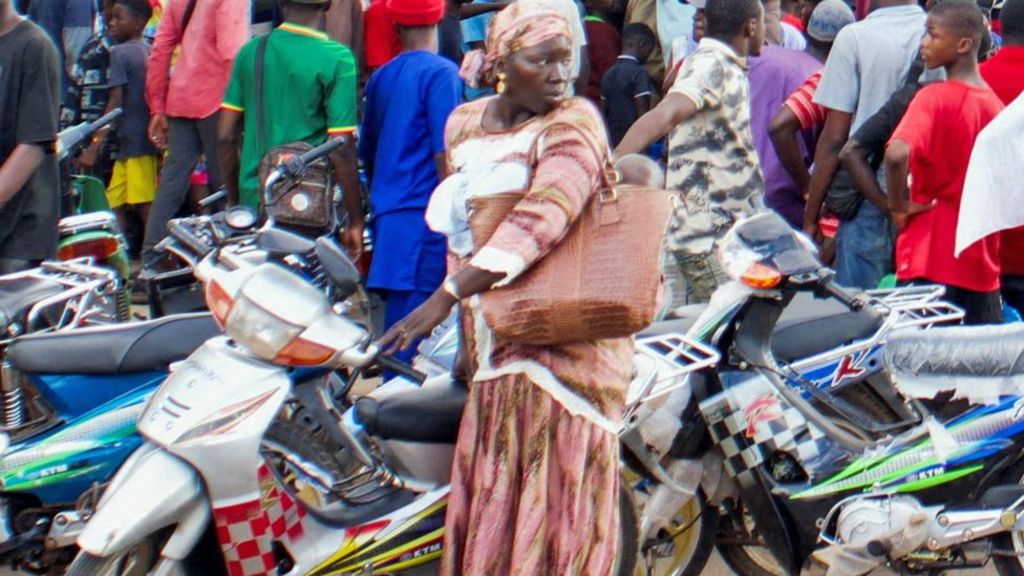
‘Business is at a standstill’ – Mali jihadists’ fuel blockade hits the capital
Mali is grappling with a severe fuel crisis following a blockade imposed by an al-Qaeda-linked militant group, Jama’at Nusrat al-Islam wal-Muslimin (JNIM). The militants have targeted fuel tankers on major highways, disrupting supplies and causing long queues at petrol stations in the capital, Bamako. The blockade has paralyzed businesses, with motorbike taxi drivers and vendors expressing frustration over the standstill in their operations. Despite the arrival of over 300 petrol tankers from Ivory Coast under military escort, fears persist that the new stock will quickly deplete, exacerbating the situation. Fuel prices have surged by more than 200% in some areas, prompting complaints from residents. The crisis has also led to power cuts, with electricity supply reduced to just six hours a day in certain regions. The Malian government has assured citizens that the issue is temporary and has implemented measures to enforce state-capped fuel prices. Meanwhile, reports suggest that Malian officials are engaging in discreet negotiations with the militants to lift the blockade, which includes demands such as the release of captured fighters and the relaxation of fuel restrictions. The blockade highlights the expanding influence of JNIM, which has made much of northern and eastern Mali ungovernable. The situation underscores the broader challenges faced by Mali, including a persistent jihadist insurgency and strained international relations following the withdrawal of UN and French forces and the hiring of Russian mercenaries by the military government.
-
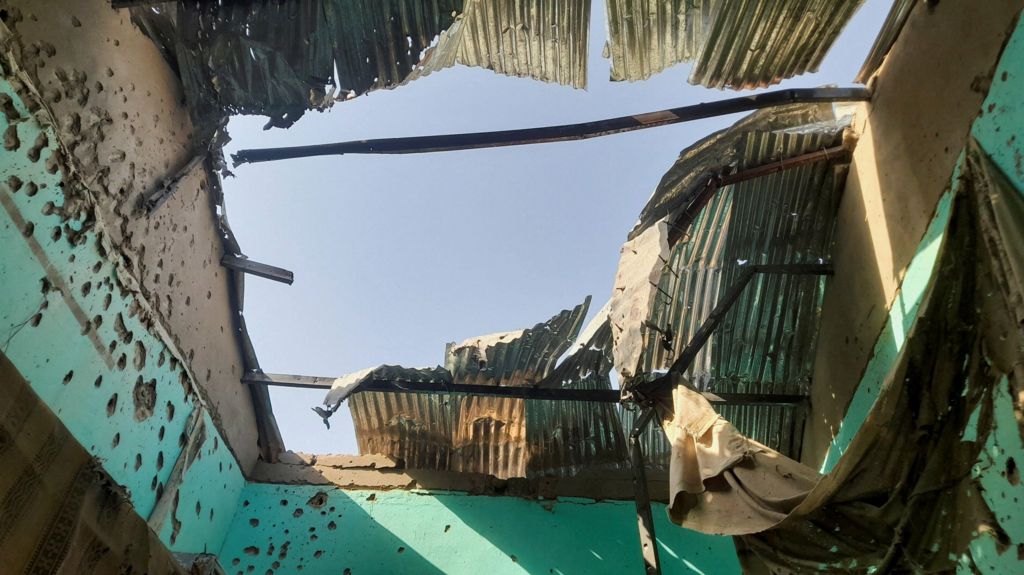
Thirteen killed as hospital shelled in besieged Sudan city, BBC told
In a devastating escalation of violence in Sudan’s besieged city of el-Fasher, at least 13 people were killed and 16 others injured, including medical personnel, after the paramilitary Rapid Support Forces (RSF) repeatedly shelled the Saudi Hospital on Tuesday night. The attack, described by Sudanese medics as a war crime, left the hospital in ruins, with shattered windows, shrapnel damage, and a gaping hole in its mud-brick walls. This marks the second assault on the facility this year, following a January strike that claimed the lives of three children. The RSF has besieged el-Fasher for over 17 months, trapping hundreds of thousands of civilians in dire conditions, with aid convoys blocked and most health facilities forced to shut. The city, the last military stronghold in the Darfur region, is now on the brink of collapse as the RSF intensifies its assault. The ongoing civil war, now in its third year, has plunged Sudan into the world’s worst humanitarian crisis, with tens of thousands dead and millions displaced. UN High Commissioner for Human Rights Volker Türk has warned of an impending catastrophe unless urgent measures are taken to protect civilians and alleviate the siege.
-
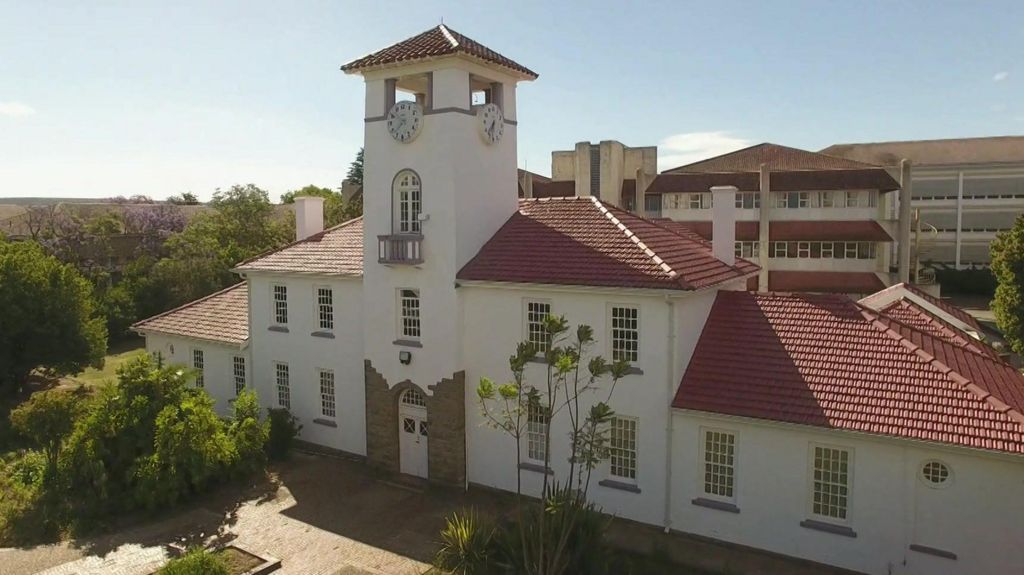
South Africa’s Fort Hare university closed as buildings set on fire
The University of Fort Hare, one of South Africa’s most historically significant institutions, has temporarily halted its operations following violent student protests that resulted in several buildings being set ablaze. The unrest, which erupted on the university’s Alice Campus, saw petrol-bomb attacks targeting key administrative and student affairs offices. While no fatalities or serious injuries were reported by the university or local authorities, a student leader claimed that two students sustained injuries during clashes with security personnel. The protests were reportedly triggered by recent changes to student governance structures and demands for the removal of the university’s vice-chancellor. Established in 1916, the University of Fort Hare holds a storied legacy as a training ground for prominent anti-apartheid activists and regional leaders, including Nelson Mandela, Robert Mugabe, and Seretse Khama. Videos circulating online depicted thick plumes of smoke and flames engulfing campus buildings. Vice-chancellor Prof. Sakhela Buhlungu condemned the ‘large-scale destruction of property,’ attributing the violence to ‘sponsored criminality.’ The university has ordered students to vacate the premises by 1700 local time on Thursday, citing safety concerns and disruptions to academic activities. Police spokesperson Siphokazi Mawisa confirmed that four buildings were set on fire, describing the situation as ‘tense.’ Despite the eviction, students have vowed to continue their protests, expressing frustration over what they perceive as the administration’s indifference to their grievances. Education officials are expected to meet with student leaders later on Thursday to address the escalating crisis.
-
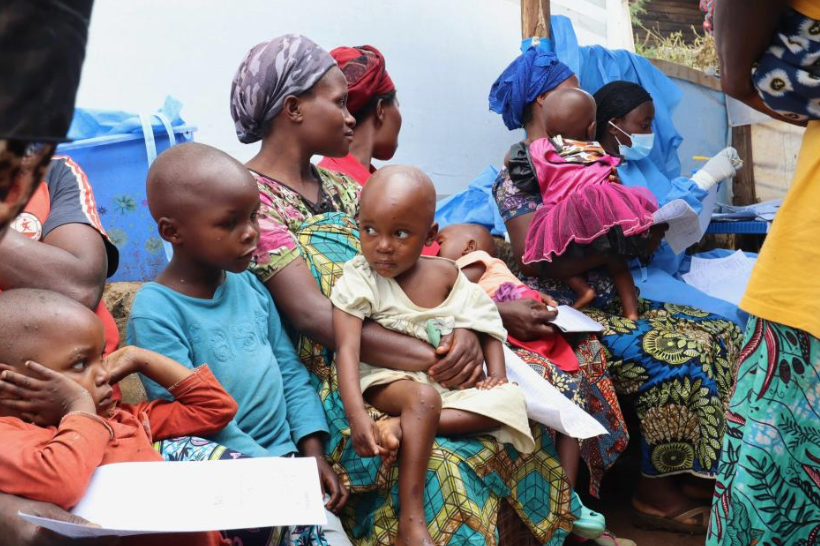
Red Cross warns of worsening health crisis in eastern DR Congo
The International Committee of the Red Cross (ICRC) has issued a stark warning about the deteriorating healthcare system in the conflict-ridden eastern regions of the Democratic Republic of the Congo (DRC). A recent study conducted in September 2025 across 240 health facilities in North and South Kivu provinces revealed alarming shortages: 85% of these facilities have exhausted their supplies of essential medicines, and nearly 40% reported that healthcare workers have fled due to insecurity and insufficient funding. This crisis is forcing civilians, including women and children, to traverse dangerous combat zones to seek medical care, often only to find clinics devoid of qualified staff and necessary treatments. The ICRC’s deputy health coordinator, Hippolyte Ten, emphasized the dire situation, noting that over 70% of the surveyed facilities have treated weapon-related injuries this year, with hospitals in Beni, Goma, Bukavu, and Fizi reporting a 160% increase in such cases compared to 2024. Additionally, the first half of 2025 saw 948 cases of sexual violence requiring medical and psychosocial support. Francois Moreillon, head of the ICRC delegation in the DRC, highlighted the collapse of humanitarian assistance, leaving 80% of facilities in the Kivu region without partner support. He stressed the urgent need for the delivery of medicines, safe patient transfers, and the protection of medical staff. The ICRC has also called on all conflict parties to adhere to international humanitarian law and safeguard medical personnel and infrastructure. The security situation in eastern DRC has significantly worsened since January, with renewed fighting involving the March 23 Movement rebel group, which has captured several key towns, including Goma and Bukavu. This escalating violence has displaced hundreds of thousands of civilians, exacerbating an already critical humanitarian crisis.
-

Togo’s Asamoah breaks neck in freak accident
Togolese midfielder Samuel Asamoah faces a life-altering injury after a harrowing collision with a pitch-side advertising board during a match in China. The 31-year-old, who plays for Guangxi Pingguo in China’s second-tier league, sustained multiple neck fractures and severe nerve damage after being shoved into an LED panel by an opponent during a domestic game on Sunday. Guangxi Pingguo confirmed on Monday that Asamoah is at risk of “high-level paraplegia,” a condition that could leave him unable to voluntarily move the lower parts of his body. The club reported that Asamoah underwent surgery and is now in stable condition, with updates on his recovery to follow after further medical examinations. The incident has sparked concerns over player safety, particularly regarding the proximity of advertising boards to the field. Chongqing Tonglianglong midfielder Zhang Zhixiong, who pushed Asamoah into the board, received a yellow card for the foul. Asamoah, who previously played in Belgium before joining Guangxi Pingguo in 2024, has earned six caps for Togo. This tragic event follows the recent death of former Arsenal academy striker Billy Vigar, who sustained a fatal brain injury after colliding with a concrete wall during a match in the Isthmian League Premier Division last month. The football community continues to grapple with the risks posed by pitch-side infrastructure.
-
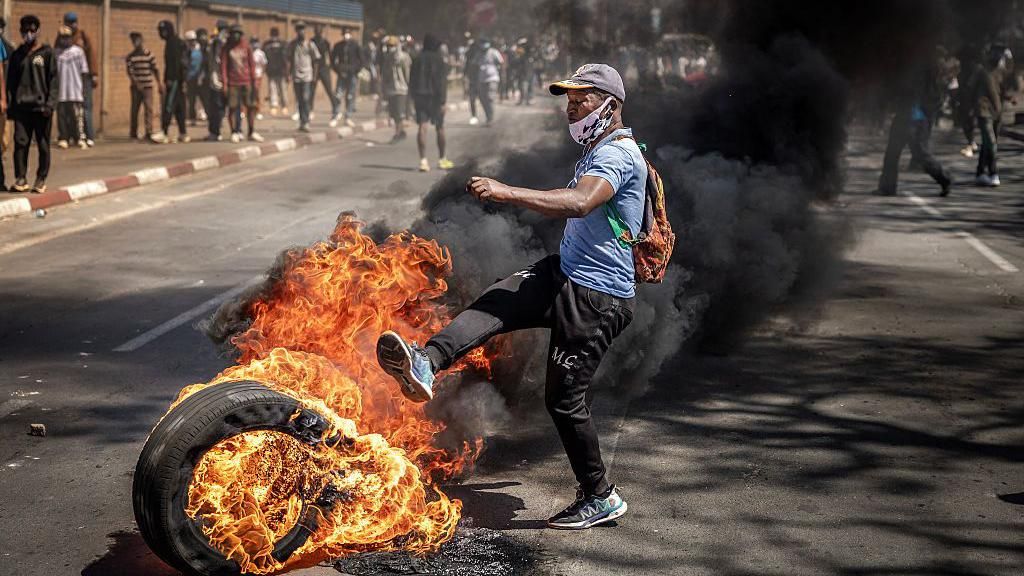
Madagascar president asks for one year to resolve problems or he will resign
Madagascar’s President Andry Rajoelina has pledged to address the nation’s pressing challenges within a year, vowing to resign if he fails to deliver. Speaking at a town-hall meeting at his palace, Rajoelina engaged with government supporters, urging honesty over flattery. ‘It’s the people who kept telling me everything was fine who are responsible for our current situation,’ he remarked. The protests, initially sparked by water and electricity shortages, have evolved into widespread discontent over corruption, unemployment, and the cost-of-living crisis. The youth-led movement, Gen Z Mada, has rejected Rajoelina’s invitation to dialogue, accusing the government of repression and vowing to continue demonstrations. Rajoelina, who came to power in 2009 after mass protests, has dismissed his cabinet and appointed an army general as prime minister, a move the protesters have dismissed. Despite the unrest, life in most parts of the capital, Antananarivo, remains normal, though some areas are heavily policed. The UN reports at least 22 deaths in clashes with security forces, a figure disputed by authorities. Rajoelina remains committed to resolving the crisis through dialogue rather than protests.
-
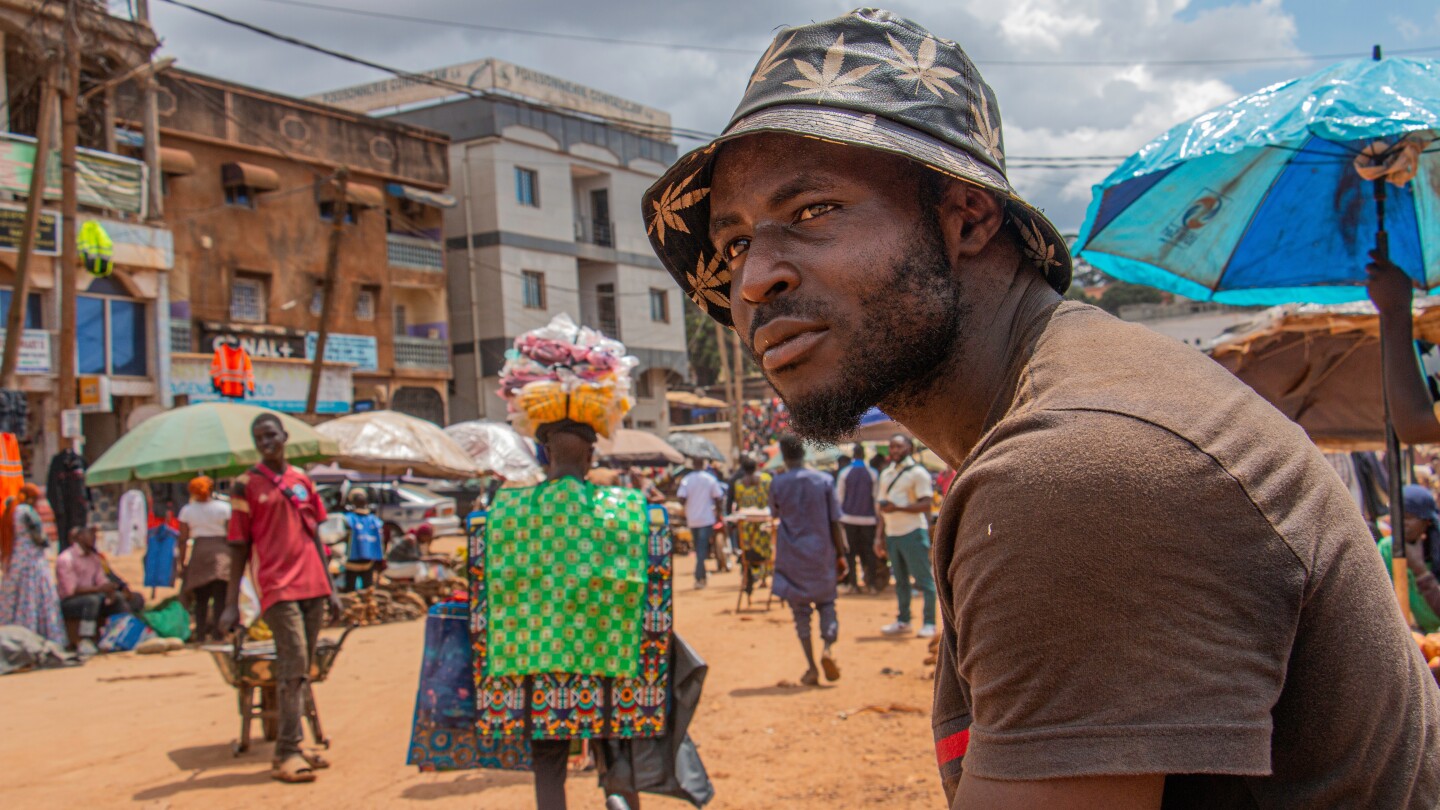
The world’s oldest president seeks an eighth term in Cameroon as youth grumble
In Cameroon, a nation where the median age is 18, the generational divide between its youthful population and its aging leadership has never been more pronounced. As the country prepares for its presidential election, 92-year-old Paul Biya, the world’s oldest president, is seeking an eighth term in office. Biya, who has ruled Cameroon for over four decades, faces widespread disillusionment among the youth, who accuse the education system of corruption and the political system of favoring the elite. Elvis Nghobo, a 34-year-old market vendor in Yaounde, exemplifies this frustration. After failing to gain admission to multiple professional schools, he blames the system for his struggles and has decided not to vote, calling the election results a foregone conclusion. Nghobo’s sentiment is echoed by millions of young Cameroonians who feel excluded from the country’s modest economic growth and are grappling with unemployment and informal employment. Despite being an oil-producing nation, Cameroon’s youth say the benefits of economic growth have not reached them. The country also faces escalating security crises, including a secessionist conflict in the English-speaking western region and Boko Haram insurgency in the north. Biya is challenged by nine opposition candidates, including former allies, but critics argue the opposition lacks credibility. Maurice Kamto, a prominent opposition figure, was barred from running, further fueling skepticism about the electoral process. Analysts suggest that Cameroon’s elites are unwilling to disrupt the status quo, with Biya’s entourage and ruling party ensuring his continued dominance. As the election approaches, many young Cameroonians, like Nghobo, have lost faith in the ballot box, believing that power change will require alternative means.