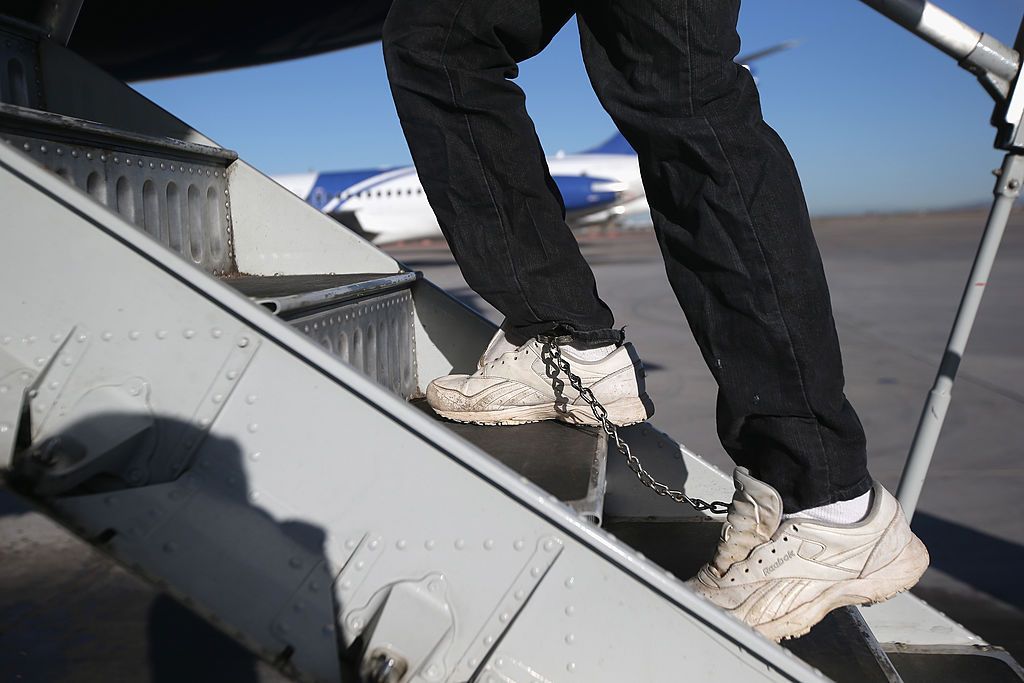
Burkina Faso’s military government has firmly declined a US proposal to accept deportees from third countries, prompting Washington to suspend visa issuance in the West African nation. Foreign Minister Karamoko Jean-Marie Traoré, in a televised interview on state broadcaster RTB, questioned whether the US Embassy’s decision was a form of “blackmail” and emphasized Burkina Faso’s commitment to dignity, stating it is “a destination, not a place of expulsion.” The US Embassy in Ouagadougou announced a temporary halt to issuing immigrant, tourist, student, and business visas, requiring Burkinabé residents to apply at the US Embassy in neighboring Togo instead. This development follows the Trump administration’s broader strategy to deport migrants, particularly targeting African nations. While countries like Eswatini, Ghana, Rwanda, and South Sudan have accepted US deportees, Burkina Faso and Nigeria have resisted. Capt Ibrahim Traoré, Burkina Faso’s leader, has positioned himself as a pan-African advocate against Western imperialism, further straining relations with Western nations since the military coup three years ago. The US State Department and Department of Homeland Security have yet to comment on the matter.
标签: Africa
非洲
-
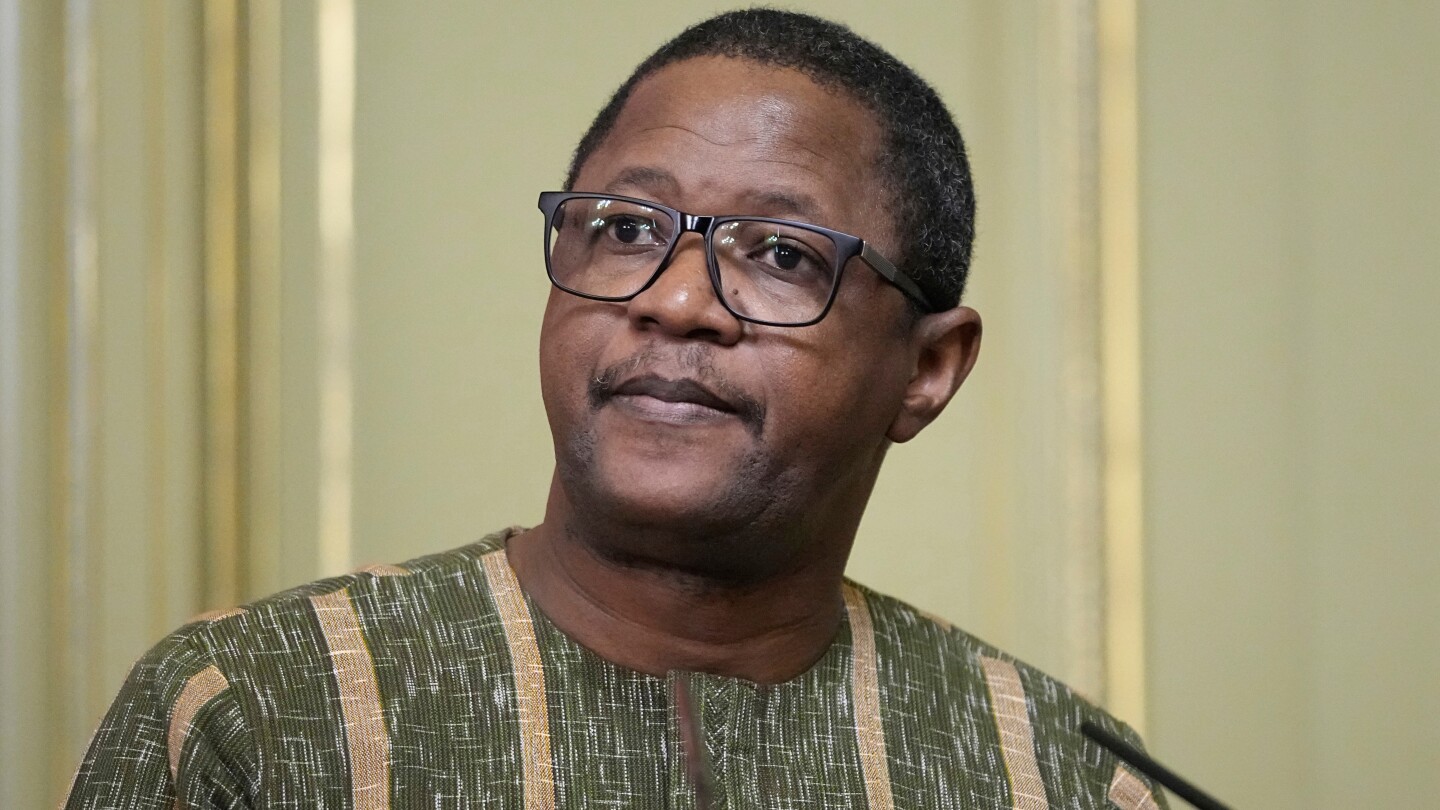
Burkina Faso rejects proposal to accept deportees from the US
Burkina Faso has firmly declined a proposal from the Trump administration to accept deportees from the United States, labeling the request as ‘indecent’ and inconsistent with the nation’s values. Foreign Minister Karamoko Jean-Marie Traoré announced the decision on national television, emphasizing that the proposal contradicted the vision of dignity upheld by the country’s military leader, Capt. Ibrahim Traoré. The rejection came shortly after the U.S. Embassy in Ouagadougou suspended most visa services for Burkinabe residents, redirecting applications to its embassy in Togo. While the embassy did not provide a reason for the suspension, Traoré suggested it might be a ‘pressure tactic’ linked to the deportation proposal. He reiterated that Burkina Faso is ‘a land of dignity, not deportation.’ The U.S. Embassy and Department of Homeland Security have yet to comment on the matter. This development follows the Trump administration’s broader efforts to establish third-country deportation agreements with several African nations, including Eswatini, South Sudan, Rwanda, and Ghana. Human Rights Watch has reported that financial incentives were offered to some countries to accept deportees, raising concerns about the ethical implications of such deals. Deportees in some of these nations have faced harsh conditions, with lawsuits filed against governments for alleged mistreatment.
-
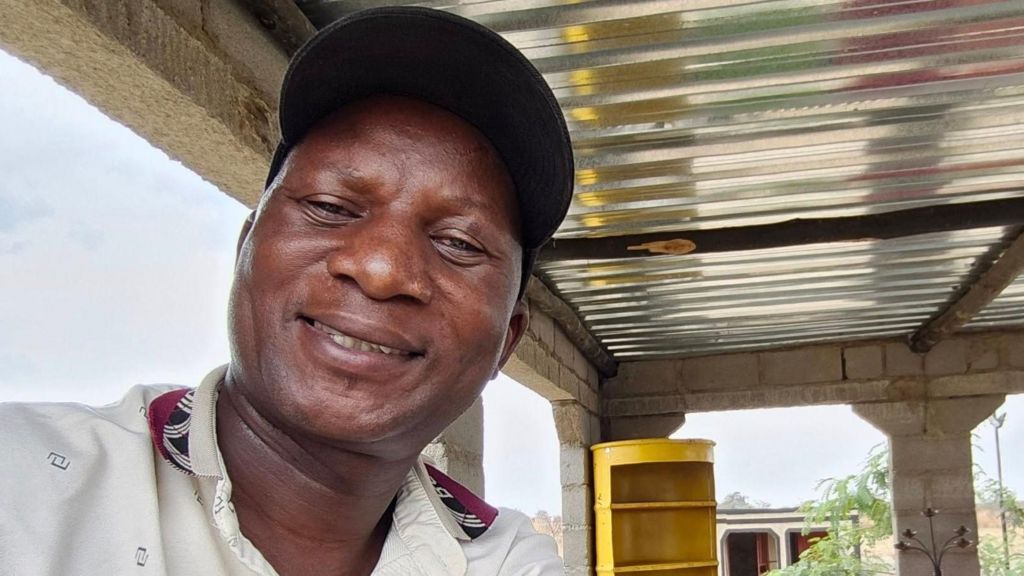
Zimbabwe lawmaker and poet dies after his car hits an elephant
Zimbabwean opposition lawmaker and celebrated poet Desire Moyo tragically lost his life in a fatal accident early Friday morning when the vehicle he was traveling in collided with an elephant. The incident occurred on the Bulawayo-Gweru highway, as reported by the state-owned broadcaster ZBC. Moyo, who was a day shy of his 46th birthday, died instantly, while four fellow Members of Parliament sustained injuries and were hospitalized. Moyo, affectionately known as Moyoxide, was a prominent figure in Zimbabwe’s political and cultural spheres. He represented the Nkulumane Constituency in Bulawayo and was a member of the opposition Citizens Coalition for Change (CCC), led by Nelson Chamisa. He also served on the parliamentary committee for sport, recreation, arts, and culture. Tributes have flooded in for the award-winning poet, educator, and arts administrator, who was widely recognized for his dedication to nurturing Zimbabwe’s creative sector. Fellow lawmaker Caston Matewu described Moyo as ‘one of the hardest working MPs in Parliament,’ while the City of Bulawayo, led by Mayor David Coltart, hailed him as an ‘iconic leader and creative’ who championed the arts both locally and nationally. The Nkulumane Constituency expressed its ‘deep sorrow and profound shock’ over the loss of their representative. The tragic accident has left Zimbabwe mourning the loss of a multifaceted leader whose contributions to politics and the arts will be deeply missed.
-
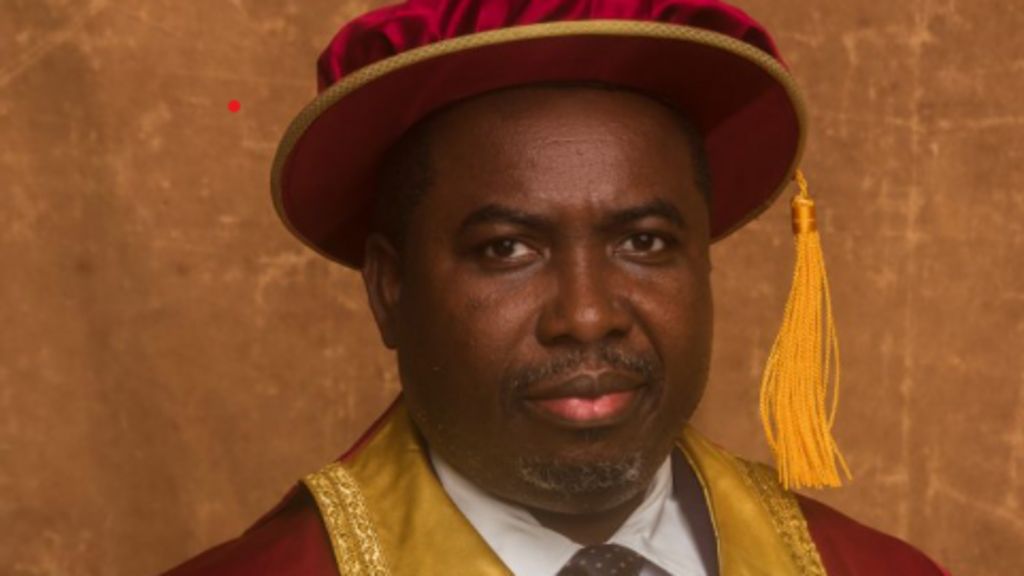
Nigeria names ‘apolitical’ law professor as new electoral chief
In a significant move to address growing concerns over Nigeria’s electoral system, President Bola Tinubu has nominated Joash Ojo Amupitan, a distinguished law professor, as the country’s new electoral chief. The nomination, announced on Thursday by presidential spokesman Bayo Onanuga, awaits confirmation by the senate. If approved, the 58-year-old scholar from Kogi state would become the first native of the north-central region to lead the Independent National Electoral Commission (INEC). Amupitan, currently serving as the deputy vice-chancellor at the University of Jos, brings over three decades of academic and legal expertise to the role. His nomination follows the departure of Professor Mahmood Yakubu and comes at a critical juncture for INEC, which faces mounting demands for greater transparency, technological advancements, and faster election result announcements. Amupitan, recognized as a Senior Advocate of Nigeria (SAN) in 2014, has focused his academic work on public law, corporate governance, and electoral law reform. His appointment is seen as a potential turning point for Nigeria’s electoral process, with hopes that his expertise will restore voter confidence, strengthen the integrity of the voter register, and ensure technology enhances electoral outcomes. Opposition parties, including the African Democratic Congress (ADC), have urged Amupitan to prioritize public trust over political loyalty, while the ruling All Progressives Congress (APC) has endorsed him as the ‘perfect choice’ for the role. If confirmed, Amupitan’s first major task will be overseeing the Anambra governorship election scheduled for next month.
-
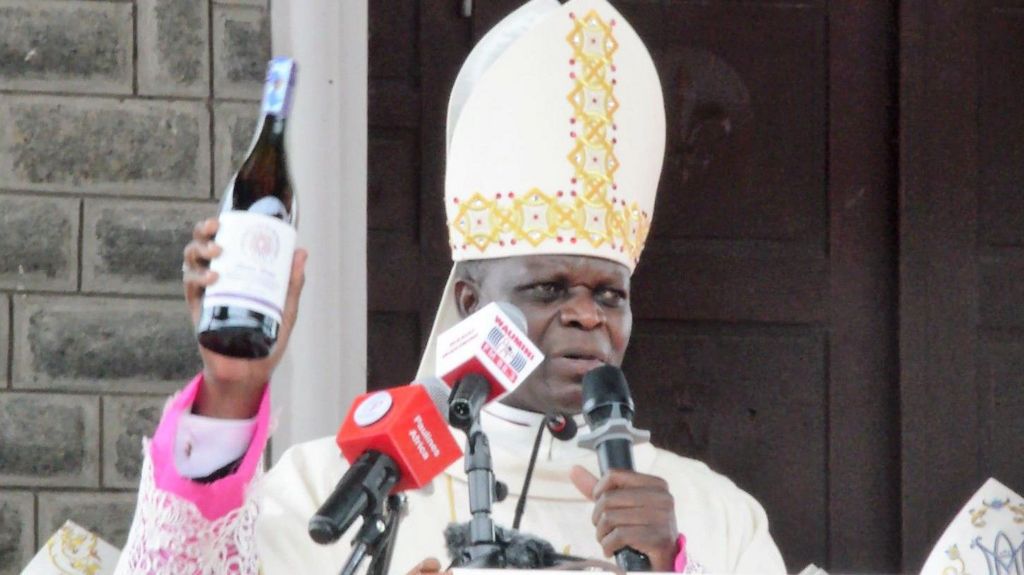
Catholic altar wine replaced after becoming a favourite in Kenyan bars
The Kenyan Catholic Church has unveiled a new brand of altar wine, exclusively for use in Holy Mass, to address concerns over the previous brand’s widespread availability in secular outlets. The new wine, labeled ‘Mass Wine,’ features the official coat of arms of the Kenya Conference of Catholic Bishops (KCCB) and a signature certifying its authenticity. Archbishop Anthony Muheria of Nyeri emphasized that the wine is not for commercial sale but is imported and owned by the KCCB, distributed solely to dioceses. The decision follows the discovery that the former wine, supplied by a local alcohol manufacturer, was being sold in bars, hotels, and supermarkets, diminishing its sacred significance. The new wine, sourced from South Africa, was officially introduced during Kenya’s National Prayer Day at the Subukia National Marian Shrine in Nakuru. Archbishop Maurice Muhatia Makumba, KCCB chairman, announced that this wine will be the only one used in Mass celebrations nationwide, urging priests to adhere to the new distribution guidelines. The label on the wine reads, ‘The fruit of the vine and the work of human hands will become our cup of joy,’ reflecting its sacred purpose. The move has been praised by the Catholic faithful, who view it as a step toward preserving the sanctity of the Eucharist. Altar wine, known as ‘divai’ in Swahili, is consumed variably across dioceses, with demand peaking during major religious events like Easter and Christmas. Kenya’s Catholic community, comprising about 10 million people or 20% of the population, has welcomed the change, expressing relief that the new wine ensures proper reverence in liturgical practices.
-
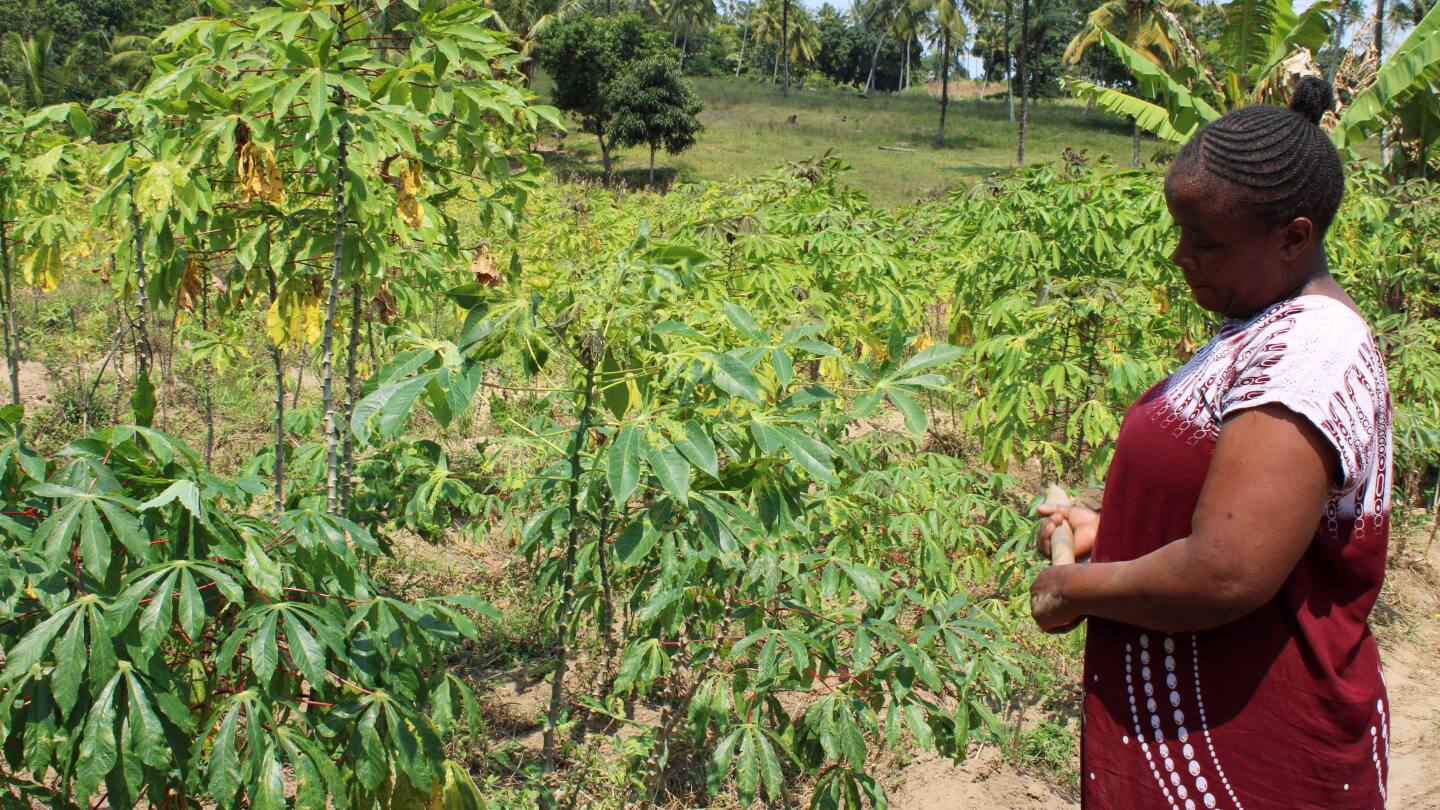
In Kenya, a search for links between a changing climate and mental health
In the arid landscapes of Kilifi County, Kenya, the daily struggle to secure food and water is a relentless burden, particularly for women who shoulder the majority of household responsibilities. The region, one of Kenya’s poorest, faces the dual challenges of poverty and a changing climate, which exacerbates the stress and anxiety of its residents. Women traverse miles with buckets of water, while maize crops wither under the scorching sun, leaving families with little to sustain themselves. This dire situation has profound implications for mental health, especially among women, who are often the primary caregivers in their families. Zul Merali of The Aga Khan University, which has established a local institute for mental and brain health, highlights the immense pressure these women endure. “They are responsible for ensuring their families are fed, yet they face constant uncertainty due to unpredictable weather patterns,” he explains. Kilifi County is one of Kenya’s most studied populations, with community health workers conducting monthly visits to assess the well-being of residents. These workers, like Humphrey Kitsao, who oversees 115 households, have witnessed firsthand the devastating impact of climate change on livelihoods. “Farming remains the primary source of income, but yields have drastically declined, leaving families with little to no harvest,” Kitsao notes. Jasmit Shah, a data scientist at The Aga Khan University’s Brain and Mind Institute, has been researching the link between climate change and mental health in rural Kenyan women. His study, which surveyed nearly 15,000 women, revealed alarming correlations between climate shocks—such as droughts and heatwaves—and increased suicidal thoughts. Elizabeth Amina Kadenge, a 41-year-old farmer and mother of four, exemplifies this struggle. Her maize crops have failed repeatedly due to erratic weather, leaving her family without food or income. To cope, she has turned to planting cassava, a more resilient crop, but its long growth cycle means families often harvest it prematurely for food, sacrificing potential income. Despite these challenges, mental health remains a neglected issue in rural Kenya. Mercy Githara of the Kenya Red Cross emphasizes the need for greater awareness and access to mental health services. “Climate change-induced disasters like droughts and floods have severe psychological impacts, leading to conditions such as depression,” she says. Shah is optimistic about the government’s efforts, including the community health promoters program, which includes mental health training. However, Merali stresses that long-term support is essential. “Climate change is not a temporary crisis; it’s a persistent reality that demands sustained action,” he asserts.
-
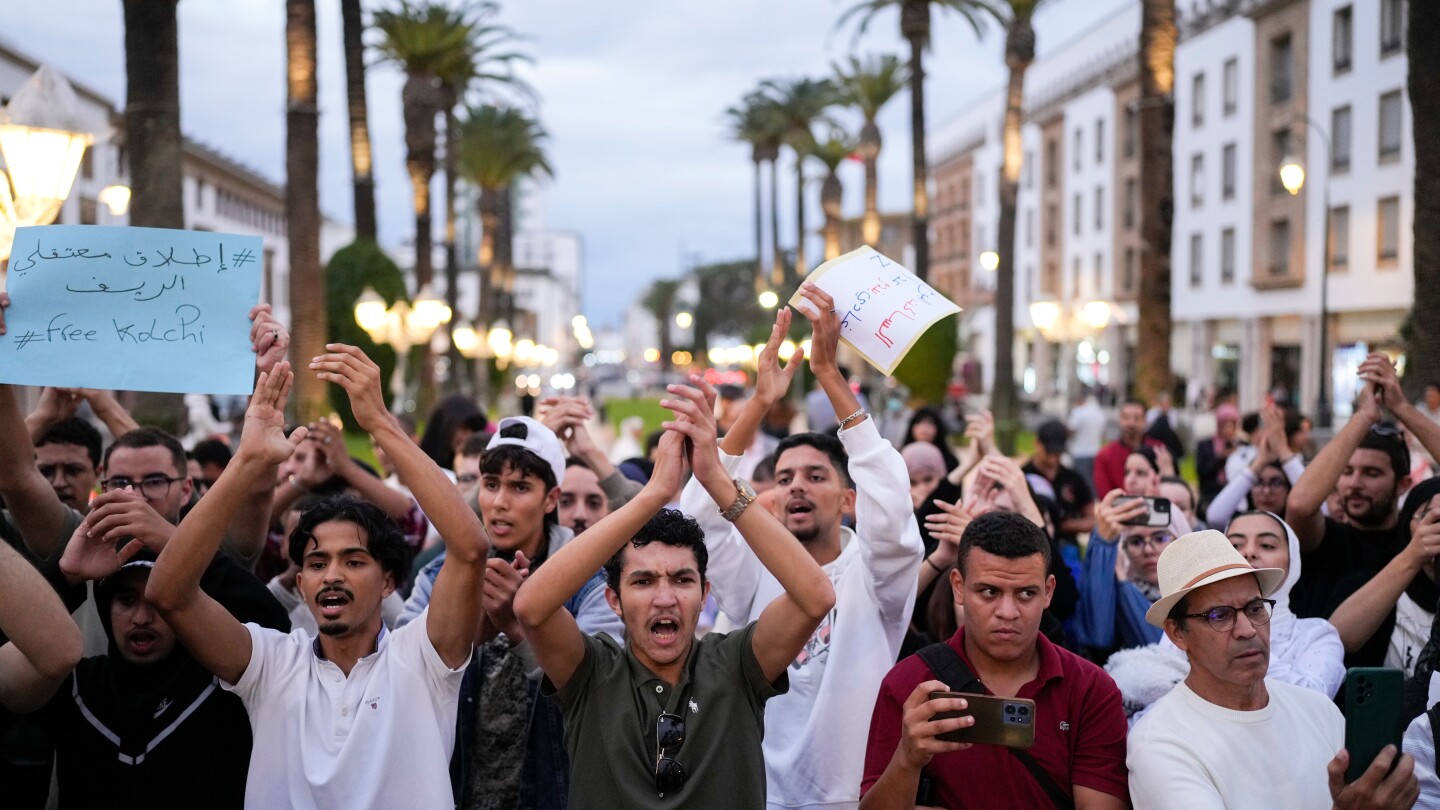
Morocco’s king addresses social injustices in speech as Gen Z protesters demand reforms
In a compelling address to Morocco’s parliament, King Mohammed VI called on elected officials to prioritize social justice and address the grievances fueling nationwide youth-led protests. The monarch, who entered the chamber unaided, emphasized that tackling social inequalities is not a temporary task but a strategic imperative for the nation’s development. His speech, delivered in traditional white djellaba robes, echoed some concerns raised by the Gen Z 212 movement, which has organized protests demanding better public services, increased health and education spending, and an end to corruption. However, the King avoided direct mention of the movement or its specific demands, such as the resignation of Prime Minister Aziz Akhannouch and investigations into corruption. He also sidestepped criticism of the government’s focus on 2030 FIFA World Cup infrastructure over pressing social needs. The King asserted that both large-scale national projects and social programs share the common goal of improving citizens’ lives. His address came after Gen Z 212 sent him a letter urging action against corrupt officials and faster reforms. While some protesters found the speech underwhelming, others resonated with his acknowledgment of regional disparities and rural poverty. The protests, which began nearly two weeks ago, have seen violent clashes in cities like Oujda and Agadir, resulting in injuries and fatalities. Unemployment among youth aged 15 to 24 remains high, and public hospitals and schools are severely underfunded and overcrowded. Gen Z 212 has called for urgent hiring of healthcare workers, increased public spending, and an end to the privatization of education, which activists argue deepens inequality. The King’s message was clear: elected officials must act decisively and without delay to address these systemic issues.
-
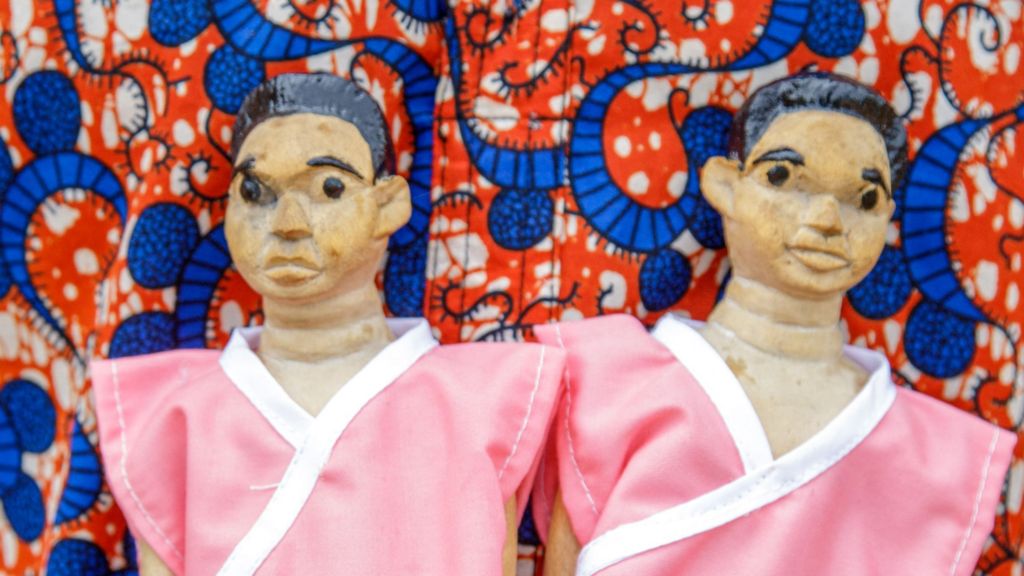
Deity dolls and people power: Africa’s top shots
This week’s collection of photographs from across Africa and beyond offers a vivid tapestry of cultural celebrations, social movements, and everyday life. In Benin, the Twins Festival in Ouidah saw believers bringing dolls of deities associated with twins, known as hoxo, to honor the occasion. Meanwhile, in Senegal, children diligently cleaned classrooms in a Dakar suburb, preparing for the new school year. Ethiopia’s Oromo community celebrated Ireecha, a thanksgiving festival, in Addis Ababa, showcasing their rich traditions. In Kenya, Dogtoberfest brought together dog owners and their furry companions for a day of festivities in Nairobi. South African choreographer Mthuthuzeli November, who began ballet at 15, was photographed at France’s Opera Bastille, highlighting his remarkable journey. Mali’s Mariam Doumbia, mourning the loss of her husband and musical partner Amadou Bagayoko, participated in a photoshoot in France. In Libya, women adorned their finest attire for the opening of a new sports club in Benghazi. Egypt’s el-Shorouk mosque provided a stunning backdrop for a full moon, while men in eastern Egypt engaged in a traditional horseback game called al-Marmah. However, not all scenes were celebratory; in northern Egypt, children climbed the remains of their flood-damaged homes, a stark reminder of the challenges faced by residents in the Nile delta. Cameroon’s national football team’s victory was celebrated with patriotic fervor in Yaoundé, while Madagascar’s Gen Z Mada protest movement, symbolized by the One Piece anime logo, continued to demand the president’s resignation. Similar discontent was evident in Morocco, where the Gen Z 212 movement gained momentum. Seychellois cast their votes in a crucial presidential run-off, and Tunisia’s capital hosted an annual handicrafts fair, showcasing the skills of local artisans. In South Africa, canoeists enjoyed the serene waters of Johannesburg’s Emmarentia Dam at sunrise. These images, captured by talented photographers, provide a window into the diverse and dynamic realities of life across the African continent.
-
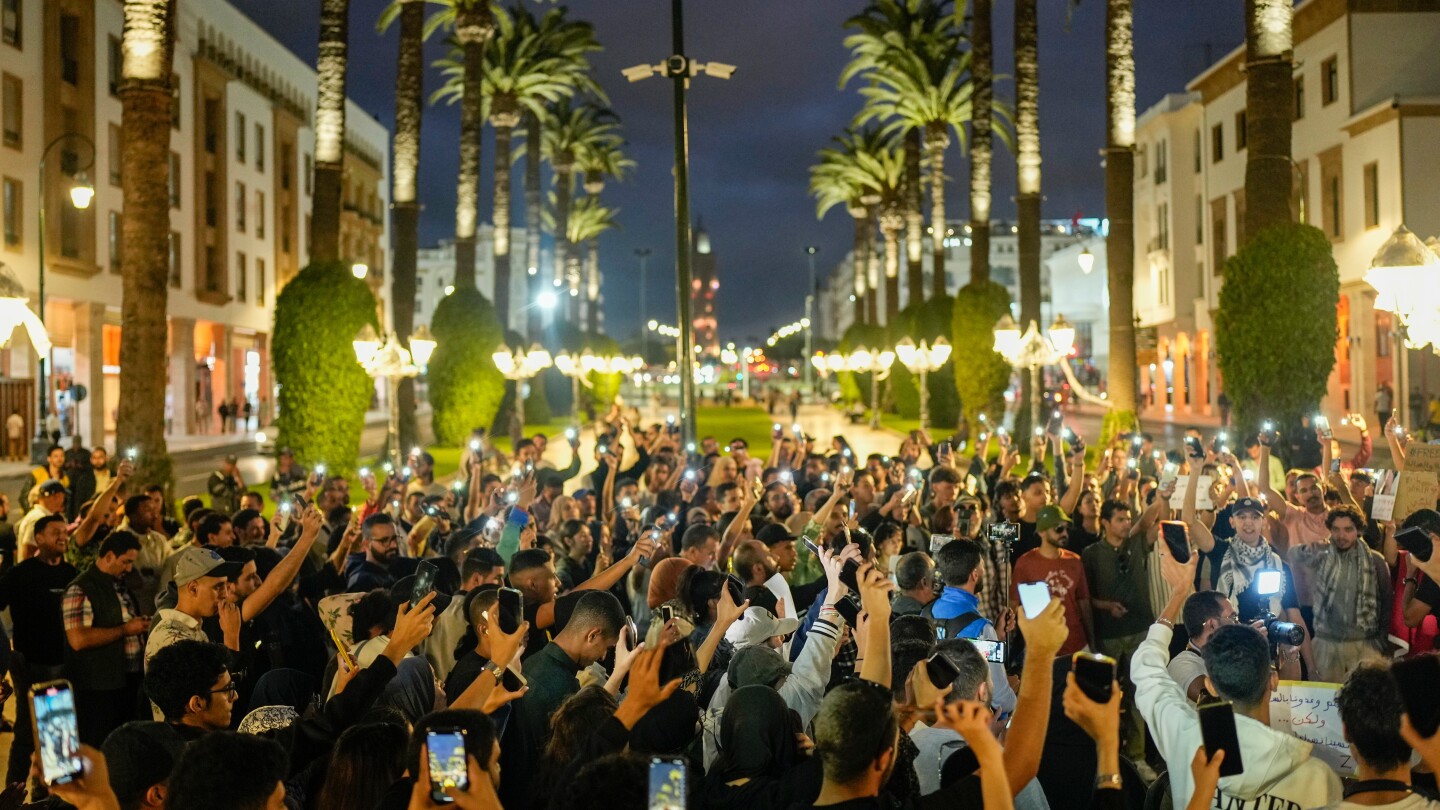
Protesters rally across Morocco in final push for reforms before king’s expected address
In a renewed surge of activism, Moroccan youth took to the streets of Casablanca and other cities on Thursday, reigniting their calls for sweeping governmental reforms. The protests, orchestrated by the ‘Gen Z 212’ movement, demand the dismissal of Prime Minister Aziz Akhannouch and a crackdown on corruption, alongside improved public services in health and education. This latest wave of demonstrations follows a brief midweek hiatus, strategically timed to culminate in a powerful display of dissent ahead of King Mohammed VI’s anticipated parliamentary address on Friday.
-
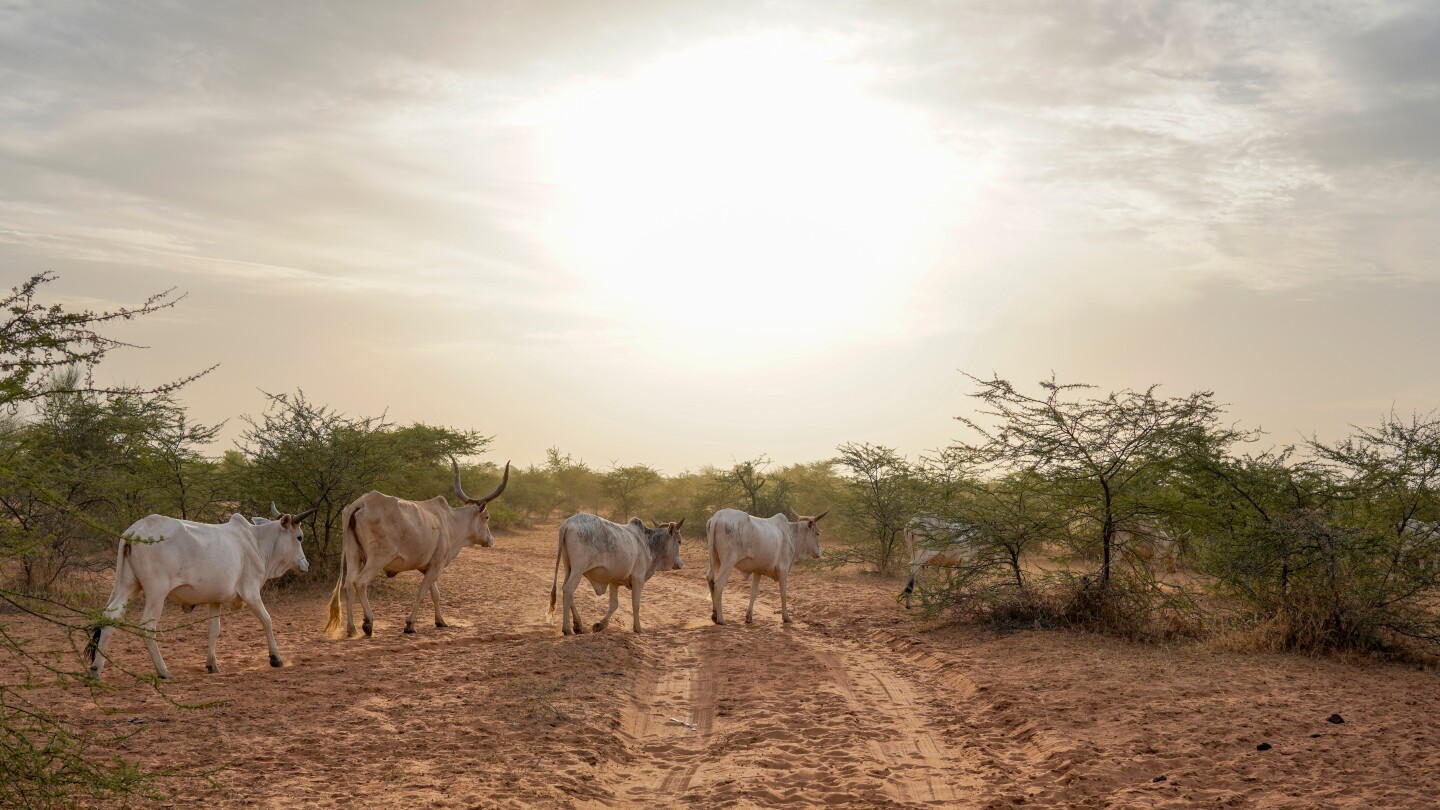
Senegal records 17 deaths in rare major outbreak of Rift Valley Fever
Senegal is grappling with a severe outbreak of Rift Valley Fever (RVF), a viral disease that has claimed 17 lives and infected 119 individuals, according to health officials. The outbreak, primarily concentrated in the northern livestock-producing region, marks the country’s most significant RVF crisis since the late 1980s. Dr. Boly Diop, head of RVF surveillance at Senegal’s health ministry, expressed concerns about the potential for further spread, emphasizing the unprecedented scale of the current outbreak. RVF, which primarily affects animals, can be transmitted to humans through mosquito bites or direct contact with infected livestock. While most human cases are mild or asymptomatic, severe infections can lead to eye damage, brain swelling, or fatal hemorrhagic fever, as reported by the World Health Organization (WHO). High-risk groups include herders, farmers, and slaughterhouse workers, who are often exposed during animal handling. The current outbreak was officially declared on September 21, with experts linking its resurgence to climate change, which creates favorable conditions for disease-carrying vectors. Dr. Merawi Aragaw Tegegne, an epidemiologist with the Africa Center for Disease Control and Prevention, highlighted the role of extreme weather patterns, such as torrential rains and floods, in facilitating RVF transmission. Preventive measures, including livestock vaccination and mosquito control, are crucial to curbing the disease’s spread. Historically, RVF has caused significant fatalities in Africa, with outbreaks in Kenya and Somalia in 1998 claiming over 470 lives. In 2000, the virus expanded beyond Africa, reaching Saudi Arabia and Yemen and raising global concerns about its potential spread to other continents.