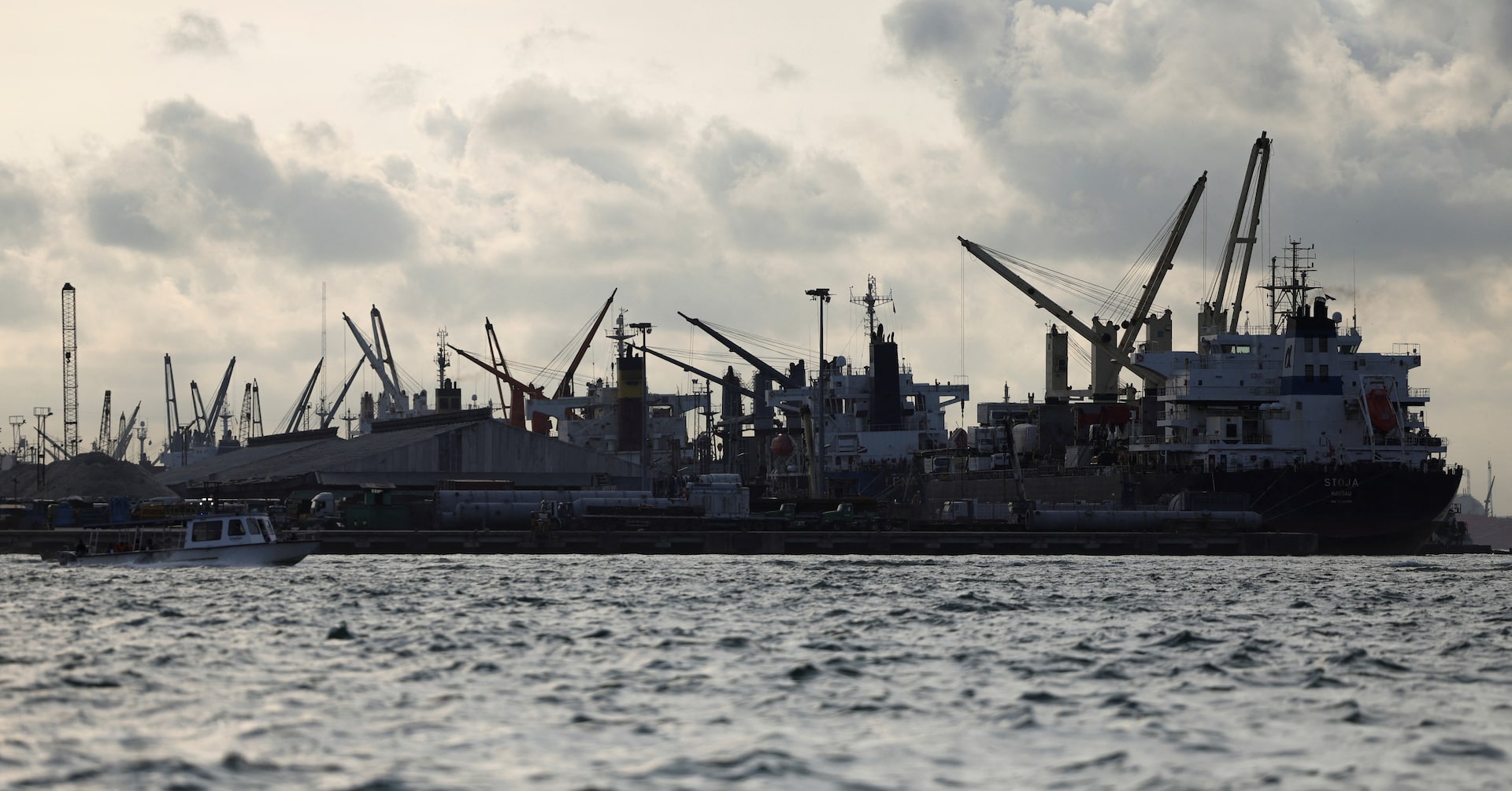
In a landmark move to revitalize Africa’s energy sector, petroleum regulators from across the continent, spearheaded by Nigeria, have established the African Petroleum Regulators Forum (AFRIPERF). The initiative, unveiled during Africa Oil Week in Accra, Ghana, aims to create a unified regulatory framework to attract much-needed investment and foster sustainable growth in the region’s oil and gas industry. Sixteen nations participated in the signing ceremony, with eight countries—Nigeria, Ghana, Somalia, Gambia, Madagascar, Sudan, Guinea, and Togo—formally endorsing the charter. Seven others have pledged support pending domestic consultations. AFRIPERF’s mission is to standardize regulations, enhance transparency, and address cross-border challenges such as gas trade, emissions, and digitalization. Gbenga Komolafe, head of Nigeria’s upstream regulator and interim chairman of AFRIPERF, emphasized the forum’s role in ensuring Africa’s hydrocarbon resources are managed with “innovation, responsibility, and foresight.” The forum will be governed by an executive committee of regulatory heads, supported by a technical committee of experts and a rotating secretariat. Elections for the chairperson and headquarters location are expected in the coming months. This initiative underscores Africa’s commitment to aligning its energy governance with global standards while asserting a stronger voice in international energy policy.
标签: Africa
非洲
-
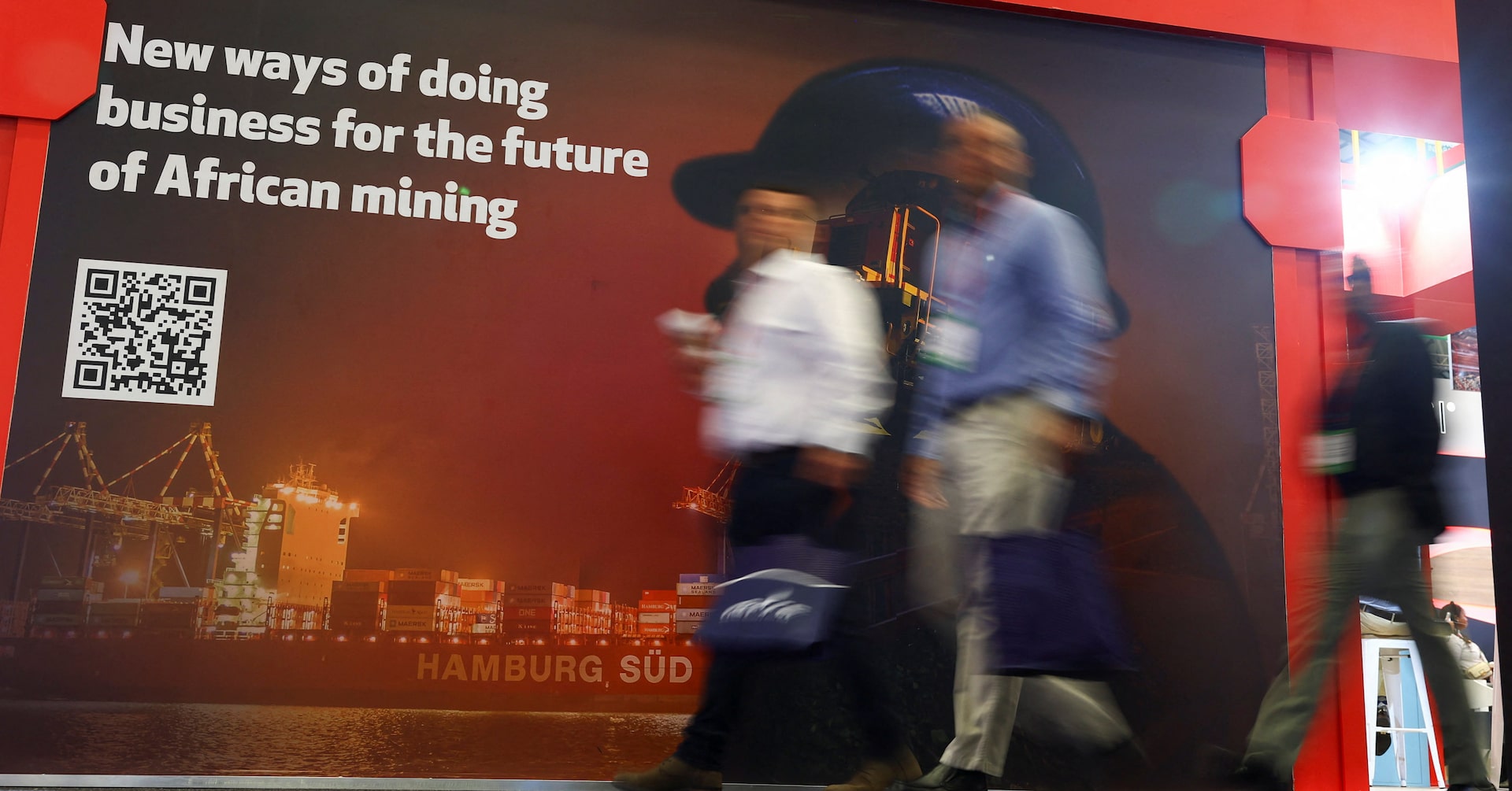
S.Africa’s Transnet agrees port equipment deal with Liebherr
In a landmark move to revitalize its port infrastructure, South Africa’s state-owned logistics giant Transnet has inked a 10-year partnership with German industrial equipment manufacturer Liebherr. The agreement, announced on Thursday, focuses on the supply of advanced cranes and includes a comprehensive 20-year asset management program to ensure maintenance, repairs, and spare parts availability. This collaboration aims to address chronic equipment shortages and operational inefficiencies that have plagued Transnet’s port operations, often causing significant delays for retailers and exporters. Transnet Port Terminals CEO Jabu Mdaki emphasized that the partnership will enhance operational efficiency, streamline logistics, and reduce long-term costs. The company has already placed substantial orders, including four ship-to-shore cranes for Durban port and 48 rubber-tyred gantry cranes for terminals in Durban and Cape Town. This initiative marks a critical step in modernizing South Africa’s port infrastructure, which has suffered from years of under-investment.
-

Diamond selling processes are outdated and hurting producers, trader says
The diamond industry is facing a significant crisis, with experts calling for a complete overhaul of its sales practices to address inefficiencies and help producers survive the ongoing price slump. Oded Mansori, co-founder and managing partner of Belgian gem trader HB Antwerp, emphasized the need for reform during a recent statement. He criticized the current tender and auction systems, describing them as opaque and inefficient, likening them to a ‘casino’ where the true value of rough diamonds is often uncertain. Mansori argued that these systems leave producers vulnerable, especially during periods of declining global demand, ultimately resulting in job losses and reduced revenues. The diamond market has been severely impacted by global economic uncertainty and the growing popularity of lab-grown stones, leading to significant challenges for producer countries like Botswana and major mining operations such as Burgundy and Letseng. Mansori advocates for a profit-sharing model, similar to the one HB Antwerp has with Lucara Diamond Corp, where producers’ revenues are tied to the polished value of their stones rather than speculative rough sales. This approach has already shown promise, with HB Antwerp accounting for 72% of Lucara’s $74 million diamond revenue in the first half of the year. Mansori estimates that producers could earn up to 40% more revenue by adopting such models, offering a potential lifeline to an industry grappling with its deepest crisis in history.
-
Over 30 people have died from Ebola in Congo, says World Health Organization
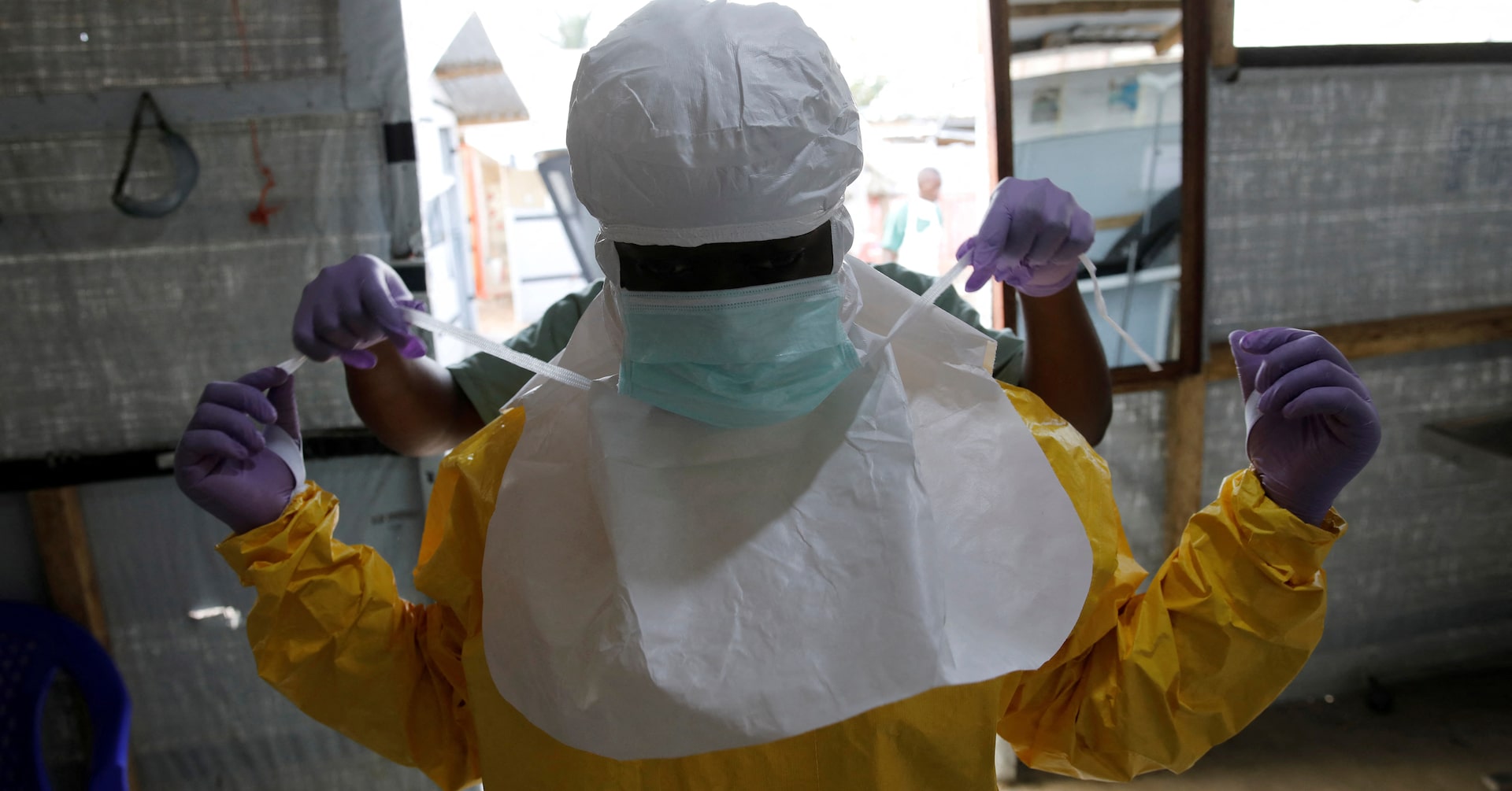
The World Health Organization (WHO) has reported a concerning escalation in the Ebola outbreak in the Democratic Republic of Congo (DRC), with 48 confirmed cases and 31 fatalities as of Thursday. WHO Director-General Tedros Adhanom Ghebreyesus disclosed the figures during a press briefing held via video link from the organization’s headquarters in Geneva. The outbreak, declared by the DRC government two weeks prior, has raised alarms within the global health community. Health workers at the ALIMA (The Alliance for International Medical Action) Ebola treatment center in Beni are seen donning protective gear before entering the Biosecure Emergency Care Unit (CUBE), highlighting the rigorous measures being taken to contain the virus. The situation underscores the persistent threat of Ebola in the region and the critical need for international support and resources to combat the spread of the disease.
-
South African central bank maintains key rate in split decision
In a closely watched decision, the South African Reserve Bank (SARB) maintained its benchmark interest rate at 7% during its latest Monetary Policy Committee (MPC) meeting on Thursday. The outcome followed a split vote, with four members advocating for unchanged rates and two pushing for a 25 basis point reduction. This decision comes as headline inflation in South Africa unexpectedly decelerated to 3.3% year-on-year in August, down from 3.5% in July, hovering near the lower end of the central bank’s 3%-6% target range. Economists had anticipated a tight call between a rate hold and a modest cut, reflecting the delicate balance between supporting economic growth and managing inflationary pressures. In July, the SARB had reduced its policy rate by 25 basis points, signaling a shift in its inflation targeting strategy from aiming for the midpoint (4.5%) to the lower bound (3%) of its target range. The central bank’s cautious approach underscores its commitment to stabilizing inflation while navigating economic uncertainties. The decision is expected to influence borrowing costs, consumer spending, and investor confidence in Africa’s largest economy.
-
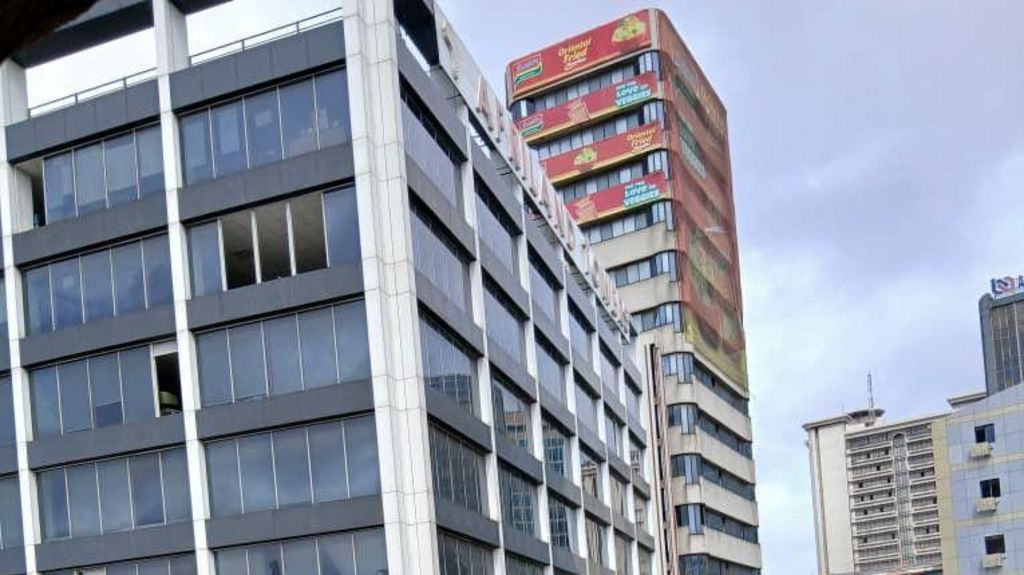
At least 10 dead in Lagos high-rise office building fire
A devastating fire engulfed a high-rise building in Lagos, Nigeria’s bustling commercial hub, resulting in the deaths of at least ten individuals and leaving 25 others injured. The incident, which occurred on Tuesday, unfolded at the seven-story Afriland Towers, a building housing numerous commercial enterprises. Disturbing footage circulating on social media captured desperate occupants leaping from the third and fourth floors as flames and thick smoke rapidly consumed the structure. Many of the victims were workers trapped inside, unable to escape the inferno. Survivors sustained severe burns, fractures, and respiratory issues from smoke inhalation, while others faced life-threatening trauma from jumping to safety. Witnesses described scenes of chaos and panic, with some individuals too terrified to leap and others resorting to makeshift ladders for rescue. The Lagos State Emergency Management Agency (Lasema) attributed the fire’s origin to the basement, where electrical equipment overheated due to poor maintenance and inadequate ventilation. The agency highlighted critical safety lapses, including the absence of mechanical smoke extraction systems, non-functional public address systems, and insufficient evacuation signage. Additionally, sealed windows and the incapacitation of facility managers exacerbated the crisis. Lasema managed to extinguish the blaze after several hours, but the incident has raised serious concerns about fire safety standards in Nigeria. President Bola Tinubu expressed his condolences to the bereaved families, while the Nigeria Federal Fire Service launched a comprehensive investigation into the causes, promising to implement all recommendations to prevent future tragedies.
-
Dollar choppy after Fed decision; pound steady after BoE keeps rates steady
Global currency markets experienced significant volatility on Thursday as traders digested key policy decisions from major central banks. The U.S. dollar initially plummeted following the Federal Reserve’s cautious stance on future interest rate cuts but later rebounded, reflecting mixed signals from policymakers. Meanwhile, the British pound remained steady after the Bank of England (BoE) opted to maintain interest rates and slow the pace of its quantitative tightening (QT) program. The BoE reduced its annual gilt sales from £100 billion to £70 billion, aligning closely with market expectations. Marion Amiot, chief UK economist at S&P Global Ratings, noted that the BoE is unlikely to ease monetary policy further this year. The euro saw modest gains, rising 0.1% against the pound, while gilt yields dipped slightly. In Norway, the Norges Bank cut interest rates by 25 basis points, as anticipated, signaling potential further reductions. The Norwegian crown remained stable despite the rate cut. In Japan, the yen weakened ahead of the Bank of Japan’s (BOJ) policy decision on Friday, with markets expecting no immediate rate hikes but pricing in a possible increase by March 2024. Elsewhere, the New Zealand dollar fell to its lowest level since September 8 after data revealed a 0.9% contraction in GDP for the second quarter, fueling speculation of policy easing by the Reserve Bank of New Zealand. Analysts remain divided on the implications of the Fed’s actions, with some viewing the rate cut as the first in a series, while others interpret Chair Jerome Powell’s comments as less dovish. The dollar index, which measures the greenback against a basket of major currencies, initially dropped to its lowest since February 2022 but later recovered, ending the day steady at 96.96. The currency markets’ turbulence underscores the ongoing uncertainty surrounding global economic conditions and central bank policies.
-

Oil India sees restart of Mozambique LNG project by year’s end
India’s state-run Oil India Ltd (OILI.NS) has announced that the $20-billion Mozambique liquefied natural gas (LNG) project, operated by French energy giant TotalEnergies (TTEF.PA), is expected to restart development by the end of 2025. The project, in which Oil India holds a stake, was halted in 2021 due to a deadly attack by Islamic State-linked insurgents, prompting TotalEnergies to declare force majeure. Speaking at the company’s annual shareholder meeting, Oil India Chairman Ranjit Rath expressed optimism about the project’s revival, citing improved security conditions and its strategic importance in meeting India’s growing gas demand. TotalEnergies CEO Patrick Pouyanne had previously indicated in June that development could resume ‘this summer.’ The project is a multinational venture, with TotalEnergies holding a 26.5% stake, Mitsui & Co (8031.T) owning 20%, Mozambique’s state-owned ENH at 15%, and Indian state firms ONGC Videsh, Bharat PetroResources, and Oil India collectively holding 30%. Thailand’s PTTEP (PTTEP.BK) owns the remaining share. Separately, Oil India reported significant dividends from its investments in Russian projects, including Vankorneft and Taas-Yuryakh, with $942 million received, representing 91% of its original investment. Full recovery of the investment is anticipated in the coming year.
-
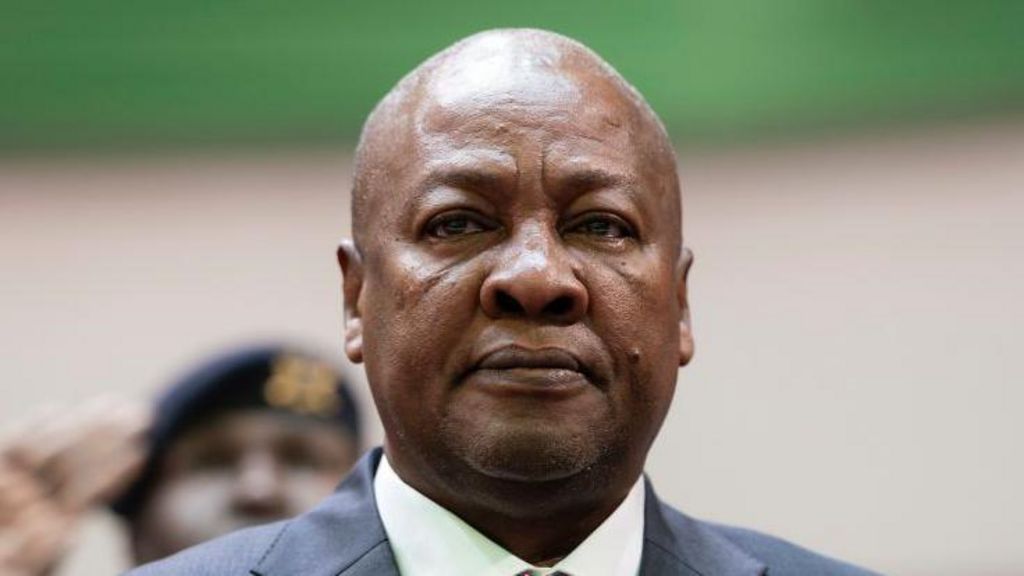
US deportees sue Ghana over ‘illegal’ detention
Ghana’s President John Mahama is under fire from opposition lawmakers for failing to present a controversial deportation agreement with the United States to parliament for ratification. The issue has escalated as 11 individuals deported from the US to Ghana have filed a lawsuit against the Ghanaian government, alleging unlawful detention. Their lawyer, Oliver-Barker Vormawor, claims the detainees have not violated any Ghanaian laws and are being held illegally in a military camp. He has demanded the government produce the group in court and justify their detention. The government has yet to respond to the lawsuit but has indicated plans to accept an additional 40 deportees. Opposition MPs are calling for an immediate suspension of the deportation deal until it is properly ratified by parliament, as required by Ghanaian law. The situation has sparked confusion, with conflicting statements from President Mahama and Foreign Minister Samuel Okudzeto Ablakwa regarding the status of the deportees. While Mahama stated that 14 deportees had been returned to their countries of origin, Ablakwa contradicted him, saying only most had been repatriated. Vormawor’s court filing asserts that 11 deportees remain in detention in Ghana. The deportations are part of the Trump administration’s stringent immigration policies, which have led to record-level deportations of undocumented migrants. Ghana’s foreign minister emphasized that the decision to accept the deportees was based on humanitarian principles and pan-African solidarity, not an endorsement of US immigration policies. Meanwhile, five of the detainees, including three Nigerians and two Gambians, have also sued the US government, arguing their deportation violated a court order.
-
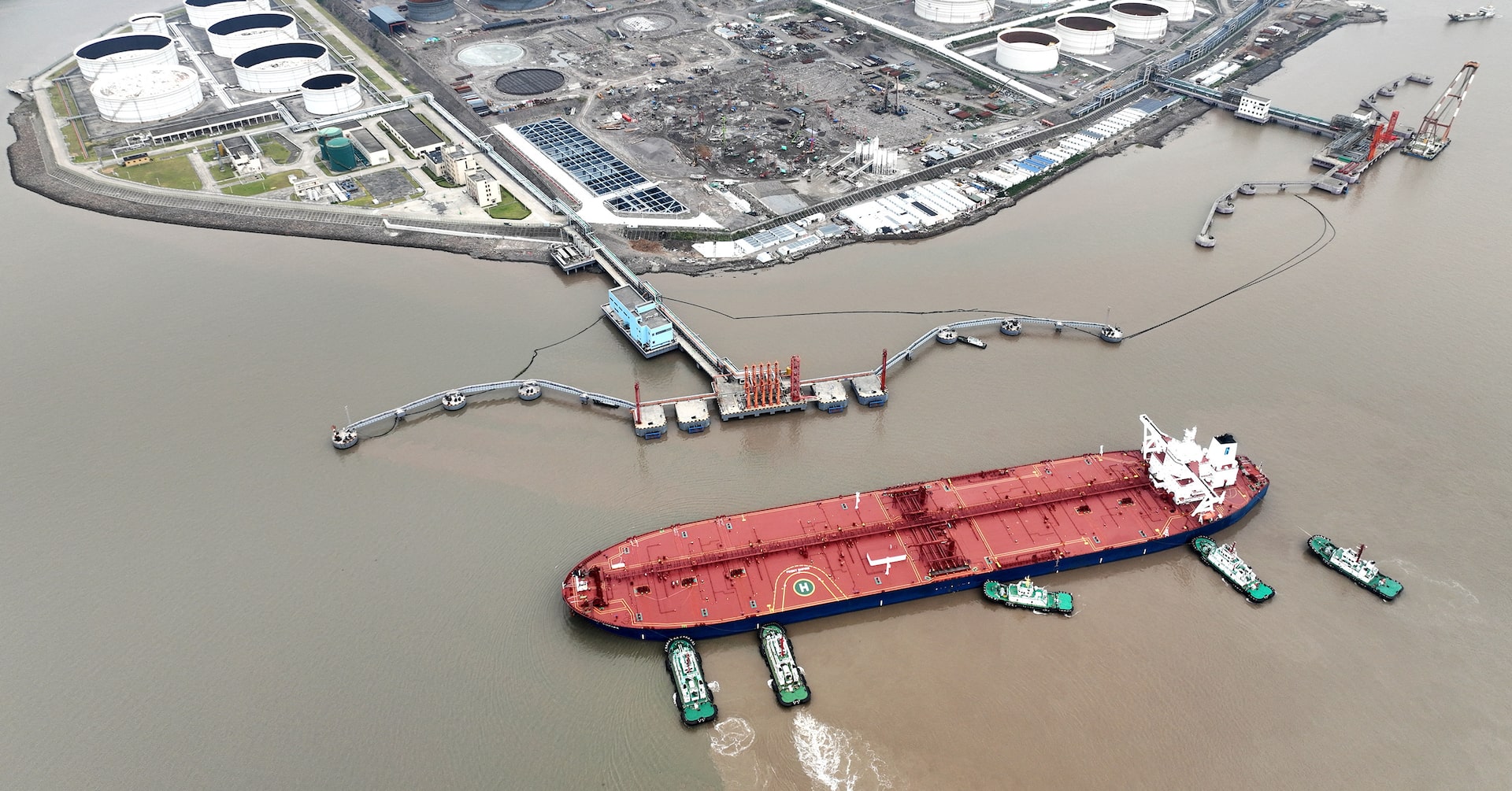
Oil edges lower as traders weigh rate cut with worries over US economy
Oil prices experienced a second consecutive day of decline on Thursday, September 18, as market participants grappled with the implications of the Federal Reserve’s recent interest rate cut and broader concerns about the U.S. economy. Brent crude futures fell by 30 cents, or 0.4%, to $67.65 a barrel, while U.S. West Texas Intermediate (WTI) futures dropped by 30 cents, or 0.5%, to $63.75. The Federal Reserve’s decision to reduce its policy rate by a quarter of a percentage point on Wednesday, coupled with indications of further rate cuts throughout the year, aimed to address emerging weaknesses in the U.S. job market. While lower borrowing costs typically stimulate oil demand and elevate prices, the market remained clouded by persistent oversupply and subdued fuel demand in the United States, the world’s largest oil consumer. Kuwait’s oil minister, Tariq Al-Roumi, expressed optimism about a potential surge in oil demand, particularly from Asian markets, following the rate cut. However, some analysts remained skeptical, citing the Fed’s move as a response to a slowing economy rather than a catalyst for immediate price recovery. Federal Reserve Chair Jerome Powell highlighted the growing risks to employment compared to inflation, emphasizing the need for careful assessment and management of inflation risks. Additionally, U.S. crude oil stockpiles saw a sharp decline last week, driven by a record low in net imports and a significant increase in exports. However, a larger-than-expected rise in distillate stockpiles raised concerns about demand in the U.S., further pressuring oil prices. The market’s uncertainty underscores the complex interplay between monetary policy, economic indicators, and global oil supply dynamics.