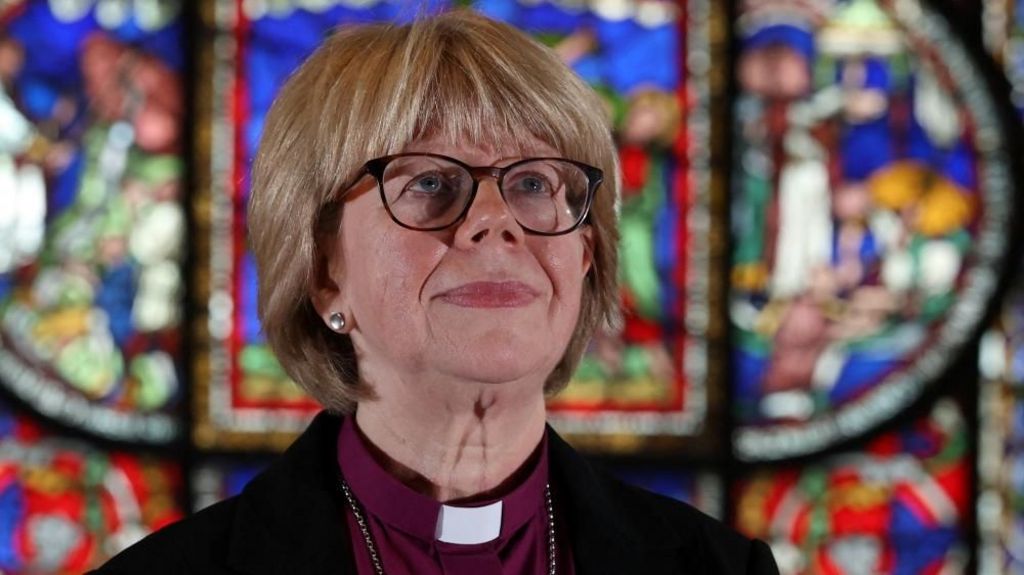
In a historic move, Dame Sarah Mullally has been appointed as the first female Archbishop of Canterbury, marking a significant milestone for the Church of England and the global Anglican Communion. Her appointment, announced on Friday, has sparked both celebration and controversy within the religious community. In her inaugural address, Dame Sarah emphasized unity, quoting, ‘If you want to go fast, go alone – if you want to go far, go together.’ However, her selection has deepened existing divisions, particularly among conservative factions. The Global Fellowship of Confessing Anglicans (Gafcon), a network of conservative churches primarily in Africa and Asia, expressed ‘sorrow’ over the decision, citing theological objections to female leadership and same-sex blessings. Conversely, the Church of Southern Africa hailed the appointment as ‘historic,’ reflecting a broader liberal shift within the Church of England. The Anglican Communion has long been divided over issues such as the ordination of women bishops and the acceptance of same-sex relationships, with conservative leaders like Archbishop Laurent Mbanda of Rwanda arguing that ‘the majority of the Anglican Communion still believes in a male-only episcopacy.’ Despite these tensions, progressive voices, including Bishop Emily Onyango of Kenya, have welcomed Dame Sarah’s leadership, describing it as ‘a new dawn’ for the Church. As the first woman to hold this prestigious role, Dame Sarah faces the dual challenge of fostering unity and addressing pressing social issues, particularly in Africa, where women and children continue to suffer. Her leadership will undoubtedly shape the future of the Anglican Communion, as it navigates its complex and evolving identity.
标签: Africa
非洲
-
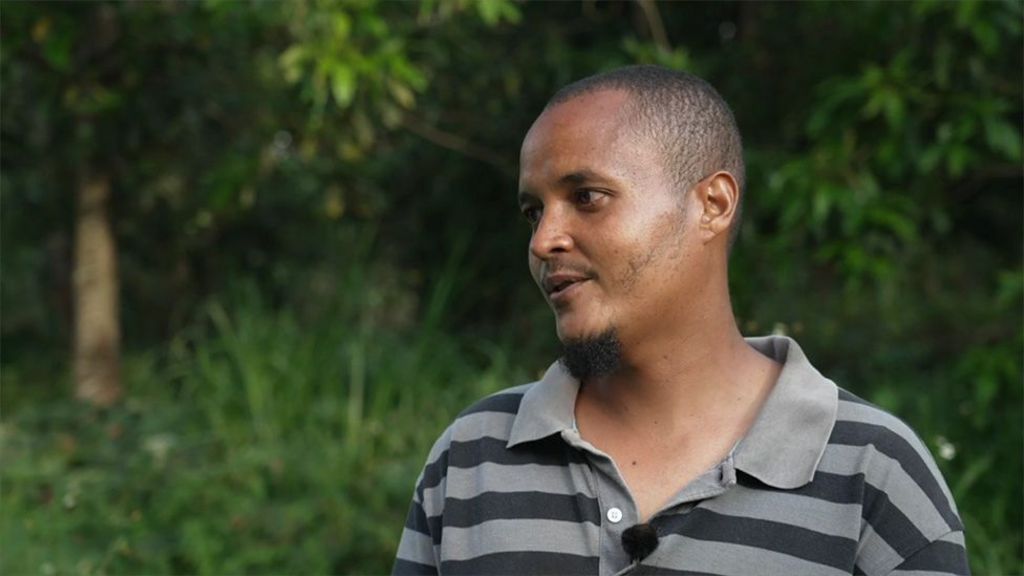
Kenyans prove paternity case against UK soldiers
In a groundbreaking legal decision, seven individuals from Kenya have successfully proven their paternity in a UK Family Court, establishing that their fathers were British men stationed at an army base in Kenya. This marks the first instance in UK legal history where paternity was confirmed through commercially available DNA databases. Six of the fathers had served at the British Army Training Unit in Kenya (Batuk), while one was a contractor. The ruling paves the way for the claimants to pursue British citizenship, offering them a long-awaited resolution to their identity struggles. The case was spearheaded by British lawyer James Netto and geneticist Denise Syndercombe Court, who collaborated on a project to collect DNA samples and testimonies from residents in Kenya’s Nanyuki region, near Batuk. Many individuals in the area had long suspected their fathers were British servicemen, but lacked concrete evidence. The project utilized public DNA databases to connect claimants with their UK-based relatives. Among the claimants is Peter Wambugu, a 33-year-old chef, who shared his emotional journey with the BBC. Peter grew up knowing his father was a British soldier but never met him. He endured childhood bullying due to his mixed-race heritage and carried the pain of abandonment for decades. After reuniting with his father, Peter expressed profound relief, stating that the pain of discrimination had transformed into joy. Another claimant, who remains anonymous for legal reasons, recounted meeting her father only once at age four and growing up feeling deeply abandoned. James Netto hailed the ruling as the culmination of an arduous journey for many families, emphasizing that it provides answers to long-standing questions. He noted that numerous others near Batuk face similar challenges, particularly those with limited information about their fathers. Andrew Macleod, a lawyer involved in the DNA project, hopes the case will prompt the UK Ministry of Defence to address paternity claims more proactively. The Ministry stated that while such claims are considered private matters, it cooperates with local child support authorities when necessary. This case is part of a broader investigation by the BBC, featured in an upcoming five-part podcast series, ‘World of Secrets,’ which explores the complexities of identity and paternity in Kenya.
-
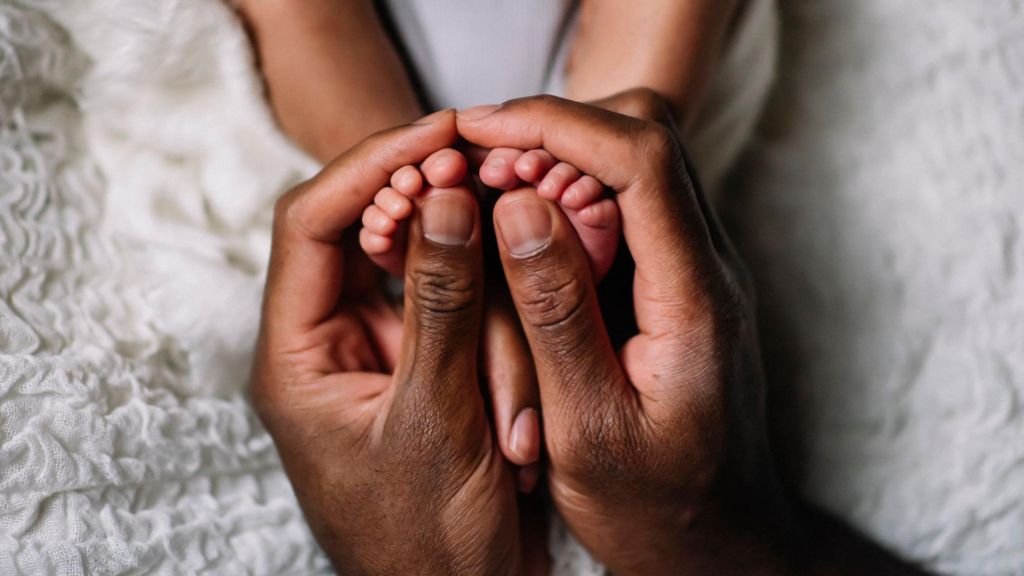
Fathers entitled to equal parental leave, South Africa’s top court rules
In a historic decision, South Africa’s Constitutional Court has unanimously ruled that both parents of newborns are entitled to equal parental leave, marking a significant milestone in the fight for gender equality and family rights. The court declared parts of the existing legislation unconstitutional, stating that it discriminated against fathers. Under the current law, mothers are granted four months of leave, while fathers receive only 10 days. The ruling allows parents to share the total leave period as they see fit, promoting shared parenting responsibilities. Justice Zukisa Tshiqi, delivering the judgment, emphasized that the law unfairly burdened mothers and marginalized fathers, perpetuating outdated gender roles. The case was initiated by a married couple, the Commission for Gender Equality, and others, who argued that the legislation unfairly excluded fathers, adoptive parents, and parents of children born to surrogates. The court’s decision underscores the importance of protecting family dignity and ensuring children’s wellbeing by allowing both parents to be actively involved in their early development. Legal experts noted that the ruling will have profound implications for employers, who must now revise their leave policies. The court has suspended its declaration of invalidity for three years, giving parliament time to amend the laws accordingly. In the interim, parents can decide how to allocate the combined four months and 10 days of leave. If only one parent is employed, they may take the full leave entitlement. The judgment has been widely celebrated as a progressive step toward modernizing South Africa’s approach to parenting and gender equality.
-
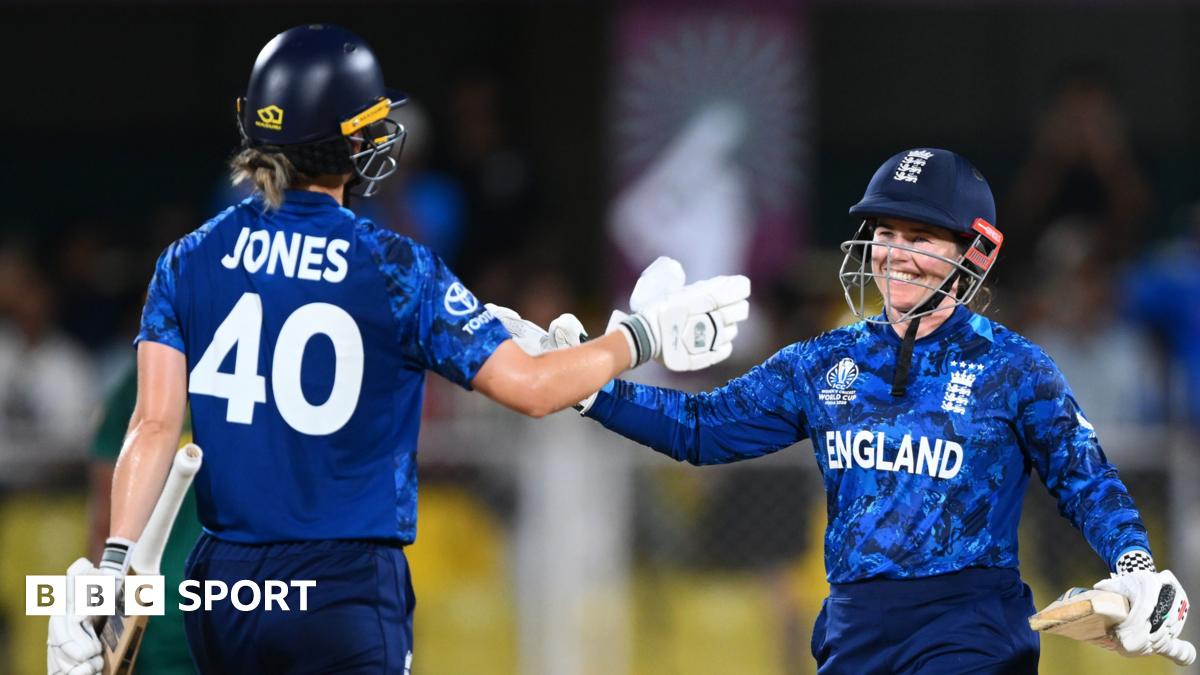
Ruthless England thrash SA in World Cup opener
England Women’s cricket team delivered a masterclass performance in their ICC Women’s World Cup opener, thrashing South Africa by 10 wickets in Guwahati. South Africa, opting to bat first, were bowled out for a paltry 69 runs in just 20.4 overs, marking their third-lowest ODI total. Left-arm spinner Linsey Smith was the standout performer, claiming 3-7, including the prized wickets of Laura Wolvaardt, Tazmin Brits, and Marizanne Kapp. Captain Nat Sciver-Brunt, returning to competitive bowling, took 2-5, while spinners Sophie Ecclestone and Charlie Dean chipped in with two wickets each. England’s openers, Amy Jones (40*) and Tammy Beaumont (21*), chased down the target effortlessly in 14.1 overs, showcasing patience and discipline on a tricky pitch. This emphatic win not only boosts England’s confidence but also significantly enhances their net run rate early in the tournament. South Africa’s batting woes were evident as they struggled against England’s spin-heavy attack, managing only six boundaries throughout their innings. The match highlighted England’s strategic brilliance and South Africa’s inability to adapt to the conditions. With this victory, England have sent a strong message to their competitors, positioning themselves as serious contenders for the title.
-
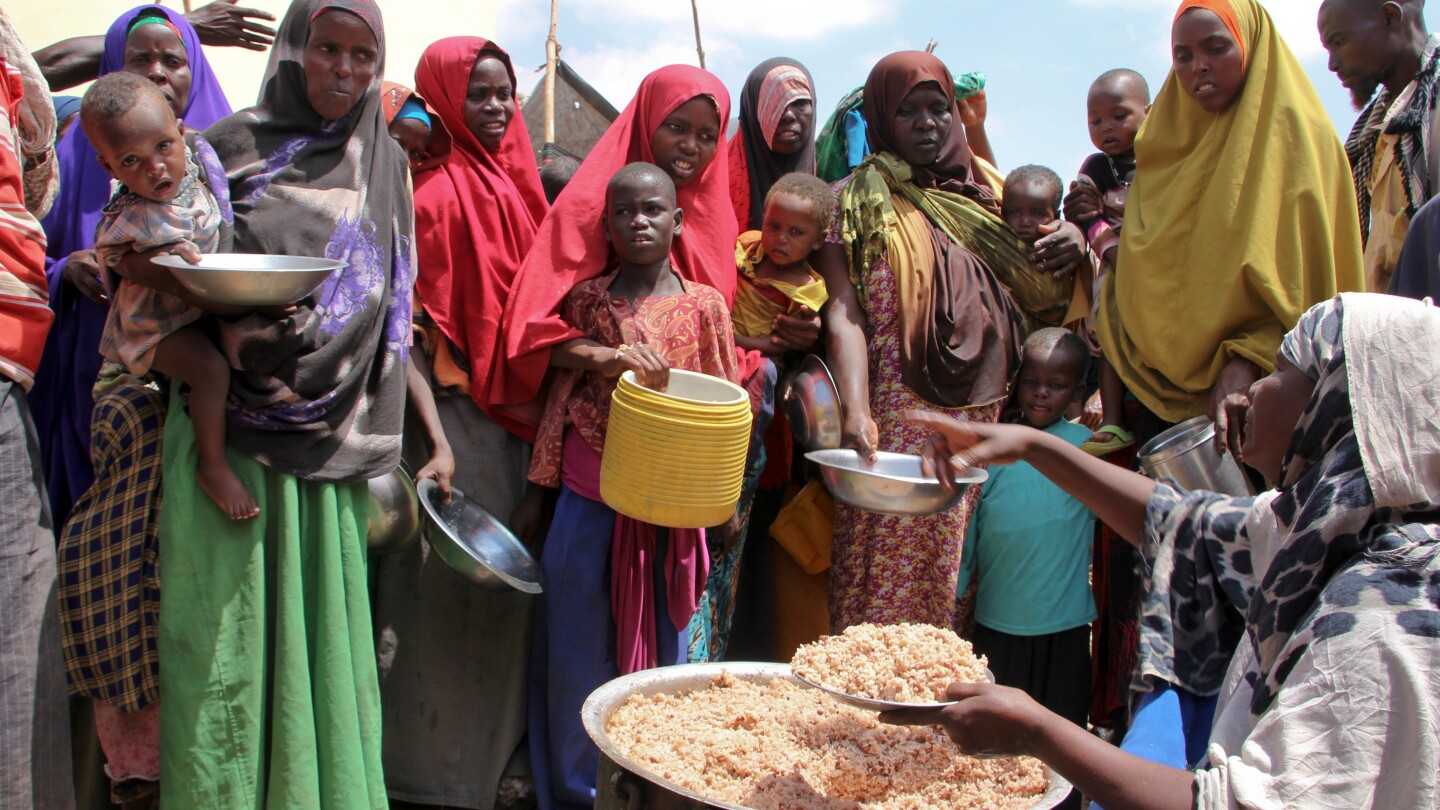
U.N. food agency to suspend food aid for 750,000 people in Somalia next month
The United Nations food agency has announced a significant reduction in food assistance for hundreds of thousands of people in Somalia, where millions are grappling with the catastrophic effects of climate change and severe hunger. The World Food Program (WFP) revealed that the number of individuals receiving emergency food aid will plummet from 1.1 million in August to just 350,000 by November, citing ‘critical funding shortfalls’ as the primary cause. Ross Smith, the agency’s director of emergency preparedness and response, warned of a ‘dangerous rise in emergency levels of hunger,’ emphasizing that the ability to respond is diminishing daily. ‘Without urgent funding, families already pushed to the edge will be left with nothing at a time when they need it most,’ he stated. Recent U.N. reports indicate that 4.6 million Somalis are experiencing crisis-level hunger, with 1.8 million children projected to suffer from acute malnutrition this year. Among these, 421,000 children face severe malnutrition, yet the WFP has only managed to assist approximately 180,000. Somalia’s plight is exacerbated by decades of conflict and insecurity, with the al-Qaida-linked militant group al-Shabab controlling several regions. Additionally, U.S. foreign aid cuts have further strained humanitarian agencies already struggling to meet the needs of the vulnerable population. The WFP has urgently requested $98 million to sustain life-saving operations for 800,000 people through the lean season until March 2026.
-
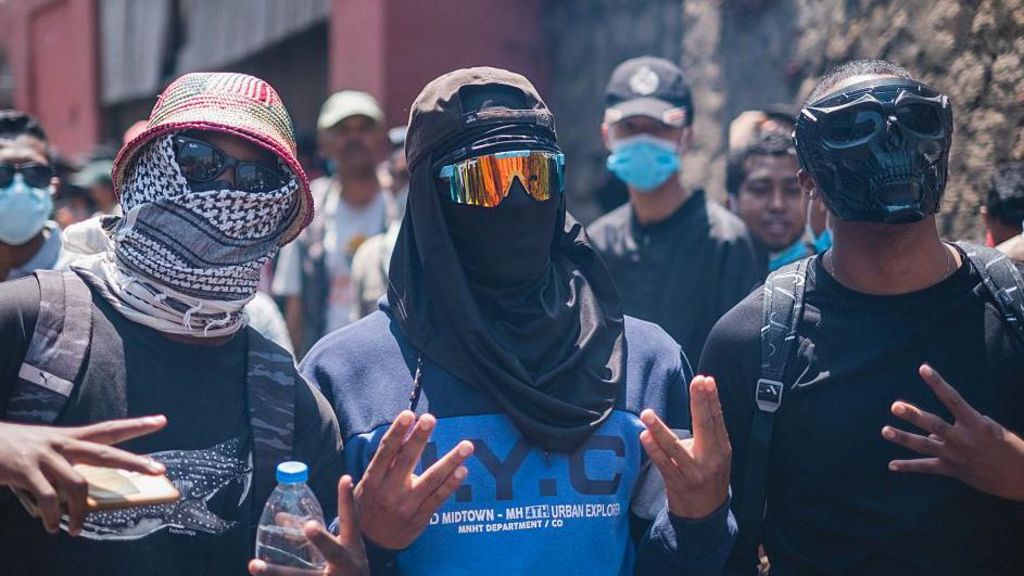
Behind the Gen Z protests that forced Madagascar’s president to sack his government
Madagascar is witnessing its largest wave of protests in over 15 years, with thousands taking to the streets across the country. What began as frustration over shortages of basic necessities has rapidly escalated into a significant political crisis for President Andry Rajoelina, who has been in power since 2018. Despite dismissing his government in response to the unrest, Rajoelina has failed to quell the growing dissent. The protests, which have claimed at least 22 lives and injured over 100, according to the UN, have been met with heavy-handed security measures, including tear gas and water cannons. The Malagasy government disputes the UN’s casualty figures, labeling them as ‘rumors and misinformation.’ The unrest was sparked by the arrest of two city politicians on September 19, who had planned a peaceful demonstration over chronic power and water outages. This move was seen as an attempt to stifle legitimate dissent, fueling public outrage. The protests, initially organized by the youth-led movement Gen Z Mada, have since spread to eight cities, with demonstrators demanding political change and Rajoelina’s resignation. Civil society groups, labor unions, and opposition leaders have joined the movement, calling for dialogue to prevent the nation from descending into chaos. Rajoelina has promised World Bank-funded solutions to the power crisis and dialogue with protesters, but his efforts have done little to ease tensions. Analysts warn that reliance on repression could lead to prolonged unrest, political fragmentation, and economic fallout. The situation remains volatile, with curfews imposed in the capital and fears of escalating violence.
-
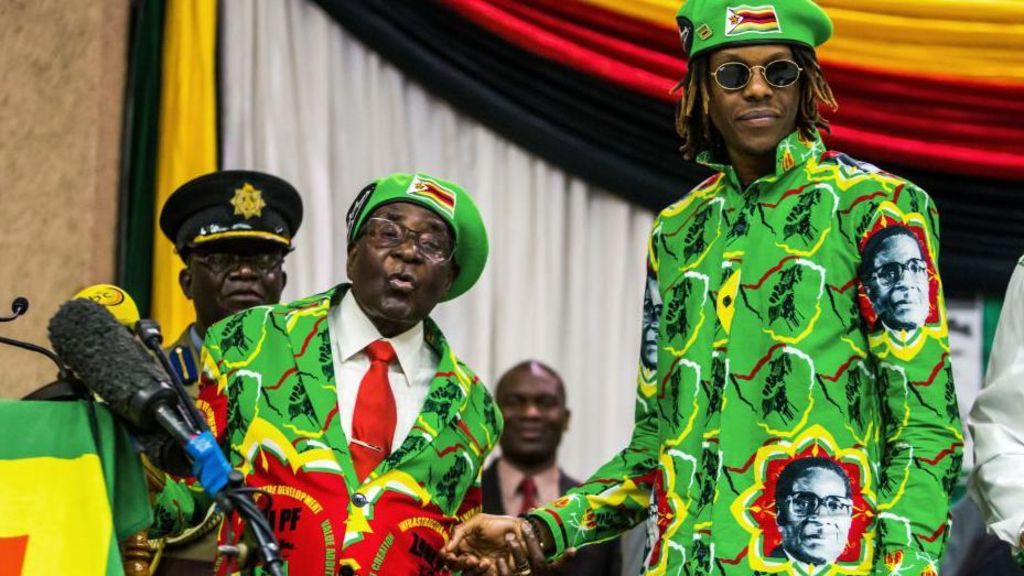
Robert Mugabe’s son appears in court on drug charge
Robert Mugabe Jr, the 33-year-old son of Zimbabwe’s late former President Robert Mugabe, appeared in a Harare court on Thursday, charged with drug possession. The arrest occurred on Wednesday morning when Mugabe Jr was reportedly driving the wrong way down a one-way street. According to court documents, police searched a black sling bag he was carrying and allegedly discovered two small sachets of cannabis. Following the incident, authorities arrested five individuals allegedly linked to a drug syndicate connected to him. Mugabe Jr’s lawyer, Ashiel Mugiya, has contested the charges, claiming the drugs were found in a car with three other occupants and amounted to only 0.02 grams of cannabis, contrary to the police report stating 2 grams with a street value of $30. Mugabe Jr, dressed in joggers and a red cap, appeared relaxed as he entered the magistrates court, surrounded by people and without handcuffs. The court remanded him in custody pending a bail ruling on Friday. Police also reported recovering 25 sachets of marijuana and six ecstasy pills from the alleged syndicate members. This is not Mugabe Jr’s first legal issue; in 2023, he was arrested for property damage and assaulting a police officer at a Harare party, though he was later released after an out-of-court settlement. His father, Robert Mugabe, who led Zimbabwe for 37 years before resigning in 2017, passed away in 2019. Despite past tensions between the Mugabe family and current President Emmerson Mnangagwa, Mugabe Jr has since reconciled with the ruling party, attending a Zanu-PF rally in 2022.
-
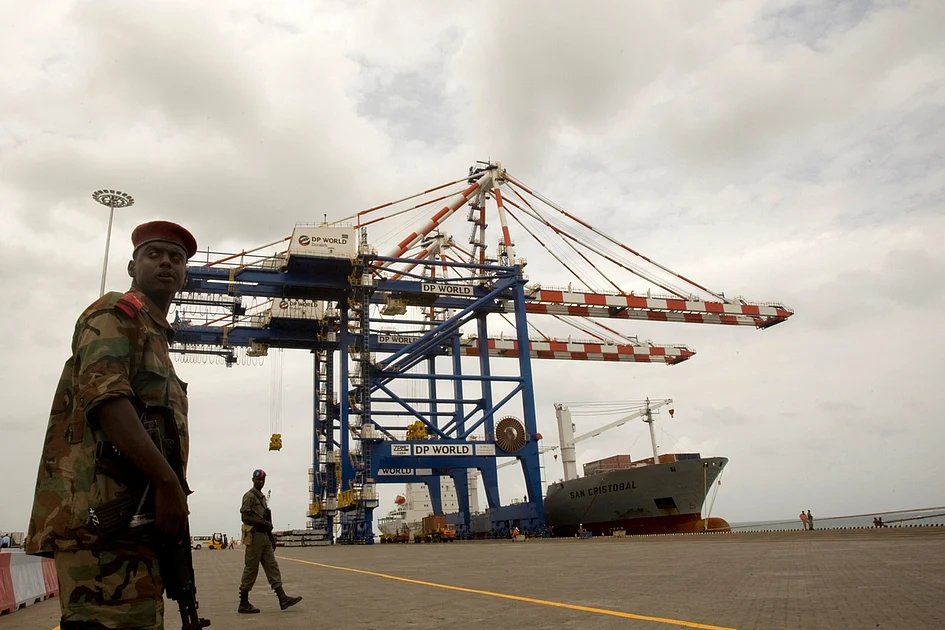
London court rules Djibouti illegally seized DP World port, $1 billion dispute drags on
In a landmark ruling, the London Court of International Arbitration (LCIA) has declared that the government of Djibouti acted unlawfully when it seized the Doraleh Container Terminal (DCT) from Dubai-based logistics giant DP World in 2018. The tribunal confirmed that DP World’s 50-year concession agreement for the port remains valid and binding, while Djibouti owes the company hundreds of millions in damages. This decision marks a significant milestone in a seven-year legal battle that has become one of Africa’s most prominent international investment arbitration cases. The dispute, however, is far from resolved, as DP World’s broader $1 billion claims against the Djibouti government and its Chinese partner, China Merchants Port Holdings, remain active. The LCIA ruled that the 2018 seizure was unlawful, rejecting Djibouti’s claim of having the right to terminate the concession. However, the court declined to award damages against Djibouti’s state-owned Port de Djibouti SA (PDSA), attributing the harm directly to the government. DP World has emphasized that the case underscores the importance of upholding international law and the sanctity of contracts, warning that Djibouti’s defiance of arbitration rulings undermines investor confidence and damages the country’s reputation. The company has vowed to pursue all legal avenues to recover damages and enforce prior awards, highlighting the broader implications of the case for global investors and economic development in Africa.
-
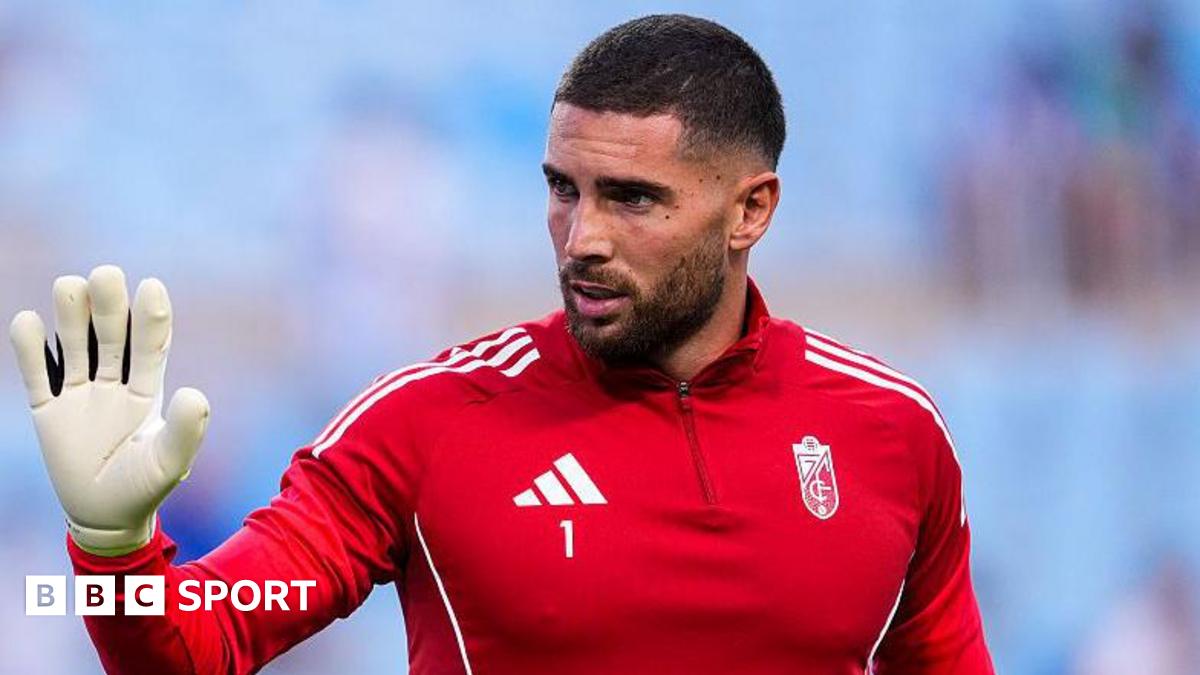
Zidane’s son Luca called up to Algeria squad
Luca Zidane, the son of French football icon Zinedine Zidane, has been selected to represent Algeria in their upcoming 2026 World Cup qualifiers against Somalia and Uganda. Born in Aix-en-Provence, France, the 27-year-old goalkeeper has previously played for France at various youth levels but recently opted to switch his international allegiance to Algeria, the homeland of his paternal grandparents.
-
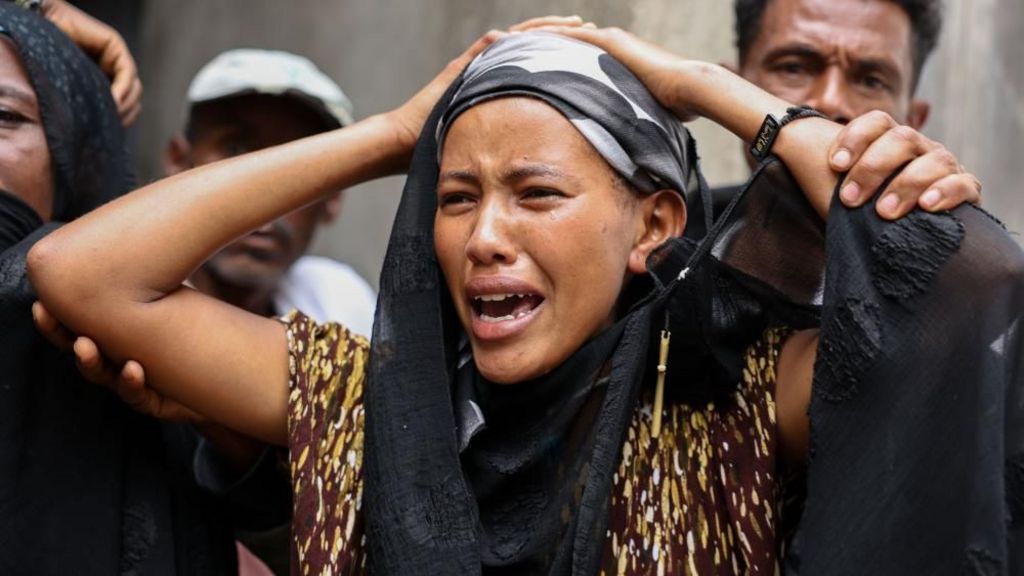
Scaffolding collapsed as people climbed to see Ethiopia church mural, eyewitness tells BBC
In the aftermath of a religious festival, the small Ethiopian town of Arerti was plunged into mourning as mass funerals were held for 36 victims who perished in a tragic scaffolding collapse at the St Mariam Church. The incident occurred during the annual Orthodox Christian celebration of St Mariam, where worshippers had gathered in the still-under-construction church. Eyewitnesses reported that a significant number of people climbed onto the makeshift wooden scaffolding to view a newly painted mural on the church ceiling, leading to the structure’s collapse. Among the victims was the mother of 22-year-old Fikre Tilahun, who expressed his profound grief, stating, ‘It’s difficult to lose your mother, very difficult.’ The disaster left about 200 people injured, with some in critical condition being transferred to Addis Ababa for treatment. The local archbishop, Megabi Hadis Nekatibeb, described the event as ‘incredibly tragic and heart-breaking.’ The Ethiopian government extended its condolences to the victims’ families and emphasized the importance of safety in construction projects. This incident highlights the ongoing issue of poorly enforced health and safety regulations in Ethiopia, where construction disasters are unfortunately common.