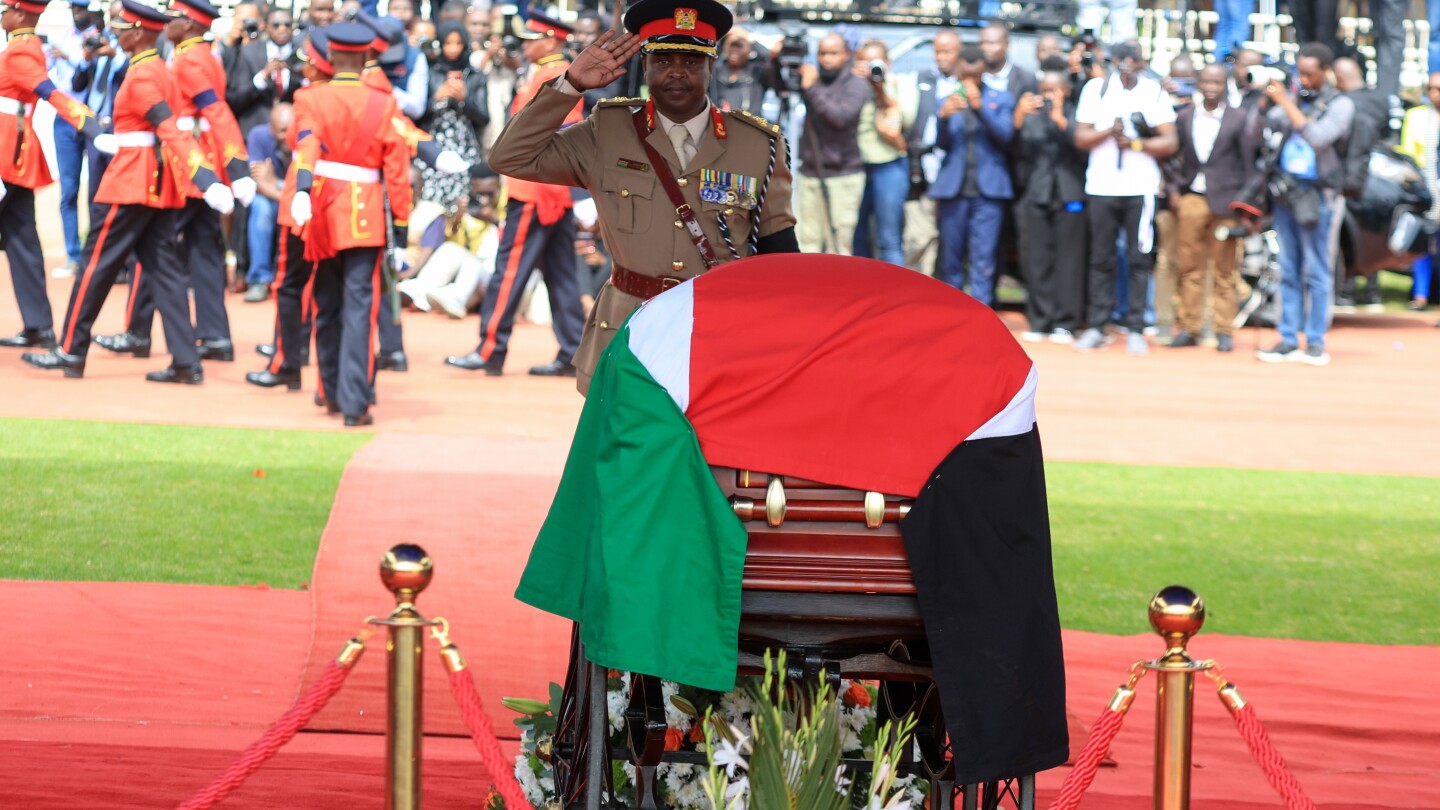
NAIROBI, Kenya — Thousands of mourners, including African heads of state and dignitaries, gathered in Nairobi on Friday to honor the life and legacy of Raila Odinga, Kenya’s former Prime Minister and a towering figure in the nation’s democratic journey. Odinga, who passed away at the age of 80 in India earlier this week, was celebrated for his unwavering commitment to political reform and national unity. His casket, draped in the Kenyan flag, was the centerpiece of an emotional Anglican Church service held at a packed soccer stadium, where attendees chanted his name and displayed portraits of the revered leader. The ceremony was marked by traditional symbols of peace, such as twigs, and underscored by heavy security following a tragic incident during Thursday’s public viewing, which claimed three lives. Odinga’s body had earlier lain in state at Parliament, a rare honor typically reserved for presidents, reflecting his profound impact on Kenya’s political landscape. Despite never securing the presidency in his five attempts over three decades, Odinga’s activism was instrumental in transforming Kenya into a vibrant multiparty democracy. President William Ruto, who once campaigned for Odinga in 2007 and later became his political rival, praised the late leader for his selflessness and pivotal role in shaping Kenya’s laws. The two leaders had recently reconciled after months of anti-government protests, leading to opposition members being appointed to cabinet positions. Anglican Bishop David Kodia, who presided over the service, urged leaders to emulate Odinga’s integrity and reject corruption. Political analyst Herman Manyora highlighted Odinga’s legacy, stating, “You can’t point at a man more willing to sacrifice everything just for the sake of his people.” Odinga’s family, including his wife Ida and children Winnie, Rosemary, and Raila Junior, were among the mourners. Winnie, who was with him in India, shared that her father passed away “strong, with dignity and pride,” while Junior vowed to uphold the family’s legacy. The ceremony concluded with President Ruto leading the crowd in singing Odinga’s favorite song, “Jamaica Farewell,” a fitting tribute to a man who dedicated his life to Kenya’s progress.
标签: Africa
非洲
-
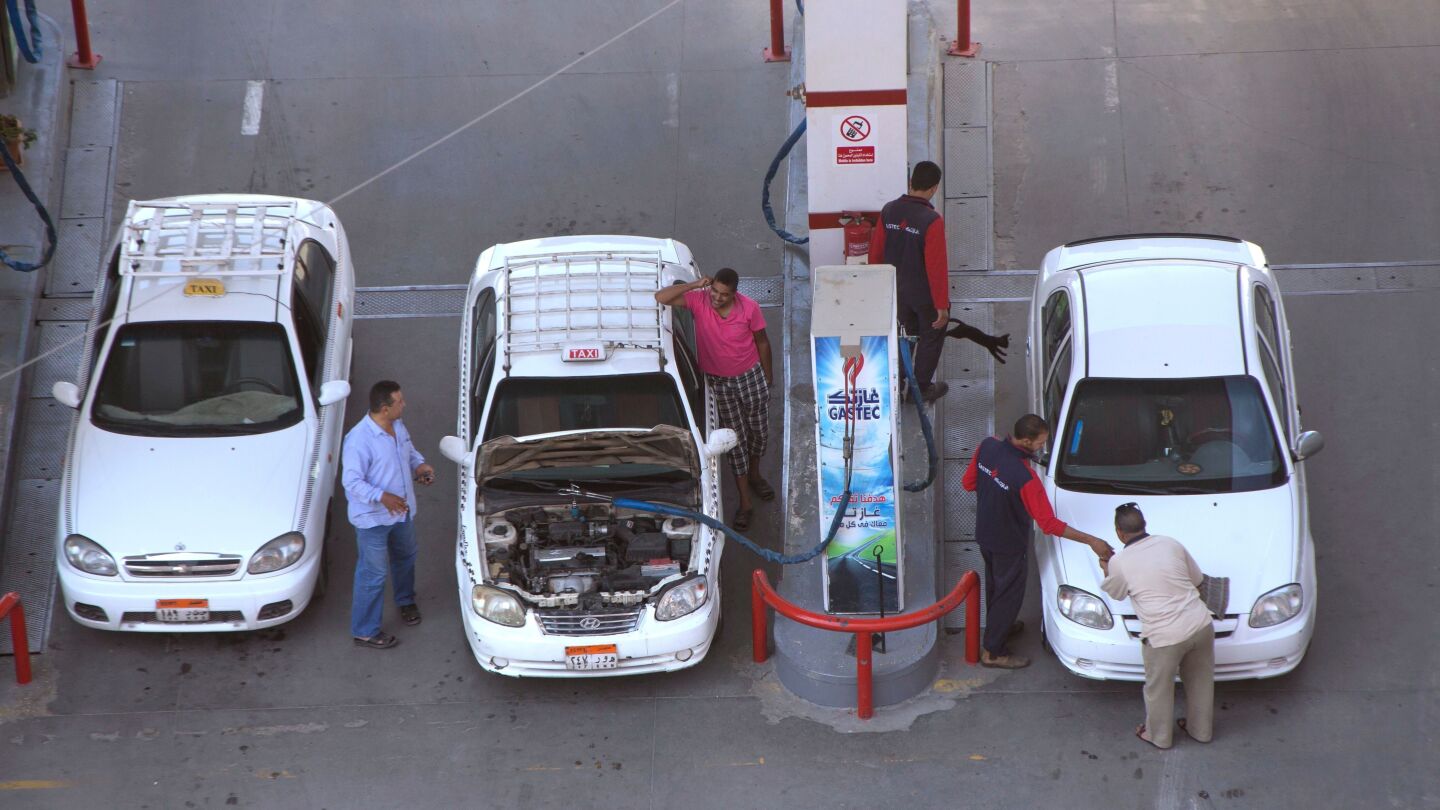
Egypt raises fuel prices for the second time this year
Egypt announced a 12% increase in fuel prices on Friday, marking the second such hike this year. The decision, communicated via a government Facebook post, did not specify the rationale behind the move but assured citizens that fuel prices would remain unchanged for at least one year. This adjustment is expected to exacerbate the already high cost of living, as Egyptians continue to face escalating inflation and rising daily expenses. Last year, the country witnessed significant price surges in fuel, subway fares, and a depreciation of the Egyptian pound against foreign currencies. According to the Central Bank of Egypt, annual urban consumer price inflation stood at 11.7% in September, down from 12% in August and 13.9% in July. The latest fuel price adjustments include diesel, which rose from 15.50 pounds ($0.33) to 17.50 pounds ($0.37) per liter, and 92-octane gasoline, which increased from 17.25 pounds ($0.36) to 19.25 pounds ($0.40) per liter. The government emphasized its commitment to maintaining refinery operations at full capacity and incentivizing partners to boost production, reduce import costs, and stabilize prices. Earlier this year, the minimum monthly wage was raised to 7,000 pounds ($138) from 6,000 pounds ($118.58) to alleviate some economic pressures. Egypt’s economy has been severely impacted by years of austerity measures, the COVID-19 pandemic, the Ukraine conflict, and the Israel-Hamas war. Additionally, Houthi attacks on Red Sea shipping routes have significantly reduced Suez Canal revenues, a critical source of foreign currency. In response to these challenges, Egypt secured an $8 billion bailout from the IMF, with fuel price hikes deemed necessary to meet the fund’s conditions for further financial assistance.
-
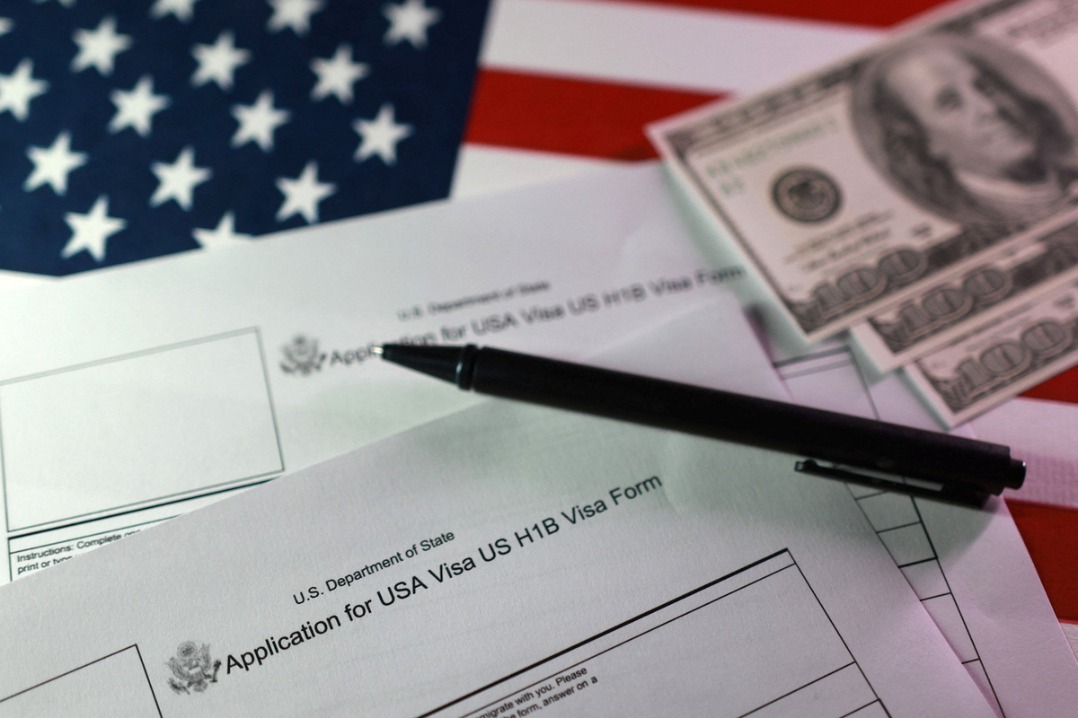
Hefty US visa fee rise slams door on Africans
The United States’ decision to significantly increase the application fee for the H-1B visa has sparked widespread concern among African professionals and analysts, who warn that the move could hinder talent mobility and innovation. Last month, the US administration announced a sharp rise in the visa fee from a few thousand dollars to a flat $100,000, payable by employers at the time of filing. The H-1B visa, which allows highly skilled foreign professionals to live and work in the US for up to six years, is a critical pathway for African talent seeking opportunities abroad. However, the new fee structure has been criticized as a barrier that could disproportionately affect smaller companies and startups, while also discouraging African professionals from pursuing opportunities in the US. James Shikwati, director of the Inter Region Economic Network, a Nairobi-based think tank, noted that the policy could stifle innovation in the US and disrupt global talent exchange. He emphasized that the higher fee might push Africa’s youthful workforce toward other regions, accelerating the continent’s digital transformation. Melha Rout Biel, founder of the Institute for Strategic and Policy Studies in South Sudan, described the move as unfair, arguing that it could deter mobility and ultimately harm the US, which relies on immigrants to address its aging population and low birth rates. Analysts also highlighted the potential impact on industries such as healthcare and education, which depend on H-1B visas to fill critical roles. The American Immigration Council reported that over 2.8 million Black immigrants were part of the US workforce in 2022, supporting fast-growing sectors. The fee hike could slow future inflows from Africa, further complicating the US’s labor market dynamics. Meanwhile, experts like Dieudonne Dany Mbarga, a financial analyst in Ghana, suggested that the policy might encourage African professionals to explore opportunities closer to home, leveraging initiatives like the African Continental Free Trade Area to drive regional competition and growth.
-
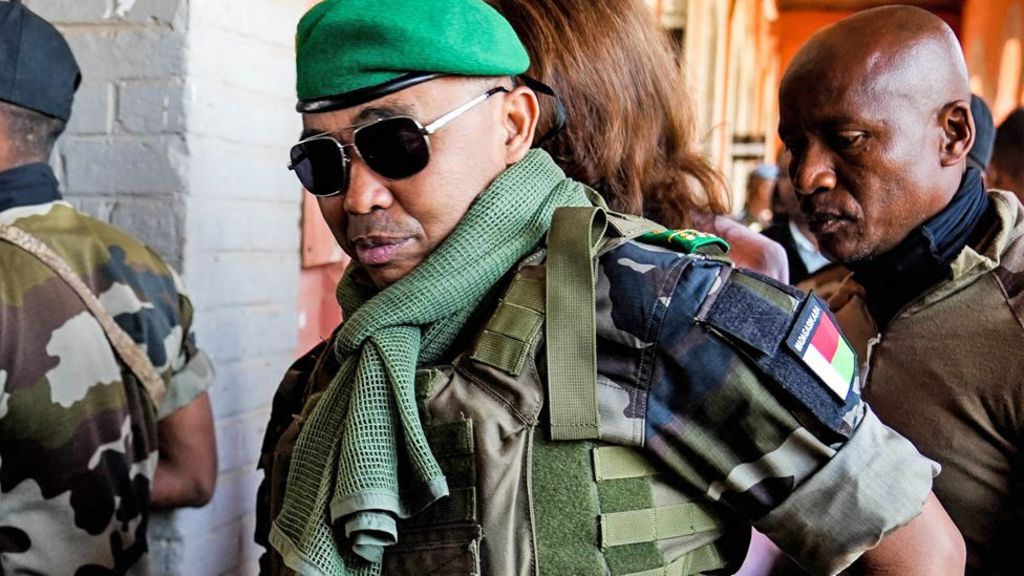
Madagascar military leader sworn in as president after youth-led protests
Colonel Michael Randrianirina has officially assumed the role of Madagascar’s new president following a military takeover in the Indian Ocean nation. The swearing-in ceremony, held at the Constitutional Court in Antananarivo, marked the beginning of a transitional period fraught with political and legal challenges. Randrianirina succeeds Andry Rajoelina, who fled the country after being impeached amid widespread youth-led protests demanding greater government accountability. In his inaugural address, Randrianirina pledged to establish a new government and organize elections within two years. He emphasized the need for electoral commission reforms and a thorough review of the voters’ roll as prerequisites for credible elections. While the nation faces uncertainty, there is cautious optimism about Randrianirina’s leadership. The ceremony drew a significant crowd, including protest leaders who played a pivotal role in the recent upheaval. This transition marks a critical juncture for Madagascar as it navigates the path toward stability and democratic governance.
-
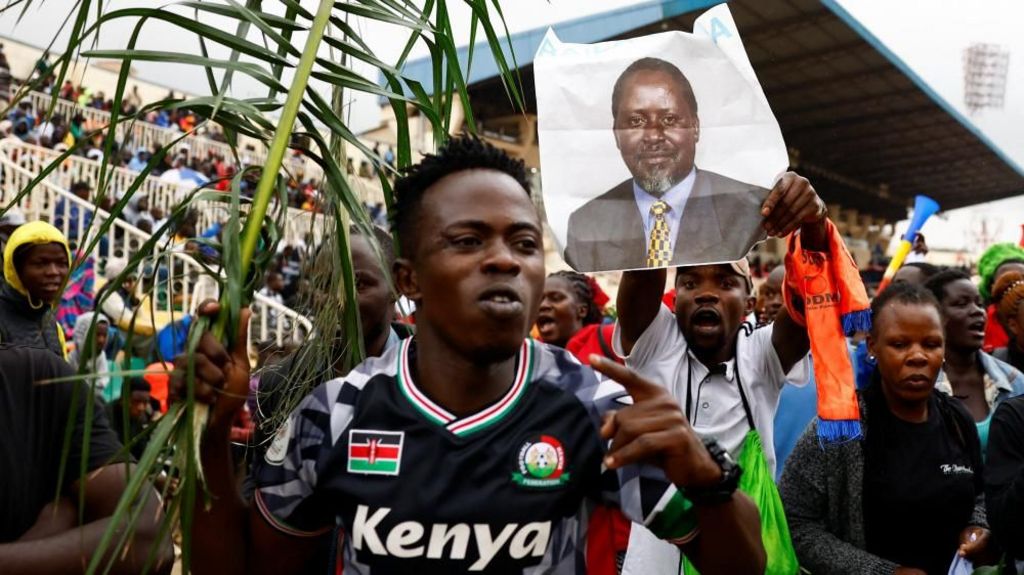
Thousands gather for state funeral of former Kenyan Prime Minister Odinga
Thousands of mourners gathered at Nyayo National Stadium in Nairobi, Kenya, to honor the late former Prime Minister Raila Odinga during his state funeral. The event, marked by an outpouring of grief and respect, saw attendees waving national flags, holding portraits of Odinga, and wearing T-shirts emblazoned with his image. Security measures were heightened, with police and military personnel deployed to maintain order following unrest during the body-viewing ceremony on Thursday, which resulted in three fatalities after police used gunshots and tear gas to control the crowds. Regional leaders, including the presidents of Somalia and Ethiopia, attended the service. Odinga, a pivotal figure in Kenya’s multi-party democracy and a longtime opposition leader, passed away at 80 in India, where he was receiving medical treatment. His body was earlier taken to parliament for viewing by MPs and dignitaries. Mourners carried branches and palm fronds, traditional symbols of mourning among the Luo ethnic group. Odinga’s body will be transported to Kisumu, his political stronghold, for public viewing before his burial on Sunday at his farm in Bondo. A seven-day mourning period has been declared. Odinga’s legacy includes five presidential campaigns and his persistent claims of electoral manipulation, which he believed cost him victory. His death marks the end of an era in Kenyan politics.
-
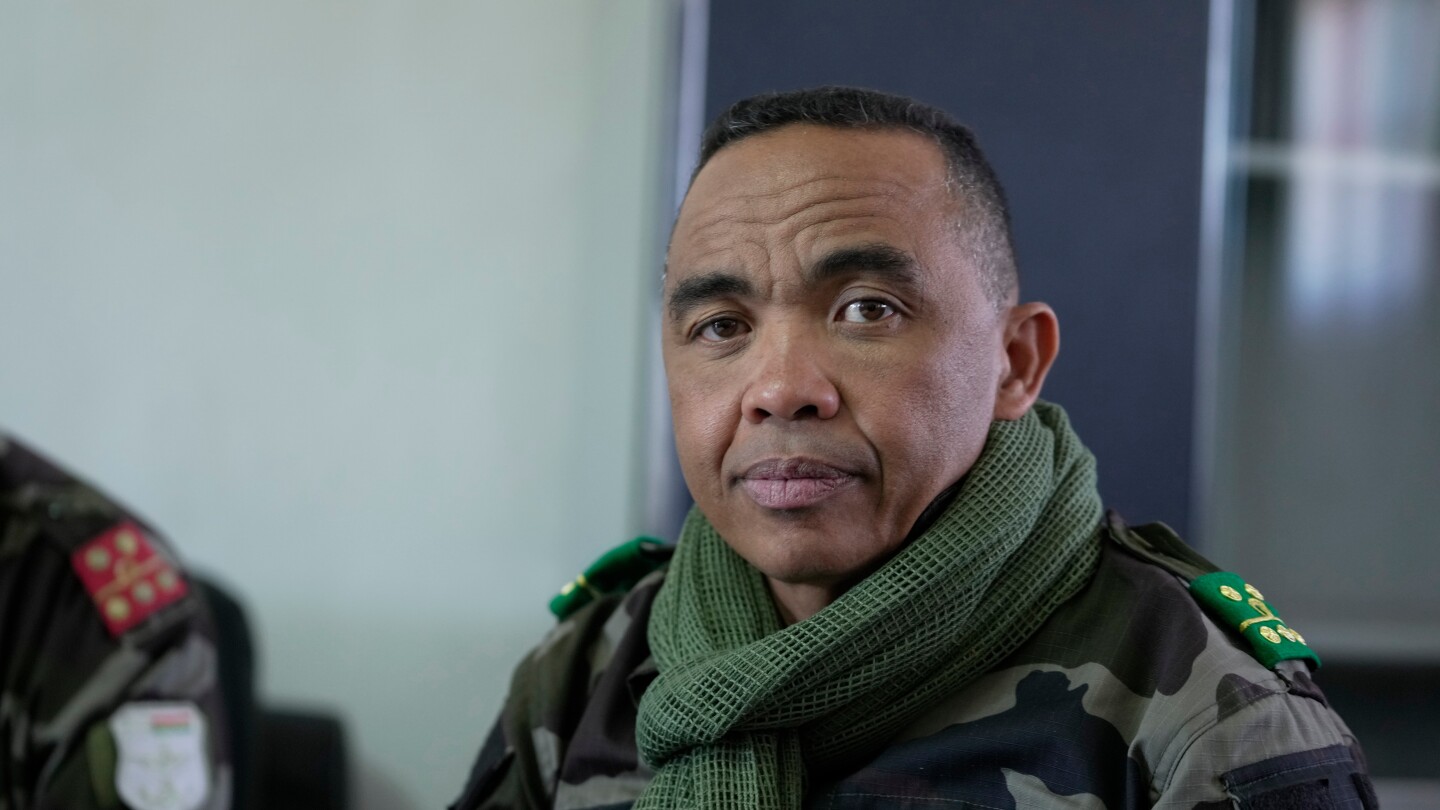
Madagascar’s coup leader is set to be sworn in as president after military takeover
Colonel Michael Randrianirina, the leader of a recent military coup in Madagascar, is poised to be sworn in as the nation’s new president on Friday. The swift power grab, which ousted President Andry Rajoelina and forced him into hiding, marks a dramatic shift in the political landscape of the Indian Ocean island nation. Randrianirina, commander of the elite CAPSAT military unit, announced the military’s takeover just three days prior, following weeks of anti-government protests led primarily by young citizens. The swearing-in ceremony is scheduled to take place at the High Constitutional Court, with soldiers securing the premises and officials gathering for the event. The coup, which unfolded after three weeks of unrest, has drawn condemnation from the United Nations and resulted in Madagascar’s suspension from the African Union. Rajoelina, whose whereabouts remain unknown, was impeached by parliament shortly before Randrianirina declared the military’s assumption of power. The colonel, who emerged from relative obscurity to lead the rebellion, has pledged to govern through a military council for 18 months to two years before holding elections. This timeline suggests a prolonged wait for the young protesters who initially fueled the uprising. The protests, which began last month, were driven by grievances over water and power shortages, rising living costs, and allegations of corruption and nepotism. Randrianirina’s decision to join the anti-government movement last weekend solidified his position, despite a brief clash with security forces loyal to Rajoelina that resulted in one casualty. While the streets have remained largely peaceful, the international community, including U.N. Secretary-General António Guterres, has called for a return to constitutional order. Madagascar, a former French colony with a history of political instability, faces significant challenges, including widespread poverty affecting 75% of its population. The nation’s future remains uncertain as it navigates this latest chapter in its tumultuous political history.
-
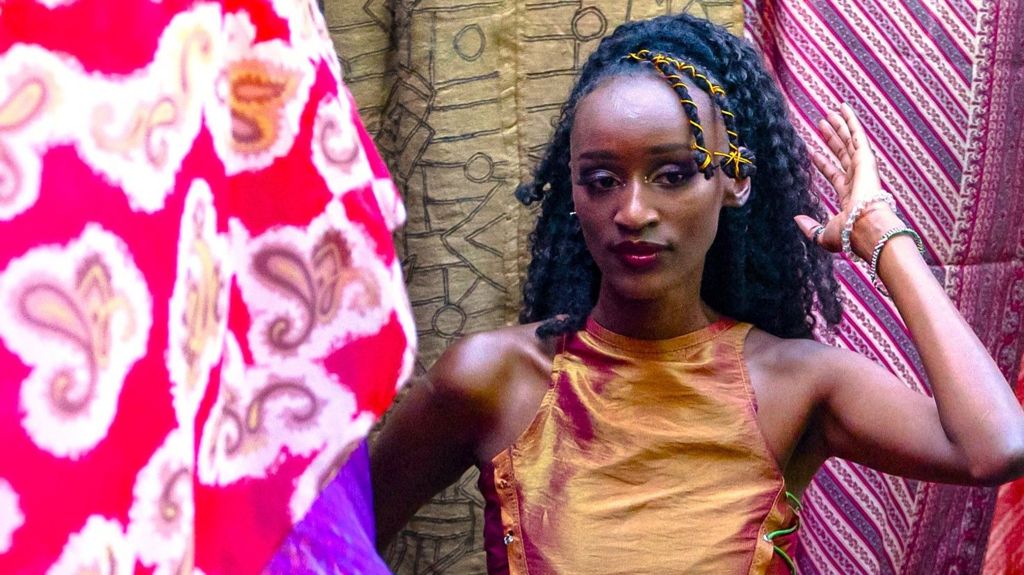
Revivals and farewells: Africa’s top shots
This week, the African continent witnessed a vibrant tapestry of cultural events, political shifts, and historic milestones. In Lagos, Nigeria, the Innovate Dance Company captivated audiences with a groundbreaking performance, showcasing the city’s thriving arts scene. Meanwhile, Ethiopian model Awar Odhiang turned heads on a U.S. catwalk, adorned in a celestial headdress that blended tradition with modernity. Nairobi, Kenya, became a hub for sustainable fashion as designers like Morgan Azedy showcased upcycled creations at the Wasteland Gikomba Fashion event, highlighting the growing trend of eco-conscious design. Madagascar experienced a dramatic political upheaval as weeks of youth-led protests culminated in a coup d’état, leading to the installation of a new military leader. The nation’s capital, Antananarivo, echoed with the triumphant sounds of marching bands during street rallies. In Kenya, the death of opposition leader Raila Odinga at 80 sparked widespread mourning, with thousands gathering to honor his legacy. Lagos also hosted the Fela Kuti Afrobeat Rebellion exhibition, celebrating the iconic musician’s enduring influence. Cape Verde made history as its football team qualified for their first World Cup, igniting jubilation among supporters of the small Atlantic nation. Cameroon’s presidential election saw millions casting their votes, though unofficial claims of victory by Issa Tchiroma Bakary stirred controversy. In Mali, the annual replastering of the 14th-century Djinguereber Mosque, a UNESCO World Heritage site, continued a centuries-old tradition. Burkina Faso’s Grand Mosque of Bobo-Dioulasso, built over 130 years ago, stood as a testament to the region’s rich architectural heritage. South Africa debated renaming the world-famous Kruger National Park, sparking discussions about identity and history. These events, captured through powerful imagery, reflect the diversity and dynamism of Africa.
-
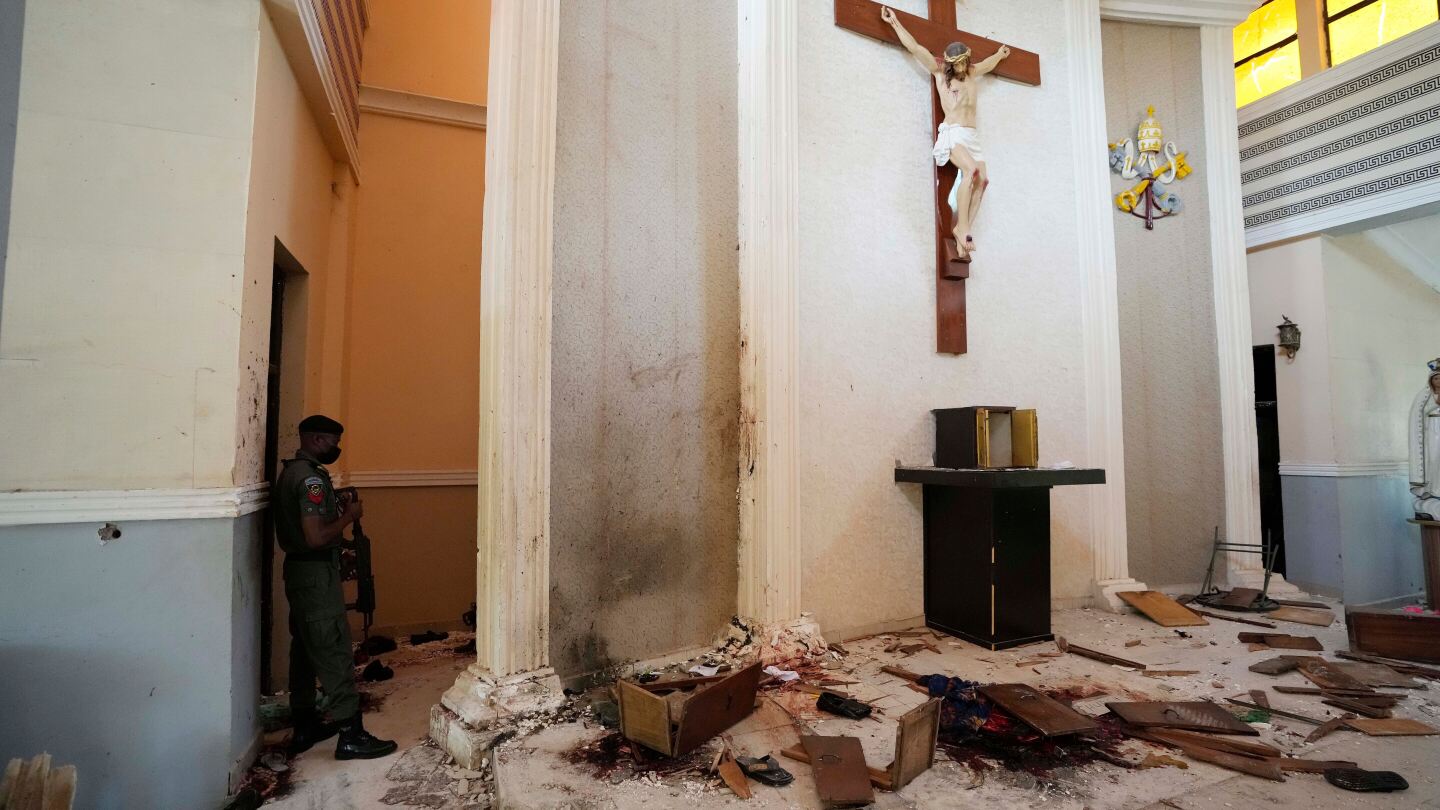
A US senator claims ‘Christian mass murder’ is occurring in Nigeria. The data disagrees
U.S. Senator Ted Cruz has ignited a contentious debate by urging Congress to designate Nigeria as a violator of religious freedom, alleging ‘Christian mass murder’ without substantiated evidence. The Nigerian government has firmly dismissed these claims as baseless. Cruz, a Republican member of the Senate Foreign Relations Committee, introduced a bill last month seeking to label Nigeria a ‘Country of Particular Concern’ due to alleged ‘severe violations’ of religious freedom. Such a designation could lead to U.S. sanctions. However, the bill’s passage remains uncertain as it awaits Senate action. Cruz’s assertions have been echoed by some U.S. celebrities and commentators, with some even alleging a ‘Christian genocide,’ though no evidence has been provided. Cruz’s office has not responded to inquiries about the motivation behind these allegations. Nigeria, with a population of 220 million, is nearly evenly divided between Christians and Muslims. The country has long grappled with insecurity from various groups, including Boko Haram, which targets both Muslims and Christians. Analysts emphasize that the majority of victims in Nigeria’s Muslim-majority north are Muslims, not Christians. While religiously motivated attacks occur, they are part of a broader spectrum of violence, including farmer-herder conflicts and ethnic clashes. Joseph Hayab, a former chairman of the Christian Association of Nigeria, refuted claims of ‘Christian genocide,’ noting that while thousands of Christians have been killed, the situation has improved compared to previous years. Nigeria’s Information Minister, Idris Muhammed, stated that there is no systematic or intentional targeting of any religious group. Nigeria was previously designated a ‘Country of Particular Concern’ by the U.S. in 2020, but this was lifted in 2023 to improve bilateral relations. The Christian Association of Nigeria has acknowledged the persecution of Christians but emphasized that violence affects both religious groups. Data from the Armed Conflict Location and Event Data program shows that between January 2020 and September 2023, 20,409 deaths resulted from 11,862 attacks on civilians in Nigeria, with 317 Christian deaths and 417 Muslim deaths recorded in religion-targeted attacks. Analysts argue that Nigeria’s complex security dynamics do not meet the legal definition of genocide, which requires intent to destroy a specific group. Instead, they describe the violence as mass killings not targeted at any particular group. Experts warn that framing the crisis as genocide could exacerbate tensions and hinder efforts to address the root causes of violence.
-
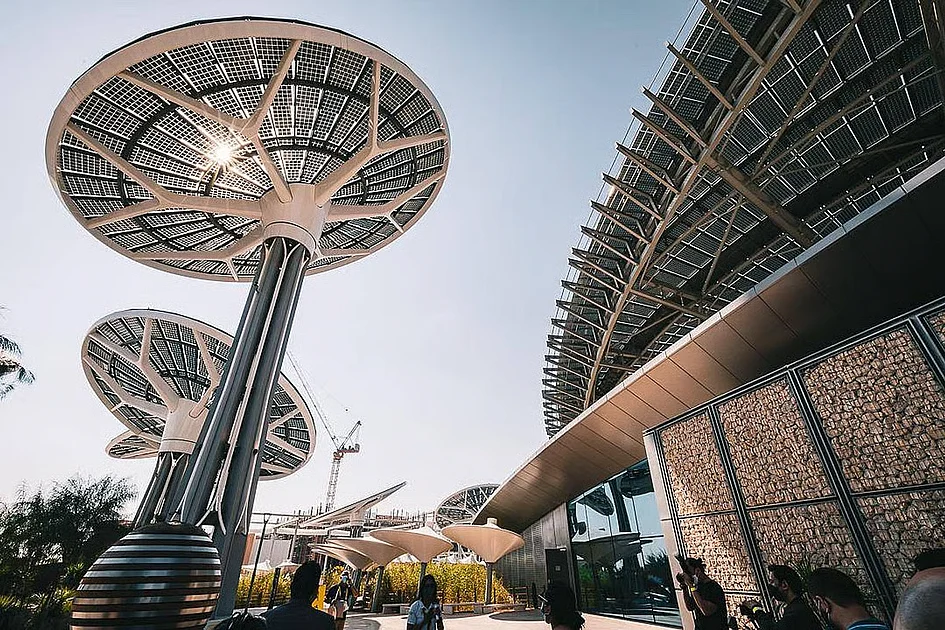
Sheikh Mohammed’s vision: Dubai to host world’s largest tech and AI event in 2026
Dubai is poised to make history by hosting the world’s largest technology and artificial intelligence event in 2026. Named ‘Gitex TechCation 2026,’ the event will take place from December 7 to 11 at Expo City Dubai, as announced by Sheikh Hamdan bin Mohammed bin Rashid Al Maktoum, Crown Prince of Dubai and Chairman of The Executive Council of Dubai. The initiative is part of Sheikh Mohammed bin Rashid Al Maktoum, Vice President and Prime Minister of the UAE and Ruler of Dubai’s vision to position Dubai as a global leader in technology and innovation. The event will transcend traditional convention halls, leveraging Dubai’s tourism and cultural networks to create immersive, citywide experiences. A strategic partnership between the Dubai World Trade Centre (DWTC) and the Dubai Department of Economy and Tourism (DET) has been established to curate programs and campaigns that integrate technology with the city’s vibrant cultural landscape. This approach aims to extend visitor stays and enhance Dubai’s appeal as a premier destination for tourism, investment, and innovation. Dubai’s global standing as a top travel destination has been reinforced by its three consecutive wins in Tripadvisor’s Travellers’ Choice Best of the Best Awards (2022-2024) and its burgeoning culinary scene, which boasts 119 Michelin-recognized restaurants, including 19 with Michelin Stars. Gitex TechCation aligns with the Dubai Economic Agenda D33, which seeks to rank Dubai among the world’s top three global cities by 2033. The event will further solidify Dubai’s reputation as a hub for talent, foreign direct investment, and commerce, building on its record of attracting Greenfield FDI projects and its top ranking in Savills’ Executive Nomad Index.
-

Eco-friendly Diwali: Sustainable decor ideas to add sparkle to your festivities
As Diwali approaches, millions worldwide are preparing to celebrate the festival of lights, with home decoration being a central focus. This year, many are embracing sustainable practices to adorn their homes, blending tradition with eco-consciousness. Here are some innovative ideas to make your Diwali celebrations both festive and environmentally friendly.