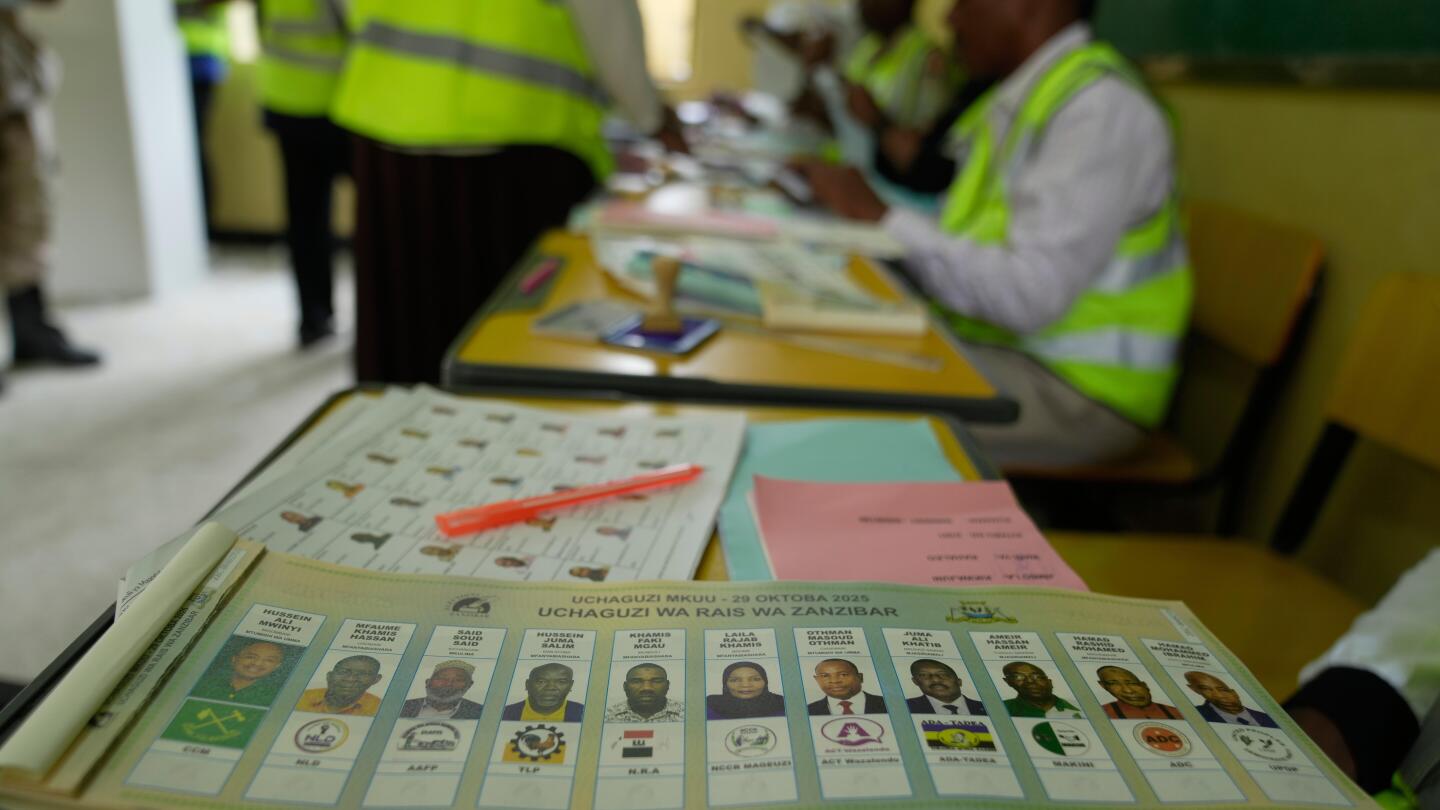
Tanzanians are set to cast their votes on Wednesday in a pivotal election that sees incumbent President Samia Suluhu Hassan facing off against candidates from smaller opposition parties. The absence of her primary rivals, barred from participating, has cast a shadow over the electoral process. A victory for Hassan would prolong the dominance of her party, Chama cha Mapinduzi (CCM), which has governed Tanzania since 1961. However, the election is marred by allegations of repression, with Amnesty International highlighting enforced disappearances, arbitrary arrests, and extrajudicial killings as key concerns. These actions, allegedly perpetrated by security forces, have raised questions about the election’s legitimacy. Hassan’s main opponent, Tundu Lissu of the Chadema party, is currently detained on treason charges, while the ACT-Wazalendo party’s presidential candidate was also disqualified. Hassan, seeking her first full term after completing her predecessor’s tenure, has campaigned on a platform of economic expansion in agriculture and livestock, encapsulated in her ‘Four Rs’ vision: reconciliation, reforms, rebuilding, and resilience. Despite a record 37 million registered voters, analysts predict low turnout due to widespread apathy and the perception of a foregone conclusion. The U.S. Senate Foreign Relations Committee has criticized the pre-election environment, warning that it undermines Tanzania’s democratic principles. Amnesty International analyst Roland Ebole noted that while Hassan initially showed promise with progressive measures, her administration has since reverted to repressive tactics. Simon Mkina, a Tanzanian newspaper founder, warned that the election could threaten the nation’s democratic foundations, potentially leading to international condemnation and domestic unrest. Chadema has called for protests on election day, signaling potential upheaval in the aftermath of the vote.
标签: Africa
非洲
-
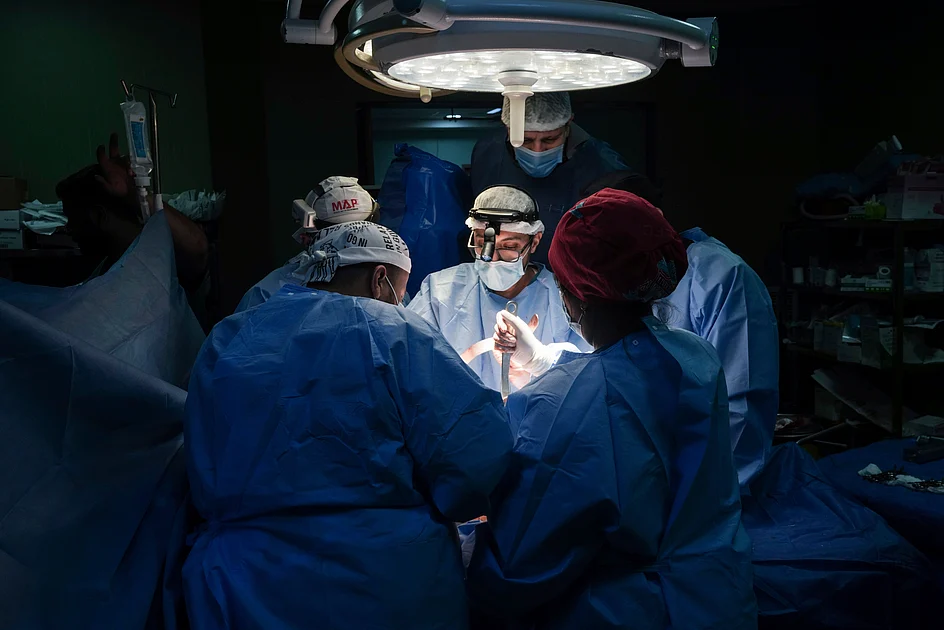
Dubai: Patient awarded Dh1 million after medical negligence left him disabled
In a landmark ruling, the Dubai Courts have upheld a Dh1 million compensation award to a patient left permanently disabled due to medical negligence during a joint replacement surgery. The case, which has drawn significant attention, highlights the severe consequences of medical malpractice and the judiciary’s commitment to protecting patient rights. The patient underwent surgery on December 20, 2021, but soon after experienced excruciating pain and mobility issues. Despite corrective surgeries, including treatments abroad in Italy, the patient lost approximately 80% of the leg’s function. The Supreme Committee for Medical Liability concluded that the attending physician’s care deviated grossly from recognized standards, leading to permanent disability. The patient initially sought Dh20 million in damages, but the court awarded Dh1 million, dismissing appeals from both the hospital and the physician. The court emphasized the hospital’s joint liability, citing its supervisory authority over the physician. This ruling reinforces the importance of accountability in medical practices and sets a precedent for future cases of medical negligence in Dubai.
-
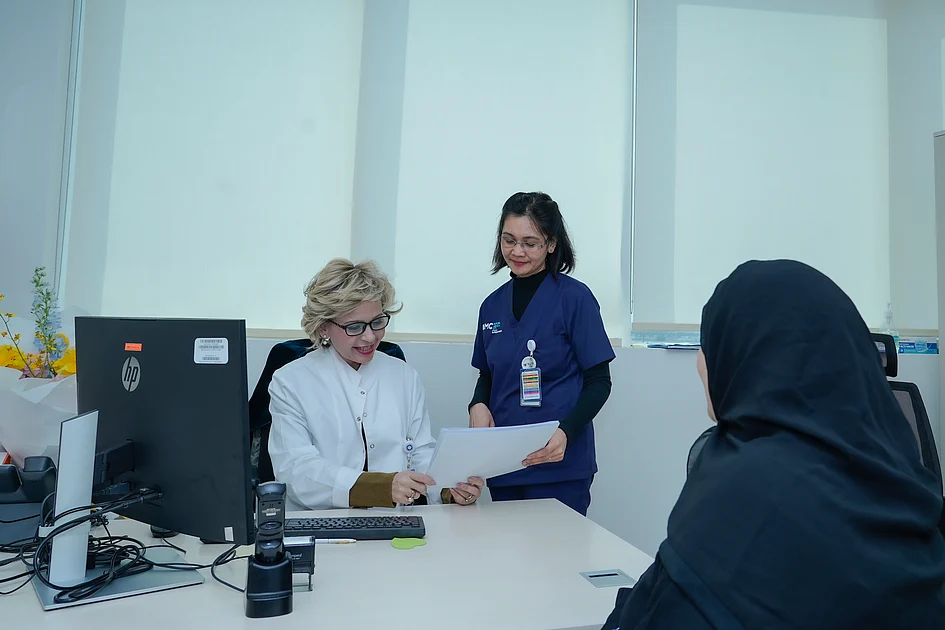
UAE: Breast cancer detected during pregnancy, early screening saves Emirati mother
In a powerful testament to the importance of early detection, two Emirati mothers have shared their harrowing yet inspiring journeys of battling breast cancer during critical phases of their lives. Maryam Rashid Al Habsi, a mother of eight, was 29 weeks pregnant when she was diagnosed with an 8-centimeter invasive ductal carcinoma. Initially attributing the swelling to her pregnancy, Maryam’s diagnosis came as a shock. ‘It was devastating, but I put my trust in God,’ she recalled. A multidisciplinary team of specialists, including oncologists, obstetricians, and gynecologists, devised a treatment plan that prioritized both her health and her unborn child’s safety. Limited imaging options during pregnancy meant relying on ultrasounds and minimal radiation scans. Maryam began chemotherapy in her third trimester, delivering a healthy baby boy at 35 weeks. Post-delivery, she underwent a mastectomy, radiation therapy, and long-term hormone therapy to prevent recurrence. Despite battling depression and body image issues, Maryam credits counseling and faith for her recovery. ‘Early detection saved my life,’ she emphasized. For Moza Alshehi, a mother of six, the first sign of cancer was not a lump but severe knee pain. Initially dismissed as a muscle strain, further tests revealed HER2-positive invasive ductal carcinoma that had spread to her bones, lungs, and skull. ‘When the doctor said I needed surgery immediately, I realized the gravity of the situation,’ Moza shared. She chose to stay in the UAE for treatment, undergoing a combination of chemotherapy and targeted drugs. After seven months, scans showed no visible cancer, and Moza was declared cancer-free. Both women now advocate for regular screenings, stressing that early detection can save lives. ‘Don’t wait for symptoms,’ Moza urged. ‘Early detection gave me a second chance at life.’ As Breast Cancer Awareness Month concludes, their stories serve as a poignant reminder of the critical role of timely medical intervention.
-
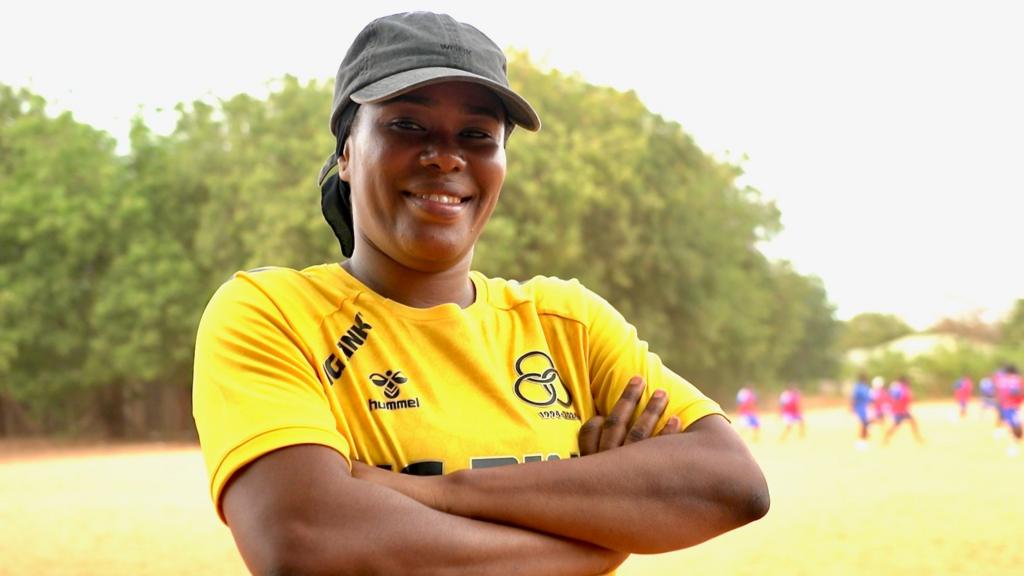
‘Football is life’ – The Gambian administrator on a mission
Sainey Sissohore Mboge, a Gambian football administrator, has turned her childhood struggles into a powerful mission to empower young girls through the sport. Growing up, Mboge was unfairly branded a ‘bad influence’ simply for her passion for football. However, she defied societal expectations, representing The Gambia at a youth World Cup and carving out a successful career in the game. Today, she leverages her position to support and inspire young girls who share her love for football. Her story, captured in a video by Joshua Akinyemi and edited by Ian Williams and Isaiah Akinremi, highlights her dedication to breaking barriers and fostering inclusivity in African sports. Published just a day ago, her journey serves as a testament to resilience and the transformative power of football.
-
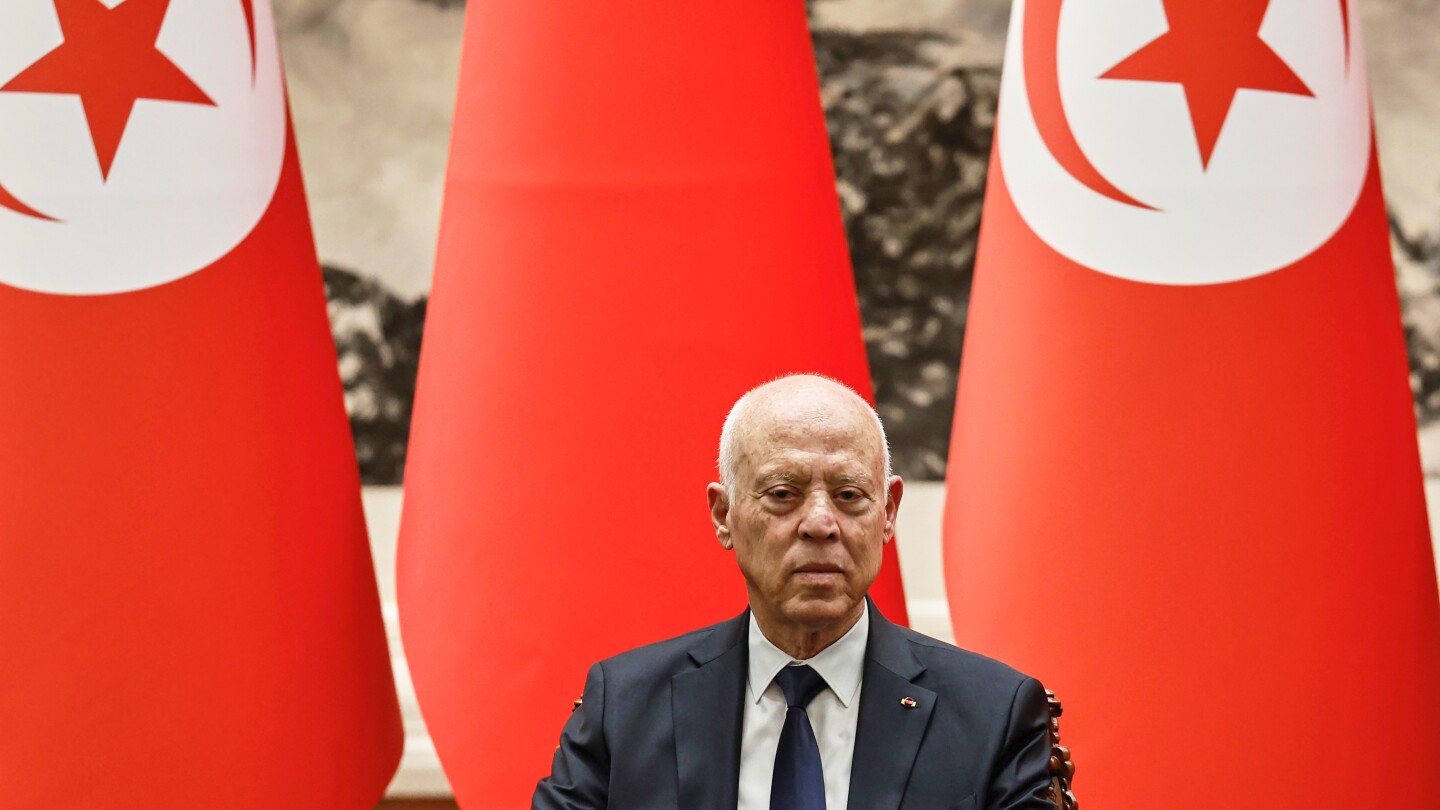
Tunisian court suspends prominent human rights groups as crackdown progresses
In a significant development, a Tunisian court has mandated the suspension of the Tunisian Forum for Economic and Social Rights (FTDES), one of the country’s most prominent human rights organizations, for a period of one month. This decision follows a similar suspension imposed on the Tunisian Association for Democratic Women (ATFD), a leading feminist group, just days prior. The move underscores the escalating pressures faced by civil society organizations under President Kais Saied’s administration, which has been accused of systematically undermining post–Arab Spring democratic freedoms. FTDES spokesperson Romdhan Ben Amor criticized the suspension, describing it as a diversionary tactic to shift focus from pressing national issues, including ongoing environmental protests in Gabes. He further asserted that the organization was targeted for its advocacy on migration and its involvement in high-profile cases related to state security. Ben Amor emphasized FTDES’s commitment to financial transparency and announced plans to appeal the suspension. Critics argue that these measures are part of a broader strategy to stifle the independence of civil society, particularly since Saied’s 2021 consolidation of power. The president has frequently framed foreign funding as a national threat, accusing NGOs of serving foreign interests and destabilizing the country. FTDES is among numerous organizations subjected to rigorous financial and tax audits in recent months, as authorities intensify scrutiny over their operations and funding sources.
-
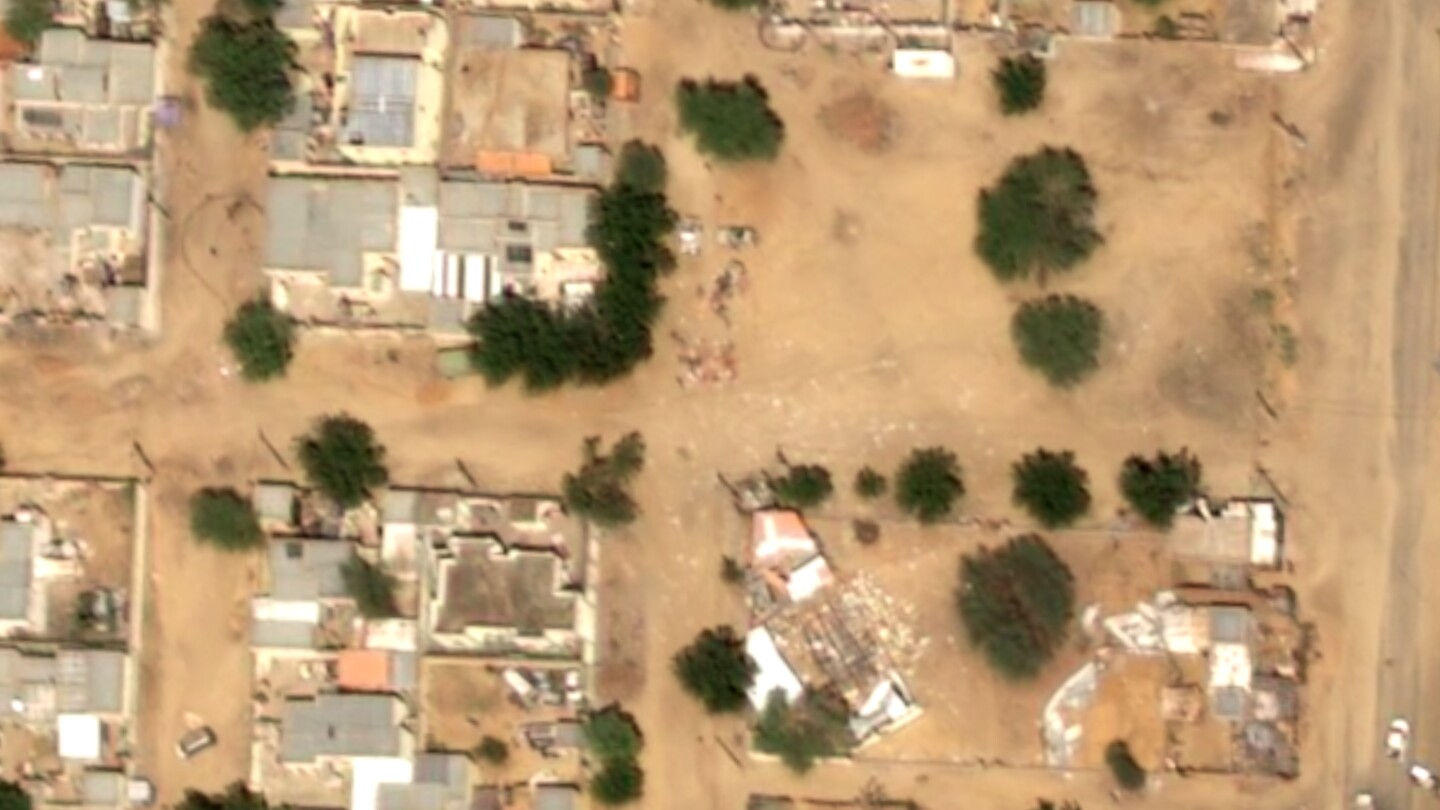
RSF’s takeover of Sudan’s El Fasher a ‘terrible escalation’ that raises new concerns
In a devastating turn of events, the Rapid Support Forces (RSF) have captured El Fasher, the last military stronghold in Sudan’s Darfur region, marking a grim escalation in the 31-month-long conflict. The paramilitary group, notorious for its brutal tactics, reportedly killed and detained hundreds of civilians during the takeover, which began on Sunday. The Sudanese military withdrew from the city, citing concerns for civilian safety after enduring over a year of relentless RSF attacks. General Abdel-Fattah Burhan, the military chief, condemned the RSF’s ‘systemic destruction and killing of civilians.’
The United Nations has described the situation as a ‘terrible escalation,’ with reports of summary executions, sexual violence, and house-to-house raids emerging from the city. Graphic footage on social media shows RSF fighters shooting and beating civilians attempting to flee, while others were detained and abused. Amnesty International’s Tigere Chagutah called the reports ‘horrifying’ and urged the RSF to cease attacks and allow humanitarian aid.
Medical workers were not spared, with five abducted, including doctors and nurses. Satellite imagery analyzed by Yale’s Humanitarian Research Lab revealed scenes consistent with mass killings, including gun-mounted trucks and reddish earth discoloration, possibly indicating bloodshed. The RSF, which evolved from the Janjaweed militias accused of genocide in the 2000s, has not responded to the allegations. The Biden administration has accused the RSF of committing genocide in the current conflict.
The fall of El Fasher raises fears of Sudan’s fragmentation, reminiscent of South Sudan’s secession a decade ago. UN Secretary-General António Guterres called for an end to foreign military support to the warring parties, hinting at external interference undermining peace efforts. Meanwhile, the International Federation of Red Cross and Red Crescent Societies reported the killing of five volunteers in Kordofan state, underscoring the peril faced by humanitarian workers.
The conflict has claimed over 40,000 lives, displaced 14 million people, and created the world’s worst humanitarian crisis, with parts of Sudan, including El Fasher, facing famine. The international community faces mounting pressure to intervene and halt the atrocities.
-
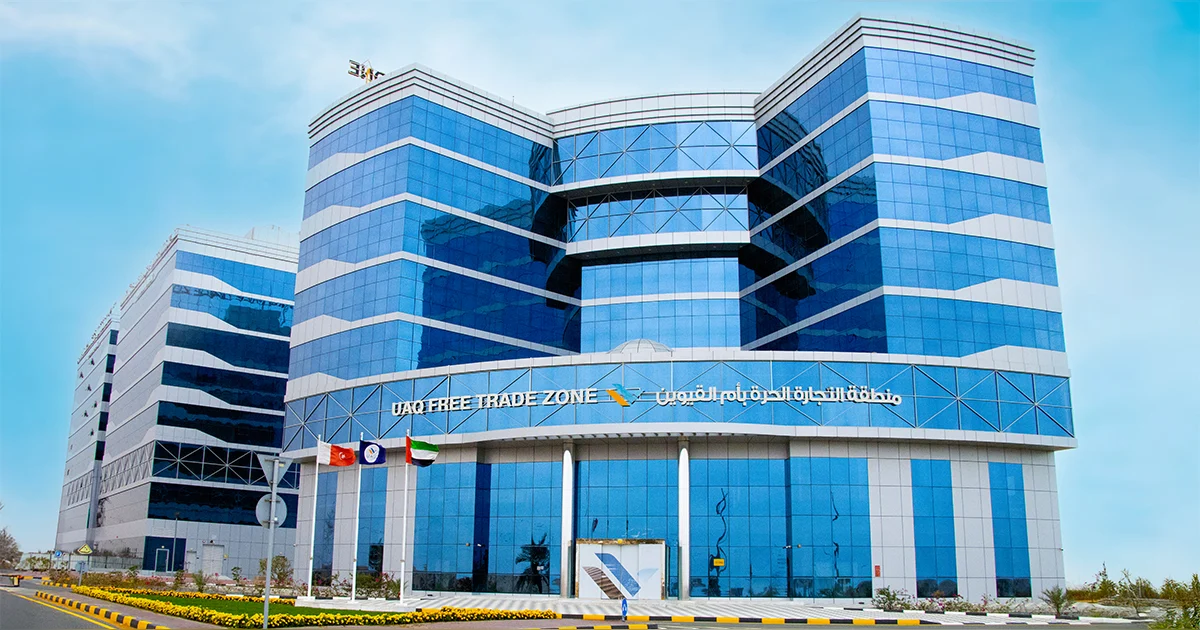
UAQ free trade zone: A smart haven for investors
The Umm Al Quwain Free Trade Zone (UAQ FTZ) is rapidly establishing itself as a cornerstone of sustainable economic growth within the UAE’s expansive network of free zones. Recognized as a Designated Free Zone under the UAE’s corporate tax regime, UAQ FTZ offers investors unparalleled benefits, including zero tax on qualifying income, transparency, and robust logistical connectivity. This strategic hub links seaports, airports, and major highways, creating a compliance-driven ecosystem that fosters stability and growth. The UAE’s corporate tax framework ensures that businesses operating within UAQ FTZ enjoy a 0% tax rate on income derived from manufacturing, distribution, and other qualifying activities. This tax-free environment allows companies to reinvest profits, accelerating expansion and enhancing global competitiveness. Legal and financial experts highlight that this clarity has significantly boosted investor confidence across the region. UAQ FTZ’s strategic location provides direct access to key transportation corridors, enabling duty-free import and re-export of goods. This logistical advantage translates into faster customs clearance, reduced costs, and smoother regional distribution, giving businesses a decisive edge in the competitive Gulf trade landscape. The Free Zone caters to a diverse range of enterprises, from startups and freelancers to industrial manufacturers. Its flexible licensing structure—commercial, industrial, service, and freelance—supports seamless scaling and operational diversification. UAQ FTZ also prioritizes compliance, offering advisory support, accounting guidance, and banking partnerships to ensure businesses meet evolving regulatory standards effortlessly. With ongoing infrastructure investments, including a 400,000sqft warehouse expansion and new industrial plots, UAQ FTZ is building a future-ready ecosystem for logistics, storage, and manufacturing. By aligning with the UAE’s Vision 2031, the Free Zone aims to attract two million active companies and ten unicorn startups within the decade, reinforcing the UAE’s position as a global business leader. In an era defined by compliance, clarity, and cost-efficiency, UAQ FTZ stands out as a model of economic foresight, offering investors a launchpad for sustainable growth and success.
-
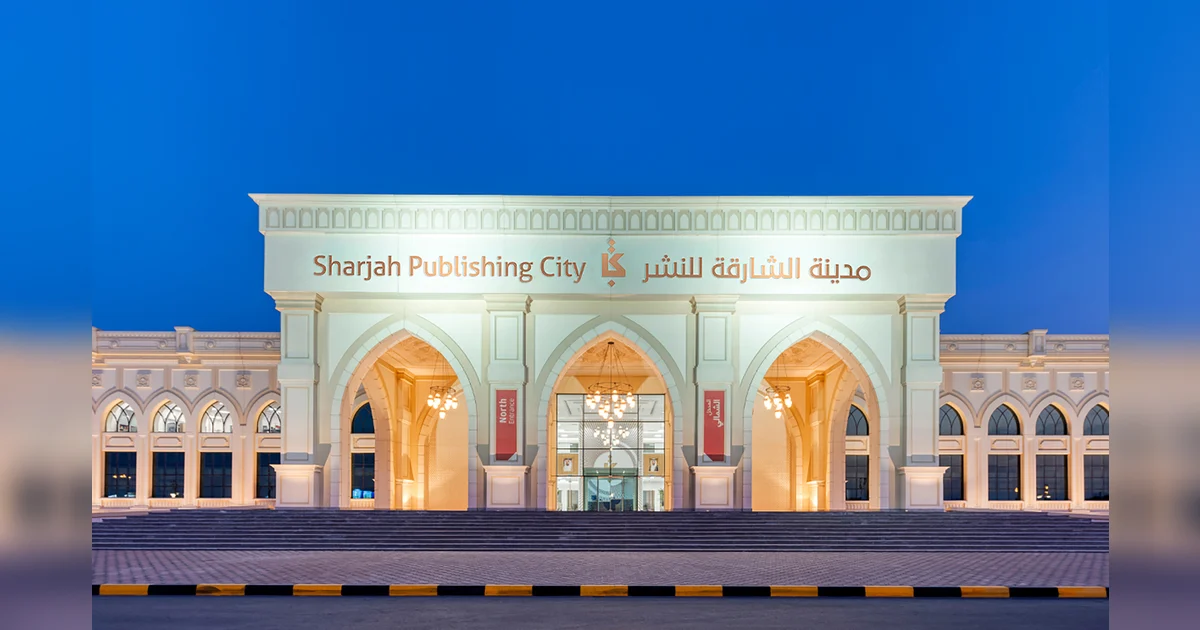
How Sharjah’s SPC free zone helps entrepreneurs take back control of their lives
While the UAE is renowned for its high standard of living and economic opportunities, many professionals find themselves sacrificing personal time and autonomy in pursuit of financial stability. Over 41% of employees report extended work hours and lengthy commutes, leaving little room for personal life or savings. This growing dissatisfaction has spurred a wave of entrepreneurship, as individuals seek greater freedom and control over their lives. However, the journey to business ownership is often fraught with challenges, including high licensing costs, complex setup processes, and stringent local ownership rules. Enter Sharjah Publishing City (SPC) Free Zone, a dynamic hub designed to simplify entrepreneurship and empower aspiring business owners. Established in 2017, SPC Free Zone leverages Sharjah’s strategic location and business-friendly environment to attract entrepreneurs from around the globe. By offering the world’s first AI-powered business license, SPC Free Zone enables entrepreneurs to obtain licenses instantly or on the same day of application. Additionally, business owners can register up to five activities under a single license, providing flexibility to explore diverse industries such as e-commerce and consultancy. With affordable packages starting at just Dh5,750 and flexible payment plans, SPC Free Zone removes financial barriers for first-time entrepreneurs. The free zone also offers SPC Plus, a suite of services designed to streamline visa applications, medical examinations, tax filing, and corporate banking setup. By addressing the pain points of time and cost, SPC Free Zone empowers entrepreneurs to take the first step toward building successful businesses in the UAE.
-
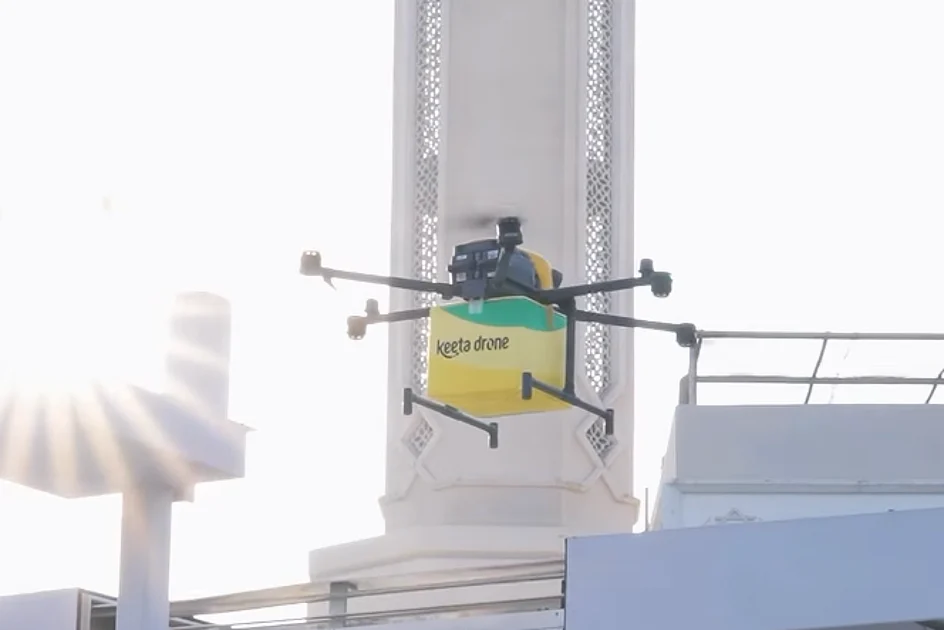
Watch: Dubai launches drone delivery route through Nad Al Sheba Grand Mosque
Dubai has taken a significant leap in technological innovation by launching its first drone delivery route through the Nad Al Sheba Grand Mosque. This initiative, which commenced on Monday, transforms the mosque into a central hub for food pickups, leveraging its role as a community and service center across the UAE. Residents in the area can now place orders through Keeta Drone, a leading drone delivery service, to receive meals and beverages from restaurants and cafes at Avenue Mall. The deliveries are efficiently transported to the mosque’s courtyard, offering a seamless and eco-friendly solution for the community. This project is a collaborative effort between the Dubai Civil Aviation Authority, the Islamic Affairs and Charitable Activities Department, and Keeta Drone, marking a milestone in integrating technology into everyday life. The initiative aligns with Dubai’s broader vision to expand drone delivery services, aiming to cover 30% of the city by next year and 70% within the next five years. Additionally, the UAE recently granted its first drone airspace service provider certificate to Dubai Air Navigation Services (DANS), which has developed an advanced air traffic management platform for drones. This platform ensures real-time approvals, integrates radar and weather data, and enhances conflict detection and avoidance capabilities, paving the way for future urban air mobility applications.
-
Hedge and Sachs financial consultations secures key regulatory milestone with SCA License approval
Hedge & Sachs Financial Consultations, a prominent financial advisory firm, has reached a significant milestone by securing the Category 5 license from the UAE Securities and Commodities Authority (SCA). This achievement not only highlights the firm’s evolution but also reinforces its dedication to creating a secure and forward-thinking financial advisory platform in the UAE. The license empowers Hedge & Sachs to provide extensive financial advisory services to individuals, family offices, and institutional clients, showcasing its commitment to investor protection, elevated advisory standards, and alignment with the UAE’s progressive financial vision. Shivansh Rachit, founder and executive chairman of Hedge & Sachs, emphasized that the license is both a recognition of their efforts and a responsibility to uphold integrity and accountability. Since its inception, the firm has grown into a 200-member powerhouse, known for its strategic insight and robust operational framework. With this regulatory milestone, Hedge & Sachs is set to expand its services, introduce innovative investment products, and explore emerging asset classes. The firm’s future growth will focus on leveraging financial technology to enhance client experience and efficiency. As the UAE solidifies its status as a global financial hub, Hedge & Sachs remains committed to being a trusted partner for investors, maintaining the highest professional standards while adapting to the dynamic market demands.