
In a stunning display of skill and determination, South Africa’s women’s cricket team triumphed over England by 125 runs in the ICC Women’s World Cup semi-final held in Guwahati. This victory marks South Africa’s first-ever entry into a World Cup final in either men’s or women’s cricket. The Proteas posted an imposing total of 319-7, largely thanks to a phenomenal innings by Laura Wolvaardt, who scored 169 runs off 143 balls. Wolvaardt’s masterclass in 50-over batting was complemented by Marizanne Kapp’s sensational bowling performance, where she claimed 5 wickets for just 20 runs. England, chasing a record target in a knockout game, crumbled under pressure, being bowled out for 194 in 42.3 overs. Despite a valiant effort from Nat Sciver-Brunt, who scored 64 runs, England’s top order collapsed early, with three batters dismissed for ducks. South Africa’s comprehensive performance was a testament to their resilience and strategic brilliance, setting up a final clash against either India or Australia. This historic win not only avenges South Africa’s previous semi-final losses to England but also cements their place as a formidable force in women’s cricket.
标签: Africa
非洲
-
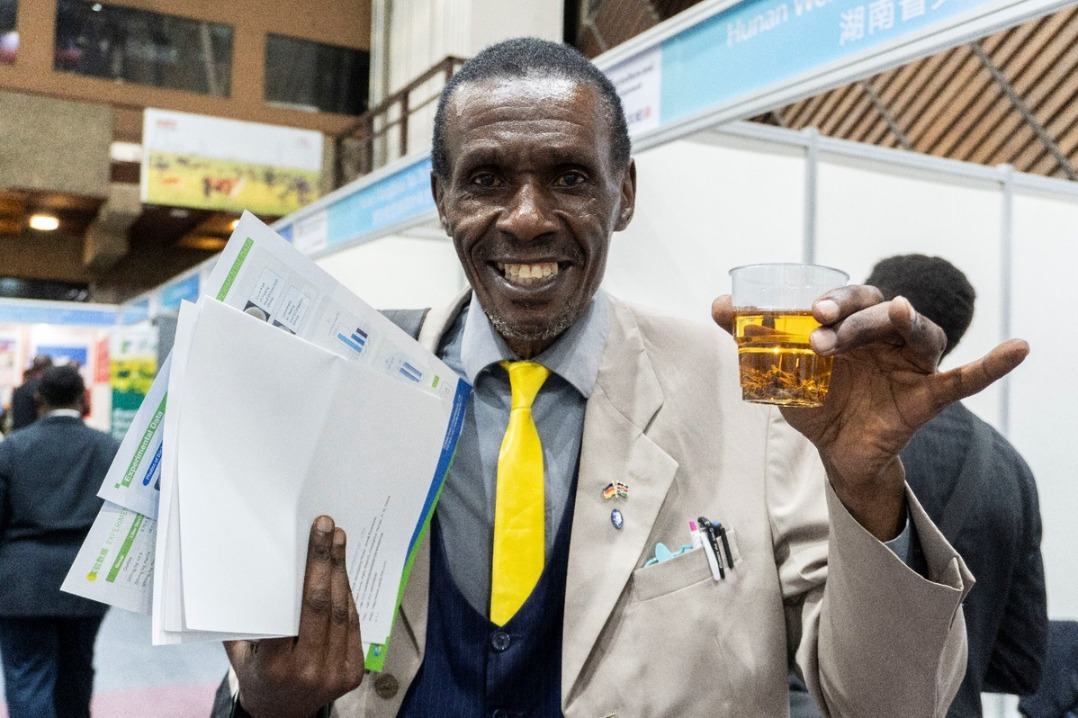
Expo boosts Sino-Africa relations
The 2025 Africa International Agricultural Expo, held from October 28 to 31 in Nairobi, Kenya, has emerged as a pivotal event in fostering Sino-Africa cooperation in agriculture. As Africa grapples with food insecurity and strives to build resilient agricultural systems, the expo has provided a platform for policymakers, investors, researchers, and farmers to exchange innovations, explore business opportunities, and establish partnerships. Organized by Hunan Hongxing International Exhibition and Agri-Africa Exhibition, with support from Kenya’s Ministry of Agriculture and Livestock Development, the event has drawn over 150 exhibitors and 100 international delegations, marking a significant step in positioning Kenya as a regional hub for agri-business and innovation. Kipronoh Ronoh, principal secretary in Kenya’s State Department of Agriculture, highlighted the expo’s role in promoting innovation, technology adoption, and market access as key drivers of agricultural transformation. Chinese Ambassador to Kenya, Guo Haiyan, emphasized Africa’s untapped agricultural potential, citing its fertile land, year-round sunshine, and youthful population. However, she acknowledged the continent’s challenges, including limited access to technology, financing, and markets, as well as the impacts of climate change. Drawing parallels to China’s agricultural transformation over the past five decades, Guo expressed China’s commitment to sharing its expertise in innovation, technology transfer, and market reforms to support Africa’s agricultural development. The expo underscores the growing agricultural partnership between China and Africa, reflecting a shared vision for sustainable growth and food security.
-
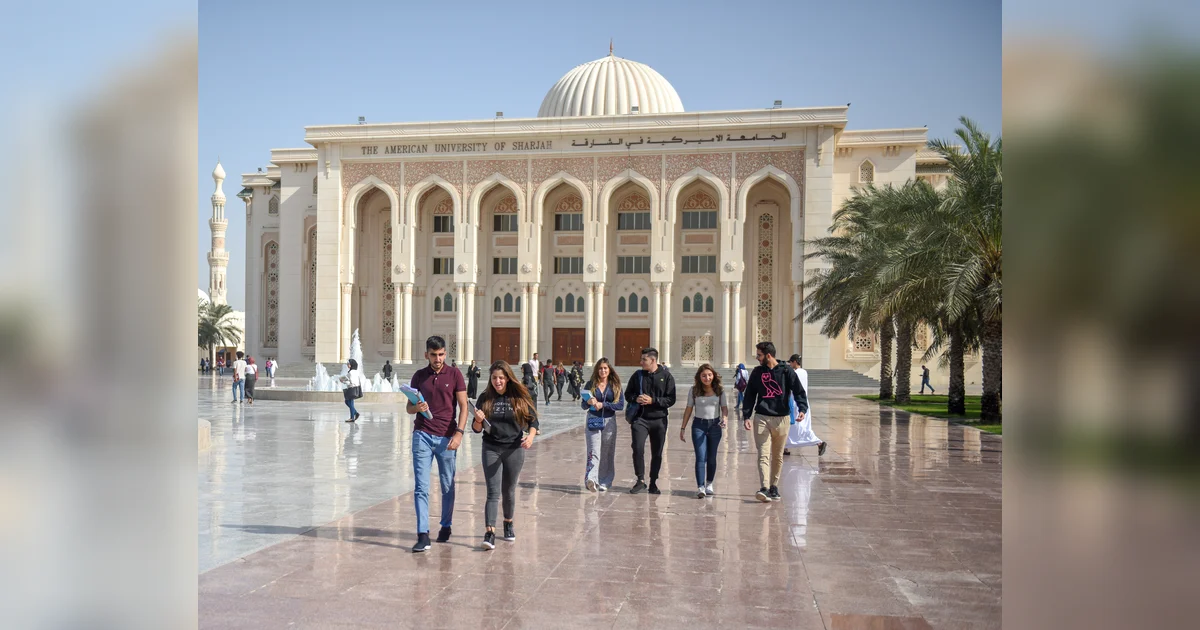
American University of Sharjah Open Day 2025: Spend a day exploring an elite American university experience
The American University of Sharjah (AUS) is set to host its annual Open Day on November 23, 2025, offering high school students and their families a unique opportunity to explore one of the UAE’s premier educational institutions. From 10:30 AM to 3:00 PM, attendees will engage in guided campus tours, visit state-of-the-art facilities, and interact with faculty, students, and admissions staff. The event aims to provide an authentic glimpse into academic life, campus culture, and the myriad opportunities available at AUS.
AUS, renowned for its commitment to academic excellence, offers 33 undergraduate majors and 48 minors across four colleges: Architecture, Art and Design; Arts and Sciences; Engineering; and Business Administration. Recent additions to its curriculum, such as data science and digital construction engineering, reflect the university’s responsiveness to global industry demands. AUS also stands at the forefront of innovation, with faculty and students contributing to groundbreaking research in areas like breast cancer therapies, drone radar systems, and blockchain-powered carbon trading platforms.
The university’s integration of artificial intelligence into its curriculum, with 58 AI-related courses, further underscores its dedication to preparing students for future challenges. Its AI Hub and six specialized research centers provide cutting-edge resources for both faculty and students. AUS’s reputation for producing job-ready graduates is well-established, with alumni securing positions at global giants like Microsoft, Amazon, and Google, as well as regional government entities. Many have also pursued advanced degrees at prestigious institutions such as Harvard and Stanford.
Ranked among the top universities in the UAE, the Arab world, and globally, AUS offers a vibrant multicultural environment with over 100 nationalities represented. Its 124 student clubs and 34 sports teams foster creativity, leadership, and community engagement. Financial support is also available through scholarships and grants, including merit awards, full-tuition scholarships, and family tuition grants.
Participation in the Open Day is free and open to all high school students, parents, and counselors. For registration and more information, visit openday.aus.edu or contact the Office of Enrollment Management at infodesk.aus.edu.
-
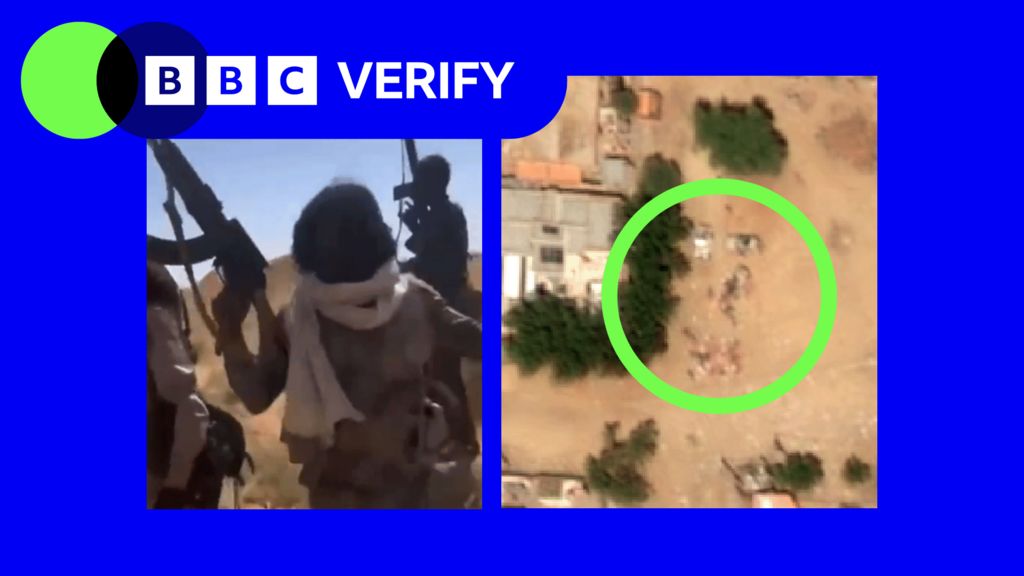
New videos show executions after militia takes key Sudan city
The Rapid Support Forces (RSF), a paramilitary group engaged in Sudan’s protracted civil war, have been accused of executing unarmed civilians following their capture of the strategic city of el-Fasher. Newly analyzed videos by BBC Verify depict men in military attire, some bearing RSF insignia, carrying out acts of extreme violence. The UN’s Sudan coordinator, Denise Brown, confirmed receiving credible reports of summary executions in the city, labeling such acts as war crimes under the Geneva Convention. The RSF, however, denies targeting civilians, with adviser Imran Abdullah stating their focus remains on military objectives. The conflict, which erupted in 2023, has claimed over 150,000 lives and displaced approximately 12 million people. Satellite imagery analyzed by Yale University’s Human Rights Laboratory suggests mass killings in el-Fasher, with clusters consistent with human bodies visible in recent images. Despite these findings, BBC Verify cannot independently confirm the exact nature of the events due to the lack of on-the-ground footage. The RSF, which controls much of Darfur and Kordofan, has a history of ethnically motivated violence, with analysts attributing some actions to the group’s decentralized structure. The Sudanese Armed Forces (SAF) have regained control of key areas, including the capital Khartoum, but el-Fasher’s fall marks a significant shift in the conflict’s dynamics. Both sides have been accused of war crimes, with the US previously labeling RSF actions as genocide.
-
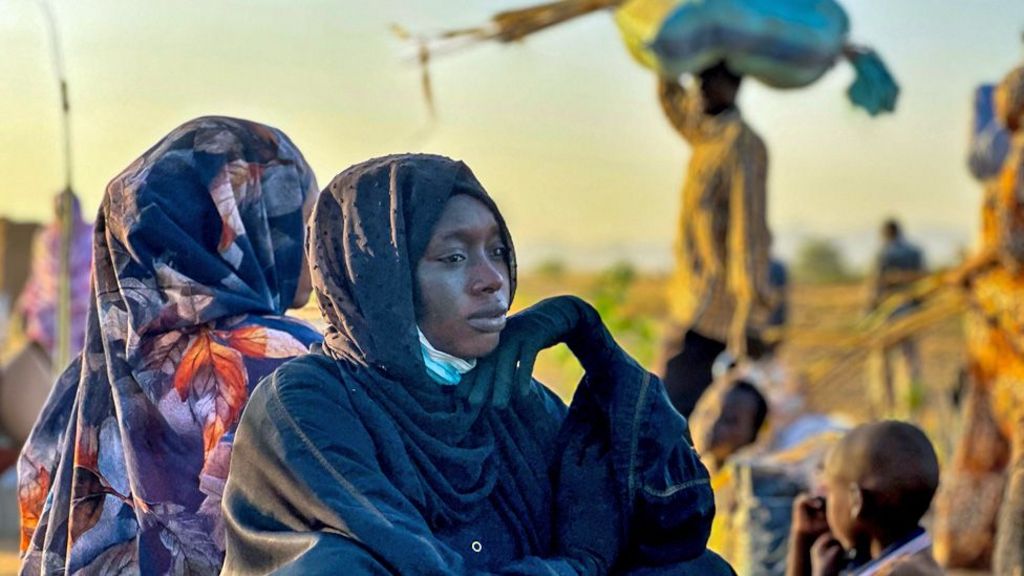
A simple guide to what is happening in Sudan
Sudan, a nation in northeast Africa, has been engulfed in a devastating civil war since April 2023, triggered by a power struggle between the Sudanese Armed Forces (SAF) and the Rapid Support Forces (RSF), a powerful paramilitary group. The conflict has resulted in over 150,000 deaths and displaced approximately 12 million people, creating what the United Nations has termed the world’s largest humanitarian crisis. The war has exacerbated existing poverty, with state revenues plummeting by 80% in 2024, further crippling the nation’s economy. The roots of the conflict trace back to the 2019 ousting of long-time President Omar al-Bashir, followed by a series of coups and failed attempts at establishing a civilian-led government. The current war is fueled by disagreements between SAF leader Gen Abdel Fattah al-Burhan and RSF leader Gen Mohamed Hamdan Dagalo, particularly over the integration of the RSF into the national army. The RSF, which originated from the notorious Janjaweed militia, has been accused of committing atrocities, including genocide and ethnic cleansing in Darfur. The conflict has seen the RSF gain control of key territories, including el-Fasher, while the SAF retains dominance in the north and east. International efforts to broker peace have failed, with both sides showing little willingness to compromise. The humanitarian situation is dire, with over 24 million people facing acute food insecurity and aid operations severely hampered. The international community’s response has been criticized as inadequate, with calls for urgent action to prevent further catastrophe.
-
Sudan’s paramilitary killed hundreds including hospital patients in Darfur, residents say
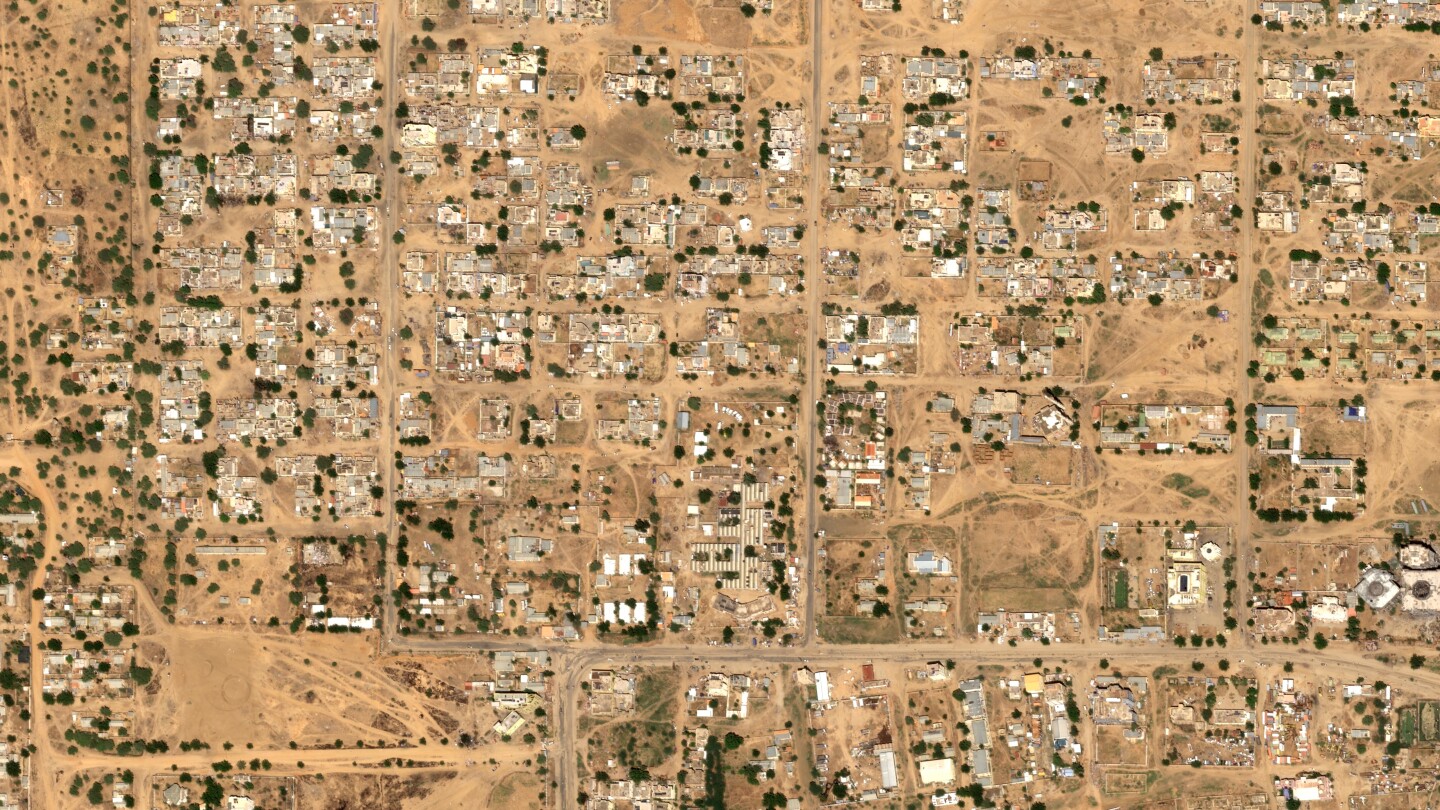
In a harrowing escalation of violence, Sudan’s Rapid Support Forces (RSF) have been accused of committing mass atrocities in el-Fasher, the capital of North Darfur, over the weekend. According to the United Nations, displaced residents, and aid workers, the RSF killed hundreds of people, including patients in the Saudi Maternity Hospital. Tedros Adhanom Ghebreyesus, Director-General of the World Health Organization (WHO), expressed profound shock, stating that 460 patients and companions were reportedly massacred. The Sudan Doctors Network corroborated these reports, describing the killings as cold-blooded executions of everyone inside the hospital. Witnesses recounted RSF fighters going house-to-house, beating and shooting civilians, including women and children, with many dying in the streets as they attempted to flee. Satellite imagery from the Yale School of Public Health’s Humanitarian Research Lab (HRL) corroborated mass killings around the hospital and other locations, suggesting systematic executions. The RSF’s actions have drawn global condemnation, with France, Germany, the UK, and the EU denouncing the atrocities. Human Rights Watch’s Mohamed Osman emphasized the urgent need for international intervention to protect civilians. U.S. Senator Jim Risch called for the RSF to be designated as a foreign terrorist organization, citing its role in genocide and unspeakable crimes against the Sudanese people. Aid groups warn of a catastrophic humanitarian crisis, with hundreds killed and thousands displaced, while communication blackouts obscure the true scale of the violence.
-
Sudan’s military expels top UN food aid officials as conflict escalates
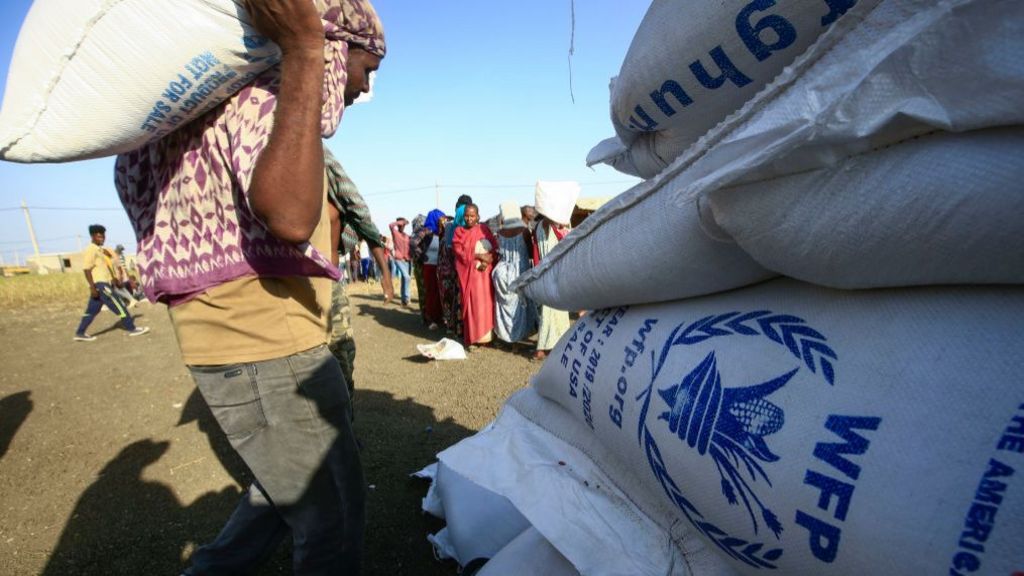
Sudan’s military government has ordered the expulsion of two senior officials from the United Nations’ World Food Programme (WFP) amidst a deepening humanitarian crisis fueled by a brutal civil war that began in April 2023. The WFP confirmed that its Sudan operation directors were declared ‘personae non grata’ and given 72 hours to leave the country without any explanation. This decision follows the recent capture of the strategic city of el-Fasher in Darfur by the paramilitary Rapid Support Forces (RSF) after an 18-month siege, which included a severe food blockade. The WFP described the expulsions as occurring at a ‘pivotal time,’ with over 24 million Sudanese facing acute food insecurity—the highest level of need in the country’s history. While the military government has not provided a reason for the expulsions, it has previously accused aid organizations of violating local laws and disseminating misleading reports on famine conditions. Despite the expulsion, the government stated that its cooperation with the WFP would continue, according to the state news agency Suna. The WFP is currently in discussions with Sudanese authorities to address the situation. The conflict between the Sudanese army and the RSF has intensified, with the RSF’s capture of el-Fasher raising fears for the safety of approximately 250,000 residents, many from non-Arab communities. Reports of atrocities, including mass killings, have surged since the city fell. Escaped residents have described dire conditions, including looting and indiscriminate violence. The RSF has denied targeting civilians, but allegations of ethnic violence persist, with local activists and international researchers accusing the group of executing wounded individuals at el-Fasher’s Saudi Hospital. The international community, including the European Union and African Union, has expressed grave concern, with many drawing parallels to the Darfur genocide of 2003-2020. Sudanese-American poet Emtithal Mahmoud, who has family in el-Fasher, warned that the current violence resembles a ‘genocide,’ amplified by the RSF’s use of social media to broadcast their actions. The situation in Sudan remains critical, with the conflict and famine threatening to push the country further into chaos.
-
From quiet sands to viral fame: How Exit 116 became UAE’s newest desert hotspot
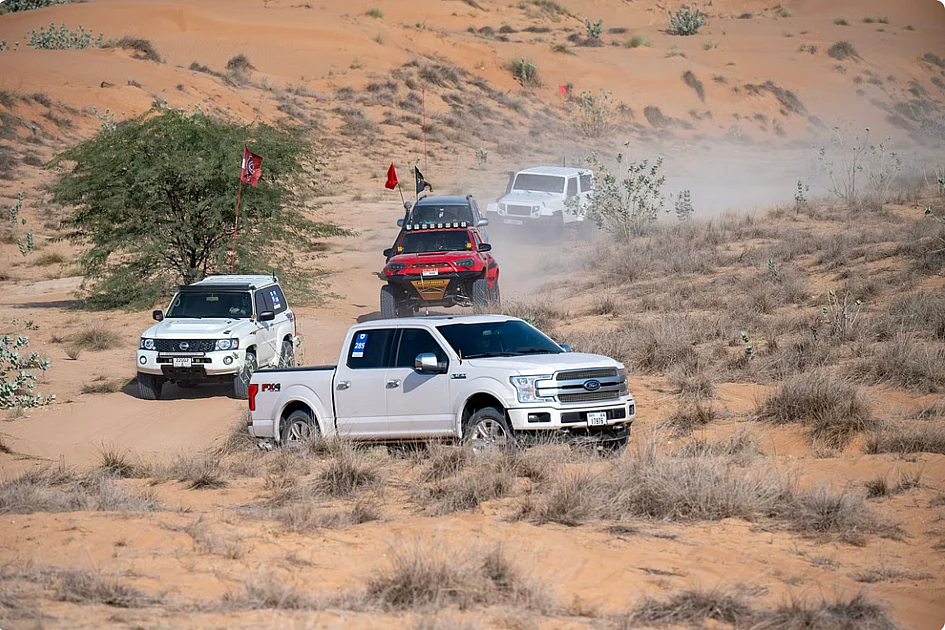
As winter approaches in the UAE, the allure of the desert draws adventure seekers back to its golden dunes. Among these, Exit 116 has emerged as a newfound hotspot, transforming from a neglected sandy area into a vibrant hub for car and motorcycle enthusiasts. This remarkable transformation began in early 2022 when Emirati resident Mohammed Al Mazrouei noticed the site’s potential despite its declining footfall. Leveraging his social media influence on platforms like Snapchat and Instagram, Al Mazrouei rallied a community of volunteers to clean, organize, and secure the area. What started as a modest clean-up effort soon evolved into a full-fledged community movement, supported by rescue teams, paramedics, and local businesses. By 2024, Exit 116 had gained widespread recognition, attracting visitors from across the UAE and neighboring GCC countries. Al Mazrouei and his team ensured the site’s safety and cleanliness, organizing weekly events and competitions that prioritized regulatory compliance. This initiative not only revived a forgotten desert area but also fostered tourism and entrepreneurship in the region. Today, Exit 116 stands as a testament to collective effort, offering a safe and organized environment for desert adventures and motorsports enthusiasts.
-
Sudan war takes a turn as paramilitary force captures Darfur, threatening to split the country
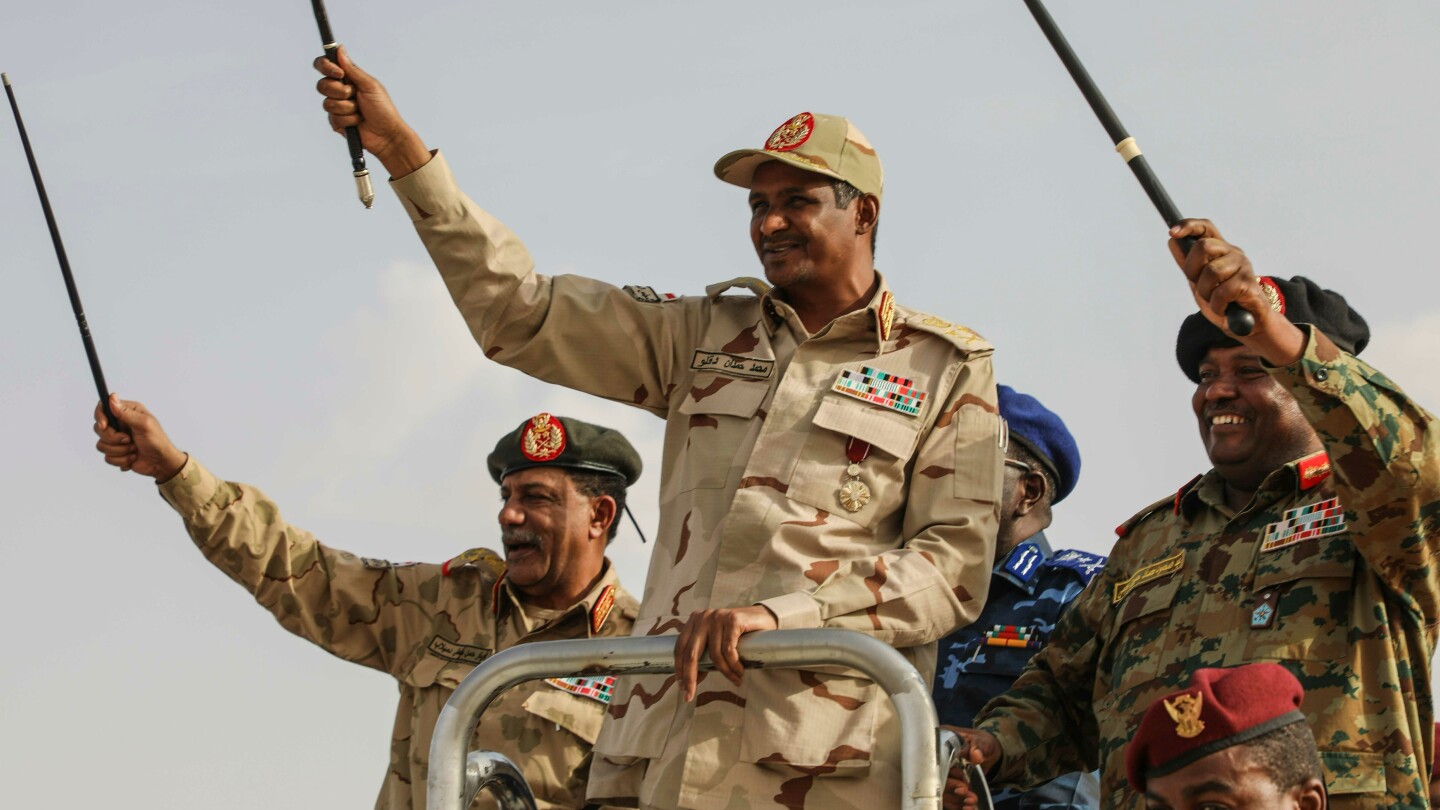
Sudan’s protracted two-year civil war has entered a perilous new chapter as the Rapid Support Forces (RSF), a powerful paramilitary group, has seized complete control of the Darfur region. This development follows the RSF’s expulsion of the Sudanese army from its final stronghold in the area, marking a significant shift in the conflict’s dynamics. The ongoing war has already claimed over 40,000 lives and displaced more than 14 million people, creating the world’s most severe humanitarian crisis. The capture of el-Fasher, the capital of North Darfur, has intensified fears that Sudan, Africa’s third-largest nation, may face fragmentation, echoing the secession of South Sudan in 2011. The RSF, led by General Mohammed Hamdan Dagalo, has roots in the Janjaweed militia, notorious for its role in the Darfur genocide during the early 2000s. Dagalo, also known as Hemedti, has emerged as a central figure in Sudanese politics, leveraging his family’s wealth from gold mining and livestock to build a formidable force. The RSF’s rise has been marred by allegations of human rights abuses, including mass displacement, torture, and extrajudicial killings. The group’s expansion has been bolstered by regional alliances, particularly with Gulf states like the UAE, which has been accused of providing support despite denials. As the RSF consolidates its grip on Darfur, the prospect of Sudan’s disintegration looms large, with Dagalo announcing plans to establish a rival government in the territories under his control. The conflict, marked by indiscriminate violence and widespread suffering, shows no signs of abating, leaving the nation’s future in jeopardy.
-
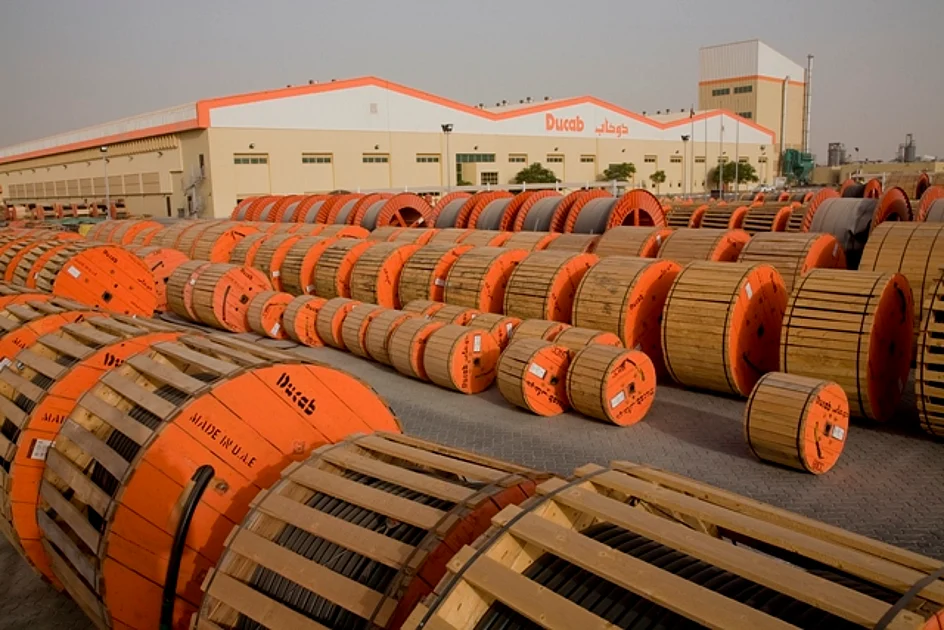
Middle East wires & cables market set for $32b surge on infrastructure boom
The Middle East’s wires and cables market is poised for significant growth, with projections indicating a surge from $23 billion to over $32 billion within the next five years. This expansion is fueled by a robust infrastructure boom, encompassing real estate, renewable energy, industrial development, and electrification initiatives across the region. The UAE and Saudi Arabia are leading this charge, with the UAE accelerating advancements in real estate, clean energy, and manufacturing, while Saudi Arabia’s mega-projects like NEOM, The Line, and Qiddiya are driving unprecedented demand for power cables and specialized conductors. The International Energy Agency underscores the importance of grid modernization and transmission upgrades in achieving the region’s renewable energy goals, further boosting the need for high-performance cables. Globally, the wires and cables sector is expected to reach $281 billion by 2030, growing at an annual rate of 4.1%, driven by urbanization and the energy transition. In the Gulf, investments are even more substantial, with $147 billion in construction projects underway and $60 billion earmarked for renewable energy over the next five years. Additionally, rail and transport upgrades could require over $6.6 billion by 2033, while charging infrastructure and e-mobility development may attract between $10 billion and $20 billion. Regional manufacturers like Ducab in the UAE and Bahra Electric in Saudi Arabia are expanding their capacity and product lines to meet the rising demand for specialized cables used in solar plants, offshore wind farms, hydrogen projects, high-voltage transmission corridors, and smart mobility systems. Industry leaders emphasize the importance of higher safety standards, fire-resistant materials, efficiency gains, and sustainability certifications. Daniel Ryfisch, project director at Messe Dusseldorf, highlights the Middle East’s wires and cables sector as being on the cusp of a decade-long expansion, driven by ongoing energy transition efforts, electrification, and large-scale urban development. Manufacturers are not only scaling production for domestic markets but also expanding their export reach into Africa, Asia, and Europe. Several leading Gulf producers are set to participate in the wire & Tube trade fairs in Düsseldorf in April 2026, which will serve as a global networking and sourcing platform.