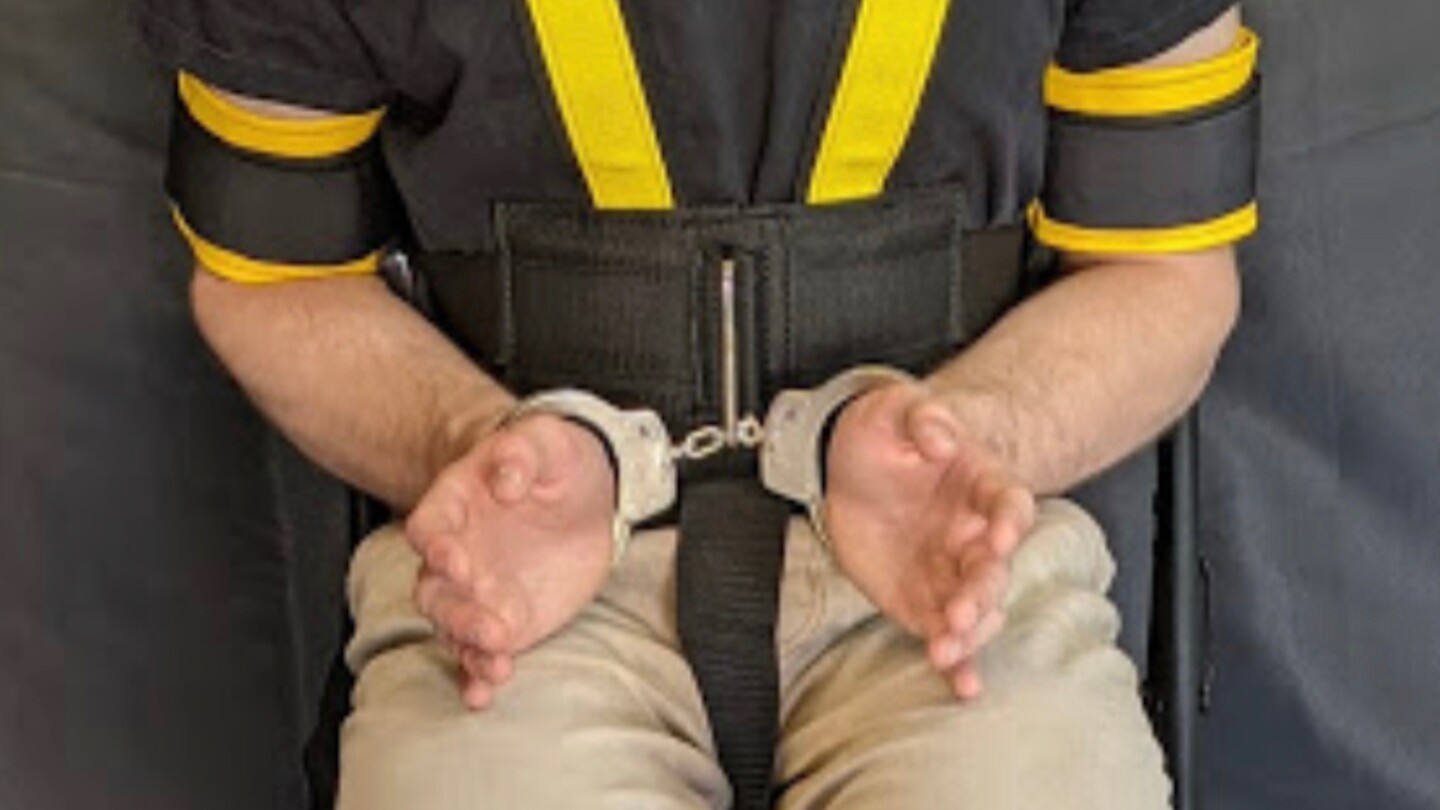
A coalition of 11 Democratic U.S. senators has raised alarm over the “near-total secrecy” surrounding deportation flights and the use of full-body restraints, known as the WRAP, by U.S. Immigration and Customs Enforcement (ICE). In a letter addressed to top immigration officials on Thursday, the senators expressed “serious human rights concerns” and called for greater transparency and accountability.
标签: Africa
非洲
-
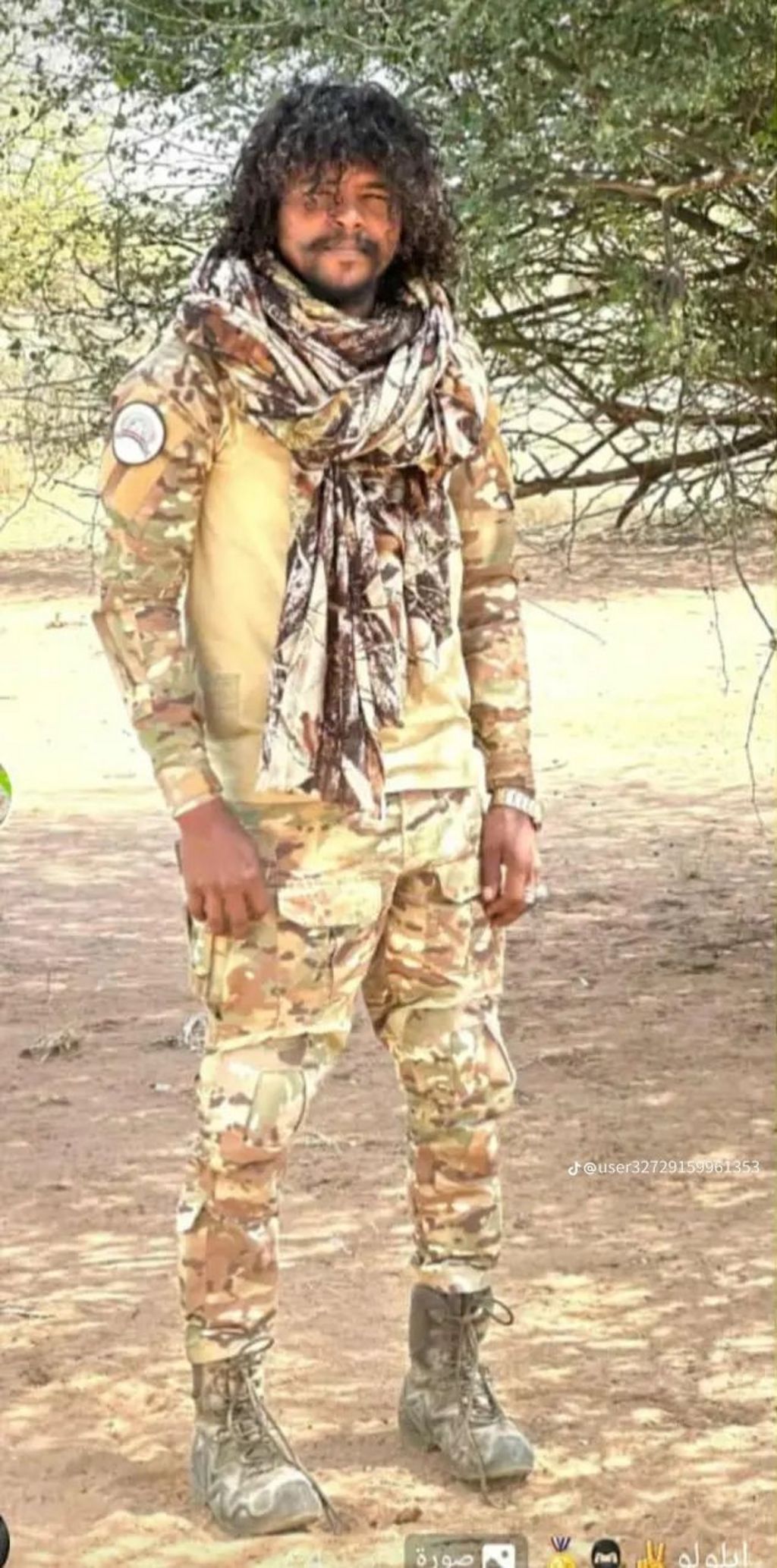
Tracking an executioner in Sudan across social media
Disturbing evidence has emerged on social media, revealing the execution of unarmed civilians by the Rapid Support Forces (RSF) in the Sudanese city of el-Fasher. The footage, meticulously analyzed by BBC Verify, captures the harrowing moments when RSF fighters carried out these brutal acts following their capture of the city. The RSF, a paramilitary group with a controversial history, has been accused of numerous human rights violations in the past. This latest incident underscores the escalating violence and lawlessness in Sudan, where armed groups operate with impunity. The videos have sparked international outrage, with calls for accountability and justice for the victims. The use of social media to document such atrocities highlights its dual role as both a tool for exposure and a platform for advocacy in conflict zones.
-
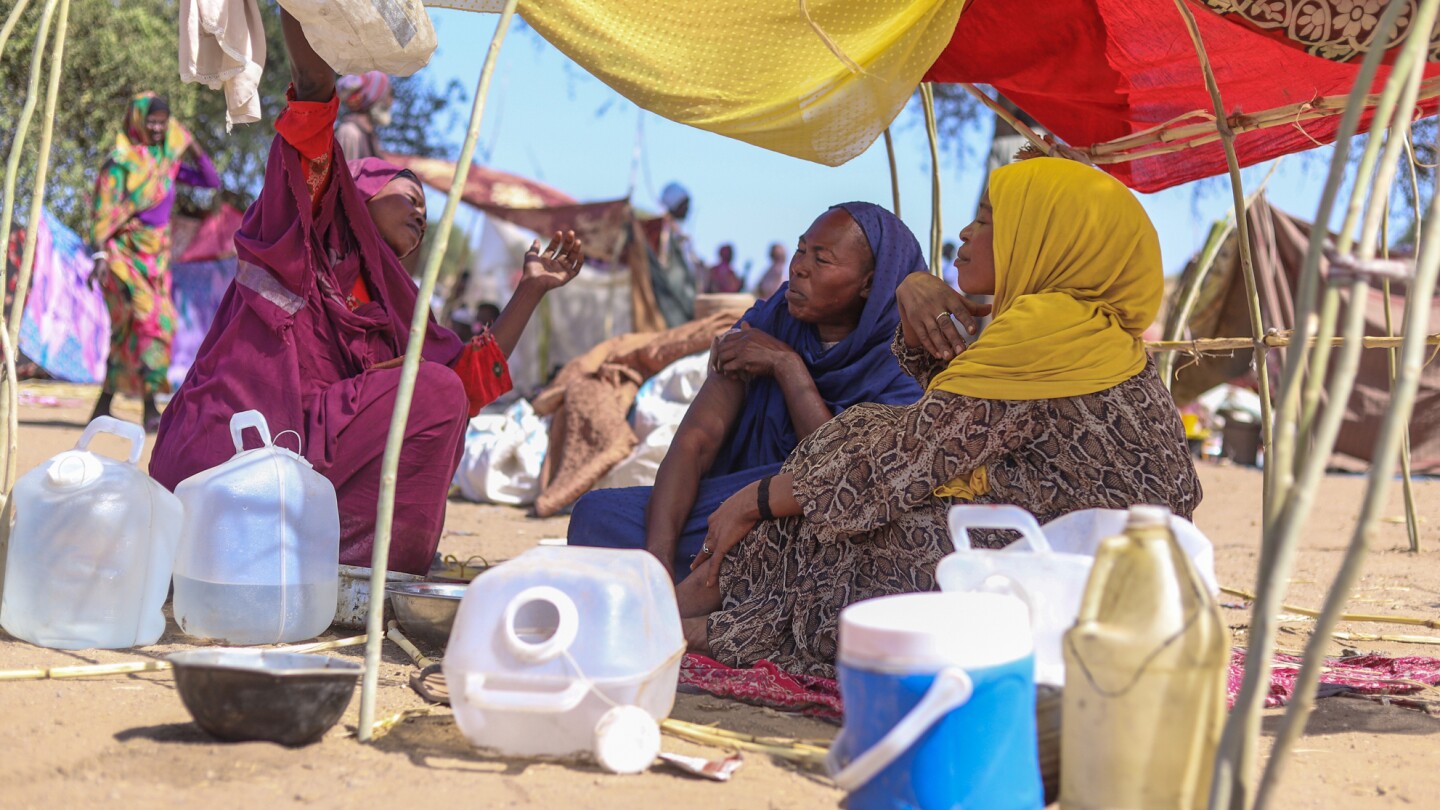
Aid workers fear for those missing from a city in Sudan’s Darfur region seized by paramilitary force
In the wake of a brutal paramilitary assault on el-Fasher, Sudan’s Darfur region, aid workers have expressed grave concerns over the fate of thousands who fled the violence. The Rapid Support Forces (RSF), a group embroiled in conflict with Sudan’s military since 2023, reportedly killed hundreds during the attack and subsequent escape attempts. Witnesses described RSF fighters conducting house-to-house raids, targeting civilians, including women and children. The World Health Organization (WHO) has confirmed the deaths of 460 people at a hospital in el-Fasher, though the exact toll remains unverified due to disrupted communications. Satellite imagery has revealed bodies strewn across the city, corroborating reports of mass executions. Only a small number of displaced individuals have reached Tawila, a town 60 kilometers west of el-Fasher, raising fears for the safety of those still trapped. The International Rescue Committee (IRC) warned that hundreds of thousands remain in grave danger, with survivors recounting arbitrary killings during their escape. RSF commander Gen. Mohammed Hamdan Dagalo acknowledged “abuses” by his forces and announced an investigation, but the situation remains dire. The ongoing conflict, which has claimed over 40,000 lives and displaced 14 million, threatens to further destabilize Sudan, Africa’s third-largest nation, raising fears of a potential split akin to South Sudan’s independence in 2011.
-
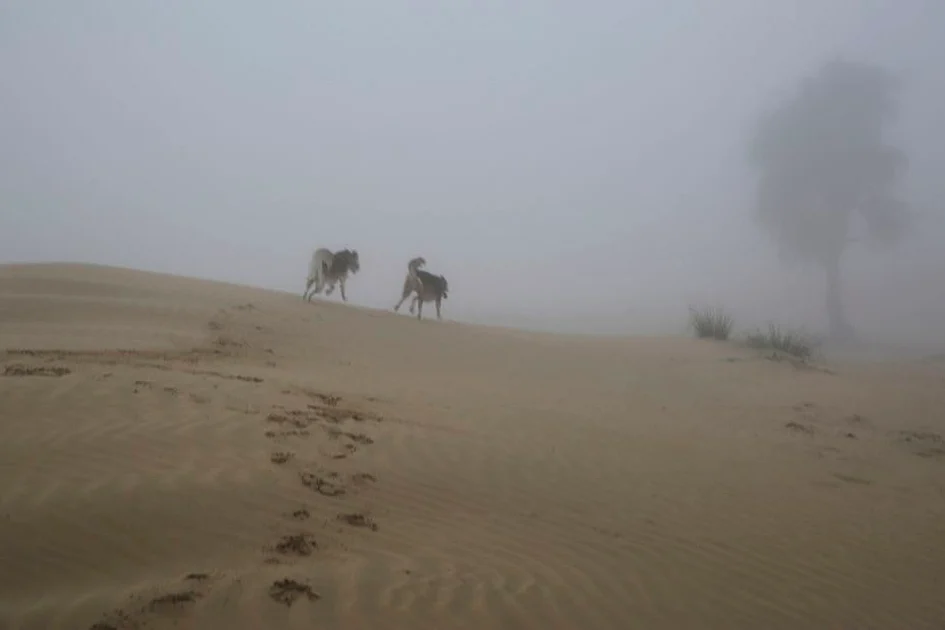
UAE weather: Fog predicted as temperatures drop to 17°C in some parts
As November approaches, the United Arab Emirates (UAE) is preparing for a shift in weather patterns, marked by foggy conditions and cooler temperatures. On Thursday, October 30, 2025, the skies across the UAE are expected to be fair to partly cloudy, with fog or mist likely to form over coastal and internal areas, particularly in the northern regions. Humidity levels are predicted to rise significantly by night and into Friday morning, reaching up to 85% in major cities like Abu Dhabi and Dubai. Temperatures will vary across the country, with Abu Dhabi experiencing a range of 25°C to 33°C, while Dubai will see temperatures between 26°C and 34°C. Sharjah is expected to cool down to 23°C, and some southern and internal areas may even see temperatures drop to as low as 17°C to 21°C. Light to moderate southeasterly-to-northwesterly winds are forecasted, with calm seas in the Arabian Gulf and the Oman Sea. Residents are advised to stay cautious during early morning commutes due to reduced visibility caused by fog.
-
Tanzania tells civil servants to work from home after protests mar election
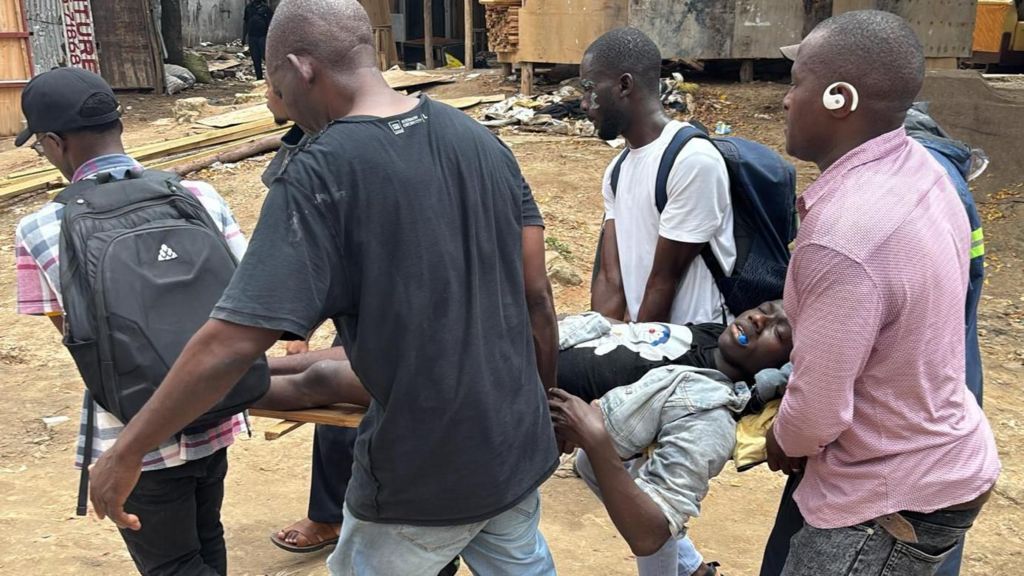
Tanzania’s recent elections have been marred by widespread violence, internet disruptions, and political unrest, leading to significant casualties and a tense atmosphere across the country. Protesters clashed with police on voting day, setting vehicles ablaze and damaging public infrastructure, as they accused the government of undermining democracy. The main opposition leader, Tundu Lissu, remains incarcerated on treason charges, while another key opposition figure, Luhaga Mpina, was disqualified from the presidential race, leaving President Samia Suluhu Hassan with a clear path to a second term. The government has ordered civil servants to work from home, and a night-time curfew has been imposed in Dar es Salaam, the nation’s largest city, where heavy security measures remain in place. Reports of deaths, including a civilian and a police officer, have drawn condemnation from rights groups like Amnesty International, which has called for an independent investigation into the police response. The US Embassy has confirmed that major routes, including the road to Dar es Salaam’s international airport, remain closed. Internet connectivity has been severely disrupted, raising concerns about the suppression of information and further escalation of tensions. President Samia, who assumed office in 2021 as Tanzania’s first female president, initially garnered praise for easing political repression but has since faced criticism for narrowing the political space and targeting critics through arrests and abductions. With vote counting underway, the electoral body is expected to announce results by Saturday, but the election has been widely seen as a foregone conclusion, given the absence of significant opposition.
-
Protests in Tanzania enter a second day after disputed election
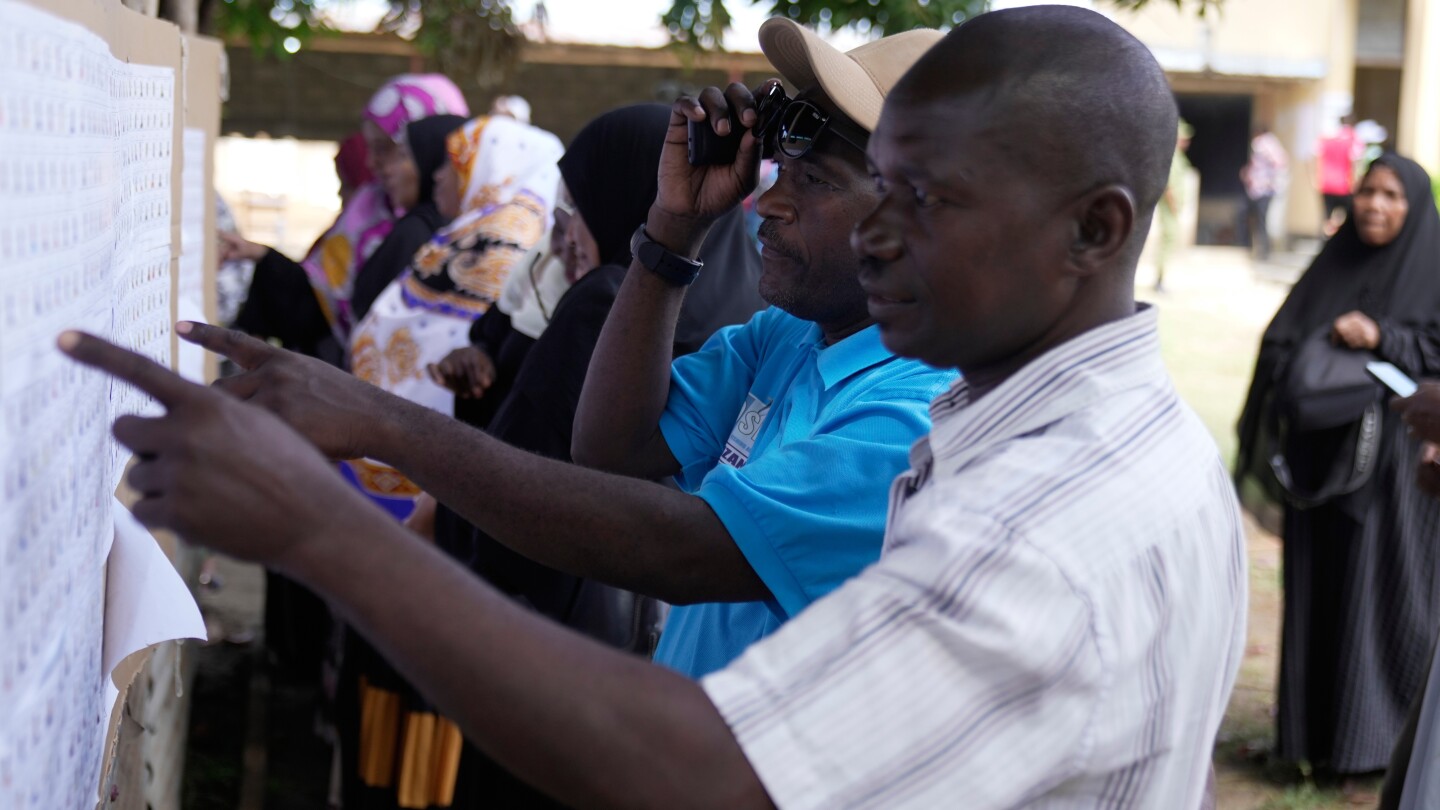
Tanzania has been plunged into turmoil following a contentious election, with hundreds of protesters taking to the streets for a second consecutive day on Thursday. The unrest comes as Amnesty International confirmed the deaths of two individuals during the demonstrations. The government, led by the long-ruling Chama Cha Mapinduzi (CCM) party, has responded with a heavy-handed approach, shutting down the internet, imposing a curfew, and deploying military forces to quell the protests. The CCM, in power since Tanzania’s independence in 1961, sought to extend its dominance in Wednesday’s election, which was marred by allegations of unfairness and the exclusion of major opposition candidates. Incumbent President Samia Suluhu Hassan faced minimal competition from 16 candidates representing smaller parties, none of whom mounted significant campaigns. Early results announced by the electoral body on Thursday showed Hassan with a commanding lead, securing 96.99% of the votes in 8 out of 272 constituencies. The European Parliament condemned the election as neither free nor fair, urging international partners to defend democracy and human rights. Meanwhile, the protests have escalated into violence, with demonstrators burning a bus and a gas station, attacking police stations, and vandalizing polling centers. The government has imposed a curfew in Dar es Salaam, the commercial capital, and restricted public movement, while roadblocks manned by the military have been erected nationwide. Amnesty International has called for investigations into the use of force by police, as tensions remain high and the country grapples with the fallout from the disputed election.
-
Reports of mass killings in Sudan have echoes of its dark past
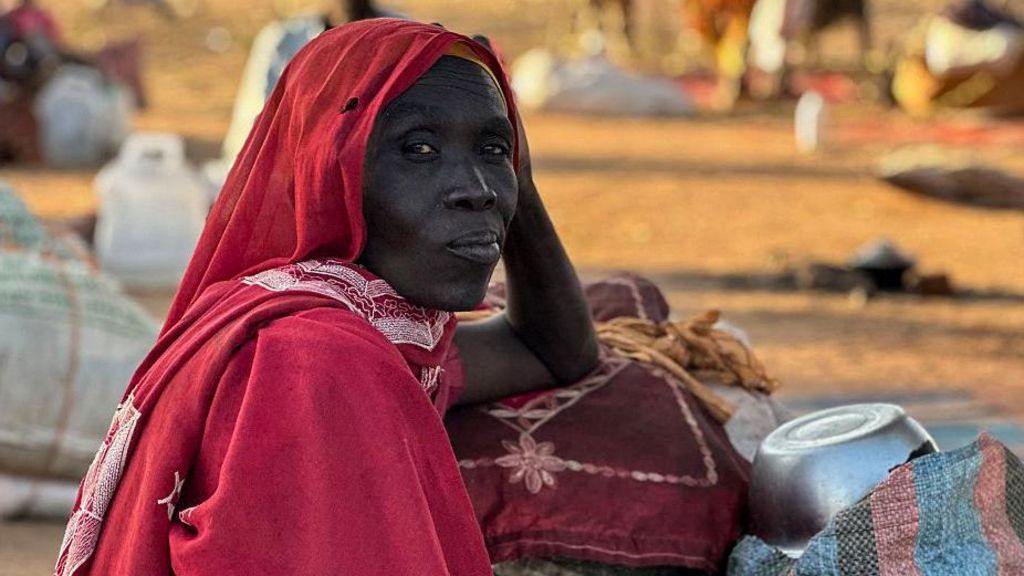
The Sudanese city of el-Fasher has become the epicenter of a brutal conflict, with emerging evidence of systematic killings prompting human rights activists to draw parallels to the Darfur genocide of the early 2000s. The Rapid Support Forces (RSF), a paramilitary group with roots in the Janjaweed militias, has been accused of ethnic violence and atrocities since its power struggle with the Sudanese army erupted in April 2023. The fall of el-Fasher after an 18-month siege has brought to light the layers of Sudan’s ongoing civil war, marked by echoes of its dark past and present-day brutality. Survivors recount tales of terror, including summary executions, looting, and indiscriminate shootings, while satellite images suggest massacre sites. The RSF leadership, including Gen Mohamed Hamdan Dagalo, has denied accusations of ethnic cleansing but admitted to ‘violations’ in el-Fasher. Despite promises of investigations, observers remain skeptical, citing unfulfilled pledges from past atrocities. The conflict has a clear ethnic dimension, with the RSF targeting the Zaghawa tribe and other non-Arab communities. Aid groups warn that without international intervention, the pattern of violence could escalate, drawing comparisons to historical genocides like Srebrenica. The international community faces mounting pressure to act, with activists urging accountability for those fueling the conflict, including the United Arab Emirates, accused of supporting the RSF.
-

Partnership fuels Africa’s digital leap
As Africa strives to overcome its digital divide, policymakers and technology leaders have highlighted the pivotal role of deepening technological cooperation with China in accelerating the continent’s digital transformation. From affordable smartphones to expanding broadband networks and skills development, this partnership is proving instrumental in bridging the connectivity gap and fostering a more inclusive digital future. According to the World Bank, Africa’s digital economy is projected to reach $712 billion by 2050, underscoring the significance of these collaborations. Aliyu Yusuf Aboki, Executive Secretary of the West Africa Telecommunications Regulators Assembly, emphasized the need for substantial investment to drive infrastructure and reduce device costs to the $20-$30 range, a tipping point for widespread adoption. He noted that Chinese companies are uniquely positioned to help achieve this goal. Despite rising mobile penetration, millions of Africans remain offline due to high device costs and limited rural connectivity. Collaborations with Chinese manufacturers and telecom giants are addressing these challenges by offering affordable smartphones and extending broadband networks into remote areas. In Uganda, partnerships with Chinese firms are enhancing access to digital services and strengthening the country’s ICT backbone. Godfrey Baluku Kabyanga, Uganda’s Minister of State for ICT and National Guidance, praised China’s willingness to share technology, citing Huawei’s role in expanding Uganda’s national backbone fiber network as a prime example of practical cooperation. Analysts have lauded this pragmatic model, which avoids burdensome political or financial preconditions, making China an attractive partner for African nations pursuing rapid digital transformation. Through companies like Huawei, ZTE, and Transsion, Chinese investment has contributed to the development of data centers, 5G infrastructure, e-government systems, and smartphone manufacturing across the continent. Bashir Gwandu, Chairman of the Commonwealth ITU Group, emphasized Africa’s openness to collaboration, welcoming any company that can enhance economic well-being and bridge the technology gap. As Africa positions itself for a more connected future, leaders anticipate that these partnerships will extend beyond infrastructure to encompass skills development, innovation hubs, and green digital solutions. ‘Africa’s digital transformation is not just about connectivity; it’s about creating opportunities for every citizen to participate in the global digital economy — and China’s cooperation is helping make that possible,’ Aboki concluded.
-
Sudan RSF leader promises probe as anger mounts over el-Fasher atrocities
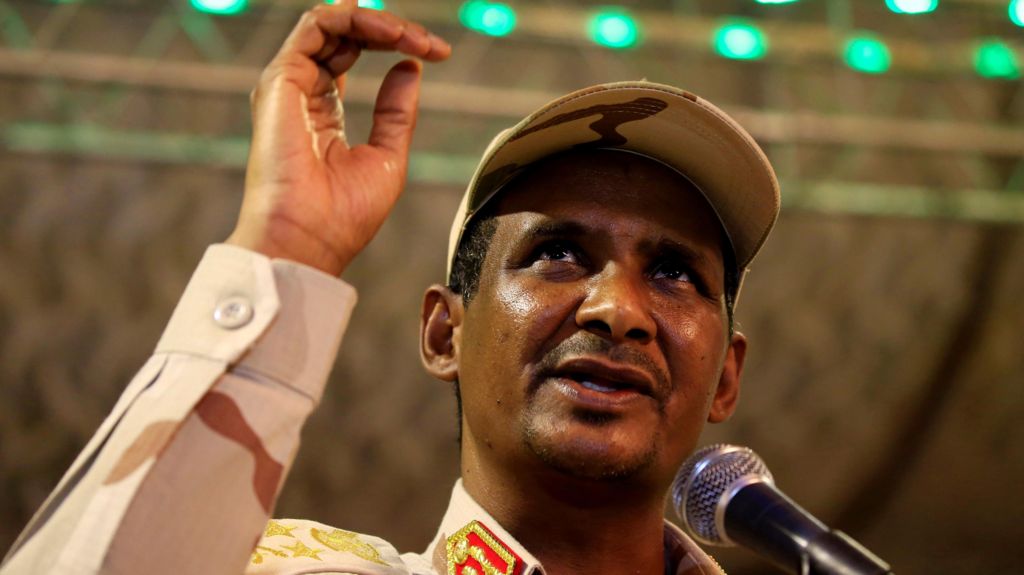
The commander of Sudan’s Rapid Support Forces (RSF), General Mohamed Hamdan Dagalo, commonly known as Hemedti, has initiated an investigation into alleged violations committed by his troops during the capture of el-Fasher. This announcement follows widespread reports of mass civilian killings in the Darfur region after the RSF seized control of the city on Sunday. The United Nations Security Council is set to convene a meeting to address the escalating crisis in Sudan, now in its third year of civil war between the army and the RSF. Hemedti expressed regret for the devastation inflicted on el-Fasher’s residents and acknowledged potential misconduct by his forces, promising a thorough inquiry by a newly arrived committee. The UN World Health Organization (WHO) has expressed profound shock over reports that nearly 500 civilians, including patients and their companions, were executed at the city’s last functioning hospital. The RSF denies accusations that the killings were ethnically motivated, despite claims of a pattern targeting non-Arab populations. Activists are urging international pressure on the United Arab Emirates (UAE), accused of providing military support to the RSF, a charge the UAE denies. El-Fasher, the army’s final stronghold in Darfur, fell to the RSF after an 18-month siege characterized by starvation and relentless bombardment. This capture has effectively divided Sudan, with the RSF controlling most of Darfur and parts of Kordofan, while the army retains Khartoum and the central and eastern regions. The conflict stems from a fallout between the RSF and the army, former allies who seized power in a 2021 coup, over a plan to transition to civilian rule.
-

Egg freezing before cancer treatment gives young women hope for future motherhood
As October marks Breast Cancer Awareness Month, Orchid Fertility highlights a crucial yet often overlooked aspect of cancer care: fertility preservation. For many young women and men, a cancer diagnosis during their reproductive years can jeopardize their dreams of parenthood due to the damaging effects of treatments like chemotherapy and radiation. Fertility preservation, or cryopreservation, offers a lifeline by enabling patients to freeze eggs, sperm, or embryos before undergoing cancer therapy, safeguarding their ability to have biological children in the future. Despite growing awareness of early cancer detection and treatment, fertility preservation remains underdiscussed, a gap Orchid Fertility aims to bridge. Dr. Partha Sarathi Das, Medical Director at Orchid Fertility, emphasizes that decisions made before treatment can profoundly impact a patient’s future family-building options. Modern cryopreservation techniques provide tangible hope for young patients, allowing them to preserve their fertility potential before life-saving therapies. For women, egg freezing (oocyte cryopreservation) is particularly valuable, as it can be initiated quickly without delaying cancer treatment. Men can opt for sperm freezing, a straightforward procedure, while couples may choose embryo cryopreservation. Advanced methods like ovarian tissue cryopreservation are also emerging for patients who cannot delay treatment or are prepubescent. A 33-year-old woman diagnosed with diffuse large B cell lymphoma exemplifies the transformative impact of fertility preservation. After freezing her eggs before chemotherapy, she later returned to undergo further fertility treatment, resulting in healthy embryos stored for future use. Her story underscores how timely fertility preservation empowers cancer survivors to pursue parenthood on their terms. With breast cancer survival rates improving, the ability to start a family post-treatment is increasingly recognized as a vital component of comprehensive care. Dr. Das advocates for integrating fertility preservation into every cancer care plan for young patients, offering hope, choice, and a sense of normalcy during challenging times.